|
|
|
|
|
|
 Photo: Unsplash
Mt. Koya, founded by the monk Kukai (Kobo Daishi) in 819 CE, is the cradle of Shingon Buddhism and one of the most spiritually charged places in Japan. Roughly 117 sub-temples cluster on this 800-meter plateau in Wakayama, and just over fifty of them welcome overnight guests. For an international traveler trying to choose a single shukubo (temple lodging) from that bewildering list, the practical question is not "which temple is best" but "which temple is best for me." The ten temples below represent the strongest combinations of English support, distinctive ritual programs, gardens, accessibility, and historical depth available on Mt. Koya in 2026.
In 819, the Heian-era monk Kukai received an imperial grant of land on the secluded Koyasan plateau and began building what would become the headquarters of Shingon Esoteric Buddhism. He died in 835 — or, according to Shingon doctrine, entered an unbroken state of deep meditation that continues to this day in the inner sanctum of the Okunoin mausoleum. Twelve hundred years later, monks still deliver two daily meals to his closed mausoleum doors, and pilgrims still walk the two-kilometer cedar avenue past 200,000 stone monuments to pay their respects.
In 2004, UNESCO inscribed the "Sacred Sites and Pilgrimage Routes in the Kii Mountain Range" on the World Heritage List, and Koyasan is one of its three core nodes. The mountain is not a museum, however — it is a working monastic city. Every shukubo on this list is an active sub-temple of Kongobu-ji or another Shingon head temple, run by ordained monks who lead morning services, prepare shojin ryori vegetarian dinners, and keep the lights burning in halls that in some cases have stood for 800 years.

Most international visitors come to Koyasan for one of three reasons: to witness the morning Goma fire ceremony, to walk Okunoin at night, and to eat shojin ryori cooked by monks. Almost every shukubo offers all three. The differences lie in the details — and those details matter when you are paying mid-three-figure rates per night.
Three filters to keep in mind. First, English support: a handful of temples conduct morning services bilingually or have English-fluent reception, while the rest assume Japanese ability. Second, the headline experience: a hot-spring bath, a Mirei Shigemori garden, a National Treasure pagoda, or proximity to Okunoin. Third, scale: Koyasan shukubo range from 4-suite boutiques to 60-plus-room hotel-style operations, and the atmosphere varies accordingly. The list below is organized so you can match your priorities against what each temple actually does best.
Tip
Book early. Koyasan has finite capacity and very high foreign demand from March through November. Cherry blossom (early-mid April) and koyo autumn color (late October to mid-November) sell out three to six months in advance. Anything booked inside two weeks at peak season is a minor miracle.
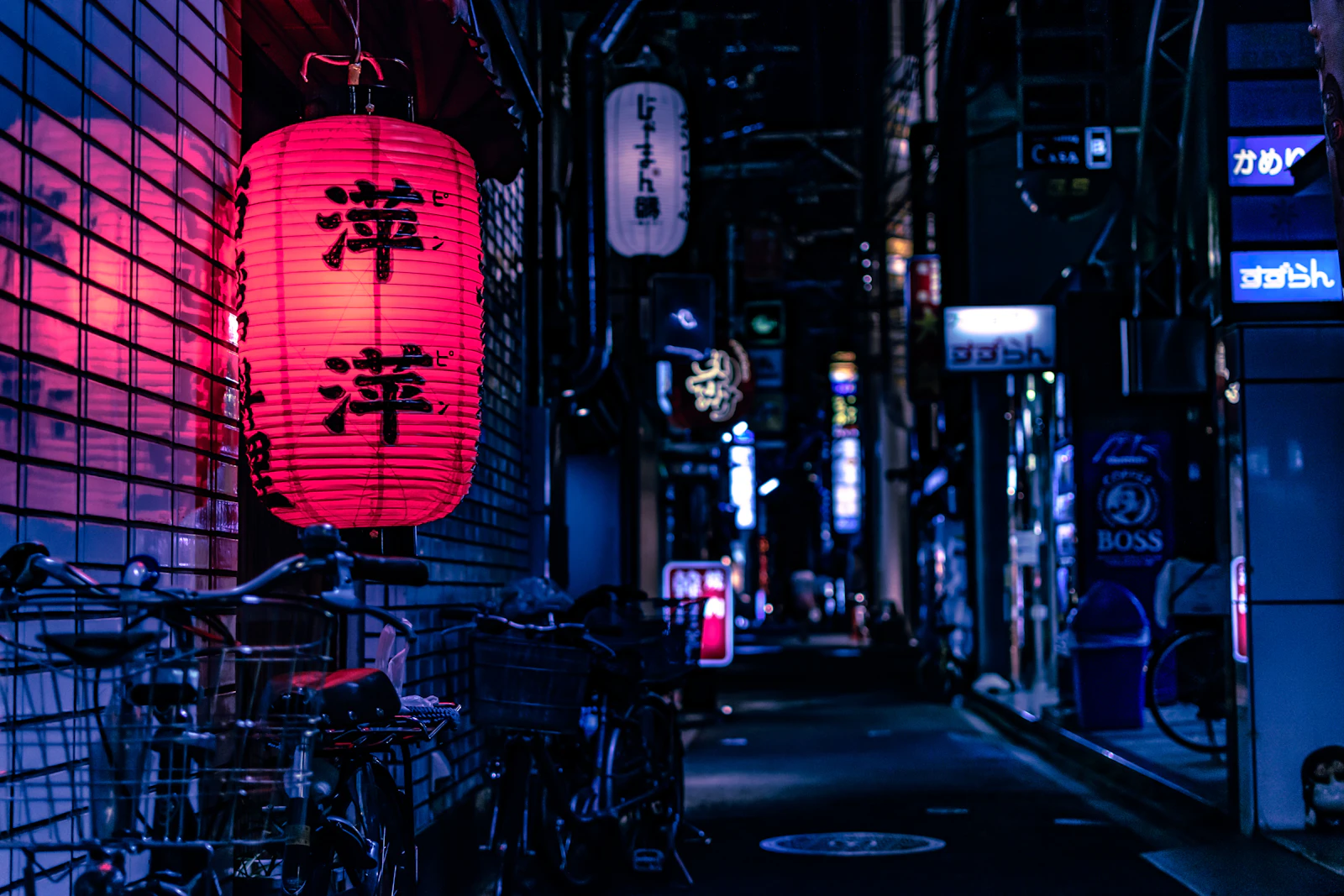
Eko-in, founded in 1190, is the single best-known shukubo on Mt. Koya in the English-speaking world, and for good reason. The resident monks lead nightly walking tours of Okunoin cemetery in English — meeting in the temple lobby after dinner and walking together past 200,000 cedar-shaded tombstones to Kobo Daishi's mausoleum. The next morning, guests gather in the main hall for the Goma fire ceremony, in which wooden prayer sticks are burned as offerings to the Buddha while monks chant Sanskrit mantras. Eko-in also offers daily Ajikan meditation classes in English — a contemplative practice unique to Shingon focusing on the syllable "A," the seed sound of Dainichi Nyorai.
Practically: 30 tatami rooms, shared communal bathing, futon bedding, garden views, and shojin ryori dinners that lean comforting rather than austere. Rates run roughly USD 130–280 per person per night including dinner and breakfast. If this is your first temple stay anywhere in Japan, Eko-in is the safest possible introduction. The trade-off is that you will share it with a crowd of equally well-prepared international guests; for solitude you should look elsewhere on this list.
Fukuchi-in is a celebrity among Koyasan shukubo for one specific reason: it is the only temple on Mt. Koya with its own natural alkaline hot spring. After a long day on the cedar paths of Okunoin, you can sink into an indoor cypress bath or step out to an open-air rotenburo as the temperature drops on the 800-meter plateau. No other shukubo on the mountain offers this. The temple was founded over 800 years ago by the monk Kakuin Ajari and enshrines Aizen Myo-o, a vivid red wisdom king associated with love, harmony, and the fulfillment of vows.
The other showpiece is the gardens. Three karesansui and pond gardens by the modernist landscape architect Mirei Shigemori (1896–1975) sit on the temple grounds — bold, dynamic stone arrangements considered among his late-career masterpieces. Fukuchi-in has 60 tatami rooms (large by Koyasan standards), a 6:00 AM morning service open to all guests, and practice options including shakyo sutra-copying, shabutsu Buddha tracing, and rare Ajikan meditation. Rates: roughly USD 175–390. Ideal for travelers who want comfort and aesthetics alongside their spiritual experience.
Founded in the early Kamakura period (1190–1199), Rengejo-in is best understood through one extraordinary historical moment: after their defeat at the Battle of Sekigahara in 1600, the warlord Sanada Masayuki and his son Sanada Yukimura — one of the most famous samurai in Japanese history — were exiled to Mt. Koya and lodged at Rengejo-in. The temple has served as the Sanada family's memorial temple ever since. The hexagonal Sanada family crest appears on tatami rooms, lanterns, and architectural details throughout the compound.
For travelers, the appeal is the scale. Rengejo-in has only 13 thoughtfully appointed rooms — including suites and family rooms — and the small staff is fluent in English in a way most Koyasan reception desks are not. The morning service starts at 6:00 in the main hall, followed by a vegan-capable shojin ryori breakfast at 7:00. The temple is a five-minute walk from the cable-car bus stop, making arrival and departure unusually painless. Rates: approximately USD 230–480, reflecting the boutique scale and the high level of English service.

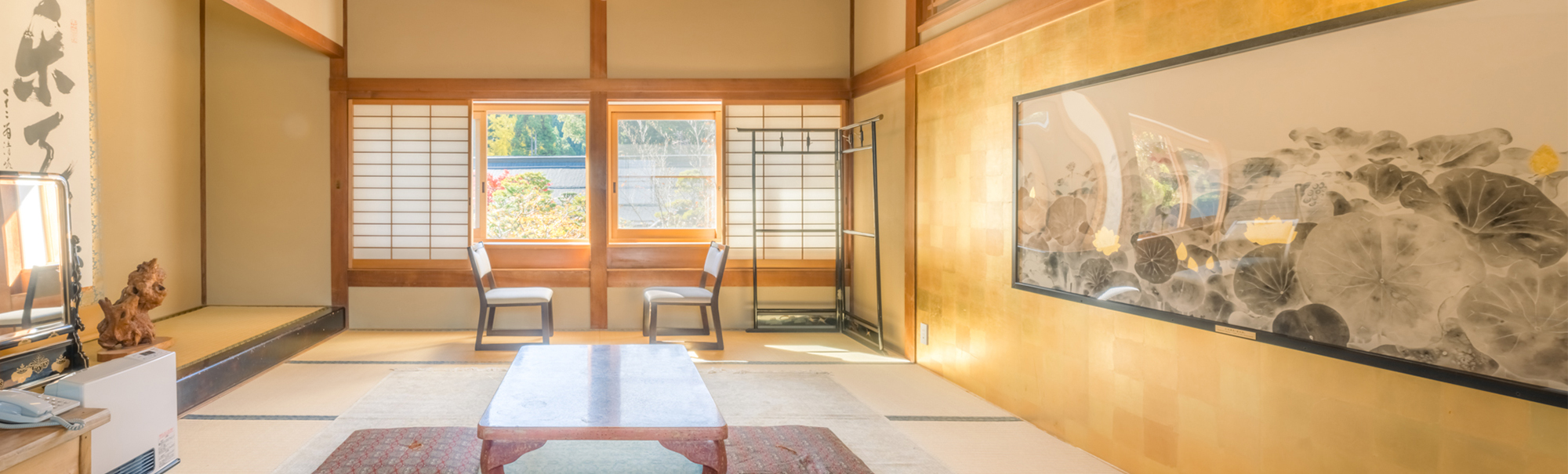
Ichijo-in is the only entry on this list that genuinely qualifies as luxury accommodation. The temple traces its founding to the early Heian period (Konin era, 810–824), revived in 1177, giving it more than 1,100 years of continuous history as a Bekkaku-honzan (specially-ranked head temple) of Koyasan Shingon. In January 2023, the two-story main building was completely renovated. The previous ten guest rooms were reduced to just four exceptionally spacious suites, each with its own bedroom, private hinoki cypress bath, and large windows overlooking the garden — a level of privacy almost unheard of on Mt. Koya.
The shojin ryori at Ichijo-in is widely considered among the very best on the mountain — a serious claim in a town where every shukubo serves multi-course Buddhist vegetarian cuisine. Ajikan meditation, sutra copying, and morning service are all available. The temple sits within walking distance of both Kongobu-ji and the Danjo Garan, which puts you in the UNESCO World Heritage core. Rates: approximately USD 280–800. If you want one truly exceptional night and money is not the limiting factor, this is the answer.
Few buildings in Japan come with a backstory as dense as Kongo-Sanmai-in's. The temple was founded in 1211 by Hojo Masako, the formidable widow of the first Kamakura shogun Minamoto no Yoritomo and a political force known to history as the "Nun Shogun." She built it to pray for her late husband's soul, and renamed it in 1219 to also memorialize her son Sanetomo, who had been assassinated on the steps of Tsurugaoka Hachimangu. The Tahoto pagoda on the grounds — completed in 1223 — was designated a National Treasure in 1900 and is the second-oldest Tahoto in Japan after Ishiyama-dera.
The compound also holds more than a dozen Important Cultural Properties and is part of the inscribed UNESCO World Heritage Sacred Sites of the Kii Mountain Range. The shukubo experience here is decidedly traditional: tatami rooms with futon bedding, communal bathing, daily morning service in Japanese, seasonal shojin ryori, and a Japanese garden visible from the corridors. English support is limited — this is not the temple for travelers who want bilingual hand-holding — but it is unmatched for guests who want to wake up inside a living National Treasure precinct.
If your number-one priority on Koyasan is Okunoin — the cedar-lined sacred path to Kobo Daishi's mausoleum — Sekisho-in puts you closer to it than any other shukubo. Founded in 923 by the monk Seikai under the original name Yamamoto-bo, the temple was renamed in the Muromachi period when the warrior Akamatsu Norimura took the tonsure here, and it later served as the bodaiji of the Akamatsu, Hosokawa, and Arima clans. Today Sekisho-in stands at the eastern edge of central Koyasan, immediately beside Ichinohashi — the formal entrance bridge to Okunoin.
You can step out of the temple after dinner, walk five minutes, and enter the cemetery path at exactly the moment most day-trippers are leaving. The same access lets early risers reach the Gokusho-Offering ritual that monks perform at 10:30 AM (and informally walk the path before sunrise). The temple itself is large — 62 rooms split between an original temple wing and a newer guest wing — with a vast 1,500-tsubo (about 5,000 square meters) strolling garden, one of the largest of any Koyasan shukubo. Reception speaks Japanese, English, and Chinese. Rates: roughly USD 95–260.
Saizen-in is a Bekkaku-honzan temple founded shortly after Kobo Daishi opened Mt. Koya. Its first claim to fame is unusual for a Shingon shukubo: around 1235, the future founder of Jodo Shinshu Buddhism, Shinran Shonin, is said to have stayed here at age 63 for ascetic practice, and a self-carved statue attributed to him is enshrined in the main hall. The second is its modern-era patron: Konosuke Matsushita, founder of Panasonic, was a long-time guest, and the tea room he favored is preserved beside the dry garden.
But the reason serious aesthetic travelers choose Saizen-in is the gardens. Between 1951 and 1953, Mirei Shigemori created three gardens here: a karesansui dry garden, a flowing garden over exposed bedrock, and a pond garden with a waterfall stone arrangement. All three were designated a Registered Monument of Japan in 2010. The temple has only 15 rooms — quiet, atmospheric, and English-friendly at the front desk — and the experience leans contemplative rather than ceremonial. Rates: approximately USD 150–320. Pair with Fukuchi-in if you want to see all six Mirei gardens on Koyasan in one trip.
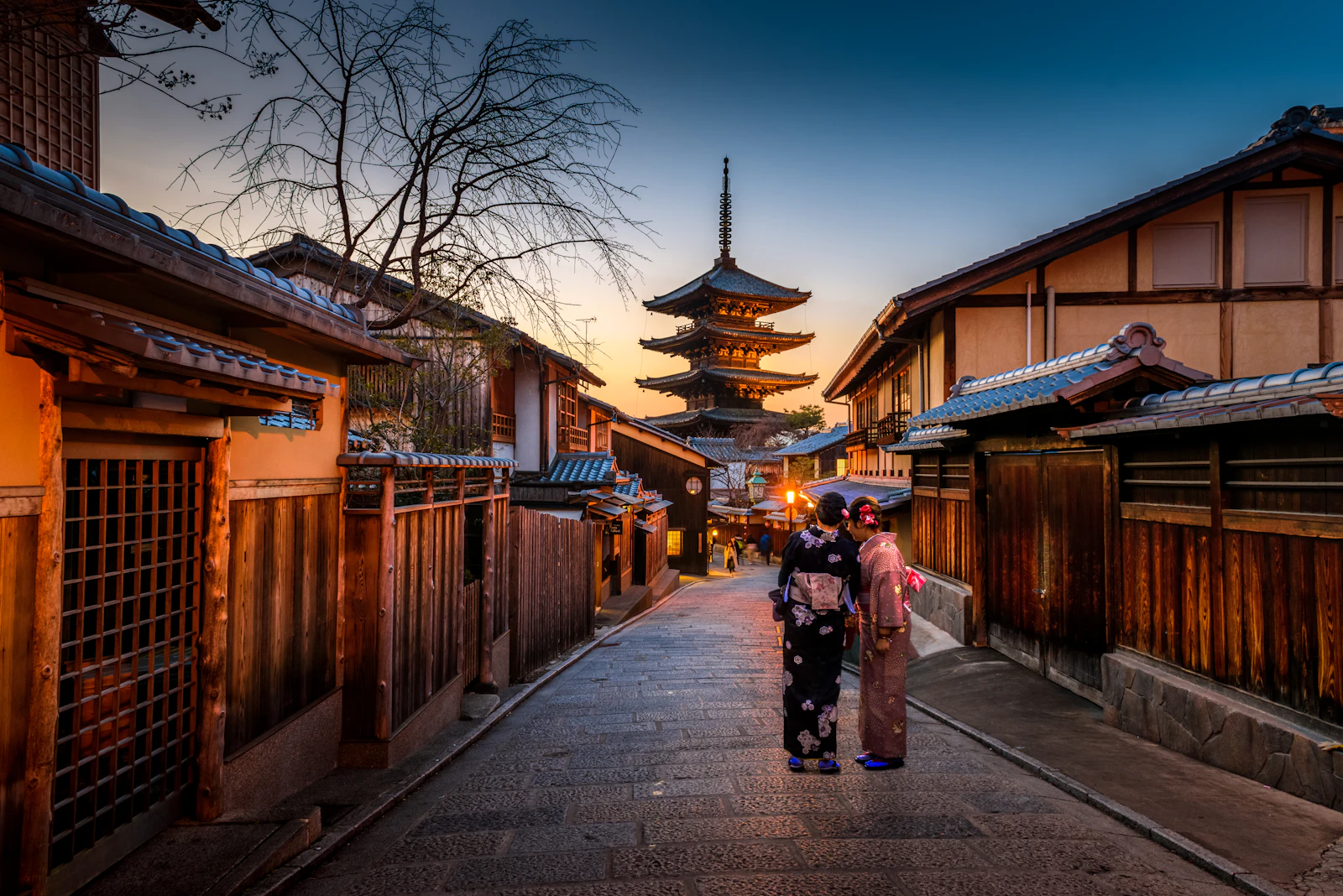
Yochi-in (櫻池院, "Cherry Blossom Pond Temple") was founded in 1127 by Imperial Prince Kakuho, the fourth son of Emperor Shirakawa, originally under the name Yochi-in (養智院). The current name dates to 1258, when Retired Emperor Go-Saga lodged at the temple during a pilgrimage to Mt. Koya and composed a poem about moonlight on cherry blossoms reflected in the pond before the main hall. Eight hundred years later, that pond is still there, and so are the cherry trees.
Just inside the sanmon gate stands a karesansui stone garden by Mirei Shigemori — a designated cultural feature of the temple. Yochi-in is a UNESCO World Heritage component temple, located ten minutes' walk from Kongobu-ji and three minutes from the Danjo Garan complex. Practice options include Ajikan meditation, shakyo, and shabutsu, all bookable in advance. The shukubo offers vegetarian shojin ryori (no alcohol) and morning prayers open to all guests. If you can time your trip to early-to-mid April, the cherry-blossom-and-temple-pond combination here is genuinely unforgettable.
Shojoshin-in is one of the very oldest temples on Mt. Koya, founded during the Tencho era (824–834) — predating Kongobu-ji itself. It holds the rank of Special Head Temple within the Koyasan Shingon sect, and the tradition is that Kobo Daishi himself was involved in its founding. Like Sekisho-in, the temple stands directly beside Ichinohashi at the gate of Okunoin, putting you on the threshold of the most sacred ground on the mountain.
The atmosphere here is more austere than at the larger English-friendly shukubo. Reception is in Japanese, the morning service is in Japanese, and the program is built around the daily Buddhist office rather than guided cultural experiences. Accommodations include traditional tatami rooms and — unusually — separate "Hanare" detached residences with private bath and toilet, set within a Japanese garden with a koi pond. Morning service runs about 40 minutes and is followed by a tour of the temple's treasures (in Japanese). Choose Shojoshin-in if you want the ancient, somewhat hushed register of Koyasan that the more international temples have softened.
Henjoson-in stands on Henjo-ga-oka — the very hillside where Kobo Daishi is said to have engaged in ascetic training during the founding of Mt. Koya. The current buildings date to a 1934 reconstruction following a Meiji-era fire, timed to commemorate the 1,100th anniversary of Kobo Daishi entering eternal meditation. The principal image is the Two Realms Dainichi Nyorai (Ryokai Dainichi), the cosmic Buddha at the heart of Shingon esoteric practice.
The temple's signature feature is its bath. The communal bathhouse is unusually large for a shukubo, with Japanese hinoki cypress on the lower floor and rare Koya-maki cypress on the upper floor, accommodating up to 50 bathers in a calm temple atmosphere. Henjoson-in has 33 traditional Japanese-style rooms, vegan-capable shojin ryori, and a wide menu of practice options: Ajikan meditation, shakyo sutra copying, shabutsu Buddha tracing, Osunafumi sand-stepping pilgrimage, and a guided temple walking tour. The Garan complex with the Konpon Daito pagoda is just a few minutes' walk away, making this an ideal base for night strolls through central Koyasan. Rates: approximately USD 95–220.
Booking window. For peak periods (cherry blossom in early-to-mid April, Golden Week in late April, koyo in late October to mid-November), reserve 4–6 months ahead. For shoulder seasons (late May, June, early September), 6–8 weeks is usually sufficient. Most temples on this list can be booked in English through Booking.com, Klook, or directly via their official websites; a few of the more traditional options (Kongo-Sanmai-in, Shojoshin-in) are easier to reach by phone or fax.
Transportation. The standard route is by Nankai limited express from Osaka Namba to Gokurakubashi (about 1 hour 20 minutes), then the Koyasan Cable Car (5 minutes) to Koyasan Station, and finally the Nankai Rinkan bus to your shukubo (8–20 minutes depending on temple). The Koyasan World Heritage Ticket bundles round-trip rail, cable car, and unlimited bus rides at a steep discount. Most shukubo on this list will provide a luggage-friendly drop-off route from the central Senjuinbashi crossroads.
Best season. April–May for cherry blossoms and fresh greenery, late October to mid-November for autumn colors on the cedar slopes, late December to February for atmospheric snow and the smallest crowds (but bring serious cold-weather clothing — Koyasan averages near or below freezing). The Goma fire ceremony, Okunoin walks, and shojin ryori run year-round.
Tip
Most shukubo on Mt. Koya have an early curfew (typically 21:00) and many have an early morning service (6:00–6:30). Plan dinner inside the temple — almost no restaurants on Koyasan are open after 8:00 PM — and aim to be back in your room before 21:00.
However many sub-temples you compare, the experience of waking before dawn in a 12th-century monastic compound, sitting in seiza for the morning service, and walking through cedar mist to a 1,200-year-old mausoleum is something Koyasan does better than anywhere else in Japan. The list above gives you ten different ways to do it.
Ready to book?
Browse our curated collection of authentic Buddhist temple stays across Japan. Filter by region, sect, and experience.
Start ExploringRecommended Temples for This Guide
恵光院
A flagship Koyasan shukubo with English-guided Goma fire ceremony, Ajikan meditation, and nightly Okunoin tours.
from $130 /per night

福智院
The only Koyasan shukubo with a natural hot spring, three Mirei Shigemori gardens, and refined shojin ryori.
from $175 /per night
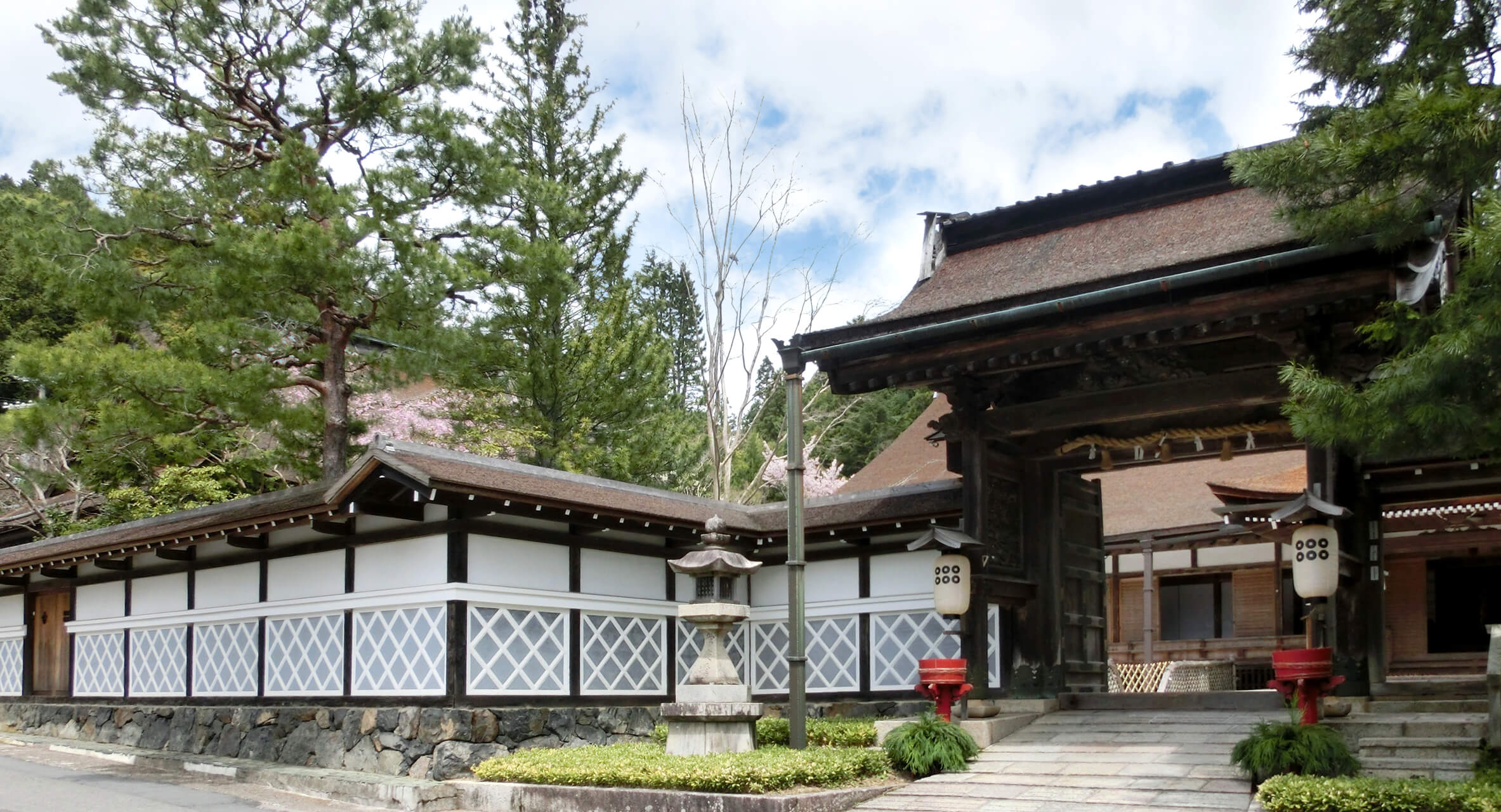
蓮華定院
A Sanada-family bodaiji shukubo on Mt. Koya with English-speaking monks, just 13 rooms, and a strong samurai-era heritage.
from $230 /per night
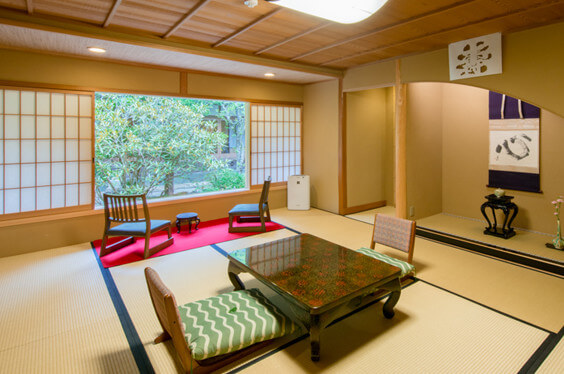
一乗院
A renovated luxury shukubo on Mt. Koya with just four garden-view suites, each with a private hinoki cypress bath, and acclaimed shojin ryori cuisine.
from $280 /per night
金剛三昧院
A historic Koyasan shukubo built by Hojo Masako in 1211, home to a National Treasure Tahoto pagoda and over a dozen Important Cultural Properties.
Explore Destinations

