
|
|
|
|
|
|
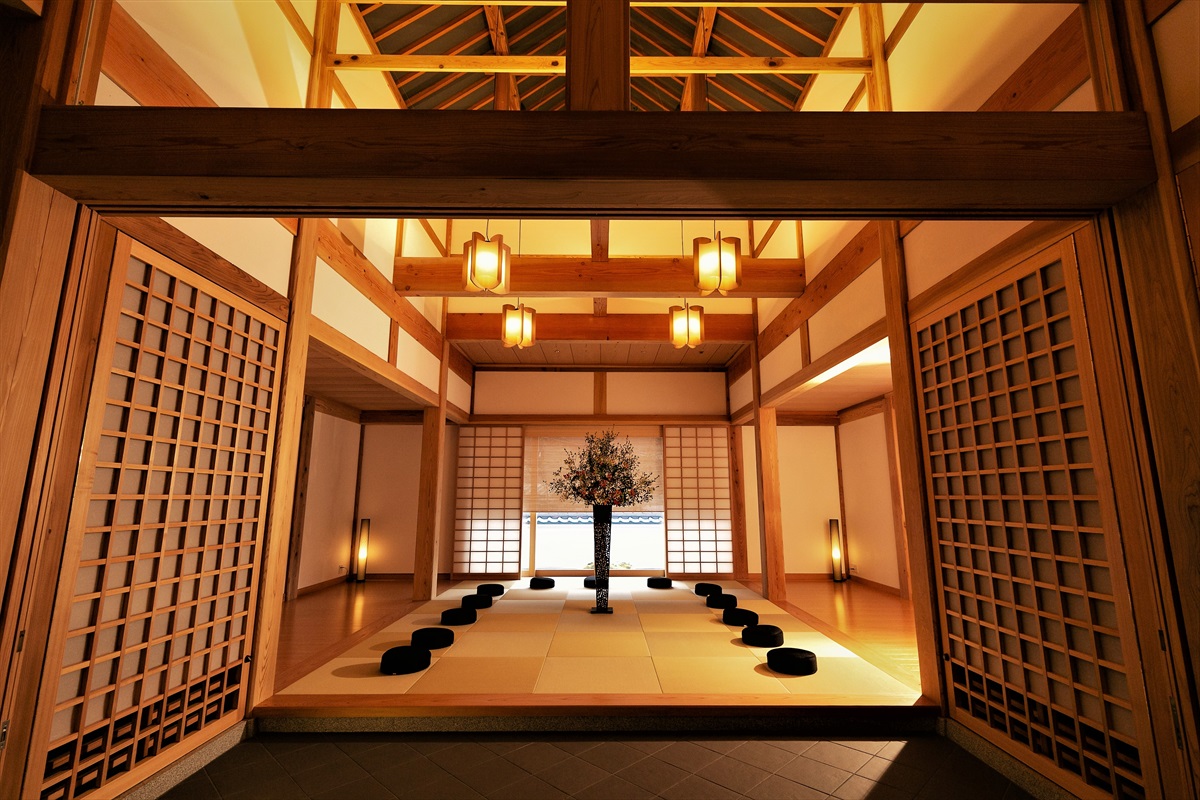
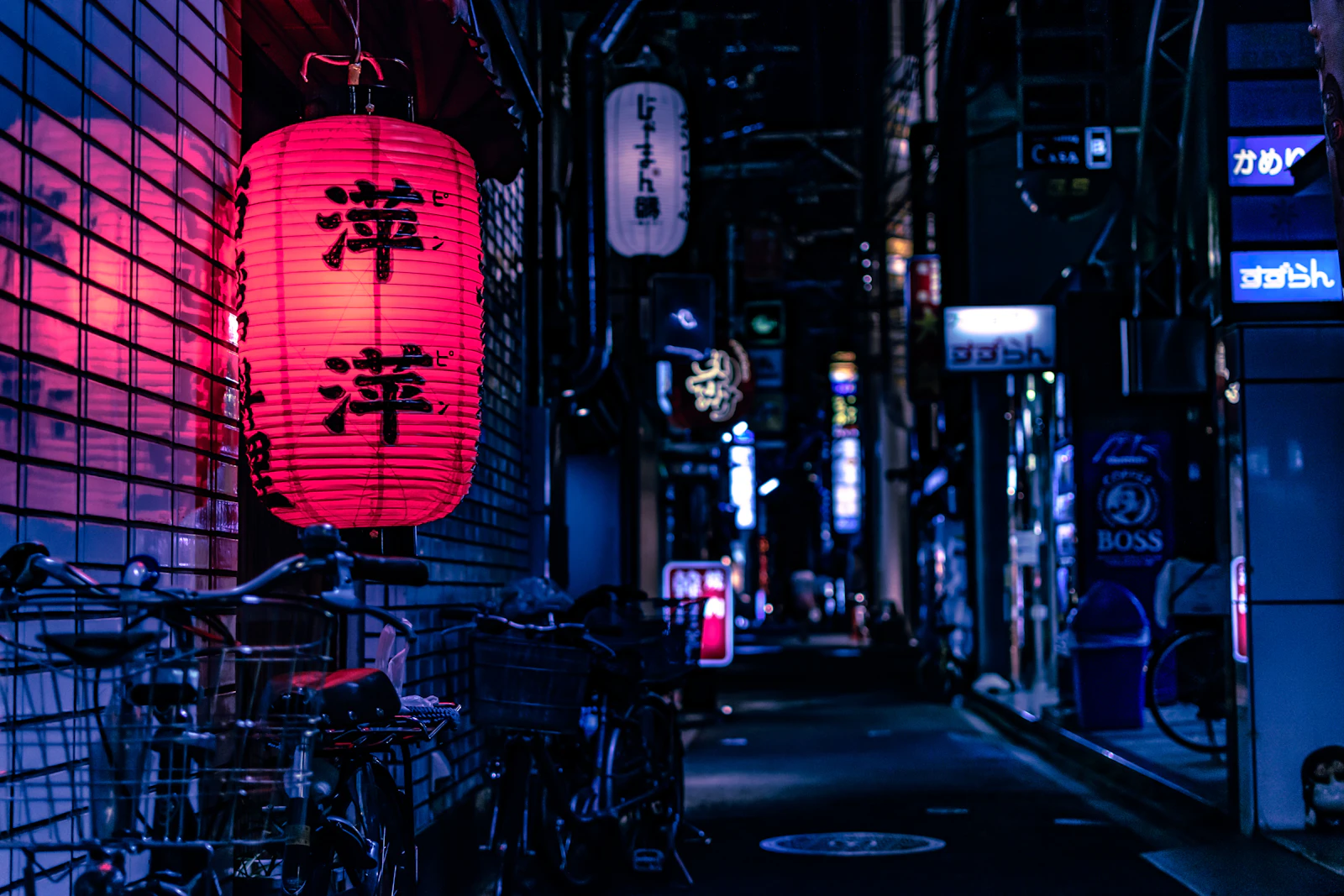 Photo by Masaaki Komori on Unsplash
It is 4:35 in the morning at a Soto Zen monastery in the Fukui mountains. The wooden floor is cold through your socks. You have been told to sit in the second row, four cushions in, and to bow once toward the wall — not the altar, the wall — before climbing onto the round black cushion. There is no music, no candle, no incense yet, no voice explaining what is about to happen. The senior monk strikes a long wooden block three times in a kind of measured fall, the last beat softer than the first. The room goes still in a way that you will remember a decade later, when you are sitting on the floor of your own apartment trying to recreate it. That stillness is the point of the next forty minutes, and it is what zazen (sitting meditation) is for.
This is a guide for the traveler who wants to actually do that — not read about Zen, not visit a temple as a sightseer, but sign up for a session and sit. It assumes you are coming to Japan, that you have meditated before or you have not, and that you would like the experience to be more than a checked box. The honest version of what zazen feels like, where to find it, what it costs, and which temple is the right first sit for your particular body and temperament is what follows.
Zazen (坐禅) means, literally, "seated Zen." It is the central practice of every school of Japanese Zen Buddhism, and unlike most things in Zen, it is not metaphorical. You sit on a round cushion, you face a wall or the middle of the room depending on lineage, you cross your legs, you settle your spine, you lower your eyelids, and you watch your breath. That is the practice. There is no mantra to memorise, no visualization to construct, no scripture to recite, no fire to light. Almost everything else you may have read about Zen — the koans, the calligraphy, the rock gardens, the tea — exists downstream of this one form.
The form has a deep pedigree. Zazen is the Japanese inheritor of an Indian practice called dhyana in Sanskrit (channa in Chinese, hence Zen), which the Buddha himself was said to practice and which traveled overland with Buddhist transmission into China around the sixth century. Bodhidharma, the legendary monk who carried it from India to China, is supposed to have sat facing a cave wall for nine years — an image still painted on hanging scrolls in many Japanese Zen halls. The practice was refined into its current Japanese form by two monks: Eisai, who brought Rinzai Zen back from Song-dynasty China in 1191, and Dogen, who brought Soto Zen back in 1227 and founded Eiheiji in the Fukui mountains. Both lineages have been continuously practiced for roughly eight hundred years, with very little of the form changing.
What makes zazen distinct from the kind of meditation you may have tried on an app is the body. Most mindfulness meditation, in the form imported to the West via vipassana and modernized through Mindfulness-Based Stress Reduction, is content-neutral about posture — sit however you like, as long as your spine is straight. Zen is opinionated. The half-lotus is preferred. The hands sit in a specific oval (the cosmic mudra) below the navel. The eyes stay open. The tongue rests on the upper palate. The breath enters and exits only through the nose. There is no guided narration. There is no music. There is, often, a wooden stick available. The instruction is to sit upright and not move.
There are three surviving schools of Japanese Zen — Soto, Rinzai, and the much smaller Obaku — and the school determines a surprising amount about what your forty minutes on the cushion will actually feel like. Pick the wrong school for your temperament and the practice will feel like the wrong shoe. Pick the right one and the time will pass in a way that does not require willpower.
Soto Zen is the school founded by Dogen and headquartered at Eiheiji. Its central practice is shikantaza — literally "just sitting," or as one teacher translated it, "nothing-but-precisely-sitting." There is no object of meditation. There is no mantra, no koan, no breath count beyond the first few minutes. You are not trying to attain anything. You are not even, strictly speaking, meditating in the sense of focusing on something. You are sitting, and the sitting is itself the practice. In a Soto hall you face the wall, about three feet away, and the wall stays your view for the entire session. The aesthetic is austere, slow, formal. Dogen wrote that to study Zen is to study the self, and to study the self is to forget the self — shikantaza is the formal expression of that forgetting.
Rinzai Zen is the older Japanese school, brought back by Eisai. Its signature practice is the koan — a paradoxical question or phrase given to the student by a teacher and held in the mind throughout the sit. The most famous example, "What is the sound of one hand clapping?", is rarely the actual koan assigned (it tends to be a beginner-level placeholder), but the principle is the same: you put the koan in the centre of your awareness and let it work on you. Rinzai zazen faces the middle of the hall, not the wall. The aesthetic is sharper, more energetic; many Rinzai temples include short, brisk kinhin (walking meditation) rounds and shorter overall sits, often with several rounds back to back. The koan tradition produced most of the Zen art and literature that reached the West — D.T. Suzuki, who introduced Zen to America, was a Rinzai-trained scholar.
Obaku is the third school, founded in 1661 by a Chinese monk named Ingen who emigrated to Japan. It looks more Chinese than the other two — the chants use Ming-dynasty Chinese pronunciation, the architecture preserves Tang-dynasty styles — and its core practice combines koan study with sutra recitation. Most travelers will not encounter Obaku unless they specifically seek out its head temple Manpuku-ji in Uji. For practical purposes, your choice in Japan is Soto or Rinzai, and the question reduces to: do you want to sit and watch the wall (Soto), or do you want to sit with a question (Rinzai)?

The hall is unheated. You arrive ten minutes early — earlier in winter, because the floor is cold even through wool socks, and the temple expects you to be still by the time the wake-up bell sounds. A monk or attendant shows you the row of round black cushions (zafu) on top of larger square mats (zabuton). You bow toward your cushion (yes, to the cushion — the gesture acknowledges that you are about to use it for a serious purpose), turn clockwise, bow again to the room, and only then sit down.
You arrange your legs. For most newcomers this is the moment of crisis. The full lotus is rare for Western bodies, and even the half-lotus may be impossible. The instruction the monk gives is to choose whichever of three positions you can hold without shaking for forty minutes: full lotus (both feet on opposite thighs), half-lotus (one foot on the opposite thigh), or Burmese (both feet on the floor, one in front of the other). If none of those work, you can sit seiza — kneeling on your heels with the zafu tucked between your calves — or use a small wooden meditation bench. Western chair-sitting is permitted at some lay-friendly temples and not at others; ask in advance.
You settle your hands. The cosmic mudra is left palm resting on right palm, thumbs lightly touching above the palms to form a flat oval. The oval sits in your lap, near the navel, supported by your thighs. You sway your torso left and right two or three times in slow decreasing arcs, settling onto a vertical centre. You lower your eyelids to a soft, downward gaze about a metre ahead on the floor — not closed, not open, the eyelids working as a kind of physical metaphor for the half-state Zen wants. Your tongue rests on the upper palate behind your front teeth, which reduces swallowing. Your breath moves through the nose only, slow and even.
A bell rings — a single small ting, or three soft strikes on a hanging wooden block. The session has begun. Your first instruction, if you have one, is to count breaths from one to ten and back to one. The exhale gets the count. You will fail at this almost immediately. You will reach four, six, eight, and find yourself thinking about lunch, your partner, an email, the cold in your knees, whether the monk thinks you are holding your hands correctly. When you notice you have lost count, you return to one. You do not scold yourself. You do not analyse the wandering. You simply come back. The losing and returning is, in fact, the practice — the noticing is the gym, and the muscle is attention itself.
Around the twenty-minute mark, your knee may begin to hurt. The pain is well documented and is not a sign that you are doing something wrong. The half-lotus puts unusual load on the lateral hip and the inside of the knee, and Western bodies that have spent forty years in chairs do not yield to it quickly. The monk on duty will walk slowly along the row at some point with the kyosaku — a long, flat wooden stick used to wake practitioners who have nodded off or to release shoulder tension on request. At most lay-accessible temples the strike is requested, not delivered without warning: you put your palms together at chest height (a gesture called gassho), bow slightly toward the monk, and tilt your head forward. The stick lands flat across the trapezius muscle, twice on each side, with a sharp crack. It sounds more dramatic than it feels. Most people report a release of tension and an immediate brightening of attention. It rarely hurts the way the photographs suggest.
The closing bell, when it comes, is unexpectedly anticlimactic. A single soft ting. You bow toward the floor. You sway gently to release the cushion, swing your legs out, and stand. If a second round is scheduled, there will be ten minutes of kinhin (walking meditation) between rounds — extremely slow walking in a line around the perimeter of the hall, one half-step per breath. This is when most people report that meditation is actually happening: the sitting was a battle with the knee, and the walking is when the mind finally settles. By the time the second round starts, you are no longer counting breaths consciously. The forty minutes go faster than the first did.
There are roughly two hundred temples in Japan that accept lay practitioners for zazen, and the experience varies enormously between them — from formal monastic training where you sit alongside ordained monks at 4 a.m., to softened beginner sessions in heated halls with English instruction and chairs at the back. The five temples below cover the working range, and any of them is a good first sit depending on what you are after.
Eiheiji is the head temple of Soto Zen and the deepest end of the pool. Founded by Dogen in 1244 in a remote cedar valley in Fukui, it functions as a fully operational training monastery for about a hundred and fifty monks at any given time. Lay practitioners stay in the affiliated visitor lodge (Eiheiji-sanro) and sit zazen in the actual sodo (monks' hall) alongside the trainees. The schedule is non-negotiable: 3:50 a.m. wake-up bell, two rounds of zazen before breakfast, silent meals eaten from a stacked nest of bowls in a precise choreography that takes a day to learn. There is almost no English. The experience is closer to a short residency than a hotel stay. If you have meditated for years and want to see what the form looks like at its origin, this is the temple.
For most travelers Eiheiji is too steep a first step, and the answer is Hakujukan — a contemporary hotel run by Eiheiji about fifteen minutes from the main temple gate. Hakujukan was opened in 2019 as a deliberately accessible bridge between secular hospitality and Soto Zen practice. The rooms are western-style. The food is shojin ryori but presented in restaurant courses. A trained monk leads a softened zazen session each morning, with chairs available, English explanation, and a posture talk that assumes you have never sat before. You can then walk up to Eiheiji proper for the day and return to a warm shower. As a single-night introduction it is hard to beat.
In Kyoto, Shunkoin is the most English-friendly zazen on the Rinzai side. It is a subtemple of the giant Myoshin-ji complex in the west of the city, and its vice-abbot Reverend Takafumi Kawakami has spent years building a program specifically for international guests — clear English instruction, an introductory talk that contextualises the practice within Buddhist history, a posture demonstration that takes the half-lotus seriously without making a religion of it. Shunkoin offers single-session morning sits as well as overnight stays in its guest building. For the analytical traveler who arrives with a list of questions about what Zen actually claims, Shunkoin is built for the conversation.
Also in Kyoto, Hanazono Kaikan is the lodging attached to Myoshin-ji itself — the head temple of the largest Rinzai school. The complex is enormous (forty-six subtemples within the walls), and the morning zazen is led by working priests rather than guest-facing staff. The atmosphere is more formal than Shunkoin and the instruction is mostly Japanese, but the temple is a seven-minute walk from JR Hanazono Station and is significantly more accessible than Eiheiji for a traveler with a packed itinerary. It also pairs zazen with shakyo (sutra copying) in the same morning if you want two practices in one stay.
Finally, Hokyo-ji is for the practitioner who wants the Soto experience without Eiheiji's scale. It is a smaller Dogen-founded training temple in northern Fukui, also one of his original mountain retreats, and it accepts long-stay lay practitioners as well as single-night guests. The sessions are slower, the hall is quieter, the monks are fewer. This is the closest available analogue in Japan to the long-stay Soto temples that once dotted the rural Tohoku countryside (Antaiji, the famous long-stay temple of the twentieth century, has become difficult for international guests to access in recent years). Hokyo-ji is where you go for a second or third visit, once you know you want more time on the cushion.
A note on day-trips from Tokyo: there are no working zazen temples within Tokyo proper that offer the full overnight experience, and most Tokyo "zen experiences" sold to tourists are short demonstrations in commercial settings rather than serious sits. If you have a single day, the realistic options are a same-day trip to Engaku-ji or Kencho-ji in Kamakura (both run public zazen sessions on Sunday mornings in Japanese) or a longer day-trip to Kyoto via shinkansen for an afternoon sit at Shunkoin. For an actual practice, two nights at one of the temples above is worth more than five Tokyo afternoons.
Wear loose, dark, plain clothing. The half-lotus and seiza positions both require your hips to rotate outward, and a tight waistband or stiff jeans will pull against the posture in a way you will notice by minute fifteen. Yoga pants, soft cotton trousers, a loose linen shirt — the wardrobe is essentially the same as for a yoga class but trending more conservative and less coloured. Avoid bright colours; you will be facing a wall or the middle of a quiet room and visual quietness is a courtesy to the other practitioners. Avoid metal zippers and belt buckles that will press into your stomach when you fold forward in the closing bow.
Wear socks. The halls are floored in tatami or polished wood, both of which are cold at dawn even in summer, and bare feet on cold wood is the single fastest way to be unable to think about anything except your toes. Bring a light layer — a long-sleeved shirt, a thin fleece — that you can put on or take off without rustling once the session has begun. Most temples are unheated, even the modern ones, and even in May the pre-dawn temperature in a Fukui mountain hall is in the single digits centigrade. Leave watches, jewellery and anything that makes a small sound (rosary beads, key rings) in your room.
Tip
Do a five-minute hip-opener stretch in your room before walking to the hall. Sit on the floor and place the soles of your feet together, knees outward. Let gravity do the work for two or three minutes per leg. This single piece of preparation will buy you ten extra pain-free minutes on the cushion, which is the difference between sitting the round and bailing out.
Almost no Western body sits full lotus on a first try. The full lotus (kekka fuza) requires the kind of hip mobility that comes from a childhood of floor-sitting, and forcing it on a non-prepared body is a fast route to injury. Forget the photographs. The half-lotus (hanka fuza) is the standard for serious lay practitioners, and even that often takes a few weeks of pre-trip stretching to hold for forty minutes. One foot rests on the opposite thigh; the other tucks under. This is what most monks at lay-friendly temples will encourage you toward as the long-term target.
The Burmese posture is the practical choice for a first sit. Both feet rest on the floor, one in front of the other, not on the opposite thigh. The knees still fall toward the floor but the load on the lateral hip is far lower. Most Western practitioners report that the Burmese position is sitting-tolerable for an hour, where the half-lotus may collapse by minute thirty. There is no spiritual demerit to it. Dogen himself permitted the full and half lotus equally, and modern monasteries are pragmatic about what bodies are walking through the gate.
Seiza is the kneeling position familiar from formal Japanese sitting — heels under your buttocks, big toes crossed or just touching. With a zafu wedged between calves and buttocks, seiza takes pressure off the knees and can be sustained surprisingly long. For practitioners with serious knee problems, a wooden seiza bench (sometimes provided, sometimes brought from home) raises the buttocks above the heels entirely and removes almost all joint load. If you know in advance that floor-sitting is impossible, ask the temple about benches when you book; most will have them, and a few will provide a chair at the back of the hall.
Tip
If you have not sat on a meditation cushion before, do three things in the two weeks before your trip: stretch your hips daily, practice the Burmese position on a folded towel for fifteen minutes at a time, and read the first chapter of Shunryu Suzuki's "Zen Mind, Beginner's Mind" — not for the doctrine but for the calm tone you want to bring into the hall.
Bow to the cushion before you sit. The gesture is gassho — palms pressed together at chest height, a slight forward inclination of the upper body. The bow acknowledges that the cushion you are about to use has been used by hundreds of practitioners before you, and that the act of sitting is itself a kind of practice that deserves the gesture. After sitting, turn clockwise on the cushion to face the wall (Soto) or the centre (Rinzai). Do not walk between the cushion rows; walk around the perimeter to reach your spot.
During kinhin — the slow walking meditation between rounds — fold your hands in shashu: left fist enclosed by the right palm, both pressed lightly against your diaphragm. Eyes lowered. Walk at the pace the leader sets, which in a Soto hall may be one half-step per breath and in a Rinzai hall closer to a brisk pace. Do not pass the practitioner in front of you. If you need to leave the line — a leg cramp, a coughing fit, the bathroom — bow toward the centre of the room before stepping out, and bow again on re-entry.
The kyosaku is offered, not imposed at lay-accessible temples. If you would like a strike, bring your hands into gassho and bow forward when the monk passes. The monk will return your bow, you tilt your head and expose your shoulder, the stick lands flat on the trapezius muscle, twice on each side, and the monk bows again. You bow once more in thanks and return to the posture. At a working monastery like Eiheiji the stick may be delivered without warning if you nod off; at a beginner-friendly temple like Hakujukan or Shunkoin, it is essentially never delivered uninvited. There is no shame in declining it. There is also no shame in requesting it — many practitioners find the sharp shock useful for breaking through a fogged-over twentieth minute.
Do not photograph the hall during sitting. Do not photograph the monks. Do not whisper to a neighbour. Do not check the time. The cumulative effect of these small disciplines is the texture of the room — the quality of silence, the awareness of other practitioners around you, the sense that the activity in this room is genuinely different from the activity in the lobby. The form is the practice, and the form is preserved by the small courtesies.

A single morning zazen session at a Japanese temple typically runs between ¥1,000 and ¥3,000 per person — about USD 7 to 20 at current rates — and lasts ninety minutes to two hours including instruction. This is roughly the going rate for short public sessions at Engaku-ji, Kencho-ji, Hanazono Kaikan, and most subtemples in Kyoto. The price usually covers the session itself, a brief teisho (dharma talk), a cup of matcha at the end, and the use of the cushion. It does not include lodging or meals.
An overnight zazen-focused stay is the more interesting category. Expect ¥10,000 to ¥18,000 per person per night for a single-occupancy room with shojin ryori dinner, breakfast, evening zazen, and morning zazen. Hakujukan sits at the upper end of that range (¥15,000 to ¥25,000) because it is a contemporary hotel; Eiheiji-sanro is mid-range; Shunkoin is roughly ¥10,000 to ¥15,000 with breakfast included. The premium over a standard ryokan stay is small once you factor in the meals and the instruction. Compared to commercial meditation retreats in California or Europe — where a one-night structured sit can run USD 250 — Japanese temple zazen is dramatically underpriced for what you receive.
A sesshin — an intensive multi-day silent retreat — is a different financial category. Most sesshin at major Japanese temples run three to seven days, cost ¥30,000 to ¥80,000 in total, and include all meals and lodging at the temple. They are also far more demanding: typically six to eight rounds of zazen per day, silent meals, monastic schedule, no phone, no reading. Foreign practitioners should usually log a few overnight stays first before signing up; many temples will not accept first-time visitors directly into a sesshin. We cover the longer-stay options in our first-time shukubo guide.
Two paths exist for booking. The first is direct: most temples take reservations through their own website, often only in Japanese, sometimes through a small contact form that asks for arrival date and dietary requirements. Hakujukan, Shunkoin, and Hanazono Kaikan all have English booking pages. Eiheiji-sanro maintains an English contact form but expects email correspondence to be in Japanese; you can manage with translation tools if you write in clear sentences. Smaller temples like Hokyo-ji often require a phone call, which is the main practical barrier for foreign guests — a Japanese-speaking friend, a concierge service, or an email in slow English with the date and the question is the usual workaround.
The second path is via experience platforms — Klook, Viator, GetYourGuide, Magical Trip — which bundle zazen into half-day tours or overnight packages and handle the booking flow in English. These are convenient and reliable for travelers who do not want to wrestle with Japanese-language reservation systems. They typically cost slightly more than direct booking (the platform takes 15 to 25 per cent) but include a bilingual guide and clear cancellation policies. For first-time visitors with limited time, the platform option is often the right tradeoff. For a second visit, direct booking gives you better access to the small temples that are not on the platforms.
Advance booking windows vary. Hakujukan and Shunkoin can usually be booked two to three weeks out. Eiheiji-sanro should be booked two months in advance, more in the autumn foliage season. Kyoto temples fill out fastest during the November leaf-viewing period and the March-April cherry blossom window — book sixty to ninety days ahead for those months. The week of Golden Week (late April to early May) is essentially impossible without long-lead planning. If you are flexible on dates, weekday morning slots are open even on short notice at most Kyoto temples.
Tip
Avoid the first weekend of November and the first ten days of April unless you booked two months in advance. The autumn leaves and cherry blossom seasons collapse the bookable inventory across all major temple towns. A Tuesday morning sit in late January costs the same and the hall is yours.
Forcing the lotus. The single most common mistake is trying to sit full or half lotus on a first sit when the hip mobility is not there. The result is a knee injury that takes weeks to heal and a sour first experience that puts the traveler off the practice. The fix is humility: sit Burmese or seiza, ask for a bench if you need one, and treat the half-lotus as a year-out target rather than a day-one requirement.
Treating it as a calm-down. Travelers sometimes arrive with the expectation that zazen will feel like a warm bath — calming, restful, gentle. It does not always feel that way, especially in the first thirty minutes. The mind that has not sat before is loud, and the body that has not sat before complains. The practice is not relaxation. It is the cultivation of the muscle that notices what the mind is doing. Expecting calm and getting noise is a misdiagnosis of what just happened. The noise is the practice. The calm, if it comes, comes later and often quietly.
Comparing to apps. Headspace, Calm, and Waking Up are excellent products, and many travelers arrive having done several hundred sessions on one of them. The mistake is to expect zazen to be a more authentic version of that. It is not the same activity. App meditation is guided, content-rich, narrated, and almost always seated comfortably. Zazen is silent, formal, posturally demanding, and instruction-light. Coming in with app expectations and finding silence and a sore knee is the most common form of disappointment we see. Treat the temple sit as a genuinely different practice that happens to share a category with the app.
Skipping kinhin. New practitioners sometimes try to skip the walking meditation rounds, perceiving them as a break rather than part of the practice. They are not a break. Kinhin is when most of the actual settling happens — the body has stopped fighting the posture and the mind has stopped narrating, and the slow walk gives both a place to land. If a temple offers paired zazen-and-kinhin sessions, do the kinhin. It is the on-ramp to the second round.
No. Japanese Zen temples have welcomed lay practitioners of all backgrounds for centuries — the practice predates the modern distinction between religious commitment and secular interest. You do not need to recite anything you do not believe, sign a statement of faith, or pretend a theology you do not hold. The form is the practice, and the form does not require belief. That said, this is not a yoga class — the hall is a working religious space, the monks are ordained clergy, and the courtesies you observe (bowing, silence, removing shoes) acknowledge that you are a guest in a tradition. Show up with the same respect you would bring to any active house of worship, regardless of your own position.
Yes, with adjustments. Sit Burmese rather than half-lotus, use a higher zafu or stack two cushions, or switch to seiza with a wooden bench. Most lay-accessible temples will provide a chair at the back of the hall if you ask in advance — Hakujukan, Shunkoin, and Hanazono Kaikan all do this routinely. If you have recent knee surgery or a serious joint condition, write to the temple before booking and describe the constraint clearly; the temple's answer will tell you whether the setup will work. For severe mobility constraints, the meditation types comparison covers gentler alternatives like Ajikan that are chair-permitted by default.
A typical beginner zazen session at an English-friendly temple is ninety minutes total: fifteen to twenty minutes of introduction and posture instruction, two rounds of twenty-five minutes of sitting with ten minutes of kinhin between, and a five-minute closing including a cup of matcha. A single round of zazen at a working monastery like Eiheiji is forty minutes, with a fifteen-minute kinhin between rounds, and the morning schedule may include two or three such pairs before breakfast. If you have never sat before, the ninety-minute beginner format at a lay temple is the right entry point. Do not start at Eiheiji.
Only if you ask. At every lay-accessible Japanese Zen temple we know of, the kyosaku is delivered on request, not imposed. The protocol is: when the monk walks past, bow forward into gassho, the monk returns the bow, you tilt your head forward to expose your shoulder, and the stick lands flat across the trapezius muscle, twice on each side. It sounds dramatic — the wooden crack carries in a silent hall — but it rarely hurts. Most practitioners describe a release of shoulder tension and a sharp return of attention. If you do not want it, do not gassho, and the monk will walk past you without stopping. At Eiheiji during full monastic training the stick may be applied to nodding monks without invitation, but lay guests are essentially never struck without consent.
Significantly. A sesshin is an intensive multi-day silent retreat — typically three, five, or seven days — built around six to eight rounds of zazen per day, silent meals, no phones, no reading, and a fixed monastic schedule from 4 a.m. to 9 p.m. The cumulative effect is qualitatively different from a single overnight stay: by the second or third day the mind enters a state that a one-night sit cannot reach. Most major Soto and Rinzai temples run two to four sesshin per year, often in spring and autumn, with one slot or two slots open to lay practitioners. The cost is usually ¥30,000 to ¥80,000 total. Foreign practitioners should typically have done several overnight stays at the same temple or lineage before applying — sesshin is a serious commitment, not an introduction.
The hardest part of zazen is not the temple sit. It is the second week after you fly home, when the routine has dissolved and the cushion is in the closet. Most practitioners who return from Japan with a serious interest in continuing the practice end up doing one or more of three things: finding a local Zen center (the San Francisco Zen Center, the Rochester Zen Center, the Zen Centre London, and dozens of European and Australian sister centers run weekly public zazen), using one of the small number of zazen-specific apps (the Soto-shu sect publishes a free official guide app; the Zazen app by John Daido Loori is the longest-running English option), or simply sitting alone at home with a kitchen timer for twenty-five minutes per morning. None of these is a complete substitute for sitting in a hall with other people, but the last option is, in the strict Soto reading, the practice itself. You have a cushion, a floor, and a timer. That is enough.
The point of the temple visit is not to manufacture an experience that will dissolve on the flight home. The point is to learn the form well enough — the posture, the breath, the rhythm — to be able to recreate it without the temple. A single night at Hakujukan or two consecutive mornings at Shunkoin will give you that. A second trip, six months or a year later, deepens it. A shukubo (temple lodging) stay is the natural next step after a single-day visit, and our first-time shukubo guide and meditation types comparison cover the overnight rhythm in detail. Zazen is a long practice. The temple is where you learn how it goes. The rest of your life is where you do it.
Ready to book?
Browse our curated collection of authentic Buddhist temple stays across Japan. Filter by region, sect, and experience.
Start ExploringRecommended Temples for This Guide
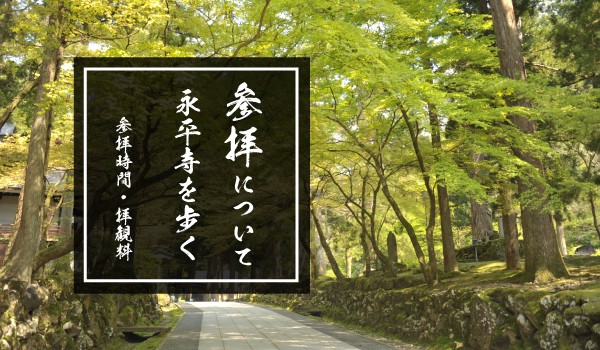
大本山永平寺 参籠(吉祥閣)
A one-night Zen retreat inside the head temple of Soto Zen Buddhism, with pre-dawn zazen, choka service, and shojin ryori.
from $55 /per night
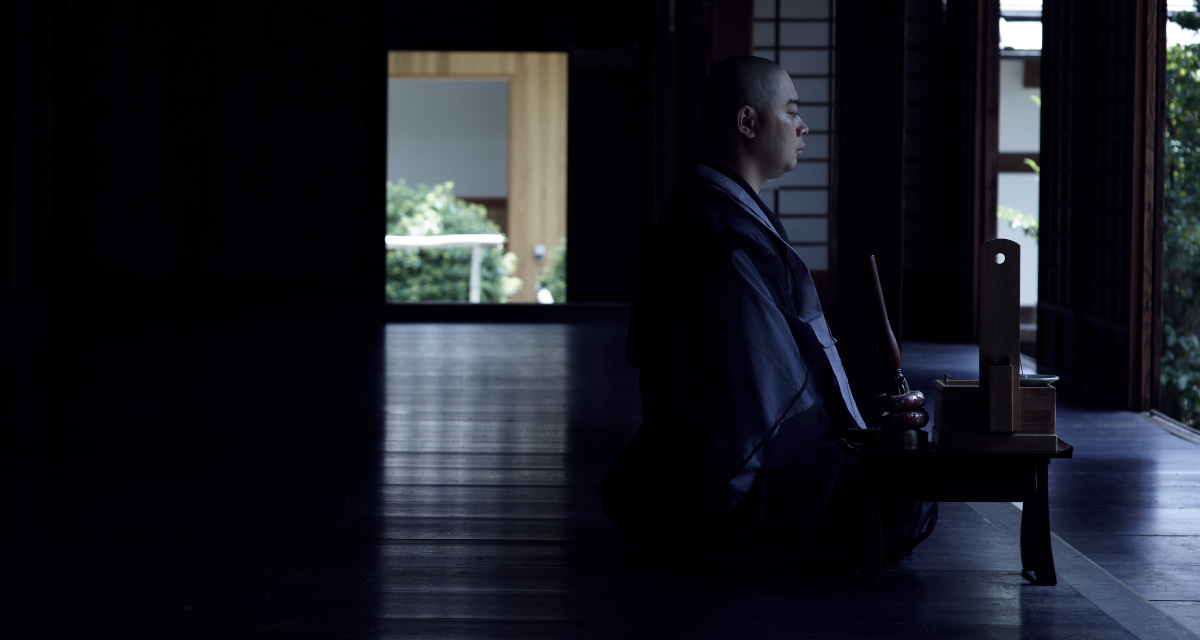
春光院
Kyoto's most internationally renowned Zen shukubo, offering English-led meditation classes and modern en-suite rooms inside a 1590 Myoshin-ji sub-temple.
from $60 /per night
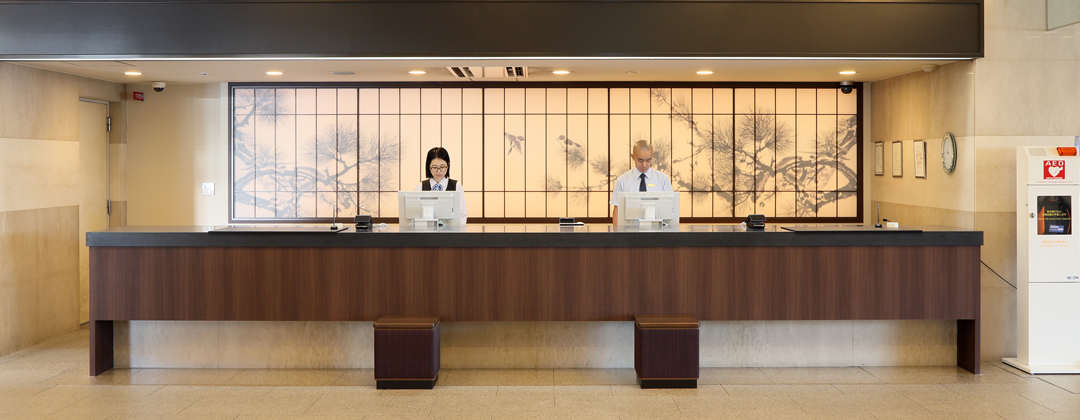
花園会館
Myoshin-ji's official hotel-style shukubo near JR Hanazono Station, with 66 modern rooms, public bath, and easy access to Zen meditation programs.
from $90 /per night
永平寺 親禅の宿 柏樹関
A modern Zen inn at the gate of Eiheiji, with 18 cedar-built rooms, evening zazen and access to the temple's pre-dawn morning service.
from $195 /per night
Explore Destinations

