
|
|
|
|
|
|
A traditional Touge gate-town shukubo at Haguro-san offering goma fire prayers, guided mountain climbs and Dewa Sanzan vegetarian cuisine.
Miyashita-bo is one of the lodges that has preserved the traditional Touge shukubo style of architecture, with tatami pilgrim halls and an in-house Shinto-Buddhist shrine for guest prayers.
The lodge performs goma kito (fire prayers) on request in its on-site shrine, and the host yamabushi can lead willing guests on a guided climb of the Haguro-san stone steps the next morning.
Meals follow the Dewa Sanzan shojin ryori tradition with sesame tofu, sansai (mountain herbs) and seasonal vegetables sourced from the surrounding mountains and Toge fields.
Miyashita-bo
Compare 2 platforms — save up to 20%
Booking links may earn a commission at no extra cost to you.
Nearest Station
Toge Bus Stop (from JR Tsuruoka Station)
From Kansai Airport (KIX)
1. JR Haruka Express → Kyoto Station ~75 min
2. Local train/taxi → Toge Bus Stop (from JR Tsuruoka Station) ~4 min
From Tokyo
1. Tokaido Shinkansen → Kyoto Station ~2h 15m
2. Local transit → Toge Bus Stop (from JR Tsuruoka Station) ~4 min
From Osaka
1. JR Special Rapid → Kyoto Station ~30 min
or Hankyu Railway → Kawaramachi ~45 min
Tip: Purchase an IC card (ICOCA or Suica) at any station for easy tap-and-go on buses and trains.
💡 Save with a Japan Rail Pass
Covers unlimited Shinkansen + local JR trains
13 questions about Miyashita-bo
Miyashita-bo is one of the lodges that has preserved the traditional Touge shukubo style of architecture, with tatami pilgrim halls and an in-house Shinto-Buddhist shrine for guest prayers.
The lodge performs goma kito (fire prayers) on request in its on-site shrine, and the host yamabushi can lead willing guests on a guided climb of the Haguro-san stone steps the next morning.
Meals follow the Dewa Sanzan shojin ryori tradition with sesame tofu, sansai (mountain herbs) and seasonal vegetables sourced from the surrounding mountains and Toge fields.
13 questions about Miyashita-bo
More in Dewa Sanzan

羽黒山参籠所 斎館
The only Edo-era shukubo still standing on the Haguro-san summit, run by Dewa Sanzan Jinja, with Michelin-listed mountain-herb shojin ryori.
from $75/night
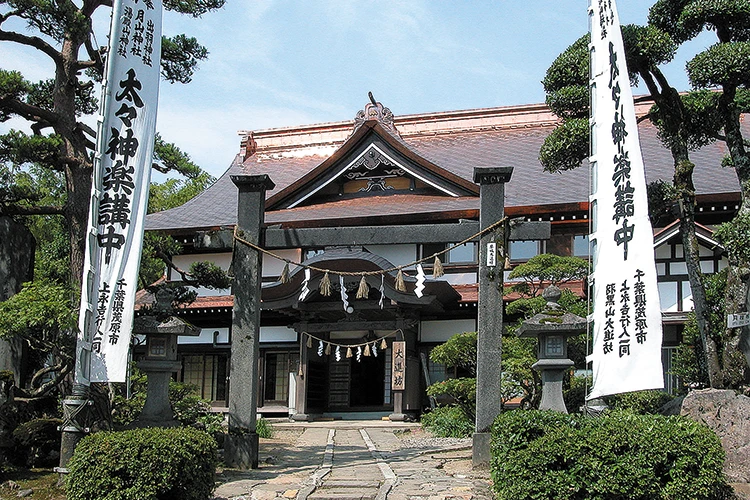
宿坊 大進坊
A yamabushi-run Toge shukubo with handmade shojin ryori, in-house goma fire prayers, and full English-friendly services.
from $95/night
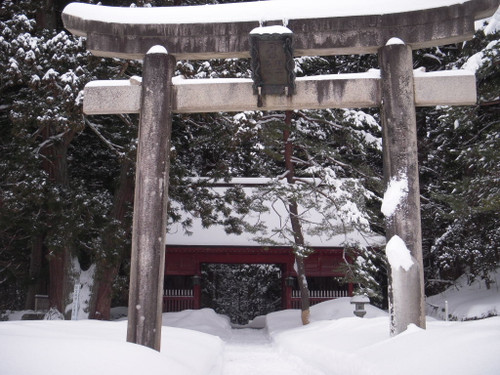
出羽三山 多聞館
300-year-old Toge shukubo built from Haguro sacred cedar, famous for sesame-tofu ankake and mountain-herb shojin ryori.
from $90/night