
|
|
|
|
|
|
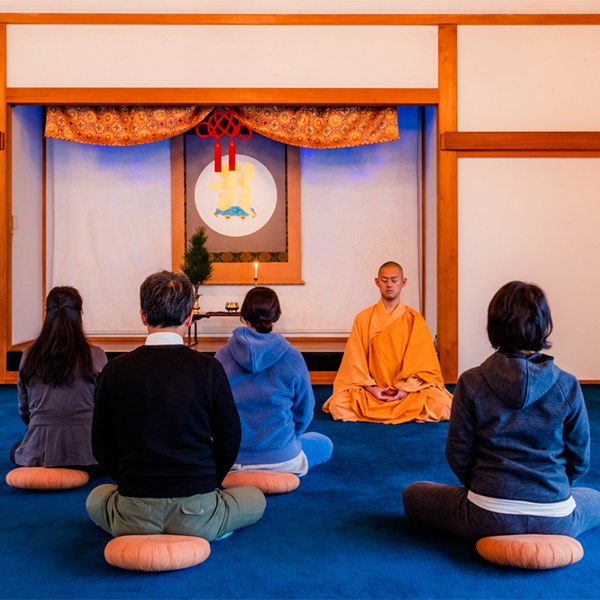 Photo: Eko-in Koyasan (ekoin.jp)
사경(写経)과 사불(写仏) — 붓으로 불교 경전과 불상을 옮겨 그리는 수행 — 은 일본에서 7세기까지 거슬러 올라가며, 오늘날에도 여전히 살아 있는 사찰 수행으로 이어지고 있습니다. 옛 순례자들은 돌아가신 부모님을 위한 공덕 회향이나 오랜 발원을 담아 반야심경(般若心経)을 손으로 옮겨 적었습니다. 현대의 사찰들도 같은 활동을 그대로 제공하고 있으며, 다만 지금은 그 책상이 숙박객과 당일 방문객에게도 열려 있어, 누구나 붓을 잡고 한 시간의 고요를 누릴 수 있습니다.
여행자에게 사경과 사불은 보기 드문 조합을 선사합니다. 60분에서 90분에 걸친 차분하고 집중된 활동이자, 고급 와시(和紙) 종이 위에 직접 만든 결과물을 집으로 가져갈 수 있다는 점입니다. 사전 서예 경험은 필요하지 않으며, 일본어도 필요 없습니다. 대부분의 사찰은 완전 초보자도 환영합니다. 본 가이드에서는 사경과 사불이 무엇인지, 어디에서 체험할 수 있는지, 각 세션이 실제로 어떻게 진행되는지, 그리고 슈쿠보(사찰 숙박) 일정에 어떻게 무리 없이 녹여 넣을 수 있는지를 설명드립니다.
사경(写経)은 글자 그대로 “경전을 베껴 쓰는 것”을 뜻합니다. 불교 경전을 붓으로 쓰거나 본떠 그리는 수행으로, 가장 흔하게 다루는 경전은 반야심경(般若心経, 한냐 신쿄)입니다. 단 262자로 이뤄진 짧고 밀도 높은 이 경전은 대승불교의 핵심 가르침인 공(空)을 압축해 담고 있습니다. 베껴 쓰는 행위 자체가 곧 수행이며, 한 자 한 자를 천천히 — 이상적으로는 한 호흡에 한 글자씩 — 속도가 아닌 마음을 모아 붓으로 옮깁니다.
사불(写仏)은 글자 그대로 “부처를 베껴 그리는 것”을 뜻합니다. 글자 대신 부처나 보살의 선묘 — 아미타불(阿弥陀仏), 다이니치 뇨라이(大日如来), 관음(観音), 부동명왕(不動明王) 등 — 를 미리 준비된 와시 종이 위에 붓으로 본떠 그립니다. 사경이 한 자 한 자 안정된 필치를 요구한다면, 사불은 길고 이어지는 선을 요구합니다. 법의의 곡선, 후광의 호, 얼굴의 윤곽 같은 것들이지요. 정신적 효과는 비슷하지만, 시각적인 결과는 훨씬 직접적입니다.
두 수행 모두 나라 시대(8세기)에 종교적 공덕을 쌓는 방법으로 시작되었습니다. 순례자들은 돌아가신 가족을 위해, 또는 개인적인 발원을 위해, 또는 사찰 건립을 후원하기 위해 사경을 의뢰했습니다. 쇼무 천황은 740년대에 나라의 평안을 기원하며 경전 전질의 베껴쓰기를 명령한 일화로 유명합니다. 속도를 늦추고, 마음을 모으고, 작은 흔적을 남긴다는 — 바로 그 같은 충동이 오늘날에도 손님들을 책상 앞으로 이끕니다.
현재 사경과 사불 모두 많은 슈쿠보와 주요 사찰에서 숙박객과 당일 방문객을 대상으로 60분~90분 구조의 체험으로 제공되고 있습니다. 도구는 미리 준비되어 있고, 안내를 맡은 스님이 짧은 설명을 해 주며, 완성된 와시 종이를 가지고 돌아갈 수 있습니다.
역사적 의미와 현대적 의미 사이에는 미묘하지만 중요한 차이가 있습니다. 역사적으로 사경은 거래적 종교 행위였습니다. 순례자가 경전을 베껴 공덕을 쌓고, 그 공덕을 특정한 발원(병든 부모의 쾌차, 아이의 무사 출산, 돌아가신 친지의 평안한 왕생 등)에 회향하는 것이었지요. 완성된 종이는 사찰 본존에 봉납되어, 회향의 일부로서 태워지거나 보관되었습니다. 현대의 사찰들도 그것을 바라는 손님에게는 그 틀을 그대로 유지해 주지만, 종교적이 아니라 문화적 체험으로 다가오는 손님 역시 모두 환영합니다. 이 가이드에 등장하는 모든 사찰에서, 두 방향의 해석이 다 받아들여집니다.
반야심경은 방문객이 마주하게 되는 거의 모든 사경 세션의 기본 텍스트입니다. 고전 한문 한자 262자로 매우 짧으며, 붓 다루기에 얼마나 익숙한지와 속도에 따라 베껴 쓰는 데 대략 45분에서 90분이 걸립니다. 한자 아래에 옅은 분홍색, 회색, 노란색으로 인쇄된 글자 본이 폭넓게 보급되어 있어, 그 위에 검정 먹으로 덧그려 가면 됩니다. 즉 한자를 읽지 못해도 완주가 가능합니다.
반야심경은 단연 일본에서 가장 많이 베껴지는 경전입니다. 진언종, 천태종, 선종, 심지어 일부 정토 계열에서도 거의 모든 대승 종파에서 독송되고 있어, 그 어느 사찰의 사경 자리든 기본은 반야심경이 됩니다. 마지막의 진언인 “Gate gate paragate parasamgate bodhi svaha”(羯諦羯諦 波羅羯諦 波羅僧羯諦 菩提薩婆訶)는 한자 음역으로 보존된 유명한 산스크리트 결구이며, 종이의 마지막 단계에서 이를 덧그리게 됩니다.
외국인 친화적인 사찰 — 에코인(惠光院), 슌코인, 후쿠치인 등 — 에서는 세션 시작 시 영어로 경전의 의미를 설명해 주는 것이 보통입니다. 요약은 보통 5~10분 정도로 짧고, 핵심 사상인 “색즉시공, 공즉시색”을 다룹니다. 한자를 옮기기 위해 사상을 이해할 필요는 없지만, 짧은 설명이 한 시간의 무게를 바꿔 놓는 것은 분명합니다.
텍스트 자체에 관한 실용적인 메모를 몇 가지 덧붙입니다. 반야심경은 엄밀히는 산스크리트 『프라즈냐파라미타 흐리다야 수트라』이며, 일본판은 현장(玄奘) 스님이 옮겼다고 전해지는 7세기의 한문 번역본입니다. 도입부에서 보살 관자재(觀自在, 일본어로는 칸지자이 보사쓰)가 오온이 공함을 비춰 보는 장면으로 시작해, 마지막에는 한자 음역으로 보존된 산스크리트 진언으로 끝맺습니다. 본문은 262자로 압축된 짙은 철학이며, 일본 전통에서는 이 경전 전체를 한 줄 한 줄 분석할 것이 아니라 하나의 통합된 수행으로 다룹니다.
사경과 사불은 일본의 수백 개 사찰에서 제공되지만, 아래의 10곳은 가장 안정적이고, 외국인 친화적이며, 품질이 일관된 곳들입니다. 네 개의 종파(진언종, 천태종, 임제종, 정토종)와 세 곳의 슈쿠보 핵심 지역(고야산, 교토, 히에이잔)에 더해 요시노 한 곳과 닛코 한 곳까지 포괄합니다.
에코인은 표준 반야심경 본을 사용한 영어 안내 사경 세션을 아침에 제공합니다. 세션은 약 60분간 진행되며, 숙박객 기준 1,500엔 안팎으로 경전의 의미와 사경 수행에 대한 짧은 영어 설명도 포함됩니다. 도구와 안내는 매우 초보자 친화적이고, 좌식과 의자식 좌석이 모두 마련되어 있습니다. 사경을 처음 접하는 외국인 방문객 대부분에게 에코인은 가장 부드러운 입문 코스라고 할 수 있습니다.
후쿠치인은 고야산에서 가장 폭넓은 사경·사불 프로그램을 운영합니다. 다섯 가지 옵션이 마련되어 있는데, 표준 반야심경 사경이 간판이고, 사불 옵션은 아미타불 본을 사용합니다. 아지칸(阿字観) 명상과 붓 작업을 함께 묶은 코스는 짧은 좌선과 가벼운 사불 세션을 결합한 형태이며, 어린이를 위한 주니어 사경 프로그램은 더 단순한 본을 사용합니다. 한 시간을 다 들이기는 부담스러운 손님을 위한 30분짜리 입문판도 있습니다. 모든 세션은 숙박에 옵션으로 추가 예약이 가능합니다.
사쿠라모토보는 요시노산에 자리한 슈겐도(修験道) 계열의 역사 깊은 사찰로, 반야심경 사경과 더불어 산악 수행의 중심에 있는 부동명왕을 본으로 한 사불 옵션을 제공합니다. 세션은 전통 다다미 홀에서 약 90분간 진행되며, 창밖으로는 요시노의 산세가 펼쳐집니다. 이 명단 중에서도 가장 운치 있는 환경 가운데 하나이며, 요시노는 고야산이나 교토보다 훨씬 한적합니다. 사쿠라모토보는 수백 년에 걸쳐 순례자 숙소로 운영되어 왔습니다.
슌코인은 교토 북서부 묘신지(妙心寺)의 임제종 탑두 사원으로, 의례보다는 예술 중심의 색채가 더 강합니다. 90분 세션은 애리조나 주립대학에서 수학하고 유창한 영어로 안내하는 가와카미 다카후미 스님이 직접 이끕니다. 전례적 의식보다 서예 수행에 더 가까운 분위기이며, 사경뿐만 아니라 자유로운 묵서 작업도 환영합니다. 신성한 산이 아닌 교토 중심부에서 선풍이 깃든 영어 네이티브 체험을 원하는 손님에게 가장 잘 어울리는 곳입니다.
린노지는 닛코 유네스코 단지의 천태종 중심 사찰입니다. 화려한 닛코 양식의 본당에서 반야심경 사경을 약 60분 동안 진행합니다. 안내는 주로 일본어로 이뤄지며 영어 지원은 제한적이라, 어느 정도 사경 경험이 있거나 시각적 안내를 따라가는 데 거리낌이 없는 여행자에게 알맞습니다. 옻칠을 두른 목조와 금박을 입힌 단을 갖춘 본당 그 자체가 이곳의 큰 매력입니다.
엔랴쿠지는 교토 외곽 히에이잔에 자리한 천태종의 총본산이며, 그 슈쿠보 동인 엔랴쿠지카이칸에서는 60~90분에 걸친 의례적 사경 세션을 운영합니다. 형식에는 천태종이 사경을 어떻게 보는지에 대한 짧은 교의 설명이 들어가는데, 천태에서는 베껴 쓰는 행위 자체를 예술이나 기념품 만들기가 아닌 명상의 한 형태로 봅니다. 교토나 요시노의 사찰들보다 종교적 색채가 강하며, 히에이잔 고원이라는 입지가 세션의 진지함을 한층 더해 줍니다.
헨조손인은 고야산의 작은 슈쿠보로, 친밀한 분위기에서 반야심경 사경과 관음 사불 옵션을 제공합니다. 세션은 약 8명까지로 정원이 제한되어 있어, 한 사람 한 사람이 안내 스님의 의미 있는 보살핌을 받을 수 있습니다. 세션 길이는 60분이며 숙박 옵션으로 예약 가능합니다. 성수기에 에코인이나 후쿠치인에서 흔히 보이는 큰 단체 형식을 피하고 싶은 손님에게 어울리는 선택지입니다.
지온인은 교토에 자리한 정토종의 총본산이며, 부속 숙박관인 와준카이칸에서는 정토 전통에 따른 사경 세션을 제공합니다. 진언종이나 천태종과는 결이 약간 다른데, 정토종은 염불(나무아미타불) 칭명에 무게를 두기 때문에 사경 세션에서도 반야심경과 함께, 혹은 그 대신에 아미타 관련 짧은 구절을 옮겨 쓰는 것이 보통입니다. 세션은 60분이며 요청 시 영어 지원이 가능합니다.
사이젠인은 13세기에 지어진 본당과, 사경실에서 바라보이는 시게모리 미레이 양식의 현대 정원을 함께 지닌 고야산의 오래된 슈쿠보 중 하나입니다. 90분의 반야심경 세션은 정원을 마주한 채로 진행되며, 글자 사이에서 잠시 호흡을 가다듬고 곱게 갈퀴질된 모래를 바라보는 그 순간이 이 체험만의 결을 만들어 줍니다. 잘 알려진 고야산의 큰 사찰들보다 규모가 작고 조용하며, 영어 지원은 좀 더 제한적입니다.
요치인은 고야산 고원에 있는 풍경 좋은 연못가 입지에서 반야심경 사경과 관음 사불 옵션을 모두 제공합니다. 세션은 60~90분이며, 숙박객 옵션이나 정원이 허락하는 한도 내에서 당일 단독 방문도 예약 가능합니다. 사찰 규모는 헨조손인이나 사이젠인보다는 크고, 에코인이나 후쿠치인보다는 작은 중간급이며, 연못을 마주한 사경실은 고야산에서도 손꼽히는 사진 명소입니다.

사찰마다 약간씩 다르지만 큰 흐름은 일정합니다. 약속 시간보다 5분쯤 일찍 지정된 홀에 도착합니다. 이는 대개 본존을 모신 본당이 아니라 별실이나 전용 사경실입니다. 신발을 벗고 다다미 위 낮은 책상에 앉아, 다른 참가자들이 도착할 때까지 조용히 기다리시면 됩니다. 일부 사찰(후쿠치인, 슌코인)은 바닥에 앉기 어려운 손님을 위해 의자 좌석을 제공하니, 필요하시면 사전에 요청해 두는 편이 좋습니다.
자리에는 다음과 같은 도구가 준비되어 있습니다. 작은 거치대에 놓인 서예용 붓(후데), 이미 갈아진 먹이 담긴 벼루(스즈리, 직접 먹을 갈 필요는 없습니다), 옅은 분홍이나 회색으로 경전이 인쇄된 고품질 와시 종이, 먹의 농도를 조절하기 위한 작은 스포이트, 책상을 보호하는 얇은 펠트 받침대 등입니다. 사찰에 따라 붓 받침과 종이 누름돌까지 갖춰진 곳도 있습니다.
그다음 스님이 5~10분 정도 수행에 대해 간단히 설명해 주십니다. 보통 반야심경의 의미, 올바른 붓 잡기(수직으로, 붓끝이 똑바로 아래를 향하도록, 손가락은 가볍게), 호흡의 리듬 등이 다뤄집니다. 표준은 한 글자에 한 호흡이지만, 어느 사찰도 이를 엄격하게 통제하지는 않습니다. 자신의 속도대로 가시면 되고, 대부분의 참가자는 반야심경 한 부 전체를 45분에서 90분 사이에 마칩니다.
시작하시면, 홀은 그대로 조용해집니다. 대화는 최소한으로 줄어들고, 들리는 소리라고는 종이 위를 지나가는 붓 소리와 누군가 자세를 바꾸는 옷자락 소리뿐입니다. 본문을 다 옮긴 뒤에는 지정된 칸에 서명하고, 여백에는 짧은 개인 발원(願, 간)을 적습니다. 발원은 어떤 언어로 적어도 무방합니다. 떠오르는 발원이 없으시다면, 건강이나 평안을 비는 단순한 문장도 충분히 적절합니다.
완성된 종이는 두 갈래 중 하나로 향합니다. 사찰 본존 앞에 봉납하시거나(세션이 끝나면 스님들이 거두어 본당에 모셔, 법회에 함께 올려 드립니다), 종이 통에 말아 집으로 가져가시거나입니다. 위에 소개한 10개 사찰 모두에서 두 가지 선택지가 가능하며, 대부분의 참가자는 이 종이를 머문 흔적으로 집에 가져갑니다.
사전에 알아 두시면 좋은 작은 디테일도 몇 가지 있습니다. 먹은 진짜 묵즙으로, 물에 녹는 성질이라 젖었을 때는 닦이지만 마르면 영구적이니 세션 중에는 옷에서 멀찍이 두십시오. 붓끝은 섬세해서 너무 세게 누르면 모가 벌어지면서 선의 굵기가 들쭉날쭉해지니, 늘 안내되는 대로 자연스러운 느낌보다 한 단계 더 가벼운 압력으로 다루시면 됩니다. 와시 종이는 먹이 깔끔하게 스밀 만큼 두꺼우면서도, 아래의 본이 비쳐 보일 만큼 얇습니다. 붓이 끌리거나 끊어지는 느낌이 들면 다시 벼루에 살짝 적셔 계속 이어 가시면 됩니다.
사불은 글자 대신 부처 본을 사용합니다. 그래서 한자를 읽지 못하는 방문객에게 눈에 띄게 더 접근하기 쉽습니다. 알아봐야 할 글자가 없고, 따라 그릴 선만 있을 뿐이지요. 시각적인 결과 역시 더 직관적이라, 사불 세션이 끝나면 와시 위에 부처상이 한 폭 남게 되는데, 대부분의 손님은 한자가 가득한 종이보다 이쪽을 집에 걸기 쉽다고 느낍니다.
명상적인 결은 사경과 비슷하지만 리듬은 다릅니다. 사경은 짧고 절제된 필치 — 한 글자 한 글자가 작은 산 — 를 요구합니다. 사불은 길고 이어지는 선 — 법의 소매의 곡선, 후광의 호, 얼굴의 윤곽 — 을 요구하지요. 구간 사이마다 호흡을 가다듬고 붓의 위치를 다시 잡는 긴 쉼이 들어갑니다. 많은 참가자는 인식 부담이 없다는 바로 그 이유 때문에 사불을 사경보다 더 차분하게 느낍니다.
선택할 수 있는 도상은 사찰과 종파에 따라 다양합니다. 아미타불은 정토종 사찰(지온인 와준카이칸 등)에서 가장 자주 등장합니다. 밀교의 우주적 부처 다이니치 뇨라이는 고야산의 진언종 사찰들에서 흔히 만나실 수 있습니다. 자비의 보살 관음은 종파를 가리지 않고 두루 사랑받는 도상으로, 헨조손인과 요치인에서 제공됩니다. 분노존인 부동명왕은 진언종과 천태종 사찰, 즉 사쿠라모토보 등에서 만날 수 있습니다. 도상에 따라 세션은 30~60분 정도 걸리며, 사용하는 도구는 사경과 같습니다.
사찰에서 두 가지 모두 제공할 때 사경과 사불 중 어느 쪽을 고를지에 대한 짧은 조언입니다. 사경은 더 전통적인 선택이자, 경전 베껴쓰기를 통한 공덕 회향이라는 본래의 흐름에 가장 가깝습니다. 정통의 체험을 원하시면 사경을 고르십시오. 사불은 처음인 분이나, 한 시간의 끝에 집에 걸 만한 분명한 결과물을 원하는 여행자에게 더 시각적 보람이 큰 선택입니다. 와시 위에 사진처럼 남는 결과물을 원하신다면 사불을 고르십시오. 후쿠치인, 헨조손인, 요치인 등 몇몇 사찰에서는 90분의 여유만 있다면 두 가지를 한 세션에 함께 묶어 진행하기도 합니다.
대부분의 슈쿠보는 사경과 사불을 숙박 옵션 활동으로 제공합니다. 자리가 있다면 보통 체크인 시에 예약하실 수 있지만, 성수기나 소규모 사찰(헨조손인, 사이젠인 등)에서는 객실 예약 단계에서 세션을 함께 요청해 두시는 편이 훨씬 안전합니다. 일부 사찰은 숙박하지 않는 당일 방문객도 받아 주니, 사경 세션 자체만 예약하셔도 무방합니다.
당일 방문 요금은 사찰과 프로그램 길이에 따라 보통 1,500엔에서 3,500엔 사이입니다. 숙박객에게는 약간 할인된 요금(고야산 기준 1,000~2,000엔)이 적용되기도 합니다. 후쿠치인의 아지칸 명상 + 사불 같은 복합 프로그램은 보통 3,000~5,000엔 정도로 좀 더 비쌉니다. 모든 경우에 도구가 포함되어 있어, 따로 가져오실 것은 없습니다.
대부분의 사찰은 정해진 시간(보통 09:30 또는 13:30)에 단체 세션을 운영하지만, 1인 참가자도 추가 요금 없이 받아 줍니다. 일부 사찰은 요청 시 1:1 세션을 운영하며, 보통 1.5배에서 2배의 요금이 붙습니다. 예약 리드 타임은 비수기에는 1~3일, 성수기 — 벚꽃(3월 말~4월 초), 골든 위크(5월 초), 오봉(8월 중순), 단풍(10월 중순~11월 중순) — 에는 1~2주 정도가 필요합니다. 특히 고야산은 여름 주말이 빠르게 마감됩니다.
예약 경로로는 사찰 공식 홈페이지를 통한 직접 연락이 거의 언제나 가장 좋은 선택입니다. 요금이 투명하고, 사찰이 전액을 보전 받으며, 같은 창구에서 언어와 식이 문의도 함께 할 수 있습니다. Klook는 주요 고야산 사찰의 사경 패키지를 취급하니, 약간의 마진을 감수하고서라도 영어로만 진행하길 원하는 여행자에게 합리적인 백업입니다. Stay22는 체크인 시 옵션으로 사경 세션이 포함되는 숙박을 다룹니다.

사경실은 사찰의 거의 어느 공간보다도 조용하게 운영됩니다. 대화는 최소한으로 줄여 주십시오. 스님께 드리는 질문은 괜찮지만, 참가자끼리의 잡담은 일반적이지 않습니다. 스마트폰은 무음으로 하시거나 꺼 두십시오. 세션 중 촬영은 대개 허용되지 않으며, 완성된 종이를 사진에 담고 싶으시다면 세션이 끝난 뒤 여쭤보시면 대부분의 사찰이 흔쾌히 허락해 주십니다.
붓 자체에 대해서는 다음과 같이 다루십시오. 먹을 머금은 끝이 똑바로 아래를 향하도록 수직으로 잡고, 손가락은 자루를 가볍게 감싸며 손목은 풀어 둡니다. 고전적인 가르침은 붓이 손에 쥔 펜이 아니라 호흡의 연장처럼 느껴져야 한다는 것입니다. 손에 쥐가 나면 잠시 붓을 내려놓고 1분 정도 쉬어 주십시오. 피로를 무릅쓰고 밀어붙여서 얻는 것은 없습니다.
실수가 생기시더라도 — 빗나간 선, 빠뜨린 글자, 엉뚱한 곳에 떨어진 먹 — 당황하지 마시고, 지우지 마시고, 가로줄도 그어 지우지 마십시오. 대부분의 사찰은 그 불완전함이 곧 수행의 일부라는 것을 분명히 가르칩니다. 다음 글자부터 계속 이어 가시면 됩니다. 완성된 종이는 시합 작품이 아니라, 한 시간의 집중을 담은 기록이니까요.
주어진 시간 안에 경전 전체를 마치지 못해도 괜찮습니다. 필요한 순간에 멈추고 자리에서 떠나셔도 무방합니다. 사찰 측은 결코 마음 상하지 않으며, 부분만 적힌 종이도 그 자체로 의미가 있습니다. 서명하고 날짜를 적어, 완성본과 마찬가지로 봉납하시거나 가져가시면 됩니다. 첫 세션의 많은 참가자가 반야심경의 절반밖에 마치지 못하는데, 그것은 매우 자연스러운 일입니다.
사경이나 사불 세션이 실제로 무엇을 가져다주는지 솔직하게 정리해 보겠습니다. 첫째, 60분에서 90분에 이르는 강제된 단일 작업의 시간 — 스마트폰을 쥔 동시대 여행자에게는 가장 희귀한 경험일지도 모릅니다. 붓은 두 손과 시각의 완전한 집중을 요구하기 때문에, 메시지 확인도, 다음 일정 생각도, 병행 입력도 끼어들 자리가 없습니다. 대부분의 손님에게는 경전의 내용보다 바로 이 시간이 세션의 가장 기억에 남는 부분이 됩니다.
둘째, 가지고 돌아갈 결과물 — 고급 와시 종이 위에 서명하고 날짜를 적은, 직접 완성한 반야심경이나 부처상입니다. 이는 기념품과는 다른 범주의 사물입니다. 손님 자신이 만들었고, 사찰이 도구를 제공했으며, 그 종이에는 머문 장소와 보낸 시간이 함께 기록되어 있습니다. 많은 손님이 완성된 종이를 집에 액자로 걸어 둡니다.
셋째, 반야심경 자체와의 첫 만남 — 동아시아에서 가장 중요한 짧은 불교 텍스트와의 접점입니다. 262자를 한 번 옮긴 뒤에는, 일본이든 중국이든 한국이든 어디에서든 그 도입부(칸지자이 보사쓰, “관자재 보살…”)와 마지막의 진언을 알아볼 수 있게 됩니다. 깊은 학습은 아니지만, 분명한 문 하나입니다.
넷째, 슈쿠보 체류의 작은 물리적 기록 — 그러나 관광 기념품과는 다른 부류입니다. 이 종이는 엽서, 냉장고 자석, 사찰 부적과는 또 다른 카테고리에 자리합니다. 방문의 개인적인 기록을 원하시는 여행자에게는, 슈쿠보가 제공하는 가장 강력한 선택지입니다.
다섯째, 관심 있는 분에게는 일상에서의 가정 수행을 시작하는 출발점이 됩니다. 아침마다 5~10분씩 반야심경을 옮겨 쓰는 루틴은 일본 바깥에서도 점점 더 많은 분들이 실천하고 있으며, 본은 사찰 매점이나 온라인 매장에서 폭넓게 구할 수 있습니다. 한 번의 사찰 세션을 계기로 이 습관을 시작하는 손님도 있습니다.
사경과 사불은 구조화된 슈쿠보 하루에 자연스럽게 녹아듭니다. 어느 한 요소도 서두르지 않으면서 붓을 잡는 시간을 다른 사찰 프로그램과 어떻게 묶을 수 있을지, 세 가지 샘플 일정을 보여드립니다.
06:00 — 본당에서 호마 의식(약 30분). 07:30 — 객실에서 쇼진료리 아침. 09:30~10:30 — 별실에서 영어 안내 사경 세션. 11:00 — 오쿠노인 묘지 산책(영묘 도로도까지 전체 경로는 90분 정도 잡으십시오). 점심은 고야산 시내에서(중앙 교차로 부근에 정진 및 채식 옵션 다수). 오후는 단조 가람이나 곤고부지에서 자유 시간. 19:00 — 에코인의 영어 야간 오쿠노인 투어(별도 예약).
06:00 — 아침 예불. 아침 식사 전 온천 입욕(후쿠치인은 천연 온천을 보유한 유일한 고야산 슈쿠보입니다). 공동 식당에서 아침. 09:30~11:00 — 사경 + 사불 복합 세션(반야심경과 아미타불 도상). 늦은 아침에는 경내의 시게모리 미레이 정원 6곳을 둘러보십시오. 오후는 고야산 시내 자유 시간. 저녁에는 객실로 정중하게 차려진 쇼진료리 만찬이 들어옵니다.
07:00 — 가와카미 다카후미 스님이 이끄는 좌선 세션(약 45분). 사찰 또는 인근 카페에서 아침. 10:00 — 90분 서예 및 사경 세션, 영어 진행. 오후는 교토 시내 자유 시간 — 사찰이 묘신지 경내에 있어 료안지와 닌나지까지 도보로 쉽게 갈 수 있습니다. 18:00 전후로 돌아와 차 한 잔이나 사찰에서의 조용한 저녁을 즐기십시오.
“일본어를 알아야 하나요?” 아닙니다. 본뜨기는 기계적이며, 본에는 옅은 가이드 라인이 미리 인쇄되어 있습니다. 에코인, 슌코인, 후쿠치인, 지온인 와준카이칸에서는 경전과 수행에 대한 설명이 전부 영어로 진행됩니다. 그 외 사찰(린노지, 사이젠인, 엔랴쿠지)에서는 안내가 주로 일본어이지만, 시각적인 단서를 따라가는 데 큰 어려움은 없습니다.
“완성한 경전을 집에 가져가도 되나요?” 네, 위에 소개한 10곳 모두에서 가능합니다. 대부분의 사찰에서 종이 통에 말아 집에 가져가시거나, 사찰 본존에 봉납으로 두시는 두 가지 선택지를 함께 제공합니다. 두 가지 모두 동등하게 적절하며, 첫 종이는 봉납하고 이후의 종이들은 집에 가져가는 손님도 많습니다.
“종교 참여인가요, 아니면 미술 수업인가요?” 의도적으로 둘 다입니다. 사찰들은 사경을 워크숍이 아닌 불교 수행으로 자리매김하지만, 세션을 문화 미술 활동으로 받아들이는 손님도 충분히 배려합니다. 어떤 신앙을 선언하거나 의례를 수행하실 필요는 없습니다. 경전을 붓으로 옮기는 그 행위 자체가 곧 참여입니다.
“아이들도 사경을 할 수 있나요?” 네. 후쿠치인은 더 단순한 본과 30분짜리 짧은 형식의 주니어 사경 프로그램을 운영합니다. 학령기(대략 8세 이상) 아이들은 가만히 앉아 있을 수만 있다면 표준 성인 세션도 무리 없이 소화할 수 있습니다. 더 어린 아이들에게는 보통 권하기 어렵습니다.
“숙박하지 않고도 사경을 할 수 있나요?” 네, 명단의 대부분 사찰에서 가능합니다. 에코인, 후쿠치인, 슌코인, 지온인 와준카이칸, 엔랴쿠지카이칸 모두 사찰 홈페이지 직접 예약으로 사경 프로그램의 당일 방문객을 받습니다. 더 작은 슈쿠보(헨조손인, 사이젠인, 요치인)는 숙박객 우선이지만, 자리가 허락하면 당일 참가도 받아 줍니다.
“세션 중에 시간이 모자라면 어떻게 하나요?” 마칠 수 있는 만큼 마치고, 부분 작업물에 서명과 날짜를 적은 뒤 멈추셔도 됩니다. 사찰은 이를 실패나 문제로 여기지 않습니다. 절반만 적힌 반야심경도 충분히 의미 있는 한 폭이며, 두 번째 세션에서 본문을 마저 마치러 다시 오시는 분도 적지 않습니다.
“붓과 벼루를 가져가도 되나요?” 아닙니다. 붓(후데), 벼루(스즈리), 스포이트는 모두 사찰의 물건이며, 사찰에 그대로 두고 가십니다. 손님이 가져가는 것은 완성된 와시 종이뿐입니다. 가져오셔야 할 것이라곤 한 시간의 여유와 조용히 앉아 있겠다는 마음뿐입니다.
“반야심경만 선택할 수 있나요?” 아닙니다. 반야심경은 길이와 보편성 덕분에 대부분의 사찰에서 기본으로 쓰이지만, 몇몇 사찰은 다른 옵션도 제공합니다. 지온인 와준카이칸과 다른 정토종 사찰은 아미타 관련 짧은 경전을 다루며, 일부 천태종 사찰은 법화경의 일부 구절을 다룹니다. 훨씬 짧은 세션을 원하는 손님을 위해 한 글자(흔히 “무”, 無) 명상 글쓰기를 제공하는 작은 슈쿠보도 있습니다.
Tip
성수기에는 미리 예약하십시오. 사쿠라(3월 말~4월 초), 골든 위크(5월 초), 오봉(8월 중순), 단풍(10월 중순~11월 중순) 시기에는 사경 자리가 일주일 이상 앞서 채워집니다. 여름의 고야산이라면 객실 예약 시에 세션도 함께 요청해 두십시오.
Tip
세션 전에는 가볍게 드십시오. 60분에서 90분 동안 다다미 위에 가만히 앉아 있는 것은 배가 부른 상태에서는 또 다른 느낌입니다. 직전에는 과한 점심을 피하시고, 한두 시간 전에 가볍게 드시는 것이 이상적입니다.
Tip
60~90분의 시간 전체를 확보하십시오. 반야심경을 30분 안에 욱여넣으려 하지 마십시오. 그 속도 자체가 수행의 일부이며, 서두른 붓질은 와시 위에 그대로 드러납니다.
Tip
안내를 듣고, 자리에 정돈해 앉고, 붓이 내려가기 전에 호흡을 가라앉히실 수 있도록 5분 일찍 도착하십시오. 시작 시간에 맞춰 들어와 곧장 붓을 드는 것으로는 좀처럼 차분한 세션이 나오기 어렵습니다.
Tip
불완전함을 결과물의 일부로 받아들이십시오. 빗나간 선, 빠뜨린 글자, 살짝 흔들린 획 — 바로 이것들이 그 종이를 손님의 것으로 만들어 줍니다. 완벽한 본뜨기는 그저 복사본일 뿐입니다.
사경과 사불은, 일본을 찾는 외국인 방문객에게 살아 있는 불교 수행으로 들어서는 가장 접근하기 쉬운 입구 중 하나입니다. 신앙도, 언어도, 사전 지식도 요구하지 않습니다 — 다만 집중과 안정된 손, 그리고 한 시간의 여유만이 필요합니다. 도구는 미리 준비되어 있고, 설명은 짧으며, 결과물은 그대로 손에 들고 돌아갈 수 있습니다. 대부분의 손님에게 책상 앞의 그 한 시간은, 몇 달이 지난 뒤에도 슈쿠보 체류 중 가장 또렷이 기억나는 부분으로 남게 됩니다.
위 10곳의 사찰은 네 개의 종파(진언종, 천태종, 임제종, 정토종)와 세 개의 핵심 지역(고야산, 교토, 히에이잔), 거기에 요시노와 닛코까지를 폭넓게 아우릅니다. 그러니 일본 중부나 서부 어디로 향하시든, 그중 한 곳은 손이 닿는 거리 안에 있습니다. 객실 예약과 함께 세션도 예약해 두시고, 5분 일찍 도착해, 한 시간이 자기 일을 하도록 맡겨 두십시오.
앞으로의 여행을 그리시는 분께 마지막 한마디. 단 한 번만 사경이나 사불 세션을 일정에 넣을 수 있다면, 고야산 에코인이 가장 안전한 첫 선택입니다. 영어 설명, 명료한 도구, 의자 좌석까지 마련된 혼합 단체 형식이 갖춰져 있습니다. 더 조용하고 작은 공간을 원하신다면, 같은 산의 헨조손인(정원 8명)이나 사이젠인(정원이 보이는 방)이 더 알맞습니다. 일정이 교토에 머문다면, 영어가 유창한 슌코인이, 정토종을 원하신다면 지온인 와준카이칸이 대안이 됩니다. 이 가운데 어느 곳을 선택하셔도, 이 수행이 본래 안고 있는 60~90분의 온전한 집중과, 집으로 가져갈 한 폭의 와시를 분명히 안겨 드릴 것입니다.
Ready to book?
Browse our curated collection of authentic Buddhist temple stays across Japan. Filter by region, sect, and experience.
탐색 시작하기이 가이드 추천 사찰 숙박
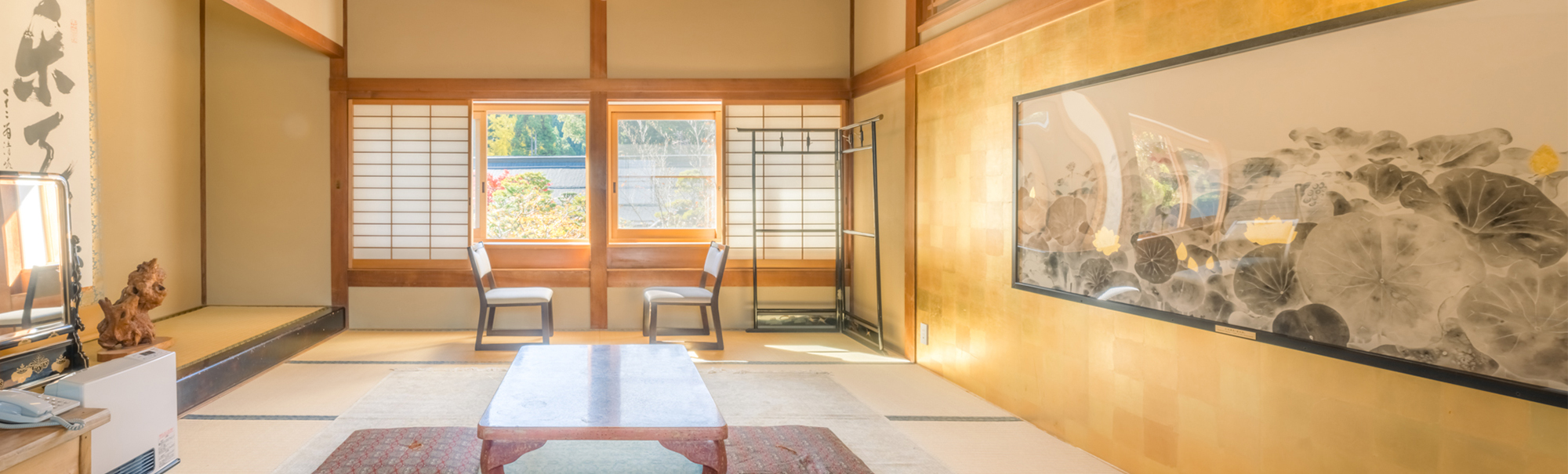
恵光院
고야산의 대표적인 숙방으로, 영어 안내 호마 의식과 아지칸 명상, 오쿠노인 야간 투어를 제공합니다.
부터 $130 //박

福智院
천연 온천과 세 개의 미레이 시게모리 정원, 세련된 쇼진 료리가 있는 유일한 고야산 슈쿠보입니다.
부터 $175 //박
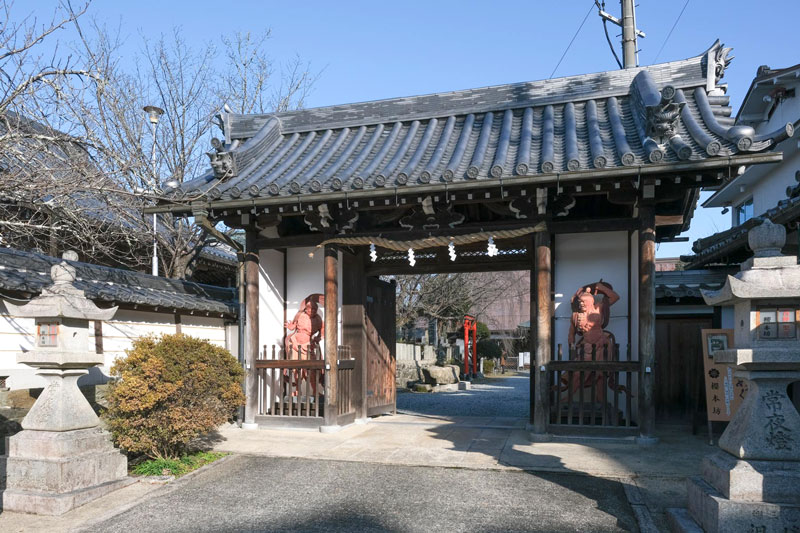
井光山 五臺寺 櫻本坊
유네스코 세계유산 요시노산에 자리한 슈겐도 수행 도량 슈쿠보로, 덴무 천황의 발원으로 창건되었으며 세 점의 국가 중요문화재 불상을 모십니다.
부터 $80 //박
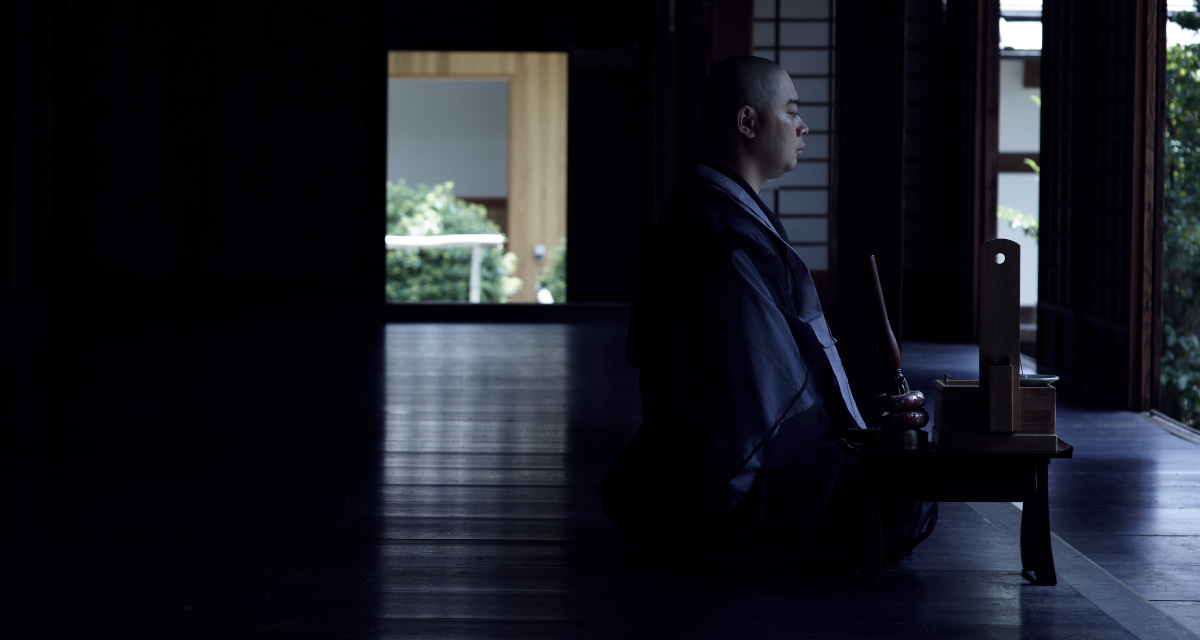
春光院
교토에서 가장 국제적으로 유명한 젠 슈쿠보로, 1590년에 지어진 묘신사의 부속 사원에서 영어가 진행되는 명상 수업과 현대적인 욕실이 딸린 객실을 제공합니다.
부터 $60 //박

延暦寺会館
유네스코에 등재된 엔랴쿠지 안에 위치한 히에이산 유일의 슈쿠보로, 국보 곤폰추도에서 아침 6시 30분부터 비와코 호수의 전경을 바라보며 예배를 드립니다.
부터 $130 //박
Explore Destinations

