
|
|
|
|
|
|
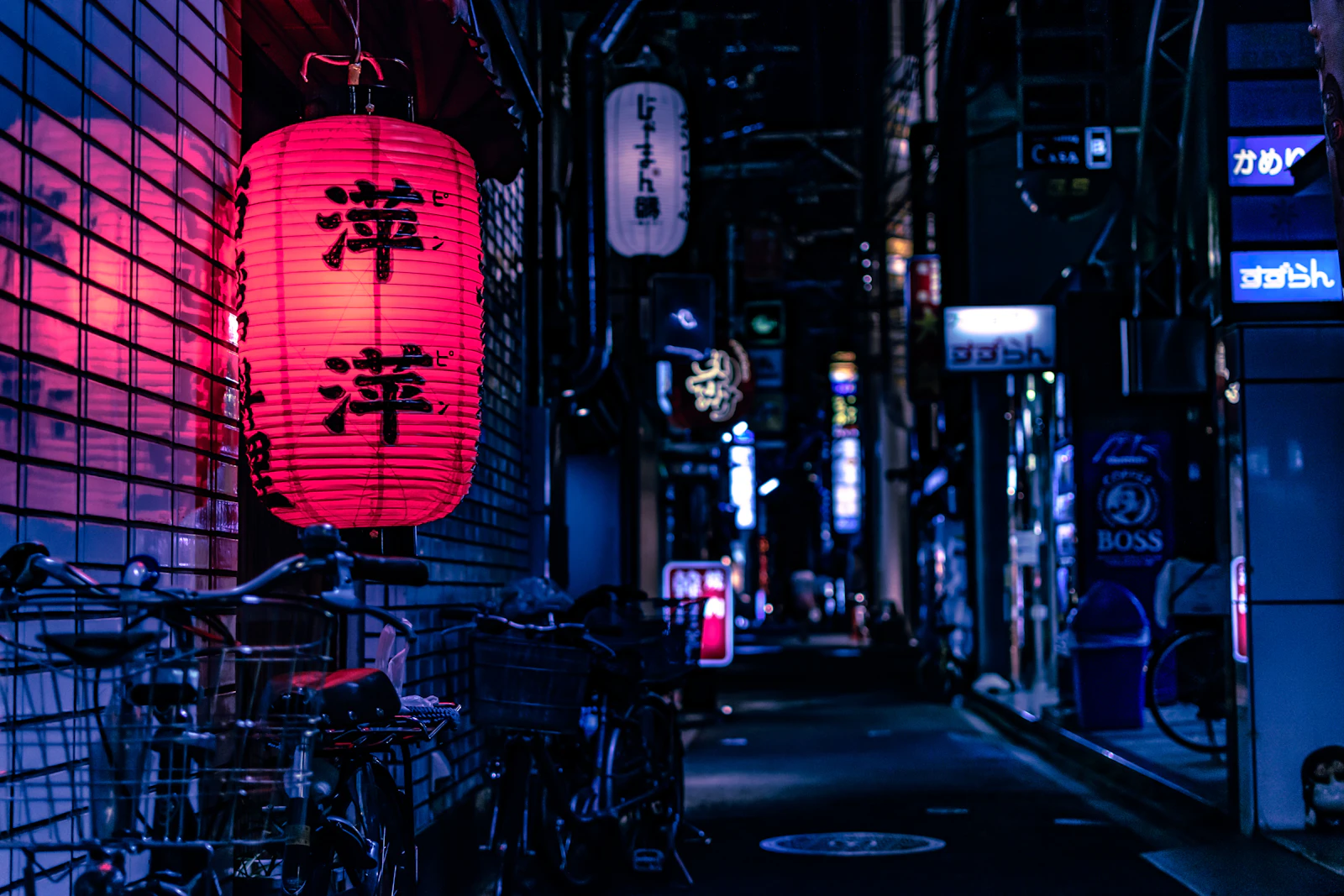 Photo by Masaaki Komori on Unsplash
Your brush tip touches washi paper. It is just after dawn at a Koyasan temple, the cedar floor still cold through your socks, and a printed grid of 270 faint grey characters — the Heart Sutra — sits in front of you, waiting to be traced. There is a small inkstone to your right, a single dropper of water, a brush in a wooden rest, and ninety minutes of unbroken quiet on the schedule. You did not stumble into this by accident. You booked it three weeks ago from a hotel bed in Singapore, paid in your own currency on a credit card you trust, and watched a confirmation email land in your inbox before you even bought a flight. The booking platform was Klook.
This guide is for the traveler who wants exactly that — to lock in a real, English-friendly shakyo session at a real Japanese temple, before the flight, with no Google-translated reservation emails and no day-of scrambling. It is deliberately transactional. We covered the 1,400-year history of shakyo and shabutsu in our longer cultural guide; here we focus on the six experiences worth booking, the honest tradeoffs between them, and the question of whether Klook actually beats booking direct. If you want to know which listing to tap on the Klook app at 11pm tonight, you are in the right place.
Shakyo (写経) is the centuries-old Buddhist practice of brush-copying a sutra — most commonly the Hannya Shingyo (the Heart Sutra, 262 dense kanji that compress the core teaching of emptiness in Mahayana Buddhism). For Japanese pilgrims it was historically a merit-making vow on behalf of a parent, a sick relative, or a long-held wish. For modern travelers, it is something more practical: 45 to 90 minutes of forced single-tasking, in a tatami room with the smartphone off and a brush in your hand, and a take-home sheet of washi paper that you actually made.
You do not need to read Japanese. The standard templates have the sutra printed underneath in faint pink, grey or yellow, and you trace over the lines in black sumi ink. You do not need to be Buddhist. You do not need to have done calligraphy before. What you do need is to book it — slots at the English-friendly temples fill out fast in sakura and koyo seasons, and walking up to a Koyasan front desk in late October hoping for a same-day spot is the fastest way to be disappointed. Pre-booking via Klook (or direct) is the fix.
A few practical notes before the picks. Klook is the strongest English-language booking platform for this category for three reasons: bilingual customer service, refundable cancellation windows on most listings, and the absence of Japanese-language reservation forms that defeat most foreign travelers. The tradeoff is a 15 to 25 per cent platform markup baked into the listing price. For a first booking, that markup buys peace of mind. For a second booking, when you already know which temple you want, direct contact is usually cheaper. We will return to this comparison in detail below.
If you only have time to skim, here is the shortlist. All six experiences below are bookable in English, accept solo travelers, and include all materials (brush, ink, washi). Prices are approximate Klook listing bands as of May 2026; the actual listing pages will show real-time availability and the exact rate at checkout.
| Experience | Region | Duration | Price band | Klook | |---|---|---|---|---| | Eko-in overnight + shakyo bundle | Koyasan | 1 night + 60 min | $$$ | Book on Klook | | Kyoto Zen meditation + temple garden | Kyoto | 3 hours | $$ | Book on Klook | | Koyasan day trip (temple + shakyo option) | Osaka/Koyasan | Full day | $$ | Book on Klook | | Asakusa cultural workshop (Tokyo shakyo) | Tokyo | 60–90 min | $ | Book on Klook | | Kamakura Engaku-ji style zazen + shakyo | Kamakura | Half day | $$ | Book on Klook | | Private Kyoto temple shakyo + tea ceremony | Kyoto | 2.5 hours | $$$ | Book on Klook |
These six are ranked by how confidently we would send a first-time visitor to each one. The ranking is not just about price — it weighs English support, the quality of the temple setting, how forgiving the format is for absolute beginners, and how reliable the booking flow on Klook actually is in practice. We have noted the honest downsides as well as the strengths.
Eko-in is the most foreign-friendly shukubo on Koyasan, and its overnight package is the single best shakyo experience you can pre-book on Klook. The morning shakyo session is led with English explanation, runs about 60 minutes, and uses the standard Heart Sutra template — but the real value is what surrounds it. You arrive the afternoon before, eat shojin ryori in your tatami room, attend the morning Goma fire ceremony at 06:00, then sit down at the shakyo desk at 09:30 with the cedar light coming in through paper screens. The session ends with a cup of matcha and a rolled washi tube to take home.
Who it is for: first-timers who want the full shukubo arc rather than a one-hour drop-in, and who would rather pay a known amount upfront than juggle separate bookings for room, dinner and activity. English support is excellent — Eko-in has hosted international guests for over a decade and the monks running the shakyo session do it bilingually. Klook listing price runs roughly $210 per person for the full overnight bundle including shakyo as an included activity. Honest con: the shakyo itself is a group session of 10 to 20 people, not a private slot, so the desks are close together during peak weeks. Lock in on Klook before arrival (Klook listing →).
A note on logistics. Koyasan is a 90-minute train and cable car ride south of Osaka via the Nankai Koya line — not difficult, but not a same-day round trip if you want any time on the mountain itself. The Eko-in package assumes you arrive on the afternoon of day one, sleep over, and depart after the morning shakyo and breakfast on day two. Travelers timing this into a Kyoto-Osaka leg should allocate two full days for Koyasan, with luggage either left at an Osaka station coin locker or sent ahead via takkyubin (overnight luggage forwarding). The cable car from Gokurakubashi to the top of the mountain runs every 15 to 30 minutes during operating hours, and a single rapid express from Namba reaches Gokurakubashi in about 80 minutes for the price of a standard ticket.
For travelers who cannot spare a full overnight on the mountain, Klook stocks day trips that bus you from Osaka to Koyasan, walk you through Okunoin cemetery, Kongobu-ji, and the Garan complex, and bundle in a short shakyo session at a participating temple as an add-on or included activity depending on the package. The shakyo here is shorter — 30 to 45 minutes rather than the full 90 — and uses an abbreviated template, but the value is that you get the practice without committing a full night to the mountain.
Who it is for: travelers based in Osaka or Kyoto with one free day, who want to taste Koyasan as a place rather than commit to the full overnight rhythm. English support runs through the tour guide rather than the temple itself, which works well for the cultural framing but means the actual shakyo desk time is briefer and more rushed. Klook price band sits around $95 to $120 per person. Honest con: the day-trip format compresses what is meant to be a slow practice into a tight schedule — you will not get the same depth as the Eko-in overnight, but you will see the mountain and brush a sutra in the same afternoon. (Klook listing →)
Practical tip on the day-trip variant: bring a packed lunch or eat a substantial breakfast before departure. The Klook day-trip itineraries vary on lunch inclusion — some bundle a shojin ryori temple meal in Koyasan, others leave lunch as a self-paid stop, and the difference can be $20 to $30 per head. Read the inclusion list carefully at checkout. If your itinerary already has you sleeping in Osaka or Namba on the back end of a Kansai itinerary, the day-trip is a reasonable compromise; if your trip is anchored in Kyoto, the same time investment is better spent at the Kyoto Zen meditation tour below.
The Kyoto Zen meditation and garden tour stocked on Klook is the strongest urban shakyo option in the country. It runs about three hours, combines zazen (seated meditation), a viewing of a classic dry-landscape garden, and a calligraphy-and-shakyo segment in the same temple visit — usually at a Rinzai sub-temple in the Myoshin-ji complex or a similar northwest Kyoto address. The framing is more art-and-mindfulness than ceremonial, which makes it the right fit for travelers who want the practice but not the religious overlay.
Who it is for: Kyoto-based travelers who want a half-day deep cultural experience without leaving the city, and who like the idea of pairing zazen with brushwork rather than choosing between them. English support is strong — the Klook-listed Kyoto Zen tours run with bilingual guides, and the temple hosts (often at Shunkoin-style sub-temples) are accustomed to international participants. Price band runs around $70 per person. Honest con: the shakyo portion is shorter than at a Koyasan shukubo (typically 30 to 40 minutes), so this is more of a sampler than a deep sit. (Klook listing →)
Why this Kyoto pick edges out a pure-shakyo day session: most travelers visiting Kyoto for the first time want both zazen and shakyo on their itinerary, and choosing between them creates scheduling friction. The bundled tour solves this by sequencing them — typically zazen first (when the mind is more agitated and benefits from settling), garden viewing as a transition, then shakyo last (when the body is already settled into the floor and the brush hour becomes the climax of the morning). The shorter shakyo duration is a fair tradeoff for getting both practices in one half-day window. If you want the full 90-minute shakyo without the zazen bundling, book Shunkoin directly via the temple website instead.
For travelers whose Japan trip never leaves the Kanto plain, Klook stocks shorter shakyo workshops in central Tokyo — most commonly in the Asakusa temple district around Senso-ji, sometimes in dedicated cultural-experience studios that work with affiliated monks. The session itself runs 60 to 90 minutes, uses the same Heart Sutra template you would find on Koyasan, and includes English instruction throughout. It is not held at a major sect-headquarters temple, which is the honest downside, but it is the easiest possible introduction to the practice in terms of access.
Who it is for: short-stay Tokyo visitors, families with one free afternoon, business travelers extending a trip by a day. English support is consistently strong because these workshops are built for international guests from day one. Price band is the cheapest in this list — around $35 to $55 per person — because there is no overnight lodging, no transport, no meal bundling. Honest con: the setting is genuinely urban, not contemplative. You will hear traffic. You will see other tourists nearby. The brush still works, but the silence around it is thinner than at a Koyasan or Kyoto temple. (Klook listing →)
A useful heuristic for choosing this option: if your Japan trip is Tokyo-anchored and your free day cannot be sacrificed to a Kamakura or Nikko round trip, this is the right shakyo for you. The Asakusa workshops are typically held mid-morning or early afternoon, leaving the evening free for Tokyo dining and the rest of your itinerary intact. If your trip is already heading west — Kyoto, Osaka, Hiroshima — skip this and book one of the Koyasan or Kyoto picks instead, because those will deliver a deeper practice in a more atmospheric setting for a similar total time commitment once travel is factored in.
A 60-minute train ride south of Tokyo, the great Rinzai Zen temples of Kamakura — Engaku-ji and Kencho-ji at the head of the list — run public zazen sessions on Sunday mornings, and Klook bundles bilingual half-day experiences that pair the zazen sit with a short shakyo segment afterwards. The format runs about 3 to 4 hours total, includes the train guidance, the temple entry fees, the zazen sit (typically 25 minutes plus 10 minutes kinhin walking meditation), and a 30 to 45-minute shakyo session with English explanation.
Who it is for: travelers based in Tokyo who want a Zen-flavoured experience without committing to the deep west of the country. The mountain valley setting of Engaku-ji — wooded, quieter than central Kamakura — does most of the atmospheric work, and pairing zazen with shakyo gives you both the seated and the brushwork sides of the practice in one morning. English support runs through the Klook bilingual guide rather than the temple itself. Price band sits around $90 to $130 per person. Honest con: the zazen and shakyo are both shortened compared to a true monastic format, and Sunday-only scheduling at Engaku-ji constrains your booking window. (Klook listing →)
At the premium end of the Klook shakyo catalogue is the private temple bundle — typically 2 to 2.5 hours at a single Kyoto sub-temple, with a 60-minute shakyo session led one-on-one or in a group of two to four, followed by a formal tea ceremony in the same hall. The experience is genuinely private (not "private group" sold as private), the shakyo desk is set up specifically for you, and the host monk or attendant remains attentive throughout rather than rotating between a group of fifteen.
Who it is for: couples on honeymoon, small families, or solo travelers who want the calmest possible setting and are willing to pay for it. English support is excellent because the private format means the host can pace the explanation entirely to your understanding. Price band runs $180 to $280 per person depending on group size and the specific temple. Honest con: you lose the social texture of sitting alongside other practitioners — for some guests the quiet presence of a dozen other people brushing the same sutra is part of why the hour feels grounded. The private format trades that for personal attention. (Klook listing →)
A note on what "private" actually means on Klook listings in this category. Genuinely private bookings are tagged with phrases like "private temple visit", "exclusive use", or "small group up to 4". Listings tagged "small group tour" or "shared experience" are not private even if the marketing copy suggests intimacy — they will combine your booking with other travelers up to a cap of 8 to 12 people. Read the inclusion list and the headcount cap before paying the premium. If the listing does not state a maximum group size, message the Klook merchant before booking; reputable operators reply within 24 hours with a clear answer.

Arrival is the first 10 minutes. You will be asked to take off your shoes at the threshold of the shakyo hall, leave them in a wooden pigeonhole rack, and walk in stockinged feet to the desk row that has been laid out for the session. Most temples seat shakyo participants at long low tatami desks, two or three to a row, with about a metre of space between each setup. A few of the Klook-stocked listings (the Tokyo workshop, the private Kyoto bundle) offer chair seating instead — request this when you book if floor sitting will not work for your knees.
The brush primer is the next 5 to 10 minutes. A monk or attendant will explain the meaning of the Heart Sutra in brief — usually a single paragraph in English — and demonstrate how to hold the brush. The hold is vertical, with the bristle tip pointing straight down at the paper, fingers light against the shaft, wrist relaxed and floating. The instruction is always to press less than feels natural; the brush is far more responsive than a pen, and a confident pen-grip will splay the bristles into an unreadable mess. The instructor will trace one or two characters in the air to show the rhythm — one character per breath, exhale on the downstroke — and then leave you to begin.
The copying itself is the long stretch — 30 to 90 minutes depending on the format. You trace the 262 characters of the Heart Sutra (or the shorter abbreviated version if the temple uses one) in black sumi ink over the faintly-printed grey template, character by character, one breath at a time. The hall stays quiet. The only sounds are the soft rasp of brush on washi and the occasional shift of someone repositioning a sleeve. You will lose count of where you are. You will notice your shoulders cramping and remember to lower them. By minute thirty the practice is doing its work — you are not thinking about anything except the next character, which is the entire point of the exercise. When you finish the sutra body, you sign your name in the designated space, write a short personal prayer (gan, 願) in the margin in any language, and put the brush down.
The closing is the last 5 to 10 minutes. The temple staff collects the completed sheets if you choose to offer them at the altar, or rolls them into a paper tube if you are taking them home. Most participants take the sheet home — it is a meaningful artifact of the hour and the place, and it travels easily in carry-on. A cup of matcha or hot tea is usually served at this point, and the monk may answer a few questions about the sutra, the temple, or the practice. Then you bow toward the room, retrieve your shoes, and step back out into ordinary Japan.
Tip
Wear loose, dark, plain clothing — yoga pants or soft cotton trousers, a long-sleeved layer, plain socks. Avoid tight waistbands, metal buckles, and bright colours. Bring nothing except a water bottle and a phone (silenced and pocketed). The temple supplies brush, ink, inkstone, washi and the rolled paper tube for the take-home sheet. Eat lightly beforehand; a heavy lunch within an hour of the session will make 60 minutes on tatami feel longer than it is.
For most travelers, the honest answer is: Klook for the first booking, direct for the second. Klook wins decisively on three fronts. Cancellation flexibility is the biggest — most Klook-listed shakyo and shukubo packages allow free cancellation up to 24 or 48 hours before the activity, where direct temple booking is often a non-refundable wire transfer once you commit. If your Japan itinerary is still in flux (it always is), the Klook cancellation window is worth a small premium.
Language is the second front. Klook listings are written in English, the checkout flow is in English, the booking confirmation arrives in English, and the customer service line answers in English when something goes sideways. Direct temple booking ranges from "Japanese-only contact form" (most small Koyasan shukubo) to "English landing page but Japanese reply emails" (Eko-in, Fukuchi-in). For travelers without a Japanese-speaking friend or concierge, the platform handles the friction. The third front is payment — Klook takes your home-country credit card with no FX surprises, where some temples still require bank transfer or cash on arrival in yen.
Direct booking wins on price (the platform takes 15 to 25 per cent commission, which is reflected in the listing rate) and on access to the small temples that are not on Klook at all. The shakyo programmes at smaller Koyasan shukubo — Henjoson-in, Saizen-in, Yochi-in — are not stocked on any major platform, and the only way to book them is via the temple website or a phone call. For these, direct is the only path. On a second Japan trip, when you know the practice and you have a temple in mind, direct booking is the smart move. For a first trip, Klook removes enough friction that the markup is worth it.
A practical hybrid strategy: book your overnight shukubo room directly with the temple (better rates, often a personal email exchange that surfaces useful information about the stay), and book the shakyo activity itself through Klook if it is offered as a standalone session. This is the rare case where the platform fees on a single 60-minute activity ($10 to $20) are worth less than the savings on an overnight room ($30 to $60). It also gives you a refundable layer on the activity even if the room booking is non-refundable. The setup works best for travelers comfortable sending one or two clear emails in English to the temple, and it gives you the cleanest combination of price and flexibility.
Tip
Read the Klook listing fine print carefully before booking. Some shakyo experiences listed as "shakyo" are actually short calligraphy workshops that copy a single short phrase rather than the full Heart Sutra — both are valid, but they are different practices. Look for "Heart Sutra", "Hannya Shingyo", or "60+ minute session" in the description if you want the orthodox practice rather than a sampler. Our [booking comparison guide](/blog/how-to-book-shukubo-stay22-vs-tripcom-vs-direct) covers the full platform tradeoffs for overnight stays.
The single highest-leverage move for travelers serious about the practice is to turn a one-day shakyo experience into a one-night shukubo (temple lodging) stay. The arithmetic is simple: the shakyo session itself only adds about $30 to $50 on top of an overnight room rate at most participating temples, but the surrounding rhythm — shojin ryori dinner the night before, morning service at 06:00, optional Okunoin walk or garden viewing — multiplies the depth of the brush hour by an order of magnitude. A shakyo session done as a day-drop-in is an isolated 60 minutes; the same session at the end of a shukubo morning is the climax of a 16-hour arc.
Three temples make this conversion especially easy. Eko-in on Koyasan offers the full bundle on Klook as we described above, and the morning shakyo session is included as a standard activity. Hakujukan in Fukui — the modern hotel run by Eiheiji — pairs morning zazen with an optional shakyo add-on and is the best fit for travelers who want a chair-friendly, contemporary version of the same arc. Shunkoin in Kyoto runs an English-led 90-minute calligraphy-and-shakyo session as a morning add-on for guests of the temple lodge, with English explanation by Rev. Takafumi Kawakami. Our first-time shukubo guide walks through what to expect from the overnight rhythm itself.

No. Every shakyo template offered to foreign guests uses a tracing format — the 262 characters of the Heart Sutra are printed in faint pink, grey or yellow underneath the washi, and you trace over them in black ink. Recognition is not required; the brushwork is mechanical pattern-following. At the end of an hour you will have brushed all 262 characters without reading any of them as language. Many travelers find that the unfamiliarity is part of why the practice works — there is no semantic load, only line and rhythm. For travelers who do read Chinese or Japanese, the experience is slightly different but not better.
A full Heart Sutra session runs 60 to 90 minutes of actual brush time, plus 10 to 15 minutes of setup and explanation at the start and 5 to 10 minutes of closing at the end. The Klook listings linked in this guide range from 60-minute abbreviated formats (the Tokyo Asakusa workshop, the Koyasan day-trip shakyo segment) to the full 90-minute deep format (Eko-in, the private Kyoto bundle, Shunkoin-style sessions). Allocate 2 hours of total time for any shakyo experience to be safe, including travel buffer to and from the temple.
Yes, at every Klook-listed shakyo experience and at every shukubo we know of. The temple will roll your completed sheet into a thin paper tube and hand it to you at the end of the session. The sheet is on premium washi paper, signed and dated by you, and travels safely in carry-on luggage. Many guests frame the finished sheet at home. If you prefer to leave the sheet at the temple as a votive offering (the historical tradition), most temples accept this gracefully — the sheets are added to the altar and incorporated into the temple's daily prayer cycle. Both options are equally appropriate.
Both, intentionally. Japanese Buddhist temples have framed shakyo as a religious merit-making practice for over 1,200 years, and that framing remains accurate — the act of brushing the sutra is treated as a form of devotion. But the same temples fully accommodate guests who treat the session as a cultural or contemplative practice rather than a religious one. You will not be asked to declare any belief, perform any ritual, or recite anything. The brush, the breath, and the paper are the entire practice. Show up with the same respect you would bring to any active house of worship, regardless of your own position, and the temple will welcome you.
The Kyoto Zen Meditation and Garden Tour stocked on Klook (around $70 per person) is the most affordable English-friendly shakyo within Kyoto city limits — it bundles zazen, garden viewing, and a 30 to 40-minute shakyo segment into a single three-hour tour. If you want shakyo without the zazen bundling, a direct booking at Shunkoin runs about $30 to $50 for a standalone 90-minute calligraphy-and-shakyo session, but requires booking via the temple website rather than Klook. For travelers passing through Kyoto on a tight schedule, the Klook tour is the safer pick because of the cancellation flexibility; for a second visit, direct Shunkoin booking is cheaper and longer. See our shakyo and shabutsu deep guide for the full Kyoto temple comparison.
A shakyo hour is the rarest thing a modern itinerary can offer — sixty unbroken minutes of single-tasking, with a finished artifact you made yourself at the end. Klook is the cleanest path to securing that hour before you land in Japan, especially for first-time visitors who want English support and refundable bookings without wrestling with a Japanese-language reservation form. Pair it with an overnight shukubo stay if you can, follow the zazen guide if you want the seated practice alongside the brushwork, and book the slot now — Koyasan and Kyoto autumn weekends fill out two months ahead, and the brush is more rewarding than the hesitation.
Ready to book?
Browse our curated collection of authentic Buddhist temple stays across Japan. Filter by region, sect, and experience.
Start ExploringRecommended Temples for This Guide
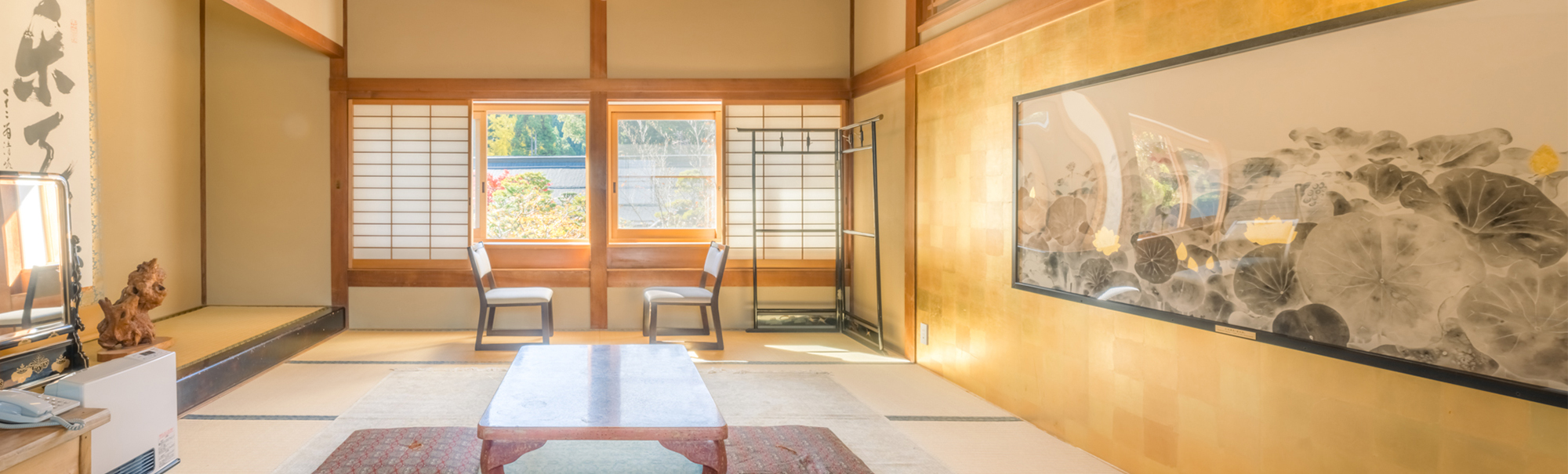
恵光院
A flagship Koyasan shukubo with English-guided Goma fire ceremony, Ajikan meditation, and nightly Okunoin tours.
from $130 /per night
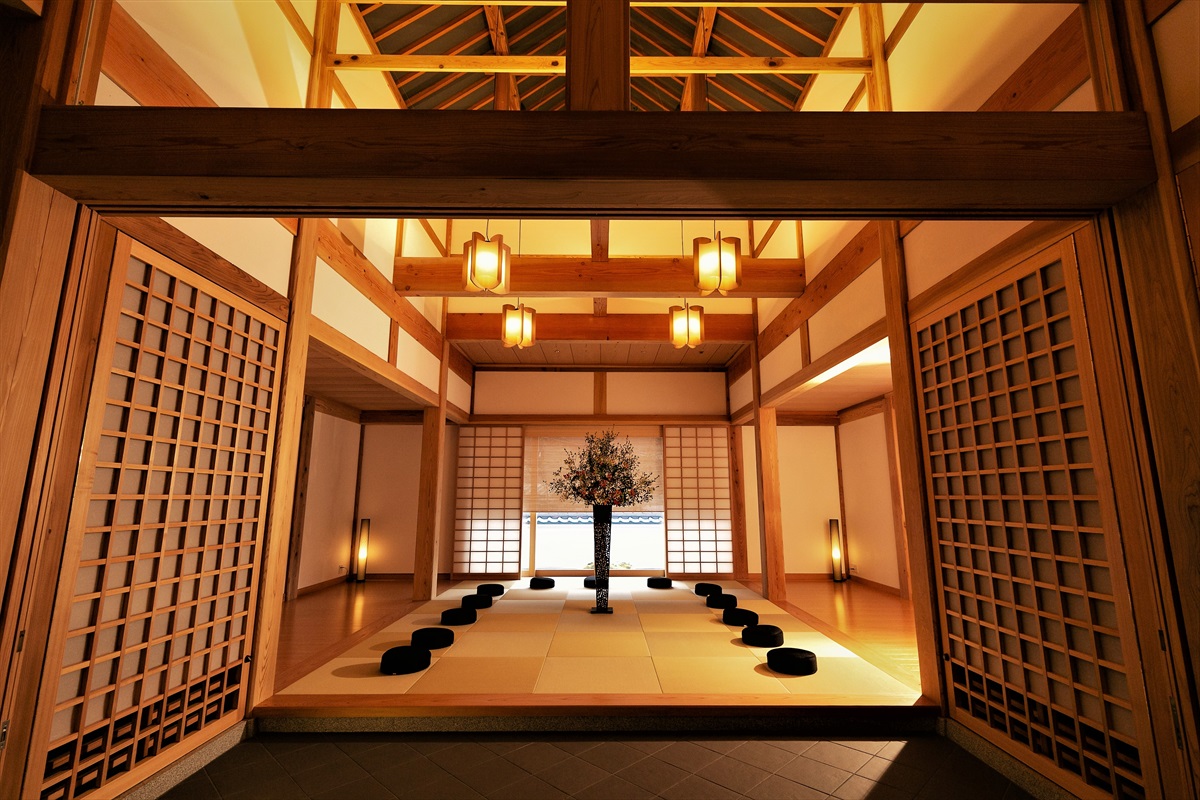
永平寺 親禅の宿 柏樹関
A modern Zen inn at the gate of Eiheiji, with 18 cedar-built rooms, evening zazen and access to the temple's pre-dawn morning service.
from $195 /per night
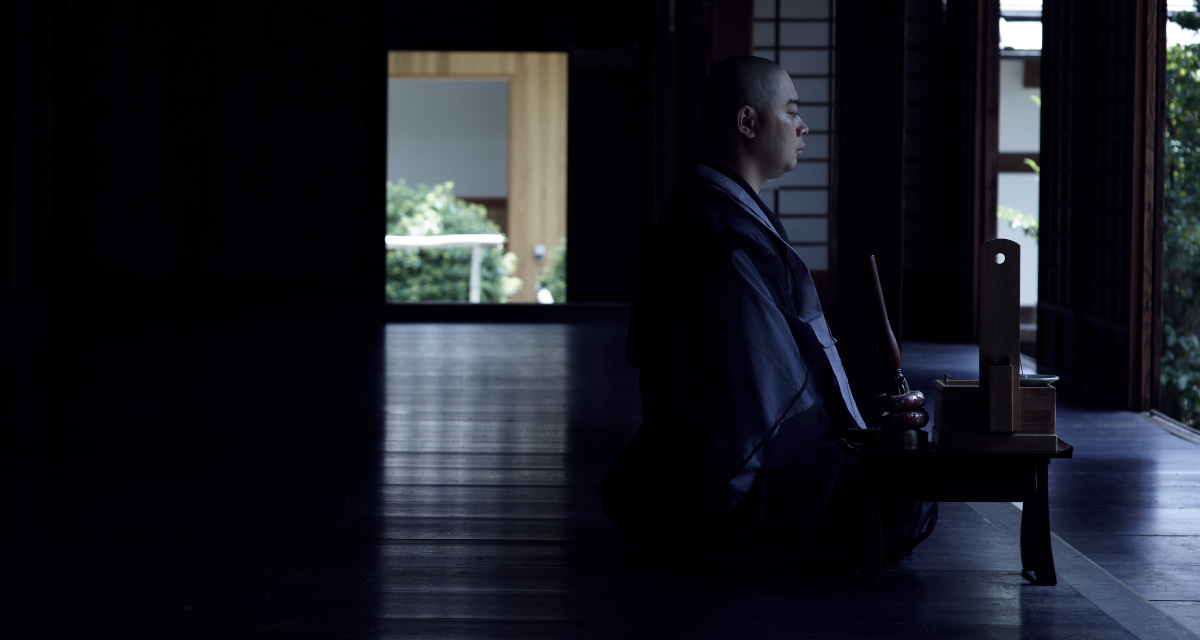
春光院
Kyoto's most internationally renowned Zen shukubo, offering English-led meditation classes and modern en-suite rooms inside a 1590 Myoshin-ji sub-temple.
from $60 /per night
花園会館
Myoshin-ji's official hotel-style shukubo near JR Hanazono Station, with 66 modern rooms, public bath, and easy access to Zen meditation programs.
from $90 /per night
Explore Destinations

