
|
|
|
|
|
|
 Photo: Unsplash
Search "Japanese temple stay" and the first images you get are renovated Koyasan suites with private cypress baths, lacquered banquet trays, and price tags north of USD 300 a night. So most budget travelers quietly close the tab and book a capsule hotel instead, assuming a shukubo is a luxury experience they can not afford. That assumption is wrong, and it is costing backpackers one of the best-value cultural experiences in Japan. A pilgrim dormitory at the gates of Eiheiji costs USD 55 a night including a vegetarian dinner and breakfast. A Zen sub-temple in Kyoto with bilingual meditation starts at USD 60. These are not stripped-down hostel deals — they are real temple stays with real monks and real morning service, priced like a mid-range business hotel.
This guide is for the traveler who wants the temple-stay experience without the four-figure invoice. Every price below is taken from a real published temple in our directory, not invented or rounded up for effect. We will break down the budget myth, show you exactly what USD 55 to 100 buys, list the best genuinely cheap picks region by region, and walk through how to find the lowest rate on the dates you actually want. By the end you will know that a shukubo stay is not a splurge you skip — it is one of the smartest-value nights you can book in Japan.
The reason temple stays look expensive is a quirk of how they are priced, not how much they cost. Japanese shukubo inherited their pricing convention from the ryokan world: rates are quoted per person, per night, and they bundle dinner and breakfast into the headline number. So when a backpacker used to seeing a USD 30 dorm bed reads "USD 90 per person" for a temple, the comparison feels brutal. But the dorm bed is room-only. The USD 90 shukubo is a private tatami room plus a multi-course Buddhist vegetarian dinner plus breakfast plus communal bathing plus access to the dawn morning service. Unbundle a Western booking and the same stack of items would run far more than USD 90.
The second piece of the myth is selection bias. The shukubo that show up in travel magazines and Instagram are the photogenic luxury ones — Ichijo-in's renovated suites, Fukuchi-in's onsen, Hakujukan's minimalist Zen aesthetic — precisely because they are visually striking and have marketing budgets. The USD 55 pilgrim dormitory at Eiheiji has no marketing budget and no Instagram presence; it is a working monastery that happens to take guests. So the cheap tier is structurally invisible. It is not that budget shukubo do not exist; it is that nobody is paying to put them in front of you.
The third misconception is that "cheap" means "fake" — a watered-down tourist version of the real thing. The opposite is usually true. The most expensive shukubo are the most curated for international guests: bilingual reception, English-narrated tours, polished gardens, comfort-tier bedding. The cheapest shukubo are often the most authentic, because they have not been redesigned for tourism at all. When you pay USD 55 to sleep inside the Eiheiji monastery, you are getting closer to "what a temple stay actually is" than the traveler paying USD 800 for a renovated suite. Budget tier is not the diluted version of the experience. In several regions it is the purest version of it.
Tip
A useful mental conversion: when you see a per-person shukubo rate, mentally subtract USD 35 to 50 for the dinner-plus-breakfast component before comparing it to a room-only hotel rate. A USD 90 dinner-included shukubo is competing against a roughly USD 40 to 55 room-only hotel, not a USD 90 one. On that basis, the budget temple-stay tier is genuinely competitive with hostels and business hotels — and you are sleeping in a centuries-old temple.
At the budget tier, the core experience is almost identical to the luxury tier — the differences are in finish and service, not in substance. Here is what a sub-USD-100 shukubo night actually includes at the great majority of temples in this price band.
A shojin ryori dinner. Shojin ryori is Buddhist temple cuisine — entirely plant-based, built around seasonal vegetables, tofu in several forms, pickles, rice, and a clear soup, prepared without meat, fish, or strong aromatics like garlic and onion. At budget temples the dinner is usually a simpler three-to-five-dish version rather than the six-or-seven-dish lacquered banquet you get at luxury Koyasan, but the philosophy and the ingredients are the same. For many travelers it is the single most memorable meal of their Japan trip, precisely because it is so unlike anything else they eat there.
Breakfast the next morning. Almost every shukubo rate is "ippaku nishoku" — one night, two meals — so a vegetarian breakfast around 7:00 to 8:00 is built into the price. Expect rice, miso soup, grilled or simmered vegetables, pickles, and tea. It is light, warm, and timed so you can eat after the morning service. This is not a continental-buffet afterthought; it is a proper sit-down meal in the same Buddhist tradition as the dinner.
A tatami room with futon bedding. A futon is a Japanese floor mattress laid directly on the tatami mat, usually unrolled for you in the evening or left for you to set out yourself. At the budget tier the room is plain — tatami, a low table, a hanging scroll if you are lucky, and sometimes a shared room rather than a private one at the very cheapest pilgrim houses. There is no minibar, no TV worth mentioning, and often no in-room bathroom. That spareness is the point: a temple room is meant to be quiet and uncluttered.
Shared communal bathing. Most budget shukubo have a shared bath rather than an en-suite — a communal Japanese-style ofuro, gender-separated, where you wash at a low shower station before soaking in the hot tub. For travelers new to Japanese bathing this can feel intimidating, but it is the standard arrangement at nearly all traditional lodging at this price, and it is genuinely one of the nicest parts of the day after walking temple grounds in the cold. A few budget temples have natural hot-spring water; most use ordinary heated baths.

Access to the morning service, or asagongyo. Asagongyo is the dawn Buddhist prayer service, typically held between 5:30 and 6:30 AM, where resident monks chant sutras in the main hall. At most shukubo, including budget ones, guests are welcome to sit in. At the strictest monasteries — Eiheiji being the prime example — the service starts as early as 3:30 AM and is treated as a non-negotiable part of the stay. This is the experience you genuinely cannot replicate anywhere else: sitting in a centuries-old hall in the half-dark while monks chant, with the cold mountain air coming through the open doors. It is included in the price at every tier, budget included.
What you generally do not get for under USD 100: a private bathroom, comfort-hotel bedding, English-narrated tours, a garden view, room service, or the elaborate multi-course banquet dinners. None of those are part of the core experience — they are the luxury layer that pushes a stay from USD 95 to USD 280. If you can live without them, the budget tier delivers 90 percent of the experience for a third of the top-tier price.
One thing worth highlighting is the yukata. Almost every shukubo, budget tier included, lays out a cotton yukata robe for you to wear after your bath and around the temple in the evening. It is a small touch, but it is part of why even the cheapest temple night feels distinct from a hostel: you bathe, change into the robe, and shuffle to a quiet tatami room rather than going back to a bunk bed in your travel clothes. Towels and basic toiletries are typically provided too, so a budget shukubo asks less of your packing than a hostel does.
A note on the rhythm of a budget shukubo day, because it surprises first-timers. Check-in is early — usually 15:00 to 16:00, and many temples will not accept arrivals after about 17:00 because dinner is served promptly, often at 17:30 or 18:00. The evening is quiet by design: bath, dinner, perhaps a little reading, lights out early. The morning service is the centerpiece of the next day, followed by breakfast, with check-out typically by 9:00 or 10:00. This compressed, early schedule is the same at every price tier; paying more does not buy you a later curfew at a working temple. Budget travelers used to flexible hostel hours should plan their arrival and departure trains around it, because missing the dinner window or the morning service is the one genuinely unrecoverable way to waste a shukubo night.
Below are the genuinely cheap picks, region by region, with real published 2026 rates from our directory. Prices are per person, per night, and unless noted they include the shojin ryori dinner and breakfast. We have flagged English support honestly, because at this price tier it varies a lot.
Eiheiji-Sanro: USD 55–70 per person. This is the guest dormitory inside the working monastery of Eiheiji, the head temple of Soto Zen Buddhism founded in 1244. For USD 55 you get a futon on tatami, shared bathing, a Buddhist dinner eaten in formal silence, and the option — really the expectation — of joining the resident monks at the 3:30 AM zazen and morning service. It is the cheapest serious shukubo in the country and also the most demanding: no curfew you can stretch, no late check-in, no English narration. If you want the most authentic temple stay in Japan and you are willing to do early mornings and silence, nothing else competes on price or intensity. It is also, notably, English-friendly enough to handle a foreign booking, which is rare at this price.
Hokyo-ji: USD 20–25 per person, when published. Deep in the Fukui countryside, this is a true pilgrim-bunk experience and the rock-bottom floor of Japanese shukubo pricing. Expect the simplest possible room, shared everything, a very pared-back meal plan, and essentially no English. It is not for everyone, but if you want to say you stayed at a temple for the price of a convenience-store lunch, this is how you do it. Availability is irregular, so treat it as a lucky find rather than a plan.
Shunkoin: USD 60–120 per person. A Rinzai Zen sub-temple of Myoshin-ji on the west side of Kyoto, with bilingual zazen and a vice abbot who has hosted English-speaking guests for over a decade. This is arguably the single best value pick in the entire country — a real temple stay, real Zen meditation, and proper English guidance, all for less than a mid-range business hotel, inside one of Japan's most-visited cities. If you want one budget shukubo that is both cheap and genuinely beginner-friendly, start here. The floor of USD 60 is shoulder-season midweek; peak dates climb toward the top of the range.
Myoren-ji: USD 30–50 per person. A Nichiren-sect temple offering some of the cheapest lodging in Kyoto. English support is minimal and the experience is bare-bones, but for a budget traveler who wants a temple roof over their head in central Kyoto for the price of a hostel dorm, it is hard to beat. Daishin-in (USD 35–70), a sub-temple within the Myoshin-ji complex, is a similar story — cheap, simple, limited English, but an authentic working-temple setting.

Miyata-bo: USD 70–110 per person. A classic pilgrim house on the Toge street at the base of Haguro-san in Yamagata, run in the hereditary mountain-priest tradition of Shugendo, Japan's mountain-ascetic religion. You get shared facilities, a simple but authentic Shugendo shojin ryori dinner featuring local mountain vegetables, and an intimate scale — most of these houses have under 15 rooms. English support is limited, but the experience is the real thing: sleeping in a centuries-old mountain-priest household, eating dishes made from ingredients picked that morning, near the 2,446 stone steps and 600-year-old pagoda of Haguro-san. Yudonosan Dainichi-bo (USD 75–110) offers the same model at the same price band.
Saikan Haguro: USD 75–110 per person. Operated by Dewa Sanzan Shrine on the summit plateau of Haguro-san itself, this is the only lodging at the mountaintop and the most atmospheric pick in the entire region. Shugendo cuisine, traditional tatami rooms, and dawn worship at the Sanjin Gosaiden hall. For under USD 100 you are sleeping at the top of a sacred mountain with views few travelers ever see. Book months ahead for autumn foliage. Tamon-kan (USD 90–130) and Kanbayashi Shokin (USD 95–135) are strong picks on the pilgrim street below, the lower ends of which still slip under USD 100.
Henjoson-in: USD 95–220 per person. Koyasan is Japan's most expensive shukubo region, but its budget floor is real. Henjoson-in and Sekisho-in (USD 95–260) both publish entry rooms from about USD 95, and at that price you get the same morning service, the same shojin ryori, and the same walking access to the Okunoin cemetery as travelers paying triple at the luxury sub-temples. These are large temples — Sekisho-in has 62 rooms — so the atmosphere leans hotel-traditional rather than intimate, but they let budget travelers experience the most famous temple-stay destination in Japan without the famous price. Both are English-friendly, which is rare at this end of the scale.
Kizoin: USD 50–75 per person. Over in Yoshino — the cherry-blossom mountain in Nara prefecture and a UNESCO pilgrimage site — Kizoin is one of the cheapest temple stays in a genuinely scenic region. Tonan-in (USD 60–95) is a comparable budget pick on the same mountain. English is limited at both, but for a traveler combining a temple stay with Yoshino's famous spring blossoms or autumn color, this is an affordable way to wake up on a sacred mountain. Note that Yoshino prices spike hard during the brief cherry-blossom window in early April.
If you want a quick mental map of the whole budget landscape: the absolute cheapest beds are the irregular pilgrim bunks (Hokyo-ji at USD 20–25, Myoren-ji at USD 30–50) where you trade comfort and English for rock-bottom price. The cheapest serious, full-experience stay is Eiheiji-Sanro at USD 55–70. The best value with English support is Shunkoin at USD 60–120. The best price-to-experience ratio overall is the Dewa Sanzan band — Miyata-bo, Yudonosan Dainichi-bo, and Saikan Haguro all sitting around USD 70–110 for a stay in a sacred-mountain pilgrim tradition you cannot get anywhere else. And the budget door into the most famous region is Henjoson-in or Sekisho-in on Koyasan, from USD 95. Every one of those prices is real and published; none of them is a stripped-down marketing rate that vanishes when you click through.
Tip
If you want the absolute cheapest defensible plan: book one night at Eiheiji-Sanro (USD 55–70) for the most authentic and lowest-cost serious shukubo, or one night at Shunkoin in Kyoto (USD 60–120) if you want city access and English support. Both deliver the full experience — dinner, breakfast, futon, morning service — for less than many travelers spend on a single dinner out in Tokyo.
Most major shukubo now operate on rate parity, which means the same room is priced within a few dollars whether you book direct, through an aggregator, or through a regional platform. So "finding the cheapest rate" is less about hunting for a secret discount channel and more about knowing which channel adds the fewest fees, gives you the right language support, and surfaces availability the others miss. Here is how the three channels budget travelers actually use compare in 2026.
Stay22 is the right starting point for almost everyone. It aggregates Booking, Expedia, and Agoda inventory and shows you three-plus platforms side by side for your exact dates, which is exactly what you want when you are price-sensitive and need to see the real market rate at a glance. It is strong for last-minute availability and has high English support. Begin every search here to establish what the room actually costs across the major OTAs before you commit anywhere.
Trip.com is worth a cross-check, especially if you read Chinese or want to see whether a non-refundable rate undercuts the refundable one. Its inventory coverage is excellent, and it tends to surface the largest non-refundable discount — sometimes 2 to 5 percent under direct. For a budget traveler locked into firm dates, the non-refundable Trip.com rate is frequently the single cheapest legitimate price you will find for a given room.
Booking direct with the temple is the move for off-peak, multi-night, or special-request stays. Rate parity means you usually will not save money on the headline price, but direct booking is where you get flexibility on dietary requests, the best shot at a multi-night discount during soft-demand windows, and occasionally unposted availability that the OTAs do not show. The trade-off is slower confirmation and variable English — at a USD 55 pilgrim house, the "direct booking" may be a phone call in Japanese. For deeper detail on choosing between channels, see our Stay22 vs Trip.com vs direct booking guide, and for the full regional rate landscape see our shukubo price comparison.
The biggest lever on price, though, is not the channel — it is the dates. Friday and Saturday nights at a popular shukubo run noticeably above the same room midweek, even outside peak season. Cherry-blossom (late March to mid-April), autumn foliage (mid-October to late November), Golden Week, and New Year all add 15 to 40 percent. Conversely, mid-January through early March, early June before the rainy season, and early September after summer holidays are the cheapest windows. A budget traveler with flexible dates who biases toward a midweek shoulder-season night will pay less for a better room than a peak-weekend traveler pays for the cheapest one.
One channel pattern specifically worth knowing for budget bookings: the refundable-versus-non-refundable spread. At most shukubo the flexible-cancellation rate runs roughly 10 to 15 percent above the non-refundable one. For a shoulder-season midweek night where weather is unlikely to wreck your plans, the non-refundable rate is simply the cheaper choice and the smarter bet. Save the flexible premium for cherry-blossom or autumn-foliage peaks, when an early-autumn typhoon or a late-spring cold snap can genuinely upend a tight itinerary. On a USD 60 to 95 room the absolute saving is small, but on a multi-night stay it adds up, and for budget travelers every saved dollar is one more meal on the road.
A final tactic for the truly price-driven: watch availability rather than fighting it. The cheapest rooms at any shukubo are a small inventory, and they sell first on peak dates. Rather than paying up for a peak weekend, set your shukubo night on a quiet date and build the rest of the itinerary around it. Because the budget temples are structurally under-marketed, midweek off-season availability at the lowest rate is usually wide open even a week or two out — the opposite of the scramble you face for a peak-season luxury suite. Flexibility is the budget traveler's biggest advantage here, and the shukubo market rewards it more than almost any other Japanese lodging category.
Pick one shukubo night, not a whole week. The early curfews, 6:00 AM services, and shared facilities are wonderful for a night or two and exhausting over a week. The smartest budget itinerary pairs a single temple-stay night — for the experience — with cheaper hostels or business hotels on either side. You get the full cultural payoff without committing your entire trip budget to it, and you keep the experience special rather than routine.
Travel midweek and off-season. As above, this is the single biggest saving available. A Tuesday in early February at a Tohoku pilgrim house or a quiet Koyasan budget temple can run 20 to 30 percent below a peak-weekend rate, and the near-empty winter atmosphere — snow on temple roofs, deserted cedar paths — is genuinely one of the great underrated experiences in Japan. Just pack for real cold; budget shukubo heating is minimal.
Stack the stay with free temple experiences. The morning service, the temple grounds, and at many places sutra copying or seated meditation are included or cheap. At Eiheiji you can join the monks; at Koyasan budget temples the walk to Okunoin cemetery is free; at Dewa Sanzan the 2,446-step climb past the pagoda costs nothing. The shukubo night unlocks a whole day of free cultural activity if you plan around it.
Take the dinner at least once. It is tempting to book a room-only rate where available to save USD 35 to 50, but the shojin ryori dinner is the most distinctively temple-stay part of the whole experience, and it is genuinely cheap for what it is — a multi-course Buddhist meal you cannot get elsewhere. If you are doing multiple nights, skip dinner on the later ones; but on your one temple night, eat the temple food.
If you have never done a temple stay before, read up on the etiquette first. Knowing how the bath works, when meals and the morning service happen, and what is expected of you removes the anxiety that can otherwise make a budget shukubo feel intimidating. Our first-time shukubo guide covers the practical do's and don'ts so your cheap night does not become a stressful one.
It would be dishonest to pretend the budget tier is identical to luxury. It is not, and knowing the trade-offs in advance is the difference between a great cheap night and a disappointing one. Here is what you genuinely give up for the lower price.
Shared bathrooms and shared baths. At nearly every sub-USD-100 shukubo, the bath is communal and gender-separated, and the toilet is down the hall rather than en-suite. For a Japanese-bathing first-timer this is the most common source of hesitation. It is not a hardship — it is the standard arrangement at this price across all traditional Japanese lodging — but if a private bathroom is a hard requirement for you, the budget tier is not where you will find it. You will need to move up to the mid or luxury band.
Simpler meals. The budget shojin ryori dinner is typically three to five dishes rather than the six-or-seven-dish lacquered banquet at luxury Koyasan. The ingredients and philosophy are the same, and the food is genuinely good, but it is not an ornate multi-tray feast. If your reason for doing a temple stay is the elaborate Buddhist banquet specifically, the budget tier will underdeliver on that one axis. For everyone else, the simpler meal is plenty.
Less English, and less hand-holding. This is the real one. The cheapest shukubo — Hokyo-ji, Myoren-ji, the Dewa Sanzan pilgrim houses, the Yoshino temples — often have minimal or no English support, signage in Japanese only, and staff who may not be able to explain the schedule or the etiquette. The English-friendly budget exceptions (Eiheiji-Sanro, Shunkoin, the Koyasan budget temples like Henjoson-in and Sekisho-in) are worth seeking out specifically for this reason. If you do not speak Japanese and want guidance, prioritize those; if you are comfortable navigating with gestures and a translation app, the whole budget tier opens up to you.
Plainer rooms and minimal heating. Do not expect a garden view, comfort bedding, or strong climate control. Budget shukubo rooms are spare by design and by economy, and winter heating in particular can be minimal — often a single space heater or a kotatsu rather than central heat. None of this diminishes the experience for most travelers, but it is worth packing layers and adjusting expectations: you are paying for the temple and the tradition, not the thread count.
What is the cheapest shukubo in Japan? At the very floor, Hokyo-ji in the Fukui countryside publishes pilgrim-bunk rates around USD 20–25 when available, and Myoren-ji in Kyoto runs USD 30–50 — but both are bare-bones with little or no English. The cheapest serious shukubo, with full dinner, breakfast, and morning service, is Eiheiji-Sanro at USD 55–70 per person inside the working Soto Zen monastery. For a balance of cheap and beginner-friendly, Shunkoin in Kyoto at USD 60–120 is the best all-rounder.
Are meals included at the budget tier? Almost always, yes. The standard shukubo convention is "one night, two meals," so a shojin ryori dinner and breakfast are built into the rate at the great majority of budget temples — including Eiheiji-Sanro, the Dewa Sanzan pilgrim houses, and the budget Koyasan temples. The main exceptions are some Kyoto temples that publish a cheaper room-only rate alongside the meals-included one. Always check which rate you are looking at before comparing prices across platforms.
Is a shared bath OK, or should I be worried? It is completely normal and nothing to worry about. Communal gender-separated bathing is the standard arrangement at nearly all traditional Japanese lodging at this price, not a budget compromise unique to cheap shukubo. You wash thoroughly at a seated shower station first, then soak in the shared tub. After a day on temple grounds it is one of the nicest parts of the stay. If you genuinely cannot do a shared bath, you will need to book a mid- or luxury-tier room with an en-suite, which means leaving the under-USD-100 band.
Is it cheaper to book direct with the temple? Usually not, because most shukubo now use rate parity — the headline price is within a few dollars across channels. Booking direct gives you flexibility on dietary requests, a better shot at multi-night discounts in soft-demand windows, and occasionally unposted availability, but it rarely beats the OTA rate outright. For the lowest firm price, a non-refundable rate on Trip.com is often the cheapest legitimate option. Start on Stay22 to see the market rate, then cross-check Trip.com before deciding.
Are there hidden fees I should watch for? Few, but a handful to know. Consumption tax (10 percent) is usually already in the displayed price on international platforms but can be added separately on direct bookings. A small "bathing tax" of roughly JPY 150–300 is occasionally added at temples with natural hot-spring water. Optional experiences — a private meditation session, sutra copying, a fire ceremony seat — typically cost USD 15–40 extra. And alcohol, where served at all, is charged separately. At the genuine budget tier these add-ons are minimal, but confirm the all-in price with the temple before assuming.
The takeaway is simple: a Japanese temple stay is not a luxury you have to skip on a tight budget. For USD 55 to 100 a night you can sleep on a futon in a centuries-old temple, eat a Buddhist vegetarian dinner and breakfast, soak in a communal bath, and wake to monks chanting in the dawn — an experience that costs less than a single fancy dinner in Tokyo and stays with you far longer. The luxury suites are wonderful, but they are the optional upgrade, not the entry ticket. Book the cheap night, eat the temple food, sit through the morning service, and you will have done the real thing. Your wallet will barely notice, and your trip will be better for it.
Ready to book?
Browse our curated collection of authentic Buddhist temple stays across Japan. Filter by region, sect, and experience.
Start ExploringRecommended Temples for This Guide
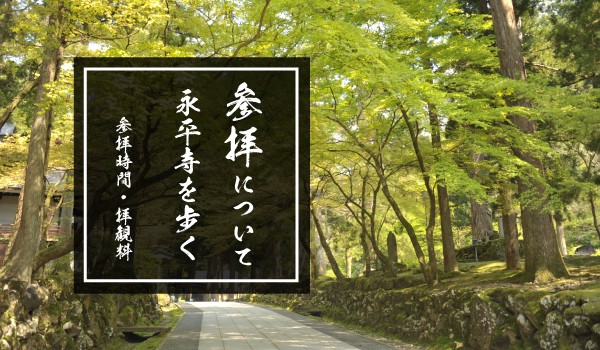
大本山永平寺 参籠(吉祥閣)
A one-night Zen retreat inside the head temple of Soto Zen Buddhism, with pre-dawn zazen, choka service, and shojin ryori.
from $55 /per night
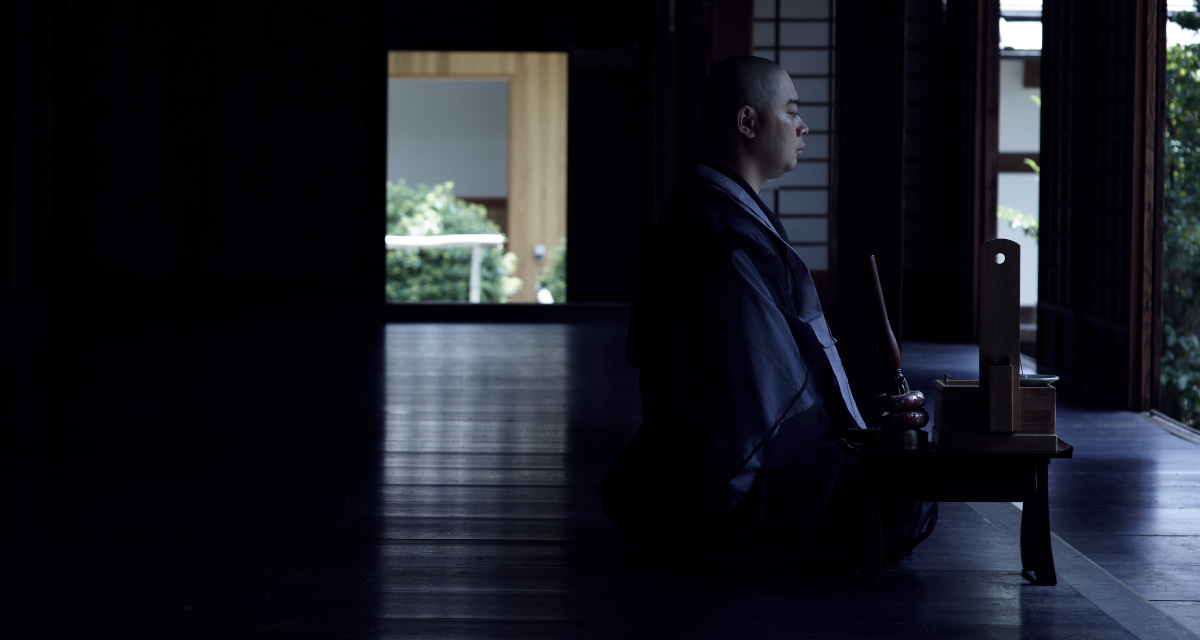
春光院
Kyoto's most internationally renowned Zen shukubo, offering English-led meditation classes and modern en-suite rooms inside a 1590 Myoshin-ji sub-temple.
from $60 /per night
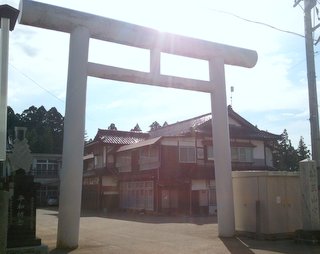
出羽路の宿 宮田坊
A 150-year-old Touge shukubo that has modernised to host Gas-san climbers, retreats and lectures alongside traditional pilgrims.
from $70 /per night

羽黒山参籠所 斎館
The only Edo-era shukubo still standing on the Haguro-san summit, run by Dewa Sanzan Jinja, with Michelin-listed mountain-herb shojin ryori.
from $75 /per night
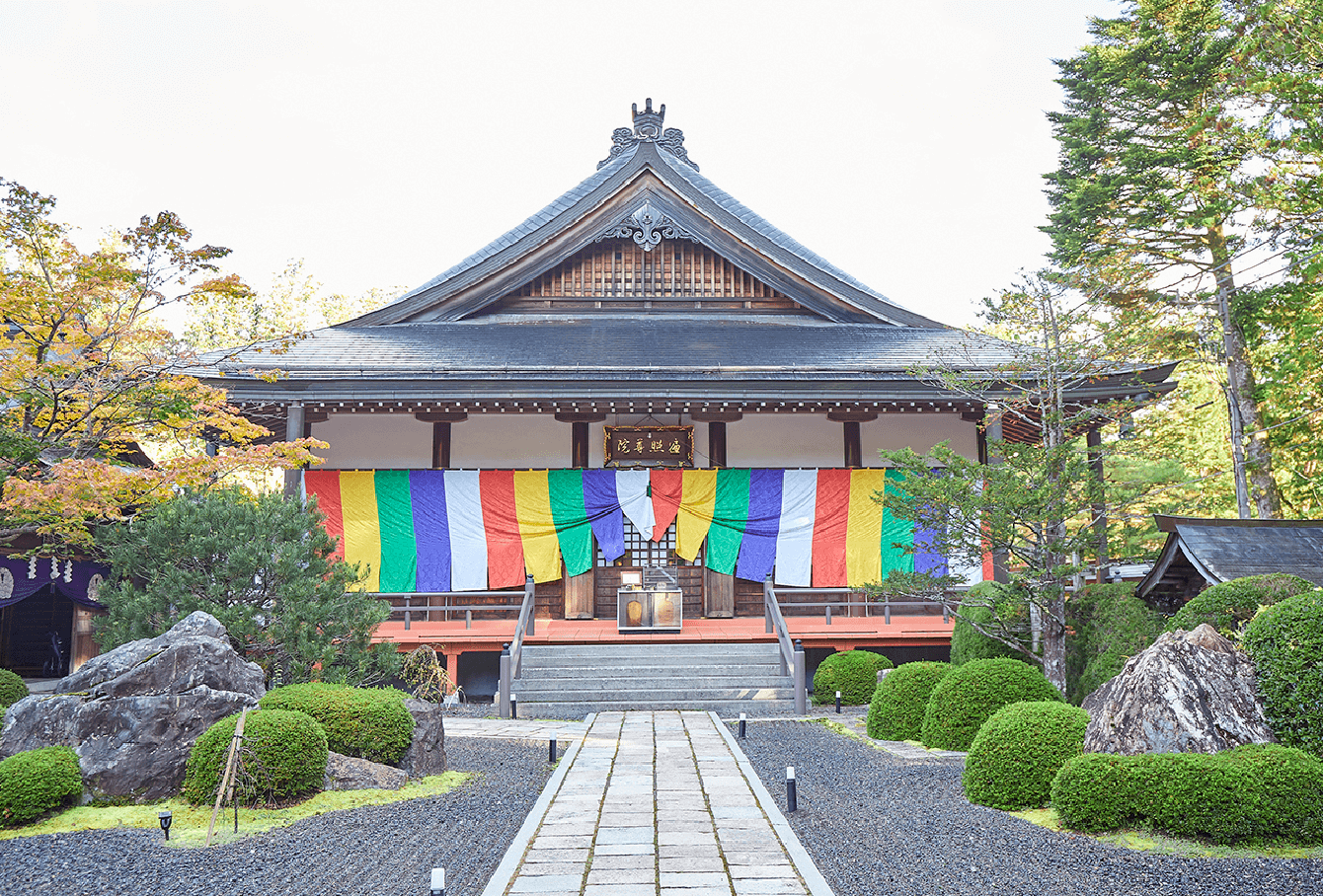
遍照尊院
A Koyasan shukubo built on the hill where Kobo Daishi practiced asceticism, with a large cypress bath and Ajikan meditation.
from $95 /per night

