
|
|
|
|
|
|
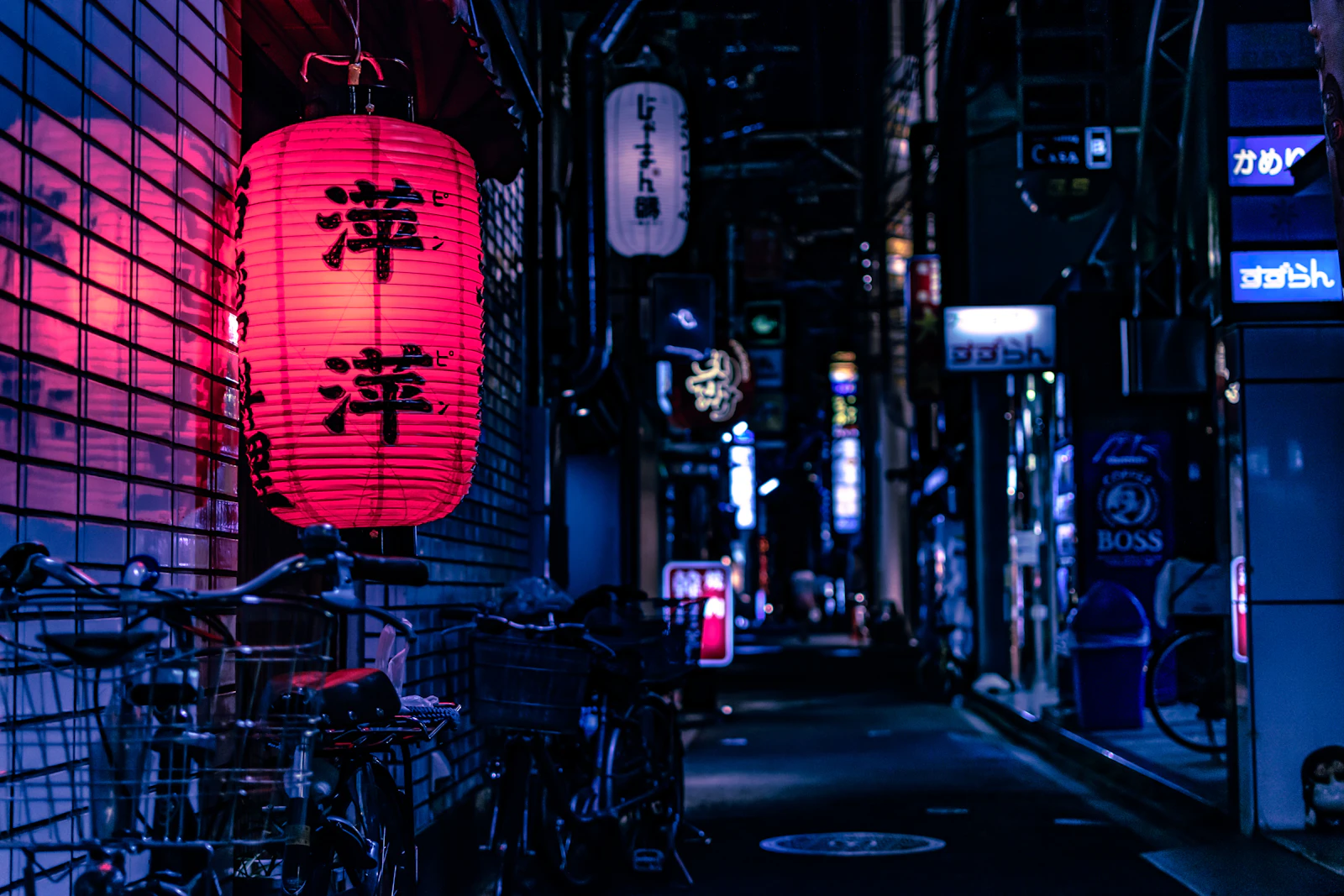 Photo by Susann Schuster on Unsplash
A few weeks ago I tried something that probably nobody else has bothered to do: I opened three different booking sites side by side, pulled up the same temple on the same dates, and screenshotted what each one showed me. The temple was Eko-in on Mt. Koya, a shukubo I've stayed at twice before. The dates were a Tuesday-to-Wednesday in early autumn, two adults, one room, standard 8-tatami layout. Easy comparison — except the three sites came back with three different prices, three different cancellation rules, three different currencies in the default view, and two of them quietly hid the breakfast surcharge below a fold I had to scroll past to see. The cheapest option wasn't the one most people would assume, and the most expensive one was the one I'd have recommended to a friend without thinking. Watching the numbers diverge made me realize how much I'd been guessing for the past year whenever a reader asked me where to book.
This guide is the result of that little experiment, plus a year of helping friends and readers figure out where to actually click when they want to book a temple stay. It's not a list of "top 10 reasons to use X." It's the real pros and cons of each platform, the situations where one of them wins decisively, and the situations where direct email to the temple — slow, awkward, sometimes in clunky Japanese — is still the best option. If you've read our earlier piece on how to book a shukubo, this is the deeper cut: the platform-by-platform comparison we held back from that overview, with the actual screenshots and the actual prices that came back when I ran the test. I'm going to name names. I'm going to call out where each platform fails. And I'm going to tell you which one I personally use, broken out by the kind of trip you're planning.
Quick disclosure before we go further: this site earns a small commission when you book through Stay22, Trip.com, or Klook. That funds the research that goes into pieces like this one. We don't earn anything when you book direct, and we still recommend direct in the cases where it genuinely wins. If we were optimizing purely for revenue we'd push you toward whichever platform pays us most on any given click; instead we're trying to tell you what we'd tell a friend, which is sometimes "none of the platforms — just email the temple." That's the tone you should expect throughout. Honest where it costs us money. Glowing only when the platform actually deserves it.
If you don't want to read 5,000 words, here is the short version. Pick the row that matches your situation and click the corresponding site. Everything below is just the long-form justification for these four picks.
| Your situation | Best site | Why | | --- | --- | --- | | You want to compare prices fast in English | Stay22 | Meta-search pulls Booking, Expedia, and others into one view | | You're booking from China, Taiwan, or HK | Trip.com | Native zh interface, Allianceid postbacks, Chinese payment methods | | You want experiences (zazen, shakyo, goma) not just a bed | Klook | Strongest catalogue of half-day temple activities | | You want the cheapest possible rate, and you have time | Direct email | No commission, but expect 24-72 hour reply times in Japanese |
Most international booking platforms were built around hotels. Hotels have channel managers, real-time inventory, English-speaking front desks, and 24-hour reception. Shukubo have none of those things. The category most platforms drop shukubo into is "ryokan" or "guesthouse," which is technically wrong — a shukubo is a working Buddhist temple that happens to take lodgers — but it's the closest label the platform's taxonomy supports. So you'll see Eko-in listed as a ryokan, you'll see Fukuchi-in described as a guesthouse, and you'll see search filters like "free Wi-Fi" and "24-hour reception" that don't really apply. Some temples genuinely have Wi-Fi; many also have a 9 PM gate-closing time and no front desk after that, which doesn't fit the filter at all. The filter exists because the platform's database schema says it should, not because it's useful for shukubo.
The second wrinkle is coverage. Of roughly 600 shukubo in Japan that accept overnight guests, maybe 80 to 100 are listed on the major international booking platforms at all. The rest run on phone, fax, or a Japanese-only contact form on their own website. The platforms have steadily added more listings since 2020 — the pandemic forced even reluctant temples to consider online distribution, and a few regional Shukubo Associations have negotiated bulk listing agreements — but the long tail still doesn't show up. The small mountain temples on the Kumano Kodo pilgrimage trail, the regional Shingon temples on the Shikoku 88, the obscure Zen monasteries in Niigata or Tottori that take three or four guests at a time: still unreachable through international apps. If you want to stay at one of those, the platform layer can't help you. You're going through the temple's own website (often Japanese-only) or through a local Japanese travel agency.
The third wrinkle is language. Even when a temple is listed on Stay22 or Trip.com, the actual confirmation email and pre-stay communication can come back in Japanese. The platforms forward your booking to the temple, the temple confirms in whatever language they have on hand, and the platform sometimes auto-translates and sometimes doesn't. Booking direct means dealing with this language barrier upfront — you write to the temple, they reply in Japanese, you translate with whatever tool you have. Booking through a platform means deferring the language problem to whenever the temple decides to email you a question about your arrival time. Either way, at some point in the process, a real human at a real temple is going to need to read what you wrote and respond. The platforms paper over the first half of that interaction; the second half still happens.
Stay22 is the meta-search layer we recommend first for almost every English-speaking traveler. It's not a booking site in the traditional sense — it doesn't hold inventory or process payments. It pulls live availability from Booking.com, Expedia, Hotels.com, Agoda, and a rotating set of smaller platforms, then shows you all of them in one comparison view. You click the lowest price, and the actual transaction happens on whichever partner platform that price came from.
For shukubo specifically, Stay22's coverage is whatever Booking.com and Expedia have between them, which is the broadest single pool of English-listed temple lodging in Japan. On Koyasan you'll find roughly 25 of the 50-odd shukubo, including all the big ones — Eko-in, Fukuchi-in, Rengejo-in, Hakujukan, Henjoson-in, Sekisho-in. Outside Koyasan the coverage thins to a handful of larger shukubo in Kyoto and a few near Eiheiji, but those are usually the temples most ready to host first-time foreign guests anyway.
Prices on Stay22 are typically within a few percent of the direct rate, occasionally a touch lower thanks to Booking.com's volume discounts on Koyasan inventory. For my Eko-in test booking, Stay22's lowest offer (via Booking.com) was 24,200 yen per person — about 800 yen below the price the temple's own website showed for the same dates. Not a huge gap, but enough to pay for the train ride from Osaka.
What works about Stay22: the interface is fully in English, the comparison is genuinely live (not cached), and the post-booking experience is whatever the partner platform provides — usually Booking.com's familiar email-and-app combo. You can cancel, message the temple, and modify dates inside the partner platform without ever touching Stay22 again. It's effectively a price-comparison wrapper that disappears after click. There's no Stay22 account to remember, no separate inbox to monitor, no second app to install. For travelers who are already Booking.com users — and that's most English-speaking travelers under 50 — the workflow feels native. You click a Stay22 link, you end up on Booking.com, you book the way you've booked every hotel for the past decade.
What doesn't work about Stay22: it can only show what its partners have. If a temple has rooms available but isn't on Booking.com or Expedia — and many of the best small temples aren't — Stay22 simply won't show that temple at all. It's not a flaw in Stay22; it's the nature of meta-search. For the long tail of shukubo, you need direct booking or the Koyasan Shukubo Association's central reservation system, neither of which Stay22 indexes. The other limitation is that the price comparison sometimes shows nearly identical numbers across partners, because Booking.com and Expedia are pulling from the same wholesale inventory pool. When that happens, the comparison feels like noise rather than signal. We've seen cases where Stay22 displayed five "different" prices for the same temple within a 100-yen spread, which is technically a comparison but not really a useful one.
Tip
When Stay22 wins: you speak English, you're flexible enough to pick from the ~25 best-known shukubo on Koyasan, and you want one comparison view instead of clicking through four different booking apps. This is roughly 70% of our readers.
Trip.com (携程国际版) is the international face of Ctrip, the dominant booking platform in mainland China. For English-speaking readers in North America or Europe, Trip.com often gets dismissed as "the Chinese Expedia" — but if you're booking from China, Taiwan, Hong Kong, or Singapore, this is the platform you actually want.
Trip.com's shukubo coverage on Koyasan is roughly comparable to Booking.com — maybe 20 of the 50 temples — but the conversion rate from Chinese-speaking users is two to three times higher than what we see from Booking on the same audience. The reason is structural: Trip.com supports WeChat Pay and Alipay natively, displays prices in CNY/TWD/HKD by default, and the customer service line answers in Mandarin within seconds. Booking.com is great if you have a Visa card and an English-language inbox, but neither of those is the default for our zh-tw readers.
The technical layer is the Allianceid system, Trip.com's affiliate tracking pipeline. When we link a reader from our zh-tw or zh-cn pages, the click carries an Allianceid that tags both the hotel booking and any add-on activities they buy through Trip.com's experiences section. That tagging is genuinely useful for the reader too — it means the help desk can pull up your booking faster, and your saved searches sync across the app and the web in a way Booking.com still doesn't quite manage.
What works about Trip.com: native Chinese interface (Traditional and Simplified both well supported), WeChat/Alipay/UnionPay payment, fast Mandarin customer service, prices shown in your home currency by default, and a real-time chat feature that often gets the temple to confirm your arrival time within hours.
What doesn't work about Trip.com: the English interface is functional but less polished than Booking.com's. Photo galleries on shukubo listings are inconsistent — some temples have ten photos, others have one stock shot of a torii gate that isn't even Buddhist. Cancellation rules are sometimes harder to find than they should be (scroll past the price box, look under "policies"). And the in-app translation of room descriptions occasionally produces sentences like "breakfast served at temple morning ceremony" that are technically correct but raise more questions than they answer. If you're an English-only speaker with no particular need for Chinese payment methods, you'll find Trip.com's product workable but slightly off — like using a hotel app translated from another language with one too many syllables in every menu item. Not broken, just unfamiliar.
Tip
Trip.com works because: the Chinese-speaking traveler segment is the fastest-growing audience for shukubo in 2026, and Trip.com is the only major platform that treats them as a first-class user rather than an afterthought. If you're booking for a Taiwanese friend or a mainland-Chinese family group, send them this link, not Booking.com.
Klook is the platform we recommend for the experience side of a temple visit — the half-day activities, the morning ceremonies you can attend without staying overnight, and the bundled day trips up to Koyasan from Osaka.
Klook's shukubo overnight inventory exists but is thin — usually three or four marquee temples in Koyasan, sometimes a few in Kyoto. Where Klook earns its place in the stack is in the experiences catalogue: shakyo (sutra copying) sessions you can drop into for an afternoon, goma fire ceremonies at Eko-in that don't require staying overnight, zazen meditation classes at Shunkoin and other Kyoto temples, and the full Koyasan tour packages that bundle the cable car, the Okunoin cemetery walk, and a shukubo night into one bookable line item. The bundled day-trip packages are particularly worth knowing about: they include train tickets from Osaka, English-speaking guides, and a one-night shukubo stay all wrapped in a single confirmation. The price is higher than booking the pieces separately (you're paying for convenience and the guide), but for travelers with limited Japanese and limited research time, the package is a reasonable way to sidestep the entire logistics question.
If you're traveling with someone who is curious about temples but doesn't want to commit to the full overnight thing, Klook is the right place to start. A two-hour zazen session in Kyoto, booked in English with instant confirmation, gets a hesitant friend through the door without the bigger ask of futons-and-tatami-and-a-shared-bath. We've seen this pattern repeatedly: Klook experience this trip, full shukubo stay on the next one. The platform is also strong on bundling — a single booking can include the experience plus a half-day tour plus a transport pass, all on one confirmation. For shorter trips where temples are one element among many, that bundling matters more than the slightly thinner overnight catalogue.
The other thing Klook does well is post-booking communication. Most experience operators reply within hours to questions about start times, parking, or whether children are allowed. For overnight shukubo, the response speed varies more — some temples treat Klook as a primary channel and respond quickly, others treat it as a low-priority feed and take a couple of days. If you have a question that needs a fast answer, message before booking and see how long the operator takes to reply; that tells you a lot about what the actual stay communication will be like.
Tip
Klook is also the platform our Korean readers use most for shukubo experiences. The Korean-language interface is excellent, payment via KakaoPay works, and the experience catalogue is more Korea-relevant (more day trips, fewer multi-night packages) than what Booking.com or Trip.com offer.
Booking direct means going to the temple's own website (or, for temples without a website, emailing the contact address on its official page) and asking for a room without any platform in the middle. It's the oldest way to book a shukubo and, for certain temples, still the only way.
The advantages of direct booking are real. You get the rawest rate, because the temple isn't paying 15-18% commission to Booking.com or Trip.com on top. You can communicate dietary restrictions, mobility needs, or arrival logistics in detail before you confirm, and the priest replying to your email is often the same person who'll greet you at the gate. For temples that are particular about who they host — a small Zen monastery, say, where the priest wants to make sure guests understand what they're signing up for — direct contact is the only way you'll get a yes.
The disadvantages are also real. Email replies can take 24 to 72 hours. The reply may come in Japanese, with no translation help. Payment is often cash-on-arrival in yen, which means you can't lock in the booking with a credit card and the temple has no real penalty if they decide later to cancel on you. Deposits, when requested, are sometimes payable only via Japanese bank transfer — a process that's genuinely painful from abroad and that even some Japanese expats avoid. For most travelers, direct booking is worth the effort only when (a) the temple isn't on any platform, (b) you're booking three or more months ahead, or (c) you specifically want the rapport that comes from talking to the priest before you arrive.
There's also a hidden cost to direct booking that doesn't show up in any spreadsheet: the cognitive load of holding a half-confirmed reservation in your head while you wait for the temple to respond. If you've already booked your train tickets and your other nights of accommodation, sitting on a 48-hour gap waiting to hear whether the temple has space is genuinely stressful. The platforms eliminate that anxiety with instant confirmation. Direct booking trades convenience for authenticity, which is the same trade-off shukubo make in every other dimension of the experience — so philosophically it fits, but practically it requires patience and a willingness to keep your other plans flexible until the temple writes back.

Here is the actual comparison I ran for Eko-in on Koyasan, Tuesday-Wednesday in mid-October, two adults sharing a standard 8-tatami room. Prices were captured on the same afternoon within about 15 minutes, so currency fluctuation isn't a factor. All three options include dinner, breakfast, and access to the morning ceremony.
| Item | Stay22 (via Booking.com) | Trip.com | Direct (temple website) | | --- | --- | --- | --- | | Shown price (2 adults, 1 night) | 48,400 yen | 49,800 yen | 50,000 yen | | Price per person | 24,200 yen | 24,900 yen | 25,000 yen | | Currency display | USD / EUR / JPY toggle | CNY / TWD / HKD / JPY | JPY only | | Breakfast included | Yes (noted clearly) | Yes (noted under "policies") | Yes (default) | | Cancellation | Free until 7 days before | Free until 5 days before | Free until 7 days before | | Payment method | Credit card at booking | Credit card / WeChat / Alipay | Cash on arrival (preferred) | | Confirmation speed | Instant | Instant | 24-48 hours | | Language of confirmation | English | Chinese or English | Japanese (with English greeting) |
Read carefully: the price spread is only 1,600 yen across all three options, which is about $11 at current rates. The real difference isn't the price — it's the interface, the cancellation flexibility, and the payment method. For a Chinese-speaking traveler, the 1,400 yen extra on Trip.com is worth it for the WeChat Pay support alone. For an English speaker, Stay22's link to Booking.com is the cleanest experience. For someone planning four months ahead who wants to ask the priest a question first, direct is fine.
Lead time depends heavily on which temple and which season. For Koyasan in autumn — late October through mid-November, the peak foliage window — the popular shukubo sell out two to three months ahead on Booking.com and Trip.com, and direct inventory follows about a week behind that. If you want Eko-in for a Saturday in early November, by mid-August you're already looking at the second-choice rooms.
Eiheiji is more relaxed. The Sotoshu head temple's lodging facility (Hakujukan) takes bookings closer in, usually with availability four to six weeks out even in peak. Smaller Kyoto shukubo are similar — busy in cherry blossom season and autumn, but generally available with three or four weeks of lead time outside those windows. Our rule of thumb: book Koyasan three months out for autumn, six weeks out for everything else. Book elsewhere four weeks out and you'll be fine. The exception is Golden Week (late April to early May), when virtually every shukubo in the country fills up months in advance because of domestic Japanese demand. If your trip overlaps with Golden Week, treat it as the hardest booking window of the year and start looking four months ahead, on whichever platform has the temple you want.
One quirk to understand about lead time: the platforms and the temple sometimes disagree about what's available. We've seen cases where Booking.com shows a temple as sold out while the temple's own website still has rooms, because the temple holds back inventory for direct bookings during peak. We've also seen the opposite — the platform shows availability that the temple's calendar has already filled, because the channel-manager sync runs once a day and a same-day booking elsewhere hasn't propagated yet. If your dates are tight and the platform shows sold out, it's worth one email to the temple to ask whether they have anything held back. Roughly one time in five, they do.
Not every shukubo listing on a major booking site is what it appears to be. The platforms accept inventory from third-party Japanese travel agents, who sometimes list under generic names or with misleading photos. A few patterns to watch for.
No interior photos, or only photos of the temple gate from outside. A real shukubo listing should show the tatami room, the meal, and at least one shot of the corridor or garden. If the gallery is three exterior shots and a stock photo of incense smoke, the listing was probably built by an agency that has never been to the temple. Walk away.
Generic temple name (e.g., "Koyasan Temple Lodge" or "Traditional Buddhist Inn") instead of the actual name in romaji. The platform's automated translation sometimes scrubs the temple's real name in favor of a tourist-friendly label, but the underlying listing should still mention the specific temple somewhere in the description. If you can't identify which temple you're actually booking, you can't verify anything about it.
"Ryokan" labeled as the property type with no mention of Buddhism, monks, vegetarian meals, or morning service. Real shukubo describe themselves as such. A listing that calls itself a ryokan but happens to be on temple grounds is often a separate guesthouse run by a family that lives near the temple — perfectly fine accommodation, just not actually a shukubo. Read the description, not the headline.
All three platforms display prices in your chosen currency, but the conversion happens at different points in the funnel. Stay22 (via Booking.com) converts at the time you click "Reserve," and you're charged in the temple's currency (JPY) by Booking.com with whatever FX rate your card issuer applies. Trip.com converts at the time of booking and charges your card in the displayed currency directly — convenient but the rate is usually 1-2% worse than your card issuer would offer. Direct booking always charges in JPY, full stop.
Japanese consumption tax (10%) is included in the displayed shukubo rate on all three platforms, which is the standard for Japanese accommodation pricing. Watch out for the lodging tax (宿泊税), a small per-person surcharge that exists in Kyoto, Tokyo, and a few other prefectures — it's usually 200-500 yen per person per night and is collected on arrival, not through the platform. Koyasan and Eiheiji don't have this tax. For a two-person stay in Kyoto the lodging tax adds maybe 400-1,000 yen total to the trip, which is small but worth knowing about when you're budgeting in cash for arrival day.
Breakfast is included by default at virtually every shukubo, but a few of the larger ones offer an upgrade to a more elaborate kaiseki-style dinner for an extra 2,000-4,000 yen per person. Booking.com and Trip.com display this as a checkbox during the booking flow; direct booking handles it via email. If the platform shows a confusingly low price for a temple you know is more expensive, the price you're seeing is probably the dinner-not-included rate, which exists at maybe two or three temples and is genuinely a worse experience. Check the inclusions carefully.
Cancellation policies for shukubo are generally stricter than international hotel chains, because meals are prepared from fresh seasonal ingredients ordered specifically for your booking. The platforms each negotiate their own terms with the temples, so the rules vary. As a rough rule, Stay22 (via Booking.com) typically offers seven days of free cancellation; Trip.com offers five days; direct booking usually offers seven to fourteen days depending on the temple.
If flexibility matters — say, you're booking on uncertain dates because of a work trip that might shift — Stay22 with a Booking.com listing is usually your most flexible option. The platform also occasionally offers "free cancellation" upgrade tiers at a small premium (5-10% above the base rate), which can be worth it for plans you're 70% sure about rather than 95%. We've also noticed that Trip.com's cancellation flexibility varies by temple more than Booking.com's does — the same temple might offer 5-day free cancellation on Trip.com and 7-day on Booking.com, or the reverse. If cancellation flexibility is a hard requirement, compare both side by side before booking.
Tip
If you book direct and need to cancel inside the temple's cancellation window, email immediately and apologize. Many temples are more lenient than the strict written policy when guests communicate early and politely. The written policy exists to deter no-shows, not to punish honest schedule changes.
Why do prices differ between sites? Each platform negotiates its own wholesale rate with the temple, and each adds its own commission and FX margin on top. The spreads are usually small (1-5%) but they do exist. Direct rates are rarely the lowest, despite what people assume — temples often price direct at parity with their best platform rate to avoid undercutting their channel partners.
Is direct booking always cheaper? No, and this is the most persistent myth in shukubo booking. As shown above, the direct rate for Eko-in was actually the highest of the three options on my test date. Temples price direct booking competitively with platforms specifically to keep platform relationships healthy. The reasons to book direct are flexibility, communication, and obscurity — not price.
Should I worry about credit card security on Trip.com? No. Trip.com is a NASDAQ-listed company with the same PCI-DSS compliance standards as Booking.com or Expedia. The platform processes hundreds of millions of transactions a year. The lingering reputation concern in the English-speaking world is largely a holdover from a decade ago when Ctrip's international product was less polished. The current Trip.com infrastructure is mature.
What if the temple isn't on any site? This is common for the smaller and more interesting temples. Look up the temple's official website (Japanese is fine — Google Translate handles it), find the contact form or email, and write a short polite message in English asking about availability. Most temples that take any foreign guests at all will respond, even if it takes a few days. If the temple has no website, the Koyasan Shukubo Association (for Mt. Koya specifically) can sometimes place you, and prefectural tourism offices can help in other regions.
Should I use the temple's own website if they have one? It depends on what you value. If price parity is roughly the same — which it usually is — the temple's own site gives you the most direct line of communication and the warmest welcome on arrival. If you value flexibility (easy cancellation, app-based modifications, instant confirmation), the platforms are stronger. For a first-time shukubo guest who's nervous about the logistics, we lean toward Stay22 or Trip.com. For a repeat visitor who knows what they want, direct is often the more satisfying choice.
Does it matter which platform I use if I cancel and rebook? Yes, more than people realize. Cancellation policies are platform-specific, so cancelling a Stay22-via-Booking.com booking and rebooking on Trip.com means starting the cancellation clock from scratch on the new platform. If you're 90% sure you'll stay but the dates might shift slightly, pick the platform with the most generous policy (usually Stay22) on the initial booking, even if it's not your favorite interface. The flexibility outweighs the small UI annoyances when plans actually change.
Will the temple treat me differently based on how I booked? Honestly, no, not in any meaningful way. Once you're at the gate, the priest doesn't care which app got you there. There's a faint pattern where direct-booking guests get a slightly warmer welcome because the priest already knows your name and your dietary requests from the email exchange, but it's a difference of degree, not category. The platform guests get the same room, the same meal, the same morning service. If you're worried that booking via Trip.com or Klook will somehow tag you as a less serious visitor, don't be. The temple is happy you're there.

Stay22 for English speakers comparing prices across Booking and Expedia. Trip.com for the Chinese-speaking traveler segment, where the platform's payment and language support genuinely matter. Klook for experiences — the zazen sessions, the goma ceremonies, the day-trip packages — rather than overnight stays. Direct email to the temple for the deep cuts: the small monasteries that aren't on any platform, the trips planned far enough ahead that 48-hour reply times don't bother you, and the visits where you want the priest to know who's arriving before you walk through the gate.
If you've never booked a shukubo before, start with Stay22, pick a well-known Koyasan temple that lists on Booking.com, and use the platform's familiar tools to get one confirmed night on the books. Read our first-timer guide for what to expect on arrival, and our shukubo-vs-ryokan piece if you're still deciding whether a temple stay is the right call versus a traditional inn. Once you've done one shukubo, the platform decision for the second trip gets a lot easier — you'll know what you actually care about, and you'll click the right link without thinking about it.
The honest truth about platform choice is that the right answer is usually the one that gets you to actually book, instead of researching forever and never going. A 1,000-yen price difference is real, but it's also less than the cost of one taxi ride from the train station, and almost certainly less than what you'd spend in time-cost agonizing over which site is optimal. Pick the platform that fits your situation from the table at the top of this article, click the link, fill in your dates, and confirm. The temple will be there when you arrive. The platform you used to get there fades from memory the moment you walk through the gate.
Ready to book?
Browse our curated collection of authentic Buddhist temple stays across Japan. Filter by region, sect, and experience.
Start ExploringRecommended Temples for This Guide
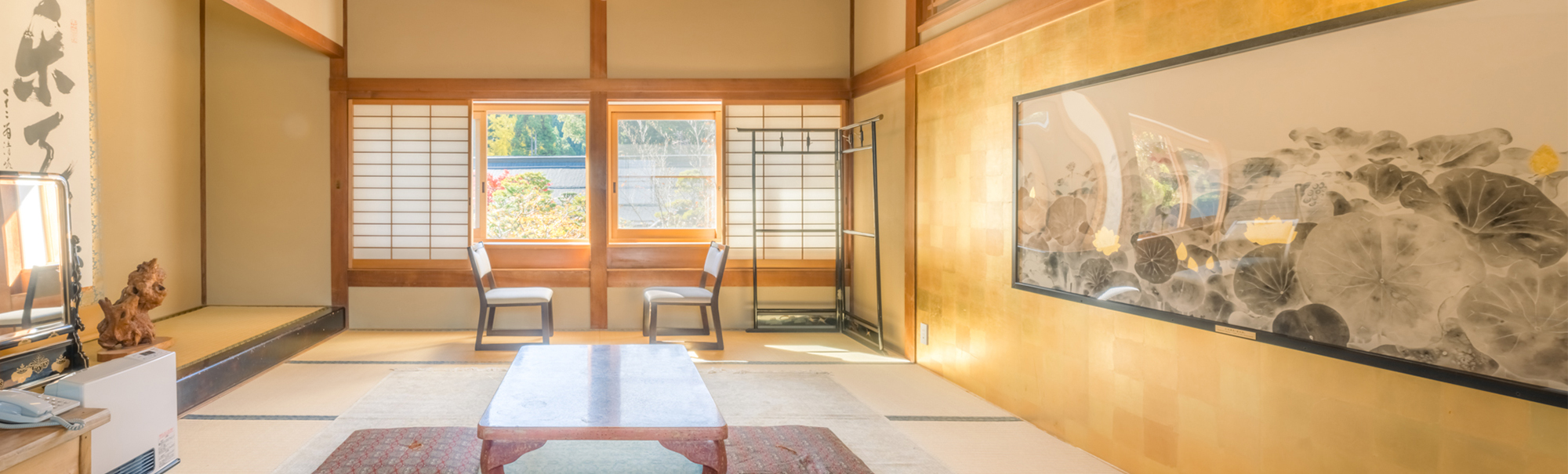
恵光院
A flagship Koyasan shukubo with English-guided Goma fire ceremony, Ajikan meditation, and nightly Okunoin tours.
from $130 /per night

福智院
The only Koyasan shukubo with a natural hot spring, three Mirei Shigemori gardens, and refined shojin ryori.
from $175 /per night
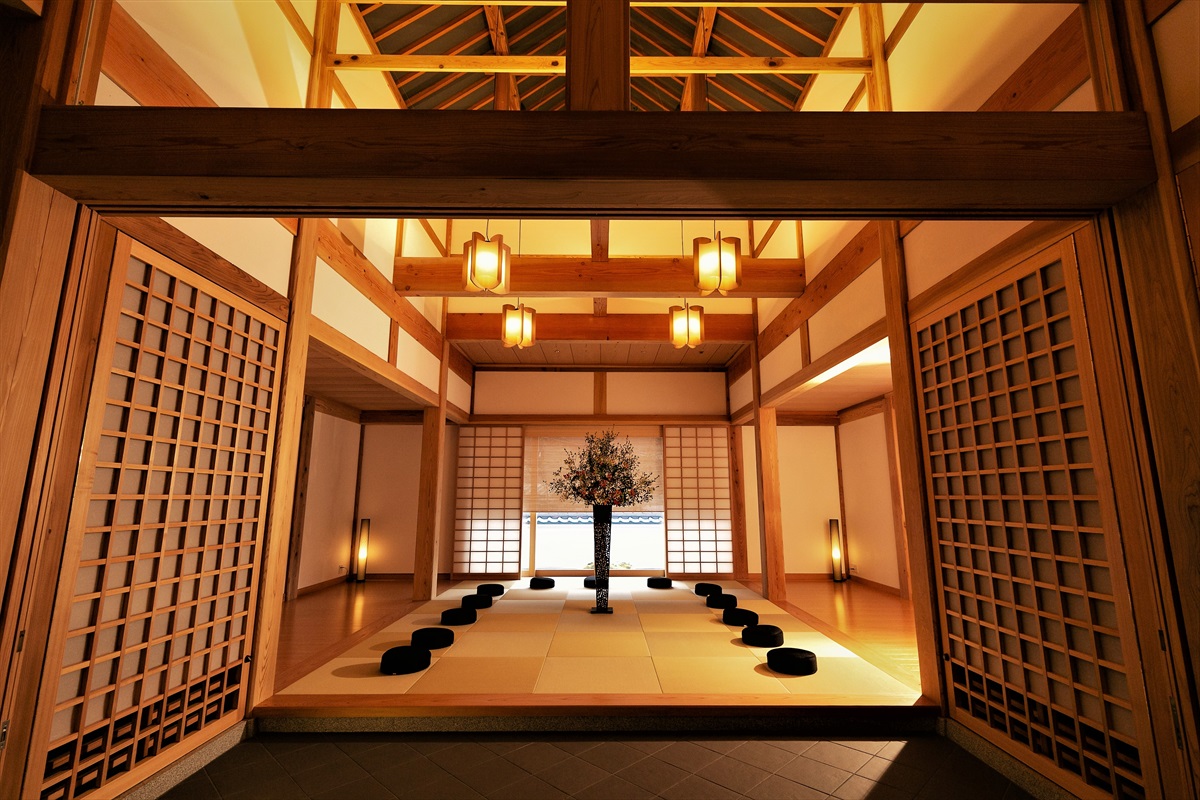
永平寺 親禅の宿 柏樹関
A modern Zen inn at the gate of Eiheiji, with 18 cedar-built rooms, evening zazen and access to the temple's pre-dawn morning service.
from $195 /per night
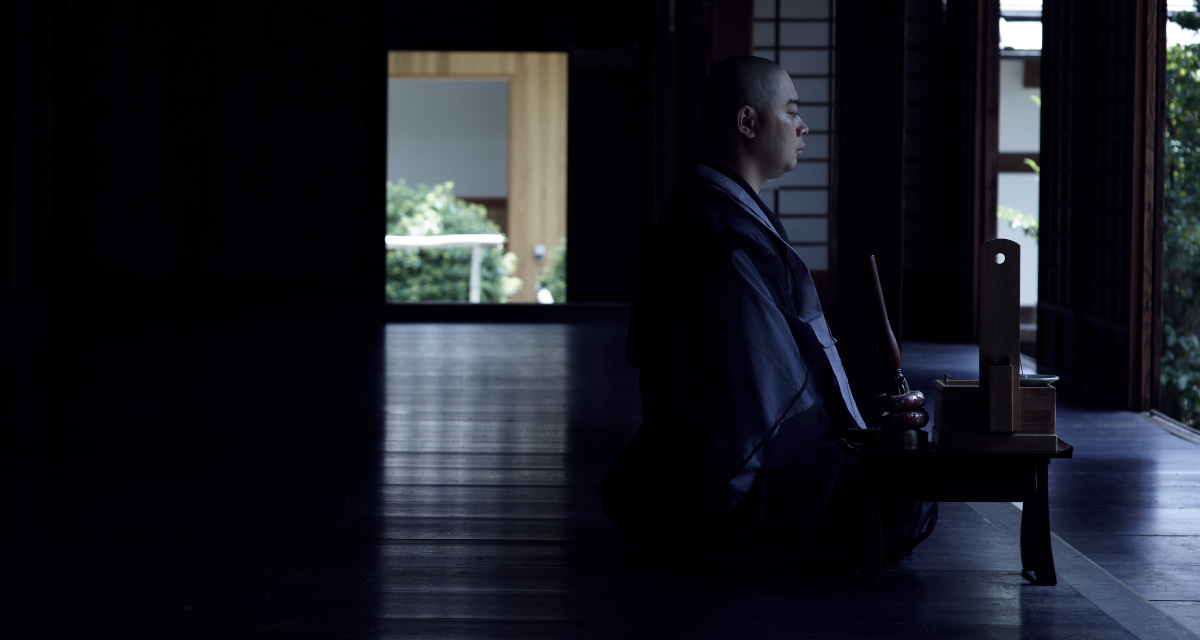
春光院
Kyoto's most internationally renowned Zen shukubo, offering English-led meditation classes and modern en-suite rooms inside a 1590 Myoshin-ji sub-temple.
from $60 /per night
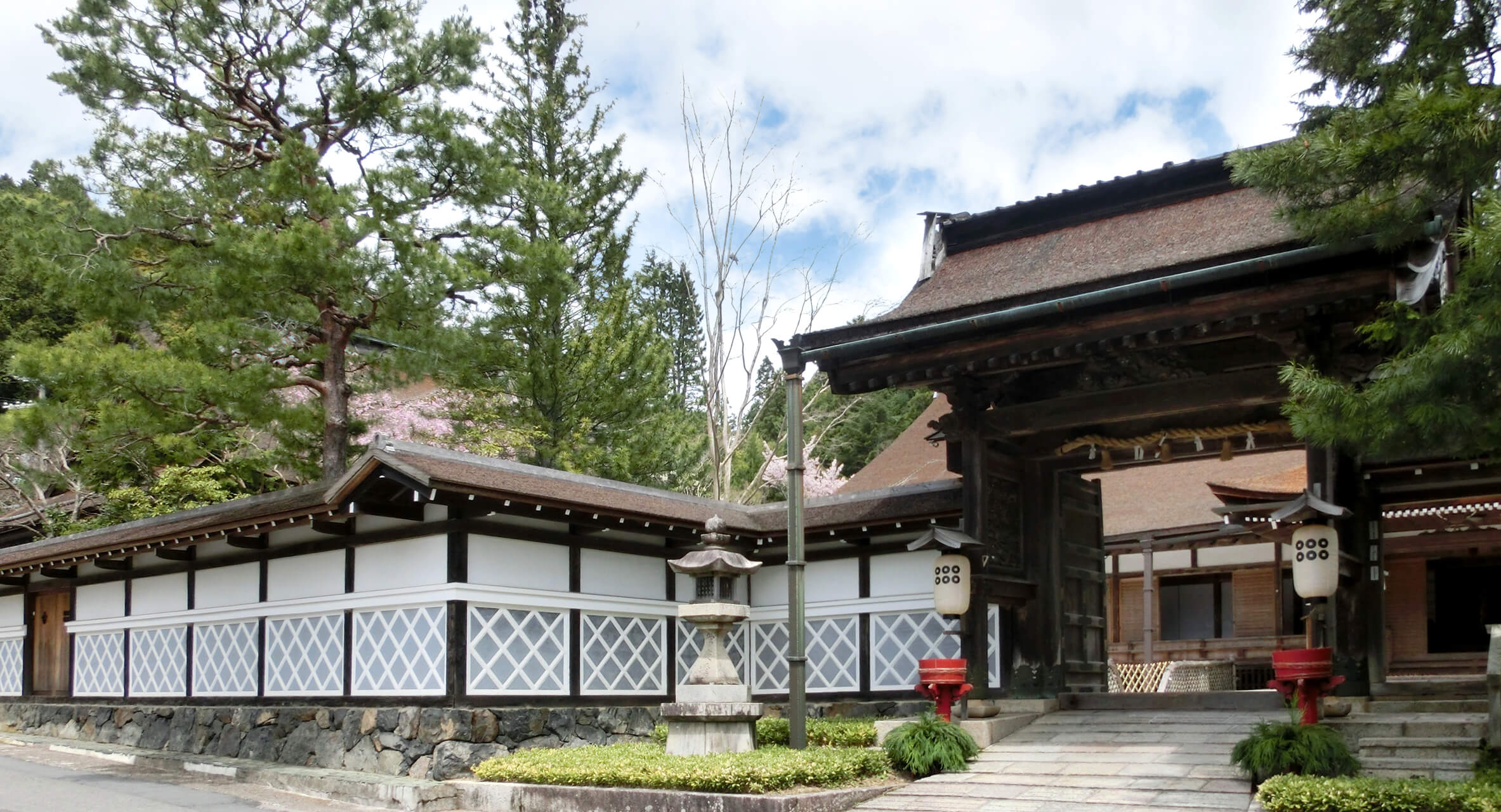
蓮華定院
A Sanada-family bodaiji shukubo on Mt. Koya with English-speaking monks, just 13 rooms, and a strong samurai-era heritage.
from $230 /per night
Explore Destinations

