
|
|
|
|
|
|
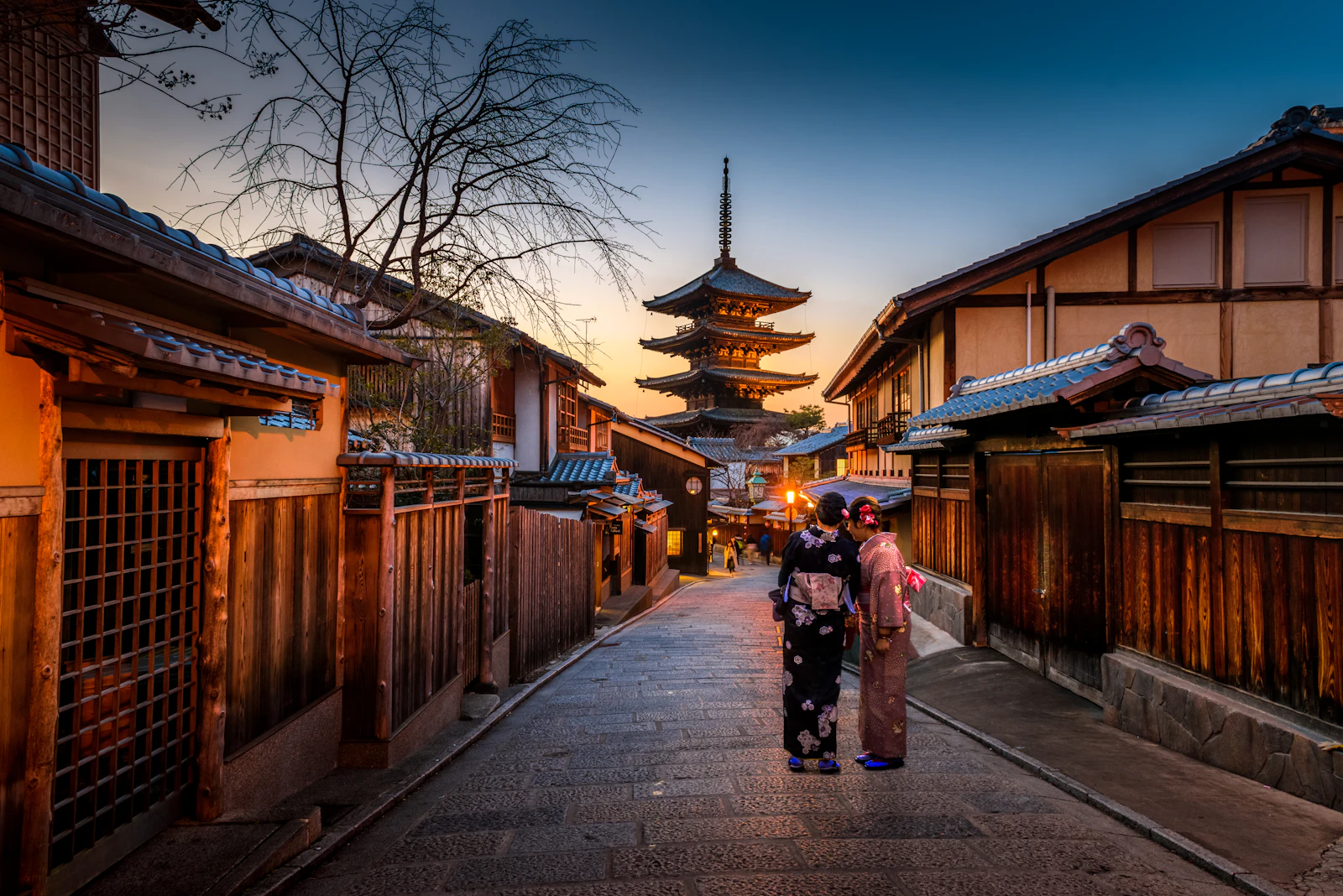 Photo: Unsplash
Kyoto has more Buddhist temples than any other city in Japan — over 1,600 by most counts, spanning every major sect from Rinzai Zen to Pure Land to Nichiren to Shugendo. What it does not have, despite the abundance, is many temples that accept overnight guests. Most Kyoto temples are tourism-facing day operations: visitors come, walk the gardens, leave by 5:00 PM, and the gates close. The handful of working shukubo (temple lodgings) inside the city are correspondingly precious. This guide covers the best of them, explains how the sects differ for a traveler's purposes, and shows how to combine a Kyoto temple stay with the rest of the city.
Unlike Koyasan (entirely Shingon) or Eiheiji (entirely Soto Zen), Kyoto is a city where every major Japanese Buddhist tradition has a head temple or a major branch within walking distance of the next. Daitoku-ji and Myoshin-ji on the western edge are the great Rinzai Zen complexes. Chion-in in Higashiyama is the head temple of the Jodo (Pure Land) school. Higashi and Nishi Hongan-ji a few blocks apart are the headquarters of the two largest Jodo Shinshu (True Pure Land) branches. Tofuku-ji in the south is another major Rinzai head. Shogo-in in Sakyo-ku is the headquarters of Honzan Shugen-shu — Japan's syncretic mountain-ascetic tradition. Myoren-ji in Kamigyo is the head of the Honmon Hokke (Lotus Sutra) sect.
For a traveler, this matters because the morning ritual you wake up to depends entirely on which temple you booked. A Shunkoin morning is silent zazen meditation; a Chion-in Wajun Kaikan morning is the booming chant of Nembutsu in front of a National Treasure altar; a Shogoin Gotenso morning is yamabushi prayer to the founder of mountain asceticism. None of these are wrong, but they are not interchangeable.

The case for staying in a Kyoto shukubo (rather than just a hotel) is partly logistical and partly spiritual. Logistically, Kyoto's temple lodgings put you in residential temple-district neighborhoods that are quieter and more atmospheric than the central Shijo or Kyoto Station areas. Spiritually, you are sleeping inside a working religious institution. Most of the operations on the list below either run a morning Buddhist service that overnight guests can attend or sit physically inside the precinct of a major head temple whose monks do.
You also gain something subtle: temple lodgings tend to enforce a slower rhythm — a 9:00 PM curfew, no late-night TV, an early breakfast — that resyncs you with Kyoto's actual pace. That is harder to find in hotels.
Shunkoin is a sub-temple of Myoshin-ji — Kyoto's largest Rinzai Zen temple complex — founded in 1590 by Horio Yoshiharu in memory of his eldest son. It is, by reputation and by the count of international visitors who have written about it, the most foreigner-friendly shukubo in Kyoto. The vice abbot leads 90-minute Zen meditation classes, garden walks, and history lectures entirely in English nearly every morning. The format is welcoming to absolute beginners and substantive enough that returning meditators come back.
Lodging is in the Tetsuryu-Kutsu ("Cave of the Enlightened Dragon") guest wing, completed in 2013, with eight private rooms that combine traditional tatami flooring with private shower, toilet, and air conditioning — an unusually comfortable setup for a working Zen temple. There is a shared kitchen and dining lounge, free coffee and tea, free bicycle rental, and a small contemplative garden. Meals are not served, but Kyoto's vegetarian-friendly restaurants and convenience stores are within walking distance. The temple is also home to a rare Nanban-style bell linked to the early Christian missions to Japan, an unexpected artifact for a Zen sub-temple. Rates: roughly USD 60–120.
Tip
Shunkoin sells out for cherry-blossom and autumn-color seasons months in advance. If you want the meditation class specifically, book directly through the temple's English website.
A five-minute walk from Shunkoin, on the east side of the Myoshin-ji complex, sits Hanazono Kaikan — the official lodging house operated directly by Myoshin-ji, head temple of the Myoshin-ji school of Rinzai Zen. The six-story modern building has 66 rooms and a hotel-style operation: private bath, AC, flat-screen TV, on-site restaurant, large Japanese public bath. Barrier-free rooms are available, making this one of the most accessible shukubo in Kyoto.
Although the architecture is more business-hotel than temple, the building is run by the temple itself, and guests are welcome (and quietly encouraged) to participate in Myoshin-ji's spiritual life: weekend zazen meditation programs, shakyo sutra-copying sessions, and the morning Buddhist service are all within easy walking distance. The on-site restaurant offers both standard Japanese set meals and a vegetarian shojin ryori option. JR Hanazono Station is a seven-minute walk; Ryoan-ji, the Golden Pavilion, Daitoku-ji, and Tenryu-ji are all a short bus or walk away. Rates: approximately USD 90–230.
Chion-in Wajun Kaikan is the official lodging of Chion-in, the head temple of the Jodo (Pure Land) school of Japanese Buddhism, founded in 1234 to honor the teachings of Honen (1133–1212). The hotel sits directly in front of the famous Sanmon main gate of Chion-in — Japan's largest temple gate and a designated National Treasure — within Chion-in's own green Higashiyama precinct, a few minutes' walk from Yasaka Shrine, Maruyama Park, and the historic streets of Gion.
The signature experience is the morning service. At 6:00 every morning, 365 days a year, the monks of Chion-in conduct chanting and Nembutsu recitation in the Mieido — itself a National Treasure hall enshrining a portrait statue of Honen — and Wajun Kaikan guests are personally welcomed in. This is not a "demonstration" service; it is the temple's actual liturgy, and the volume of voices when several dozen monks are chanting in unison is unforgettable. The hotel offers 50 rooms in three styles (Japanese tatami, Western, Japanese-Western), all with private bath and Wi-Fi, and barrier-free rooms with wide doorways. Sutra-copying sessions and seasonal Buddhist programs are bookable through the temple. Rates: approximately USD 80–230.
Shogoin Gotenso is the official lodging of Shogo-in, a temple founded in 1090 and the headquarters of the Honzan branch of Shugen-shu — Japan's syncretic mountain-ascetic tradition. Shogo-in holds monzeki status, meaning its head abbots were historically members of the Imperial family or regent houses, and the temple served as the temporary Imperial Palace for Emperor Kokaku and Emperor Komei in the late Edo period. The Gotenso lodging is set directly within these historic grounds, beside the Important Cultural Property Shoin and the preserved Imperial study room.
Guests stay in a purely Japanese-style ryokan with traditional tatami rooms, futon bedding, and gardens. Dinners are served in elegant kaiseki style. Barrier-free rooms, ramps, braille signage, and accessible bathrooms make this one of the most accessible monzeki-temple lodgings in Kyoto. The headline spiritual experience is the Morning Worship: hotel guests can reserve a 1 hour 40 minute service starting at 5:50 AM, where Shugendo monks chant sutras and pray before the temple's deities — including a statue of En no Gyoja, the legendary 7th-century founder of Shugendo. Heian Shrine, Nanzen-ji, and the Kyoto Imperial Palace are all within walking distance. Rates: approximately USD 110–280.
Two more Myoshin-ji sub-temples accept overnight guests, and although both are difficult to book — typically Japanese-language phone reservations only, cash payment, no website booking — they offer genuinely traditional shukubo experiences that the modernized lodgings above no longer fully provide.
Daishin-in (大心院) was founded in 1479 by Hosokawa Masamoto, chief administrator of the Ashikaga Shogunate. The grounds host the Aun-tei garden, a Showa-period karesansui by master designer Nakane Kinsaku, where each placed stone represents a Buddha or Bodhisattva. Lodging is in simple tatami rooms divided by sliding fusuma doors, with futon bedding, a kotatsu, and complimentary tea and wagashi sweets. The morning Buddhist service is open to guests; breakfast is a beautifully prepared vegetarian set served around 7:30 AM. The temple keeps a strict 9:00 PM curfew, payment is cash only, and reservations must be made by phone in Japanese — making this one of the most authentic and least touristed temple lodgings in Kyoto. Rates: roughly USD 35–70.
Tohrin-in (東林院) was founded in 1531 by the warlord Hosokawa Ujitsuna under the name Sanyu-in to memorialize his late father. The temple is best known as the "Temple of Sal Trees" — more than a dozen sal trees stand in the moss garden in front of the main hall, and during the brief flowering season in June their pure white blossoms fall onto the green moss in a famously poetic meditation on impermanence. Tohrin-in is unusual among Kyoto temples in that it operates a working shojin ryori program — the resident priest hosts public lunches and cooking classes (typically on Tuesdays and Fridays) where guests learn temple cuisine in the temple kitchen. Overnight stays are available year-round in simple tatami rooms; guests can join the morning service and seasonal zazen sessions. Rates: roughly USD 60–120.
Myoren-ji, founded in 1294 by the priest Nichizo, has served as the head temple (daihonzan) of the Honmon Hokke sect since 1870 — making it one of Kyoto's most historically important Lotus Sutra temples. The grounds contain the Edo-period Jurokurakan karesansui garden, with 16 dark stones representing the 16 disciples of the Buddha, recently restored to its original form.
The shukubo here is genuinely austere: rooms have only futon, table, AC, and hangers — no meals, no in-room bath, and a 2-night minimum stay. Guests use the public bath next door and may join the morning service at 6:30. There is no Wi-Fi. Reservations are made in Japanese, payment is cash only, and the experience is the closest thing in central Kyoto to the discipline of an actual monastic retreat. Rates: roughly USD 30–50. For travelers who specifically want a near-sodo (training-hall) atmosphere inside the city, Myoren-ji is unmatched.
A short orientation, since "I stayed at a Buddhist temple in Kyoto" can mean very different things in practice.
Rinzai Zen (Myoshin-ji, Daitoku-ji, Tenryu-ji networks) — Silent zazen meditation, often facing a wall, in 25–40 minute blocks. Koan study is the classical training method. Morning services involve chanting, but the iconic experience is sitting still. Best fit: Shunkoin, Hanazono Kaikan, Daishin-in, Tohrin-in.
Jodo (Pure Land) — Devotional chanting of "Namu Amida Butsu" (the Nembutsu), trust in the saving vow of Amida Buddha, no required meditation. Morning services are loud, communal, and emotionally direct. Best fit: Chion-in Wajun Kaikan.
Shugendo (mountain asceticism) — Pre-Buddhist mountain worship fused with Esoteric Buddhism, with yamabushi practitioners performing rituals that include conch-shell horns, fire walking, and waterfall standing. Morning services here feel substantively different from any of the above — closer to ancient ritual than to seated meditation. Best fit: Shogoin Gotenso.
Nichiren / Hokke (Lotus Sutra) — Chanting of "Namu Myoho Renge Kyo," focus on the Lotus Sutra as the supreme teaching, communal practice. Less common in international shukubo guides, but strongly represented in central Kyoto. Best fit: Myoren-ji.
Tip
If you have time for only one shukubo experience in Kyoto and you want maximum diversity from your everyday life, the Pure Land morning service at Chion-in Wajun Kaikan or the Shugendo prayer at Shogoin Gotenso will likely surprise you more than zazen — most international travelers have at least encountered the idea of Zen meditation, but few have heard a 6:00 AM Nembutsu service or a yamabushi conch-shell call.
A two-night Kyoto temple-stay itinerary that maximizes contrast: Day 1 — daytime sightseeing in eastern Higashiyama (Kiyomizu-dera, Kodai-ji, Yasaka Shrine), evening check-in at Chion-in Wajun Kaikan, dinner in Gion, attend the 6:00 AM Pure Land morning service in the Mieido. Day 2 — bus or train across the city to Myoshin-ji, afternoon visit to Ryoan-ji and the Golden Pavilion, evening check-in at Shunkoin, attend the morning English Zen meditation class. Day 3 — leisurely breakfast, Arashiyama in the morning before crowds, depart Kyoto from Saga-Arashiyama Station.
A more contemplative single-night option: stay at Daishin-in or Tohrin-in inside the Myoshin-ji precinct, walk the temple's vast grounds in the late afternoon when day-trippers leave, eat a quiet vegetarian breakfast, attend the Saturday-morning public zazen at Myoshin-ji proper, and proceed to Kinkaku-ji (the Golden Pavilion) ten minutes away.
Whichever route you choose, Kyoto repays the choice to sleep inside its temples rather than next to them. The city is so saturated with Buddhist heritage that the simple act of waking inside the precinct — to bell, to chant, to garden — changes how the rest of your trip looks.
Ready to book?
Browse our curated collection of authentic Buddhist temple stays across Japan. Filter by region, sect, and experience.
Start ExploringRecommended Temples for This Guide

知恩院 和順会館
The official lodging of Chion-in, head temple of Jodo-shu Pure Land Buddhism, with morning services in a National Treasure hall and 50 modern rooms beside the Sanmon gate.
from $80 /per night
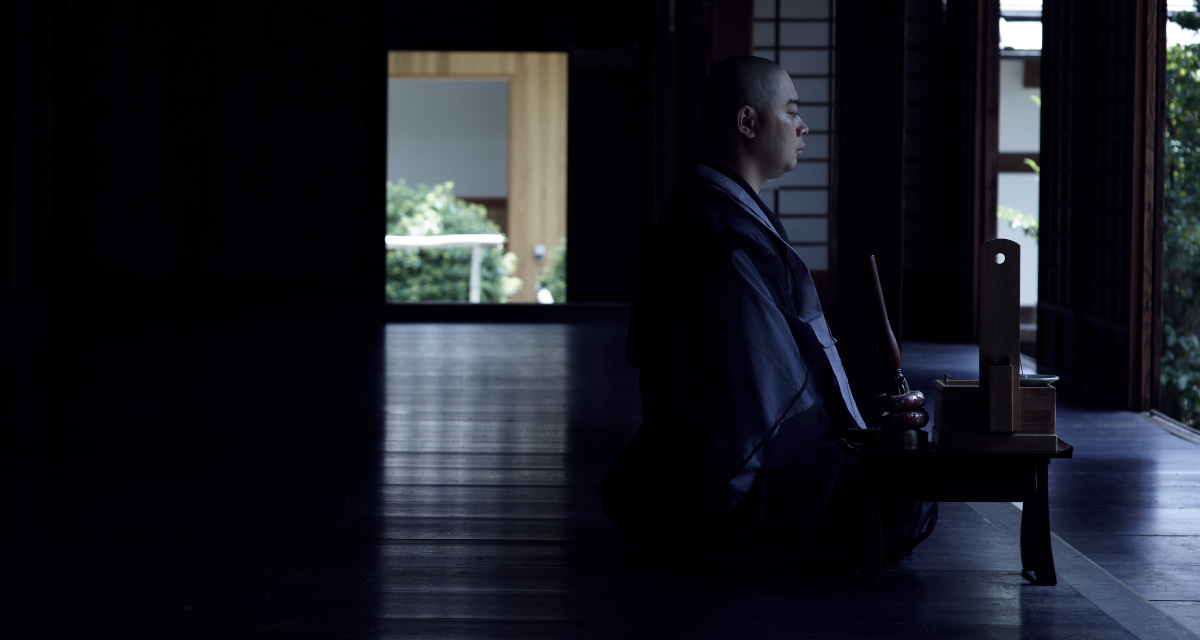
春光院
Kyoto's most internationally renowned Zen shukubo, offering English-led meditation classes and modern en-suite rooms inside a 1590 Myoshin-ji sub-temple.
from $60 /per night
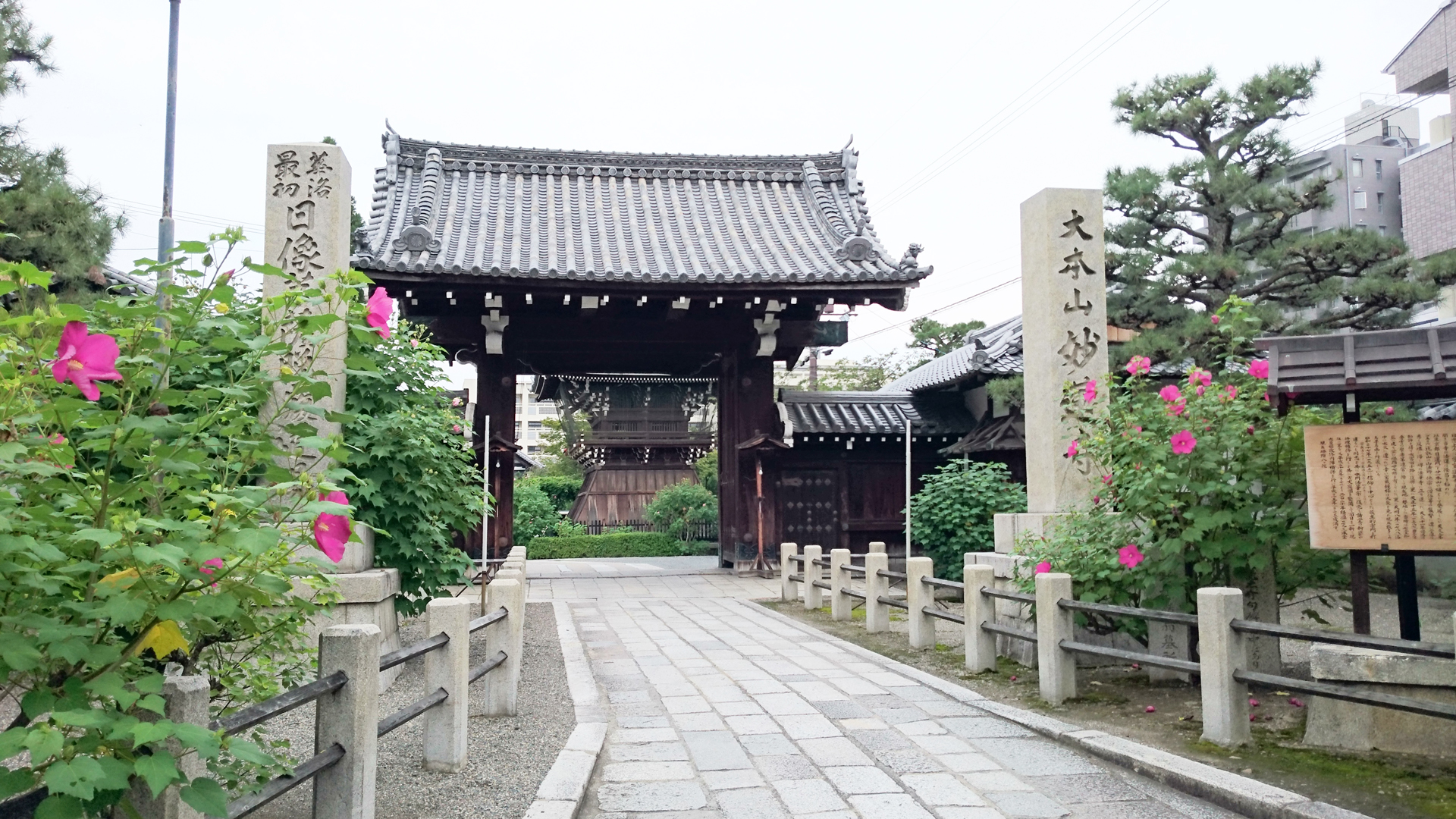
妙蓮寺
A 1294 head temple of the Honmon Hokke (Lotus) sect with rare overnight stays in spartan tatami rooms beside a famous Jurokurakan dry garden.
from $30 /per night
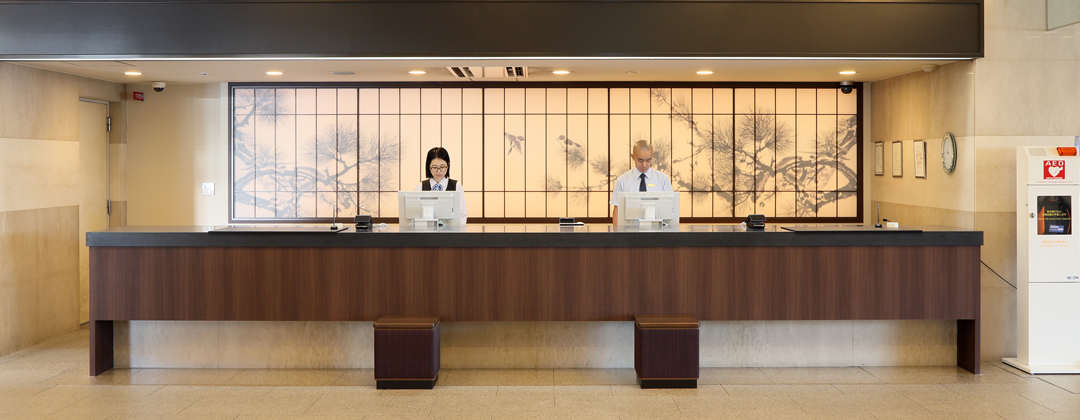
花園会館
Myoshin-ji's official hotel-style shukubo near JR Hanazono Station, with 66 modern rooms, public bath, and easy access to Zen meditation programs.
from $90 /per night
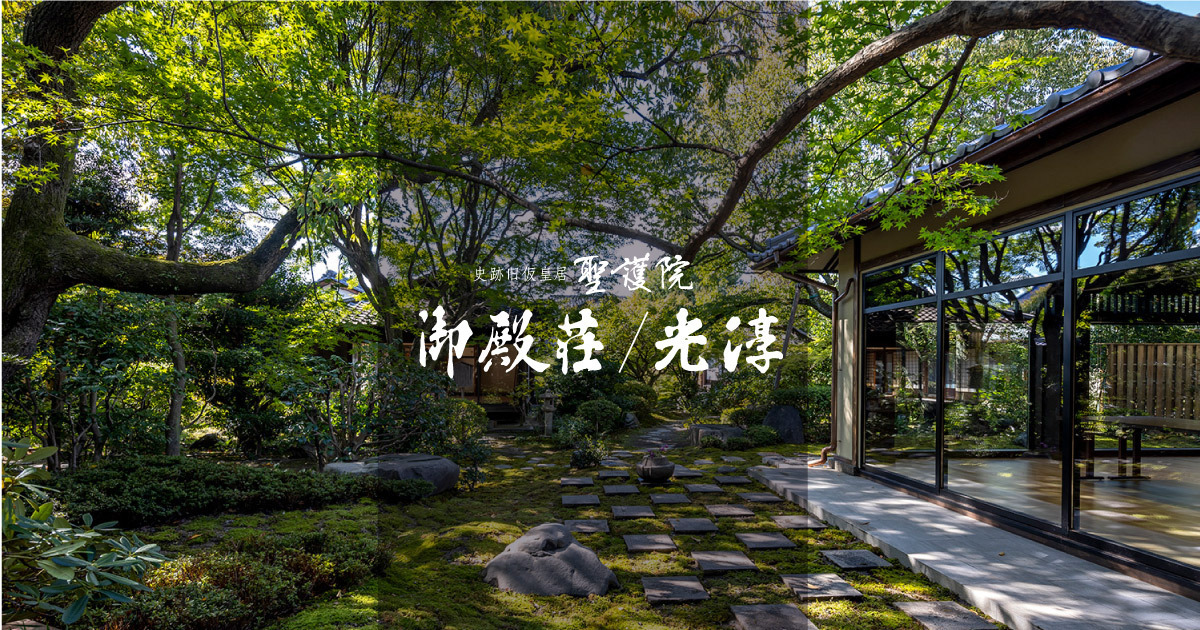
聖護院 御殿荘
A traditional ryokan-style lodging inside the precinct of Shogo-in Monzeki, head temple of Honzan Shugen-shu and a former temporary Imperial Palace.
from $110 /per night
Explore Destinations

