
|
|
|
|
|
|
 Photo: Unsplash
At one second before midnight on December 31, a temple precinct holds its breath. The lantern light pools on snow, the cold has a clean mineral edge to it, and a few dozen people stand in a loose line in front of a bronze bell the size of a small car. Then the priest — or, at many temples, a guest who has waited an hour for the privilege — pulls back the suspended wooden beam and lets it swing. The strike is not a tinkle; it is a low, physical wave of sound that you feel in your sternum before your ears catch up, and it hangs in the cold air for almost a full minute before fading. That is the first of one hundred and eight strikes. It is also, for the people standing there, the precise dividing line between one year and the next.
This is joya no kane, the bell-ringing that closes the old year, and it is the centrepiece of spending New Year at a Japanese temple. Most foreign travellers who come to Japan in winter never discover that a temple stay over the New Year period is even possible, let alone that it is one of the most quietly extraordinary things you can do in the country. This guide walks through the whole arc — the meaning of oshogatsu at a temple, the 108 bells, the first prayer of the year, the special New Year cuisine, which temples to book — and it is honest about the parts the brochures skip: the cold, the closures, and the fact that you need to book months ahead.
In Japan, oshogatsu — the New Year period running roughly from December 31 through January 3 — is the single most important holiday of the year. It is not the noisy, champagne-and-fireworks New Year of the West. It is closer in spirit to a Western Christmas: families travel home, the country effectively shuts down for several days, and the dominant mood is one of quiet renewal rather than celebration. The Japanese word for the turn of the year, toshikoshi, literally means 'crossing over the year', and the whole period is structured around the idea of leaving the old year cleanly behind and beginning the new one fresh.
A temple is where that idea is at its most concentrated. The Japanese have a famously relaxed, dual relationship with religion — many people are nominally Buddhist for funerals and nominally Shinto for weddings and New Year — and oshogatsu sits right at the seam of the two. The bell-ringing on the night of the 31st is Buddhist; the first shrine or temple visit of the new year is a practice shared across both traditions. To spend the turn of the year inside a shukubo, a working Buddhist temple lodging, is to be at the centre of the ritual rather than watching it from the edge of a crowd.
The phrase that best captures the appeal is 'spiritual reset'. There is something genuinely clarifying about ending a year in a cold, silent, candle-lit hall with the smell of cypress and incense in the air, listening to a bell count down the accumulated weight of the previous twelve months one strike at a time, and then waking the next morning to a precinct washed clean by a night of snow. People who do this once tend to come back. It is the kind of experience that recalibrates your sense of what a 'New Year' is supposed to feel like. For broader context on why winter is the connoisseur's shukubo season, see our guide at /blog/shukubo-winter-snow-experience.
It is worth saying clearly: you do not need to be Buddhist, or religious at all, to find this meaningful. The temples that take overnight guests over New Year are entirely comfortable with secular visitors, and the rituals are built to be participated in rather than merely believed. What is asked of you is attention and quiet, not faith. If you arrive willing to be present — to stand in the cold, to listen, to bow at the bell — the experience meets you most of the way.
There is also a particular emotional register to oshogatsu that is hard to find elsewhere in the travel calendar. Because the entire country slows down at once — shops shuttered, trains running holiday timetables, cities unusually quiet — the New Year days have a stillness that you simply cannot manufacture at any other time of year. A temple amplifies that stillness rather than competing with it. Where a Western New Year is loud by design, a Japanese temple New Year is quiet by design, and for many travellers that inversion is precisely the appeal: a chance to begin the year not in a crowd shouting a countdown, but in a hall where a single bell does the counting and the loudest sound is your own breath in the cold.
Joya no kane (除夜の鐘) translates roughly as 'the bell of the night that removes' — the night-passing bell. On December 31, in temples across the entire country, the great bronze temple bell is struck 108 times, beginning shortly before midnight and continuing into the first minutes of the new year. The sound is one of the defining audio textures of a Japanese New Year; it is broadcast live on national television, and in any town with a temple you can hear it carrying across the cold air long after midnight.
The number 108 is the heart of the ritual. In Buddhist teaching, human beings are afflicted by 108 bonno — earthly desires, defilements, the cravings and delusions and attachments that are understood to be the root of suffering. The exact derivation of the number varies between traditions (one common reckoning multiplies the six senses by three qualities and two states, then by past, present, and future), but the meaning is consistent: 108 stands for the full inventory of human worldly desire. Each strike of the bell on New Year's Eve is intended to dispel one of these bonno, so that you cross into the new year with the slate symbolically wiped clean.
There is a small, elegant detail in the timing that is easy to miss. The convention at most temples is to ring 107 of the strikes before midnight and the 108th strike exactly at midnight, so that the final desire is released as the new year begins. Standing in a temple courtyard at that moment — counting the strikes, feeling the deep resonance fade between each one, watching your own breath rise in the lantern light — is unlike any other New Year's countdown on earth. There is no shouting, no music, no fireworks. There is a bell, the cold, and 108 deliberate, spaced-out strikes that together take the better part of an hour.
Tip
The 108 strikes are deliberately slow — roughly 20 to 30 seconds between each one — so the full ringing can last 40 minutes or more. Dress as if you will be standing outside in sub-zero cold for a full hour, because you will be. Thermal layers, gloves, a hat, and a couple of disposable hand warmers (kairo) make the difference between awe and misery.

The question every visitor asks is whether they can ring the bell themselves. At many temples — including several of the Koyasan shukubo — the answer is yes. At larger urban temples the queue can run into the hundreds and only the first arrivals get a turn, but at a smaller mountain temple where you are an overnight guest, you are often invited to take a strike as a matter of course. There is a technique to it: you draw the suspended wooden beam (the shumoku) back gently, then release it in a single committed swing rather than a timid tap. A half-hearted strike produces a flat clack; a confident one produces the full, body-shaking tone. The priest will show you. It is, for many guests, the single most memorable physical act of their entire trip to Japan.
What surprises most first-timers is how physical the whole thing is rather than how solemn. You expect a quiet, abstract, meditative ritual; what you get is a heavy bronze object the size of a small car producing a sound wave you feel through the soles of your feet, the slow ache of standing still in deep cold, the small communal warmth of a line of strangers all there for the same reason, and — if you ring — the genuine effort of swinging the beam hard enough to do the bell justice. The meaning of releasing the 108 bonno is real, but it arrives through the body, not the head. That embodied quality is what people remember, and it is why a joya no kane night reads so differently from simply attending a New Year service somewhere warm.
If joya no kane closes the old year, hatsumode opens the new one. Hatsumode (初詣) is the first visit to a shrine or temple in the new year — hatsu meaning 'first', and the rest of the word from mode, an old verb for paying a reverential visit. It is the most widely observed religious practice in Japan; tens of millions of people make a hatsumode visit during the first three days of January, and the major shrines and temples handle queues that snake for hundreds of metres. It is the closest thing the country has to a universal national ritual.
Hatsumode traditionally happens within the first three days of January, with January 1 the most auspicious. The core act is simple: you go to the temple or shrine, you make a small offering, you pray for the year ahead — for health, for the family, for a specific hope — and you bow. At a Buddhist temple you place your palms together quietly; at a Shinto shrine the form is two bows, two claps, a prayer, and a final bow. Around this central act has grown a whole cluster of New Year customs that make hatsumode one of the most colourful days in the Japanese calendar.
The most popular of these is drawing an omikuji — a paper fortune slip. You make a small payment, draw a slip (sometimes by shaking a numbered stick from a box), and read your fortune for the year, which ranges from daikichi (great blessing) down through several middling grades to daikyo (great curse). The text covers everything from health and travel to study, business, and love. The custom is that if you draw a bad fortune, you tie the slip to a designated rack or pine branch at the temple, leaving the misfortune behind on the grounds rather than carrying it home. Good fortunes you may keep. It is gentle, a little superstitious, and enormous fun.
The other classic hatsumode purchases are protective items for the year. A hamaya — literally 'demon-breaking arrow' — is a decorated ritual arrow bought at New Year and kept in the home through the year to ward off misfortune; it is one of the most recognisable New Year objects in Japan. Alongside it you will see omamori (small cloth amulets for specific purposes — traffic safety, exam success, safe childbirth) and ema (small wooden plaques on which you write a wish and hang at the temple). None of this is required, and none of it costs much, but buying a hamaya or an omamori on January 1 is part of the texture of the day, and a tangible thing to take home from a New Year temple stay.
Here is the great structural advantage of doing hatsumode as a shukubo guest: you are already inside. On January 1, the major Koyasan halls and the big-name temples everywhere draw enormous day-tripper crowds, with queues that can mean an hour or more of waiting. As an overnight guest, you can walk to the main hall at first light — quiet, uncrowded, the snow still untouched — and make your first prayer of the year before the buses even start running. The atmosphere of a great temple precinct in the first hours of the new year, before the crowds arrive, is something most visitors never get to see.
It is worth being clear about the distinction between hatsumode at a shrine and at a temple, because the customs differ slightly and travellers often blur them. At a Shinto shrine you typically toss a coin into the offering box, ring the bell or pull the rope, and follow the two-bows-two-claps-bow form. At a Buddhist temple there is no clapping — you offer your coin, place your palms together silently, bow, and pray. Both are entirely valid forms of hatsumode, and many Japanese do both over the holiday without seeing any contradiction. Staying at a shukubo anchors your first visit at a temple, but nothing stops you from also visiting a nearby shrine; on Koyasan, for instance, the great precinct around Konpon Daito and the Okunoin approach gives you more than enough to make your first prayer of the year a properly considered one.

The food at a shukubo over New Year is its own reason to come. The everyday cuisine of a temple lodging is shojin ryori — Buddhist vegetarian temple food, prepared without meat, fish, or the five pungent vegetables (garlic, onion, leek, chive, scallion), built instead on tofu, seasonal vegetables, mountain herbs, and dashi made from kombu and shiitake. It is refined, deeply seasonal, and far more satisfying than 'vegetarian temple food' might suggest to the uninitiated. Our full primer on what to expect from a first temple stay, including the food, is at /blog/shukubo-first-time-guide.
Over the New Year, shojin ryori takes on the character of osechi — the elaborate, multi-tiered New Year cuisine of Japan. Osechi ryori is the food eaten across the first days of January, traditionally packed into stacked lacquerware boxes (jubako) and prepared in advance so that household cooks could rest during the holiday. Each dish carries a symbolic, often punning, meaning for the year ahead. At a temple, the meat and fish components of conventional osechi are replaced with vegetarian equivalents, but the symbolic vocabulary and the celebratory presentation remain.
The canonical components carry their wishes openly. Black soybeans (kuromame) stand for health and diligent hard work in the year ahead — there is a pun on mame, which can mean both 'bean' and 'diligent'. Rolled kombu (kobumaki) puns on yorokobu, 'to rejoice'. Sweetened chestnut-and-sweet-potato (kuri kinton) with its golden colour stands for financial prosperity. Lotus root, full of holes, lets you 'see through' to the future. Each box is a small essay of good wishes, eaten rather than read. The temple version trades the customary herring roe and grilled fish for additional vegetable and tofu preparations, but the spirit and the artistry are fully intact.
The other essential New Year dish is ozoni — a hot soup containing mochi (glutinous rice cake) that is eaten on the morning of January 1 across all of Japan. The broth and the regional details vary enormously (a clear dashi broth in the Kanto region around Tokyo, a white miso broth around Kyoto and the Kansai region), but the soft, stretchy mochi at the centre is constant, and at a temple the broth is a clean vegetarian dashi. Eating a bowl of ozoni on New Year's morning, in a tatami room, with snow on the garden outside, is one of those small experiences that ends up standing for the whole trip in your memory.
Tip
If you keep a strict vegan or vegetarian diet, tell the temple in advance — most shukubo can accommodate, but the New Year osechi spread occasionally includes egg or honey-based items, and dashi is sometimes a question worth clarifying. Temple shojin ryori is meat-and-fish-free by definition, so the strictest concern is usually trace ingredients rather than the main dishes.
Koyasan — the mountaintop monastic town that is the headquarters of Shingon Buddhism — is the strongest single destination for a New Year temple stay in Japan. It has around fifty active shukubo, a deep tradition of welcoming overnight guests, reliable winter snow at 800 metres, and in Okunoin one of the most profound sacred sites in the country. Our full breakdown of the mountain's lodgings is at /blog/best-koyasan-temple-stays; the picks below are the ones that handle New Year especially well.
Eko-in is the most reliable choice for a first New Year on the mountain. It runs an English-friendly programme, hosts the well-known evening Okunoin night tour, and — crucially for New Year — is one of the shukubo where overnight guests are routinely invited to ring the joya no kane bell at midnight. The morning Goma fire ritual here is striking on any day and unforgettable on January 1. For Koyasan with strong English support and active guest participation in the bell, Eko-in is the safe, excellent default.
Fukuchi-in is the comfort choice and the only proper hot-spring shukubo on Mt. Koya itself, with a covered outdoor bath open to the mountain air. For a New Year stay this matters more than at any other time of year: after standing outside for the full 108 strikes in sub-zero cold, the ability to sink into 41°C mineral water with snow falling on the cedar screens overhead is the difference between a hard night and a transcendent one. Fukuchi-in's New Year osechi-style shojin ryori is also among the most elaborately presented on the mountain. It books out earliest of all the Koyasan temples for the New Year window.
Rengejo-in is one of the longest-running temples on Koyasan to welcome international guests, with a quietly devoted following among repeat visitors who value its calm, traditional atmosphere and well-regarded shojin ryori. It is less of a programme-driven experience than Eko-in and more of an immersion in an ordinary working temple's New Year — which for some travellers is exactly the point. Henjoson-in sits in the same tradition: a traditional Koyasan shukubo with a long history of foreign guests, a strong reputation for its temple cuisine, and the unhurried, lived-in texture of a genuine monastery at the turn of the year.
For Zen rather than Shingon, Hakujukan at Eiheiji is the standout. Eiheiji — the headquarters of Soto Zen, founded by Dogen in 1244 — is among the most atmospheric monastic settings in Japan, and Hakujukan (opened 2019, designed by Kengo Kuma's team) is its modern hospitality face: central heating, insulated rooms holding a comfortable 20–22°C through the night, and a Zen programme of evening zazen and morning service supervised by the Eiheiji kitchen. For a traveller who wants serious Zen content over New Year without the unheated thirteenth-century corridors, this is the answer. Note that Eiheiji's deep-winter monastic schedule is intense, so confirm exactly what is open to guests over the holiday when you book.
Wherever you stay on Koyasan, the non-negotiable New Year experience is Okunoin at night. The lantern-lit two-kilometre cedar avenue leading to Kobo Daishi's mausoleum is open around the clock, and walking it in fresh snow in the small hours of January 1 — after the bell, before the dawn service — is among the most extraordinary things available to a visitor anywhere in Japan. Eko-in's guided night tour is the easiest way in for first-timers; the route, history, and photography etiquette are covered at /blog/okunoin-night-tour-guide.

Now the honest part. A New Year temple stay is genuinely magical, but it is also genuinely cold, the booking is genuinely difficult, and some temples genuinely close. None of this should put you off — but going in clear-eyed is the difference between a great trip and a disappointed one.
First, the cold. Koyasan in late December and early January sits in real winter: overnight lows of -5°C to -2°C, snow reliably on the ground, and traditional wooden shukubo buildings — paper screens, single glazing, raised wood floors — that hold only 5°C to 10°C inside an unheated room overnight. The futons are dense and warm and you will sleep fine inside them; the challenge is the moments you are out of them, and standing outdoors for the full 108-strike bell ringing means a solid hour in sub-zero air close to midnight. Pack thermal base layers, wool socks, gloves, a hat, and a handful of disposable hand warmers. Our full winter-shukubo cold-weather guide, including which temples have modern heating, is at /blog/shukubo-winter-snow-experience.
Second, the booking. The New Year window — roughly December 28 through January 5 — is the single highest-demand period of the entire shukubo year. The popular Koyasan temples for these specific dates should be booked six to eight months ahead, and even then single-occupancy rooms tend to sell out before twin rooms. Pricing in this window runs meaningfully above standard winter rates. If you are reading this in, say, October and hoping for a room at Fukuchi-in for December 31, the honest answer is that you are probably too late for the headline temples and should be looking at the quieter ones, or building flexibility into your dates.
Third, the closures. New Year is the most important family holiday in Japan, and some temples — particularly smaller ones without a strong foreign-guest operation — actually close to overnight guests over the holiday so that the resident priests and their families can observe oshogatsu themselves. Others run a reduced schedule: fewer staff, a pared-back programme, or a kitchen operating at limited capacity. Always confirm directly that the temple is open to guests on your specific dates and that the parts you care about — the bell, the morning service, the osechi meal — are actually running. Do not assume.
Fourth, transport. Mountain access in deep winter is weather-dependent. The Koyasan cable car can suspend for 30 to 90 minutes during heavy snow loading; the bus up to Eiheiji can run late on snow days. Build a generous buffer into any same-day connection — 60 to 90 minutes is sensible — and check the operator's winter operations page the morning you travel. Arriving after the kitchen has closed on December 31 would be a heartbreaking way to start.
Fifth, and easiest to overlook, the surrounding closures. Because oshogatsu effectively shuts the country down, the things you might rely on around a temple — convenience stores, cafes, souvenir shops, even some restaurants — frequently close for the first one to three days of January. On Koyasan, the small mountain town runs on a reduced holiday rhythm. This matters in two practical ways: buy any consumables you need (hand warmers, snacks, drinks, cash from an ATM) before the holiday, and do not count on grabbing lunch in town between check-out and your onward train. Your shukubo meals are guaranteed; almost nothing else around them is. Plan as though the town is largely shuttered, and treat anything still open as a bonus.
Tip
Book the headline New Year temples (Fukuchi-in, Eko-in) six to eight months ahead. If you have missed that window, look at the quieter traditional shukubo, consider December 30 or January 2 rather than the December 31 peak, and always email the temple directly to confirm it is open to guests and running the bell ceremony on your exact dates.
December 31, afternoon: you arrive and check in, typically between 15:00 and 17:00, before dusk. You are shown to a tatami room, given a yukata robe, and shown the bath. There is usually time for a soak before the evening meal — and if your temple has an onsen, take it; you will want the core warmth banked for later. Dinner on the 31st is shojin ryori, often with a New Year flourish, served early (around 17:30 to 18:30, in keeping with the monastic schedule). After dinner there is a long, quiet evening; some temples offer an Okunoin night tour or a meditation session.
December 31, late night: shortly before 23:30 you bundle up in every layer you have and walk out to the bell tower. The line forms, the cold bites, and the first strike of joya no kane lands. Over the next 40 minutes or so the bell counts down the 108 bonno, the 108th landing at midnight. If your temple invites guests to ring, you take your strike when your turn comes. There is no countdown shouting, no champagne — just the bell, the snow, and a collective, wordless sense of the year turning over.
January 1, pre-dawn and morning: many guests walk Okunoin in the small hours while the precinct is empty and snow-bright, then sleep a few hours. The morning service (asagongyo) runs around 6:00 to 6:30 — chanting, often a Goma fire ritual at a Shingon temple, in a cold main hall. Afterward comes the New Year breakfast: ozoni soup with mochi, and the osechi-style shojin ryori spread, the most elaborate meal of the shukubo year. Then, before the day-trippers arrive, you make your hatsumode — your first prayer of the year — at the main hall, draw an omikuji, and perhaps buy a hamaya arrow to take home. Check-out is usually 9:00 to 10:00, and you descend the mountain into the new year.
Often, yes. At many shukubo — including several on Koyasan such as Eko-in — overnight guests are invited to take a strike of the joya no kane bell at midnight, and the priest will show you the technique (draw the wooden beam back, then release it in one committed swing). At very large urban temples the queue can run into the hundreds and only the earliest arrivals get a turn, but as an overnight guest at a mountain temple your odds are good. Always confirm with your specific temple in advance, because policies vary and some years a temple limits participation.
For the popular Koyasan temples over the core New Year window (December 28 to January 5), six to eight months ahead is realistic, and the most in-demand temple — Fukuchi-in with its onsen — goes earliest. Single rooms sell out before twins. If you are inside three months, focus on the quieter traditional shukubo, or shift your dates slightly off the December 31 peak (December 30 or January 2 are far easier). This is the single highest-demand period of the shukubo year, so book the moment your dates are firm.
It is cold — genuinely so. Koyasan overnight lows run -5°C to -2°C, and standing outside for the full bell ringing means an hour in sub-zero air near midnight. But the cold is manageable with the right gear: thermal base layers, wool socks, gloves, a hat, and disposable hand warmers, all available cheaply in Japan. The futons are warm, and a temple with an onsen (such as Fukuchi-in) lets you reheat completely after the bell. The cold is part of the experience, not an obstacle to it — provided you come prepared. See /blog/shukubo-winter-snow-experience for the full packing breakdown.
Some are, some are not, and you must confirm. New Year is Japan's most important family holiday, and smaller temples without a strong foreign-guest operation may close to overnight guests so the resident priests can observe oshogatsu themselves. The temples that actively welcome international visitors — Eko-in, Fukuchi-in, and others on Koyasan, plus Hakujukan at Eiheiji — generally stay open and run the full New Year programme, but even these can adjust their schedule. Always email the temple directly to confirm it is open on your exact dates and that the bell ceremony, morning service, and osechi meal are running.
At a shukubo, yes — the New Year spread is osechi-influenced shojin ryori, which is vegetarian by definition (no meat, no fish, no pungent vegetables). The temple version swaps the herring roe and grilled fish of conventional osechi for additional vegetable and tofu preparations while keeping the symbolic dishes — black soybeans, rolled kombu, sweet chestnut — and the ozoni soup with a vegetarian broth. If you are strictly vegan, flag it when booking, since the New Year spread can occasionally include egg or honey-based items; the temple can almost always accommodate with notice.
There are flashier ways to spend New Year's Eve, and warmer ones. But there are very few that you will still be thinking about years later. A New Year temple stay gives you the turn of the year as the Japanese have marked it for centuries: a bell counting down the weight of the old year in the cold and the snow, 108 deliberate strikes ending exactly at midnight, a lantern-lit walk through ancient cedars, a bowl of ozoni at dawn, and a first quiet prayer in a hall washed clean overnight. It is demanding to arrange and demanding to endure, and it is worth every degree of the cold.
If you are even slightly drawn to it, the practical advice reduces to three lines: book early — six to eight months for the headline Koyasan temples — confirm directly that your temple is open and ringing the bell on your dates, and pack for an hour outdoors in sub-zero cold. Do those three things, arrive willing to be quiet and present, and the rest takes care of itself. Begin with our first-timer's guide at /blog/shukubo-first-time-guide, and let the bell do the rest.
Ready to book?
Browse our curated collection of authentic Buddhist temple stays across Japan. Filter by region, sect, and experience.
Start ExploringRecommended Temples for This Guide
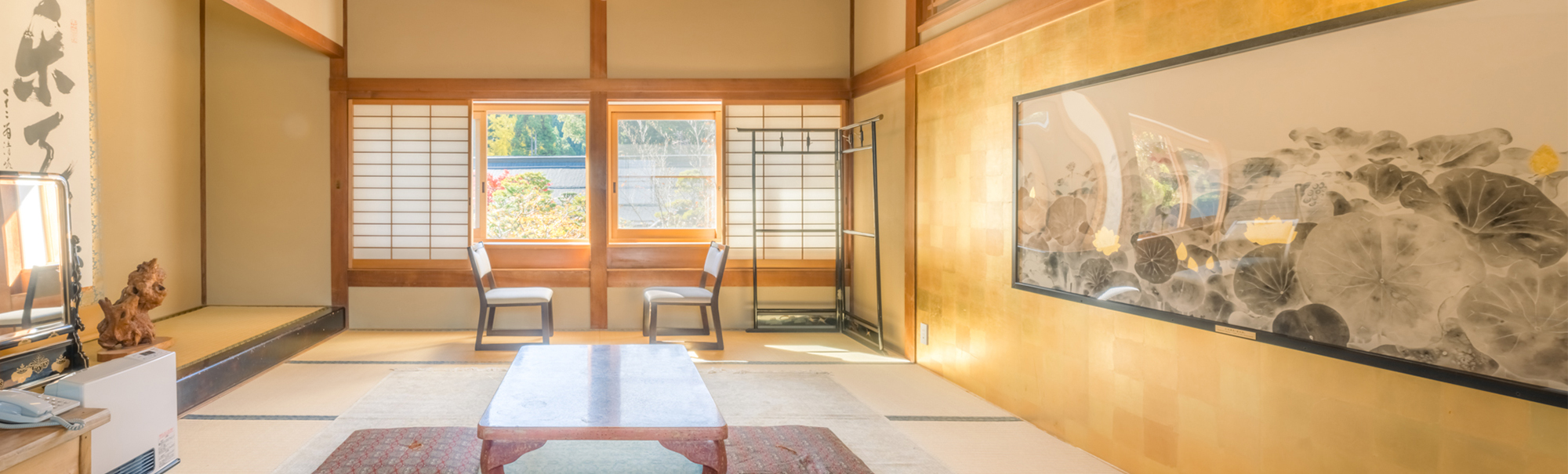
恵光院
A flagship Koyasan shukubo with English-guided Goma fire ceremony, Ajikan meditation, and nightly Okunoin tours.
from $130 /per night

福智院
The only Koyasan shukubo with a natural hot spring, three Mirei Shigemori gardens, and refined shojin ryori.
from $175 /per night
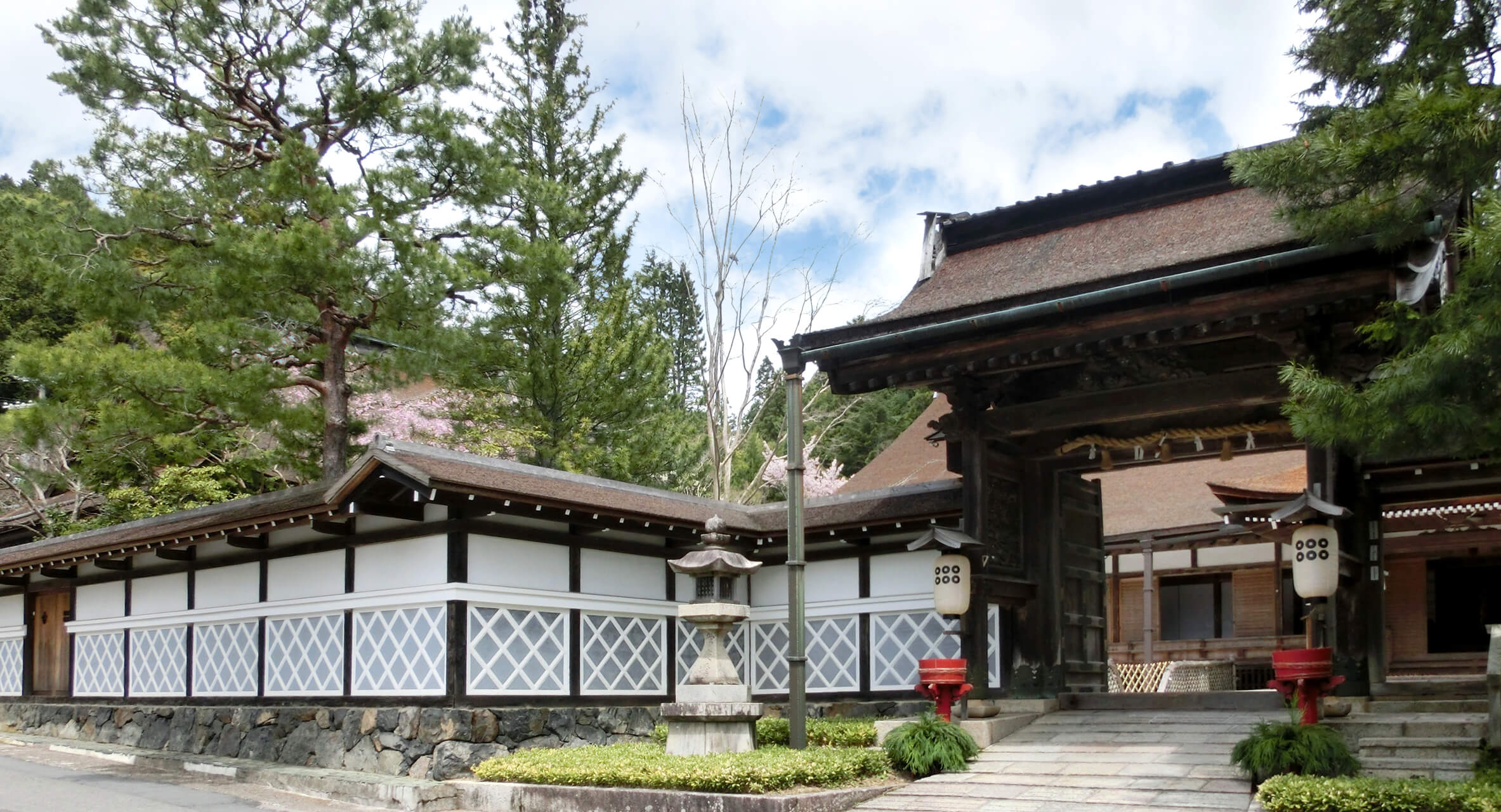
蓮華定院
A Sanada-family bodaiji shukubo on Mt. Koya with English-speaking monks, just 13 rooms, and a strong samurai-era heritage.
from $230 /per night
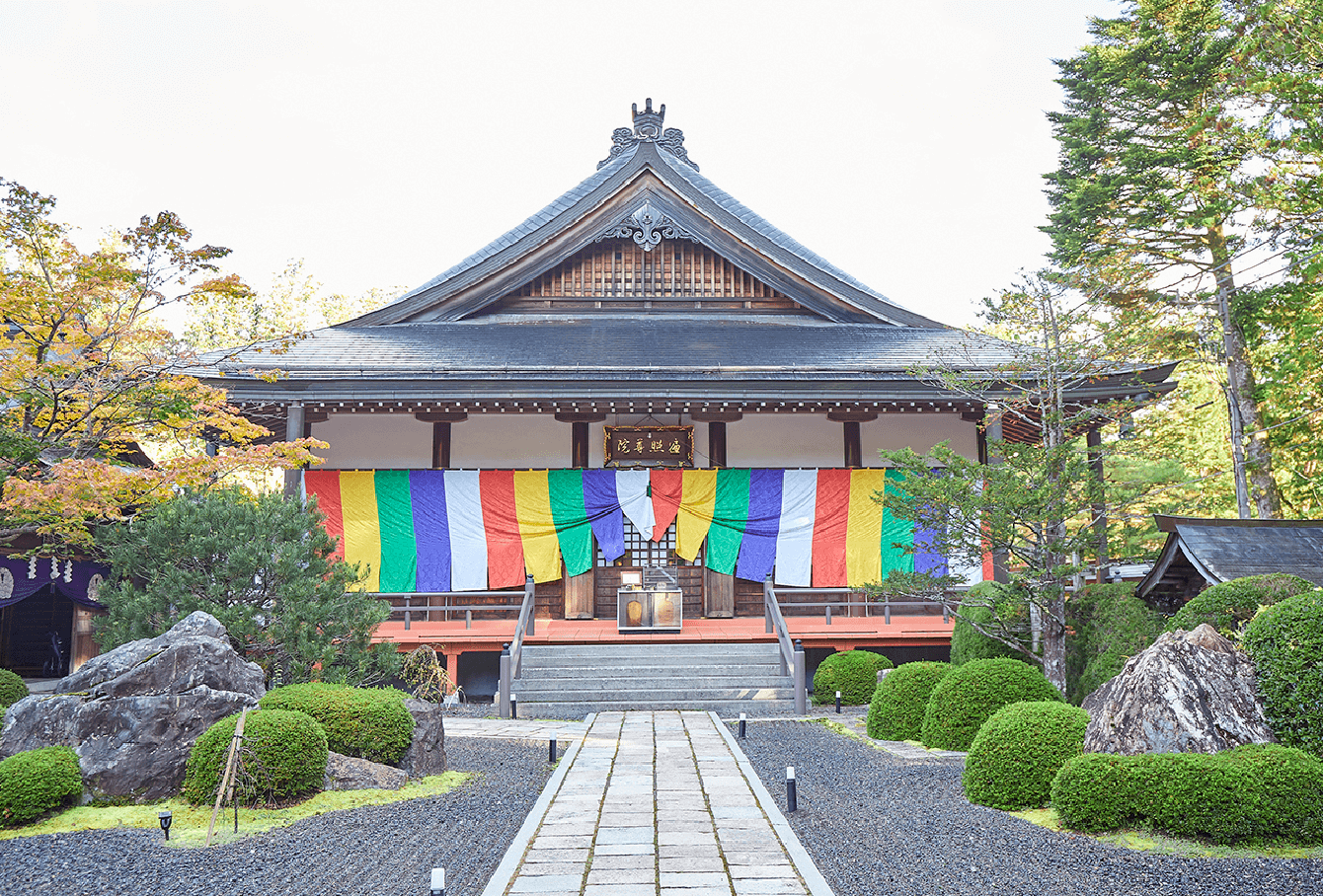
遍照尊院
A Koyasan shukubo built on the hill where Kobo Daishi practiced asceticism, with a large cypress bath and Ajikan meditation.
from $95 /per night
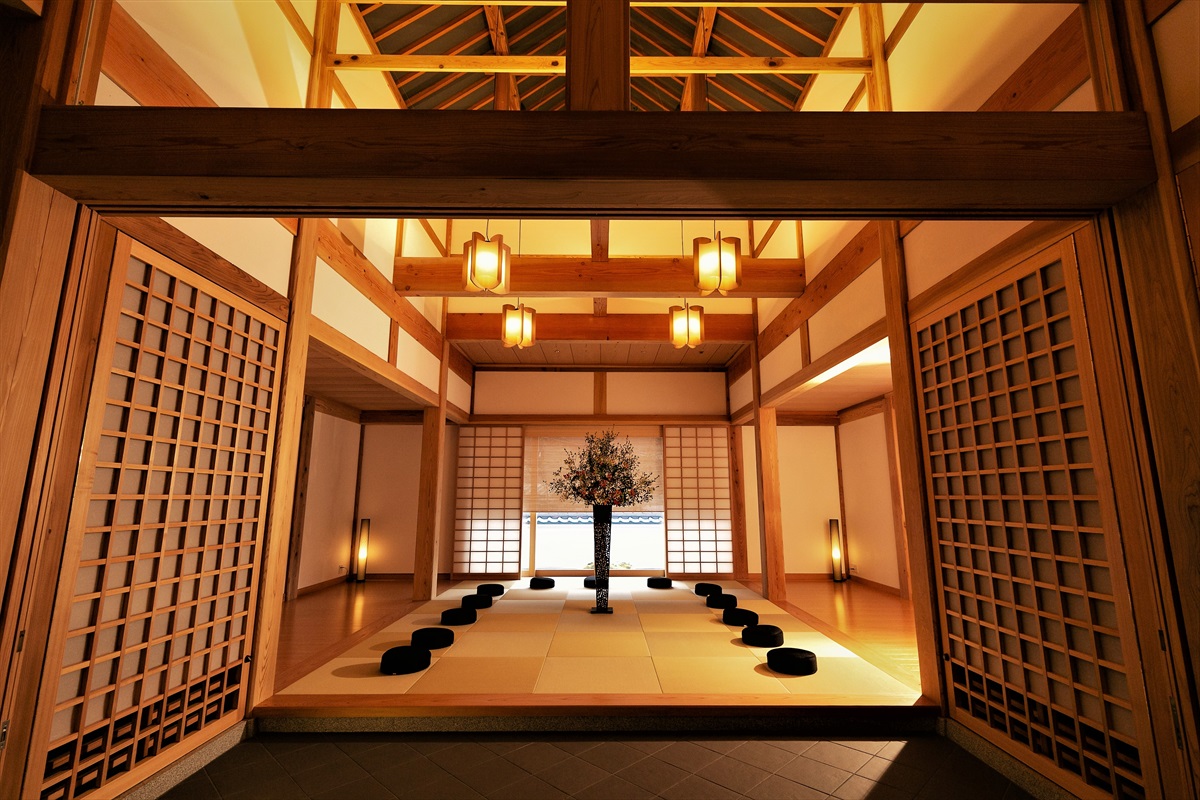
永平寺 親禅の宿 柏樹関
A modern Zen inn at the gate of Eiheiji, with 18 cedar-built rooms, evening zazen and access to the temple's pre-dawn morning service.
from $195 /per night
Explore Destinations

