
|
|
|
|
|
|
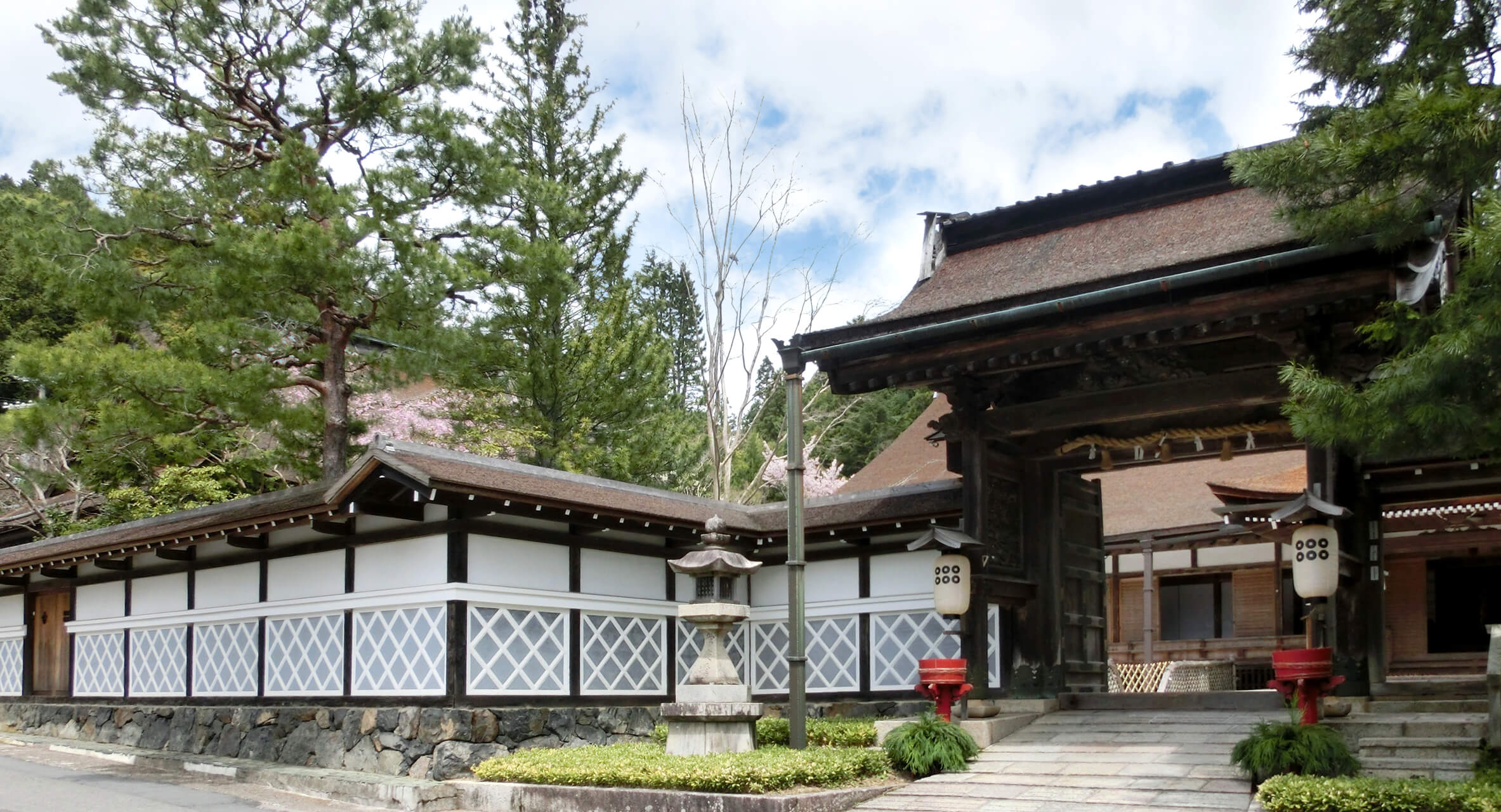
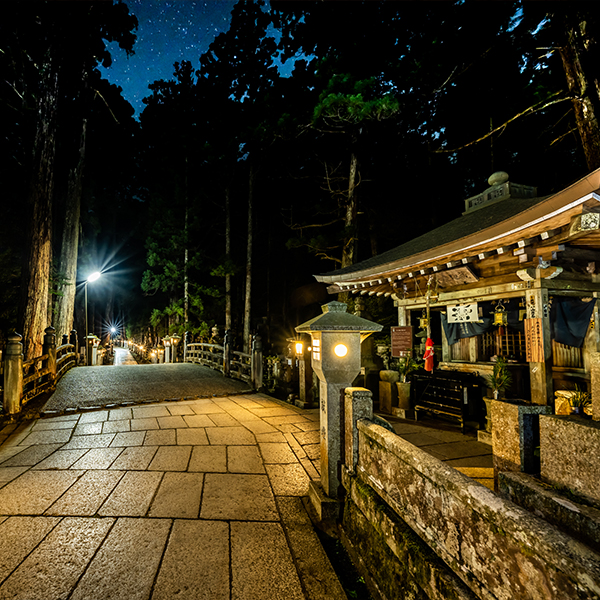 Photo: Eko-in Koyasan (ekoin.jp)
The Okunoin night tour is the most-photographed evening ritual on Mt. Koya. It is a two-kilometre walk through more than 200,000 moss-covered tombstones, beneath a canopy of 600-year-old cedars and past more than 100 stone lanterns lit by monks at dusk. The path ends at the Toro-do, a hall housing roughly 10,000 donated lanterns, and at Gobyo, the sealed mausoleum where the founder of Shingon Buddhism, Kukai, is said to remain in eternal meditation. For most foreign visitors with a single evening on Mt. Koya, this is the highest-leverage hour they can spend on the mountain, the one experience that justifies the four-hour round trip from Osaka and the cost of a shukubo room.
It is also the most-misunderstood experience on the mountain. There is exactly one consistent English-guided tour, run by a single temple, and most travellers do not realise that until they arrive. The walk itself is free and open 24 hours, but doing it solo means missing most of the history. The famous tombs along the path — Oda Nobunaga, Toyotomi Hideyoshi, the 47 Ronin — are unlabelled in English. Photography is allowed for the first 1.7 kilometres and strictly forbidden for the last 300 metres. The lighting is on a schedule. The weather is colder than visitors expect. This guide covers every part of it: the doctrinal background, the official Eko-in tour, the self-guided alternative, what to wear and bring, what you will see at each major tomb, how to book, and how to combine the night walk with the rest of a Koyasan visit so the trip works as a whole.
Okunoin (奥之院) translates literally as "innermost temple," and the name describes both its geography and its place in Shingon doctrine. It is the mausoleum complex of Kukai (空海, 774-835 CE), the monk who founded Shingon Buddhism on Mt. Koya in 816 CE after returning from study in Tang-dynasty China. According to Shingon teaching, Kukai did not die in 835. He entered nyujo (入定) — a state of eternal meditation — and remains in deep samadhi inside Gobyo, the inner mausoleum, to this day. The doors of Gobyo have not been opened since the 11th century, and no living person, including the head abbot of Mt. Koya, is permitted to see what lies inside.
This is not treated as metaphor by the monks who serve there. Two meals a day are still prepared and carried to the closed mausoleum doors, as they have been every day for roughly 1,200 years. The ceremony, called Shojingu, takes place at 6:00 and 10:30 each morning, year-round, in any weather. The food is prepared in a dedicated kitchen, transported across the Gobyobashi bridge by a small procession of monks in formal robes, and offered through a small opening in the building. A senior monk known as the Yui-na is the only person who handles the offering directly, and his appointment to that role is one of the most prestigious in Shingon Buddhism. It is the longest continuously performed daily ritual in Japanese Buddhism, and it is the reason Okunoin functions less like a graveyard than like a living temple precinct that happens to be surrounded by tombs.
The 200,000-plus tombs that line the two-kilometre approach belong to believers who chose to be interred close to Kukai because of a specific doctrinal promise: when Maitreya, the future Buddha, descends to earth, Kukai will rise from samadhi to greet him, and those buried nearby are said to share in that moment. The custom began in the Heian period, gained momentum among the warrior class in the Kamakura era, and continues today. Major samurai clans, imperial regents, Edo-period daimyo, modern corporations, and ordinary families have all sought plots. Plots near the inner sections, closer to Gobyo, are still occasionally allocated for substantial offerings. The result is a thousand-year cross-section of Japanese society arranged along a single forest path — Heian aristocrats, Sengoku warlords, Edo merchants, Meiji industrialists, and Showa-era corporate workers all sharing the same cedars.
At the end of the path, just past Gobyobashi bridge, stands the Toro-do (灯籠堂), the Lantern Hall. Inside hang roughly 10,000 metal lanterns donated by worshippers over many centuries. Two of them are said to have been burning continuously since the 11th century — one offered in 1016 by a woman named Oteru-san, who according to legend sold her hair to pay for the oil, and another by Emperor Shirakawa in 1088 to mark his pilgrimage. Both are kept lit by rotating monks in shifts that have not been broken in roughly a thousand years. The hall sits directly in front of Gobyo and serves as the public-facing prayer space for visitors who cannot enter the mausoleum itself; you may step inside, bow, place a small offering, and approach the rear glass screen behind which the inner mausoleum sits, fifteen metres further into the trees.
Okunoin is open 24 hours a day, every day of the year, and is free to walk. So why pay for a night tour, and why go at night at all? The short answer is that the cemetery is a different place after dark. Daytime visitors, mostly day-trippers from Osaka and Kyoto on Nankai package tickets, clear out by 17:00 to catch the last cable cars down the mountain. By 19:00 the path is nearly empty. The 100-plus stone lanterns along the route are lit at dusk by temple staff working a route that has not changed in centuries, and the only sound is the wind in the cedars, the distant strike of a temple bell, and the occasional crunch of gravel under another visitor's shoes. The cedars themselves — some more than 600 years old, with trunks two metres in diameter — close over the path, and the lanterns mark only the next few metres ahead.
The visual climax of the walk is the Toro-do itself. During the day, the lantern hall is one impressive building among many on the mountain — large, ornate, but visually competing with the surrounding daylight. At night, with the surrounding forest in darkness and the 10,000 hanging lanterns lit from inside the hall, the building becomes the single most photographed image on Mt. Koya. The golden glow from the open doors spills onto the stone steps in front, the silhouettes of the cedars frame the structure, and the contrast between the deep black of the forest and the warm light of the hall is impossible to reproduce by day. If you are choosing one walk to do at Okunoin, the night walk is the one that justifies the trip.
There is also a sound dimension that daytime visits miss. The resident monks at Okunoin chant evening sutras in front of Gobyo most evenings between roughly 18:00 and 19:00. From the path approaching the Toro-do you can sometimes hear the chant carried faintly through the cedars before the building itself comes into view. Even on nights when the sutras have already ended, the bells from nearby sub-temples still mark the hours, and the wind in 600-year-old branches produces a low, continuous sound that recordings cannot capture. The combination of low light, cold air, ancient trees, distant chanting, and the slow unveiling of the lantern hall is, for most visitors, the deepest atmospheric experience available on Mt. Koya — and for many, the deepest single hour of their entire Japan trip.
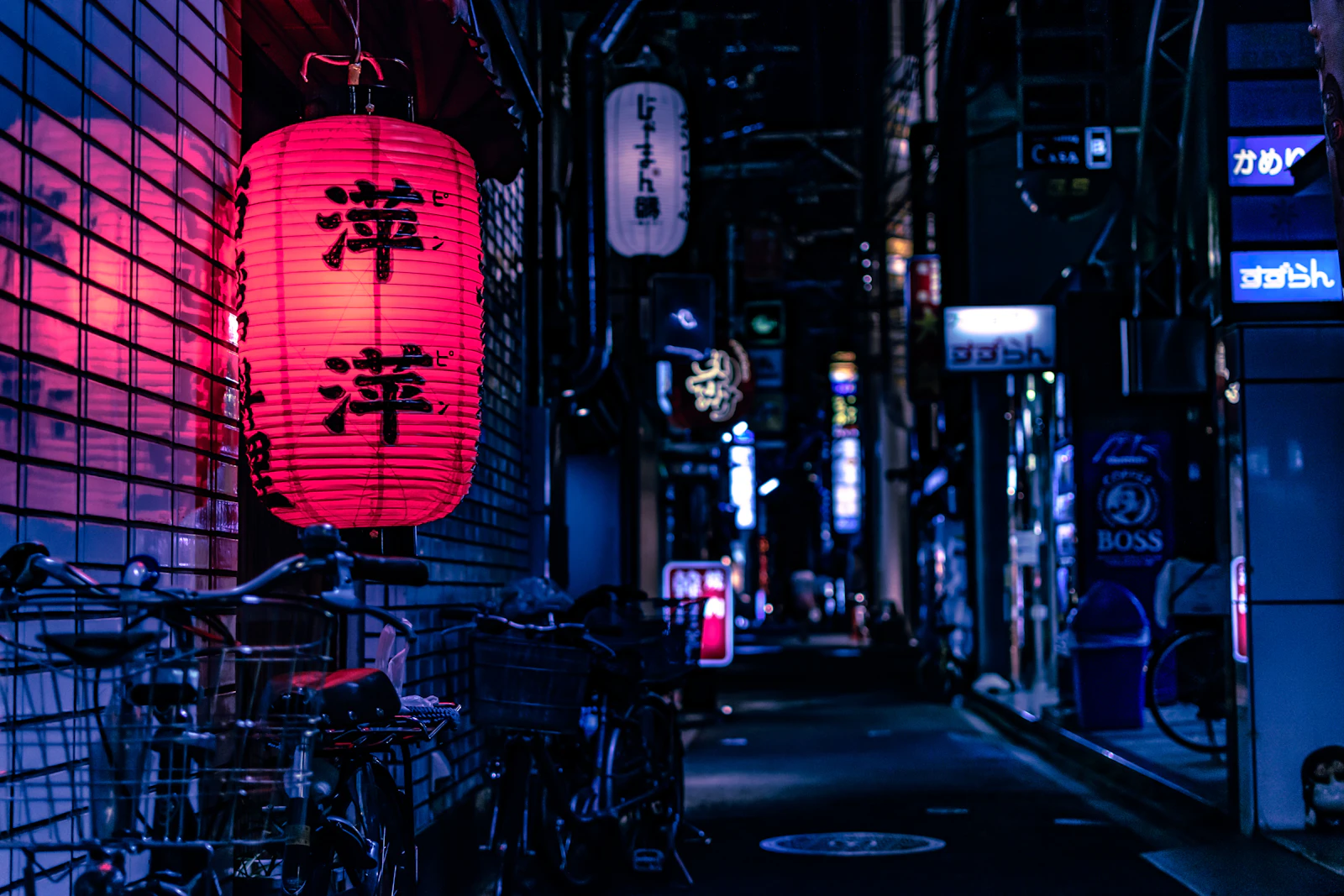
The headline option, and the one most foreign visitors mean when they say "Okunoin night tour," is run by Eko-in (恵光院). Eko-in is the largest English-friendly shukubo on the mountain, has hosted international guests since the 1970s, and operates the only consistent English-language night tour year-round. The tour departs from the Eko-in lobby nightly at 19:00 (sometimes 19:30 in midsummer, when sunset is later) and runs for about 90 minutes, returning by roughly 20:30 to 20:45. There is no off-season; the tour runs every night except during active typhoon warnings or extreme snow.
The format is straightforward. A resident monk — typically Yoshie-sensei or Kurt-san, depending on the night — leads a group of 8 to 25 guests on foot from Eko-in, along the residential streets of central Koyasan, across the Ichinohashi bridge that marks the formal entrance to Okunoin, and then the full two kilometres of the cemetery approach. The monk stops at roughly a dozen significant tombs along the way to explain who is buried there and why it matters, ties the explanations into Shingon doctrine and the broader history of Japanese Buddhism, and answers questions in fluent English. At the Toro-do the group has time to enter the hall, pray briefly, photograph the exterior from the bridge, and stand at the Gobyobashi line where photography ends. The return walk is quieter, with fewer stops, and gives time for questions one-on-one with the monk.
Pricing is 1,500 to 2,500 JPY per adult, depending on the season and the size of the group, and you do not need to be staying at Eko-in to join. The tour is fully open to outside guests staying at any other shukubo, ryokan, or guesthouse on the mountain — and even to day visitors who plan to return down to Osaka after the walk, though the last cable car at 20:45 makes that tight. Capacity is roughly 25 per departure. Eko-in occasionally adds a second, smaller 20:00 departure during peak weeks; that tour tends to be quieter, easier to hear the monk during, and gives a marginally darker, emptier path. Children are welcome; the temple reports that ages 8 and up generally handle the length and the darkness well, and children under 12 typically receive a small discount.
Booking is via eko-in.jp directly (English available) or through Klook, which adds a small markup but provides clearer confirmation and is easier for travellers without a Japanese phone number. Trip.com lists the tour as a separate experience product, useful for travellers who already have a Trip.com account from booking lodging. In peak seasons — sakura (late March to early April), Golden Week (early May), summer Obon (mid-August), and koyo (mid-October to mid-November) — the tour sells out one to three weeks ahead. Off-peak, three to five days of lead time is usually enough. The no-show penalty is minimal (around 1,000 JPY) but seats are limited; honour your booking, and cancel as early as possible if your plans change so the seat can be released to another traveller.
If the Eko-in tour is sold out, if you arrive on a day with no English departure, or if you simply prefer to walk alone, the self-guided option is always available. The Okunoin path is open 24 hours a day, every day of the year, and there is no entrance fee. The stone lanterns along the path are lit from sunset until roughly midnight, so any walk completed between roughly 18:30 and 23:00 will have the full atmospheric lighting. After midnight the lanterns are extinguished, but the path remains open and quiet, and a small number of pilgrims (and the occasional photographer) walk it at all hours.
The standard route begins at Ichinohashi Bridge (一の橋), the formal eastern entrance, which is walkable from almost any shukubo in central Koyasan in 10 to 20 minutes. From Ichinohashi, the path runs west-to-east through the cemetery for roughly two kilometres until it reaches Gobyobashi, the bridge in front of the Toro-do. Total walking time is 40 to 60 minutes one way at a contemplative pace, or 80 to 120 minutes for a round trip with reasonable stops at the major tombs. A second entrance, the Naka-no-hashi (中の橋) parking lot, sits roughly halfway along the path and offers a shorter 30-minute walk if you only want to see the final third — but it skips the most atmospheric stretch through the oldest cedars, and is generally recommended only for visitors with mobility constraints or very limited time.
What you lose by walking alone is context. The named tombs along the path — Oda Nobunaga, Toyotomi Hideyoshi, Honda Tadakatsu, the Asano Naganori grave from the 47 Ronin story, the Sanada clan memorial, the Mitsubishi corporate plots — are mostly marked in Japanese only, with a few major tombs having English plaques but no narrative explanation. The doctrinal background of why so many people sought burial near Kukai is not signposted. The reason a particular rock or tree is significant is not explained. If you are content to walk quietly through an extraordinarily atmospheric forest, you will not feel the absence and many travellers prefer the silence. If you want to understand what you are looking at — and especially if this is your only visit to Mt. Koya — the guided tour is worth the modest price.
Tip
A common compromise: do the Eko-in guided walk on your first evening for the history, then return alone the following evening (or at dawn, around 5:30) to walk the path again at your own pace. The second walk feels completely different — quieter, more personal, and without the conversational dynamic of a group.
Eko-in is the only shukubo that runs a consistent English-language night tour, but several other temples offer related options for guests who book ahead. Shojoshin-in (清浄心院) sometimes offers informal Japanese-language night walks for in-house guests, usually led by a junior monk and limited to a small group of four or five. Ask at the time of booking; the walks are not advertised on the website and are not always available. The temple is well-located for self-guided access as well, with the Okunoin entrance roughly five minutes on foot.
Sekisho-in (赤松院) is the closest major shukubo to the Ichinohashi entrance, which makes it the ideal launch point for a self-guided walk. There is no formal guided tour, but the front desk can brief English-speaking guests on the route and the major tombs before they head out, and provides a small printed map on request. From Sekisho-in the walk to Ichinohashi is roughly two minutes on foot — short enough that you can return to the temple briefly if you forget a layer or a flashlight.
Muryoko-in (無量光院) sits near the Okunoin approach and has knowledgeable English-speaking staff who can brief guests on what to look for before they self-walk. It is a traditional, smaller setting with a strong Goma fire practice in the mornings, and pairs well with an evening self-guided walk for guests who want the daytime ritual and the evening atmosphere in a single stay. Rengejo-in (蓮華定院) is another English-friendly option in central Koyasan, founded in 1190, with multilingual staff who can give a pre-walk briefing. The temple itself does not run a night tour, but its central location makes joining the Eko-in tour straightforward — the 10-minute walk to Eko-in is along well-lit streets.
Most other shukubo on the mountain do not offer organised night tours of any kind. The smaller temples typically lock their gates by 21:00 and expect guests to be in by then; they will not stop you walking Okunoin in the evening, but they will not arrange anything around it. If you want a guided experience in English, Eko-in remains the only consistent answer, and in practice most international visitors who do the night walk do it through Eko-in regardless of where they sleep.

Mt. Koya sits at roughly 800 metres of elevation and runs noticeably colder than Osaka or Wakayama city. Even on a warm summer evening the temperature at Okunoin drops to 5-10°C after sunset; in late autumn and winter, night temperatures regularly fall to -3°C or below, and snow on the path is normal between late December and early March. Dress as if you were going for a mountain hike in autumn, even in July. Layered warm clothing, a light insulated jacket, gloves in winter, and waterproof shoes are the basics. The path is paved or gravelled throughout but can be damp from cedar drip even on dry days, and wet leaves in autumn make the older stone sections genuinely slick. A thin rain shell takes almost no space in a daypack and is worth carrying even on clear nights.
Bring a small flashlight or use your phone torch. Eko-in provides flashlights for guests on the guided tour, but on a self-guided walk the gaps between stone lanterns can run 20 metres or more, and a small light makes the difference between walking confidently and shuffling. Bring a camera with decent low-light capability — phone cameras from the last three years generally handle the lantern light well, older models struggle. Bring a small amount of cash in coins for the offering box (saisen) at the Toro-do; 50 to 500 yen is normal, and there is no expectation of a particular amount. A bottle of water is useful if you have arrived in Koyasan recently and are still feeling the altitude.
Do not bring a tripod. Tripods are not formally banned but are strongly discouraged in the cemetery and will be refused on the guided tour — the path is narrow at the major tombs and tripod legs become a hazard in low light. Drones are explicitly prohibited across the entire Okunoin area year-round, with no exceptions for press or commercial use without prior written permission. Avoid strong perfume or cologne — the path is sometimes narrow and groups bunch together at tomb stops, and lingering fragrance is considered disrespectful in a working cemetery. Keep audio low; small Bluetooth speakers, even at low volume, are inappropriate. Smoking is prohibited along the entire two-kilometre approach.
The single most enforced rule on Mt. Koya: photography is strictly prohibited beyond Gobyobashi bridge, the final 300-metre approach to Kukai's mausoleum. Phones must be put away, not just lowered. Cameras must be capped or in a bag. The rule covers the bridge itself, the Toro-do interior, the area immediately behind the hall, and Gobyo. It is policed by visiting monks and by other pilgrims, and infractions are corrected immediately and firmly — usually a quiet but unmistakable request to put the device away. Repeat infractions can result in being asked to leave the inner precinct. Respect this; it is the visible boundary between the public approach and the active mausoleum precinct, and it is taken seriously by everyone who walks the path regularly.
The two-kilometre approach from Ichinohashi to Gobyo passes more than a dozen tombs of historical significance. Ichinohashi Bridge (一の橋, "First Bridge") marks the formal entry to Okunoin. Traditionally, pilgrims wash their hands at the small water basin nearby, bow toward the path, and remove any food or drink from their bags. The first stretch beyond the bridge runs through the oldest stand of cedars on the property, with trunks regularly two metres across and bark patterned by 600 years of weather. The path widens after about five minutes and the first major monuments begin to appear in the trees on both sides.
The Sanada family memorial (roughly 10 minutes in) commemorates the famous Sengoku-era warrior Sanada Yukimura and his clan. Yukimura is one of the most romanticised samurai in Japanese history, having led the defence of Osaka Castle in 1615 against Tokugawa Ieyasu in a final stand that has been retold in countless novels, films, and television dramas. The Sanada plot is one of the larger memorials in the early stretch and is often marked with fresh flowers left by visiting fans. A few metres further on, the Toyotomi Hideyoshi mausoleum (roughly 20 minutes in) is the resting place of the warlord who unified Japan in the late 16th century. The plot is grand and set back from the main path, marked by a stone gate and a path of its own. Hideyoshi was personally devout and contributed substantial funds to Mt. Koya during his lifetime; his interment here was both political and religious.
The Oda Nobunaga memorial (roughly 25 minutes in) is a quieter, smaller monument that surprises many visitors. Nobunaga famously burned the Tendai monastery of Enryaku-ji on Mt. Hiei in 1571, killing thousands of monks, and yet he is honoured here at Koyasan — a fact that any guide will pause to explain. The standard explanation is that Mt. Koya, in keeping with its function as the burial ground for all believers, accepts even those who acted against other Buddhist institutions, so long as the family or successors make the offering. The monument was built by Nobunaga's second son after his father's death, and is maintained by the Oda descendants to this day.
The corporate tomb section (roughly 30 minutes in) is one of the more talked-about stretches of the walk. Major Japanese companies — Panasonic, Nissan, Kirin, and most famously the Mitsubishi Corporation — maintain memorial plots here for deceased employees, and in some cases for company pets. The Sharp tombstone is shaped like a rocket; the UCC coffee plot features a giant stone coffee cup; a termite-extermination company maintains a small monument to the termites it has killed in the line of work, complete with a stone termite mound. The juxtaposition with the surrounding samurai and imperial tombs is intentional and not considered disrespectful; the corporate plots reflect the same impulse — to be near Kukai at the moment of Maitreya's arrival — translated into the postwar economy.
The Asano Naganori and 47 Ronin memorial commemorates the chushingura story — the lord whose forced suicide in 1701 triggered the famous revenge raid by his retainers two years later. Naganori's plot and the smaller memorial to his 47 loyal retainers are visited heavily during the New Year holiday by Japanese pilgrims, and you will often see fresh sake offerings here. Nearby, the rocket-shaped tombstone of Shin-Nittetsu (新日鉄, the former Nippon Steel Corporation) is a Showa-era oddity that has become an unofficial photo stop. Built in the 1960s, it commemorates employees lost in the post-war steel industry and looks, deliberately, like the early rockets being launched in Japan at the time.
Gobyobashi (御廟橋, "Mausoleum Bridge") is the final boundary. Visitors traditionally clean their shoes by tapping them on the stone before crossing, bow toward the Toro-do, and place phones and cameras into bags. This is the photography end-line; cross it and the rule is absolute. The Toro-do (灯籠堂, "Lantern Hall") sits immediately beyond the bridge. The exterior alone is the visual climax of the walk; the interior, open to visitors, holds roughly 10,000 hanging lanterns including the two eternal flames dating to 1016 and 1088 CE. You may enter, pray briefly at the central altar, and stand at the rear glass screen behind which Gobyo (御廟) sits, fifteen metres further into the trees. Gobyo itself is Kukai's sealed mausoleum. The doors have not been opened since the 11th century. Monks bring food twice a day to a small offering opening; visitors do not approach beyond the rear of the Toro-do. This is, in the Shingon tradition, the most sacred site in Japan.
The Eko-in night tour is the only English-language Okunoin tour with reliable year-round availability, which means it fills predictably in peak weeks. The realistic booking windows are one to three weeks ahead during sakura (late March to early April), Golden Week (early May), summer Obon (mid-August), and koyo (mid-October to mid-November). Outside those peaks, three to five days of lead time is usually enough. Same-day booking is occasionally possible in winter or during typhoon-disrupted weeks, but should not be the plan; arriving in Koyasan hoping for a walk-up seat is the most common booking mistake international visitors make.
Direct booking via Eko-in (eko-in.jp) is the cleanest path and gives you the lowest price. The website has an English booking form, accepts international credit cards, and sends confirmation by email within a few hours. Klook is the easier alternative for travellers who want a single booking platform across their Japan trip; the markup is modest (typically 200-500 yen) and the confirmation is immediate. Trip.com lists the tour separately under Koyasan activities and is useful for travellers who already use Trip.com for hotels. The no-show penalty is roughly 1,000 yen, but the bigger issue is capacity: a no-show takes a seat that another traveller wanted. If your plans change, cancel as early as possible. The group size is typically 8 to 25 per departure. If you specifically want a smaller, quieter experience, ask Eko-in directly whether the 20:00 second tour is running on your night — it tends to be roughly half the size of the 19:00 main departure and is rarely sold out more than a few days ahead.
For a one-night Mt. Koya visit, the standard high-yield itinerary is: arrive by Nankai limited express and cable car around 10:00 to 11:00, check in (or drop bags) at your shukubo, visit Kongobu-ji (the head temple, with its rock garden and historical reception rooms) at 11:00, take lunch at one of the small restaurants in central Koyasan, walk the Danjo Garan complex (the founding sacred precinct with the iconic vermilion Konpon Daito pagoda) around 14:00, return to your shukubo for the 16:00 bath, eat the shojin ryori dinner at 18:00, then leave at 18:40 to walk to Eko-in for the 19:00 night tour, return around 20:45, and be in your futon before the 22:00 quiet hour. Most shukubo lock the main gate around 21:00; confirm your gate closing time at check-in so you are not caught outside.
For a two-night visit, the standard plan is the above on day one, followed on day two by attending the 6:00 or 6:30 Goma fire ceremony at your shukubo, breakfast at 7:30, a daytime walk of the same Okunoin path (the contrast between day and night is striking — the corporate tombs become legible, the cedars feel larger, the cemetery feels populated), the Reihokan Museum (which holds many of Mt. Koya's designated National Treasures including paintings, sculptures, and ritual implements from the Heian period) in the early afternoon, a second optional night tour with a different guide if your first night was particularly memorable, and an earlier evening if not. Doing the Okunoin walk twice — once at night with a guide, once at dawn alone — is the most common piece of advice from returning visitors. The dawn walk, beginning around 5:30, has its own atmosphere: cooler, brighter, near-empty, and with the chance of catching the early Shojingu food procession at Gobyo around 6:00. If you have two nights, do both.
Can I attend the Eko-in night tour if I am not staying at Eko-in? Yes. The tour is fully open to outside guests, regardless of where you are staying on the mountain. Many participants are guests at other shukubo or at one of the small guesthouses in central Koyasan, and the temple makes no distinction at the door. Just arrive at the Eko-in lobby at 18:45 with your booking confirmation.
Is the night tour offered every night of the year? Yes, with rare exceptions. The tour runs year-round, including New Year and Obon. It is cancelled only during active typhoon warnings or extreme weather (heavy snow that makes the path unsafe), and Eko-in notifies booked guests by email when this happens. Light rain does not cancel the tour, and several guests each year report that a light rain night was the most atmospheric of their trip.
Is there a Japanese-only version? Yes, informally. Some shukubo, including Shojoshin-in and occasionally Sekisho-in, offer informal Japanese-language night walks for their own guests. These are not advertised online and are arranged at check-in. The Eko-in tour itself is conducted in English; Japanese guests are welcome but the explanation is English-first. Japanese-speaking visitors who specifically want a Japanese tour are usually directed to Shojoshin-in.
What if I am afraid of graveyards? Most visitors describe Okunoin at night as peaceful, not eerie. The path is broad, the lantern light is warm rather than cold, the cedars are majestic rather than threatening, and the constant low presence of other tour groups and individual pilgrims removes any sense of isolation. The atmosphere is meditative; the dominant emotional register is calm. If you are nervous, the guided tour is a clear better choice than walking alone — the group provides a natural reassurance, and the monk's steady commentary keeps the focus on history and doctrine rather than on the dark.
Can I do this with kids? Yes, with caveats. Children aged 8 and up generally handle the 90-minute walk and the low light without difficulty. Children under 6 may find the length tiring and the darkness genuinely scary, particularly on the longer stretches between lanterns. The guided tour is paced for adults and does not stop frequently for breaks; consider whether your child can sustain a 4-kilometre evening walk before booking. Is the path safe for solo women at night? Yes. The path is consistently lit by stone lanterns from sunset until midnight, monks are present at the Toro-do throughout the evening, and other tour groups and individual visitors pass through regularly. There are no reported safety incidents associated with the Okunoin walk. Many solo female travellers report doing both the guided tour and a self-guided dawn walk without concern.
Can I touch the tombstones? No. Many of the tombs are private family graves still in active use, with offerings, fresh flowers, and personal items placed by descendants. Treat the cemetery as you would a working graveyard at home — view, photograph (where permitted), but do not touch, lean against, or place anything on the stones. What if it rains? The tour goes ahead in all conditions except active typhoon warnings. Light rain in Koyasan is genuinely atmospheric — the path glistens, the cedars drip slowly, and the lanterns reflect on wet stone. Bring waterproof shoes and a light rain jacket or umbrella. Eko-in provides umbrellas to guests on request.
Tip
Book the Eko-in night tour one to three weeks ahead in peak seasons (sakura, Golden Week, Obon, koyo). Off-peak, three to five days is usually enough. Same-day booking is possible in winter but not reliable.
Tip
Bring a small flashlight even on the guided tour. Eko-in provides flashlights but supply can run short on large nights, and a personal light makes the gaps between lanterns much more comfortable.
Tip
Photograph the major tombs in the first half of the walk. Camera energy and patience fade by the time you reach the corporate section, and the most photogenic stretch — Ichinohashi to the Toyotomi mausoleum — comes first.
Tip
Do the self-guided walk a second time at dawn, around 5:30. The path is empty, the air is clean, and you may catch the early Shojingu food procession to Gobyo at 6:00. The contrast with the previous night is striking.
Tip
Dress for 5-10°C below the daytime temperature. Even in midsummer the cemetery is cold after dark; in late autumn and winter, treat it as a mountain hike in freezing weather. Waterproof shoes are not optional on damp nights.
The Okunoin night tour is, for most foreign visitors, the closest they will come to the 1,200-year-old Shingon practice that is still alive on Mt. Koya. The walk itself is free, the lanterns are lit whether you are there or not, and the food procession to Gobyo continues twice a day whether the cemetery has a single visitor or two hundred. What the guided tour adds is the doctrinal context, the history of the named tombs, and the framing that turns a beautiful forest walk into an introduction to one of the oldest continuously practised religions in Japan. If you have a single evening on Mt. Koya and one decision to make about how to spend it, this is it. Book the Eko-in tour ahead of time, eat your shojin ryori dinner unhurried, walk the ten minutes from your shukubo to the Eko-in lobby in warm clothes, and give the next 90 minutes to the path. Most visitors come back from the walk with the same response: they wish they had booked two nights instead of one. If you can, do.
Ready to book?
Browse our curated collection of authentic Buddhist temple stays across Japan. Filter by region, sect, and experience.
Start ExploringRecommended Temples for This Guide
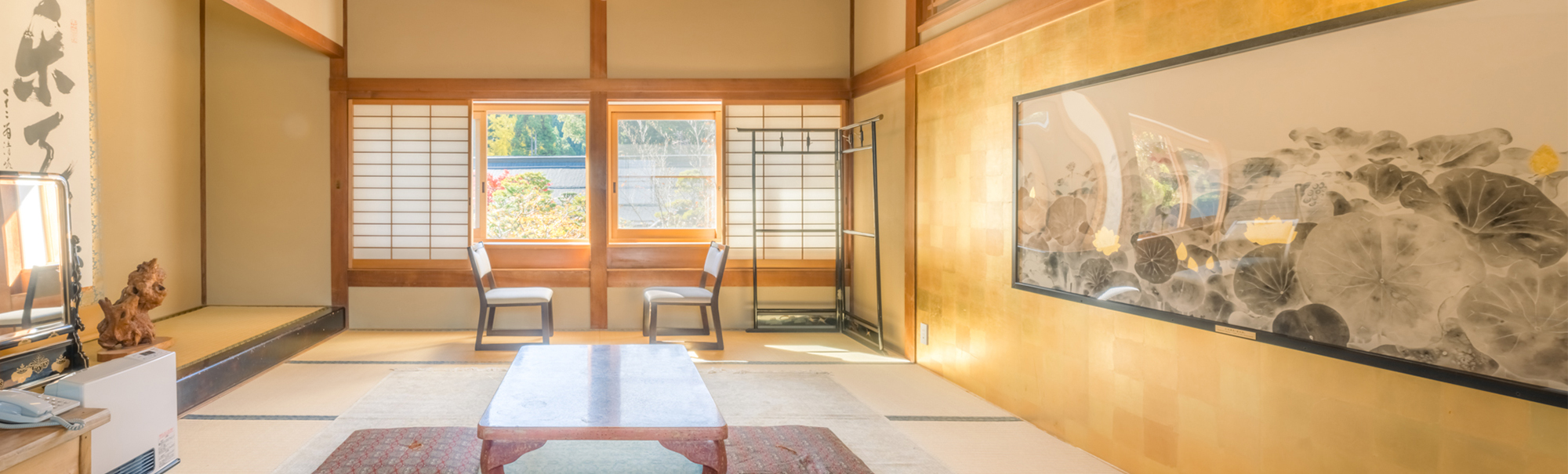
恵光院
A flagship Koyasan shukubo with English-guided Goma fire ceremony, Ajikan meditation, and nightly Okunoin tours.
from $130 /per night
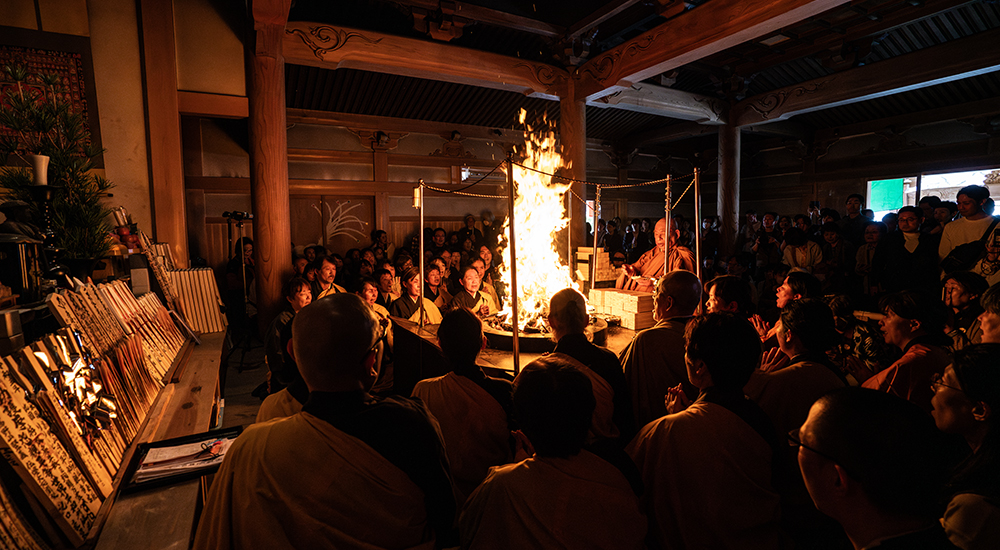
清浄心院
A Special Head Temple of Koyasan Shingon Buddhism, founded in the Tencho era (824-834) and standing at the very gate of Okunoin Cemetery.

赤松院
A 1,100-year-old Koyasan shukubo with a 1,500-tsubo garden, the closest temple lodging to Okunoin cemetery.
from $95 /per night

無量光院
A Heian-era Koyasan shukubo offering daily Shomyo chant and a morning Goma fire ceremony in 30 traditional Japanese-style guest rooms.
蓮華定院
A Sanada-family bodaiji shukubo on Mt. Koya with English-speaking monks, just 13 rooms, and a strong samurai-era heritage.
from $230 /per night
Explore Destinations

