
|
|
|
|
|
|
 Photo by Sorasak on Unsplash
It is the hour after dinner. The two of you are sitting on the engawa, the wooden veranda that runs along the edge of a temple room, looking out at a moss garden going blue in the dusk. A cup of roasted barley tea is cooling between you. Somewhere down the corridor a monk slides a wooden door shut. There is no television, no minibar hum, no street noise — only the temple, the garden, and the person beside you. This is the version of a Japanese temple stay that almost nobody tells couples about, and it can be one of the most quietly romantic nights of an entire honeymoon.
A shukubo (shukubo) is Buddhist temple lodging — a room inside a working temple where guests sleep on futon, eat the monks' vegetarian cuisine, and can join morning service before breakfast. Most articles frame it as a spiritual or budget experience for solo travellers and curious tourists. Far fewer treat it as what it can also be: a genuinely intimate, beautiful, and memorable place for two people to spend a night together. That is the gap this guide fills.
We are going to be honest throughout, because honesty is the whole point. Some shukubo are wonderful for couples — private tatami rooms, a garden of your own to look at, a refined kaiseki-style vegetarian dinner served just for the two of you, occasionally even a private bath. Others are emphatically not romantic: shared dormitory bunks, a strict vow of silence, a 4 AM wake-up bell, and a training schedule designed to dismantle the ego rather than nurture a relationship. Book the wrong one for your honeymoon and you will spend your first married night sleeping head-to-toe with strangers. We will tell you exactly how to avoid that.
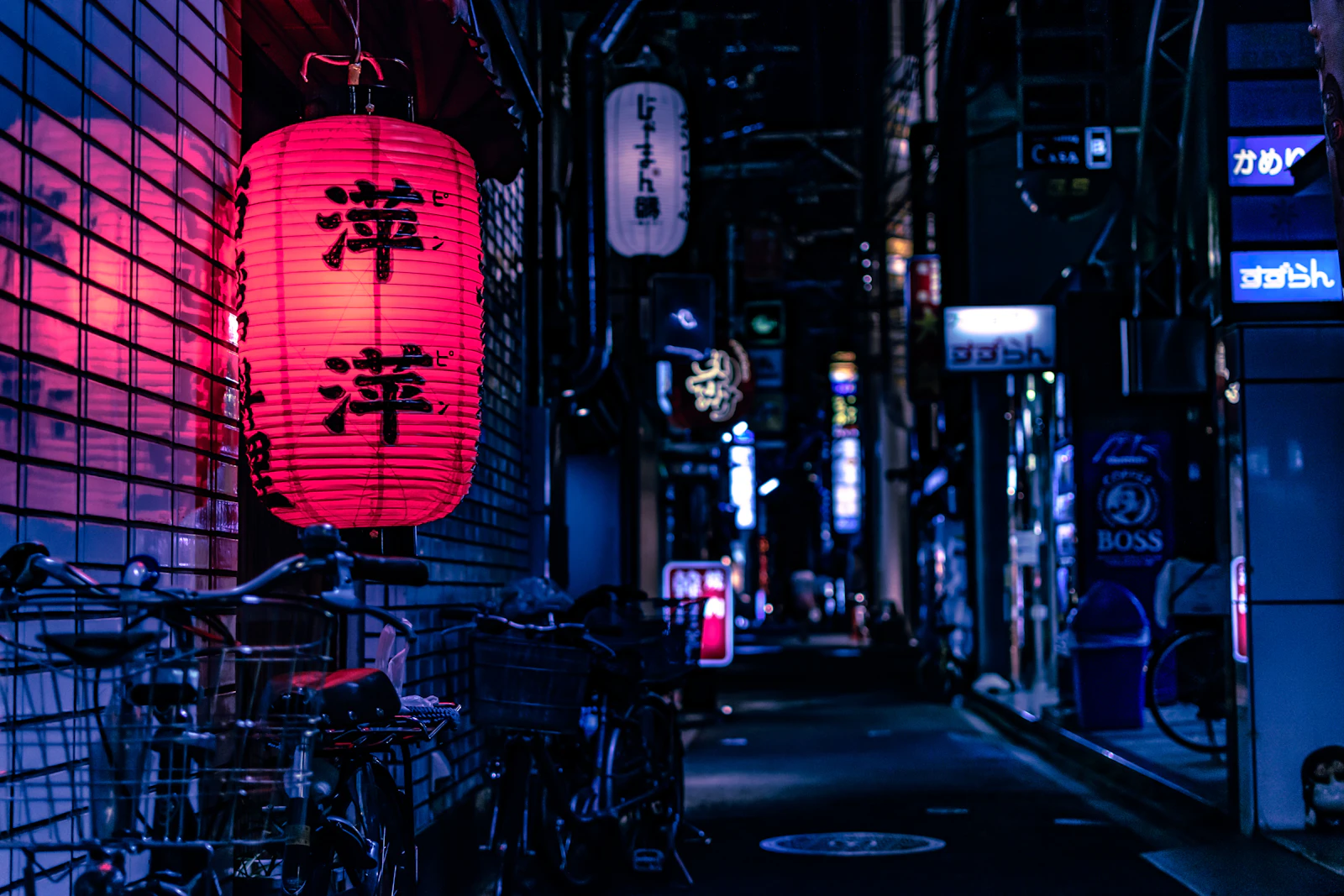
The case for a temple stay as a couples' experience is not that it is exotic. It is that a good shukubo strips away exactly the things that get between two people on a busy trip. There is no screen to scroll, no front desk to call, no agenda after dinner. The architecture itself slows you both down — sliding paper doors, low lighting, the smell of old cedar and tatami straw, a garden composed centuries ago to be looked at slowly. You end up talking, or not talking, in a way that a city hotel never quite allows.
There is also the simple matter of contrast. A honeymoon in Japan tends to be loud and packed: Shibuya crossing, the bullet train, a tasting menu in Osaka, a hundred photographs of cherry blossom. A single night at a temple is the held breath in the middle of all that motion. Couples who build one good shukubo night into a two-week itinerary almost always name it, afterward, as the night they remember most clearly — not because anything dramatic happened, but because nothing did, and they were paying attention to each other when it didn't.
It helps, too, that a temple stay carries a weight a hotel cannot fake. You are sleeping inside a building that has held morning prayers every day for centuries, often inside a religious complex that predates your own country. There is a seriousness to the place that lends a quiet gravity to the night — not heavy, but real. For couples marking something — a honeymoon, an anniversary, a first big trip together — that sense of stepping briefly inside a thousand-year-old rhythm gives the night a significance that no rooftop bar or infinity pool quite matches. You are not just spending the night somewhere beautiful; you are being let, for one evening, into a way of living that the monks keep up every single day.
And then there is the food. A temple dinner is shojin ryori (shojin ryori), the Buddhist vegetarian cuisine refined over a thousand years to be beautiful, seasonal, and quietly luxurious. At the better temples it is presented like kaiseki — a procession of small lacquered dishes, each a different texture and colour, sesame tofu and simmered mountain vegetables and a clear dashi made without fish. Eaten by two people in a private room, by the light of a single low lamp, it is a more romantic meal than most expensive restaurants manage, precisely because it asks you to slow down and notice.
Shojin ryori is built on a Buddhist principle of avoiding harm to living things, which historically ruled out meat, fish, and even pungent vegetables like garlic and onion. What sounds restrictive in theory becomes, in the hands of a good temple kitchen, an exercise in coaxing depth out of humble ingredients — toasted sesame whipped into a custard-soft tofu, freeze-dried tofu simmered until it drinks up a sweet-savoury broth, tempura of foraged mountain herbs, pickles made in the temple's own cellar. Much of it happens to be vegan, which makes a shukubo one of the easiest places in Japan for plant-based travellers to eat genuinely well. For a couple, the meal becomes a shared puzzle as much as a dinner: working out what each dish is, comparing favourites, eating slowly because there is nothing to rush toward.
Tip
If your trip has only room for one 'special night' splurge, a refined shukubo often beats a luxury hotel for sheer memorability — you are buying an experience neither of you can have anywhere else in the world, not just a nicer bed.
Not every temple stay is built for two. The difference between a romantic night and an awkward one comes down to a handful of concrete features. Before you book anything, learn to scan a listing for these three things — a private room, the bathing arrangement, and the quality of the meal — because they decide everything.
Start with the room, because it is the non-negotiable. A couple-friendly shukubo gives you a private tatami room with a door that closes and futon laid out side by side for the two of you. This is the standard at most temples that accept overnight tourists, but it is not universal — some training-oriented temples and pilgrim lodges still use large shared rooms divided only by folding screens, or genuine dormitory bunks. Always confirm that the room is private and yours alone.
The next tier up is a room with its own toilet and washbasin, sometimes called an en-suite or 'sanitary' room in the temple's English copy. Many traditional shukubo share a toilet and washroom down the corridor, which is perfectly civilised but means a cold midnight walk past sleeping strangers in an old wooden building that can be genuinely chilly outside summer. For a honeymoon, paying for a room with private facilities is usually worth it, and it is one of the clearest dividing lines between the more comfortable temples and the bare-bones pilgrim lodges. A small number of temples go further still and offer a private bath in the room — more on that below. As a rule, the temples with their own toilets in the room also tend to be the ones with better heating, thicker futon, and the more refined dinners, so the feature is a useful proxy for overall comfort even if you do not mind a corridor walk.
Next, the bathing. Most shukubo have a shared communal bath, separated by gender, on a posted schedule — men one hour, women the next. That is the norm, and it means couples bathe separately and meet again afterward. It is not unpleasant, but it is not romantic, and many couples are surprised to learn they cannot simply bathe together.
A few temples solve this. Some offer onsen (onsen) — water from a registered natural hot spring — and a handful of those have a private family bath (kashikiri-buro) you can reserve for the two of you, or rooms with a private open-air tub. A genuine temple stay with a private hot-spring bath is rare and worth seeking out for a honeymoon; we cover the bathing question in depth in our companion guide to the shukubo with onsen. If a soak together matters to you, this is the single feature to prioritise, and it narrows the field to just a few temples nationwide.
Finally, the dinner. The best couples' shukubo serve it in your own room, or in a small private dining room, rather than a communal hall with rows of strangers. The dish count and presentation vary enormously: a simple pilgrim lodge might give you rice, miso soup, and three modest vegetable dishes, while a refined Koyasan or Kyoto temple presents a multi-course kaiseki-style spread on individual lacquer trays, sometimes with a flask of sake or local craft beer if the temple permits alcohol. For a romantic night, look specifically for in-room dining and a higher dish count — the listings that mention 'kaiseki-style' or a named head cook are the ones to chase.

These are the temples we would actually send a couple or a honeymooning pair to, chosen for private rooms, comfortable bathing, refined food, and an atmosphere that rewards two people slowing down together. Prices, room types, and exact offerings change year to year, so confirm the specifics at booking — but the character of each place is stable.
Fukuchi-in is the obvious starting point, because it is the only temple on the sacred plateau of Mt. Koya with a genuine registered onsen. The bathhouse has both an indoor tub and a half-screened outdoor rotenburo looking onto a formal Edo-period garden registered as a Place of Scenic Beauty. The baths are gender-separated rather than private, so you bathe apart, but the water is real hot spring and the shojin ryori is presented at an unusually high level — among the most polished on Koyasan. Rooms range from standard tatami to more spacious garden-view rooms, and the temple is fully comfortable with international couples. For a first temple stay that combines romance, a real hot-spring soak, and refined food, this is the safe and excellent choice.
What makes Fukuchi-in work for couples specifically is that it gets the balance right between being a real temple and being comfortable. You still attend the morning service in a hall built around a centuries-old inner sanctum, you still eat lacquer-tray vegetarian food, you still sleep on futon — but the heating works, the staff handle English, and the onsen gives the evening a treat that pure austerity temples lack. It is also large enough that you can request alcohol with dinner, which many couples want. The trade-off for that polish is that it can feel a touch busier than the smaller temples, since it is one of Koyasan's best-known names and frequently full. Book early and ask for a garden-facing room.
If your honeymoon budget can stretch, Ichijo-in is the most genuinely couple-oriented temple on Mt. Koya. It is small — only a handful of rooms — and several of them come with their own private bath, so the two of you can soak together without the gender-separated schedule that governs every other temple. The cooking is a refined vegetarian kaiseki, the service is attentive in the way of a high-end ryokan, and the scale of the place means it never feels like a tour-group dormitory. The trade-off is price and the fact that the temple does not serve alcohol; if a private bath and a quiet, exclusive feel matter more than a sake flask with dinner, Ichijo-in is the pick.
Rengejo-in has long been a favourite of foreign guests, and for couples it strikes a lovely middle ground: refined enough to feel special, warm enough to feel relaxed. The temple has a beautiful garden, serves a generous shojin ryori dinner, and — unusually — permits alcohol, so you can share a small flask of sake or a local beer with the meal. Bathing is the standard gender-separated communal arrangement, and rooms are private tatami. The resident priest is known for an approachable, English-friendly manner that puts nervous first-timers at ease. It is the choice for a couple who wants the temple experience without austerity.
Inside the vast Myoshin-ji Zen complex in northwest Kyoto, Shunkoin is a small Rinzai Zen sub-temple that has built a reputation for English-language Zen meditation taught by its English-speaking deputy head priest. For couples it offers something the mountain temples cannot: private rooms with their own bathroom, a famous rock garden, a short walk from a JR station, and the chance to learn zazen meditation together in plain English. It does not serve a full shojin ryori dinner, so plan to eat out in Kyoto, but as a calm, private, beautifully sited base it is ideal for a couple who wants Zen without leaving the city or committing to a remote mountain. The appeal here is the combination of convenience and substance: you can spend the day on the temples and food of Kyoto, return to a quiet sub-temple inside a four-hundred-year-old Zen monastery, and sit a guided morning meditation together that you will actually understand. For couples who find the idea of a remote mountain temple a step too far, or who simply have limited days, Shunkoin is the gentlest possible introduction to staying inside a working temple.
Built in 2019 at the gates of the great Soto Zen monastery of Eiheiji in Fukui, Hakujukan is the contemporary luxury answer for couples who love the idea of a temple stay but worry that traditional shukubo will feel too spartan. The design is all pale wood and restrained lines, the cypress bath is fed by local spring water, the shojin ryori gets a refined modern interpretation, and the temple permits alcohol. You sleep in real beds in a private room, you can attend zazen and the dawn service at Eiheiji proper, and the bath stays open later than at any traditional temple. For a couple who wants austerity and comfort on the same night, this is the one.
On the cherry-blossom mountain of Yoshino, south of Nara, Chikurin-in Gunpoen blurs the line between shukubo and luxury ryokan. It has a celebrated landscape garden attributed to the tea master Sen no Rikyu's lineage, private rooms — some with their own open-air bath — refined kaiseki-style dining, and large baths with mountain views. In spring the entire mountainside below the temple turns pink with thousands of cherry trees, which makes it one of the most romantic settings in the country for a few weeks each April. It is more inn than monastery in feel, which is exactly why it suits couples who want comfort with a temple's address. The flip side of that comfort is that the religious dimension is lighter here than at the Koyasan temples — this is a place to relax and look at a beautiful garden rather than to immerse yourself in monastic routine. For a honeymoon that wants the setting and the romance more than the spiritual discipline, especially one timed to the famous Yoshino cherry blossom, it is hard to beat. Just be aware that blossom season here is the single most competitive booking window of any temple on this list, with rooms claimed close to a year in advance.
Tip
If you want a private bath you can share, your realistic shortlist is small — Ichijo-in on Koyasan, Chikurin-in Gunpoen at Yoshino, or one of the rare onsen temples. Book these months ahead, especially for cherry-blossom and autumn-leaf season, because the private-bath rooms sell out first.
The room and the meal are the foundation, but a few experiences turn a pleasant temple night into one you will both talk about for years. Most of these need to be arranged at booking, not on arrival, so decide in advance which ones you want and ask the temple to set them up before you go.
The first is a goma (goma) fire ceremony. Several Shingon temples on Koyasan hold this ritual, in which prayer sticks are burned in a roaring fire on the altar while a priest chants and beats a drum. It is genuinely hypnotic: orange flame, deep chanting, drifting incense in a dark hall before dawn. Some temples will write your wishes on the prayer sticks before they burn, and a couple can have theirs offered together. Ask at booking whether the morning includes a goma ceremony and whether you can submit a joint prayer stick. Watching your shared wish go up in flame at six in the morning, shoulder to shoulder, is about as romantic as Buddhist ritual gets — and it costs nothing beyond a small offering for the prayer sticks themselves.
The second is a walk through Okunoin at the edges of the day. The Okunoin cemetery on Koyasan — two kilometres of moss-covered gravestones and towering cedars leading to the mausoleum of Kobo Daishi — is extraordinary at two times. Walk it at sunset before dinner, when the low light turns the cedar trunks gold, or join a guided night tour after dark, when the path is lit only by stone lanterns and the temple lamps. It is solemn rather than spooky, and walking it slowly together, with no crowds and no daytime tour groups, is one of the quiet highlights of any Koyasan night. Several temples, including Eko-in, run the evening lantern walk for their guests, and a knowledgeable monk narrating the history as you go turns a stroll into one of the trip's most atmospheric hours.
The third is a meditation session you can do together. Some Koyasan temples offer ajikan (ajikan), a Shingon visualisation meditation centred on the Sanskrit syllable 'A', often guided in a quiet hall in the evening. Unlike rigorous seated Zen, ajikan is gentle and contemplative — you sit, breathe, and visualise — which makes it approachable for couples with no meditation experience at all. Fukuchi-in, Eko-in, and several others offer it. Sitting together in a candle-lit hall, learning the same breathing rhythm, is a surprisingly tender thing to do as a couple, and far less intimidating than a strict zazen session where you risk being corrected with a stick. If neither of you has meditated before, ask for ajikan rather than zazen.
Now the honest part. Not every temple stay is romantic, and a few are actively the wrong choice for a couple — particularly for a honeymoon, where the stakes for a comfortable night are higher. Here is what to steer clear of.
Some temples — especially serious Zen training temples and Shugendo mountain-ascetic lodges — run their guest programs as genuine practice, not hospitality. That can mean a 3:30 or 4:00 AM wake-up, long compulsory seated meditation, a vow of silence at meals, manual cleaning chores, and a deliberately bare room. People seek these out precisely because they are demanding, and they are valuable for what they are. But they are the opposite of a romantic getaway. A honeymooning couple who books a strict training stay expecting a cosy night will be miserable. If a listing emphasises 'training', 'discipline', 'silence', or a pre-dawn schedule, treat it as a serious practice retreat, not a couples' escape.
Budget pilgrim lodges and youth-hostel-style temple accommodation sometimes put guests in large shared rooms or bunk dormitories, dividing parties only with folding screens. These are fine for solo budget travellers and pilgrims, and genuinely sociable, but there is no privacy whatsoever — you would be sleeping a metre from strangers on your honeymoon. Always confirm 'private room' explicitly. If the price looks startlingly low for the area, this is usually why.
This is the gentlest disappointment but the most common. The overwhelming majority of shukubo have only a gender-separated communal bath, which means you cannot bathe together no matter how nice the water is. If sharing a bath is part of the romance you are picturing, do not assume any temple will allow it — assume the opposite, and only book a place that explicitly offers a private or in-room bath. Otherwise you will have a perfectly lovely but firmly separate soak.
Tip
Read the wake-up and curfew times before you book. A temple with a 21:00 curfew and a 6:00 service is a calm romantic night; one with a 21:00 lights-out and a 4:00 wake-up bell is a training schedule. The numbers tell you which kind of place it is faster than the marketing copy does.
Booking a temple stay is not quite like booking a hotel, and a few habits will save you from a disappointing first married night. Most of these come down to confirming the specifics in advance, because temples vary far more than chain hotels do, and the cheerful generic listing you found on an aggregator site may gloss over exactly the details — shared room, bath schedule, communal dining — that decide whether the night is romantic. First, book early — three to six months ahead for the popular Koyasan and Kyoto temples, and as far ahead as you can manage for cherry-blossom season (late March to mid-April) and autumn-leaf season (mid-November), when the romantic temples fill first. The private-bath and garden-view rooms are the first to go.
Second, confirm in writing the four things that decide your night: that the room is private and yours alone; whether it has a private toilet; how bathing works (shared by schedule, private family bath, or in-room); and whether dinner is served in your room or a communal hall. A short email or a note in the booking form is enough. Temples are used to these questions from international couples.
Third, mind the practicalities. Many temples still prefer phone or email booking over online systems, though the larger ones now take international cards and have English-speaking staff. Tell them about any dietary needs in advance — most shojin ryori is naturally vegan, but flag allergies. And if you want a goma ceremony, ajikan session, or the Okunoin night walk, request it at booking, not on arrival. Our full booking walkthrough covers the payment and confirmation details if this is your first time.

Yes, at almost every temple that accepts overnight tourists. The standard arrangement is a private tatami room with two futon laid side by side, exactly as a couple would expect at a ryokan. The exceptions are budget pilgrim lodges with shared dormitory-style rooms and certain strict training temples — so confirm 'private room' when you book, and you will be fine. The vast majority of couples sleep in their own private room with no issue at all.
Yes. Despite the religious setting, shukubo do not ask about marital status and have no objection to unmarried couples sharing a room. Temples that host international tourists are entirely accustomed to couples of all kinds, and the question simply does not come up at check-in. Same-sex couples are also generally welcomed at the tourist-facing temples, though smaller rural pilgrim lodges may be less experienced; the larger Koyasan, Kyoto, and Eiheiji temples are the safest choice if it is a concern.
Sometimes, but it is rare and must be sought out specifically. Most shukubo have only a gender-separated communal bath, so couples bathe at separate times. A small number of temples offer a reservable private family bath or rooms with their own bath — Ichijo-in on Koyasan and Chikurin-in Gunpoen at Yoshino are good examples, and a few onsen temples have private soaking options. If sharing a bath matters, book one of these specific temples well ahead and confirm the private bath in writing; do not assume any temple offers it.
It is quiet — that is the point — but it is rarely awkward at the couple-friendly temples. The good ones balance calm with comfort: a warm priest, a generous dinner, a beautiful garden, and an early but gentle morning. The awkward stays are the strict training temples with enforced silence and pre-dawn discipline, which is why we steer couples away from those. Pick a tourist-facing shukubo with a 21:00 curfew and a 6:00 service rather than a 4:00 wake-up, and the quiet becomes the romance rather than an obstacle.
Less than you would think, and most of it is about comfort in an old building. The temple supplies futon, a cotton yukata robe, towels (though sometimes only a small one — check the room sheet on arrival), tea, and slippers. Bring warm socks and an extra layer for the evening, because wooden temple corridors and rooms are cold outside high summer, and the morning service hall can be genuinely chilly even when the day is warm. Pack any toiletries you are particular about, since temples provide only the basics, and a phone or small camera for the garden — but do check photography rules, as some halls and ceremonies are off-limits. Leave the heels and the formal outfit at the hotel; you will be in slippers and yukata for most of the night. And bring a little patience for the early bedtime, because the romance of a shukubo is partly that it forces you both to slow down to its pace rather than the other way around.
Late spring and autumn are the classic picks. Cherry-blossom season (late March to mid-April, and a few weeks later at higher mountain temples like Yoshino) and the autumn foliage of November frame the temples and gardens at their most beautiful, though they are also the busiest and require the earliest booking. Early summer's fresh green and the deep snow-quiet of winter both have their own romance and far fewer crowds — a snow-covered Koyasan temple in January, with the hot-spring bath at Fukuchi-in steaming in the cold, is unforgettable. Avoid only the peak humidity of late July and August at low-altitude temples, where the heat undercuts the calm.
A temple stay will not be the loudest night of your honeymoon, and that is exactly why it tends to become the most remembered one. Strip away the screens and the noise, give two people a private room, a garden, a slow and beautiful meal, and a dawn ritual to wake up to, and something settles between them that a city hotel rarely allows. The trick is simply to choose well: a private room, comfortable bathing, refined food, and a gentle schedule rather than a strict one.
If you are new to the whole idea, start with Fukuchi-in or Rengejo-in on Koyasan for a forgiving, welcoming first night. If you want to splurge, Ichijo-in's private bath or Chikurin-in's garden rooms are the romantic high end. If you would rather have Zen in the city, Shunkoin in Kyoto is your place, and Hakujukan at Eiheiji is the modern-comfort choice. Read our first-time shukubo guide if any of the etiquette feels daunting, browse the wider region with our best Koyasan temple stays roundup, book three to six months ahead, confirm the four things that matter, and then do nothing on the night itself except be present. That, it turns out, is the whole romance.
Ready to book?
Browse our curated collection of authentic Buddhist temple stays across Japan. Filter by region, sect, and experience.
Start ExploringRecommended Temples for This Guide

福智院
The only Koyasan shukubo with a natural hot spring, three Mirei Shigemori gardens, and refined shojin ryori.
from $175 /per night
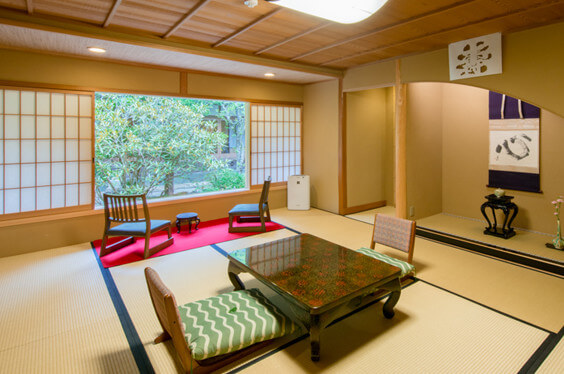
一乗院
A renovated luxury shukubo on Mt. Koya with just four garden-view suites, each with a private hinoki cypress bath, and acclaimed shojin ryori cuisine.
from $280 /per night
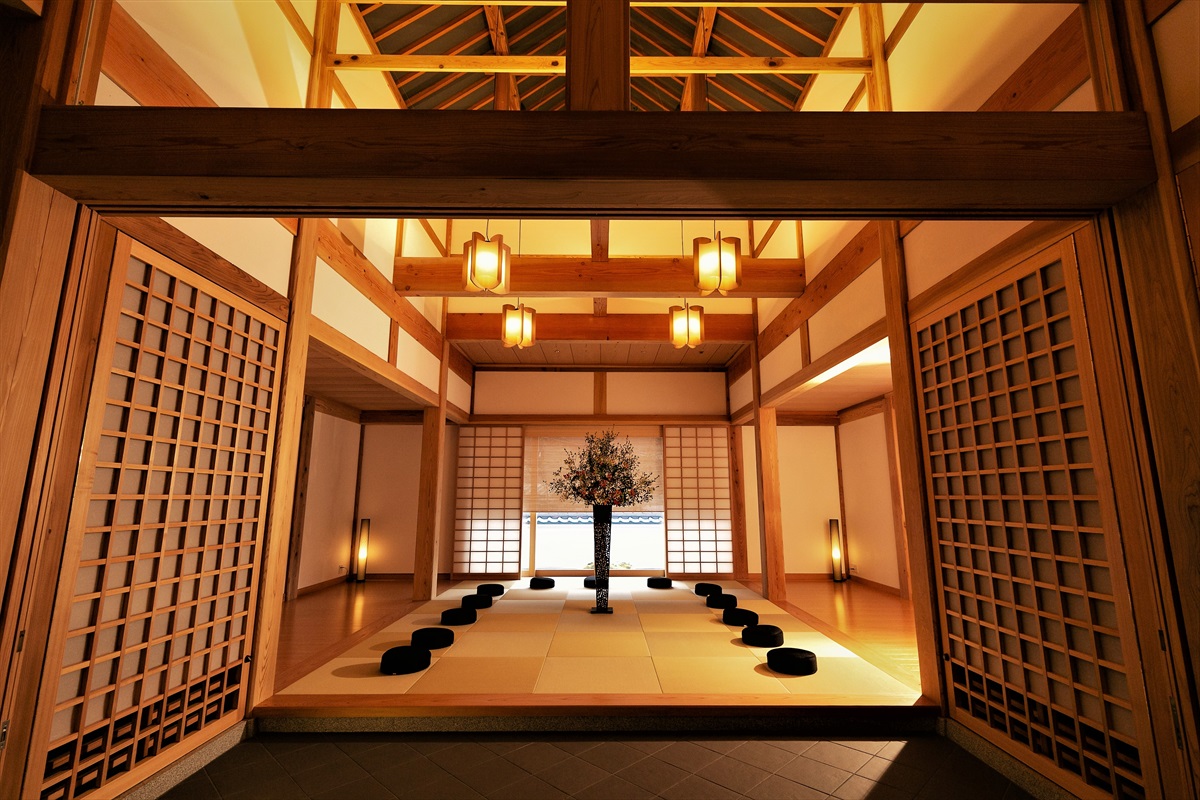
永平寺 親禅の宿 柏樹関
A modern Zen inn at the gate of Eiheiji, with 18 cedar-built rooms, evening zazen and access to the temple's pre-dawn morning service.
from $195 /per night
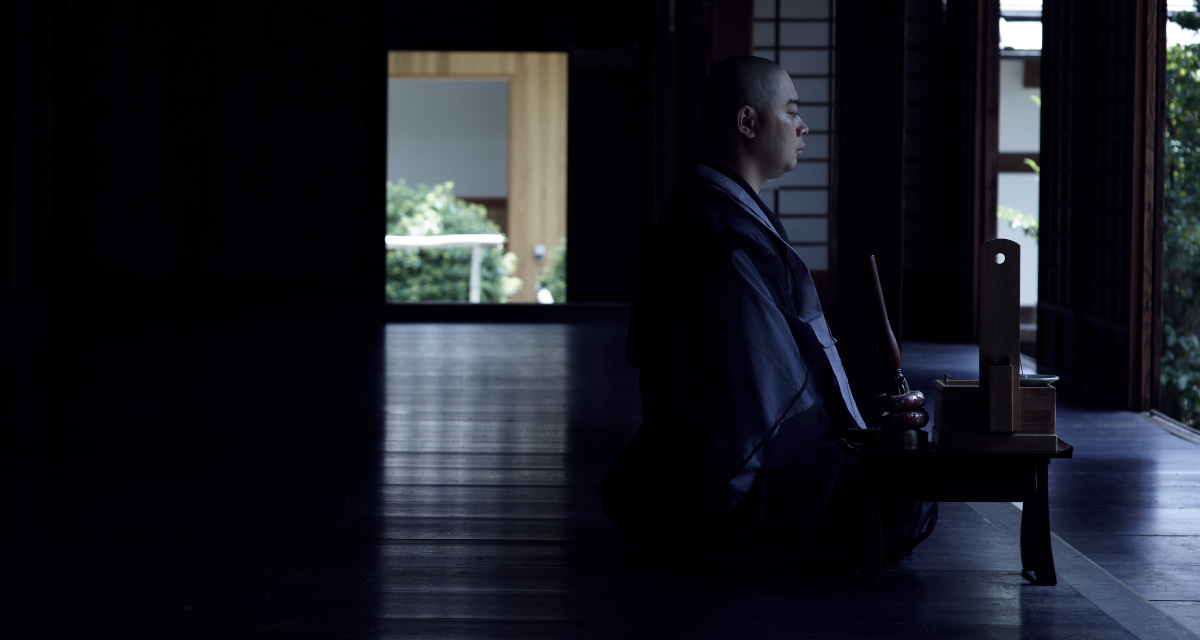
春光院
Kyoto's most internationally renowned Zen shukubo, offering English-led meditation classes and modern en-suite rooms inside a 1590 Myoshin-ji sub-temple.
from $60 /per night
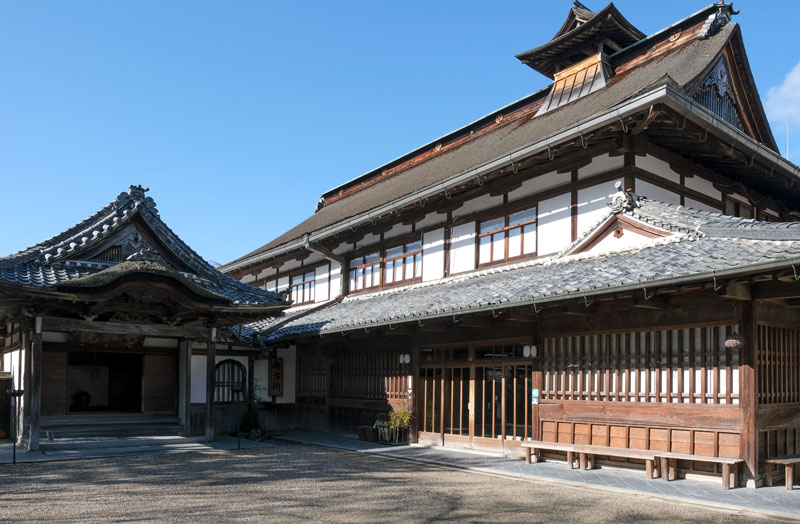
竹林院 群芳園
Yoshino-yama's most prestigious shukubo-ryokan, founded by Prince Shotoku and centered on Gunpoen — a Sen no Rikyu garden listed among the Three Great Gardens of Yamato.
from $110 /per night
Explore Destinations

