
|
|
|
|
|
|
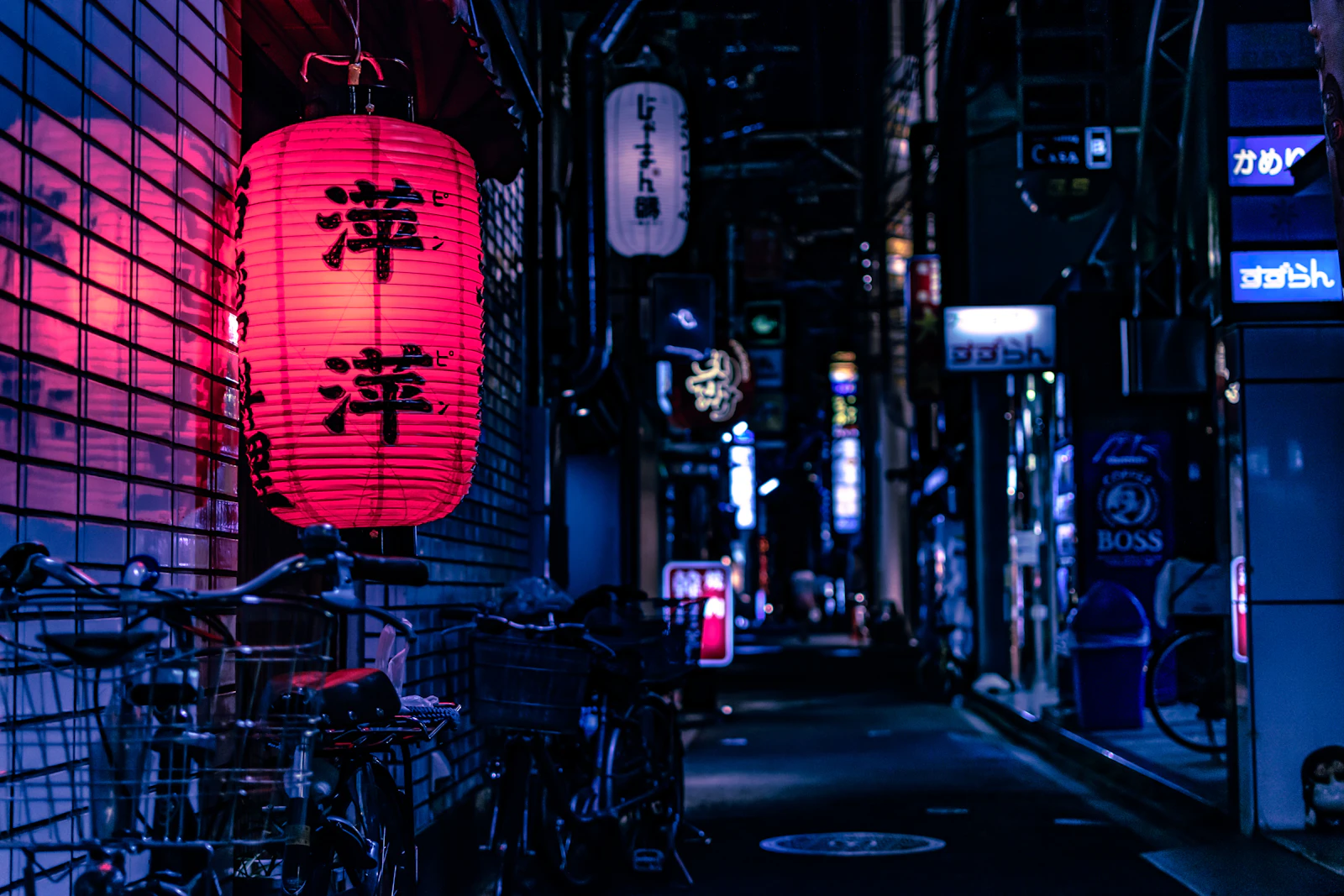 Photo: Unsplash
The first time most travelers see Koyasan rates — USD 280 to 800 per person, per night at a freshly renovated luxury sub-temple — they have the same reaction: "wait, a temple costs how much?" The second reaction, after looking a little further, is usually relief: a Soto Zen pilgrim dormitory at the gates of Eiheiji costs USD 55 a night including a vegetarian dinner. Both numbers are real. Both are shukubo. Both come with morning service, futon bedding, and Buddhist hospitality. The difference is the region, the temple's history, and what you are quietly paying for besides the room.
This guide breaks down what a temple stay actually costs across Japan's four major shukubo regions in 2026 — Koyasan in Wakayama, Eiheiji in Fukui, Kyoto city and prefecture, and Dewa Sanzan in Tohoku. Every price below is taken from a real published temple in our directory, not invented. By the end you will know which region matches your budget, what you get for the money at each tier, and where to book to avoid paying more than you have to.
A note on framing before the numbers. Shukubo are not hotels with a Buddhist theme; they are working temples that happen to also accept overnight guests. That means the per-night price almost always bundles dinner, breakfast, the room, communal bathing, and access to morning service or other rituals — items that on a Western booking site would be itemized as a four-figure stack. Reading the numbers below as "room rate" alone makes them look expensive. Reading them as "two-meal dinner, breakfast, room, ritual access" makes the cheaper end of the range — USD 55–130 in most regions — look genuinely competitive against any other Japanese accommodation tier.
| Region | Budget (per person, per night) | Mid | Luxury | Notes | | --- | --- | --- | --- | --- | | Koyasan | USD 95–130 | USD 130–260 | USD 280–800 | 117 sub-temples, almost all include dinner + breakfast; highest English support | | Eiheiji & Fukui | USD 55–95 | USD 110–180 | USD 195–320 | Strict Soto Zen austerity; Hakujukan is the modern outlier | | Kyoto Area | USD 60–110 | USD 90–230 | USD 230–350 | City access premium; some rooms-only with no dinner | | Dewa Sanzan & Tohoku | USD 70–95 | USD 95–140 | USD 140–200 | Pilgrim shukubo tradition; Shugendo cuisine; less English |
All figures are per person, per night, in low-to-mid 2026 USD, typically including a shojin ryori dinner and breakfast unless noted. Holiday and foliage peaks add 15–40 percent on top.
Koyasan is the most expensive shukubo region in Japan, and there are real reasons for it. The mountain is the 1,200-year-old headquarters of Shingon Esoteric Buddhism, a UNESCO World Heritage site, and the single temple-stay destination most international travelers know by name. With roughly 117 sub-temples on the plateau and just over 50 of them accepting guests, demand outruns supply almost every weekend from cherry blossom season through autumn foliage. Prices reflect that.
A useful frame: Koyasan rates are essentially Kyoto-ryokan rates with a Buddhist morning service attached. The cheapest published rooms on the mountain start at about USD 95 per person at temples like Henjoson-in and Sekisho-in. Mid-range temples — the English-friendly Eko-in, garden-focused Saizen-in, riverside Soji-in — cluster around USD 130 to 260. Luxury starts at Fukuchi-in (the only shukubo with its own natural onsen) and climbs through Rengejo-in to Ichijo-in, where a renovated four-suite layout pushes the ceiling to USD 800 per person on premium nights.
What that money buys, almost universally, is a multi-course Buddhist vegetarian dinner, breakfast, a tatami room with futon bedding, communal cypress bathing, and access to the morning service and Goma fire ceremony. The English experience layer — bilingual reception, English-led Ajikan meditation, an English Okunoin night tour — is what pushes Koyasan into the upper price bands. If you want all of it, plan on USD 200 per person as a realistic baseline. If you can do without an English-led tour, you can land closer to USD 100.
The other Koyasan price driver is the morning service. At a working Shingon temple, the 6:00 AM service is a real ritual, not a tourist demonstration, and the temples that do it best — with chanted Heart Sutra, esoteric mudras, and a closing fire ceremony — are typically the ones charging at the top of the range. You are not paying for a hotel-tier room; you are paying for a 1,200-year-old liturgical performance that you happen to also sleep in. Once that frame clicks, the USD 280 price tag on an Ichijo-in stay reads very differently from a USD 280 business hotel in Osaka 90 minutes away.

At the budget end, Shojoshin-in, Henjoson-in, and Sekisho-in all publish rates from about USD 95 per person, climbing to USD 220–260 at the upper room grades. These are large temples — Sekisho-in has 62 rooms — so the atmosphere leans hotel-traditional rather than intimate, but the morning service, shojin ryori, and walking access to Okunoin are the same as you get at the pricier temples. Hoki-in (USD 110–240) and Hosen-in-area temples sit in the same band when available.
The mid tier is where most international visitors actually book. Eko-in (USD 130–280) is the famous English-friendly option, with bilingual Goma ceremony and the nightly Okunoin walk that most travel articles describe. Henjoko-in (USD 140–300), Yochi-in (USD 120–280), and Saizen-in (USD 150–320) round out a strong middle group with smaller room counts and notable gardens — Saizen-in has three Mirei Shigemori gardens and only 15 rooms.
Luxury on Koyasan means three temples. Fukuchi-in (USD 175–390) earns it through the onsen and the Mirei Shigemori garden trio. Rengejo-in (USD 230–480) earns it through the boutique 13-room scale, bilingual hosts, and the Sanada family heritage. Ichijo-in (USD 280–800) earns it through the 2023 renovation that turned ten rooms into four very large suites with private hinoki baths — see our full breakdown in our 10 best Koyasan temple stays guide. On all three, peak-season pricing lands closer to the top of the range; shoulder-season midweek is closer to the floor.
Eiheiji is the head temple of Soto Zen Buddhism, founded by the monk Dogen in 1244, and the price logic here is almost the inverse of Koyasan. Koyasan sells you a polished cultural product; Eiheiji sells you actual monastic discipline. The main monastery itself offers a Sanro stay — a guest dormitory inside the working temple — for USD 55 to 70 per person, with full participation in the 3:30 AM zazen and Buddhist meals. That is by some distance the cheapest serious shukubo in Japan, and it is also the most demanding: there is no curfew you can stretch, no late check-in, and shojin ryori is eaten in formal monastic silence.
Around the mountain are smaller affiliated and pilgrim shukubo. Tenryu-ji in Matsuoka offers traditional Soto Zen lodging in the USD 60–100 range; Hokyo-ji in the Fukui countryside drops as low as USD 20–25 for a true pilgrim-bunk experience (when published). The contrast with Koyasan is striking: same Buddhist hospitality model, same vegetarian dinner, half to a third of the price. Compare the two paths side-by-side in our Koyasan vs Eiheiji guide.
The reason Eiheiji can charge less is partly philosophy and partly geography. Soto Zen austerity is baked into the experience — plain tatami rooms, no garden water features, no English-narrated tours, no curated luxury. And the Fukui countryside has nothing like Koyasan's ratio of international demand to monastic capacity. The result is that Eiheiji-region shukubo are the closest thing in Japan to "what a temple stay was before tourism." If price-per-authenticity is your metric, this region wins, full stop.
Eiheiji-Sanro: USD 55–70 per person, per night including dinner and breakfast. This is the in-monastery dormitory and the price floor for serious Japanese shukubo. Expect a futon on a tatami floor, shared bathing, lights out early, and the option of joining the resident monks at the 3:30 AM zazen. Bookings happen through the temple directly and tend to fill 6–8 weeks ahead in spring and autumn.
Tenryu-ji Matsuoka and other countryside Soto Zen temples in the USD 60–100 band offer a slightly more relaxed version of the same model — still authentic, still vegetarian, but with private rooms and less rigid scheduling. These are excellent options for travelers who want the Eiheiji region without the early-morning monastery discipline.
Hakujukan: USD 195–320 per person. This is the unicorn of the Eiheiji region — a Zen-styled boutique inn opened in 2019 directly across from the temple gate, blending monastic aesthetic with hotel comfort. It is the only published "luxury" option in Fukui shukubo terms, and it pulls travelers who want morning zazen at the head temple without sleeping inside it. If you can only afford one comfort-tier shukubo in the region, this is the one.
The trade-off when comparing Hakujukan against luxury Koyasan: at Hakujukan you sleep in a contemporary minimalist room and walk to the head temple gate for the morning service. At Ichijo-in or Rengejo-in you sleep inside the working temple compound itself. Both are valid versions of "premium temple stay," but they answer different questions. Travelers who want the most aesthetic version of Zen for one night usually prefer Hakujukan; travelers who want to wake up inside a centuries-old monastic compound choose Koyasan luxury.
Kyoto is the most fragmented shukubo market in Japan. The city has the highest density of historical temples in the country, but only a fraction of them accept overnight guests, and the ones that do span an unusually wide quality and price spectrum. You can sleep at a working Rinzai Zen sub-temple for USD 60 or in a Tendai monzeki-style suite for USD 280. Both are technically shukubo, and the difference between them is genuinely larger than the difference between Koyasan budget and Koyasan luxury.
The Kyoto premium is location, not lodging quality. A shukubo within 20 minutes of Kyoto Station is competing directly with conventional hotels and ryokans for the same traveler, which keeps room-only rates reasonable but pushes dinner-included rates upward. Many Kyoto temples now offer rooms-only options at lower price points and let guests skip the shojin ryori meal — a structural difference from Koyasan, where almost every booking includes both meals by default. See the full city breakdown in our Kyoto temple stay guide.
The other Kyoto wrinkle is the monzeki tradition. A monzeki sub-temple is one historically headed by an imperial prince or noble, and a small number of these — Shogoin, parts of the Daikaku-ji complex — still offer guest lodging in former princely quarters. Where you find them, expect a 30–60 percent premium over a regular shukubo room of similar size, justified by the architectural and historical pedigree.
Shunkoin: USD 60–120 per person. A Rinzai Zen sub-temple of Myoshin-ji on the west side of Kyoto, with bilingual zazen and a vice abbot who has hosted English-speaking guests for over a decade. This is one of the best value picks in the entire country — temple stay, Zen meditation, and English guidance for less than a midrange business hotel. Myoren-ji (USD 30–50) is even cheaper for the truly budget-conscious, though English support is minimal.
Hanazono Kaikan: USD 90–230 per person. The official guest lodging of Myoshin-ji, the largest Rinzai Zen head temple in Japan. Modern facility, sit-zazen and morning service options, shojin ryori dinner available as an add-on. Chion-in Wajun Kaikan (USD 80–230) offers a similar profile at the Pure Land Buddhist head temple in Higashiyama — same convenience-driven mid-range positioning.
Shogoin Gotenso: USD 110–280 per person. A monzeki-class Tendai temple lodging east of central Kyoto, occupying former imperial princely buildings. The atmosphere is closer to a private heritage ryokan than a standard shukubo, and the rates reflect it. For travelers who want monzeki architecture without traveling outside Kyoto city, this is the obvious pick.
A common Kyoto strategy worth knowing: pair one budget shukubo night for the experience (Shunkoin, Myoren-ji, or Daishin-in at USD 35–70) with one or two nights at a regular ryokan or business hotel. You get the temple-stay experience without committing every night of a Kyoto leg to early curfews and 6:00 AM morning services. Most travelers find this balance more sustainable than back-to-back temple nights for an entire week, especially if Kyoto is the second or third stop on a longer Japan itinerary.
Dewa Sanzan — the three sacred mountains of Haguro, Gassan, and Yudono in Yamagata — is the spiritual heartland of Shugendo, Japan's mountain-ascetic tradition. The region has the second-oldest continuous shukubo tradition in the country (after Koyasan), and unlike Koyasan it has not been heavily commercialized. Most lodging is at shukubo run by hereditary mountain priest families on Haguro's pilgrim street, and prices reflect both the cuisine's simplicity and the area's distance from major international tourism circuits.
Expect USD 70 to 180 per person per night across the spectrum. That includes dinner — typically Shugendo shojin ryori featuring local mountain vegetables, mushrooms, and pickles — plus breakfast and a futon room. The trade-off compared to Koyasan or Kyoto is English support: most pilgrim shukubo are run by older families with limited English, and bookings often go through ryokan associations or by direct phone. Our Dewa Sanzan shukubo guide walks through which ones accept foreign-language inquiries.
The price-to-experience ratio in this region is, frankly, the best in Japan. You sleep in a 17th-century mountain-priest household, eat dishes made from ingredients picked that morning, walk 2,446 stone steps to the top of Haguro-san past a 600-year-old five-story pagoda, and pay less than half what you would on Koyasan for a comparable Buddhist hospitality experience. The catch is just getting there: the nearest shinkansen station is Niigata or Yamagata, and from either, you still need a bus or rental car.
Travelers who do make the trip overwhelmingly describe it the same way: the most rewarding shukubo experience they had in Japan, at the lowest price. That is partly because Tohoku has not been polished for international tourism — you genuinely get hereditary mountain-priest hospitality rather than a curated version of it — and partly because the Shugendo cuisine and ritual atmosphere are simply different from what Koyasan or Kyoto offer. If you have time for only one shukubo on a Japan trip and you do not need bilingual hand-holding, the Dewa Sanzan case is strong.
Saikan Haguro: USD 75–110 per person. Operated by Dewa Sanzan Shrine on the summit plateau of Haguro-san itself, this is the only lodging at the mountaintop and the most atmospheric pick in the region. Shugendo cuisine, traditional tatami rooms, dawn worship at the Sanjin Gosaiden hall — book months ahead for autumn foliage. Tamon-kan (USD 90–130) and Kanbayashi Shokin (USD 95–135) are strong mid-range picks on the Toge pilgrim street at the base of the mountain.
For the budget tier in Tohoku shukubo, Miyata-bo (USD 70–110) and Yudonosan Dainichi-bo (USD 75–110) offer the classic pilgrim-house experience at near-Eiheiji prices — shared facilities, simple but authentic Shugendo shojin ryori, and intimate scale (most have under 15 rooms). Daisho-bo (USD 110–200) sits at the upper end of the regional range, offering a slightly more polished version of the same hospitality.
One thing worth noting about Tohoku pricing: the same shukubo can publish noticeably different rates between summer pilgrimage season (July to August, when the traditional Dewa Sanzan three-mountain pilgrimage hits its peak) and the rest of the year. Pilgrim-house rates in midsummer can climb 10 to 20 percent over the listed bands, and certain rooms close to dawn-ritual halls book six months out. If you are not specifically attached to the summer pilgrimage timing, late September through mid-October gives you the best foliage-versus-rate trade-off in the region.
The Japanese shukubo industry inherited its pricing convention from the ryokan world, which means most published rates are "ippaku nishoku" — one night, two meals. In practice this almost always means a shojin ryori dinner served in your room or a private dining room at 18:00, breakfast the next morning around 7:00 to 8:00, plus the futon bedding, tatami room, communal bathing, and use of yukata cotton robes. That is the assumed baseline at virtually every Koyasan and Dewa Sanzan shukubo, and at most Eiheiji-region temples.
What is increasingly varying is whether dinner is mandatory. A growing number of Kyoto temples — especially the larger Buddhist association guest halls like Hanazono Kaikan and Chion-in Wajun Kaikan — now publish two rates, one with dinner and one room-only. Skipping dinner saves around USD 35 to 60 per person but means you also miss the most distinctively temple-stay part of the experience. We generally recommend taking dinner at least once, even if you skip it on subsequent nights of a multi-night stay.
The other usual extras: bath towel and toothbrush are almost always included; consumption tax (10 percent) is almost always already in the displayed price for international booking platforms but sometimes added separately on direct bookings; a "bathing tax" of about JPY 150 to 300 is occasionally added at temples with natural onsen (Fukuchi-in, Hakujukan); and tea ceremony, sutra copying, or Ajikan meditation are usually USD 15 to 40 extra per person when offered as optional sessions.
Worth knowing on the food side: shojin ryori varies more in elaborateness than in core ingredients across regions. Koyasan tends toward the most ornamented Buddhist banquet style — five or six small lacquered dishes, sesame tofu, koyadofu (the freeze-dried tofu invented on Mt. Koya), seasonal mountain vegetables, and a small clear soup. Eiheiji and Soto Zen temples lean toward a more austere three-bowl format closer to actual monastic practice. Dewa Sanzan dishes feature local Shugendo specialties — gobo (burdock), warabi (bracken), and zenmai (royal fern) — that you genuinely cannot eat anywhere else in Japan. The visible price difference often reflects how many dishes hit the table, not how good the food is.
Tip
When prices DON'T include something, the usual suspects are: (1) cultural experience add-ons (zazen with a private instructor, sutra copying, fire ceremony front-row seating), (2) alcohol — most temples either don't serve it or charge separately, (3) airport-pickup or station transfer at the more luxury-positioned shukubo, and (4) on rare occasions, a special-meal upgrade if you want a more elaborate Buddhist banquet dinner. Always confirm with the temple before assuming.
For a first-time temple stay (one or two nights, want English support, want the classic Buddhist experience): Eko-in on Koyasan at USD 130–280, or Shunkoin in Kyoto at USD 60–120. Both have bilingual staff, structured programs, and the kind of guided introduction that a first-timer benefits from. Skip the deep-luxury Koyasan suites on your first visit — you will appreciate them more after you have done a baseline shukubo and know what you are comparing against. The same logic applies to Hakujukan in the Eiheiji region: it is wonderful, but better appreciated as a follow-up than as an introduction.
For a pilgrim or genuine practitioner (multi-night, want immersion, willing to do early mornings and silence): Eiheiji-Sanro at USD 55–70, or Saikan on Haguro-san at USD 75–110. Both put you inside the active worship life of the temple in a way the more guest-oriented Koyasan shukubo cannot. Bring patience for the Japanese-only signage, and expect to participate in dawn services as a non-negotiable part of the program.
For a cultural deep-dive (architecture, gardens, art history): Ichijo-in or Saizen-in on Koyasan, Shogoin Gotenso in Kyoto, or Daisho-bo at Dewa Sanzan. The premium you pay at these temples is going toward National Treasure pagodas, Mirei Shigemori gardens, monzeki imperial-quarter architecture, or 17th-century mountain-priest interiors — concrete cultural value, not just nicer bedding.
For a family with kids: smaller-scale, less rigid shukubo are easier than the disciplined head-temple options. Eko-in, Henjoson-in, and Sekisho-in on Koyasan all have family rooms and a comparatively lenient stance on bedtime; Hanazono Kaikan in Kyoto is essentially a Buddhist conference center and handles families easily. Avoid Eiheiji-Sanro and the more austere Dewa Sanzan pilgrim houses unless your children are genuinely capable of monastery-mode quiet — those are not the right introduction to Japan for a tired six-year-old after a day of travel.
Shukubo pricing is more seasonal than most travelers expect. Spring cherry blossom (late March to mid-April), autumn foliage (mid-October to late November), Golden Week (late April to early May), and New Year (December 28 to January 3) are the four high-demand windows. Across all four regions, expect 15 to 40 percent premiums during these periods, with Koyasan and Kyoto skewing toward the upper end of that range.
Conversely, the deepest discounts cluster in mid-January through early March (Koyasan and Dewa Sanzan get genuinely cold and quiet), in early June before the rainy season picks up, and in early September after summer holidays end but before autumn color demand starts. Mid-week stays in these windows can drop 20 to 30 percent off shoulder-season prices, especially at temples that take direct bookings without intermediary platforms.
The bigger swing — and the one most travelers miss — is day-of-week. Friday and Saturday nights at a popular Koyasan shukubo can run 25 percent above the same room on a Tuesday or Wednesday, even outside peak season. The mid-week discount stacks with the shoulder-season discount in a way that, on the right dates, can move an Ichijo-in suite from USD 800 to closer to USD 450, or an Eko-in standard room from USD 280 to USD 180. If your itinerary has any flexibility, biasing your Koyasan night to a midweek shoulder-season date is the single biggest lever on overall shukubo budget.
Tip
Winter at Koyasan and Dewa Sanzan is one of the great underrated experiences in Japan — snow on temple roofs, near-empty cedar paths, and prices 25 percent below peak — but it is properly cold. Plan for sub-freezing nights, bring serious cold-weather layers, and confirm that the temple's heating arrangements suit you. Eiheiji in deep winter is similar but with more snow on the ground.
Pricing across booking channels is more uniform than it used to be — most major shukubo now use rate parity, which means the same room is priced within a few dollars whether you book direct, through Booking.com, or through a regional platform. The variation is in what each channel adds in fees, cancellation flexibility, and language support. Below is a rough comparison of the four channels most travelers actually use, and what each is genuinely best for in 2026.
| Channel | Best for | Typical price vs direct | English support | Notes | | --- | --- | --- | --- | --- | | Stay22 (multi-platform) | Comparing 3+ OTAs side-by-side | Match | High | Aggregates Booking, Expedia, Agoda inventory; good for last-minute | | Trip.com | Travelers from China, Taiwan, Hong Kong | Match or -2 to -5% | High | Best inventory coverage in zh-cn/zh-tw; competitive non-refundable rates | | Klook | Add-on experiences (Goma, Okunoin tour) | Match | High | Strongest for bundling experiences with the stay | | Direct (temple site) | Off-peak, multi-night, or specific dietary requests | Match | Variable | Best flexibility on custom requests; often slower confirmation |

Our pragmatic advice: compare on Stay22 first to see the multi-platform price for your dates, cross-check on Trip.com if you read Chinese or want to see whether a non-refundable rate undercuts the refundable one, and only go direct if you have a specific dietary request, want to negotiate a multi-night discount, or are booking during a soft-demand window when the temple may have unposted availability. For the high-end Koyasan suites, direct booking sometimes also unlocks a slightly better room assignment within the same price tier.
One pricing pattern worth watching: at most Koyasan and Kyoto shukubo, the difference between a flexible-cancel rate and a non-refundable rate is roughly 10 to 15 percent. For shoulder-season midweek nights, where weather is unlikely to disrupt your itinerary, the non-refundable rate is usually the better deal. For cherry blossom or autumn foliage peaks — where typhoons in early autumn or unexpected snow late spring can genuinely upset travel plans — the small flexible-rate premium is worth paying. Trip.com tends to surface the largest non-refundable gap; Booking and Expedia tend to be more conservative on that spread.
Is the per-person rate per adult, or per room? It is per person, per night, almost everywhere. A double room booked as two adults is roughly double the per-person rate, with small variations. This is the same convention used by traditional Japanese ryokan and is the main reason shukubo rates can look higher than equivalent Western hotels on first read.
Are kids cheaper? Usually yes, but the discount structure varies. Most temples charge roughly 70 percent for elementary-school-age children (with adult meals), 50 percent for younger children (with kids' meals), and a small infant fee or free for kids under three with no meal or bedding. Confirm before booking — a few of the more austere monastery-style shukubo prefer adults-only.
Why is Koyasan more expensive than Kyoto, even though Kyoto is a major city? Because Koyasan demand is more inelastic. Travelers come to Koyasan specifically for the temple-stay experience and have no Western-hotel alternative on the mountain. Kyoto travelers can substitute a ryokan or business hotel if shukubo prices climb too high, which keeps a ceiling on what Kyoto temples can charge. Koyasan does not have that competitive pressure.
Can I find a shukubo under USD 50 per night? Yes, but rarely with dinner included and rarely with English support. Hokyo-ji in the Fukui countryside and Myoren-ji in Kyoto both publish rates in the USD 20–50 band when available, and some Dewa Sanzan pilgrim houses dip into the USD 60s on midweek shoulder-season dates. Expect simple rooms, no English, and either room-only or a very pared-back meal plan.
Are the published prices already in USD, or are they converted from JPY? The temple itself sets prices in Japanese yen. International booking platforms convert at their daily exchange rate, which means the same room booked on the same day can show a 1 to 3 percent USD price difference between Booking, Expedia, and Trip.com. The variation typically does not exceed USD 10 per night except at the highest luxury tier.
Do these prices include the shojin ryori dinner? Almost always yes on Koyasan, Dewa Sanzan, and at Eiheiji-region shukubo — the rate is "one night, two meals" by default. In Kyoto the answer is "depends on the temple." Smaller shukubo and zen sub-temples almost always include the meals; large guest halls like Hanazono Kaikan and Chion-in Wajun Kaikan often publish both with-meals and room-only rates. Always check which rate you are looking at before comparing across platforms.
Whichever region matches your budget and travel style, the underlying experience — waking in a tatami room, eating a multi-course Buddhist vegetarian dinner, sitting in seiza for a morning service in a hall that has stood for centuries — is the same. The price differences are real, but they reflect what the region offers around the core experience: English narration on Koyasan, monastic discipline at Eiheiji, urban access in Kyoto, mountain-priest tradition at Dewa Sanzan. Pick the region that matches what you came to Japan for, and the budget tier that matches what you can comfortably spend, and any of these 45 temples will give you a stay you remember.
One closing piece of practical advice. Whatever rate you see for a given temple on a given date, double-check it on at least two channels before you book — Stay22 to see Booking and Expedia side-by-side, and Trip.com for the non-refundable comparison. The price-parity convention means the difference will rarely exceed a few dollars, but on luxury Koyasan suites or peak-season Kyoto nights, "a few dollars" can mean USD 30 to 60 across a two-night stay. That is dinner at a soba restaurant on the way home. Worth the two minutes of cross-shopping.
Ready to book?
Browse our curated collection of authentic Buddhist temple stays across Japan. Filter by region, sect, and experience.
Start ExploringRecommended Temples for This Guide
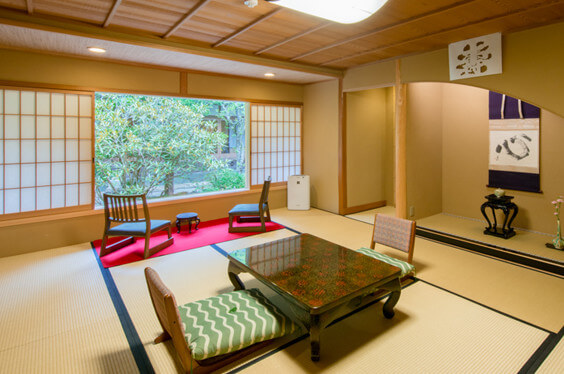
一乗院
A renovated luxury shukubo on Mt. Koya with just four garden-view suites, each with a private hinoki cypress bath, and acclaimed shojin ryori cuisine.
from $280 /per night
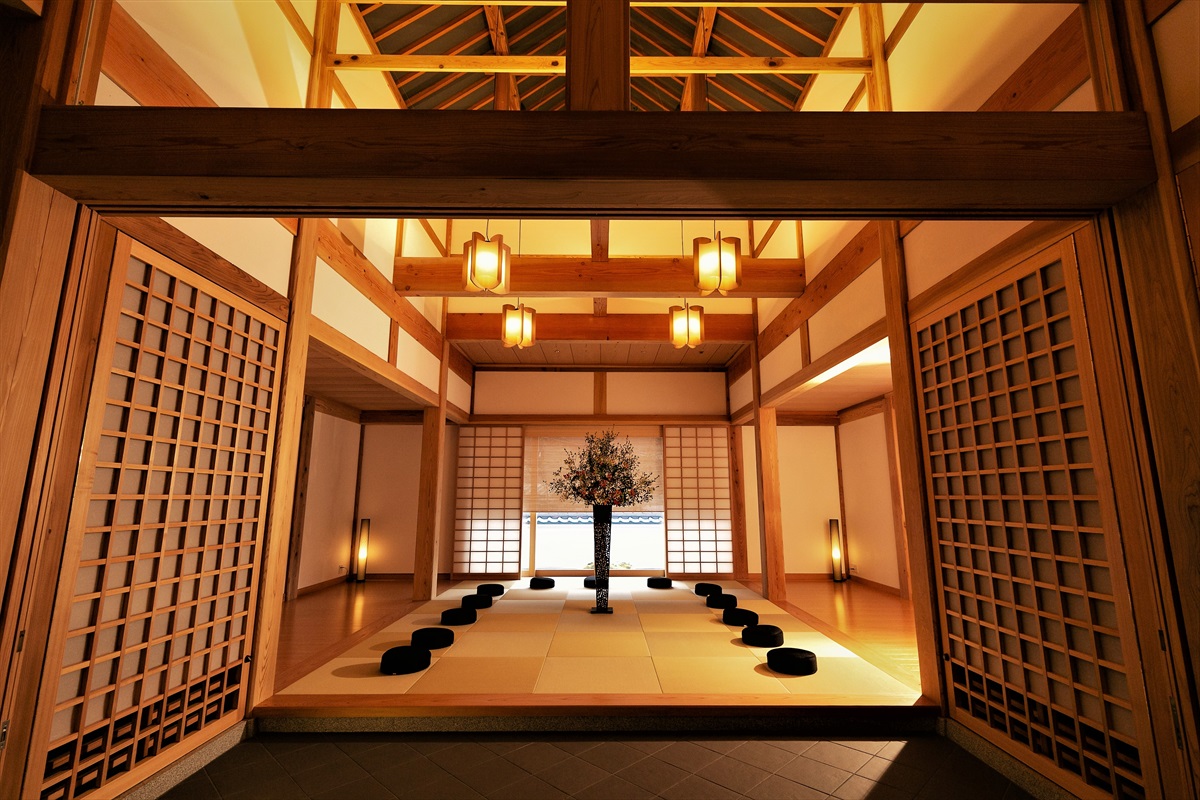
永平寺 親禅の宿 柏樹関
A modern Zen inn at the gate of Eiheiji, with 18 cedar-built rooms, evening zazen and access to the temple's pre-dawn morning service.
from $195 /per night
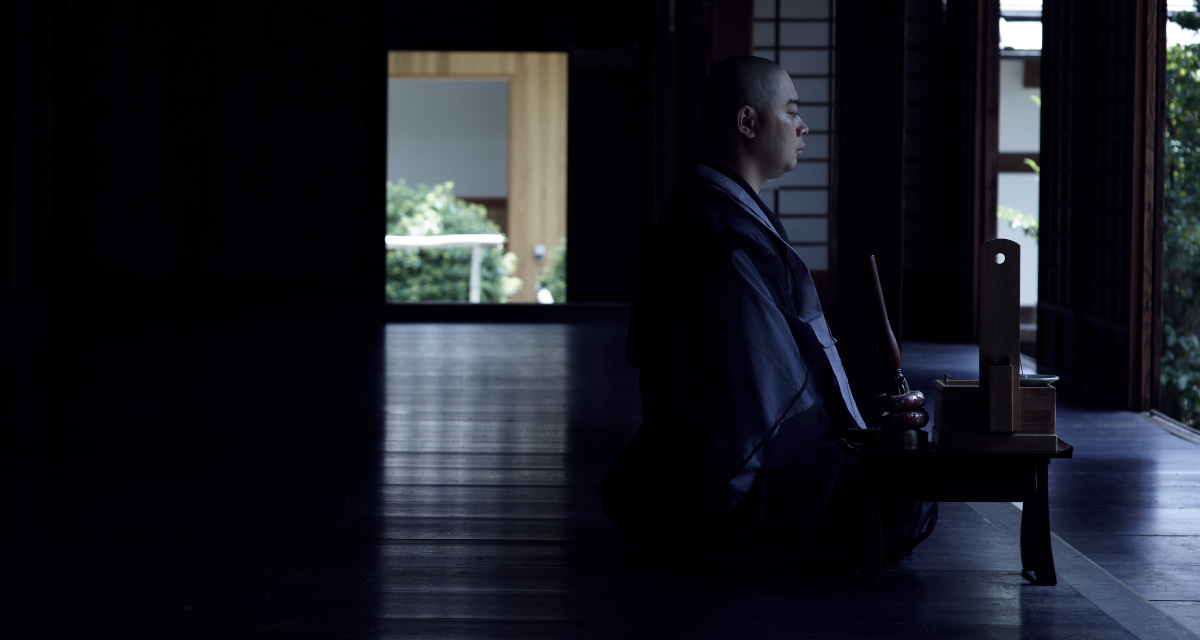
春光院
Kyoto's most internationally renowned Zen shukubo, offering English-led meditation classes and modern en-suite rooms inside a 1590 Myoshin-ji sub-temple.
from $60 /per night

羽黒山参籠所 斎館
The only Edo-era shukubo still standing on the Haguro-san summit, run by Dewa Sanzan Jinja, with Michelin-listed mountain-herb shojin ryori.
from $75 /per night
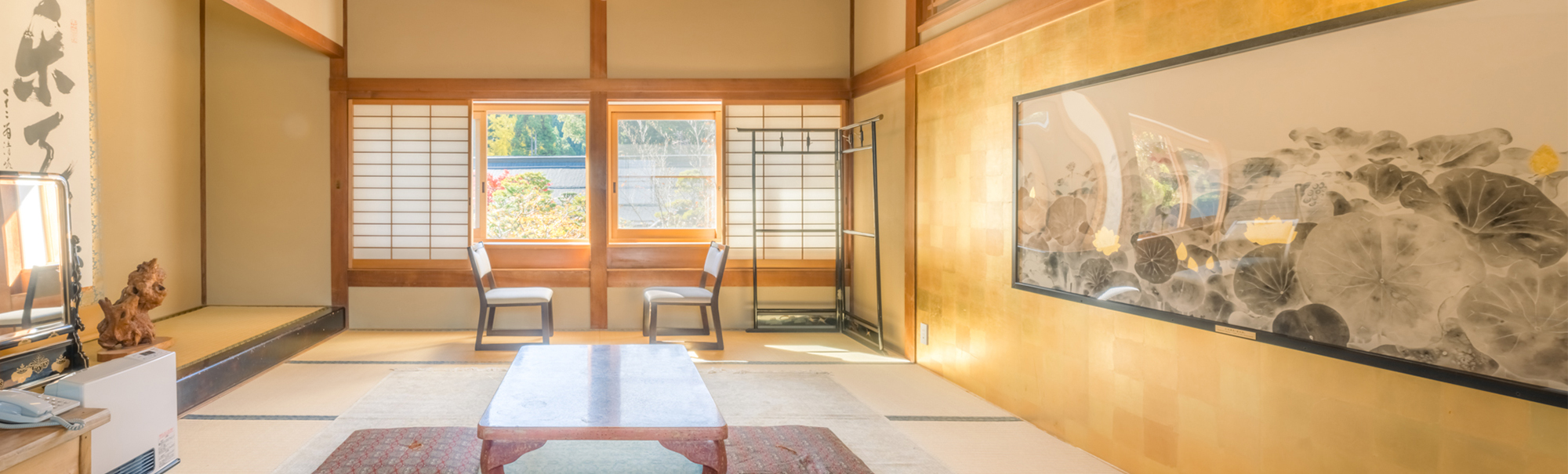
恵光院
A flagship Koyasan shukubo with English-guided Goma fire ceremony, Ajikan meditation, and nightly Okunoin tours.
from $130 /per night

