
|
|
|
|
|
|
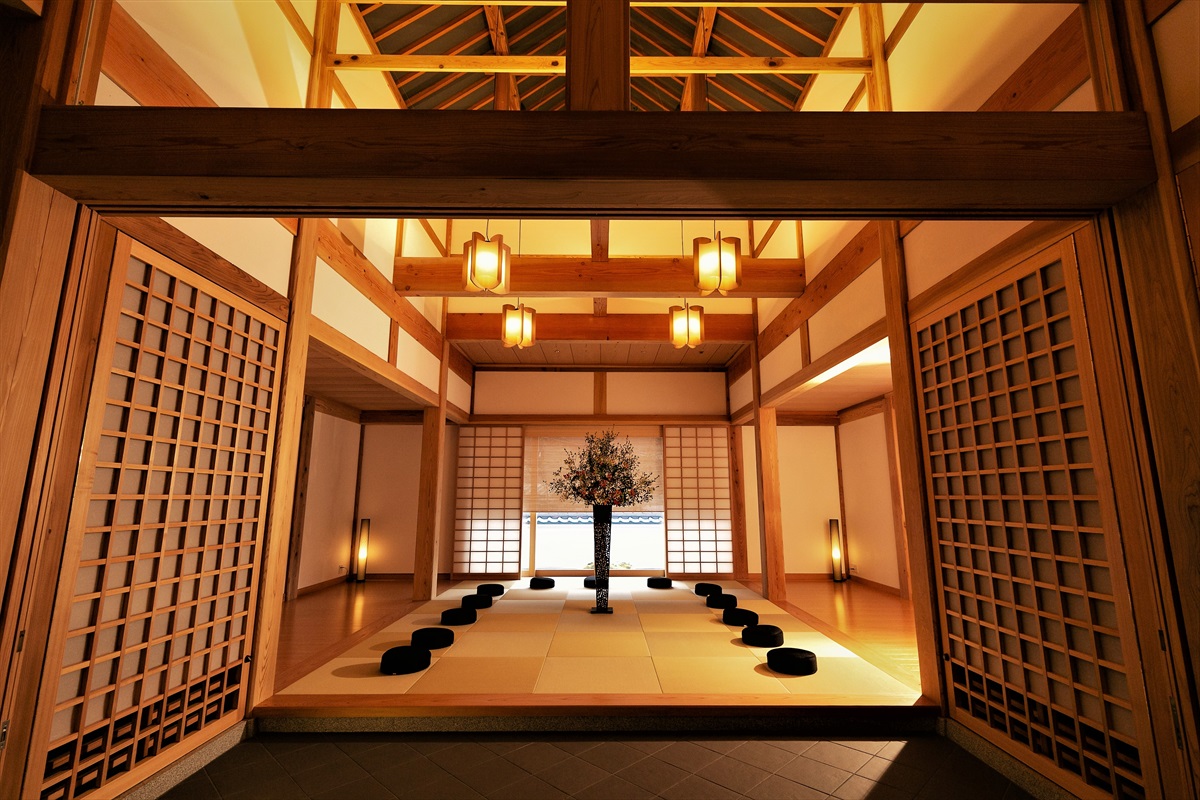
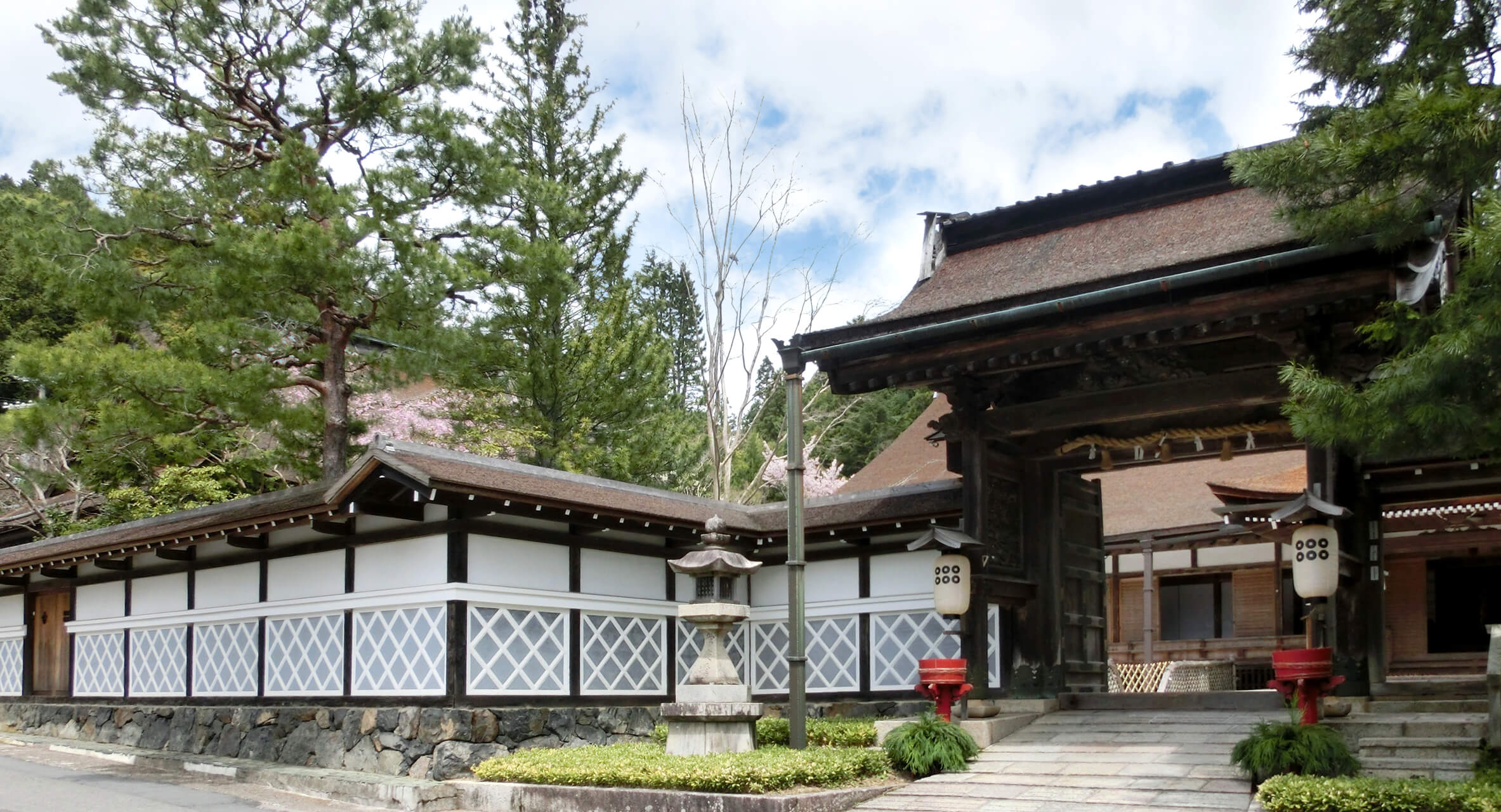 Photo: Rengejo-in Koyasan (rengejoin.jp)
For solo women travellers, shukubo is one of the most under-recommended forms of Japanese accommodation — and arguably one of the safest and most welcoming. The setting is staffed around the clock by monks, dinner is communal so you are not eating alone at a table for one, and the 21:00 curfew structurally removes the late-night risk profile that solo women weigh at any other hotel. After several years of writing about temple lodging and trading notes with women who have stayed at dozens of them, the consistent verdict is that the worst part of a solo shukubo trip is wishing you had booked two nights instead of one.
That said, the unspoken rules and the practical logistics are not the same as at a hotel. The bath schedule is gendered and posted, the corridors are paper-walled, the walk to the bathroom is sometimes done in a yukata, and dinner is in a shared hall where you may be the only Western woman in the room. None of this is risky. All of it is navigable. This article walks through both halves — the social texture and the practical logistics — from booking to bath etiquette to after-dark walking, with specific temple recommendations for women who want a first solo shukubo to feel less like a leap and more like a soft landing.
The case for shukubo as a solo female accommodation type is structural, not romantic. Start with staffing: monks live on-site. Even when the front desk closes at 21:00, the temple is occupied by people whose entire vocation is responsibility to the building and its guests. There is no shift change at midnight, no empty lobby, no anonymous corridor. If you press the call button at 2 a.m., a monk in working robes will come.
Communal meals solve the awkward solo-dinner-table problem that haunts solo travel at conventional restaurants and hotel dining rooms. At a shukubo you eat in a shared hall or in your own room — either way there is no maitre d' offering you the worst table in the back because you are by yourself. The 21:00 curfew, often treated by guidebooks as a quaint inconvenience, is actually one of the largest features of the format for women travelling alone: there is no late-night risk profile because there is no late night. The gate closes, the bath shuts down, the hallways go quiet.
The structured day also matters. Check-in at 15:00, bath, dinner, lights down, morning service at 6:00, breakfast, check-out. You are never alone with nothing to do, which for solo travellers in unfamiliar countries is often the part that quietly turns into anxiety. Bathing is gender-separated by posted schedule, signs are usually in both Japanese and English at international-facing temples, and the segregation is observed without exception. Finally, you are inside a religious institution, which sets a baseline of behaviour across all guests. Drunken hallway noise is rare. The other guests are mostly couples in their fifties, families, and other solo travellers. The vibe is not a hostel in Bangkok.
One more structural feature worth naming: the temple is operating on its own daily liturgy regardless of you. The bell rings at 5:30 because it rings at 5:30, not because a manager wants to wake the guests for breakfast. That rhythm exists independently of whether the shukubo is full or empty, and it produces an unusually stable atmosphere — staff are not improvising the day around you, they are running a routine you are briefly inside. For solo women who find conventional hospitality slightly performative, this difference is often what makes shukubo land.

Most of the anxiety women report before their first solo shukubo turns out to be misallocated. The things that look risky from the outside are usually fine; the things that catch first-timers off guard are smaller and more administrative. Worth knowing in advance:
The walk to and from the bath in your yukata. Completely normal. All guests do this — men, women, older couples, kids. No one comments, no one stares, and there is no harassment risk in this setting. You wrap the left side over the right (the opposite is for the dead), tie the obi simply, and walk the wooden corridor in your supplied slippers. If you are more comfortable in your own bathrobe, that is also fine; nobody enforces yukata-only.
Sharing a temple corridor with male guests at 11 PM. Extremely rare, because of the 21:00 curfew, and not a risk situation. Most guests are already in their rooms by then. If you are nervous, the staff door at the front of the wing is always findable — at every shukubo there is a labelled or marked door that connects to staff quarters, and someone is awake. You will not need it, but knowing where it is removes the background hum of worry.
Eating dinner alone in the shared dining hall. Roughly 30% of shukubo guests are solo travellers, with that proportion higher at English-friendly Koyasan temples. You will not be the only person at a table for one. At many temples dinner is actually served in your private room, in which case the question does not even arise. At the ones with a shared hall, the format is typically a long low table where solo guests sit alongside each other, eat the same multi-course shojin ryori, and either chat or do not, with no pressure either way.
Morning service in the dark. The hall is dimly lit, you sit at the back on a low bench or cushion, and the focus is on the priests at the altar. No one notices you. You do not need to chant, bow, or know what is happening. You are a respectful observer. If you arrive late or leave early, nobody minds — the service is offered, not imposed.
Locking your room. This is the one logistical detail that surprises first-time solo guests: many traditional shukubo rooms do not have a lock on the door — the door is a shoji or fusuma panel that simply slides shut. Valuables go in the small in-room safe (newer shukubo) or stay with you (older sub-temples). This sounds alarming and turns out not to be. Theft inside an occupied shukubo is vanishingly rare; the building is small, the staff know every guest by name within an hour of check-in, and the cultural baseline against it is high. If you genuinely need a lockable door, the larger shukubo — Eko-in, Fukuchi-in, Hakujukan — have modern Western-style lockable doors in most rooms. Confirm at booking.
Not every shukubo is well-calibrated for solo female travellers. Six are, in different ways. These are the temples most worth a first solo booking, with the specific feature that makes each one well-suited.
The flagship English-friendly shukubo on Mt. Koya, and the one most consistently recommended for solo women. Eko-in is large enough — about 50 rooms — that you never feel isolated, but small enough that the morning Goma fire ceremony stays intimate. Yoshie-sensei and other female monks are part of the staff rotation, which makes a difference for solo women who want to ask a question without the gender dynamic feeling unfamiliar.
The English-explained Goma ceremony, the Okunoin night tour led by a monk guide, the Ajikan meditation class, and the optional sutra-copying session all turn the stay into a series of small group activities. That structure makes conversation easy without forcing it, which is precisely the texture solo travellers want. The temple has been doing this for foreign guests longer than almost anywhere else on the mountain, and it shows in the small things — clear English signage, a website that actually works, and dietary requests that are taken seriously.
A Rinzai Zen sub-temple inside the Myoshin-ji complex in northwest Kyoto. Shunkoin's Reverend Takafumi Kawakami runs English-language meditation programs that have built a steady international following over more than a decade, and a noticeable proportion of his participants are solo women in their 30s and 40s. The trust level among the regulars is unusually high for a temple program, and first-time solo guests fold into it quickly.
Central Kyoto location means you can use Shunkoin as a base for daytime sightseeing in Arashiyama, the Kinkaku-ji area, or downtown — without the logistical commitment of getting up the mountain to Koyasan. Rooms are simple, Western-style beds are available in some, and the meditation sessions are taught in clear English. For solo women who want shukubo plus a city, Shunkoin is the natural pick.
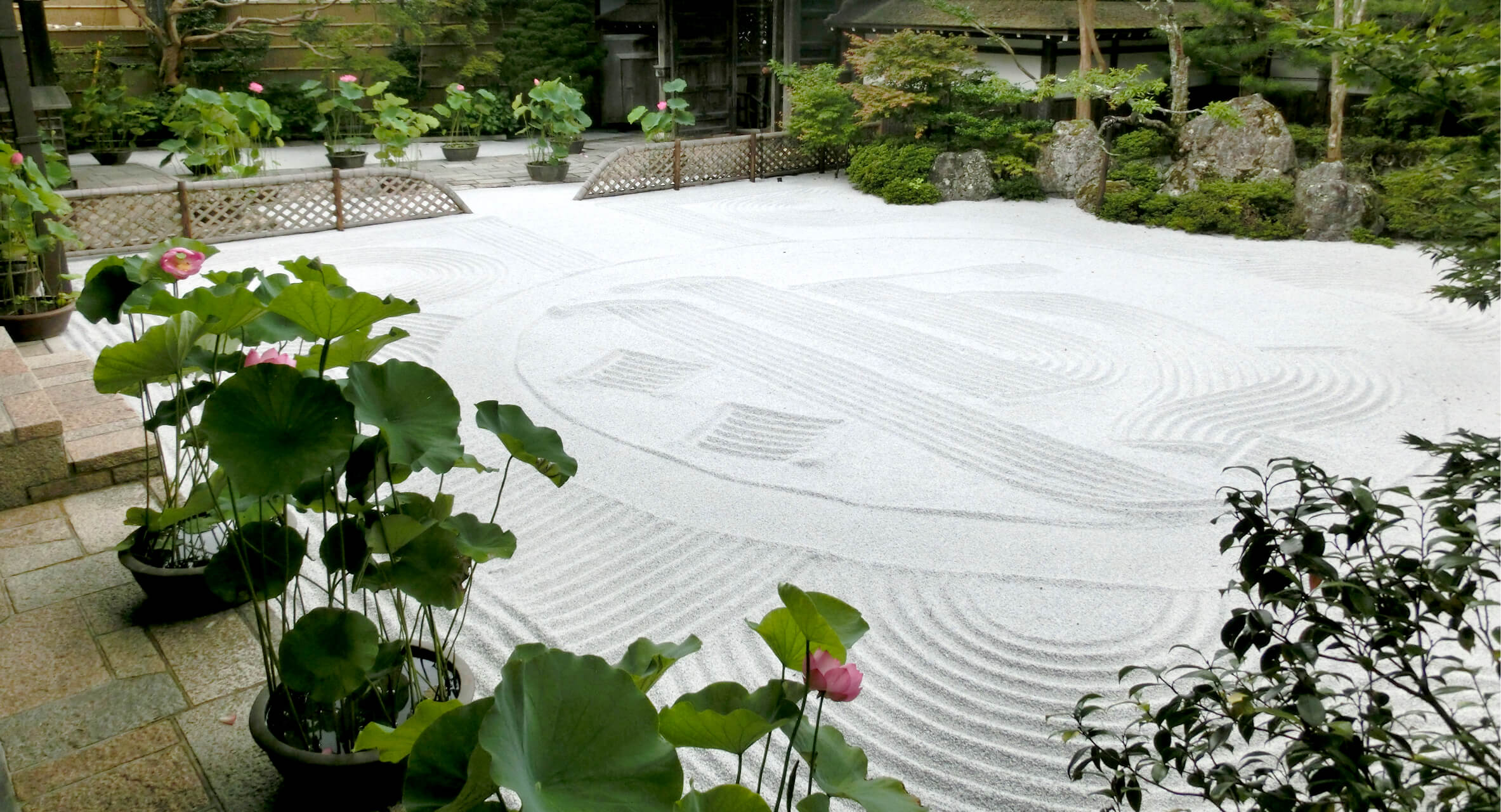
A small Koyasan temple of only 13 rooms, founded in 1190. Multilingual staff including English, and an extensive history of hosting solo female travellers from Europe and North America — to the point where the welcome routine for solo women has been well-rehearsed. The small size means you are recognised by name within an hour of check-in, and dinner is in your own room rather than a shared hall, which some solo travellers prefer.
The atmosphere is genuinely personal in a way the larger Koyasan shukubo cannot quite match. If you want the temple-as-host experience rather than the temple-as-hotel experience, Rengejo-in is the easier introduction. Book early — 13 rooms fills fast in shoulder season.
At about 60 rooms Fukuchi-in is one of the larger Koyasan shukubo, and the one most often recommended to solo women who want a slightly more hotel-grade experience. The in-house onsen, fed from a hot spring source on the property, runs on strictly posted gender-separated hours, and there are private en-suite bath options in some rooms for guests who prefer to skip the communal facility entirely.
English website, English-speaking front desk, and a dining hall that handles a steady flow of international solo travellers without making them feel like a curiosity. The size means more anonymity if you want it; the structured options mean you can also join group activities if you do not.
Boutique hotel-grade shukubo just outside the gates of Eiheiji, the great Soto Zen monastery in Fukui. Hakujukan was purpose-built in 2019 to host modern travellers who want access to Eiheiji's monastic morning service without sleeping in the monastery itself. The result is en-suite bathrooms in many rooms (no shared bathroom anxiety at all), English-speaking concierge, and the privacy and security profile of a small luxury inn.
For solo women who want the shukubo experience but with a hotel safety baseline — your own door, your own bath, your own lock — Hakujukan is the right answer. The early-morning sanro guided experience inside the monastery itself is what makes it more than just a nice hotel.
The official Pure Land lodge attached to Chion-in temple in central Kyoto, walking distance to Yasaka Shrine, Maruyama Park, and the Gion district. English-friendly check-in, modest rooms, and an unbeatable location for solo women who want a temple stay base from which to walk to dinner in Gion in the evening and be back behind the temple gate well before curfew.
The format is less austere than a Koyasan or Eiheiji shukubo — this is a city temple lodge, not a mountain retreat — but the early-morning ceremony at Chion-in itself, with its giant temple bell and Pure Land chanting, is one of the most atmospheric in Japan. A good pick if you want the structure and the location without the mountain logistics.
The bath is the part that surfaces the most pre-trip anxiety for solo women, and the part that almost always turns out to be the smoothest. Worth setting expectations clearly.
Most shukubo run a single shared bath on a rotating gender schedule — for example women 16:00 to 18:00, men 18:00 to 20:00, women again 20:00 to 22:00. The schedule is posted at the entrance to the bath and at the front desk, usually in both Japanese and English at international-facing temples. Read the posted hours when you check in. The schedule is observed strictly; you will not encounter mixed-gender bathing by accident.
You bathe nude in the gender-separated bath. This is universal in Japan — swimsuits are not worn, and a small modesty towel is the standard. You wash and rinse fully at a seated shower station first, then soak in the communal tub. There will usually be only one to four other women in the bath at the same time at a Koyasan-sized shukubo, often none. The whole format is matter-of-fact rather than performative; eye contact is brief, conversation is rare, and nobody is looking.
Tattoo policy varies by temple. Eko-in and Fukuchi-in are generally accommodating of small tattoos, and Hakujukan has private en-suite options that sidestep the question entirely. At smaller traditional shukubo a visible large tattoo may be a problem; ask in advance by email if this applies to you. A waterproof cover patch (sold at Don Quijote in any major city) is the easy workaround.
If communal bathing is genuinely not your thing, Hakujukan and some Fukuchi-in rooms have private en-suite baths, and you can book accordingly. The walk back to your room afterwards in yukata is normal, unremarked, and done by every other guest. Late soaks are not possible — baths close at 21:00 or 22:00 to match curfew, and the hot water is shut off after that.
Tip
Confirm the posted bath schedule at check-in rather than relying on the website. Schedules shift seasonally and on busy days the temple may add a third women-only window. The front desk monk will print or write it down if you ask.
Solo women evaluating Koyasan often ask about after-dark walking with more concern than the situation warrants. The mountain is one of the safer settings in Japan, which is already one of the safer countries in the world for solo female travel.
Koyasan after dark: the central street that runs east-west from Daimon gate past Kongobu-ji to Okunoin is well-lit, lined with shukubo and small shops, and populated mostly by monks and the few hundred year-round residents. Restaurants close early, foot traffic thins after 20:00, and the residual presence is overwhelmingly people in robes. The risk profile is low. Solo women walking back to their shukubo at 19:30 from a restaurant report it as one of the easier night walks anywhere in Japan.
The Okunoin cemetery night tour, offered by Eko-in (and the most popular activity on the mountain), is conducted with a monk guide in a group of 10 to 30 people. It is completely safe, runs nightly, and is hugely popular with solo women. The walk through the cedar-lined paths past the lantern-lit tombs is the single most photographed evening experience on Mt. Koya. The tour returns to the centre of town by about 21:00.
Walking back to your shukubo after the night tour: the main road back through the town is well-lit and safe. Locals do not look up. The walk takes 10 to 15 minutes depending on which temple you booked, and the gates stay open for tour returnees.
Solo walking Okunoin at 5 AM, before morning service: surprisingly common, very safe, and atmospheric in a way the night tour cannot match — mist sits in the cedars, the lanterns are out, and the only sound is your own footsteps. This is the dawn photograph most travellers come away with. Bring a small flashlight; the gravel paths between the older tomb sections are uneven. The walk back to the centre takes 25 minutes from Kobo Daishi's mausoleum.
Kyoto at night is a slightly different calculation but still favourable for solo women. Around Chion-in Wajun Kaikan, the streets through Maruyama Park and along the edge of Gion stay populated until about 22:00 with tourists and locals heading home from dinner. Walking back to the temple gate at 21:30 is fine; the side streets are quiet but well-lit. The standard Japanese caveats apply: stick to lit main routes, avoid empty side alleys near drinking districts, and the risk profile stays low. Shunkoin in northwest Kyoto is more residential and quieter after dark, with no nightlife in the immediate area at all — which is by design and makes the evening walk back from the bus stop a non-event.

The logistics of booking solo are slightly different from booking as a couple, in ways worth knowing before you start.
Single occupancy. Most shukubo charge a single supplement of roughly 20 to 30% above the per-person rate, because the per-person price assumes double occupancy. The supplement is normal and not a markup specific to your booking; it reflects that the room would otherwise sleep two. A typical solo shukubo night at Koyasan with dinner and breakfast runs about 15,000 to 22,000 yen all-in.
Solo-female-friendly pricing. Some shukubo, including Eko-in and Fukuchi-in, occasionally advertise solo-traveller-friendly direct booking rates that reduce the supplement. These tend not to appear on the OTA listings — they live on the temple's own website. Worth checking direct before defaulting to a third-party.
Email the temple when you book. Mention that you are a solo female traveller. At larger shukubo this prompts the front desk to assign you a quieter room location, often on a calmer corridor — useful if the temple has both family groups and solo guests on the same night. A one-line note in English is enough; English-friendly temples reply in English.
Dietary restrictions. Communicate any vegan, gluten-free, or allergy needs in writing at the time of booking. Shojin ryori is already vegetarian and usually nearly vegan, but bonito-based dashi can sneak in at non-traditional shukubo, and gluten in soy sauce and wheat in tempura batter are easy to overlook. Do not assume — confirm.
Where to book. Stay22 (which aggregates Booking and Expedia), Trip.com, and Klook all list the major Koyasan and Kyoto shukubo, with English-language checkout and credit-card payment. Direct booking through the temple website is usually 5 to 10% cheaper, but pays in cash on arrival at many smaller shukubo. Use the OTA for convenience and currency; use direct for price.
A handful of small cultural notes that smooth the stay and that most guidebooks do not mention.
Modest clothing is expected indoors. Covered shoulders and knees in the main hall and at meals is the right tone — not a religious requirement, but a tone-setting one. Yoga leggings to dinner read as out of register; the supplied yukata reads as exactly right. Outdoor sightseeing clothing is unrestricted; you can wear what you would normally wear in Japan, then change into the yukata when you arrive.
Visible tattoos are less of an issue at international-facing temples — Eko-in, Fukuchi-in, Shunkoin, Hakujukan all routinely host visibly tattooed Western guests without comment. At smaller traditional shukubo the response is more variable. If you have a large or obvious tattoo, email ahead.
Period products. Bring your own from home, or stock up at a Daiso, Don Quijote, or convenience store in Osaka or Kyoto before heading up the mountain. Koyasan has only a handful of small drugstores and selection is limited. Tampons specifically are harder to find in Japan than in most Western countries; pads are everywhere. There is no taboo around buying them at convenience stores — the cashier will not blink.
Western women at the morning service. Completely common, especially at Eko-in, Fukuchi-in, Shunkoin, and Hakujukan. No one will stare. The other guests are also mostly foreign. You sit at the back, follow what the others do, and the service moves around you.
Photography. Of yourself in front of temple gates, garden paths, or the main hall exterior: fine. Of yourself or anyone else during the morning service or inside an active worship hall: not appropriate. The Goma fire ceremony at Eko-in has a brief photography window at the end specifically for this; pay attention to the priest's cue.
Solo travel runs on a slider between wanting to meet people and wanting to be left alone. Shukubo lets you sit anywhere on that slider, often within the same stay.
If you want conversation: the communal dining hall (where there is one) is the natural opening. Many solo women report meeting other solo travellers — often Australian, German, Canadian, or fellow Japanese — at the long dinner table, and walking the night tour with them afterwards. The English meditation classes at Shunkoin and Eko-in attract a steady flow of solo travellers and are easy social on-ramps.
If you want pure solitude: Hakujukan and the smaller Koyasan sub-temples like Saizen-in have more privacy by design. You can eat dinner in your room, skip the optional activities, attend the morning service silently at the back, and leave the next day having barely spoken to anyone — which is its own restorative experience.
A few situations that come up often enough to be worth addressing directly.
Menstruating travellers. There is a traditional cultural convention in Japan that discourages entering certain inner sanctums of shrines and temples during menstruation, but this is now rarely enforced, almost never asked about, and does not apply to shukubo guest areas, the dining hall, your room, or the bath. The morning service in the public hall is also fine. If you are unsure about a specific inner ritual, ask, but in practice this is a non-issue.
Pregnant travellers. Shukubo are generally welcoming and the food is gentle and balanced. Worth checking with the temple in advance whether the morning service involves prolonged sitting on the floor (seiza) or on cushions and benches. Eko-in, Fukuchi-in, and Hakujukan all offer bench seating; smaller temples may not. Tatami stairs and futons on the floor can be harder in the third trimester; ask about Western-style bedding if needed.
Disabled travellers. The larger shukubo — Eko-in, Fukuchi-in, Enryakuji Kaikan on Mt. Hiei — are more accessible, with some accessible rooms, fewer level changes, and elevator access in newer wings. Smaller and older sub-temples typically involve narrow corridors, steps between rooms, and zen-style floor seating. Email in advance and the temple will tell you honestly what is possible.
LGBTQ+ travellers. Shukubo are religious-institution-formal in atmosphere but not religiously conservative in a hostile sense. Same-sex couples regularly stay together with no issue at the international-facing Koyasan and Kyoto temples; the booking process treats you as two adults sharing a room without further question. Solo queer female travellers report shukubo as one of the more comfortable accommodation types in Japan, in part because the structured format removes the gendered hotel-and-bar social pressure of conventional travel.
Is shukubo really safe for solo women? Yes. The structured environment, the 21:00 curfew, the round-the-clock monastic staffing, and the religious-institution baseline of behaviour combine to make shukubo one of the safer accommodation types available to solo female travellers anywhere in Japan, and Japan is already among the safer destinations globally for women travelling alone.
Will I be the only solo woman there? No. At English-friendly Koyasan shukubo, solo women make up roughly 15 to 25% of guests on any given night, with that share rising during shoulder season. At Shunkoin in Kyoto the proportion is higher because the meditation program attracts solo women specifically.
What if there is a problem after curfew? The temple staff are always findable. There is no late-night absence — monks live on-site. Every shukubo has a staff door at the front of the guest wing; if you knock, someone in robes will come.
Can I bring a vibrator or sex toy? Yes. No rules against this. Treat it as you would in any hotel — discreet, in a quiet pouch, and the paper-thin walls suggest moderating the volume of anything electric. Customs at the airport does not care either.
Is it weird to attend the morning service alone? No. Most solo travellers attend, and you sit at the back. The hall is dim, the focus is on the priests, and the other guests are doing the same thing you are.
Do I need a phrasebook? For the six shukubo listed above, no — English signage, English websites, English-speaking front desks. For non-English-friendly shukubo (most of the 50-plus on Koyasan, and many in Kyoto), yes; a basic phrasebook or a translation app is necessary because the priest may speak only a few words of English.
Solo female bathing — is it really fine? Yes. Gender-separated baths are universally observed, the schedule is posted, the format is matter-of-fact, and the other women in the bath are doing the same thing you are. The walk to and from the bath in yukata is normal.
What if I just want to stay in my room? Completely fine. There is no obligation to participate in anything beyond checking in, the optional dinner, and check-out. Skip the morning service, skip the night tour, skip the meditation class. The temple does not mind. You paid for a room and a meal; the rest is offered, not required.
Tip
Book direct and email the temple mentioning that you are a solo female traveller. English-friendly temples reply in English within a day or two and will quietly assign you a quieter room location.
Tip
Bring period products from home or stock up in Osaka before heading up to Koyasan. The mountain has only a handful of small drugstores and tampons in particular are harder to find than in most Western countries.
Tip
Do Okunoin at dawn solo. Leave your shukubo at 4:30, walk to Kobo Daishi mausoleum through the cedar-lined paths in the mist, and return in time for the morning service. Safe, atmospheric, and the dawn photographs are the ones you will keep.
Tip
For your first solo shukubo, prefer Eko-in, Shunkoin, or Rengejo-in. All three have extensive experience hosting solo women, English support, and a calibrated welcome that removes the first-timer awkwardness.
Tip
Pack a small flashlight or use your phone torch on a dim setting. Hallways are softly lit after 21:00 and finding the shared bathroom at 3 a.m. is much easier with a small light source you do not have to fumble for.
Solo female shukubo is one of the more satisfying configurations of Japanese travel. The structure removes the logistical anxiety that solo travel tends to accumulate by the third or fourth night of a trip — you do not have to choose where to eat, you do not have to decide when to be back at the hotel, you do not have to manage the evening. The communal format makes solitude feel chosen rather than imposed. And the welcome from temples that have been hosting pilgrims for a thousand years is calibrated in a way conventional hotels simply cannot match.
Most solo women who try one shukubo book a second within the same trip if they can, and come down from the mountain wishing the original itinerary had allowed two nights instead of one. That is the consistent verdict, and the right one. Start with Eko-in, Shunkoin, or Rengejo-in, email ahead, bring a flashlight, and leave the rest to the rhythm of the temple day.
Ready to book?
Browse our curated collection of authentic Buddhist temple stays across Japan. Filter by region, sect, and experience.
Start ExploringRecommended Temples for This Guide
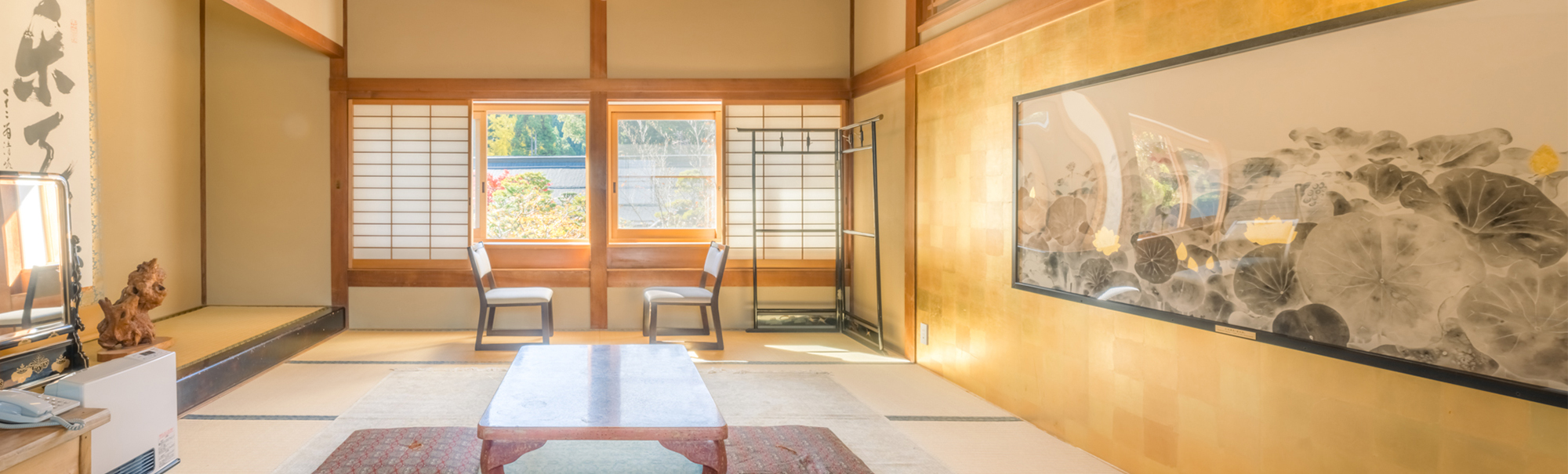
恵光院
A flagship Koyasan shukubo with English-guided Goma fire ceremony, Ajikan meditation, and nightly Okunoin tours.
from $130 /per night
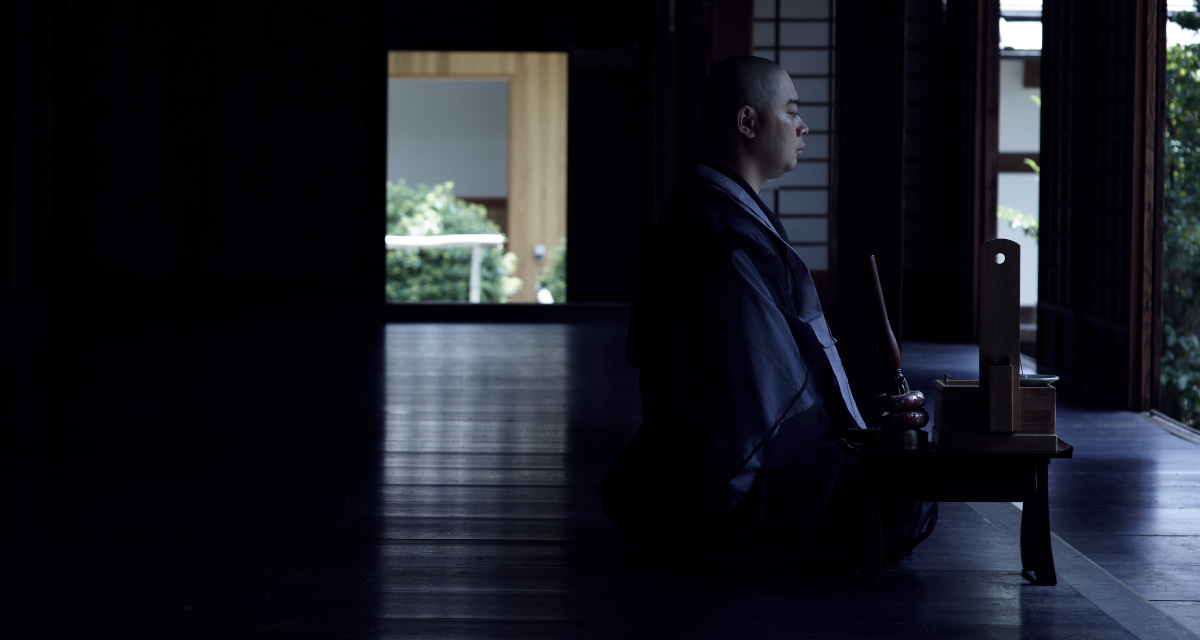
春光院
Kyoto's most internationally renowned Zen shukubo, offering English-led meditation classes and modern en-suite rooms inside a 1590 Myoshin-ji sub-temple.
from $60 /per night

福智院
The only Koyasan shukubo with a natural hot spring, three Mirei Shigemori gardens, and refined shojin ryori.
from $175 /per night
蓮華定院
A Sanada-family bodaiji shukubo on Mt. Koya with English-speaking monks, just 13 rooms, and a strong samurai-era heritage.
from $230 /per night
永平寺 親禅の宿 柏樹関
A modern Zen inn at the gate of Eiheiji, with 18 cedar-built rooms, evening zazen and access to the temple's pre-dawn morning service.
from $195 /per night
Explore Destinations

