
|
|
|
|
|
|
 Photo: Unsplash
Stay22 is the booking widget that runs quietly on every shukubo page on this site. If you have scrolled through an Eko-in or Fukuchi-in profile here and seen the price box that pulls live rates from Booking.com, Expedia, Hotels.com, and Agoda in one panel, you have already used it — possibly without realising. Stay22 is not a hotel platform of its own. It is a meta-search layer that sits on top of the platforms you already know, and for shukubo (temple stays) in Japan it solves a very specific problem.
This article is a practical walkthrough rather than a marketing pitch. We are upfront that Stay22 is our primary affiliate partner — we earn a small referral fee when you book a room through the widget — but the goal here is to show you how it actually works, where it shines, and where it is the wrong tool. If a different channel is better for your specific temple, we say so. Honest writing is the only kind that keeps a site like this useful past the first visit, and the worst outcome for everyone involved is a guest who books the wrong shukubo on the wrong channel, has a poor experience, and never tries one again. We would rather lose a referral fee on this booking than your trust on the next one.
If you have already read our /blog/how-to-book-shukubo guide, this article is a tighter sibling that focuses on a single channel: Stay22, the meta-search layer. Where the general booking guide compares Klook, the Koyasan Shukubo Association, direct booking, and the OTAs as equal options, this article digs into one tool and shows you exactly how to use it. Both guides are independently useful; this one is for readers who have decided they want to use the widget on our temple pages and want to understand the mechanics before they click.
Stay22 is a Montreal-based travel technology company founded in 2016. Its core product is a meta-search widget that publishers like us can embed on a page about a specific location — a temple, a restaurant, a hiking trailhead, anywhere — and have it surface live hotel inventory from multiple booking platforms for that exact spot. When you enter dates into the widget on a shukubo page, it queries Booking.com, Expedia, Hotels.com, Agoda, Vrbo, and a handful of regional partners in parallel, then returns the available rates in a single list. You click whichever rate looks best, and Stay22 hands you off to that platform to complete the booking.
The important thing to understand is that Stay22 does not take your money. It does not run a separate customer account. There is no Stay22 login, no Stay22 confirmation email, no Stay22 loyalty programme. The widget is purely a comparison layer. Once you click through to Booking.com or Expedia, you are on that platform in the normal way — same checkout, same customer support, same cancellation rules. Stay22's revenue comes from a small commission the destination platform pays it for sending the booking. That commission is included in the rate you would have paid anyway; it is not added on top.
Tip
If you want to verify any rate Stay22 shows you, open the destination platform (e.g. Booking.com) directly in a separate tab and search for the same property and dates. You should see the same price. If not, something has changed in the seconds between queries — refresh both and they usually match again.
Booking a shukubo is harder than booking a hotel because the inventory is fragmented. A given Koyasan temple might appear on Booking.com for some date ranges, on Expedia with a different rate for others, on Agoda only for foreign-language users, and not at all on Hotels.com. Without a meta-search tool, the way to find the best rate is to open four browser tabs, run the same search four times, and manually compare. Most people do not do this. They search one platform, see a price, and book — paying ten or twenty dollars more than they would have on a sibling site.
Stay22 collapses that into a single query. You enter check-in and check-out dates once. The widget pulls live rates from every connected platform that has the temple in its inventory, deduplicates them, and presents the cheapest available option at the top. Where two platforms have the same room at different prices, you see both side by side with the saving spelled out. The decision becomes mechanical: pick the lowest price for the cancellation policy you want, and click.
For shukubo specifically there is a second layer of usefulness. Because temple stays are a small, specialised slice of the Japanese accommodation market, the major platforms list them inconsistently — sometimes as 'ryokan', sometimes as 'guesthouse', sometimes as 'temple lodge'. The widget on our temple pages is configured for that specific property, so it returns the right inventory regardless of how each platform has chosen to categorise it. You do not have to know that Eko-in is listed on Agoda as a 'Buddhist temple lodge' and on Hotels.com as a 'ryokan' — Stay22 already knows. The widget is queried with the property identifier we pre-set; it doesn't depend on you typing a search term correctly or guessing the right category. For a category as easy to mis-search as 'temple stay near Koyasan', that disambiguation is worth more than the price comparison alone.
Here is the actual flow, walked through from start to finish. We will use Eko-in on Mt. Koya as the example because it is the temple most first-time visitors choose, but the process is identical for any shukubo on this site.
Step 1: open the shukubo page on this site. Navigate to /temples/eko-in (or any other temple). Scroll past the photo gallery and the temple introduction. The Stay22 widget is embedded directly beneath the temple description, in a panel labelled with the property name and a date picker. If you do not see it immediately, give the page another second to load — the widget initialises after the rest of the page has finished rendering, so on slow connections it can appear with a brief delay. On mobile, the widget is the same component, just stacked vertically. There is no separate Stay22 'site' or app to download; everything happens inside the temple page on this site.
Step 2: pick check-in and check-out dates. Tap the date field and select your range using the calendar that appears. Most shukubo are single-night stays for first-time visitors, but the widget supports any range. Note that some temples — including Eko-in — close the booking calendar a few days in advance for meal-preparation reasons, so if today is Tuesday and you want to stay Thursday, you may see no inventory even though the temple has rooms; this is a real constraint of how shojin ryori is prepared, not a widget bug.
Step 3: Stay22 pulls live rates. Within a second or two of selecting dates, the widget refreshes and shows the platforms that have the temple available for your range, each with its nightly rate, total cost, and any special tags (free cancellation, breakfast included, etc.). The cheapest available option is sorted to the top by default. On the Eko-in page, for a typical mid-week autumn night, you might see Booking.com at one rate, Expedia at the same rate, and Hotels.com a few dollars higher because of how its currency conversion is set. If you see only one platform listed, that just means it is the only OTA with that property in inventory for your dates — it does not mean the widget is broken. If you see zero platforms, the temple is either fully booked across every connected source or not listed on any of them; the temple-page sidebar will note which case applies and how to proceed.
Step 4: choose your platform and click through. Tap the rate you want. The widget opens the destination platform — Booking.com, for example — in a new tab, with the property already selected, the dates pre-filled, and the room type pre-chosen. From here you are on the booking platform in the standard way. Fill in guest details, payment information, and any special requests (dietary restrictions, late arrival), then complete the booking. The special requests field on Booking.com and Expedia is forwarded to the temple as a note — this is the right place to mention vegan needs, allergies, or a late arrival time, and the temple will read it before you arrive.
Step 5: the confirmation email comes from the destination platform, not Stay22. Save it. That is your reservation. The confirmation includes the temple's address (often only in Japanese — copy-paste into Google Maps for navigation), the property's phone number, the cancellation deadline, and your total charge. Some platforms also include a check-in code or a Booking.com Messages thread where you can communicate with the temple directly after booking. If you have a question for the temple after confirmation — about late arrival, dietary substitutions, or special-occasion arrangements — that messaging thread is usually the fastest channel, faster than calling the temple from overseas.

Tip
Do not toggle the currency selector on a partial page load. If the widget is still fetching rates and you switch from USD to JPY mid-fetch, the panel sometimes resets and you have to re-enter your dates. Wait until the rates are fully displayed before changing currency.
The biggest advantage is speed. A single date entry returns four to six rate sources, ranked. For travellers who care about price — most of us, for a one-night stay that already costs in the range of 14,000 to 30,000 yen per person — this routinely surfaces 5–15% savings compared to defaulting to whichever platform you happened to have open. Over a multi-stop Japan trip with three or four hotel nights, the cumulative saving is meaningful.
The second advantage is consistency of UI. Every shukubo page on this site uses the same widget, so once you have booked through it once, you know exactly what to expect on the next property. You learn to ignore the small flicker as rates load. You learn that the 'best deal' label sometimes flips between platforms by a dollar or two. You stop worrying about whether Eko-in is on Agoda this week. The widget abstracts those details into a single behaviour.
The third advantage is that you stay on familiar booking platforms. Stay22 hands you off to Booking.com or Expedia for the actual transaction. These are companies you have used before, with customer-service phone lines you can call from your home country, fraud-protection on the cards you charge, and (in the case of Booking.com Genius) loyalty discounts that still apply on shukubo bookings. You get the breadth of meta-search with the safety net of a major OTA on the back end. For a first-time temple guest who is already nervous about a slightly unfamiliar accommodation type — shared baths, futons on tatami, a 6am morning service — booking through a platform you already trust is one less unknown to manage. The temple is novel; the checkout flow doesn't have to be.
A fourth, quieter advantage is what the widget does not do. It does not require you to create a Stay22 account. It does not ask for an email address before showing rates. It does not pop up a chatbot, suggest unrelated cities, or try to upsell flight bundles. The query is the click. That sounds minor until you compare it with the experience of opening Booking.com cold and being routed through a stack of promotional interstitials before you can even see the rate. The widget is intentionally narrow. Once you have used it for one shukubo, the friction cost of comparing two more is essentially zero — open two more temple pages on this site, enter the same dates, scan the rates. Fifteen seconds per temple.
Stay22 only knows about inventory that its connected platforms know about. Many of Japan's most authentic shukubo — small family-run sub-temples in Koyasan, regional temples in Tohoku, traditional sōdō schools — do not list on any major OTA. They still take bookings by phone, fax, or a Japanese-language reservation form on the temple's own website. For those properties, the widget will show 'no availability' even when the temple has rooms. The widget is not lying; it simply has no way to see the temple's private inventory. For these cases, direct contact via the temple's website is the only route, and we link to it from each affected temple page on this site.
Stay22 is also not always the cheapest channel. For the larger commercial shukubo on Koyasan — Fukuchi-in, Hakujukan, Rengejo-in — the temple's own website sometimes runs a 5–10% direct-booking discount that no OTA can match. The widget cannot see direct rates. If you have already decided on a specific temple and that temple takes direct bookings in English, it is worth checking the temple's own page in a second tab and comparing the rate against what the widget surfaces. If the direct rate is meaningfully lower, book direct and we lose the referral fee — but you save money, which is the point. This trade-off is most acute for properties that lean hotel-like (a dedicated reservations team, an English-language booking system, predictable inventory); for smaller traditional sub-temples the OTA rate is usually identical to the direct rate or even cheaper, because the temple has set rate parity with the platforms and lacks the staff time to chase non-parity direct discounts.
For Mandarin and Cantonese users, Stay22 is rarely the optimal first stop. Trip.com (Ctrip) has the deepest Japan inventory for Chinese-speaking travellers, integrates with WeChat Pay and Alipay, and tends to run promotions during Chinese national holidays that the OTAs Stay22 aggregates do not match. On our zh and zh-tw locale pages we surface Trip.com first for this reason. If your default language is English, Stay22 is almost always the right starting point; if your default is Chinese, start with Trip.com and use Stay22 as a sanity-check.
One more honest limitation: the widget cannot tell you about the texture of a stay. It will show you that Eko-in is available on a given Tuesday for a given rate, but it cannot tell you that Eko-in is the temple with the best English-led Goma fire ceremony for first-timers, that Fukuchi-in has its own onsen, that Hakujukan is the most contemporary lodging on Koyasan and the easiest pivot from a Western hotel, or that Shunkoin in Kyoto runs morning meditation sessions in English. That context is what the temple pages on this site provide. The widget handles price; the editorial handles fit. Used together, they cover both halves of the decision. Used alone, the widget will book you a room — but you might book the wrong room for your trip.

Here is a quick at-a-glance comparison of the channels people most commonly weigh against each other for a Japanese temple stay.
| Channel | Inventory breadth | Price competitiveness | Best for | |---|---|---|---| | Stay22 widget | Wide (4–6 OTAs aggregated) | Usually best of OTA rates | First-time bookers, comparing options | | Booking.com direct | Wide for shukubo on OTAs | Same as widget surface | Genius loyalty members | | Expedia direct | Moderate | Same as widget surface | Travellers bundling flights | | Trip.com | Deep for Chinese-language users | Best for zh / zh-tw users | Mandarin / Cantonese speakers | | Temple direct website | Only that temple | Sometimes 5–10% lower | Specific temple already chosen | | Klook | Selective, Koyasan-heavy | Comparable to OTAs | Bundling with zazen / sutra-copying activities |
The honest takeaway: Stay22 is the best default, and you should treat it as the starting point. But for any specific booking, if the temple has its own English-language direct booking page and you already know it is the one you want, give that a one-minute check before clicking through the widget. For Chinese-speaking users, lead with Trip.com. For activity bundles (a Goma fire ceremony, a zazen session in addition to the stay), Klook is sometimes more practical even at a slightly higher accommodation rate.
The widget supports the major travel currencies: USD, JPY, EUR, GBP, AUD, CAD, SGD, and HKD by default, with a long tail of others available through the currency selector. By default the widget displays prices in the currency it detects from your browser or IP — so a visitor from London will see GBP, a visitor from Singapore will see SGD, and so on. The underlying booking platform charges in JPY because the property is in Japan; the foreign-currency number you see in the widget is a real-time conversion at the wholesale rate the OTA uses.
This matters because the rate your credit card eventually charges may differ slightly. Cards charge in their billing currency at the card network's exchange rate (Visa or Mastercard rates, usually within 1% of mid-market). If you are particularly cost-sensitive about FX, toggle the widget to JPY to see the actual yen price the property is charging, then mentally convert with a tool like xe.com to know what your card will land on. The widget's quoted USD or EUR number is a good estimate, but the card-network rate is the one that hits your statement. A second small consideration: if your card issuer charges a foreign-transaction fee (1–3% on many US cards), that fee is layered on top of the network conversion. A no-FX-fee travel card avoids this entirely and is worth the effort to apply for before any Japan trip with multiple paid nights.
Tip
Currency selection trick: set the widget to JPY for the cleanest comparison between rates, then switch to your home currency only at the moment you are clicking through to book. That way you compare apples-to-apples on the yen price, but see the final charge estimate in the currency you will actually be billed in.
One quirk of the meta-search experience is that different OTAs categorise shukubo differently. Booking.com tends to use 'ryokan' for traditional temple lodgings with shared baths and futons. Expedia sometimes calls them 'inns' or 'lodges'. Hotels.com has used 'guesthouse' for the same property that Agoda lists as 'Buddhist temple lodging'. The Stay22 widget surfaces whichever label the source platform applied, which is why you may see the same temple appear with slightly different categorisations across the rate list.
This is not a quality difference. The temple is the same temple, the room is the same room, the meals are the same shojin ryori. The labelling reflects each OTA's internal taxonomy, which was usually built for hotels and only later adapted for traditional Japanese accommodation. If you are deciding between two listings that look like the same property under different category labels, they almost certainly are the same property — click whichever rate is lower and trust the temple page on this site for the actual room and amenities description.
Where it gets confusing is the reverse case: occasionally an OTA mis-categorises a non-temple ryokan as a 'shukubo' or 'temple stay'. The widget on our temple pages is configured for the specific property, so this should not happen in our flow — but if you are searching Booking.com or Expedia directly and looking for shukubo, double-check that the property is genuinely a Buddhist temple rather than a ryokan that happens to share the same neighbourhood. The clearest signal is whether the listing mentions a morning service, a head priest, or attendance at a religious practice; those are exclusive to actual shukubo. A traditional ryokan and a shukubo can look superficially similar from photos — both have tatami rooms, futons, shared baths, and seasonal meals — but the temple's daily rhythm of services and the presence of resident clergy are the distinguishing markers, and they are usually called out in the property description if you read past the headline.
Many shukubo are not on any of the OTAs Stay22 connects to. Smaller temples in Yoshino, regional Tohoku temples, and several traditional sōdō (training-hall) temples in Eiheiji and Hieizan have no online inventory at all — they take reservations via a Japanese-language form on their website, or by phone or fax. For these temples, the widget on this site will show 'no availability' regardless of the dates you enter. That is not a sign that the temple is full; it is a sign that the temple is not in the meta-search index.
The fallback is direct contact. Each temple page on this site that has no OTA inventory shows the temple's direct booking link or email address beneath the widget. For temples with English booking forms, you can fill the form yourself; for Japanese-only forms, a simple machine translation of a short polite email is enough — most head priests have someone on the temple staff who can read English well enough to confirm dates, even if the formal reply comes in Japanese. Klook is also worth a look as a secondary option: it has selective coverage of Koyasan temples that some Stay22-connected OTAs do not list, particularly for activity-bundled stays. If both Stay22 and Klook come up empty, and the temple has no English direct-booking page, a third option is to wait: temples occasionally onboard to OTAs mid-year, and a property that was unbookable in spring may be bookable by autumn. The widget on the temple page is live, so a re-check a few weeks later is cheap.
Because Stay22 hands you off to the destination platform before payment, all refund and cancellation rules are set by that platform and the temple — not by Stay22. If you booked through Booking.com via the widget and need to cancel, you cancel through your Booking.com account using the confirmation email you received from Booking.com. The widget does not store your booking and has no way to alter the reservation after the click-through.
Shukubo cancellation policies are typically stricter than international hotel chain policies, for reasons we cover in detail in our /blog/how-to-book-shukubo guide: meals are prepared from scratch from seasonal ingredients, and the temple has already paid for the food once you are inside the cancellation window. A typical scale on Booking.com or Expedia for a Koyasan temple is: free cancellation up to seven days before check-in, a 30–50% charge between seven and three days, and 100% inside 48 hours. Smaller temples sometimes set the window to fourteen days. Read the policy on the OTA's listing before you click 'book' — the widget shows tags for 'free cancellation' on listings that have it, but the detailed policy is on the OTA page itself.
If something goes wrong on the day — a typhoon cancels your train, you have to leave Japan early for a family emergency, the temple itself has a problem — your first call is to the destination platform's customer service line (Booking.com, Expedia, etc.), not Stay22. They have your reservation on file and can liaise with the temple. Travel insurance with trip-cancellation cover is sensible for any non-refundable shukubo booking, especially during typhoon season from August to early October. Booking.com and Expedia both surface insurance options at checkout, and most travel-rewards credit cards include a basic level of trip-cancellation cover automatically when you charge the booking to that card; check the card benefits guide before paying extra for an additional policy.
Tip
If you anticipate a possible cancellation (weather-sensitive itinerary, family events), pay the modest premium for a free-cancellation rate on the widget rather than the cheapest non-refundable rate. The price difference for a Koyasan temple is typically 5–10%, and on a 25,000-yen night that buys you the ability to cancel up to seven days before with no penalty — well worth the cost if your dates are uncertain.
Is Stay22 a real company or just a widget? Stay22 is a real company headquartered in Montreal, Canada, founded in 2016. It is a legitimate travel-tech business with venture funding and a clear track record across thousands of publisher sites worldwide. The widget is its main product, but the company also runs related services for publishers — local-experience embeds, restaurant maps, and so on. When you click through to Booking.com or Expedia from one of our temple pages, you are booking with those companies in the usual way; Stay22 simply facilitated the connection and steps out of the flow.
Are Stay22 prices the same as Booking.com prices? Yes. The widget displays the live rate that the destination platform is publishing at that moment. There is no Stay22 markup. The commission Stay22 earns is paid by the destination platform out of its existing margin, not added to your rate. If you check Booking.com directly in another tab, you should see the same price (give or take a few seconds of cache lag). The same logic applies for Expedia, Hotels.com, and the other connected platforms — the rate is whatever that platform is selling it for in real time, mirrored into the widget for one-glance comparison.
Can I use Stay22 for shukubo only or any hotel? Any hotel. The widget on our shukubo pages is configured for those specific temple properties, but the underlying Stay22 service indexes the full hotel inventory of every connected OTA. Some publishers use Stay22 to surface hotels near restaurants, near concert venues, or near hiking trails. On templestayjapan.com we limit the widget to shukubo because that is the site's focus, but the technology is general.
Why are some shukubo missing from Stay22? Because they are not listed on any of the OTAs Stay22 connects to. Many small traditional temples take bookings only via direct contact — phone, fax, or a form on the temple's own website. The widget cannot surface inventory that the source platforms do not have. For these temples, we provide direct booking instructions on the temple page.
Does Stay22 charge me directly? No. The widget never takes payment. Your card is charged by the destination platform (Booking.com, Expedia, etc.) at the moment of booking, in line with that platform's normal payment flow. You will see a charge from the OTA on your statement, never a charge from Stay22. If you ever see a charge labelled 'Stay22' on your card, that is a fraud red flag worth investigating with your bank — but in normal usage it will not happen, because the widget is a referral layer and not a merchant of record.
When you book a shukubo through the Stay22 widget on this site, we earn a small referral fee from the destination platform — typically a few percent of the room rate. That fee is built into the rate you would have paid anyway, so it does not cost you anything extra. It is also what funds the editorial work behind templestayjapan.com: the temple research, the seasonal updates, the photography permissions, the six-language translations. We mention this not because we are embarrassed by it — quite the opposite. Independent affiliate revenue is the cleanest way for a small specialist site to stay independent of any single platform's incentives.
If you want to support the site, the Stay22 widget on every temple page is the way to do it. If you prefer to book direct with the temple, we still recommend that you do — saving money on a temple stay is more important than our referral fee, and we would rather have your trust the next time you plan a trip than a single commission. The shukubo-first-time guide at /blog/shukubo-first-time-guide is the best starting point if you have not yet chosen a temple; for a deeper channel-by-channel comparison see /blog/how-to-book-shukubo, and for a head-to-head Stay22 vs Trip.com vs direct breakdown see /blog/how-to-book-shukubo-stay22-vs-tripcom-vs-direct.
To close: the right way to use Stay22 for a shukubo is mechanical. Open the temple page on this site. Enter dates. Compare the rates the widget surfaces. Pick the lowest one with a cancellation policy you can live with. Click through and complete on the destination platform. Save the confirmation. Show up at the temple gate on the day. The widget is not glamorous, but it removes about thirty minutes of manual price comparison from every booking, and over a multi-night Japan trip that compounds into both real savings and meaningfully less booking fatigue. The point of a good tool is that you stop thinking about it. We hope, after one or two bookings, the Stay22 widget on this site becomes that quiet for you too.
Ready to book?
Browse our curated collection of authentic Buddhist temple stays across Japan. Filter by region, sect, and experience.
Start ExploringRecommended Temples for This Guide
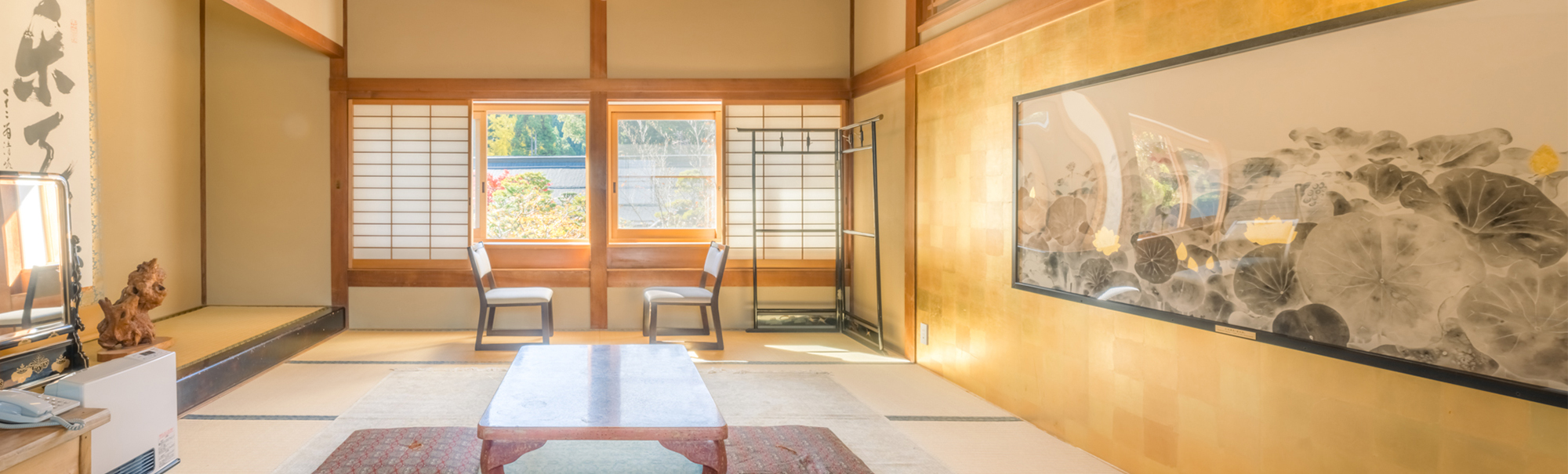
恵光院
A flagship Koyasan shukubo with English-guided Goma fire ceremony, Ajikan meditation, and nightly Okunoin tours.
from $130 /per night

福智院
The only Koyasan shukubo with a natural hot spring, three Mirei Shigemori gardens, and refined shojin ryori.
from $175 /per night
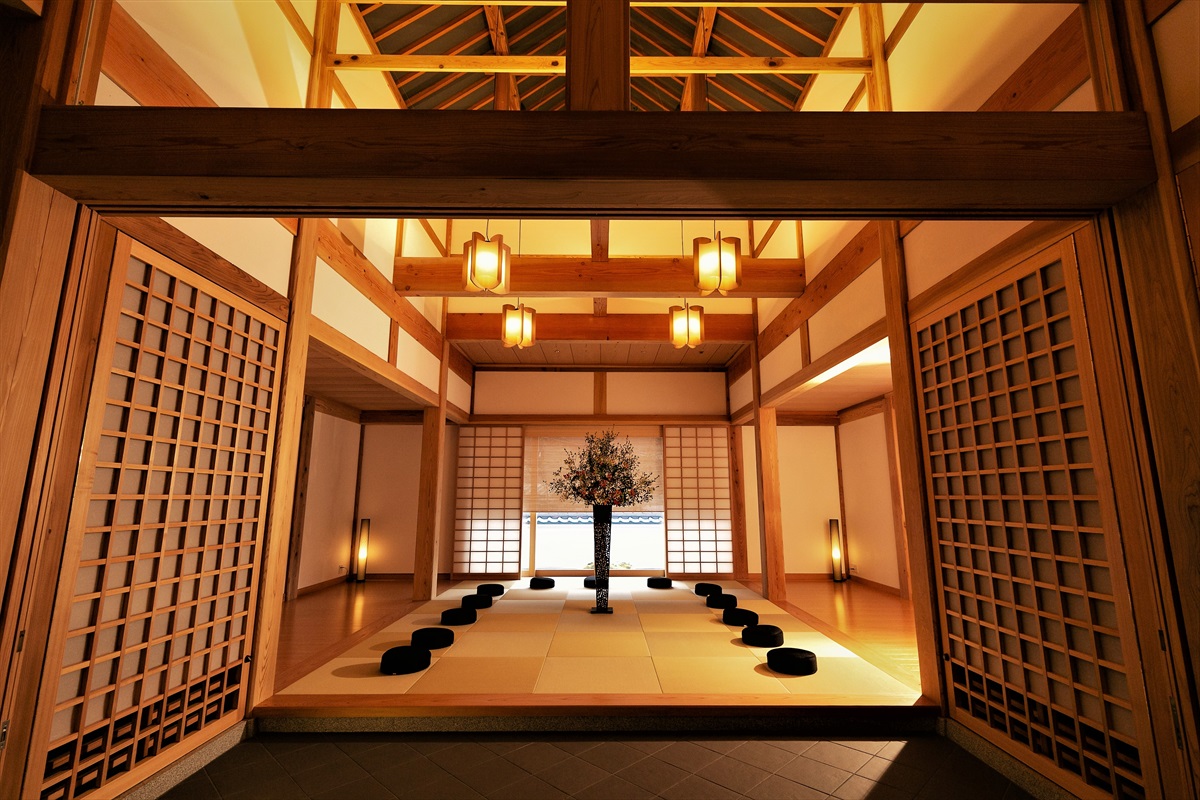
永平寺 親禅の宿 柏樹関
A modern Zen inn at the gate of Eiheiji, with 18 cedar-built rooms, evening zazen and access to the temple's pre-dawn morning service.
from $195 /per night
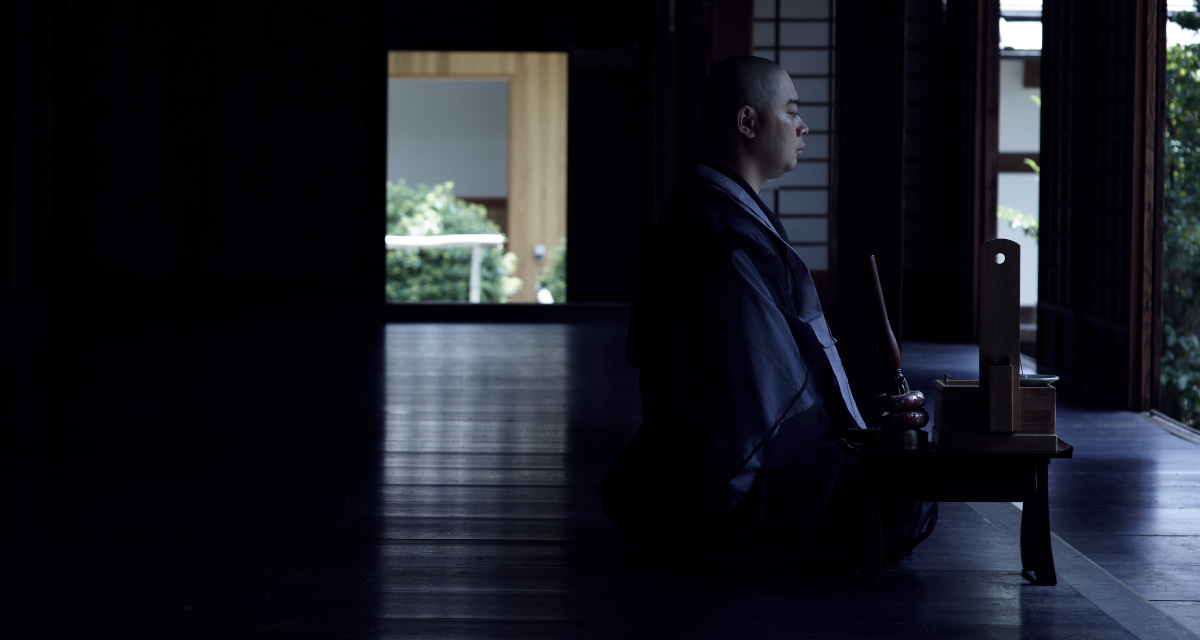
春光院
Kyoto's most internationally renowned Zen shukubo, offering English-led meditation classes and modern en-suite rooms inside a 1590 Myoshin-ji sub-temple.
from $60 /per night
Explore Destinations
