
|
|
|
|
|
|
 Photo by Anh Nguyen on Unsplash
On paper, every Japanese temple stay should be a vegan paradise. The 1,200-year-old Buddhist culinary tradition of shojin ryori prohibits all forms of animal flesh, and the cuisine is built almost entirely from tofu, mountain vegetables, sesame, kombu seaweed and seasonal greens. In practice, the picture is more complicated. Modern shukubo cater increasingly to a Japanese tourist market that does not always share the original religious diet, and small compromises have crept in — a sliver of bonito in the dashi, a teaspoon of honey in a wagashi, a pat of butter in a Western-style breakfast omelette aimed at families. If you are a relaxed plant-based eater, almost any temple in Japan will be fine. If you are a strict vegan, you need to plan a little more carefully. This is the 2026 guide for the second group.
Shojin ryori (精進料理) was formalized in the 13th century by Dogen, founder of Soto Zen, in two foundational manuals on cooking and eating. The cuisine was built directly on the Buddhist precept against killing — no fish, no meat, no eggs — and over the centuries it evolved on a small set of plant ingredients: silken tofu, freeze-dried tofu (koya-dofu), yuba (tofu skin), konnyaku, sesame, miso, kombu, shiitake, mountain vegetables and rice. Traditional shojin temples also exclude the gokun (五葷), the Five Pungent Roots — garlic, onion, leek, scallion and chive — considered too stimulating for monastic life. The ingredient list of an average shukubo dinner, in other words, is more restrictive than most Western vegan menus, not less.
Three small things to watch for. First, dashi. Traditional shojin dashi is made from kombu seaweed, and sometimes dried shiitake mushrooms, with no animal products. But many shukubo today use a hybrid dashi that includes katsuobushi (鰹節 — dried, smoked, fermented bonito flakes). It is invisible in the broth. If you do not specifically ask, you will not know it is there. Second, honey. Some Japanese vegans accept honey, but most Western strict vegans do not. Honey appears occasionally in wagashi sweets, in glazes for tempura dipping sauce, and in some commercially made plum sauces used in pickles. Third, dairy. A small number of modernized shukubo serve a "Western breakfast option" with toast, butter and milk for tea — generally only on request, but worth confirming. Eggs are virtually never served at any traditional shojin temple, but the rare exception exists at hybrid lodgings such as some kaikan-style temple guest houses.
Japanese has no perfect equivalent to the Western word "vegan," which often causes confusion. The word "vegetarian" (ベジタリアン bejitarian) is sometimes loosely interpreted to include fish or fish broth. The most reliable phrases for strict vegans are: kanzen-saishoku (完全菜食) — "completely vegetarian" — used by Japanese vegan organizations; bigan (ヴィーガン) — the loanword "vegan," increasingly understood in tourist-facing temples; and dobutsusei shokuhin nashi (動物性食品なし) — "no animal-derived foods" — the clearest possible specification. Combine all three when you book, and explicitly mention dashi: katsuobushi mo nashi de onegaishimasu (鰹節もなしでお願いします) — "please also no bonito flakes."
Tip
A useful template for booking emails: "I follow a strict vegan diet (完全菜食 / vegan / 動物性食品なし). I cannot eat fish, meat, eggs, dairy, honey, or fish-based dashi (katsuobushi). Plant-based dashi from kombu and shiitake is fine. Could you please confirm whether this can be accommodated?" Most temples reply within 48 hours.
From the temples we have personally vetted, the following confirm that they can accommodate strict-vegan dietary requirements with advance notice. (All also serve their standard, technically-not-strict shojin ryori to other guests in the same dining room — there is no judgment involved.)
Soji-in (総持院) — Koyasan. Soji-in is one of the small group of shukubo on Mt. Koya that explicitly markets strict-vegan options to international guests, and the only one in our database that has indicated it can also accommodate gluten-free requests on the same plate. The kitchen prepares the vegan dinner with kombu-only dashi, no honey, and confirms the wagashi dessert is plant-based. Located on the central temple street with a beautiful inner garden. Recommend booking through the temple's direct contact form rather than a general OTA, so the dietary note is not lost in translation.
Eko-in (恵光院) — Koyasan. Probably the most internationally famous shukubo in Japan, with English-speaking staff, an English Goma fire ceremony explanation, and a long history of accommodating dietary restrictions including strict vegan, halal-style and gluten-aware diets. The kitchen is comfortable preparing parallel meal sets, so even within the same dinner service some trays are vegan and others are standard shojin. State your dietary needs at the time of booking, then re-confirm at check-in.

Other Koyasan temples marked vegan-available. From our 30-temple Koyasan database, the shukubo currently confirmed to accommodate strict vegan diets with advance notice include Henjoson-in (遍照尊院), Fukuchi-in (福智院), Rengejo-in (蓮華定院), Sekisho-in (赤松院), Saizen-in (西禅院), and Jofuku-in (常福院). All require the request to be flagged in the original reservation, not on arrival. The level of confidence varies by temple — Eko-in and Soji-in are the safest first picks for travelers with zero margin for error.
Eiheiji (永平寺 area). The Soto Zen home temple itself does not host overnight lay guests, but two affiliated lodgings do. Hakujukan, the modern temple-affiliated ryokan at the gate, prepares a beautifully presented shojin breakfast and dinner and confirms strict vegan adaptation on request. Hokyo-ji (宝慶寺), the smaller training temple deeper in the mountains, also accommodates strict vegan requests, though its limited menu means the meal will be visibly simpler — rice, pickles, miso soup, two or three vegetable dishes. The austerity is entirely the point.
Hieizan (比叡山). Enryakuji Kaikan, the official lodging on Mt. Hiei attached to the Tendai head temple Enryaku-ji, accepts strict vegan requests when noted in advance. As a working pilgrim lodging it is less polished than the top Koyasan shukubo, but it is the easiest way to combine a UNESCO World Heritage Tendai temple visit with a fully plant-based meal.
Subject: Vegan dietary request for reservation on [date].
Dear [Temple name] reservations team,
I would like to book one room for [number] guest(s) on [check-in date]. I follow a strict vegan diet, which means I do not eat any animal products at all — including meat, fish, eggs, dairy, honey, gelatin, or fish-based dashi (katsuobushi). Plant-based dashi (kombu, shiitake) is perfectly fine.
Could you please confirm whether your kitchen is able to prepare a fully vegan version of your evening shojin ryori and morning meal? If there is anything I should communicate in Japanese to make this easier, please let me know.
Thank you very much, and I look forward to staying at your temple.
[Your name]
Most temples will reply with a clear yes or no within two business days. A "no" is rare and usually applies only to last-minute bookings or peak holiday periods (Golden Week, Obon, New Year), when the kitchen runs at full capacity on a fixed standard menu.
Even with the booking confirmed, do a soft re-check at the front desk when you arrive. Phrase it gently — "I just wanted to make sure my vegan request from the booking came through" — and let the staff radio the kitchen if needed. In our experience, the staff appreciate the second confirmation, because dietary notes do occasionally get lost in the handover from the reservation system to the dinner service. If something arrives at your tray that looks suspicious — a sauce that seems creamy, a broth that looks darker than the others — politely point at it and ask. The kitchen will replace it without any drama. Japanese hospitality culture treats a mistaken dish as the staff's problem, not the guest's.
Your dinner and breakfast are the easy part. Snacks, vending machines and small in-room welcome items can be more uncertain. Most temples leave a small tea-and-sweet (cha-uke) waiting on your table — these wagashi confections are usually plant-based but sometimes contain honey or a trace of dairy butter, especially at modernized shukubo. The vending machines in temple corridors are stocked by outside vendors and contain everything from canned coffee with milk to fish-broth instant noodles, so read labels (or use Google Lens). Mt. Koya has only a handful of small konbini-style shops; bring your own preferred snacks for the bus or the long evening between dinner and lights-out at 21:00.
For a confirmed-vegan lunch off-temple on Koyasan itself, the small restaurant Hanabishi (花菱) on the central street serves a shojin ryori lunch course that is plant-based by default — clarify the dashi when you order. The Kongobu-ji temple complex also runs a small tea house where wagashi and matcha are sold; the standard dorayaki contains honey, but the warabi mochi and matcha-only set is safe. Most shukubo will also pack a simple bento for hikers if you are heading to Okunoin or down the Choishi-michi pilgrimage trail; ask the night before, and specify the same dietary terms you used at booking. In Kyoto, the well-known vegan restaurant Vegans Cafe and Restaurant in Fushimi, and Choices Cafe near Higashi-Honganji, are reliable backups before or after a temple stay. In Tokyo, T's Tantan in Tokyo Station's Keiyo Street is the easiest plant-based meal of the entire trip.
A temple stay does not have to be a compromise for a strict vegan. With a clearly worded booking note, a polite re-check at the front desk, and a couple of backup snack ideas in your bag, you can spend three days on Mt. Koya — fire ceremony at dawn, sutra-copying at noon, twelve-course dinner at sunset — and never eat anything that does not come from a plant. The cuisine, after all, was designed exactly for this.
Ready to book?
Browse our curated collection of authentic Buddhist temple stays across Japan. Filter by region, sect, and experience.
Start ExploringRecommended Temples for This Guide
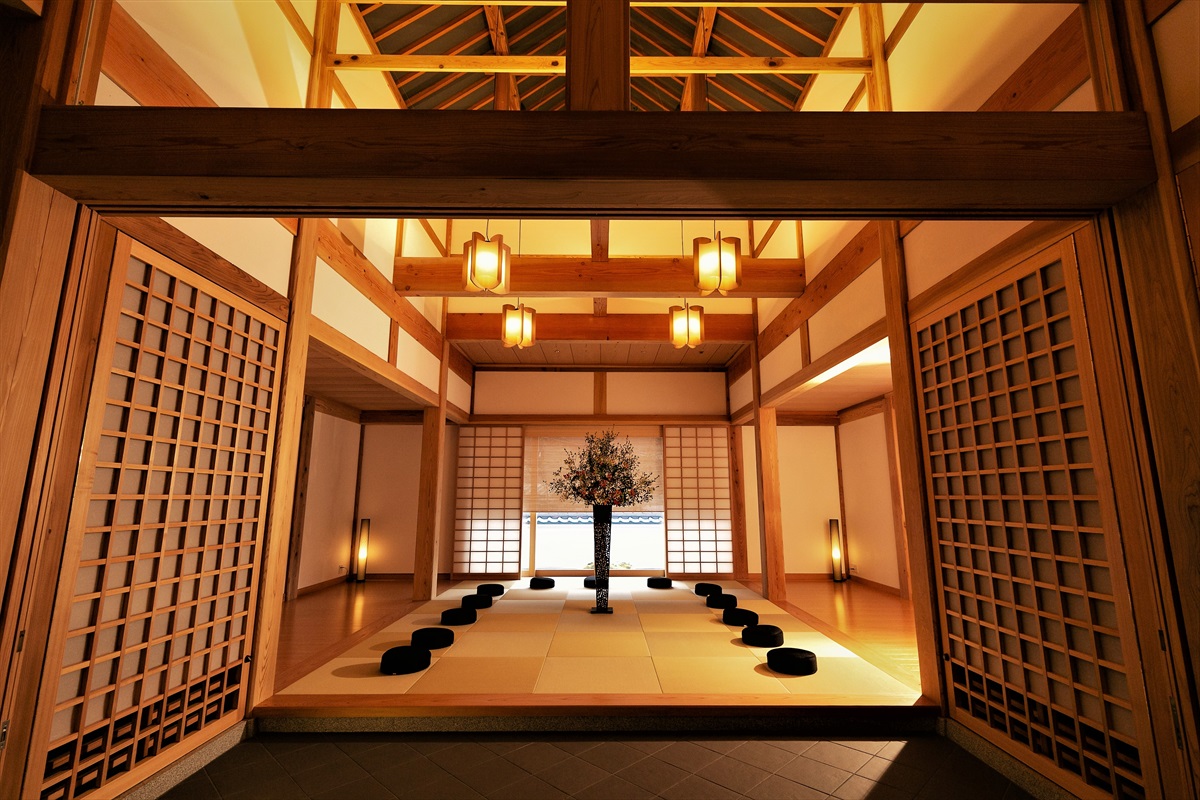
永平寺 親禅の宿 柏樹関
A modern Zen inn at the gate of Eiheiji, with 18 cedar-built rooms, evening zazen and access to the temple's pre-dawn morning service.
from $195 /per night

福智院
The only Koyasan shukubo with a natural hot spring, three Mirei Shigemori gardens, and refined shojin ryori.
from $175 /per night
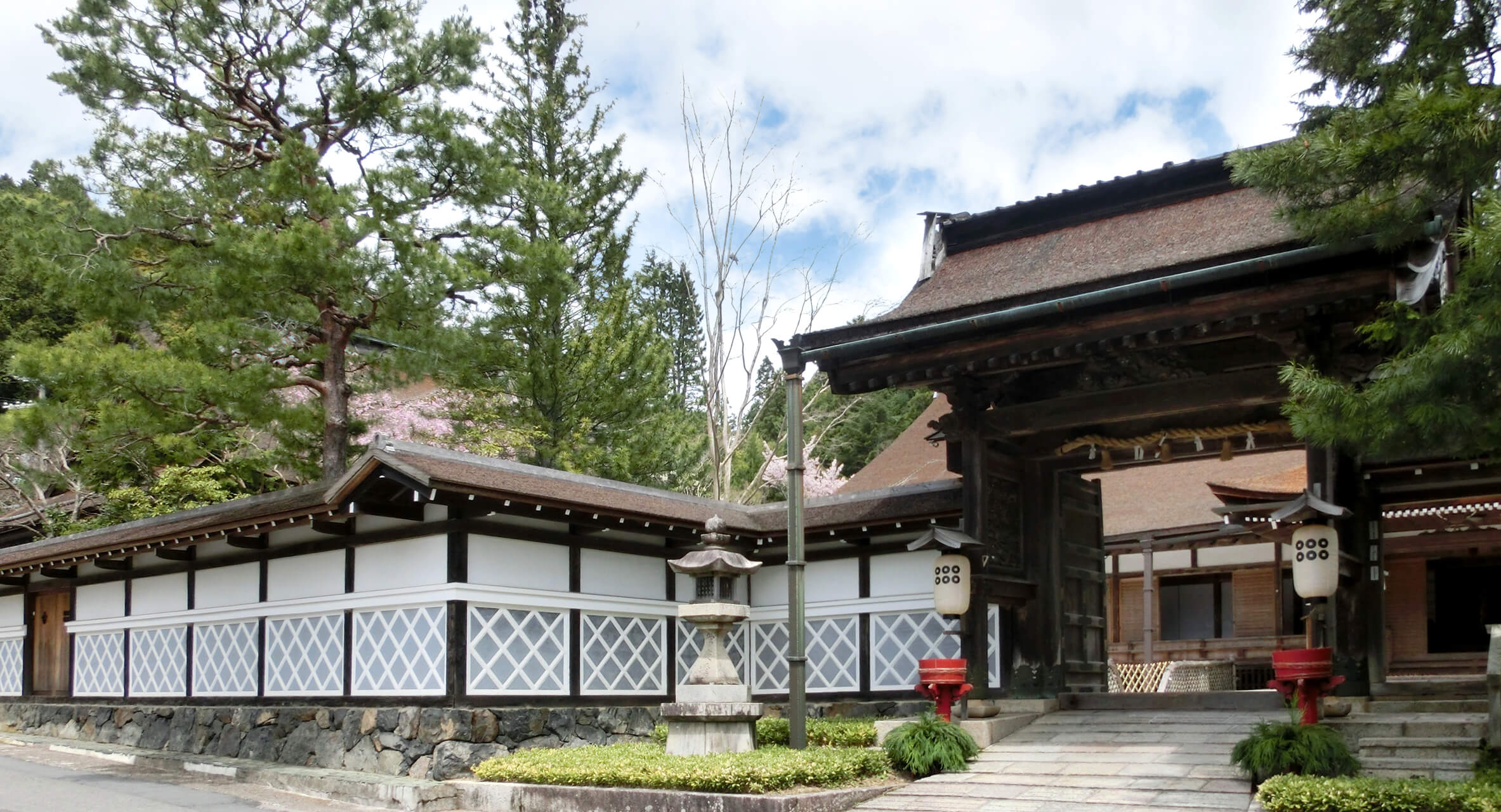
蓮華定院
A Sanada-family bodaiji shukubo on Mt. Koya with English-speaking monks, just 13 rooms, and a strong samurai-era heritage.
from $230 /per night
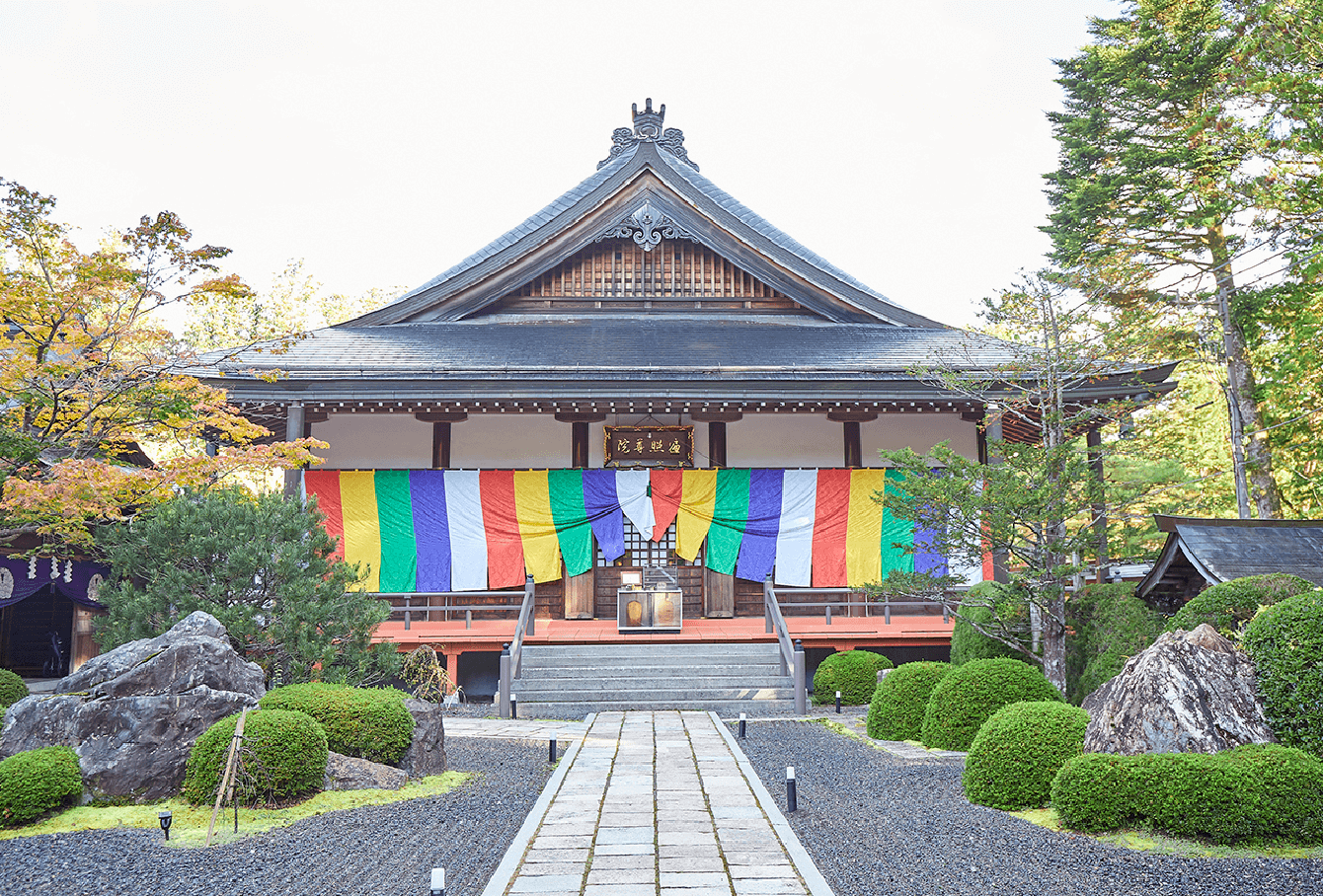
遍照尊院
A Koyasan shukubo built on the hill where Kobo Daishi practiced asceticism, with a large cypress bath and Ajikan meditation.
from $95 /per night
Explore Destinations

