
|
|
|
|
|
|


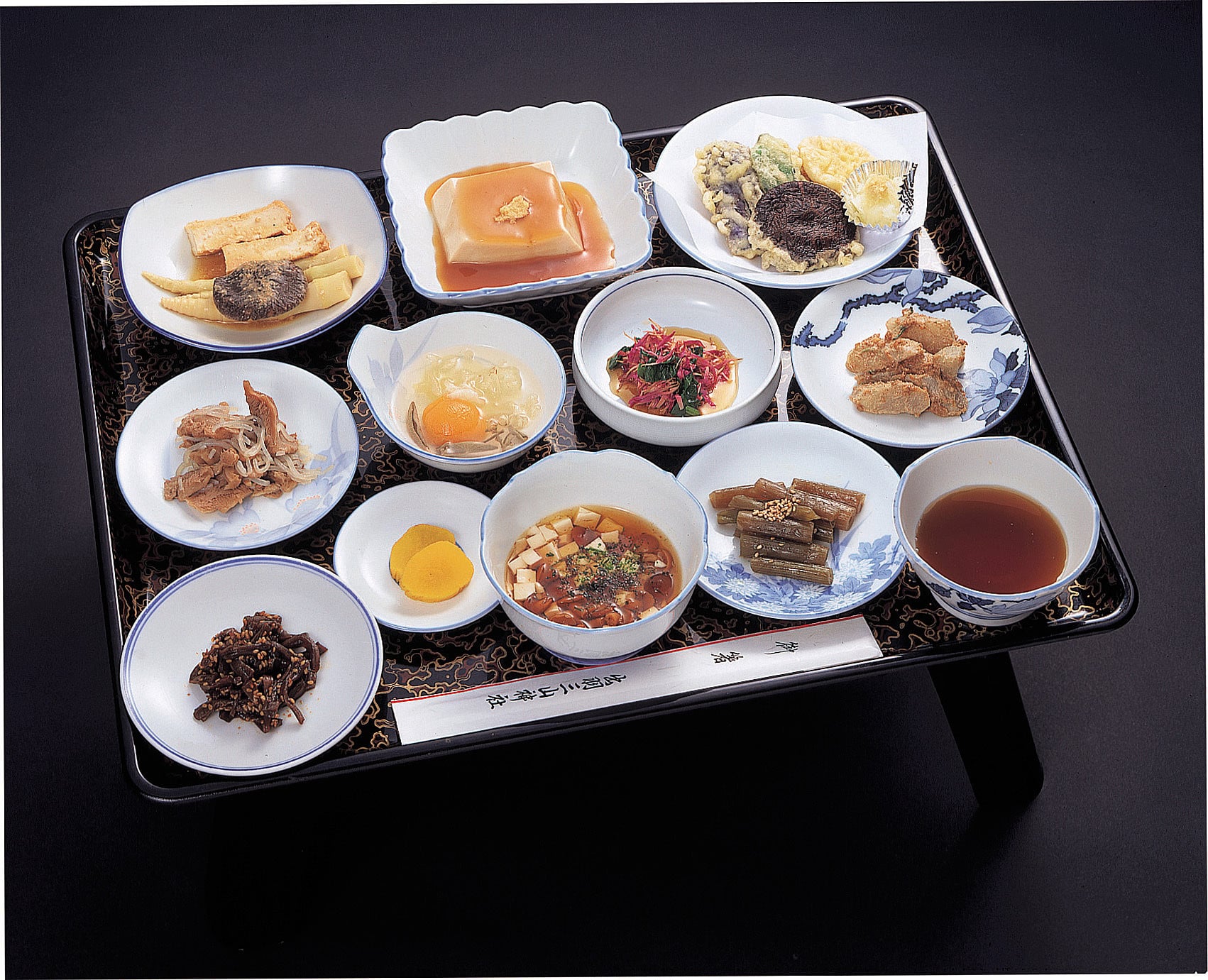

The only Edo-era shukubo still standing on the Haguro-san summit, run by Dewa Sanzan Jinja, with Michelin-listed mountain-herb shojin ryori.
Originally Kezo-in, one of more than thirty sub-temples that once stood on Haguro-san, Saikan was preserved as the shrine's "saikan" (purification lodge) at the Meiji-era separation of Buddhism and Shinto. It is the only Edo-period yamabushi residence still standing on the mountain itself.
Saikan is famous for its Dewa Sanzan shojin ryori — sesame tofu, sansai (mountain herbs), kinome dengaku and locally foraged mushrooms — listed in Michelin Green Guide Japon. Available from 7-dish (¥2,200) to a 7,700-yen Mikazuki-zen.
Lodging is by reservation only and includes attendance at the morning Shinto service in Sanjin Gosaiden, the great shrine of the three mountains. Plans run from ¥11,000 with two meals.
Saikan (Haguro-san Sanrosho)
Compare 2 platforms — save up to 20%
Booking links may earn a commission at no extra cost to you.
Nearest Station
Haguro-sancho Bus Stop (from JR Tsuruoka Station)
From Kansai Airport (KIX)
1. JR Haruka Express → Kyoto Station ~75 min
2. Local train/taxi → Haguro-sancho Bus Stop (from JR Tsuruoka Station) ~5 min
From Tokyo
1. Tokaido Shinkansen → Kyoto Station ~2h 15m
2. Local transit → Haguro-sancho Bus Stop (from JR Tsuruoka Station) ~5 min
From Osaka
1. JR Special Rapid → Kyoto Station ~30 min
or Hankyu Railway → Kawaramachi ~45 min
Tip: Purchase an IC card (ICOCA or Suica) at any station for easy tap-and-go on buses and trains.
💡 Save with a Japan Rail Pass
Covers unlimited Shinkansen + local JR trains
12 questions about Saikan (Haguro-san Sanrosho)
Originally Kezo-in, one of more than thirty sub-temples that once stood on Haguro-san, Saikan was preserved as the shrine's "saikan" (purification lodge) at the Meiji-era separation of Buddhism and Shinto. It is the only Edo-period yamabushi residence still standing on the mountain itself.
Saikan is famous for its Dewa Sanzan shojin ryori — sesame tofu, sansai (mountain herbs), kinome dengaku and locally foraged mushrooms — listed in Michelin Green Guide Japon. Available from 7-dish (¥2,200) to a 7,700-yen Mikazuki-zen.
Lodging is by reservation only and includes attendance at the morning Shinto service in Sanjin Gosaiden, the great shrine of the three mountains. Plans run from ¥11,000 with two meals.
12 questions about Saikan (Haguro-san Sanrosho)
More in Dewa Sanzan
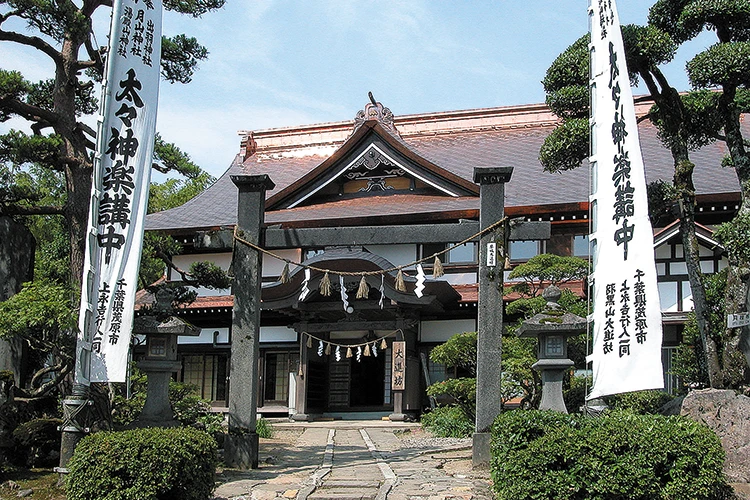
宿坊 大進坊
A yamabushi-run Toge shukubo with handmade shojin ryori, in-house goma fire prayers, and full English-friendly services.
from $95/night
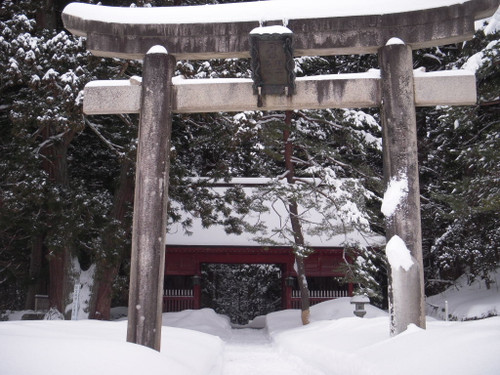
出羽三山 多聞館
300-year-old Toge shukubo built from Haguro sacred cedar, famous for sesame-tofu ankake and mountain-herb shojin ryori.
from $90/night
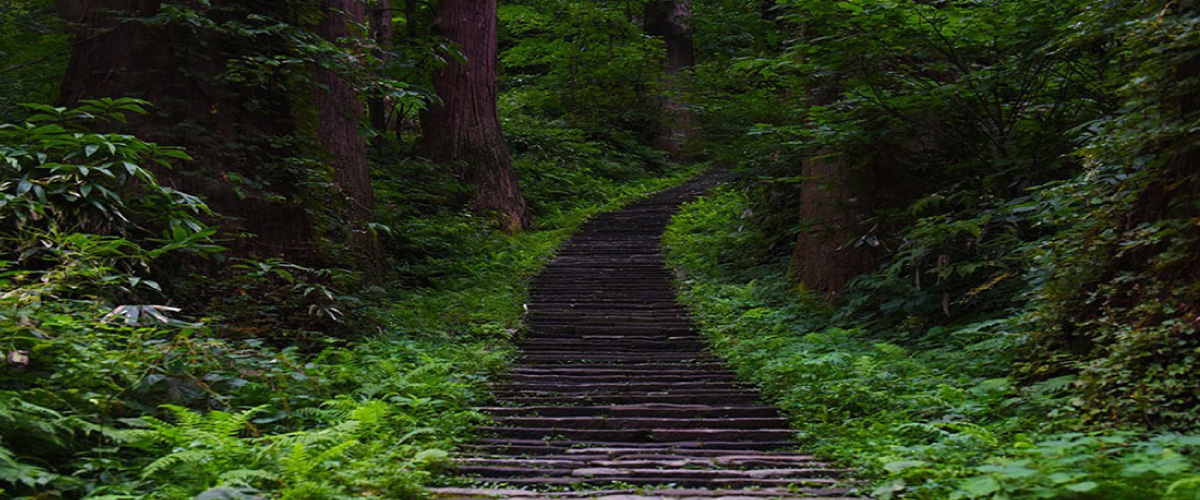
大聖坊
A 400-year Touge yamabushi shukubo led by Master Hoshino Fumihiro, famous worldwide for its summer yamabushi training programmes.
from $110/night