
|
|
|
|
|
|
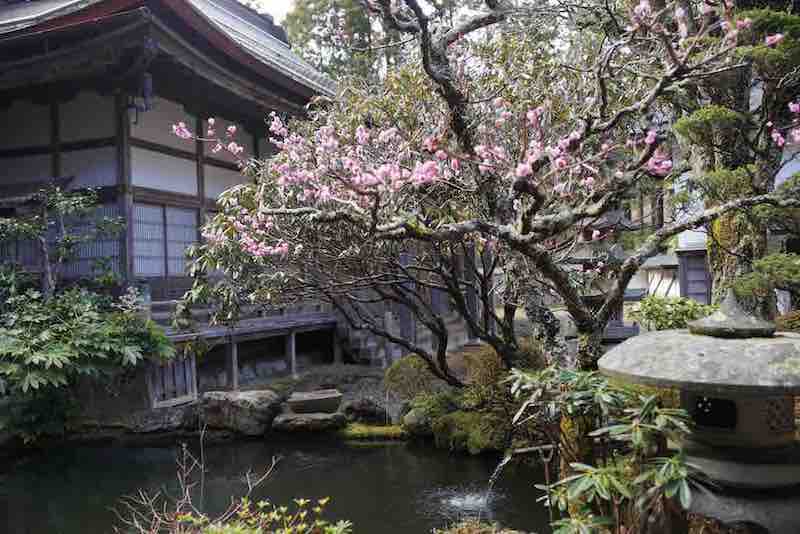
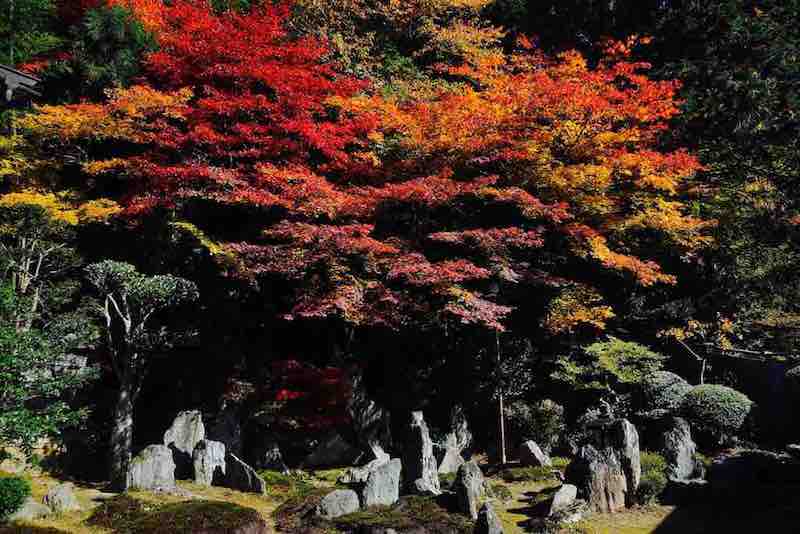
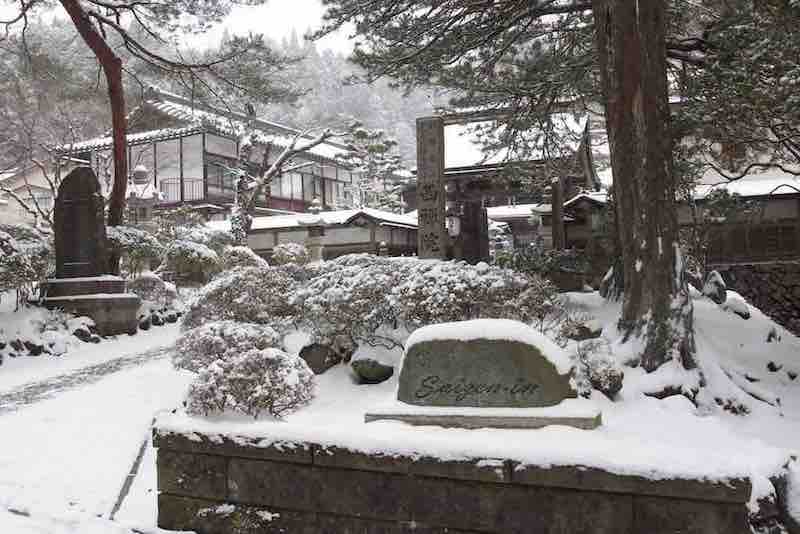
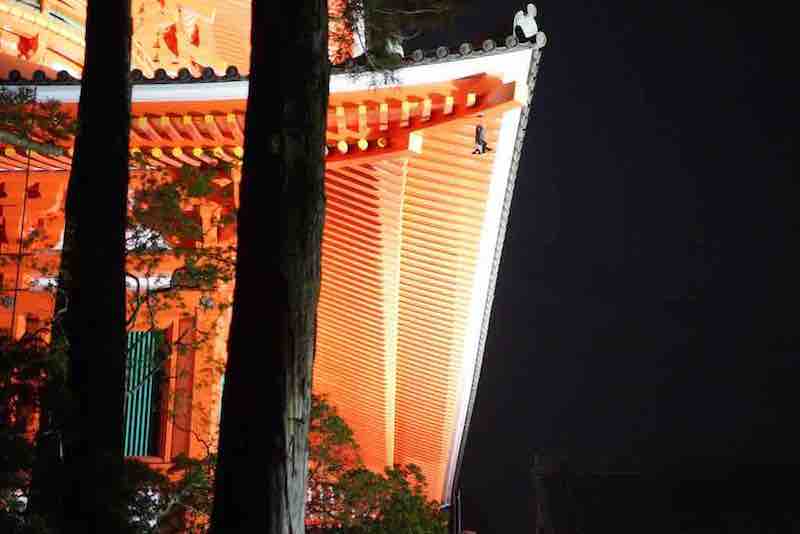
A bekkaku-honzan Koyasan shukubo with three Mirei Shigemori gardens, only 15 guest rooms, and ties to Shinran Shonin.
Three gardens designed in 1951–1953 by modernist landscape architect Mirei Shigemori — a pond garden with waterfall stones, a stream garden over exposed bedrock, and a karesansui dry garden. Designated a Registered Monument of Japan in 2010.
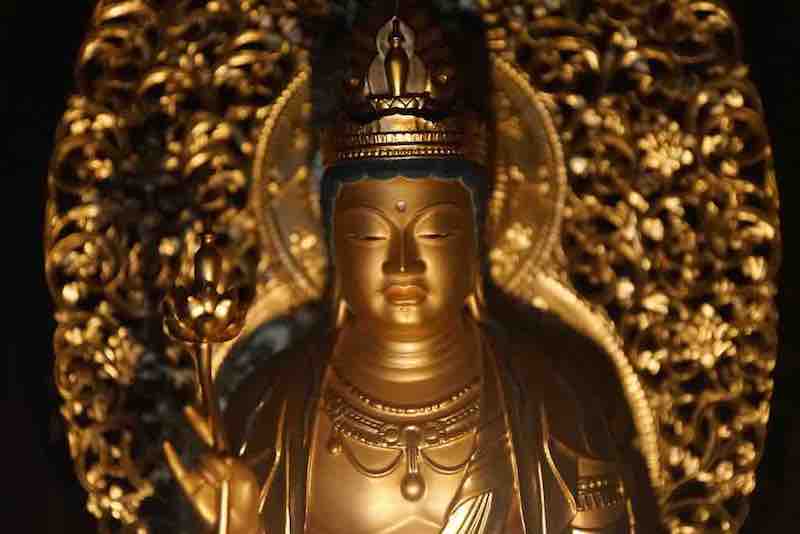
Around 1235 the future founder of Jodo Shinshu Buddhism, Shinran Shonin, is said to have stayed at Saizen-in for ascetic practice at age 63. A self-carved statue attributed to him is enshrined in the main hall.
Panasonic founder Konosuke Matsushita was a long-time guest at Saizen-in, and the tea room he favored — beside the dry garden — has been preserved and is occasionally available for guests.
Saizen-in
Compare 3 platforms — save up to 20%
Booking links may earn a commission at no extra cost to you.
Nearest Station
Koyasan Station (cable car)
From Kansai Airport (KIX)
1. JR Haruka Express → Kyoto Station ~75 min
2. Local train/taxi → Koyasan Station (cable car) ~15 min
From Tokyo
1. Tokaido Shinkansen → Kyoto Station ~2h 15m
2. Local transit → Koyasan Station (cable car) ~15 min
From Osaka
1. JR Special Rapid → Kyoto Station ~30 min
or Hankyu Railway → Kawaramachi ~45 min
Tip: Purchase an IC card (ICOCA or Suica) at any station for easy tap-and-go on buses and trains.
💡 Save with a Japan Rail Pass
Covers unlimited Shinkansen + local JR trains
13 questions about Saizen-in
Three gardens designed in 1951–1953 by modernist landscape architect Mirei Shigemori — a pond garden with waterfall stones, a stream garden over exposed bedrock, and a karesansui dry garden. Designated a Registered Monument of Japan in 2010.
Around 1235 the future founder of Jodo Shinshu Buddhism, Shinran Shonin, is said to have stayed at Saizen-in for ascetic practice at age 63. A self-carved statue attributed to him is enshrined in the main hall.
Panasonic founder Konosuke Matsushita was a long-time guest at Saizen-in, and the tea room he favored — beside the dry garden — has been preserved and is occasionally available for guests.
13 questions about Saizen-in
More in Koyasan
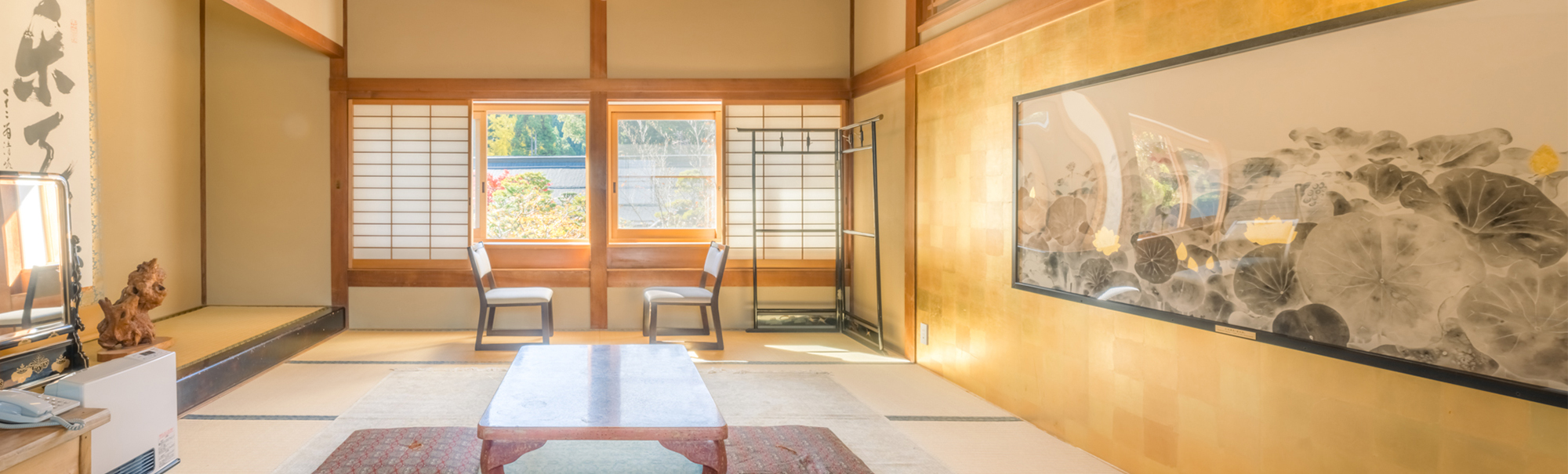
恵光院
A flagship Koyasan shukubo with English-guided Goma fire ceremony, Ajikan meditation, and nightly Okunoin tours.
from $130/night

福智院
The only Koyasan shukubo with a natural hot spring, three Mirei Shigemori gardens, and refined shojin ryori.
from $175/night
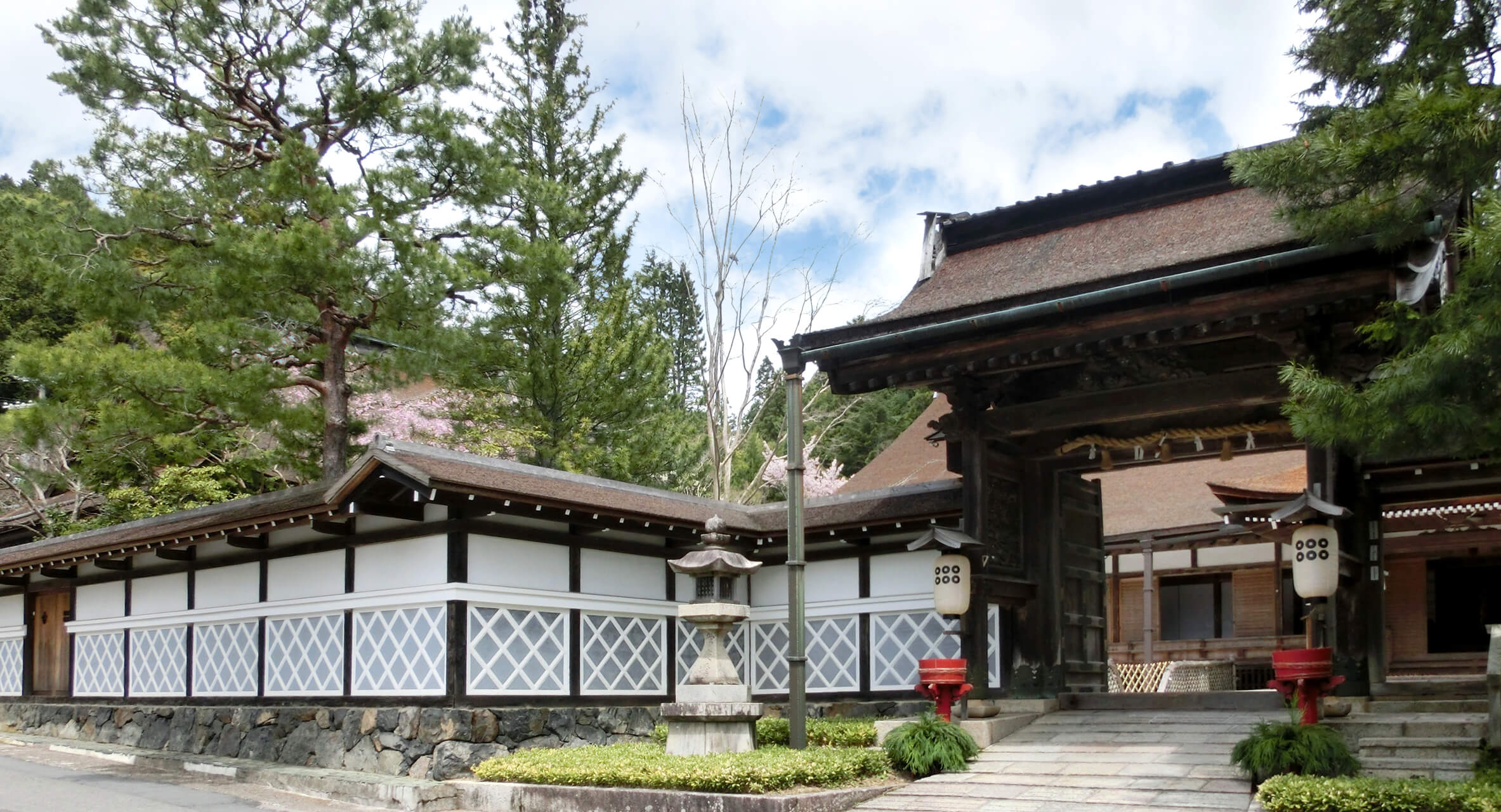
蓮華定院
A Sanada-family bodaiji shukubo on Mt. Koya with English-speaking monks, just 13 rooms, and a strong samurai-era heritage.
from $230/night