|
|
|
|
|
|
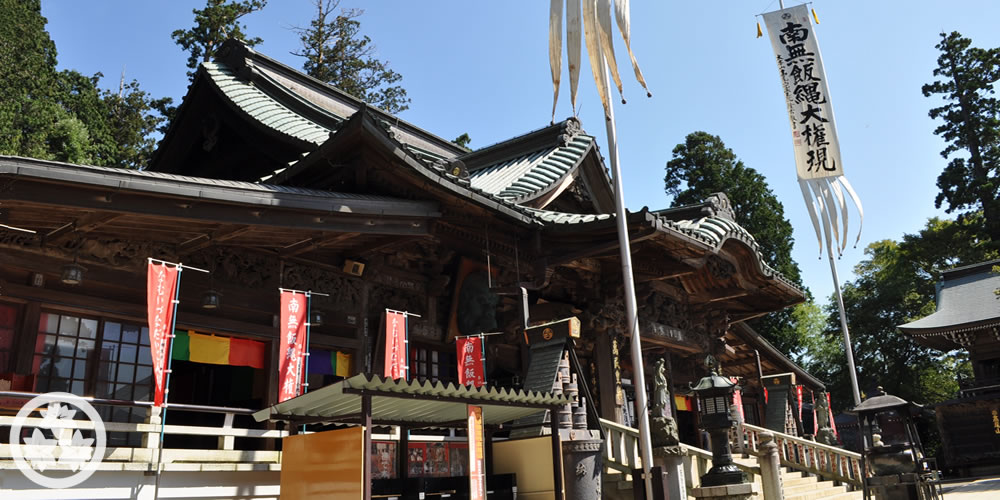
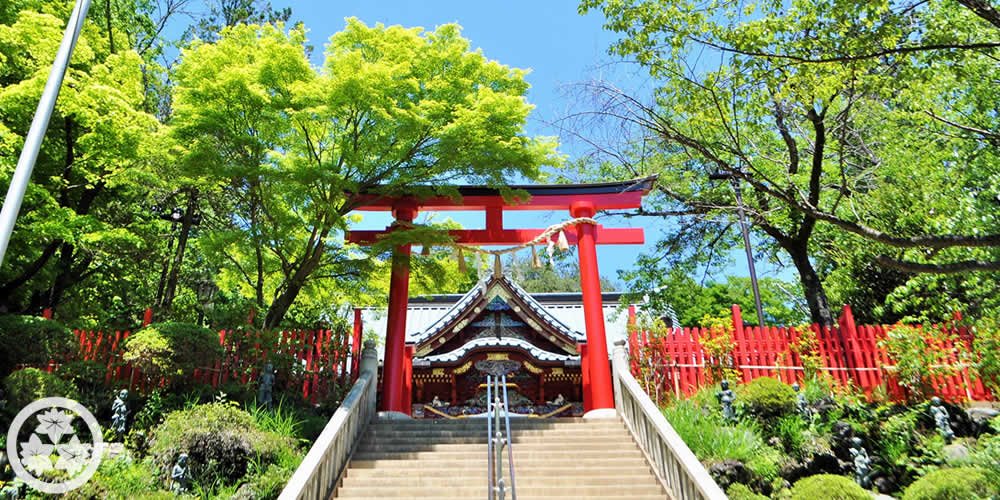
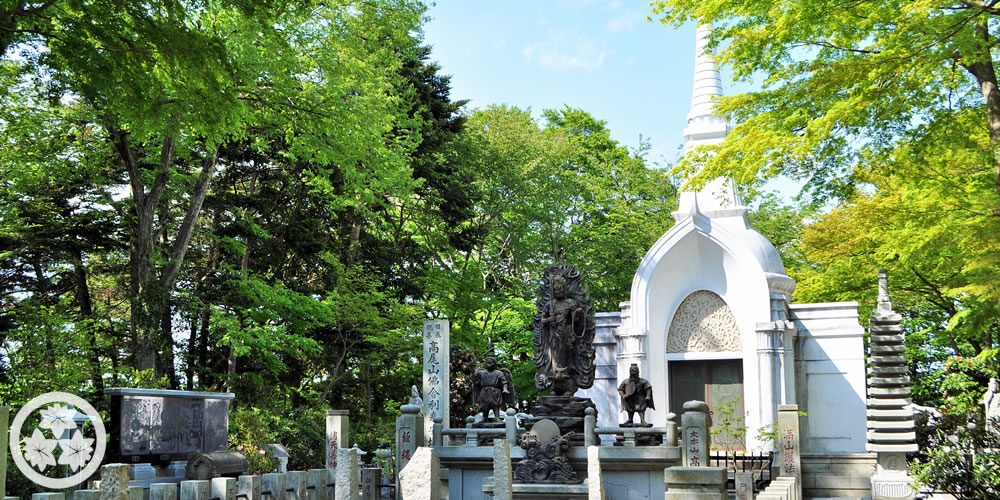
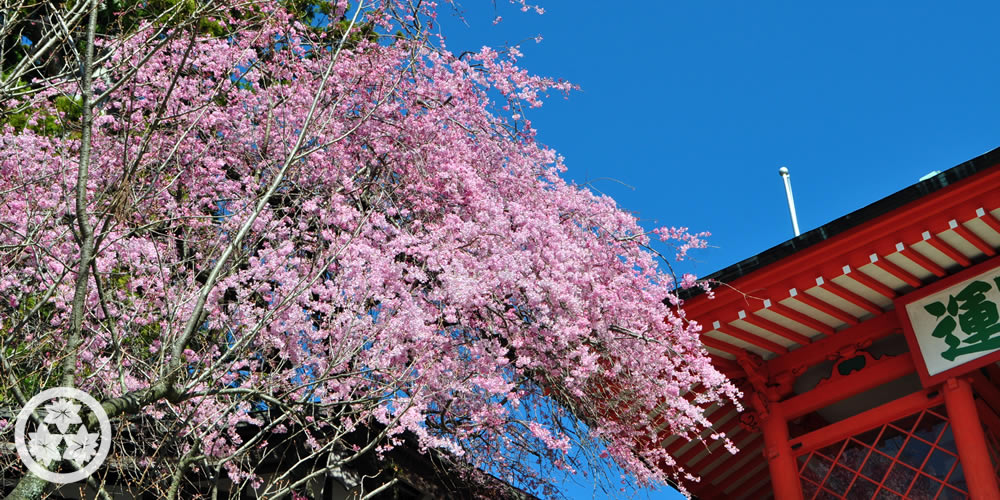
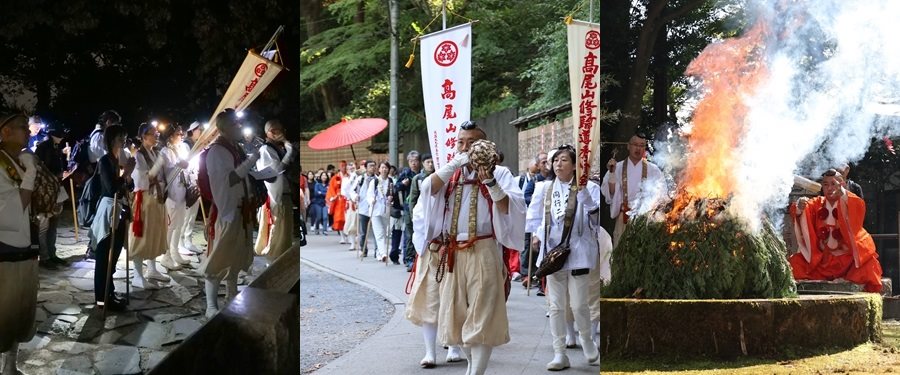
A 1,200-year-old Shingon yamabushi head temple just outside Tokyo, with a twice-yearly 1-night training retreat at Daihonbo featuring waterfall ablutions, pre-dawn mountain practice and sacred fire ritual.
Founded in 744 by the monk Gyoki at the order of Emperor Shomu, Takaosan Yakuoin Yukiji is one of the three great head temples of the Shingon Chizan-ha school in eastern Japan, alongside Naritasan Shinshoji and Kawasaki Daishi Heikenji. Mt. Takao itself has been a sacred yamabushi training ground for over 1,200 years, and Daihonbo is the traditional shukubo within the temple precincts.
The temple opens its 1-night, 2-day "Shinto Buchu Shugyokai" believer training retreat to the general public twice a year — once each in June and October — capped at 40 participants aged 20+. The 25,000 yen program (lodging + 3 shojin meals + bath + instruction) covers takigyo waterfall ablutions, pre-dawn kaiho-gyo mountain circumambulation, sutra recitation, gachirinkan moon-disc meditation, shakyo, and the saito-goma sacred fire ceremony.
Even outside the retreat dates, Yakuoin opens two waterfall halls — Hebi-taki and Biwa-taki — to lay practitioners on fixed dates each month with beginner instruction, and the temple kitchen serves yamabushi-style shojin ryori for lunch (advance reservation, 2-day notice, parties of 2 or more, 11:00–14:00) at Daihonbo, drawing on the Shugendo principle that the mountain itself is Buddha.
Takaosan Yakuoin Daihonbo
Compare 3 platforms — save up to 20%
Booking links may earn a commission at no extra cost to you.
Nearest Station
Takaosanguchi Station (Keio Takao Line)
From Kansai Airport (KIX)
1. JR Haruka Express → Kyoto Station ~75 min
2. Local train/taxi → Takaosanguchi Station (Keio Takao Line) ~50 min
From Tokyo
1. Tokaido Shinkansen → Kyoto Station ~2h 15m
2. Local transit → Takaosanguchi Station (Keio Takao Line) ~50 min
From Osaka
1. JR Special Rapid → Kyoto Station ~30 min
or Hankyu Railway → Kawaramachi ~45 min
Tip: Purchase an IC card (ICOCA or Suica) at any station for easy tap-and-go on buses and trains.
💡 Save with a Japan Rail Pass
Covers unlimited Shinkansen + local JR trains
12 questions about Takaosan Yakuoin Daihonbo
Founded in 744 by the monk Gyoki at the order of Emperor Shomu, Takaosan Yakuoin Yukiji is one of the three great head temples of the Shingon Chizan-ha school in eastern Japan, alongside Naritasan Shinshoji and Kawasaki Daishi Heikenji. Mt. Takao itself has been a sacred yamabushi training ground for over 1,200 years, and Daihonbo is the traditional shukubo within the temple precincts.
The temple opens its 1-night, 2-day "Shinto Buchu Shugyokai" believer training retreat to the general public twice a year — once each in June and October — capped at 40 participants aged 20+. The 25,000 yen program (lodging + 3 shojin meals + bath + instruction) covers takigyo waterfall ablutions, pre-dawn kaiho-gyo mountain circumambulation, sutra recitation, gachirinkan moon-disc meditation, shakyo, and the saito-goma sacred fire ceremony.
Even outside the retreat dates, Yakuoin opens two waterfall halls — Hebi-taki and Biwa-taki — to lay practitioners on fixed dates each month with beginner instruction, and the temple kitchen serves yamabushi-style shojin ryori for lunch (advance reservation, 2-day notice, parties of 2 or more, 11:00–14:00) at Daihonbo, drawing on the Shugendo principle that the mountain itself is Buddha.
12 questions about Takaosan Yakuoin Daihonbo
More in Tokyo