Destination
Kyoto
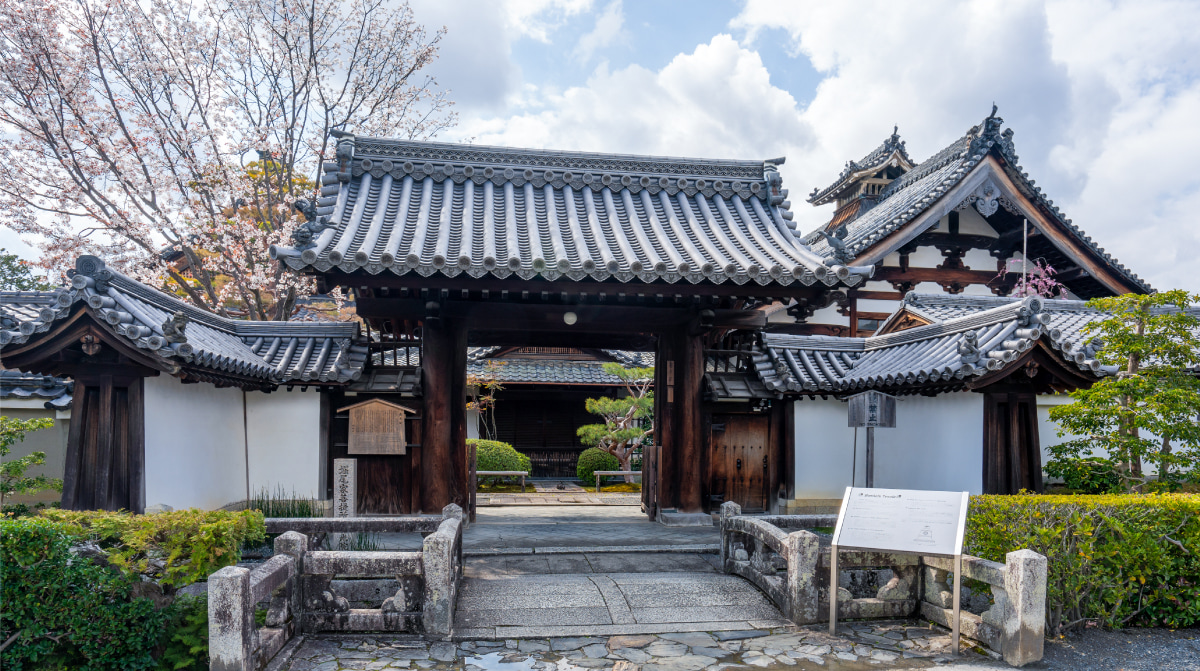
Japan's ancient capital with over 1,600 Buddhist temples spanning every major sect. From Zen meditation at Daitoku-ji subtemples to Pure Land hospitality at Chion-in affiliates, Kyoto offers the widest variety of temple stay experiences in Japan.
5 ryokans et hôtels onsen à Kyoto
Comparez ryokans traditionnels et hôtels onsen modernes à Kyoto. Filtrez par bain privé, accueil anglophone, cuisine végétarienne et politique tatouage.
Voir notre sélection des meilleurs ryokans à Kyoto5 ryokans à Kyoto


Shunkoin
春光院
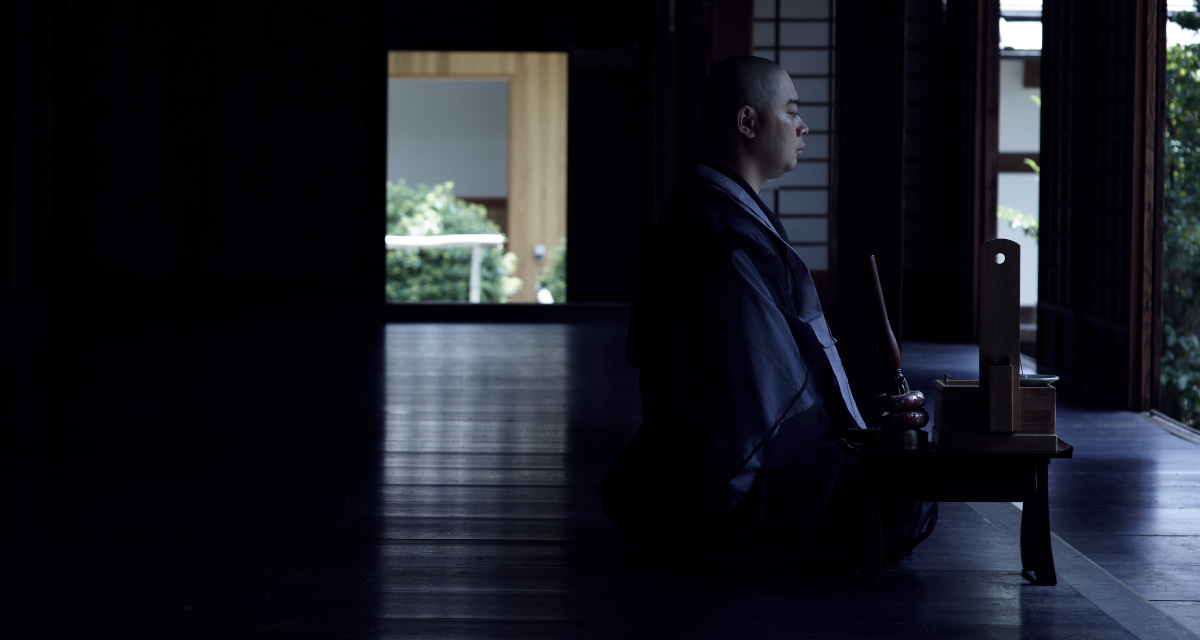
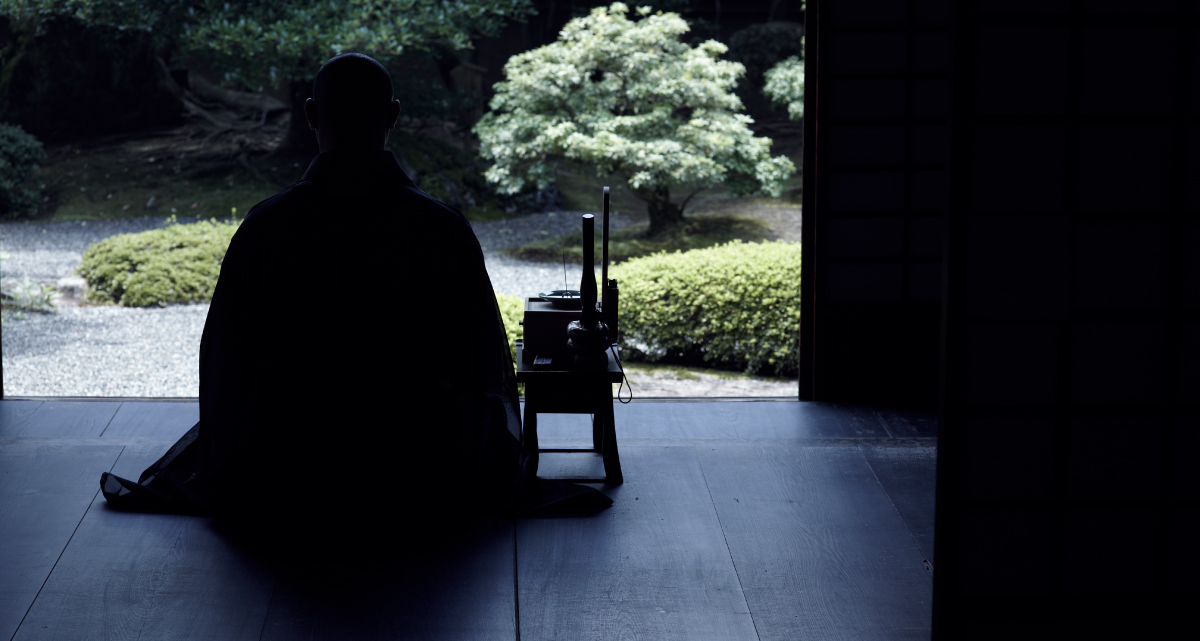
Kyoto's most internationally renowned Zen shukubo, offering English-led meditation classes and modern en-suite rooms inside a 1590 Myoshin-ji sub-temple.
à partir de $60 /par nuit


Chion-in Wajun Kaikan
知恩院 和順会館
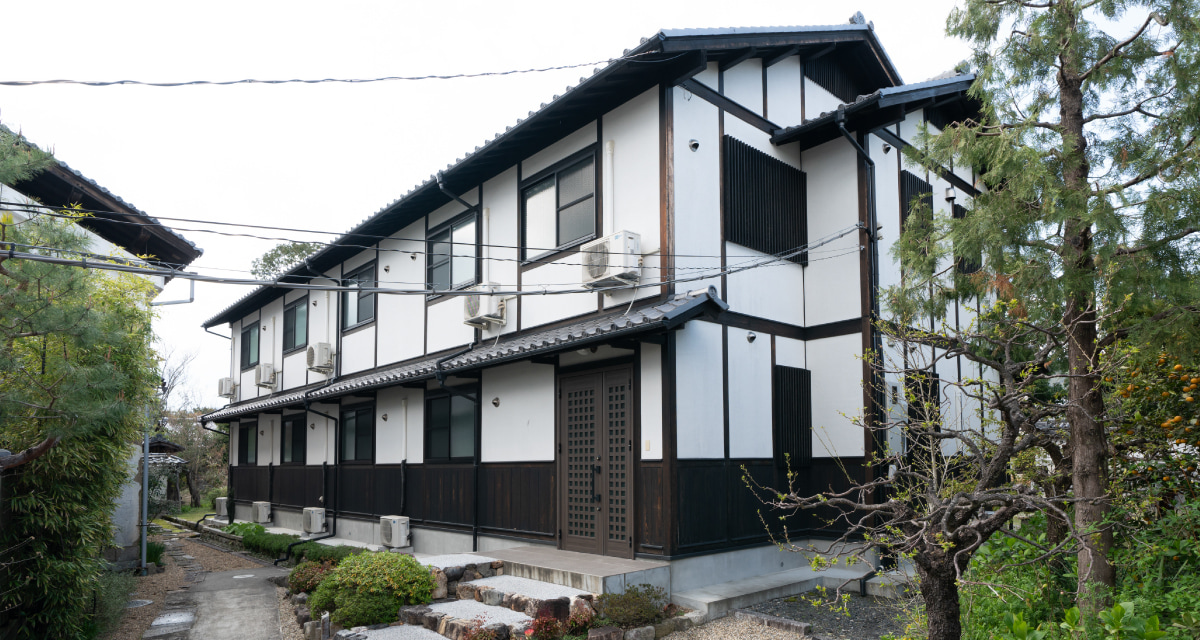
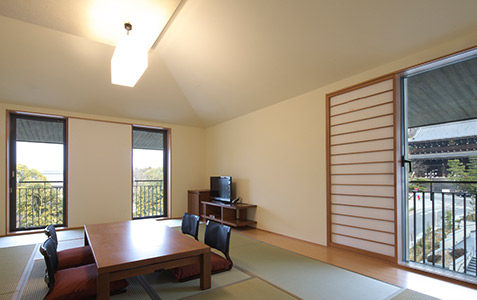
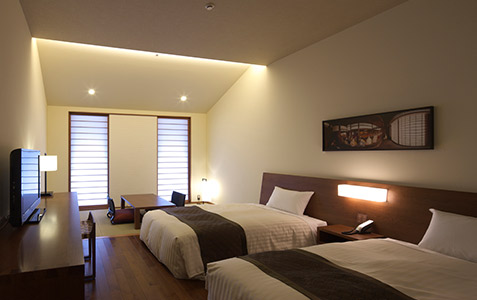
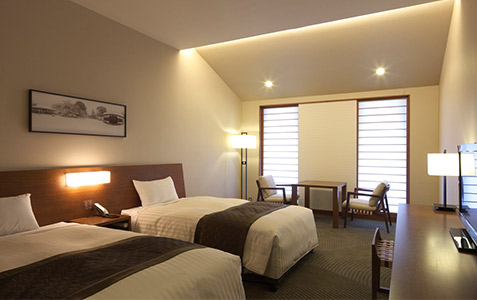
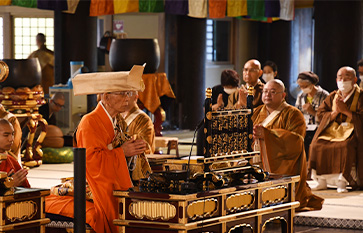
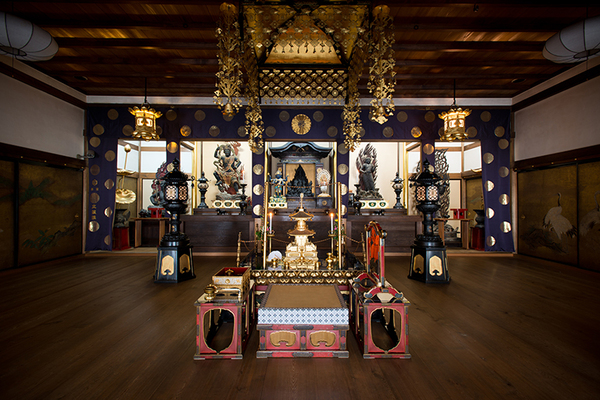
The official lodging of Chion-in, head temple of Jodo-shu Pure Land Buddhism, with morning services in a National Treasure hall and 50 modern rooms beside the Sanmon gate.
à partir de $80 /par nuit


Hanazono Kaikan
花園会館
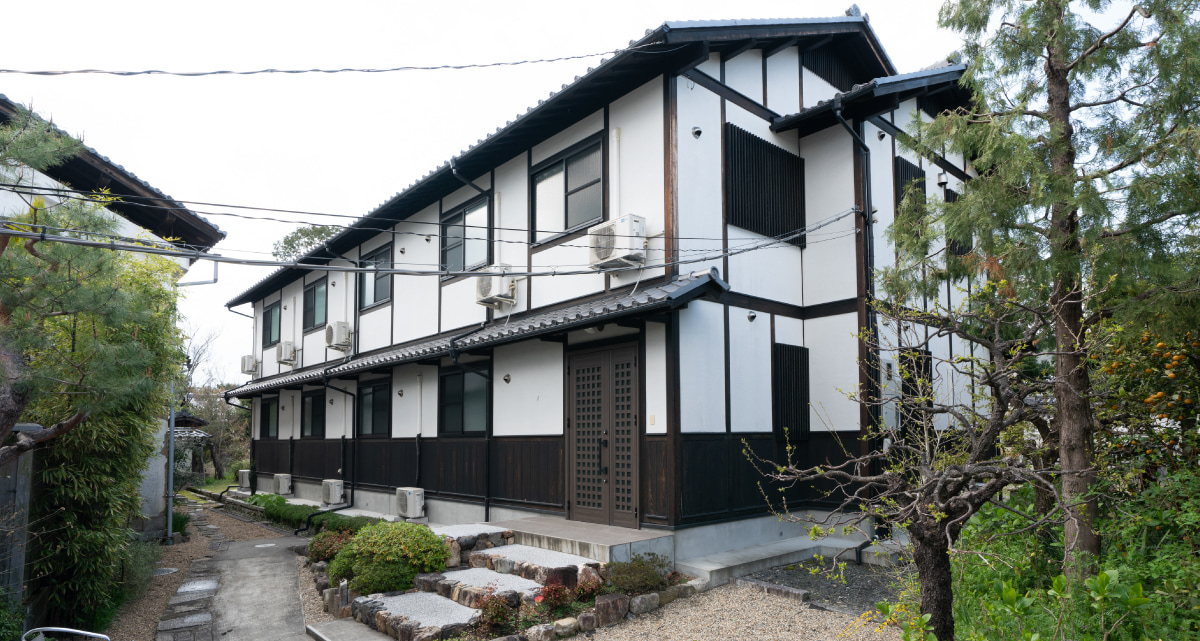
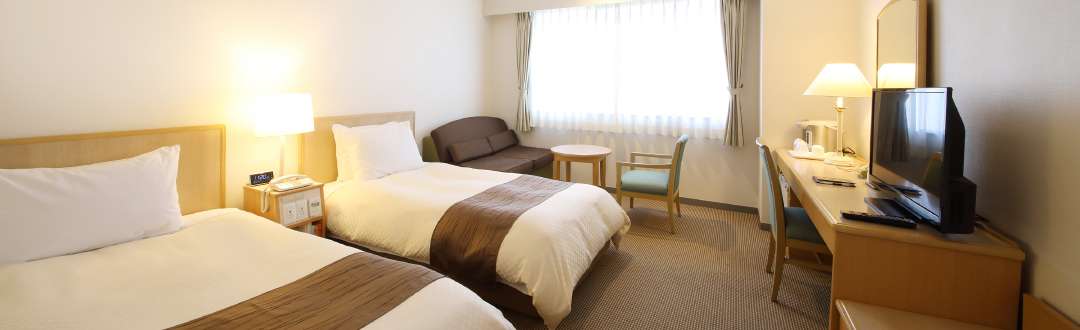
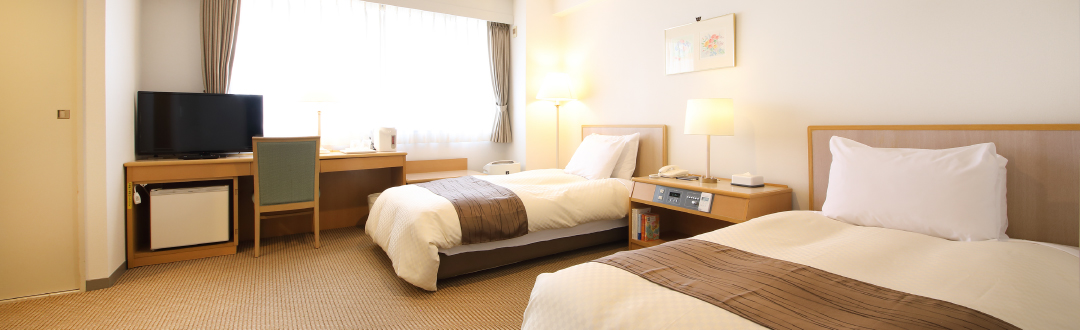
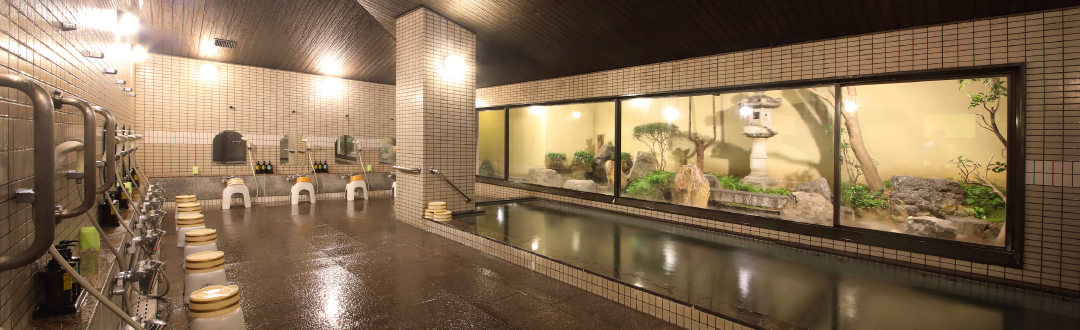
Myoshin-ji's official hotel-style shukubo near JR Hanazono Station, with 66 modern rooms, public bath, and easy access to Zen meditation programs.
à partir de $90 /par nuit


Shogoin Gotenso
聖護院 御殿荘
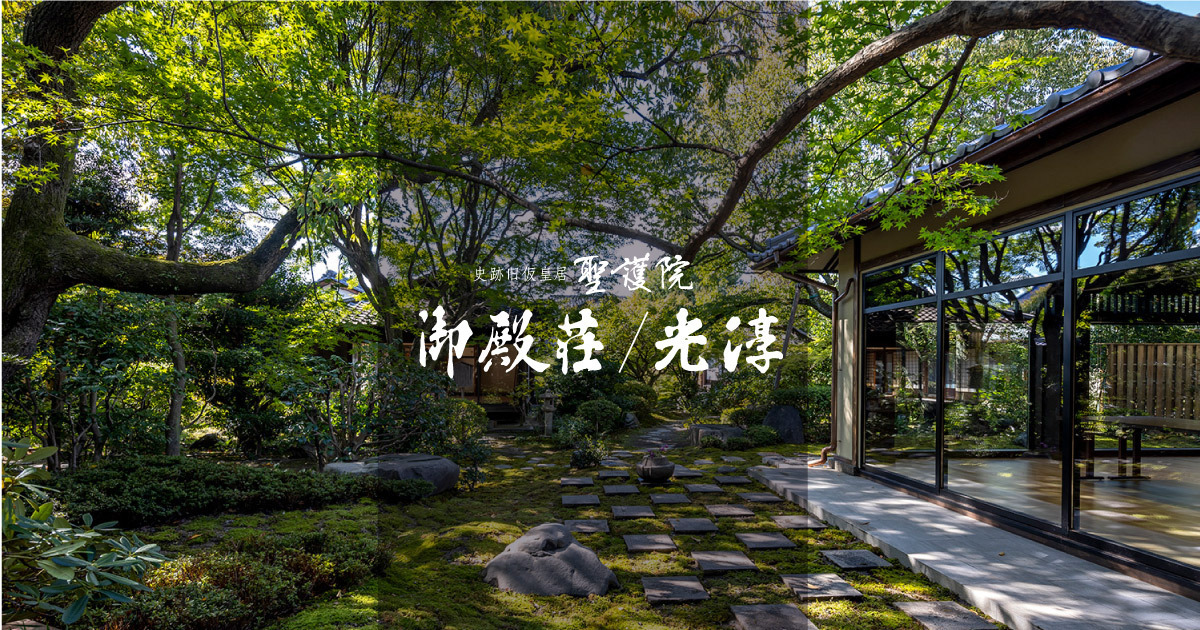
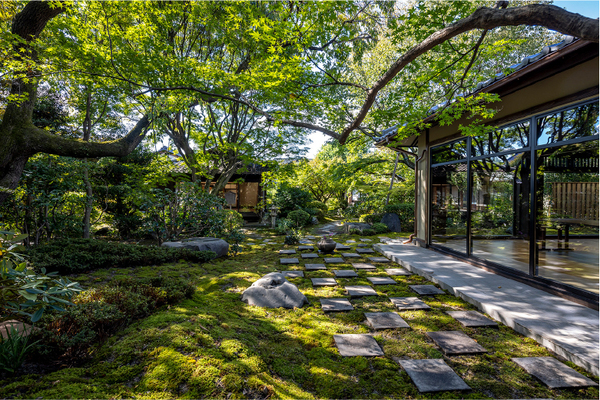
A traditional ryokan-style lodging inside the precinct of Shogo-in Monzeki, head temple of Honzan Shugen-shu and a former temporary Imperial Palace.
à partir de $110 /par nuit


Myoren-ji
妙蓮寺
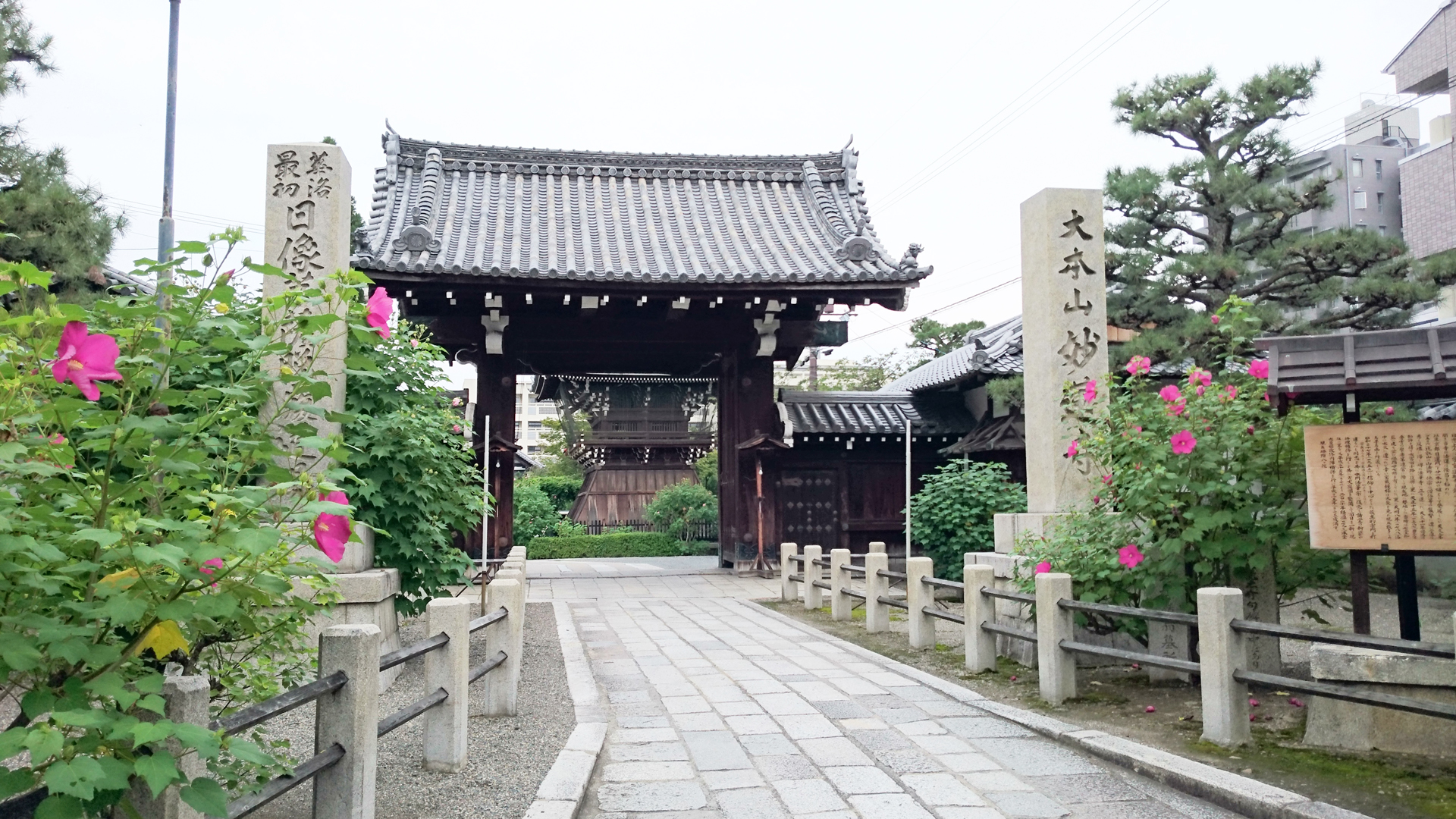
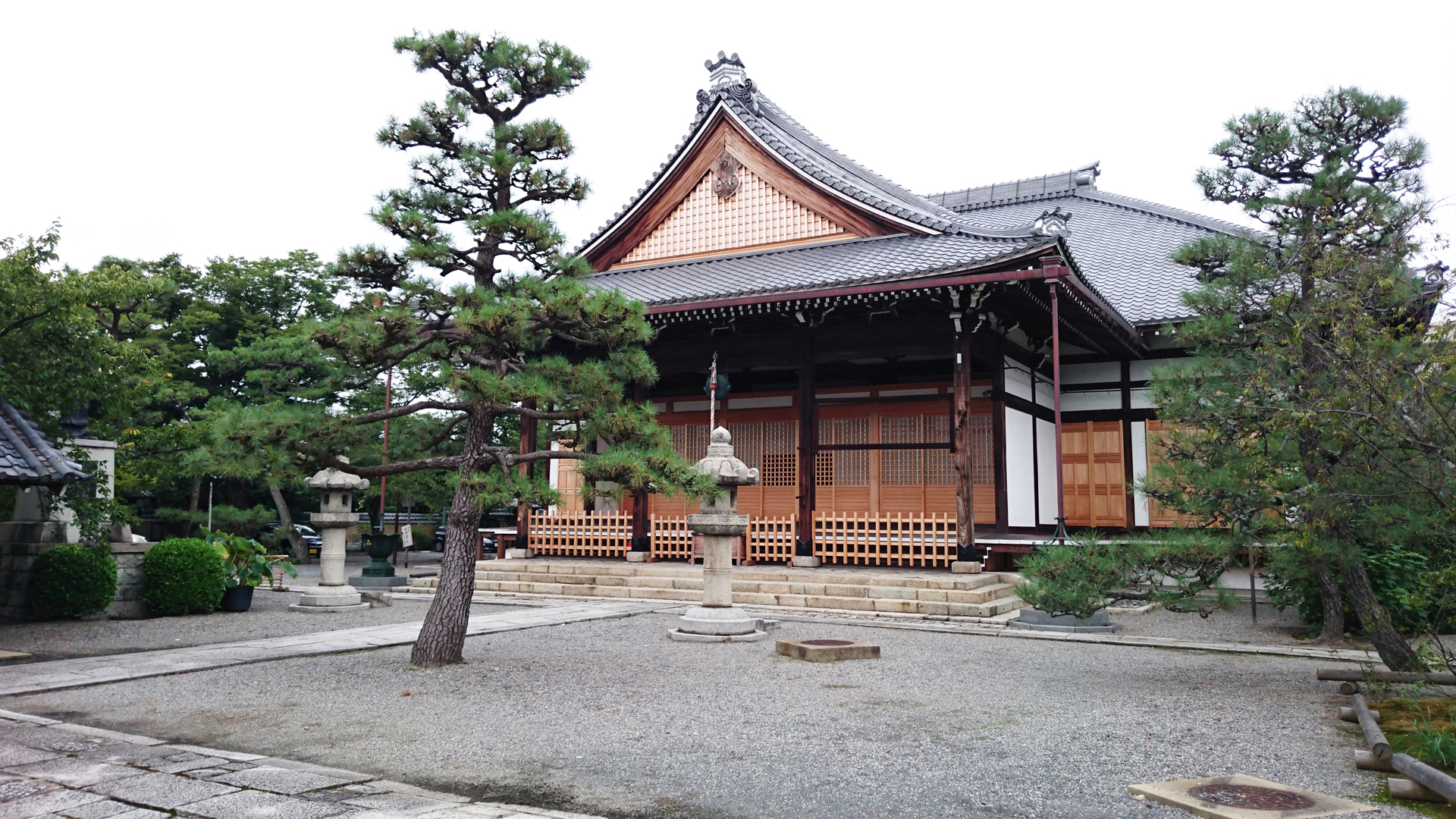
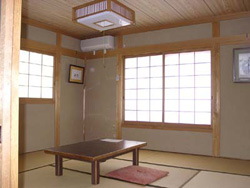
A 1294 head temple of the Honmon Hokke (Lotus) sect with rare overnight stays in spartan tatami rooms beside a famous Jurokurakan dry garden.
à partir de $30 /par nuit
Questions fréquentes
5 questions sur Kyoto
Ryokan prices in Kyoto typically range from $80-$150 per night for budget options, $150-$350 for mid-range, and $350-$800+ for luxury ryokans. Prices usually include dinner (kaiseki) and breakfast. Peak seasons (cherry blossom in spring, autumn foliage) tend to be 20-30% higher.
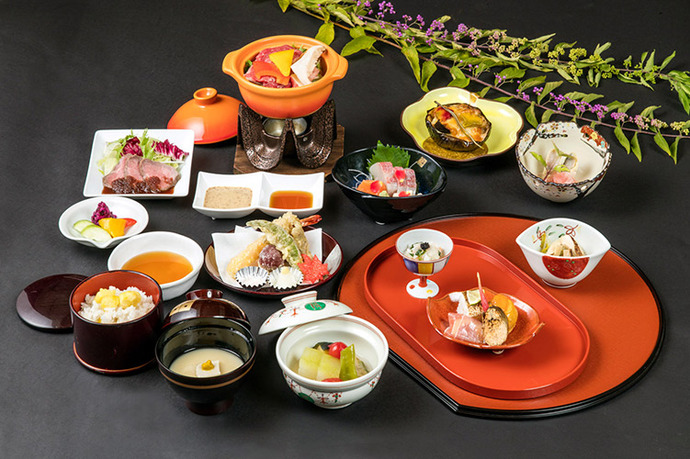
A traditional ryokan stay in Kyoto typically includes a tatami room with futon bedding, a multi-course kaiseki dinner, a Japanese breakfast, yukata robes, and access to onsen (hot spring baths). Many ryokans also provide tea and sweets upon arrival, toiletries, and slippers.
No, many ryokans in Kyoto welcome international guests and have English-speaking staff or English signage. Our guide highlights which ryokans are English-friendly. Even at ryokans with limited English, the staff are experienced in hosting foreign guests and the experience is very intuitive.
Each season offers a unique experience. Spring (March-May) brings cherry blossoms, autumn (October-November) offers stunning foliage, and winter (December-February) is perfect for outdoor onsen with snow scenery. Summer (June-August) is the least crowded period with lower prices. Book well in advance for peak seasons.
You can book through international platforms like Booking.com or Expedia, which offer English interfaces and free cancellation. Some luxury ryokans also accept direct bookings via their official websites. We recommend booking 2-3 months in advance, especially for popular ryokans during peak seasons. Our guide provides direct booking links for each of the 5 ryokans we've curated in Kyoto.