
|
|
|
|
|
|

Destination
A UNESCO World Heritage mountain in Nara Prefecture, the historic center of Shugendo (mountain asceticism) for over 1,300 years. Famous for cherry blossoms and home to Kinpusen-ji, Yoshino offers shukubo at active Shugendo temples like Sakuramotobo and Chikurin-in, where visitors join morning prayers, eat shojin ryori, and walk pilgrimage trails.
Comparez les shukubo (hébergements en temple) de Yoshino. Filtrez par école bouddhique, séance de zazen, enseignement en anglais et cuisine shojin ryori.
Voir notre sélection des meilleurs temples à Yoshino5 temples à Yoshino
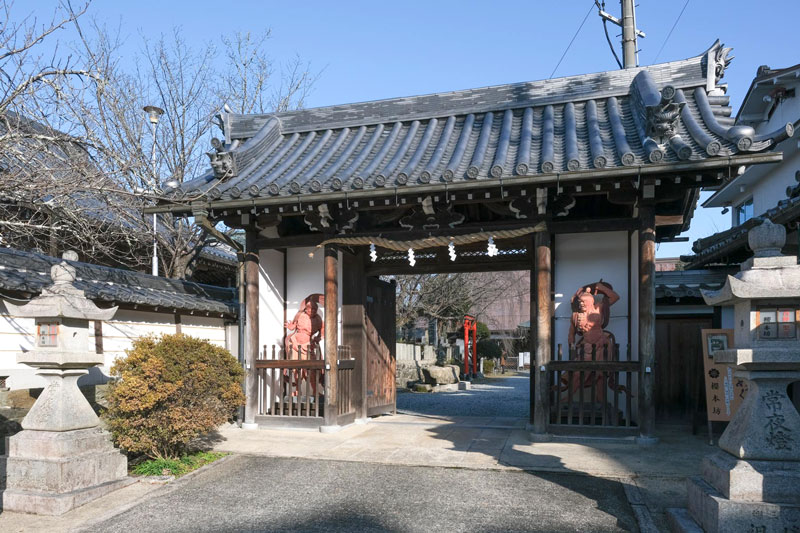
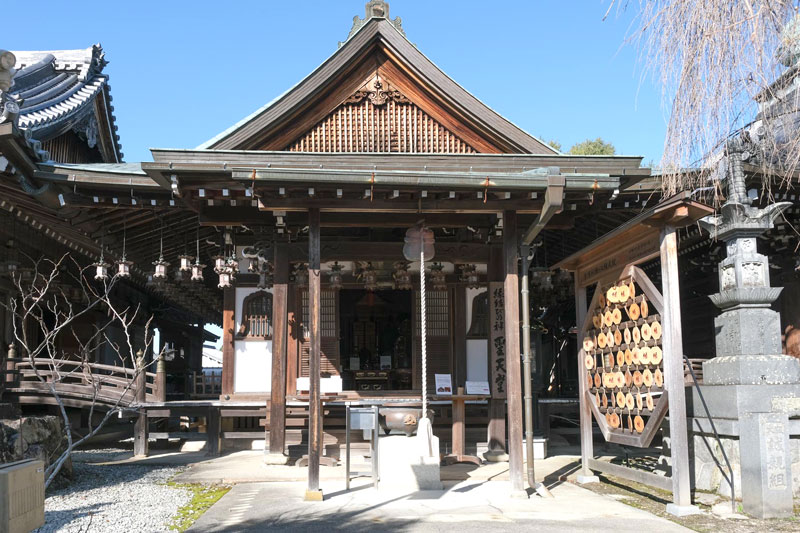
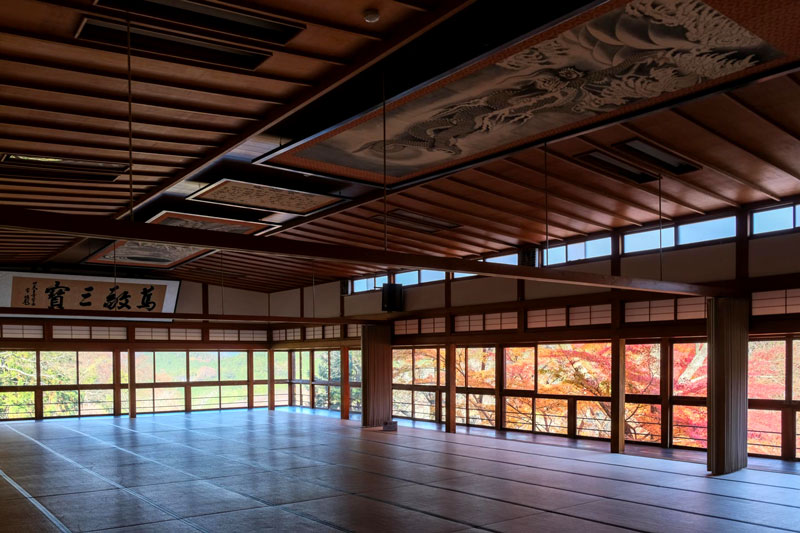
井光山 五臺寺 櫻本坊
Shukubo et salle d'entraînement du Shugendo (ascétisme montagnard) sur le Mont Yoshino classé à l'UNESCO, fondé sur un vœu de l'empereur Tenmu et abritant trois Bouddhas inscrits comme Biens culturels importants.
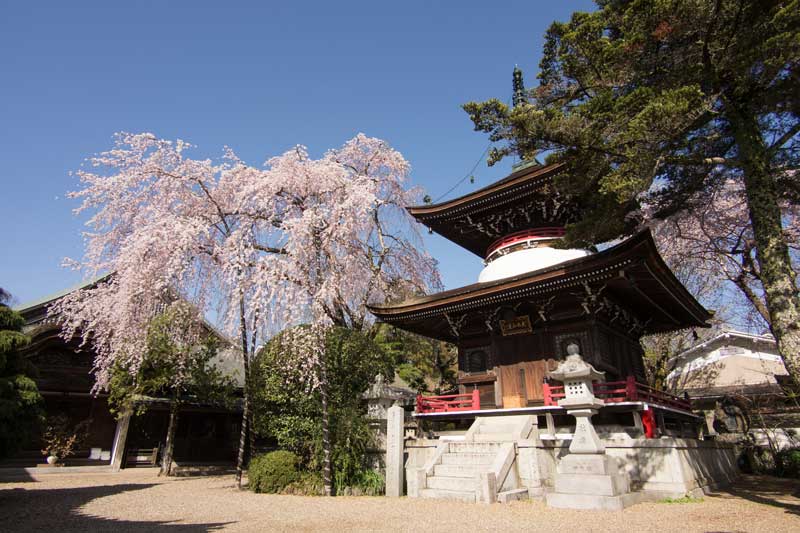
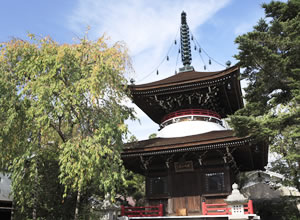
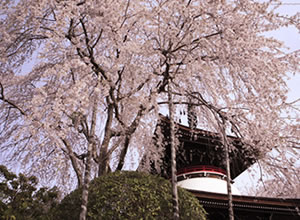
大峯山 東南院
Shukubo vieux de 1 300 ans fondé par En no Gyoja au sud-est de Kinpusenji, célèbre pour son pagodon tahoto et son cerisier pleureur. Fréquenté par l'empereur retiré Shirakawa et par Matsuo Basho.
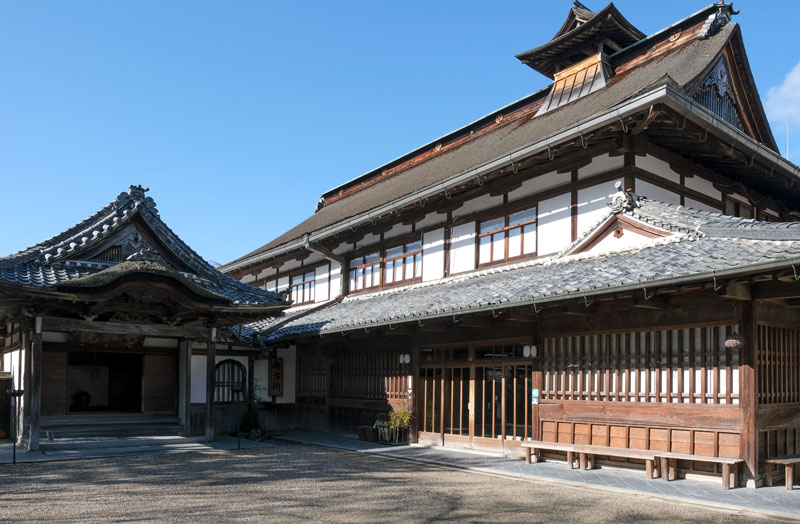
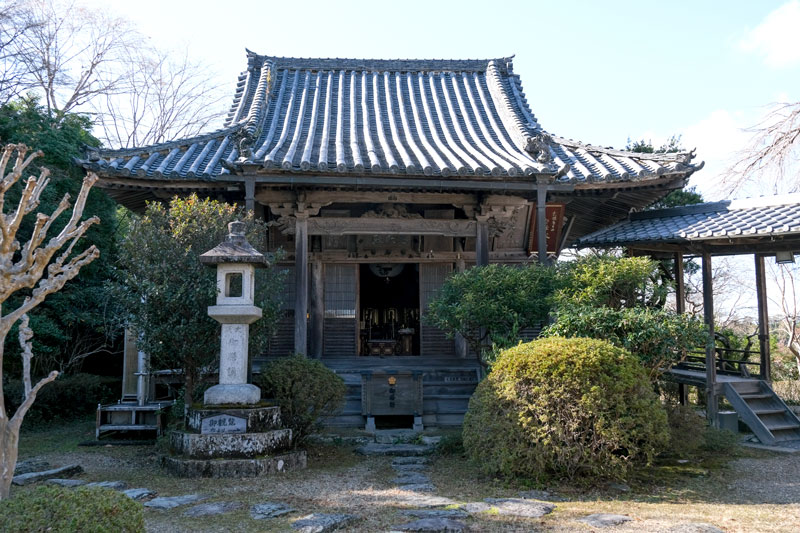
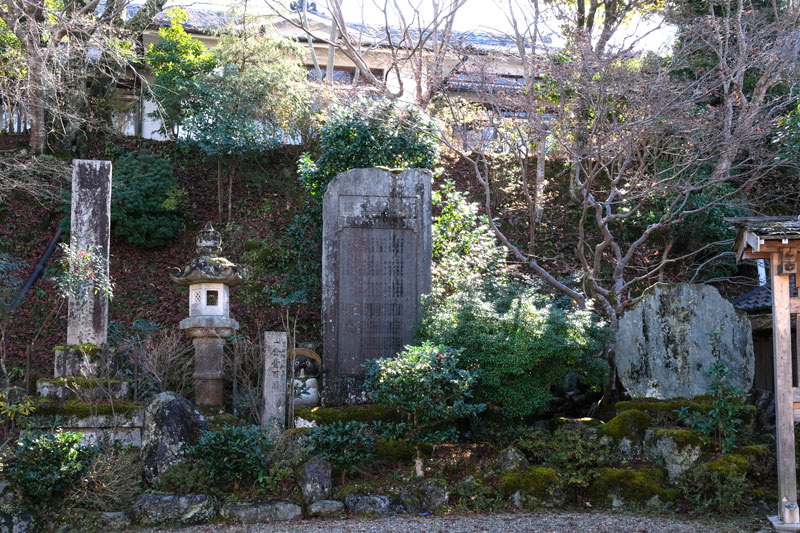

竹林院 群芳園
Shukubo-ryokan le plus prestigieux du Mont Yoshino, fondé par le prince Shotoku et organisé autour de Gunpoen — un jardin de Sen no Rikyu classé parmi les Trois Grands Jardins du Yamato.
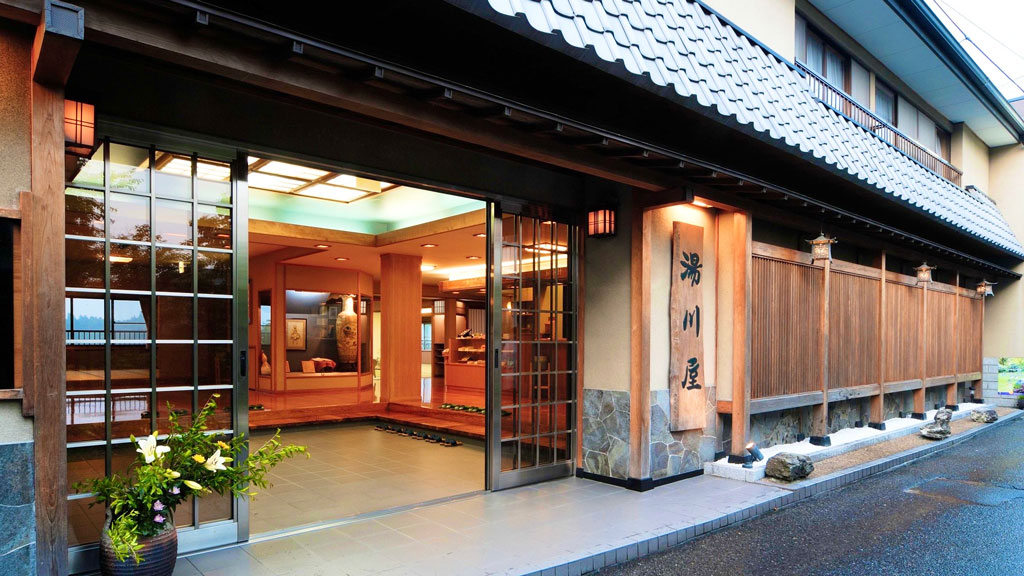
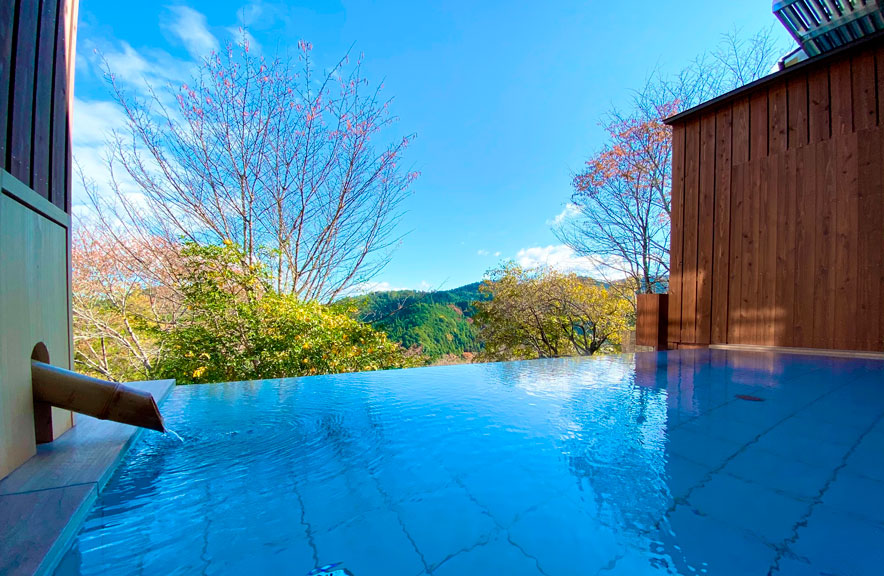
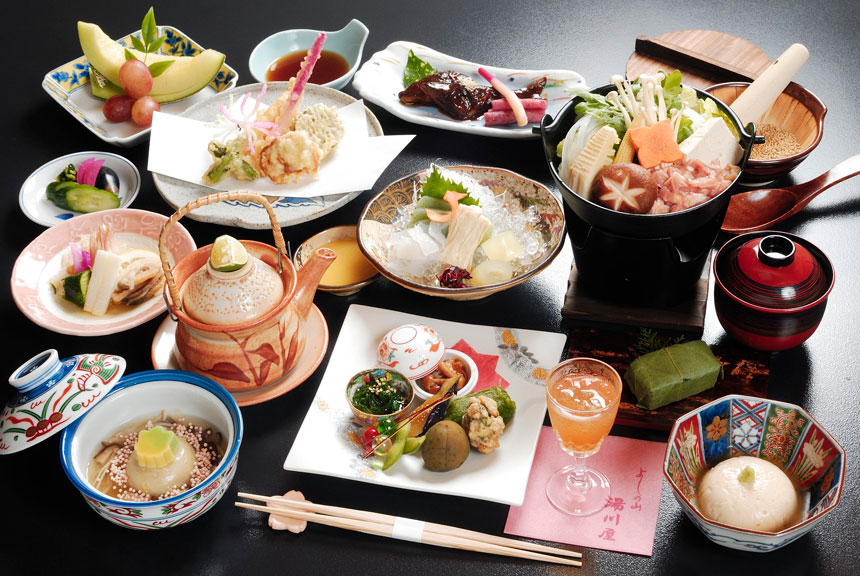
吉野荘 湯川屋
Ryokan de 300 ans planté devant le grand portail du Zao-do de Kinpusenji, l'hébergement le plus proche de ce Trésor national, avec le premier bain extérieur à débordement de la préfecture de Nara.
護法山 喜蔵院
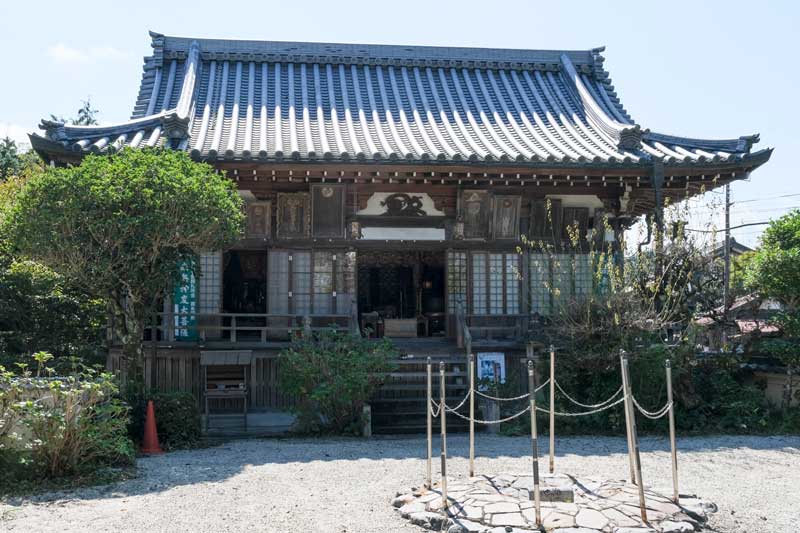
Sous-temple Honzan Shugen-shu de Kinpusenji et l'un des cinq temples gardiens du Mont Omine — seul temple de Yoshino à proposer à la fois un shukubo et une auberge de jeunesse.
Journal
5 questions sur Yoshino