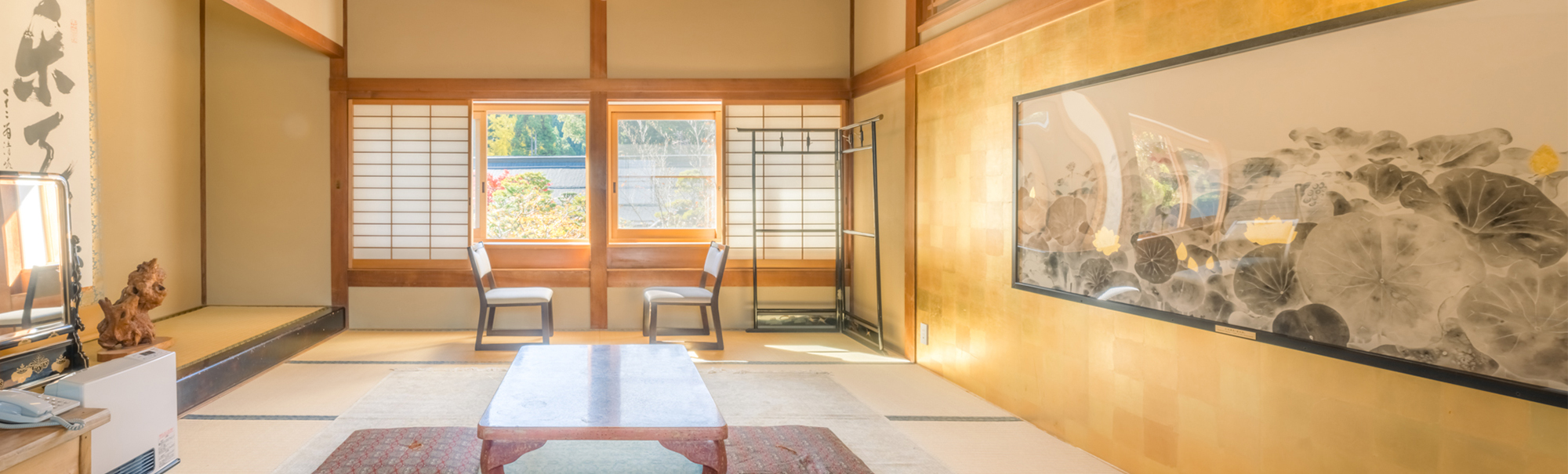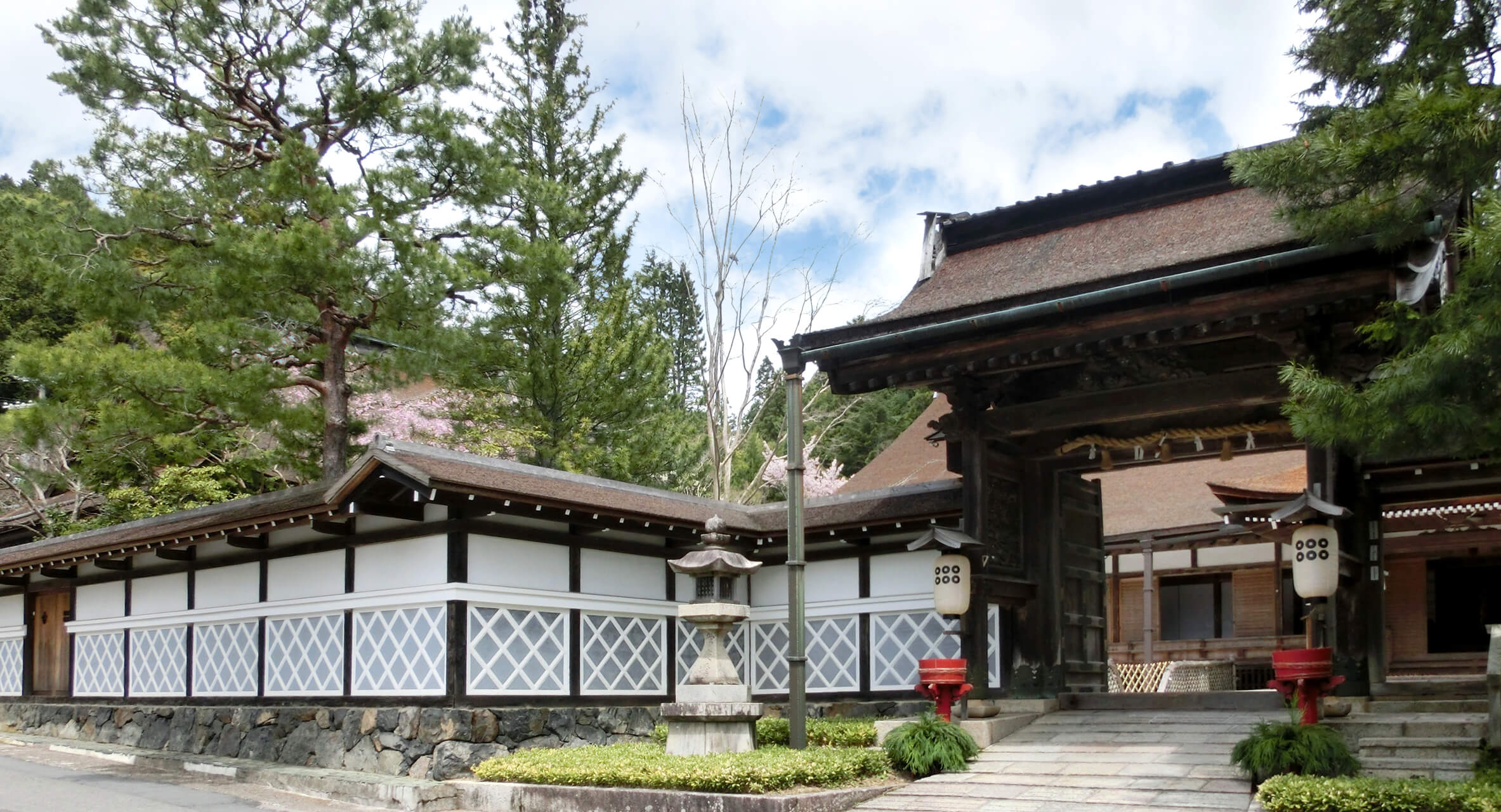
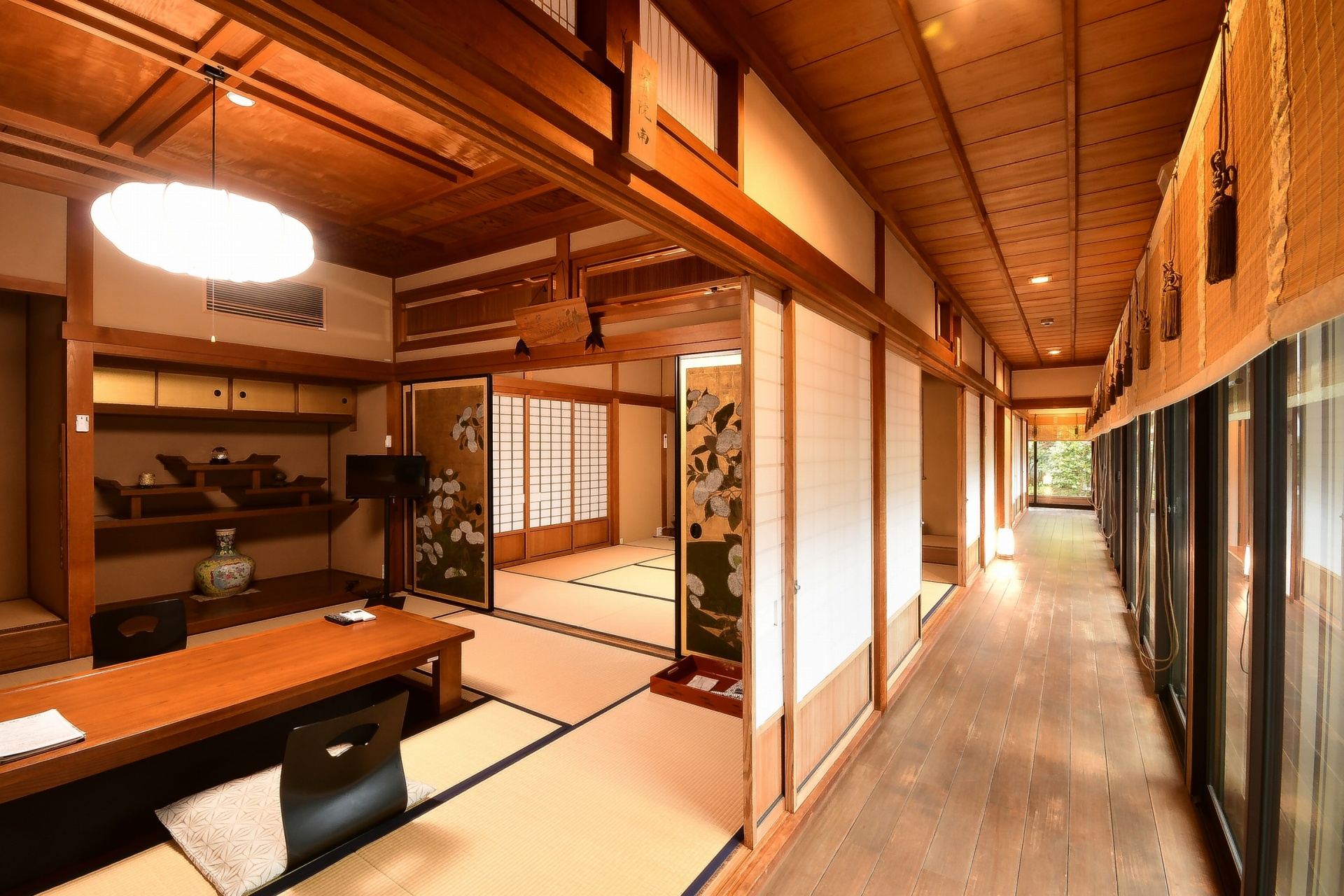
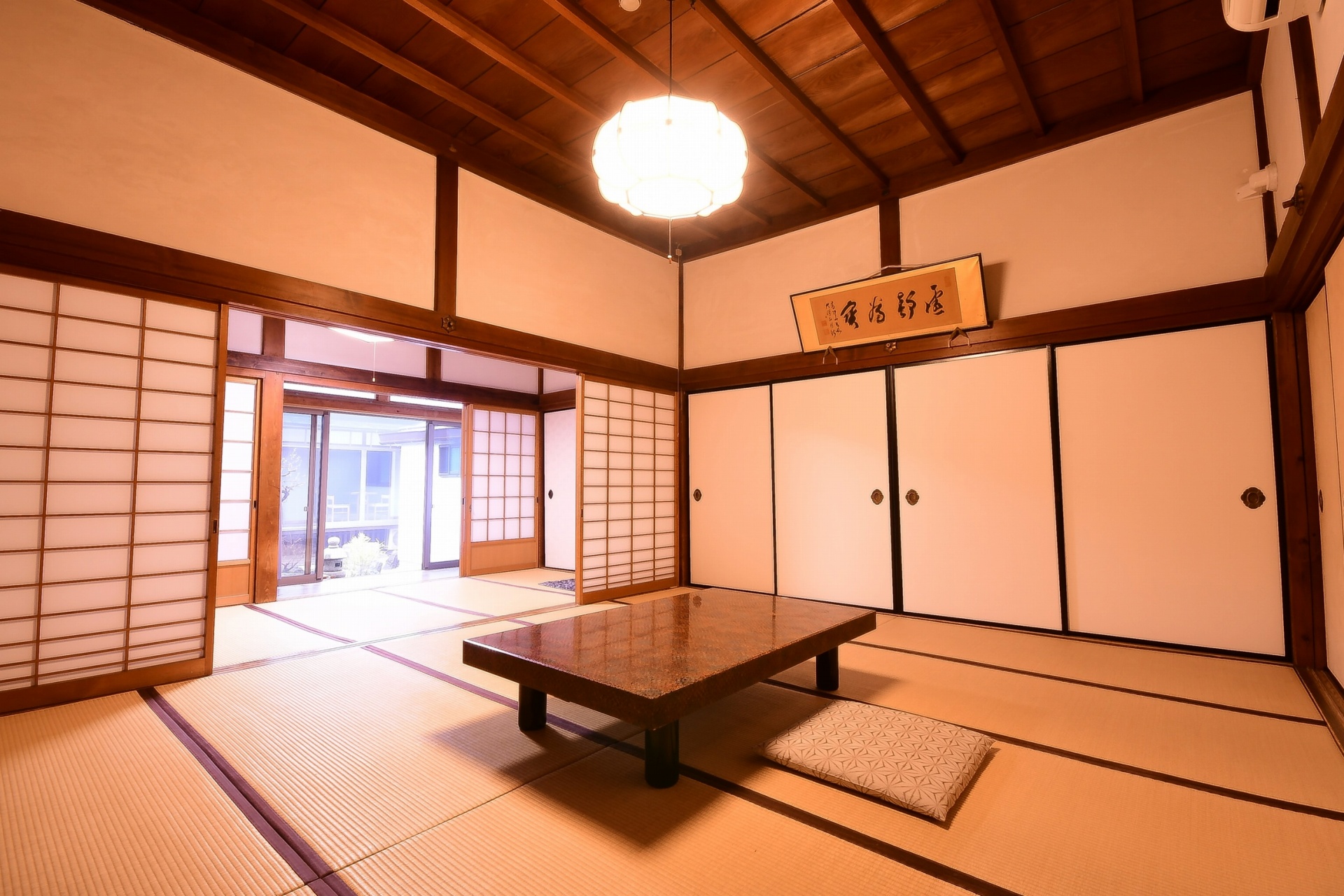
Yochi-in tatami corridor with painted sliding doorsTatami guest room with low table at Yochi-inYochi-in temple grounds and exteriorYochi-in inner garden viewYochi-in main hall altarShojin ryori vegetarian dinner at Yochi-inYochi-in garden seasonal view
1 / 7
Mid-Range| Koyasan

Yochi-in

櫻池院

A 12th-century imperial-foundation shukubo on Mt. Koya famed for its Mirei Shigemori stone garden and the cherry-reflecting pond that gives the temple its name.

Staff speaksEnglish · 日本語
SectShingon (真言宗)
UNESCO World Heritage
from$120 /per night
Check Availability

Features

English FriendlyVegetarian MealsFree WiFiCredit Cards

Highlights

Mirei Shigemori Stone Garden

Just inside the sanmon gate stands a karesansui stone garden designed by the renowned 20th-century landscape artist Mirei Shigemori, a nationally designated cultural feature of the temple.

Cherry Blossom Pond

The temple takes its modern name from a pond on the grounds famed since the 13th century for the reflection of cherry blossoms — celebrated in a poem by Emperor Go-Saga during his pilgrimage in 1258.

Imperial Foundation

Founded in 1127 by Imperial Prince Kakuho, the fourth son of Emperor Shirakawa. The neighboring Seikei-in, the memorial temple of warlord Takeda Shingen, has been managed by Yochi-in since the Meiji era.

About

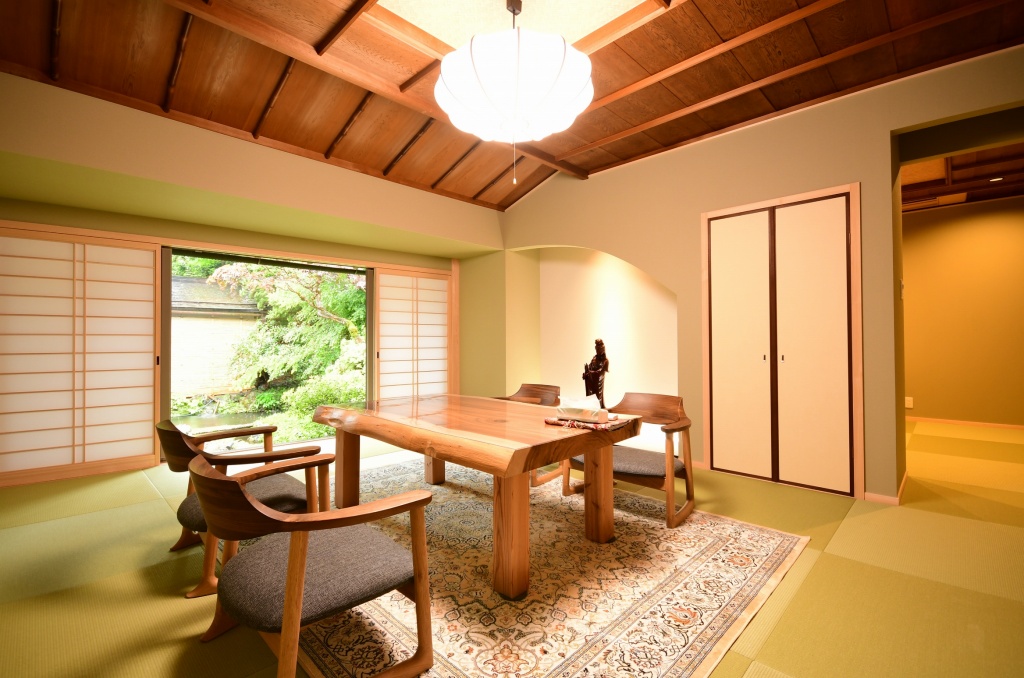
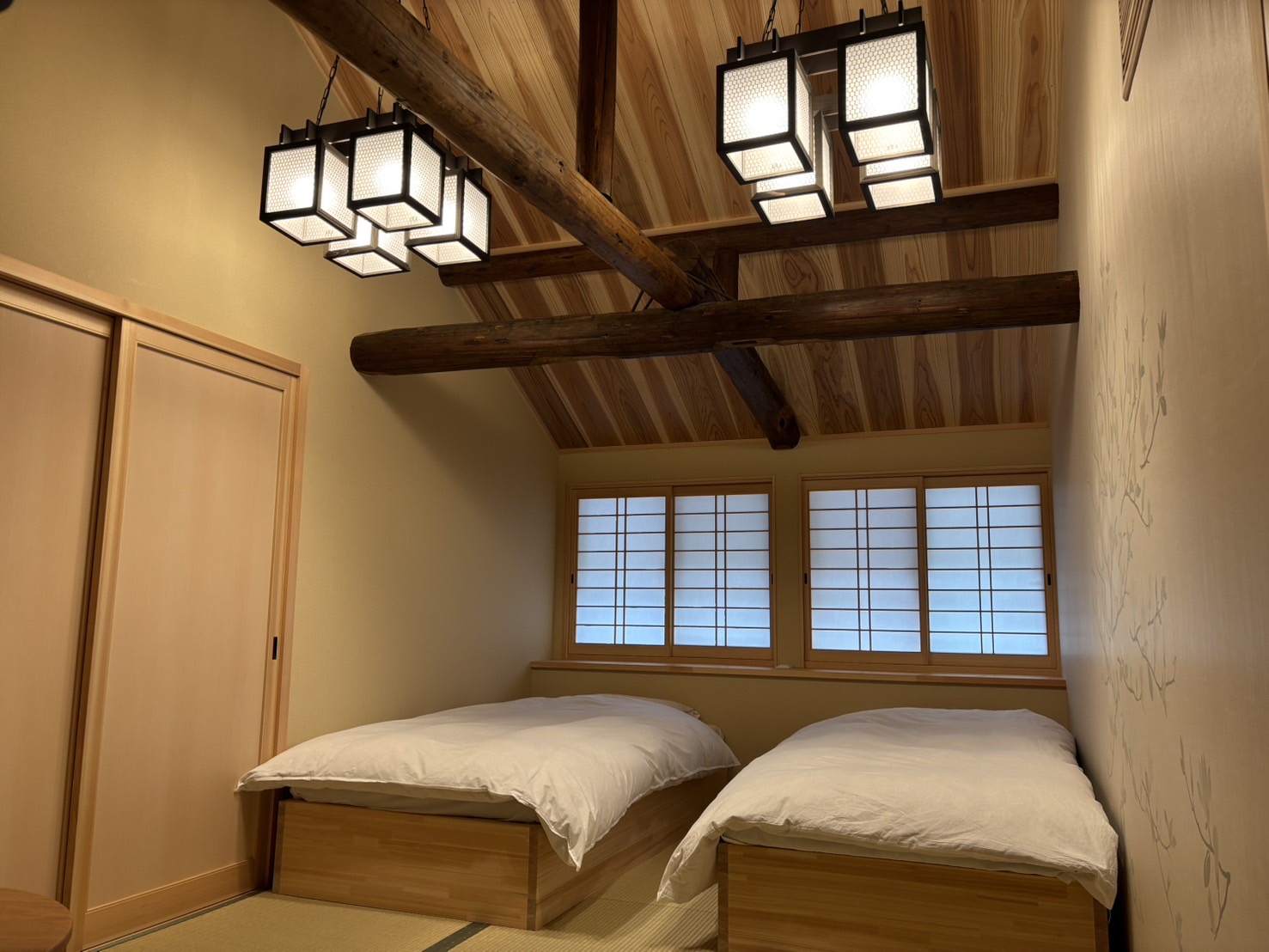
Yochi-in (櫻池院) was founded in 1127 by Imperial Prince Kakuho, the fourth son of Emperor Shirakawa, originally under the name Yochi-in (養智院). The current name "Sakura-ike-in" (Cherry Blossom Pond Temple) dates to 1258, when Retired Emperor Go-Saga lodged at the temple during a pilgrimage to Mt. Koya and composed a poem about the moonlight on cherry blossoms reflected in the pond before the main hall. Today guests stay in tatami rooms with traditional futon bedding and shared bathing facilities. Just inside the sanmon gate stands a karesansui stone garden created by the celebrated modern landscape artist Mirei Shigemori, a designated cultural feature. Vegetarian shojin ryori dinners use seasonal mountain ingredients prepared according to Buddhist precepts. Morning prayers are open to all guests, and meditation, sutra copying, and Buddhist tracing can be arranged on request. Yochi-in is a 10-minute walk from Kongobu-ji and 3 minutes from the Danjo Garan complex, placing it within the UNESCO World Heritage core of Koyasan.

Details

Check-in: 15:00
Check-out: 10:00
Koyasan Station (cable car)
From $120 - $280/night

Frequently Asked Questions

10 questions about Yochi-in

A ryokan is a traditional Japanese inn featuring tatami-mat rooms, futon bedding, communal or private baths, and multi-course kaiseki meals. Guests typically wear yukata (cotton robes) provided by the inn. A ryokan stay is one of the most authentic cultural experiences Japan has to offer.

Upon arrival, you'll be provided with a yukata (light cotton robe) and a pair of slippers. You can wear the yukata throughout the ryokan — to dinner, to the onsen, and even for a stroll in the neighborhood. Indoor slippers should be removed before stepping on tatami mats.

Yes, Yochi-in has English-speaking staff who can assist with check-in, dining reservations, and local recommendations. Communication should not be an issue for international guests.

Check-in is from 15:00 and check-out is by 10:00. If you arrive early, most ryokans can store your luggage while you explore the area. Late check-in may be possible — contact the ryokan in advance to arrange.

Yes, Yochi-in can prepare vegetarian meals. Japanese Buddhist cuisine (shojin ryori) is naturally plant-based and beautifully presented. Please inform the ryokan of your dietary requirements at least 2 days before arrival so the chef can prepare accordingly.

Yes, most ryokans including Yochi-in offer luggage storage for guests arriving before check-in time. You can also use coin lockers at the nearest station or luggage delivery services (takkyubin) to send bags directly from the airport or previous hotel.

Yes, Yochi-in provides complimentary WiFi throughout the property. Connection is available in guest rooms and common areas.

Yes, Yochi-in accepts major credit cards including Visa, Mastercard, and JCB. Some ryokans may also accept American Express. It's always good to have some cash as a backup for small purchases.

The nearest station is Koyasan Station (cable car). You can reach it by local train, subway, or taxi. The ryokan can provide detailed walking directions upon request.

You can book Yochi-in through trusted platforms like Booking.com or Expedia. Click the "Check Prices" button on this page to check availability and rates. We recommend booking at least 2-4 weeks in advance, especially during peak seasons (cherry blossom in March-April and autumn leaves in November).

temples.from$120 /temples.perNight