|
|
|
|
|
|
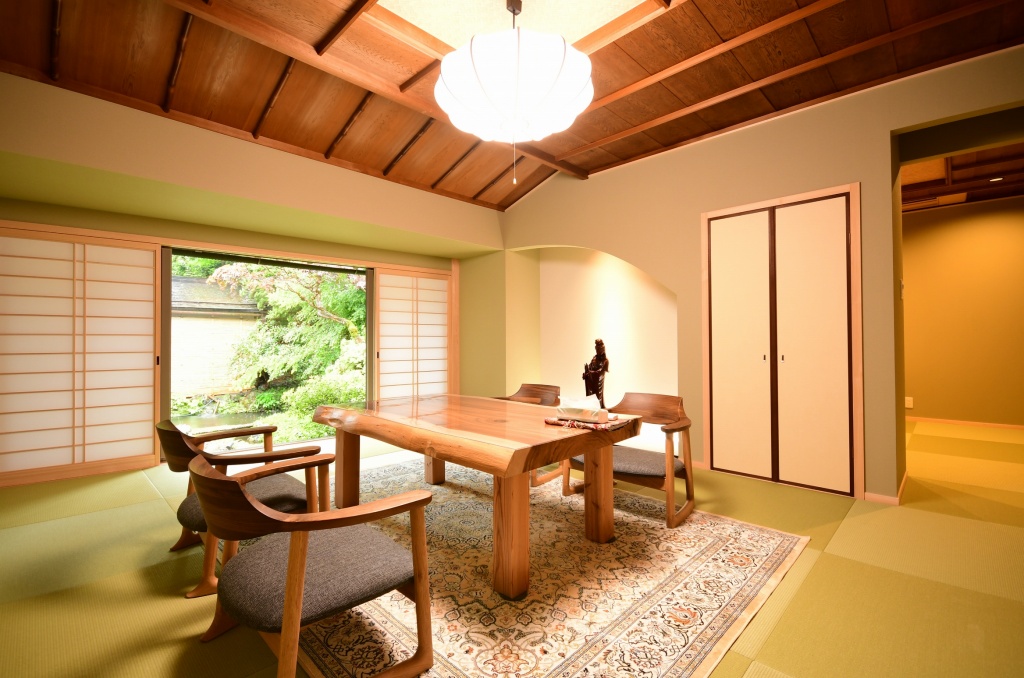
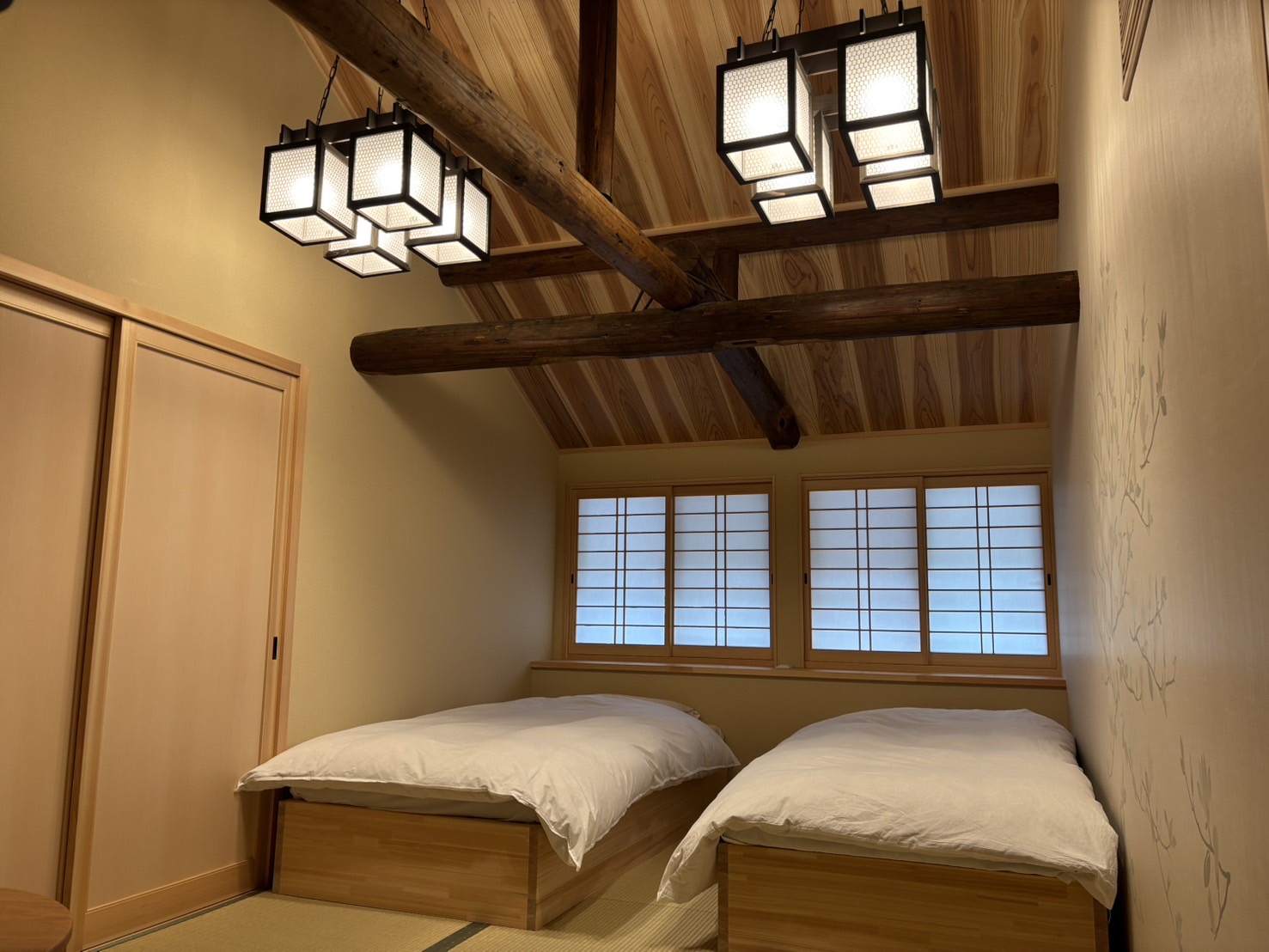


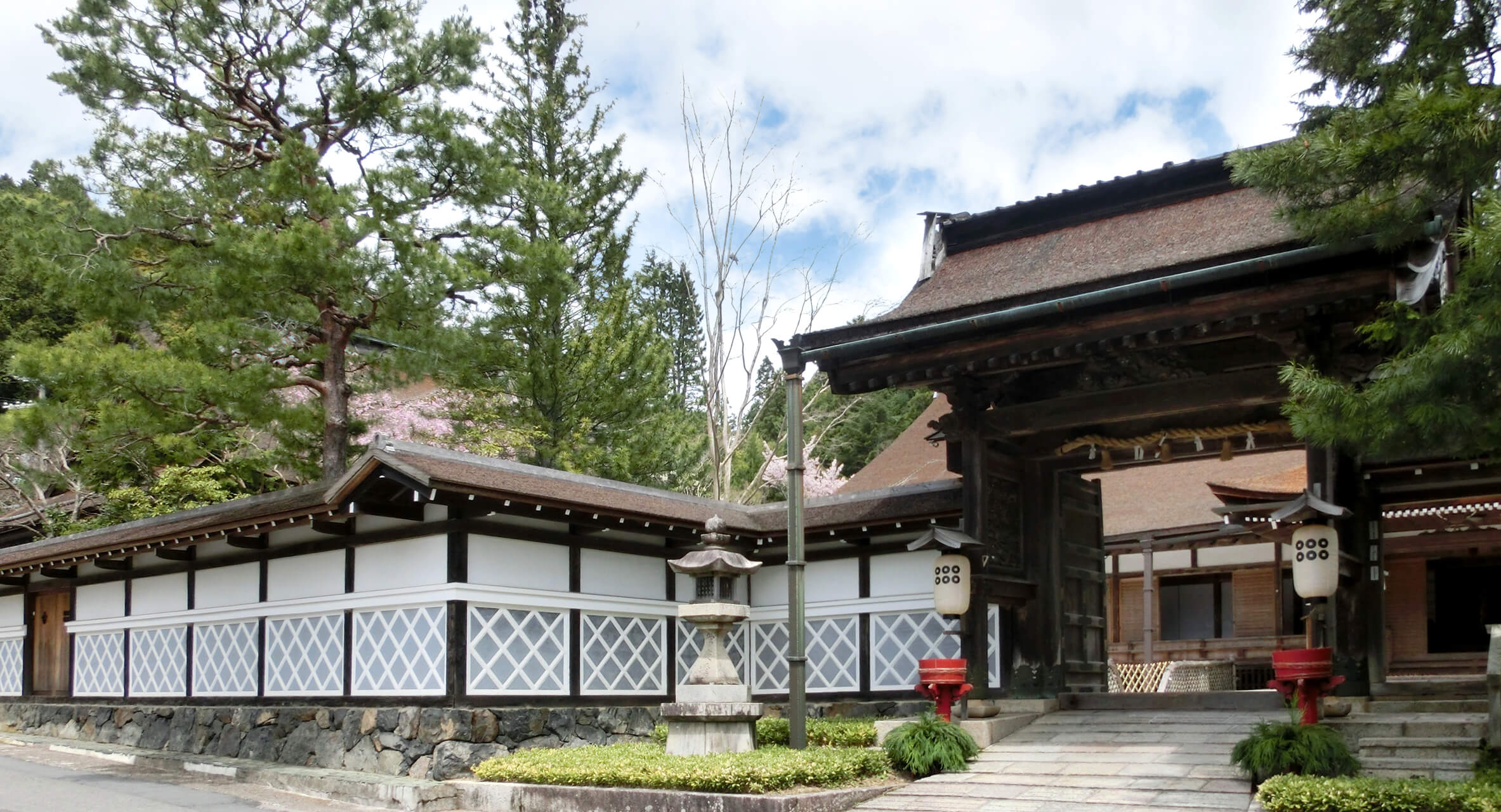
位于高野山上的一座建于 12 世纪的皇室筑房,以其 Mirei Shigemori 石庭院和樱花倒映的池塘而闻名,该寺庙也因此而得名。
Just inside the sanmon gate stands a karesansui stone garden designed by the renowned 20th-century landscape artist Mirei Shigemori, a nationally designated cultural feature of the temple.
The temple takes its modern name from a pond on the grounds famed since the 13th century for the reflection of cherry blossoms — celebrated in a poem by Emperor Go-Saga during his pilgrimage in 1258.
Founded in 1127 by Imperial Prince Kakuho, the fourth son of Emperor Shirakawa. The neighboring Seikei-in, the memorial temple of warlord Takeda Shingen, has been managed by Yochi-in since the Meiji era.
Yochi-in
3个平台比价 — 最多节省20%
预订链接可能包含推广佣金,您无需支付任何额外费用。
最近车站
Koyasan Station (cable car)
从关西国际机场(KIX)出发
1. JR Haruka Express → Kyoto Station ~75 min
2. Local train/taxi → Koyasan Station (cable car) ~10 min
从东京出发
1. Tokaido Shinkansen → Kyoto Station ~2h 15m
2. Local transit → Koyasan Station (cable car) ~10 min
从大阪出发
1. JR Special Rapid → Kyoto Station ~30 min
or Hankyu Railway → Kawaramachi ~45 min
小贴士: 在任意车站购买IC卡(ICOCA或Suica),即可轻松刷卡乘坐公交和电车。
💡 使用日本铁路通票更划算
无限次乘坐新干线及JR在来线
关于Yochi-in的13个问题
Just inside the sanmon gate stands a karesansui stone garden designed by the renowned 20th-century landscape artist Mirei Shigemori, a nationally designated cultural feature of the temple.
The temple takes its modern name from a pond on the grounds famed since the 13th century for the reflection of cherry blossoms — celebrated in a poem by Emperor Go-Saga during his pilgrimage in 1258.
Founded in 1127 by Imperial Prince Kakuho, the fourth son of Emperor Shirakawa. The neighboring Seikei-in, the memorial temple of warlord Takeda Shingen, has been managed by Yochi-in since the Meiji era.
关于Yochi-in的13个问题