
|
|
|
|
|
|
It is the night before, your suitcase is open on the bed, and you are staring into an empty bag with no idea what a Buddhist monastery actually expects you to bring. A hotel is easy — you toss in clothes and forget the rest, because a hotel hands you everything else. A *shukubo* feels like a question mark. Is there a towel? Will there be soap? Do I need to bring my own pyjamas? Is there a hairdryer, a kettle, a power outlet by the bed? And — the quiet worry underneath all of it — will I get there, unpack, and discover I forgot the one thing that turns a peaceful night into a cold, uncomfortable one?
Here is the reassuring news up front. A shukubo is a working Buddhist temple that takes overnight guests, and the people who run it have hosted nervous first-timers for decades. They are not trying to catch you out. Most temples provide more than you expect, the gaps are small and predictable, and almost everything you might forget can be bought at a convenience store or drugstore on the way. This guide is the complete packing list — what the temple gives you, what you need to carry, what changes by season, and what to leave at home — written so you can pack once, calmly, and not think about it again.
One thing this guide deliberately does not cover in depth is the dress code — what is and is not appropriate to wear to the morning service, how the provided robe works, what colours to choose for the main hall. That is a whole subject of its own, and we have written it up separately. If your worry is mainly "will my clothes be wrong," read the companion piece linked just below. This article is the broader packing question: toiletries, towels, layers, cash, adapters, medication, and the dozen small items that make the night comfortable.
Tip
For the clothing rules specifically — what to wear to the morning service, how the provided robe works, which colours suit the main hall — see our dedicated guide: /blog/what-to-wear-shukubo. This article covers everything else you put in the bag.
Start here, because half of packing well is knowing what you do not need to carry. The single most common first-timer mistake is over-packing things the temple already supplies. A *shukubo* is closer to a traditional Japanese inn than to a hostel in this respect — the room comes with a surprising amount built in.
Bedding is always provided. You sleep on a *futon* — a quilted mattress laid out directly on the futon spread over tatami matting, with a duvet on top and a buckwheat or polyester pillow. At smaller temples the futon is already laid out when you arrive; at larger ones a staff member rolls it out during dinner, or you lay it out yourself from the closet. Either way, you never bring bedding, a sleeping bag, or a travel pillow. The room will be set for sleep.
A cotton robe is almost always provided. Folded on the low table or laid on the bedding you will find a *yukata* — a light cotton robe that doubles as in-temple loungewear and sleepwear. The yukata is yours to wear from after the bath, through the evening, to bed, and back to the morning service at most temples. This is the reason you generally do not need to pack pyjamas (more on that below). There is usually a thin belt to tie it closed, and in cooler months a *haori* over-jacket layer too.
Basic bath amenities are usually there. The shared bath almost always has body soap and shampoo at the washing stations — pump bottles mounted on the wall, the same as a Japanese public bath. Many temples also set out a small face towel and a larger bath towel in your room, or in the changing area. "Usually" and "many" are doing real work in those sentences, though, because this is the single biggest variable between temples, and the one most worth checking. We come back to towels and toiletries in detail in their own sections below.
Tea is provided. There is nearly always a thermos or kettle of hot water, a teapot, cups, and a small tin of green tea on the table in your room, often with a wrapped sweet. Heating or cooling for the room is provided in the form of a heater, kotatsu, or air conditioning unit, though the temple buildings and especially the main halls are often only lightly heated — which matters for what layers you pack. A low table, floor cushions, and a mirror are standard. A safe or lockbox is not standard, which is part of why we discuss cash carefully later.
What is genuinely not provided is the personal layer of a stay — the things that touch your skin, your specific needs, and your habits. No temple supplies prescription medication, contact lens care, your preferred skincare, sleep aids, or the small comforts that make an unfamiliar room feel manageable. And while a hotel quietly assumes you will charge three devices, work late, and order room service, a shukubo assumes none of that. The provision is generous in the traditional categories — sleep, bathing, tea, warmth — and sparse in the modern conveniences. Knowing where that line falls is the whole game of packing well for a temple, and it is why the list below leans heavily on personal and modern items rather than the basics the temple has covered for a thousand years.
Tip
The reliable rule: bedding, the cotton yukata robe, tea, and wall-mounted bath soap are almost universal. Towels and personal toiletries are the things that vary temple to temple — so those are the two categories to confirm before you pack, not the bedding.
Now the things you actually carry. This is the core list that applies to any temple, any region, any time of year — the items that turn up on every experienced guest's packing list because the temple does not provide them and a convenience store run at 9 p.m. on a quiet mountain is not always an option.
Personal toiletries. Bring your own toothbrush and toothpaste — these are the items most often not supplied at a shukubo, unlike a business hotel. Pack your own face wash, skincare, contact lens solution and case, deodorant, and any specific hair product you cannot do without. Choose unscented or lightly scented versions where you can: the main hall during the morning service is small and unventilated, and strong fragrance lingers on the wood and cushions. Decant liquids into small travel bottles to keep the bag light, because temple shelves and washbasins are compact.
A quick-dry travel towel. Even though many temples set out towels, bringing one compact quick-dry microfibre towel solves three problems at once: it covers you at the temples that do not provide towels, it works as your modesty towel in the bath, and it dries overnight in a way a thick cotton towel will not in a humid tatami room. If you carry one extra item beyond toiletries, make it this.
Layers — more than you think. The buildings are old, often wooden, and the main hall is frequently unheated. Even guests visiting in mild weather are caught out by how cool the *asagongyo* morning service feels at 6 a.m. when you are sitting still on a cushion. Pack a warm mid-layer (a fleece, cardigan, or light down) that you can throw on over anything, regardless of the season. Layering is the entire strategy: a base layer, a warm middle layer, and a packable outer beats one heavy coat because temple temperatures swing between a warm dinner room and a cold dawn hall within the same twelve hours.
Warm socks — and socks for a shoes-off world. You will be on your socks constantly. Shoes come off at the entrance and stay off; you move through wooden corridors in provided slippers and onto tatami in socks alone. Bring more pairs than a normal trip — two extra at minimum — and make at least one pair thick and warm specifically for the cold floor of the morning service. Thin ankle socks leave your feet freezing on winter tatami. Clean, hole-free, comfortable socks are genuinely a comfort item here, not an afterthought.
Modest, comfortable in-room and sleepwear backup. The provided yukata covers sleepwear for most guests, so you usually do not need pyjamas. But if you sleep cold, or simply feel more comfortable in your own nightwear, pack a modest set — a soft t-shirt and loose trousers, nothing revealing, since you may pass other guests in the shared corridor on the way to the bathroom at night. Think "comfortable enough to be seen in," because the walls are thin and the bathroom is down the hall.
Cash. This deserves its own section, and gets one below, but it belongs on the essentials list because it is the item people most underestimate. Many temples — especially smaller and rural ones — take payment in cash only, and there is no ATM inside the gate. Bring enough yen in hand to settle the bill plus a margin.
Personal medication and a small first-aid kit. Bring every prescription you take, in its original packaging, plus a few days' buffer in case of travel delays — you cannot assume a mountain temple is near a pharmacy, and Japanese drugstores do not stock foreign prescriptions. Add the basics: painkillers, any stomach or motion remedies you rely on, plasters, and anything for allergies. If you have dietary or medical needs around the *shojin ryori* vegetarian meals, note that the temple cannot improvise — flag allergies at booking, not on arrival.
Phone charger and a small power bank. Outlets exist in the rooms but may be few and awkwardly placed — sometimes a single socket near the floor. A short multi-port charger or a power bank means you are not choosing between charging your phone and your camera overnight. And because connectivity is patchy (see below), a charged phone with offline maps and your booking details saved is worth more here than usual.
A few comfort extras that punch above their weight: a reusable water bottle (tap water is safe and the room thermos is for tea), earplugs and an eye mask (paper walls, early risers, and a 6 a.m. start make these genuinely useful), a small flashlight or your phone torch for finding the shared bathroom in an unfamiliar dark corridor, and a lightweight tote or daypack for carrying your towel and toiletries to and from the bath. None are essential to survival; all are the difference between coping and being comfortable.
It is worth saying a word about why this short list works as well as it does, because the instinct of an anxious first-timer is to pack against every imaginable problem and arrive with twice as much as they need. The rhythm of a temple day is slow and low-sweat — you walk, you sit, you eat a quiet meal, you bathe, you sleep early. You are not hiking, not racing for trains, not changing outfits between a museum and a dinner reservation. That gentle pace means clothes stay fresh longer, you use far fewer things than a city day demands, and a single small bag genuinely covers a one or two-night stay. The mental shift that helps most is to pack for stillness rather than for activity. Once you picture the actual evening — robe on, tea poured, lights low by nine — the bag almost packs itself, and the pile of just-in-case items you were about to throw in reveals itself as the over-packing it is.
The essentials list above holds all year. What changes with the season is a short list of additions on top of it. Japan's seasons are sharply defined, and the mountain temple sites — Koyasan sits around 900 metres, Eiheiji in the snowy Fukui foothills — run meaningfully colder than the cities you travel from. Pack for the temple's altitude, not for the forecast at the train station you left.
Winter (December to February). This is the season that catches people out, because the main hall during the morning service can be brutally cold and is often unheated. Add a thermal base layer — a heat-tech style undershirt and leggings worn under your normal clothes are the single highest-value winter item. Add thick wool or thermal socks dedicated to the morning service, a warm scarf or neck warmer you can wrap without rustling during the chanting, and gloves and a hat for walking the temple grounds between buildings. Disposable adhesive heat pads (kairo), sold cheaply in every Japanese convenience store, stuck to the small of your back or inside a pocket, transform the experience of sitting still in a cold hall. Layered under the provided yukata, your thermals make a surprisingly warm indoor combination.
Summer (July to August). Hotter and far more humid than visitors expect, even on the mountain. Add lightweight, breathable cotton or linen for daytime, and a sweat towel for getting between buildings. The two non-obvious summer additions are insect repellent and after-bite cream — many temples sit in cedar forest with very active mosquito populations from June through September, and the evenings outdoors near the bath or on the veranda are when you get bitten. Despite the heat, still pack one long-sleeved layer and long trousers for the morning service: the hall is cool at 6 a.m. even in August, and covered shoulders and legs are the respectful default.
Spring and autumn (March to May, October to early December). The most comfortable seasons for a temple stay, and the easiest to pack for — standard travel layers do the job. Add one warmer layer than the daytime feels like it needs, because mornings and evenings on the mountain are cold even when afternoons are pleasant. A packable rain jacket or compact umbrella earns its place in both shoulder seasons, especially in the rainy stretch from early June, and the autumn evenings cool quickly once the sun drops behind the cedars.
Tip
Whatever the season, the morning service is the coldest part of the stay. Set aside one dedicated warm layer and your thickest pair of socks the night before, and put them within reach so you can dress half-asleep at 5:30 a.m. without rummaging.
A short list of things that genuinely do not earn their place in a *shukubo* bag — not because anyone forbids them, but because they either cause friction or simply weigh you down in a setting built around restraint.
Strong perfume, cologne, and heavily scented products. This is the most-mentioned complaint from monks who host foreign guests. The morning service hall is small, unventilated, and full of incense as part of the ritual; a strong fragrance lingers on the wood and cushions long after you leave, and the monks have to keep working in that space. Leave the perfume at home and pack unscented or near-unscented deodorant, body wash, and hair products for the duration of the stay.
Revealing or loud clothing. Save the detailed dress reasoning for the companion guide, but for packing purposes: leave behind the short athletic shorts, crop tops, bare-shoulder tank tops, mini-skirts, and anything with a giant logo or neon print. A working religious institution holds a quiet standard closer to visiting an older relative's home than a casual brunch, and packing the wrong clothes only means carrying things you will not wear.
Excess luggage. Temple corridors are narrow, rooms are compact, stairs are common, and elevators are rare. A medium suitcase or a backpack moves through the building easily; a giant hardshell plus a second wheelie carry-on is genuinely awkward to manoeuvre and to store in a small tatami room. If you are mid-trip with heavy bags, most temples will store the bulk at the entrance — pack so you can detach a small overnight bag for the room itself.
The expectation of reliable wifi and constant connectivity. Not an object to leave behind, but a mindset. Some temples offer wifi in common areas; many offer none, and mobile signal on the mountain can be patchy. Do not pack the assumption that you will stream, video-call, or work through the evening. A shukubo stay is, quietly, a digital-detox night — and arriving expecting otherwise is the surest way to feel let down. Download what you need before you go.
High heels and delicate footwear. The gravel paths between temple buildings — and all of Koyasan — are not made for heels, and your shoes come off at the entrance anyway. Pack one pair of clean, comfortable walk-and-slip-off shoes (low boots, flats, or clean street sneakers) and skip everything else. Shoes you struggle to remove become a small daily nuisance in a place where you take them on and off repeatedly.
Because toiletries are the most variable category, here is the realistic breakdown of what you can usually count on versus what you should plan to carry. Treat the "usually provided" column as likely-but-confirm, and the "bring your own" column as firm.
Usually provided at the bath or in the room: body soap and shampoo (wall-mounted pump bottles at the washing stations are near-universal), conditioner at many but not all temples, a hairdryer in the shared changing area at larger temples, and green tea with cups in the room. Often provided, but the biggest variable: a face towel and a bath towel — set out at many temples, absent at others, which is exactly why a packable quick-dry towel of your own is the safe play.
Bring your own, do not assume: toothbrush and toothpaste (the most commonly missing item — Japanese temples, unlike business hotels, frequently do not stock these), face wash and skincare, contact lens solution, deodorant, razor and shaving needs, hairbrush or comb, any medicated or specialist hair and skin products, feminine hygiene products, and cotton buds or removal pads. Anything you would be unhappy to do without for a night should travel with you, not be left to chance.
A useful instinct: pack toiletries as if you were going camping at a place with running water but no shop, then subtract the soap and shampoo you now know are on the wall. That gives you exactly the right kit — self-sufficient on the personal items, while not duplicating the basics the temple reliably supplies. And if you do forget something small, a convenience store or drugstore in the temple town can usually fill the gap during the day; it is the late-evening, on-the-mountain gap that catches people, so pack the genuinely essential personal items rather than gambling on a shop being open.
If there is one practical thing that turns a smooth stay into a stressful one, it is arriving without enough cash. Japan is more cash-dependent than first-time visitors expect, and temples sit at the cash-heavy end of that spectrum. Many shukubo — particularly smaller, rural, and family-run ones — accept payment in cash (yen) only. The larger, internationally tuned temples increasingly take cards, but you cannot assume it, and there is no ATM inside the temple gate.
How much to bring? Enough yen in hand to cover your full bill plus a comfortable margin. A typical one-night half-board shukubo stay runs roughly 10,000 to 20,000 yen per person, more at premium temples, so a couple should carry the night's total plus extra for incidentals, small purchases (a temple charm, an *asagongyo* offering envelope, a snack), and the journey home. Withdraw cash before you head up the mountain — the reliable ATMs that accept foreign cards in Japan are at post offices and 7-Eleven convenience stores, and both are plentiful in cities but scarce or absent at remote temple sites. Pull out your yen in the last city before you ascend.
On cards and digital payment: bring them, but treat them as the backup, not the plan. A credit card covers the larger temples and the train and cable-car ride up, and IC transit cards (Suica, ICOCA) handle transport and city convenience stores. Inside the temple, assume cash. It is also worth carrying a small coin purse — offering boxes, vending machines, and small temple purchases run on coins, and Japanese transactions generate a lot of them.
There is also a quiet etiquette layer to cash worth knowing in advance, so you are not caught fumbling. Payment at a shukubo is often handled with a calm formality — the bill settled at check-out, sometimes the night before, frequently in an envelope rather than handed over loose. If you wish to thank the temple beyond the bill, the gracious way is not a tip (tipping is not customary in Japan and can cause genuine confusion) but a small donation, called ofuse, placed in an envelope and offered at check-out. None of this requires special supplies, but it is the reason a few small envelopes tucked in your bag are a thoughtful, near-weightless thing to carry. Having clean notes and a way to present them quietly fits the register of the place far better than counting out crumpled bills at the door.
Connectivity, briefly. Have a working data plan — an eSIM or pocket wifi sorted before you arrive — but lower your expectations once on the mountain. Signal is patchy, in-temple wifi ranges from common-areas-only to none, and the evening quiet hours are not the time for a video call regardless. Download your offline maps, your booking confirmation, the temple's address and phone number, and any reading or music you want before you lose signal. Then, ideally, let the disconnection be part of the point. The single most common thing guests say afterwards is that the unplugged evening was better than they feared.
Tip
Cash rule of thumb: withdraw enough yen to cover the whole stay plus a margin at a 7-Eleven or post office ATM in the last city before you head up to the temple. There is no ATM at the temple, and many shukubo are cash-only.
Here is the whole thing condensed into a list you can copy, print, or check off against your open bag. It is split into what to carry by default, the season add-ons, and a final reminder of what the temple already provides so you do not double up.
Always pack (the core list):
• Toothbrush and toothpaste (most commonly missing item) • Personal toiletries: face wash, skincare, deodorant, razor, contact solution, hairbrush • Unscented or lightly scented products (no strong perfume) • One compact quick-dry travel towel • A warm mid-layer (fleece / cardigan / light down) — every season • Extra socks, including one thick warm pair for the morning service • Modest in-room / sleepwear backup (yukata is provided, but optional own set) • Cash in yen — full bill plus margin • Backup credit/debit card and IC transit card • All prescription medication in original packaging, plus buffer • Small first-aid kit: painkillers, plasters, stomach/allergy remedies • Phone charger and a small power bank • Plug adapter (Japan uses Type A / Type B, 100V) • Reusable water bottle • Earplugs and eye mask • Small flashlight or phone torch • Lightweight tote/daypack for bath trips
Season add-ons (on top of the core list):
• Winter: thermal base layer (heat-tech top + leggings), thick wool socks, scarf/neck warmer, gloves, hat, disposable heat pads (kairo) • Summer: insect repellent, after-bite cream, sweat towel, breathable cotton/linen — plus one long layer for the cool morning hall • Spring / autumn: one extra warm layer beyond the daytime feel, packable rain jacket or compact umbrella
Do NOT pack:
• Strong perfume / cologne / heavily scented products • Revealing or loud-print clothing • High heels or hard-to-remove shoes • Excess luggage (pack a detachable small overnight bag) • The expectation of reliable wifi
No need to pack (the temple provides):
• Bedding — futon, duvet, pillow • Cotton yukata robe (in-temple wear and usually sleepwear) • Body soap and shampoo at the bath (wall-mounted) • Green tea, kettle/thermos, cups in the room • Heating or air conditioning, low table, floor cushions
Two slugs of context for the checklist. First, on the plug adapter: Japan uses the flat two-prong Type A / Type B socket at 100 volts. If you are coming from North America your plugs fit, though the voltage is slightly lower; from the UK, Europe, or Australia you need an adapter, and a small multi-port USB charger plus one adapter covers a couple comfortably. Second, a reassurance: this list looks long written out, but it compresses into a single small bag. Most of it you already own, most of it you already travel with, and the genuinely shukubo-specific additions are just the extra warm socks, the quick-dry towel, the cash, and an unscented mindset.
Is a towel provided, or do I bring my own? It depends on the temple, which is exactly why this trips people up. Many shukubo set out a face towel and bath towel in the room or changing area; others provide none. Because it is the least predictable item, the safe move is to pack one compact quick-dry travel towel of your own regardless — it covers the temples that supply nothing, doubles as your modesty towel in the bath, and dries overnight where a thick cotton towel will not.
Do I need to bring pyjamas? Usually not. Almost every shukubo provides a cotton yukata robe that serves as both evening loungewear and sleepwear, and most guests sleep in it. Pack your own modest sleepwear only if you sleep cold or simply feel more comfortable in your own nightwear — and keep it modest, since the bathroom is down a shared corridor you may walk at night.
Are toiletries there, or do I bring everything? Soap and shampoo are almost always provided at the bath, mounted on the wall like a Japanese public bath. Personal items are not: bring your own toothbrush and toothpaste (the most commonly missing item), face wash, skincare, deodorant, contact solution, razor, and any specialist products. The simple rule is that the temple supplies the shared bath basics; you supply anything personal that touches your face or body.
How much cash should I bring? Enough yen to cover your full bill plus a comfortable margin, because many temples are cash-only and there is no ATM inside the gate. A one-night half-board stay typically runs about 10,000 to 20,000 yen per person, so carry the night's total plus extra for charms, offerings, snacks, and the trip home. Withdraw it at a 7-Eleven or post office ATM in the last city before you head up to the temple.
Is there luggage storage if I have big bags? Almost always, yes. Temple rooms and corridors are compact, so most shukubo will hold larger suitcases at the entrance and let you take a small overnight bag to your room. Pack so that you can detach a light overnight bag from your main luggage — that, plus storing the bulk at the entrance, solves the narrow-corridor problem entirely.
Packing for a shukubo feels harder than it is, because the unknowns loom larger than the reality. The truth is that the temple carries most of the weight — the bedding, the robe, the bath soap, the tea — and your job is a short, predictable list of personal items plus the discipline to keep it modest, unscented, and cash-ready. Pack the extra warm socks, the quick-dry towel, the medication, and the yen, layer for a hall that is colder than the forecast, leave the perfume and the excess luggage at home, and you have covered everything that actually matters.
If this is your first time, two companion reads will round out the picture: our /blog/shukubo-first-time-guide walks through what the whole stay actually looks like hour by hour, and /blog/shukubo-etiquette covers how to move through the building gracefully once you arrive. When you are ready to choose a temple and lock in a date, /blog/how-to-book-shukubo takes you through the booking step by step. Pack the bag once, calmly, tonight — and let the rest of the trip be the quiet thing you came for.
Ready to book?
Browse our curated collection of authentic Buddhist temple stays across Japan. Filter by region, sect, and experience.
開始探索本指南精選的宿坊
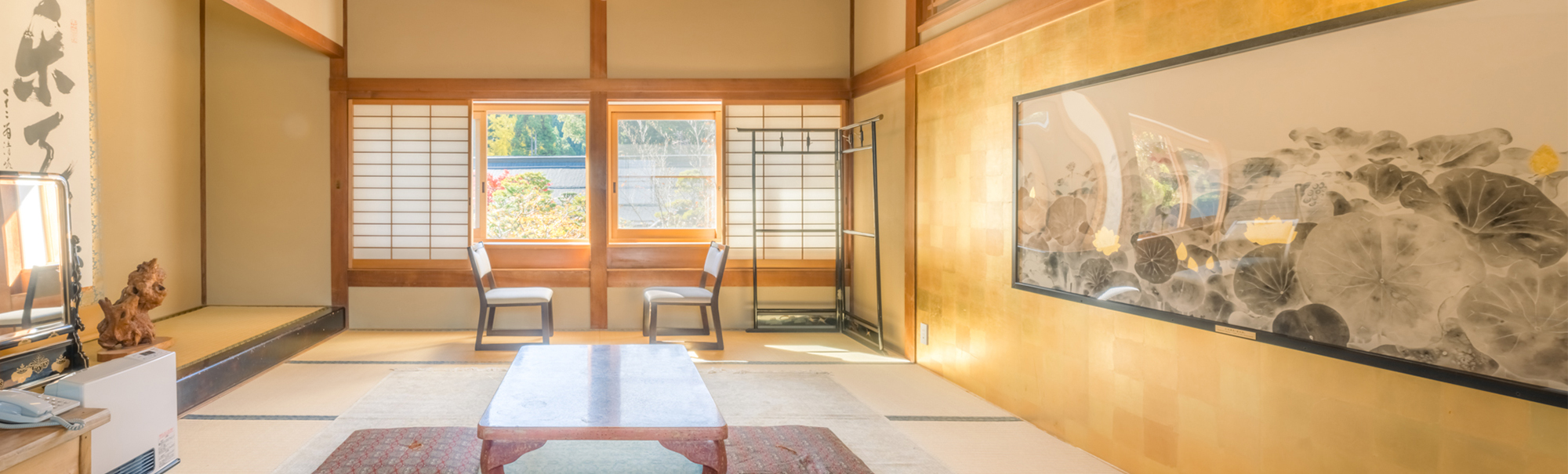
恵光院
高野山代表性宿坊,提供英語導覽的護摩供、阿字觀冥想及奧之院夜間導覽。
起價 $130 /每晚

福智院
唯一擁有天然溫泉、三個 Mirei Shigemori 庭園和精緻祭神旅館的高野山壽久保。
起價 $175 /每晚
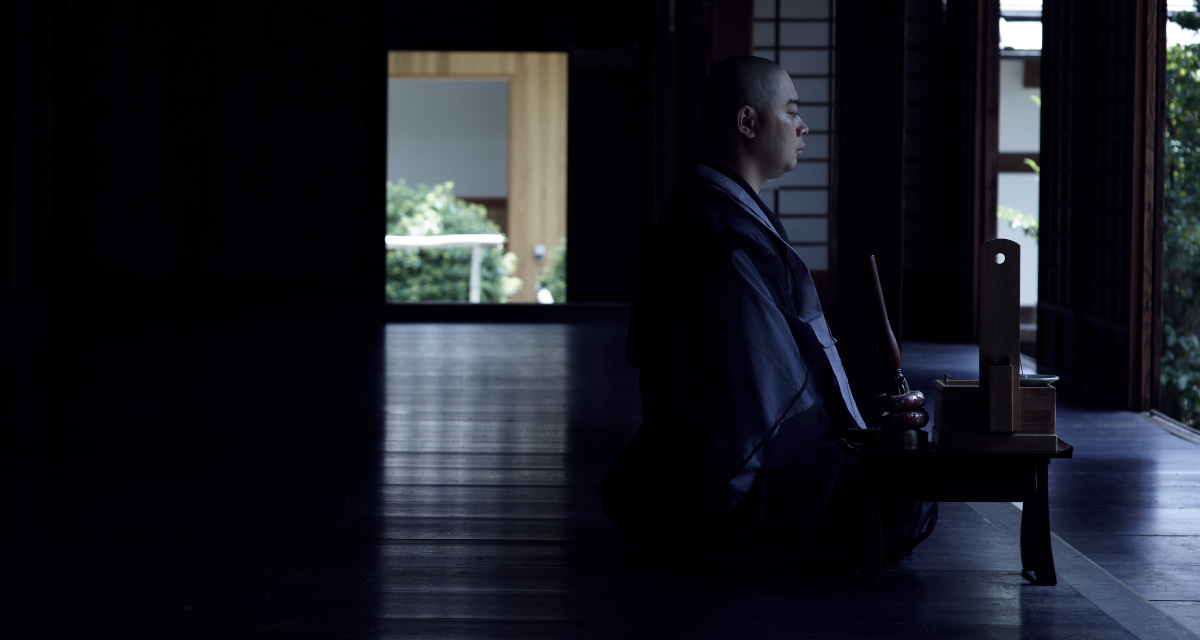
春光院
京都國際知名度最高的禪修中心,在 1590 年的妙心寺分寺內提供英語禪修課程和現代化的套房。
起價 $60 /每晚

羽黒山参籠所 斎館
由出羽三山神社營運,羽黑山山頂上唯一現存的江戶時代宿坊,以入選米其林綠色指南的山菜精進料理聞名。
起價 $75 /每晚
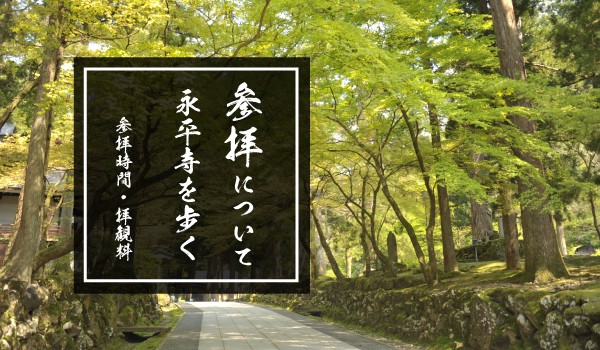
大本山永平寺 参籠(吉祥閣)
在曹洞宗總寺院內進行一夜的禪修靜修,包括黎明前的禪定、拈香禮拜和正神拈香。
起價 $55 /每晚
Explore Destinations