|
|
|
|
|
|
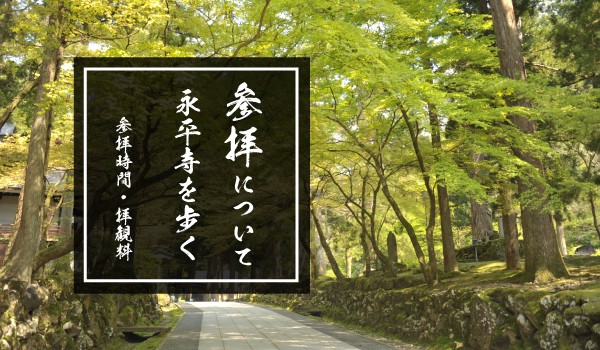 Photo: Daihonzan Eiheiji (daihonzan-eiheiji.com)
From the outside, all Buddhist temple stays in Japan look more or less the same. Wooden gate, gravel courtyard, tatami room, vegetarian dinner on lacquerware, an early bell. The brochure photos blur together. The booking sites push the same five mountains. The travel forums describe the experience in identical adjectives.
Behind the visual sameness, though, the sect — Shingon, Soto Zen, Rinzai Zen, or Tendai — quietly determines almost everything that happens inside. The chants you hear at 6 a.m. are in different languages. The meditation method is in some cases opposite. The food traditions diverge. The architecture has a different ancestor. Even the tone the priests use with guests reflects 800 years of different training. This article makes those distinctions practical and bookable so you can pick the sect that matches the kind of quiet you came to Japan looking for.
Before the history, here is the punchy version. Match your appetite to a sect and skim ahead to the relevant section.
Want fire, Sanskrit chanting, and ritual drama? Go Shingon (Mt. Koya). Want long silent meditation under serious monastic discipline? Go Soto Zen (Eiheiji). Want koan study and an English-speaking teacher? Go Rinzai Zen (a handful of Kyoto temples). Want imperial-era grandeur and the historical lineage that gave birth to most of medieval Japanese Buddhism? Go Tendai (Mt. Hiei).
Each of those answers points to a concrete temple later in the article. None of the four is objectively better. They are different doors into the same building.

Japanese Buddhism is not one tradition. It is a layered import, beginning in the 6th century and accelerating in waves through the 9th, 12th, and 13th centuries. Each wave brought a different teacher home from China with a different emphasis. The four sects below are the ones you are most likely to encounter as a shukubo guest, but Japan has more than a dozen active schools.
Shingon was brought from Tang China in 806 by the monk Kukai, posthumously called Kobo Daishi. In 816 the imperial court granted him Mt. Koya, the remote 900-metre plateau in Wakayama where he established the headquarters that still functions today. Shingon is Japan's only fully esoteric (mikkyo) school: practice centres on Sanskrit mantra recitation, mandala visualisation, mudra hand gestures, and the dramatic Goma fire ritual in which wooden prayer sticks are burned at a special altar while the priest chants. The theology assumes that buddhahood is reachable in this very body, in this very lifetime, through specific ritual technologies.
For a shukubo guest, the practical consequence is sensory. A Shingon morning service is loud, fragrant, and visually rich. Sanskrit syllables you have never heard before fill the hall. Flames climb toward the ceiling at the Goma altar. The aesthetic is closer to Tibetan Buddhism than to the spare wood-and-stone Zen most Westerners associate with Japanese Buddhism. Mt. Koya remains the headquarters; roughly 117 sub-temples sit on the plateau and around 52 of them accept overnight guests. Kukai himself, according to Shingon belief, did not die in 835 but entered an extended meditation in his mausoleum at Okunoin and continues to meditate there to this day — which is why, twice a day for the past 1,200 years, monks deliver a meal to his sealed tomb. This is the kind of tradition Shingon preserves in living, unbroken form.
Soto Zen was established in Japan by Dogen Zenji, a philosopher-monk who returned from China in 1227 after four years of training under the Caodong (Soto) master Tiantong Rujing. He eventually founded Eiheiji in the cedar forests of Fukui in 1244, and the temple has trained monks continuously for almost eight hundred years. Soto's central practice is shikantaza, literally just sitting — silent zazen with no koan, no mantra, no object of attention. The posture itself is the practice. Daily life at the monastery, codified in Dogen's Eihei Shingi, is also considered practice: every gesture from washing the face to setting down a bowl is performed in a specific way.
For shukubo guests, the Soto experience is austere. Eiheiji's Sanro program wakes you before 4 a.m. for 40 minutes of zazen, and meals are taken in formal silence. Roughly 700 unsui (trainee monks) live at the monastery at any given time, and as a guest you are visibly subordinate to their schedule rather than the other way around. Soto's gentler face is Hakujukan, the contemporary lodge built at Eiheiji's front gate in 2019, where the discipline is optional but the morning service is still walkable. Soto Zen is also, by a wide margin, the largest Buddhist denomination in Japan today — roughly 14,000 affiliated temples across the country, far more than Shingon's 3,000-odd and many times more than Rinzai's or Tendai's. Most of those temples are small neighbourhood institutions that do not host overnight guests, but the deep institutional base means Soto's monastic culture has been preserved with unusual continuity.
Rinzai (Chinese: Linji) Zen reached Japan in 1191 with the monk Eisai, several decades before Dogen brought Soto. The two Zen schools share a posture and a meditation hall layout but differ on what happens in the mind. Rinzai uses koans — paradoxical questions assigned by the teacher, such as What is the sound of one hand clapping? — as the focus of meditation. Practice involves regular individual encounters with a teacher (dokusan or sanzen) in which the student presents an answer. The dialogic, teacher-student emphasis gives Rinzai a more conversational, less austere feel than Soto.
Rinzai never developed a single mountain headquarters comparable to Mt. Koya or Eiheiji. Its institutional centre of gravity is in Kyoto, where Kennin-ji (founded 1202) and Myoshin-ji (founded 1342) are the largest temple complexes. For shukubo guests, this matters because Rinzai temple stays are typically smaller, urban, and accessible as part of a broader Kyoto itinerary. A handful of Kyoto Rinzai temples — Shunkoin, Myoren-ji, and a few others — actively cater to English-speaking guests interested in introductory Zen. Rinzai's historical influence on Japanese aesthetics is enormous. The tea ceremony, ink-wash painting, rock gardens, Noh theatre, and the haiku tradition all developed in close contact with Rinzai temples between the 14th and 17th centuries. When travellers say they want to experience Zen Kyoto, they almost always mean Rinzai Zen Kyoto, even if they do not know the label.
Tendai is the oldest of the four. The monk Saicho returned from China in 805, just one year before Kukai, and was granted Mt. Hiei outside Kyoto. The school he founded there, based on the Lotus Sutra-centred teachings of Chinese Tiantai, became the great syncretic engine of medieval Japanese Buddhism. Tendai practice blends esoteric ritual (which it borrowed and developed in parallel with Shingon), seated meditation (called shikan), sutra study, and Pure Land devotion. Saicho's idea was that all these methods point at the same realisation and should not be artificially separated.
Mt. Hiei (Hieizan) and its 1,200-year-old Enryakuji complex are now UNESCO World Heritage. Historically, almost every founder of medieval Japanese Buddhism passed through Hiei — Honen (Pure Land), Shinran (Jodo Shinshu), Eisai (Rinzai Zen), Dogen (Soto Zen), and Nichiren all studied there before breaking away. Tendai is, in a real sense, the mother lineage of Japanese Buddhism. Shukubo options on the mountain are fewer than at Koyasan but the historical weight is unmatched. Hieizan's political prominence in the medieval period was so great that warlord Oda Nobunaga famously burned the entire complex to the ground in 1571 to break its power. What you visit today was rebuilt over the following centuries — but the institutional and ritual continuity persisted, and the layered Tendai curriculum survived intact.

The morning service — o-tsutome, asa no o-tsutome, or choka depending on the temple — is the centrepiece of almost any shukubo stay. It is also where the sect difference is most obvious. The same 45-minute window before sunrise looks and sounds completely different depending on whose roof you slept under.
At a Koyasan shukubo such as Eko-in, the morning service runs roughly 30 to 45 minutes and starts around 6:00 or 6:30. The priest enters in formal robes, lights incense, and begins chanting in a register that mixes classical Japanese with Sanskrit syllables — heart-sutra fragments, the Mantra of Light, the names of the Five Wisdom Buddhas. Mudra hand gestures accompany specific passages. Many Koyasan services culminate in the Goma fire ritual, performed in a separate hall: a tall altar stacked with cedar sticks is ignited and the priest feeds it with prayer sticks bearing the names and wishes of guests. Flames rise four or five feet. The combination of fire, mantra, and incense is one of the most sensory rituals you can witness as a foreign guest in Japan.
At Eiheiji and at Eiheiji-adjacent Soto Zen lodgings, the morning is longer and more demanding. The Sanro program wakes guests before 4 a.m. by hand bell. The first 30 to 40 minutes are silent zazen meditation in the meditation hall, facing the wall in formal posture, with no music, no chanting, and no instruction except the initial guidance. After zazen, guests move to the Hatto (Dharma Hall) for choka, the formal morning service: the Heart Sutra (Hannya Shingyo) and other Soto liturgy chanted by the resident monks while guests stand or sit at the back. The bowing is highly choreographed — full prostrations at specific points — and the whole sequence can run more than an hour. There is no fire, no Sanskrit, no mandala. The aesthetic is wood, breath, and silence.
A Rinzai morning service at a Kyoto temple like Shunkoin or Myoren-ji is typically shorter than either Shingon or Soto — 20 to 30 minutes — and structured around zazen followed by sutra chanting. Where Rinzai differs is the option of dokusan, the individual student-teacher meeting in which a koan is presented and an answer offered. Foreign guests are rarely thrown into formal dokusan, but at Shunkoin the vice-abbot Rev. Takafumi Kawakami offers English-language introductions to koan practice that approximate the spirit of the exchange. The whole register feels more conversational than at Eiheiji or Koyasan.
Tendai morning services at Hieizan shukubo such as Enryakuji Kaikan run 30 to 45 minutes and reflect the syncretic character of the school. Sutra chanting — especially passages from the Lotus Sutra — is the spine, but Sanskrit mantra elements borrowed from Shingon often appear, and many services include a brief dharma talk afterward in which the priest explains the day's reading. The visual register is grand: the Enryakuji halls are older and larger than most Koyasan sub-temples, and the deep cedar forest just outside frames everything.
Tip
At every sect, attendance at the morning service is genuinely optional. Skipping is fine and no one will judge you. But the morning service is what makes a shukubo a shukubo rather than a budget tatami room. If you have come this far, set the alarm.
If you intend to actually sit and meditate during your stay — not just observe the morning service — the method you will be taught varies sharply by sect. Each is rooted in different theology and produces a different inner experience.
Ajikan (阿字観) is the signature Shingon meditation practice for lay students. You sit in zazen posture but the focus is visualisation: the Sanskrit letter A (a), considered the seed syllable of the universe, is visualised inscribed on a white moon disc resting on a lotus, suspended in front of you. Breath is coordinated with the visualisation. Eko-in on Koyasan runs English-explained Ajikan sessions for guests in the evening before dinner, typically 30 to 45 minutes long. The method is conceptually richer than silent zazen and the visualisation gives the mind something concrete to do, which beginners often find easier.
Shikantaza (只管打坐) is the heart of Soto practice and the deceptively simple opposite of Ajikan. There is no object. There is no mantra. There is no visualisation. You sit in formal posture, eyes half-open and downcast at a 45-degree angle, and you do not do anything else. The posture itself is the practice. Eiheiji is the gold-standard environment to encounter shikantaza, because everything in the daily schedule is built around removing distractions from this one act. Beginners often find shikantaza much harder than guided methods precisely because the lack of anything to focus on exposes the wandering of the mind.
Rinzai uses the same posture as Soto but adds a koan — a paradoxical question or phrase — as the focus of attention. Classic examples include What is the sound of one hand clapping? and What was your original face before your parents were born? The koan is not solved through logic; it is held in the mind until the conceptual machinery exhausts itself and a non-verbal response emerges. Shunkoin in Kyoto offers English-language introductions to koan practice with Rev. Takafumi Kawakami, who has been teaching foreign students for over a decade and is one of the most accessible English-speaking Zen teachers in Japan.
Tendai shikan combines silent observation with mantra recitation, reflecting the school's syncretic theology. The full Tendai meditation curriculum is enormous (Saicho's heirs systematised four main types of samadhi practice, including the famously gruelling Kaihogyo mountain pilgrimage performed by a tiny number of trainee monks). For overnight guests, full-form Tendai meditation is rarely offered, but some Hieizan shukubo include a short guided session as part of an evening cultural program.

All four sects observe shojin ryori — Buddhist vegetarian cuisine following the precept against killing. No meat, no fish, no animal stock, and traditionally no garlic, onion, leek, chive, or scallion (the so-called five pungent vegetables, believed to inflame the senses). Within those shared constraints, however, four distinct regional and sectarian styles have developed over the past 800 years.
Koyasan (Shingon) shojin ryori is famous nationally for two specialty ingredients: koya-dofu (freeze-dried tofu invented on the mountain centuries ago and now sold in every Japanese supermarket) and goma-dofu (sesame tofu, custardy and rich). Pickled mountain vegetables, simmered seasonal greens in a kombu-shiitake broth, and tempura of mountain herbs round out the typical 8 to 12-course set. Presentation is multi-course and elaborate, often served in your room on lacquerware.
Eiheiji (Soto Zen) shojin ryori is plainer in presentation but more highly choreographed in eating. The full monastic form, oryoki, uses a set of nested bowls unwrapped from a single cloth, with prescribed gestures for each step of the meal. Sanro guests at Eiheiji eat in formal silence following a simplified version of this ritual. The food itself is simpler than at Koyasan — rice, miso soup, simmered vegetables, pickles, perhaps a single grilled item — but the eating is more deliberate.
Kyoto Rinzai shojin ryori is, by general consensus, the most aesthetically refined of the four. Kyoto's monastic kitchens influenced kaiseki haute cuisine for four centuries, and the influence runs in both directions. Expect tiny, jewel-like dishes, careful colour balance on the plate, and seasonal precision (cherry blossom motifs in spring, momiji leaves in autumn). Temples like Shunkoin do not necessarily serve the most elaborate shojin ryori on a given night, but Kyoto's broader Rinzai tradition is responsible for the cuisine's elevated reputation.
Hieizan Tendai shojin ryori sits between the formality of Eiheiji and the elaborateness of Koyasan. Enryakuji Kaikan serves multi-course meals reflecting Hieizan's syncretic culinary inheritance — somewhat plainer than Koyasan's signature dishes but more elaborate than Eiheiji's monastic form.
Tip
If you have stricter dietary needs — vegan, gluten-free, or specific allergies — communicate them in writing at the time of booking. Many shukubo will accommodate, especially English-friendly ones, but they need notice. Bonito-based dashi sneaks into some modern shukubo kitchens; if strict vegan compliance matters, ask explicitly.
The four sects have produced four distinct architectural and atmospheric registers. The differences are immediately visible the moment you walk through the gate.
Koyasan (Shingon) sits on a 900-metre plateau and is best described as a town that happens to consist entirely of temples. Roughly 117 sub-temples line a few main streets, many with vermillion gates and Sanskrit murals at the threshold. The Okunoin cemetery on the eastern edge of town contains over 200,000 grave markers of monks, samurai, and ordinary believers spread over 2 kilometres of cedar forest — many travellers rate the lantern-lit night walk through Okunoin as the single most atmospheric experience available in Japanese Buddhism.
Eiheiji (Soto Zen) is the opposite of a town. The 70-building complex sits alone in the cedar forests of Fukui, connected by covered wooden walkways that have been polished by monks' feet for centuries. The wood is dark, the floors are cold, and roughly 700 trainee monks move through the corridors in formation. There is no shopping street, no cafe culture, no tourist infrastructure. The atmosphere is unmistakably that of a working monastery that has agreed to let you watch.
Kyoto Rinzai temples are scattered through the city rather than concentrated on a mountain. Many are small individual temples integrated into residential neighbourhoods, often with celebrated rock gardens (karesansui) of raked gravel and carefully placed stones — Ryoan-ji, the most famous, is Rinzai. The visual signature is restraint: white walls, dark wood, a small garden visible from a single tatami room. A Kyoto Rinzai temple stay is the easiest of the four to combine with general city sightseeing.
Hieizan (Tendai) is grand on a different scale. The Enryakuji complex spreads across the top of Mt. Hiei in three sub-precincts (To-do, Sai-to, and Yokawa) connected by mountain paths and a shuttle bus. The buildings are older and larger than most Koyasan sub-temples — the central Konpon Chu-do hall has burned and been rebuilt several times but has functioned continuously since 788. UNESCO listed the complex in 1994 as part of the Historic Monuments of Ancient Kyoto. The atmosphere is imperial: this was, for several centuries, the most powerful religious institution in Japan.

Theory is fine. Booking is better. Here is the concrete shortlist for each of the four sects, drawn from temples that consistently receive international guests and have at least some English-language infrastructure.
Eko-in is the standard recommendation for first-time international guests. The morning Goma fire ceremony is offered with an English explanation, evening Ajikan meditation is taught in English, and the night cemetery tour at Okunoin is among the best-organised cultural programs on the mountain. Fukuchi-in is the comfort pick: it has private hot-spring baths (rare among shukubo), an English-speaking front desk, and a celebrated Mirei Shigemori garden. Rengejo-in is the traditional pick: founded in 1190, multilingual staff, calmer and less touristed than Eko-in, with a more contemplative atmosphere.
Eiheiji Sanro is the deepest experience — the official 1-night, 2-day lay program inside the actual monastery, with 4 a.m. wake-up, zazen, and silent meals. The current cost is around 8,000 yen including two meals, which is remarkable value but reflects the fact that you are joining the schedule rather than being served. Reservations are taken at least one month ahead. Hakujukan is the luxury contemporary lodge at the front gate, opened 2019, with 40-square-metre rooms in Eiheiji cedar, a multi-course dinner supervised by the temple's kitchen master, and a Zen Concierge program that walks willing guests into Eiheiji at dawn for the real morning service. Rates run roughly USD 195 to 320.
Shunkoin is the English-friendly Rinzai entry point, located within the Myoshin-ji complex in northwest Kyoto. Vice-abbot Rev. Takafumi Kawakami has been teaching English-language zazen and koan introduction for over a decade. Myoren-ji offers a smaller, quieter small-temple experience with fewer guests at a time. A third option, Tenryu-ji Matsuoka, sits adjacent to the famous Tenryu-ji complex in Arashiyama and gives easy access to the bamboo grove and western Kyoto sightseeing.
Enryakuji Kaikan is the principal guest lodge on Mt. Hiei, operated as the official shukubo of the Enryakuji complex. Rooms are simple, the dinner is multi-course Tendai-style shojin ryori, and the morning service in the great halls of Enryakuji is included for guests. English support is limited compared to Koyasan but the on-site staff are accustomed to international visitors and basic written explanations are provided.
Now match the sect to your trip. The scenarios below cover the most common reasons travellers book a shukubo in the first place.
I have one night in Japan and want maximum sensory impact. Book Shingon Koyasan with the Goma ceremony at Eko-in. Nothing else in the country delivers the same visual and aural payload in a single morning.
I want serious meditation practice. Soto Zen Eiheiji Sanro if you have prior experience and want immersion. Rinzai Shunkoin if you want English-language instruction and a less austere environment.
I want history and grandeur. Tendai Hieizan and Enryakuji. The complex is 1,200 years old, UNESCO-listed, and historically the mother lineage of medieval Japanese Buddhism. Standing in Konpon Chu-do is standing where Honen, Shinran, Eisai, and Dogen all studied.
I'm doing this with a partner who isn't into religion. Shingon Koyasan. It is the most spectacular and the most accessible, the town has restaurants and shops for downtime, and the Goma is genuinely entertaining even for someone who has zero interest in the theology behind it.
I want to combine with general Kyoto sightseeing. Kyoto Rinzai temples (Shunkoin or Tenryu-ji Matsuoka). The temples are inside the city, so you can spend a full day at Kinkaku-ji, Nijo Castle, or Fushimi Inari and still walk back to your shukubo for the evening meal.
I want to learn meditation that I can take home. Soto Zen shikantaza is the simplest method to practise solo afterward — you literally just sit. Rinzai with an English-speaking teacher (Shunkoin) gives you a better grounding in the dialogic side of Zen if you intend to find a teacher back home.

If you have a full week and want to experience the contrasts directly, the following 5-day itinerary covers three of the four major sects with reasonable transit logistics. Tendai (Hieizan) can be added as a half-day side trip from Kyoto if time allows; otherwise save it for a second trip.
Nights 1 and 2: Eko-in on Mt. Koya (Shingon). Arrive by Nankai Limited Express and cable car from Osaka Namba in roughly 2 hours. First evening: Ajikan meditation and shojin ryori dinner. Night cemetery walk through Okunoin. Second morning: Goma fire ceremony followed by breakfast. Spend day two exploring Kongobu-ji headquarters and the Garan central temple complex.
Day 3: Travel down the mountain by cable car, then via Osaka to Kyoto. Roughly half a day in transit. Afternoon free in Kyoto.
Nights 3 and 4: Shunkoin in Kyoto (Rinzai Zen). Evening English-language zazen and koan introduction with Rev. Kawakami. Use day 4 for general Kyoto sightseeing — Kinkaku-ji, Ginkaku-ji, the Philosopher's Path, and the Arashiyama bamboo grove are all reachable.
Day 5: Train from Kyoto to Fukui via the Thunderbird Limited Express (roughly 2 hours), then bus or taxi to Eiheiji (around 30 minutes from Fukui Station). Check into Hakujukan in the late afternoon. Evening: 30-minute guided zazen at the inn, multi-course Echizen-influenced shojin ryori dinner.
Day 6 morning: Walk into Eiheiji with the Zen Concierge for the choka pre-dawn morning service inside the actual monastery. The walk takes around 5 minutes from Hakujukan's front door. After the service, breakfast, and a guided tour of the temple complex, return to Hakujukan or continue to Kanazawa.
This itinerary gives Shingon, Rinzai Zen, and Soto Zen exposure in one trip without forcing you to repack constantly. The contrast between Koyasan's ritual richness, Kyoto's urban refinement, and Eiheiji's monastic austerity, experienced back-to-back, is one of the most informative things a traveller can do in Buddhist Japan.
Zen and Shingon are similar. They are not. Zen is intellectually descended from Chinese Chan, which prizes silence, present-moment awareness, and the rejection of elaborate ritual. Shingon is esoteric and tantric, with Sanskrit mantra, mandala visualisation, and fire ritual. The two are almost opposite registers and were politically rival schools for centuries.
All Japanese Buddhist sects do zazen. They do not. Zazen is specifically a Zen practice. Pure Land schools (Jodo-shu, Jodo Shinshu) do not meditate in the seated sense at all; their practice is chanting the nembutsu (Namu Amida Butsu) in trust of Amida Buddha's salvific vow. Nichiren chants the title of the Lotus Sutra (Namu Myoho Renge Kyo). Shingon practises seated visualisation (Ajikan) which looks like zazen from the outside but is methodologically very different.
The morning service is universal across temples. It is not. Shingon services involve fire and Sanskrit. Soto Zen services start with 30 to 40 minutes of silent zazen before any chanting. Rinzai services can include individual koan check-in. Tendai blends multiple registers. Knowing which sect you have booked changes what to listen for and what to expect.
Eiheiji is the strictest temple stay in Japan. This is true. The Sanro program is the deepest immersion in actual monastic life that lay travellers can purchase. If you want intensity, Eiheiji is it. If you want welcome and accessibility instead, Koyasan is gentler by design.
Can I be Christian and still stay at a Buddhist temple? Yes. All four sects welcome guests of any faith or no faith. There is no proselytising. The morning service is treated as a cultural and contemplative experience for guests, not as a conversion event.
Do I have to participate in the rituals? No. You are a respected observer. Attendance at the morning service is optional, bowing and chanting along is optional, and the priests genuinely do not mind if you sit quietly at the back without participating. The only firm expectation is silence during the ritual itself.
Is one sect easier for foreigners? Shingon at Koyasan has by far the most English-language infrastructure, with multiple temples offering English-led tours and meditation. Rinzai Shunkoin in Kyoto is the most English-friendly meditation experience because the vice-abbot has been teaching foreign students for over a decade. Soto Zen at Eiheiji has limited English inside the monastery but excellent English support at Hakujukan.
Can I take photos during the morning service? Almost universally no during the ritual itself. Some temples allow photos in the hall before or after the service. Always ask first; never photograph monks or the altar during chanting.
Will the monks teach me about their sect? If asked respectfully, yes. Most temples have a short English (or translated) explainer pamphlet, and the priest or a senior monk will answer questions after the morning service or at breakfast. Brief, specific questions get the best answers. Sweeping requests (please explain Buddhism) tend to get polite deflections.
Are Zen temples mostly silent? During formal practice and meals at strict monasteries like Eiheiji, yes. During corridor encounters, after the morning service, and at less austere temples, normal speech is fine. Soto Zen specifically has a tradition called noble silence (mokuyaku) at certain points in the daily schedule, but this does not apply to all interactions.
Which sect has the most temples open to overnight guests? Shingon Koyasan, by a large margin. Roughly 52 of the 117 sub-temples on Mt. Koya accept overnight shukubo guests, making it by far the most accessible sect for travellers. Soto Zen has only a handful of shukubo around Eiheiji. Rinzai has a small number of temples in Kyoto. Tendai has even fewer options on Mt. Hiei.
Tip
Research the sect before you book. Reading even a 10-minute summary of Shingon vs Zen vs Tendai before your stay turns the morning service from background noise into something you can actually follow.
Tip
Ask the temple directly whether they offer an English-language explanation of the morning service. Eko-in, Shunkoin, and Hakujukan all do. Many other temples have a written translation available on request even if no one on staff speaks fluent English.
Tip
Do not try to do all four sects in a single week. Koyasan plus Hieizan, or Koyasan plus Kyoto Rinzai, is a better pairing than four mountains in five days. The contrasts land harder when you have time to sit with each.
Tip
Bring a small notebook. If the priest gives a dharma talk after the morning service — common at Tendai shukubo and at some Soto Zen ones — jotting one or two sentences down afterward turns a passing moment into something you actually carry home.
Tip
Watch a 15-minute YouTube video on the sect history the night before you arrive. The Religion for Breakfast channel has accessible explainers on Shingon, Soto Zen, and Tendai that take less than the time required to brush your teeth.
Choosing a shukubo without knowing the sect is like choosing a wine without knowing the grape. The bottle arrives, the glass is poured, the colour looks fine, and most of the experience passes you by because the framework that would make it legible is missing. The grape did not make itself; centuries of cultivation, climate, and craft shaped what is in the glass, and the same is true of the morning service you wake up for at 5:30.
With even a basic understanding — Shingon does fire, Soto Zen does silent sitting, Rinzai does koans, Tendai does everything at once — the morning bell stops sounding like exotic noise and starts sounding like a specific tradition speaking in its own voice. The temples have been speaking that voice for 800 to 1,200 years. They will continue speaking it long after you go home. The only question is which voice you most want to hear, and which mountain you want to wake up on the morning you finally listen.
Ready to book?
Browse our curated collection of authentic Buddhist temple stays across Japan. Filter by region, sect, and experience.
Start ExploringRecommended Temples for This Guide
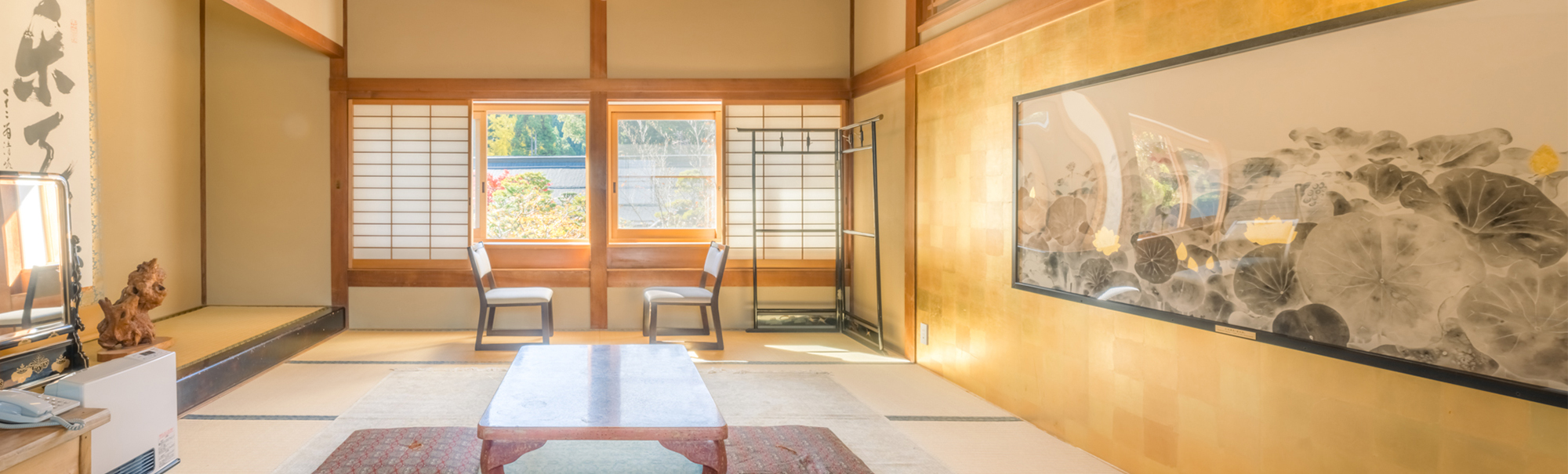
恵光院
A flagship Koyasan shukubo with English-guided Goma fire ceremony, Ajikan meditation, and nightly Okunoin tours.
from $130 /per night
大本山永平寺 参籠(吉祥閣)
A one-night Zen retreat inside the head temple of Soto Zen Buddhism, with pre-dawn zazen, choka service, and shojin ryori.
from $55 /per night
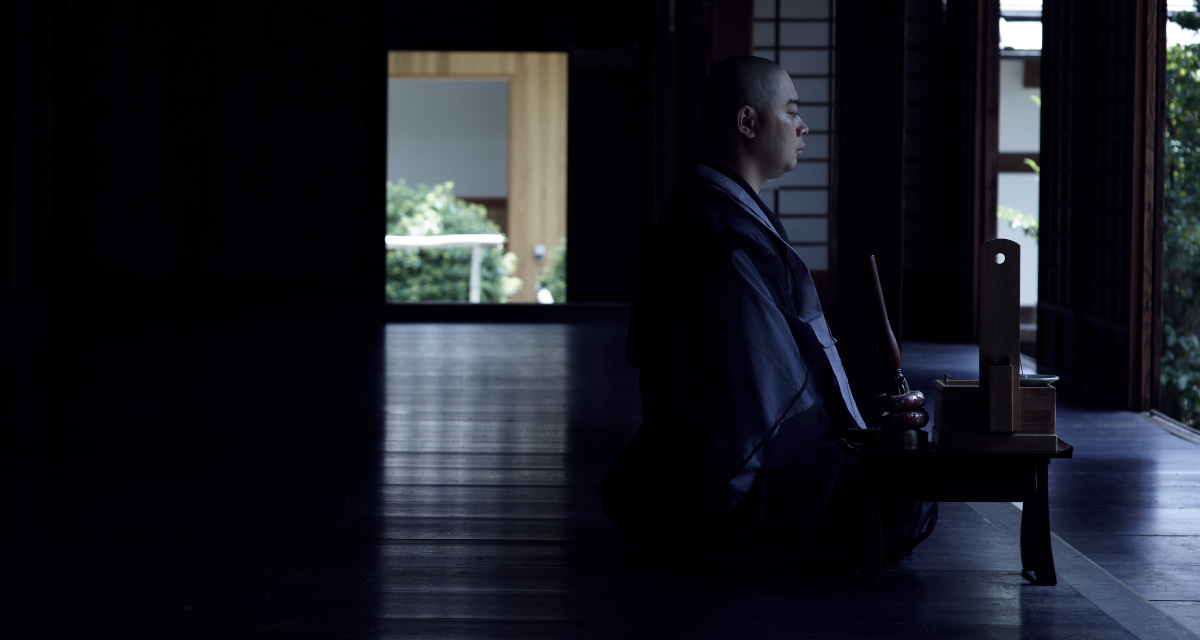
春光院
Kyoto's most internationally renowned Zen shukubo, offering English-led meditation classes and modern en-suite rooms inside a 1590 Myoshin-ji sub-temple.
from $60 /per night

延暦寺会館
The only shukubo on Mt. Hiei, located inside UNESCO-listed Enryaku-ji with a 6:30 morning service in the National Treasure Konponchudo and panoramic Lake Biwa views.
from $130 /per night

福智院
The only Koyasan shukubo with a natural hot spring, three Mirei Shigemori gardens, and refined shojin ryori.
from $175 /per night
Explore Destinations

