
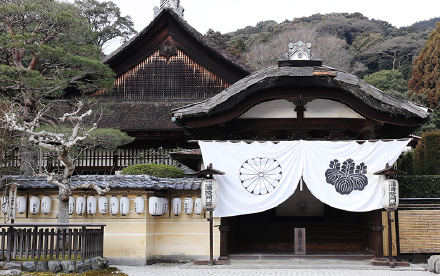
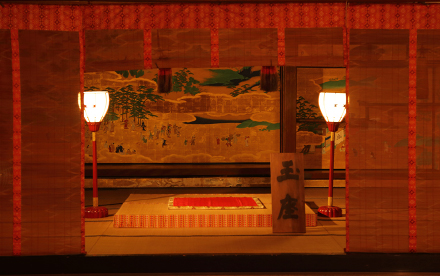
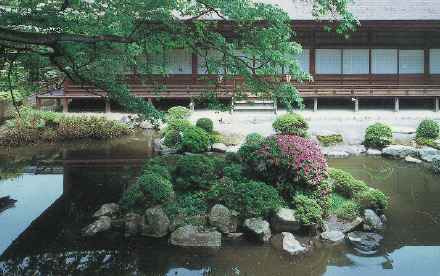
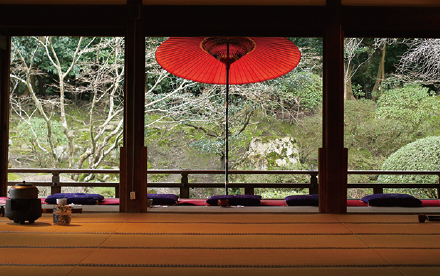
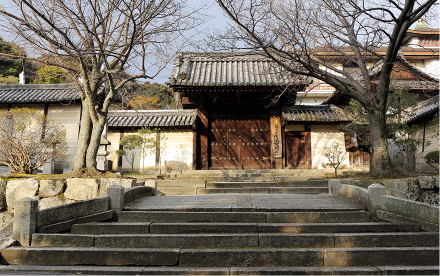
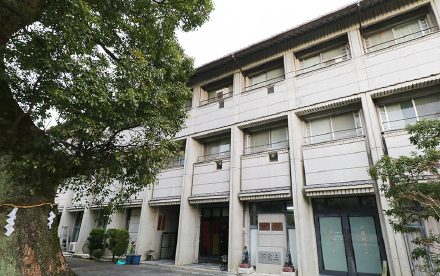
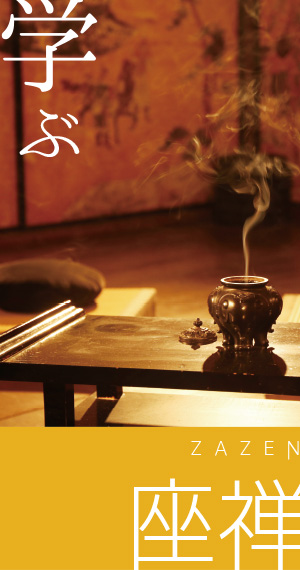
Important Cultural Property Shinden hall at Enman-in MonzekiInterior of the Shinden hall at Enman-in, originally from the Imperial PalaceMii Famous Garden, a National Place of Scenic Beauty by SoamiMuromachi-period strolling garden at Enman-in viewed from the ShindenChokushi-mon imperial gate at Enman-in MonzekiSanmitsuden shukubo lodging building at Enman-inZazen meditation experience inside the Shinden at Enman-in
1 / 7
Mid-Range| Hieizan

Enmanin Monzeki Sanmitsuden

圓満院門跡 三密殿

A 1,000-year-old imperial monzeki shukubo beside Mii-dera, with a National Treasure-class Shinden hall, Soami garden, and six cultural experiences.

Staff speaks日本語
SectTendai (天台宗)
Zazen meditation
Cultural property
from$95 /per night
Check Availability

Features

Vegetarian MealsNear StationFree WiFiCredit Cards

Highlights

A 1,000-Year-Old Imperial Monzeki

Founded in 987 by Imperial Prince Goen, the third son of Emperor Murakami, Enman-in is one of the historic "Three Mii Monzeki" temples — sub-temples held by imperial-family abbots. The Shinden hall (Important Cultural Property) was relocated from the Imperial Palace.

Six Cultural Experiences in the Shinden

Overnight guests choose two activities from zazen meditation, sutra copying (shakyo), Buddha image tracing (shabutsu), tea ceremony, tosenkyo fan-throwing, and kimono dressing — held inside the Important Cultural Property Shinden.

View of the Mii National Famous Garden

The Muromachi-period garden attributed to Soami is designated a National Place of Scenic Beauty. Guests can view it from the Shinden's imperial seat — the same view once enjoyed by emperors visiting from Kyoto.

About

Enman-in Monzeki is one of Otsu's most historically distinguished temples, founded in 987 by Imperial Prince Goen, the third son of Emperor Murakami, and holding the rank of a "monzeki" — a sub-temple traditionally headed by an abbot of the imperial family. It was historically one of the Three Mii Monzeki of the Tendai Jimon school and stands directly adjacent to the famous Mii-dera (Onjo-ji). The temple's shukubo wing, the Sanmitsuden, has welcomed travelers for over 1,000 years and today offers tatami guest rooms ranging from 10 to 30 mats. The crown jewel of the precincts is the Shinden, a Heian-style hall designated an Important Cultural Property of Japan, originally relocated from the Imperial Palace; from its imperial seat, guests can look out over the "Mii Famous Garden," a Muromachi-period strolling garden attributed to Soami and designated a National Place of Scenic Beauty and Historic Site. Guests are welcome at the morning service, and can choose two cultural programs from zazen meditation, sutra copying, Buddha image tracing, tea ceremony, tosenkyo fan-throwing, and kimono dressing — all conducted inside the Important Cultural Property Shinden. Dinner and breakfast are vegetarian shojin ryori. English-language support is limited, but for travelers seeking imperial-era atmosphere with garden views, this is one of Lake Biwa's most refined shukubo experiences.

Details

Check-in: 15:00
Check-out: 10:00
Bessho Station (Keihan Ishiyama-Sakamoto Line) (5 min walk)
From $95 - $220/night

Frequently Asked Questions

10 questions about Enmanin Monzeki Sanmitsuden

A ryokan is a traditional Japanese inn featuring tatami-mat rooms, futon bedding, communal or private baths, and multi-course kaiseki meals. Guests typically wear yukata (cotton robes) provided by the inn. A ryokan stay is one of the most authentic cultural experiences Japan has to offer.

Upon arrival, you'll be provided with a yukata (light cotton robe) and a pair of slippers. You can wear the yukata throughout the ryokan — to dinner, to the onsen, and even for a stroll in the neighborhood. Indoor slippers should be removed before stepping on tatami mats.

Enmanin Monzeki Sanmitsuden has limited English support. We recommend using a translation app or asking your hotel concierge to help with any pre-arrival communication. The staff is very welcoming and will do their best to assist.

Check-in is from 15:00 and check-out is by 10:00. If you arrive early, most ryokans can store your luggage while you explore the area. Late check-in may be possible — contact the ryokan in advance to arrange.

Yes, Enmanin Monzeki Sanmitsuden can prepare vegetarian meals. Japanese Buddhist cuisine (shojin ryori) is naturally plant-based and beautifully presented. Please inform the ryokan of your dietary requirements at least 2 days before arrival so the chef can prepare accordingly.

Yes, most ryokans including Enmanin Monzeki Sanmitsuden offer luggage storage for guests arriving before check-in time. You can also use coin lockers at the nearest station or luggage delivery services (takkyubin) to send bags directly from the airport or previous hotel.

Yes, Enmanin Monzeki Sanmitsuden provides complimentary WiFi throughout the property. Connection is available in guest rooms and common areas.

Yes, Enmanin Monzeki Sanmitsuden accepts major credit cards including Visa, Mastercard, and JCB. Some ryokans may also accept American Express. It's always good to have some cash as a backup for small purchases.

The nearest station is Bessho Station (Keihan Ishiyama-Sakamoto Line), approximately 5 minutes on foot. You can reach it by local train, subway, or taxi. The ryokan can provide detailed walking directions upon request.

You can book Enmanin Monzeki Sanmitsuden through trusted platforms like Booking.com or Expedia. Click the "Check Prices" button on this page to check availability and rates. We recommend booking at least 2-4 weeks in advance, especially during peak seasons (cherry blossom in March-April and autumn leaves in November).

temples.from$95 /temples.perNight