
|
|
|
|
|
|
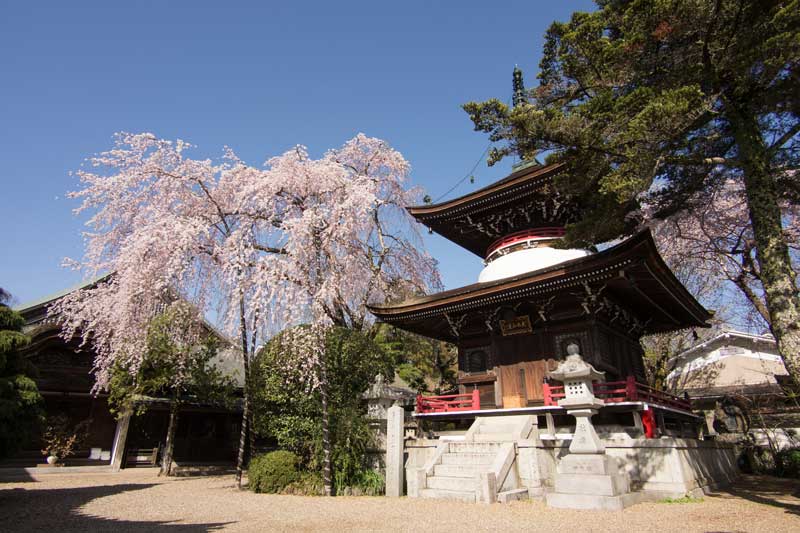
A 1,300-year-old shukubo founded by En no Gyoja southeast of Kinpusen-ji, with a famous tahoto pagoda and weeping cherry. Used by Retired Emperor Shirakawa and Matsuo Basho.
Tonan-in is a Bekkaku Honzan (Special Head Temple) of the Kinpusen Shugen Honshu sect, founded by En no Gyoja in the late 7th century to protect Mt. Kinpusen from the southeast (tatsumi). It has welcomed pilgrims for 1,300 years.
Records show Retired Emperor Shirakawa stayed here during his 1092 pilgrimage to Kinpusen, and the haiku poet Matsuo Basho lodged here in 1684 while writing the verses later collected in his "Nozarashi Kiko" travel diary.
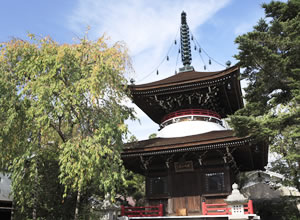
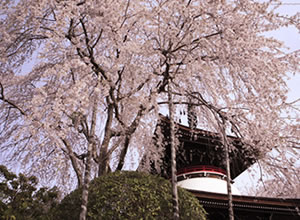
The temple's small two-storey tahoto pagoda (relocated from a Wakayama shrine in 1937) framed by a single weeping cherry tree is one of the most photographed scenes on Yoshino-yama in spring. The Kamakura-period seated wooden Dainichi Nyorai is a Nara Prefecturally-designated Cultural Property.
Tonan-in
Compare 2 platforms — save up to 20%
Booking links may earn a commission at no extra cost to you.
Nearest Station
Yoshinoyama Station (Yoshino Ropeway)
From Kansai Airport (KIX)
1. JR Haruka Express → Kyoto Station ~75 min
2. Local train/taxi → Yoshinoyama Station (Yoshino Ropeway) ~11 min
From Tokyo
1. Tokaido Shinkansen → Kyoto Station ~2h 15m
2. Local transit → Yoshinoyama Station (Yoshino Ropeway) ~11 min
From Osaka
1. JR Special Rapid → Kyoto Station ~30 min
or Hankyu Railway → Kawaramachi ~45 min
Tip: Purchase an IC card (ICOCA or Suica) at any station for easy tap-and-go on buses and trains.
💡 Save with a Japan Rail Pass
Covers unlimited Shinkansen + local JR trains
12 questions about Tonan-in
Tonan-in is a Bekkaku Honzan (Special Head Temple) of the Kinpusen Shugen Honshu sect, founded by En no Gyoja in the late 7th century to protect Mt. Kinpusen from the southeast (tatsumi). It has welcomed pilgrims for 1,300 years.
Records show Retired Emperor Shirakawa stayed here during his 1092 pilgrimage to Kinpusen, and the haiku poet Matsuo Basho lodged here in 1684 while writing the verses later collected in his "Nozarashi Kiko" travel diary.
The temple's small two-storey tahoto pagoda (relocated from a Wakayama shrine in 1937) framed by a single weeping cherry tree is one of the most photographed scenes on Yoshino-yama in spring. The Kamakura-period seated wooden Dainichi Nyorai is a Nara Prefecturally-designated Cultural Property.
12 questions about Tonan-in
More in Yoshino
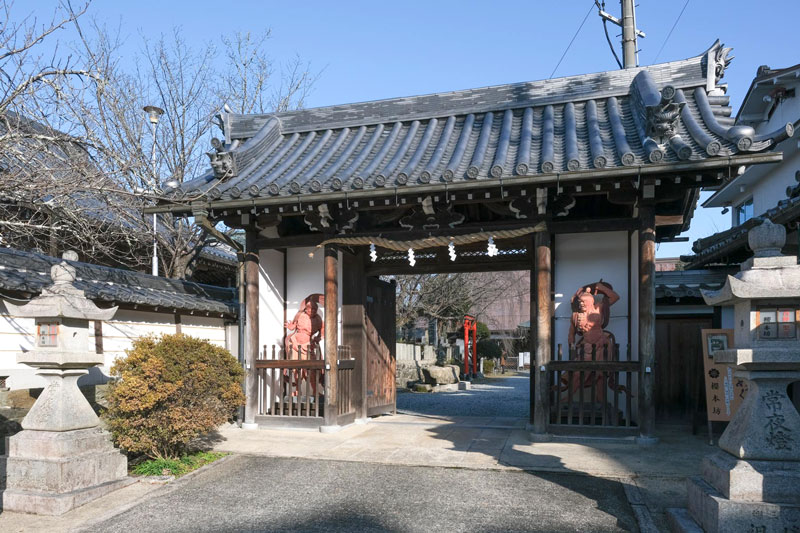
井光山 五臺寺 櫻本坊
A Shugendo training-hall shukubo on UNESCO-listed Yoshino-yama, founded by an Emperor Tenmu vow and home to three Important Cultural Property Buddhas.
from $80/night
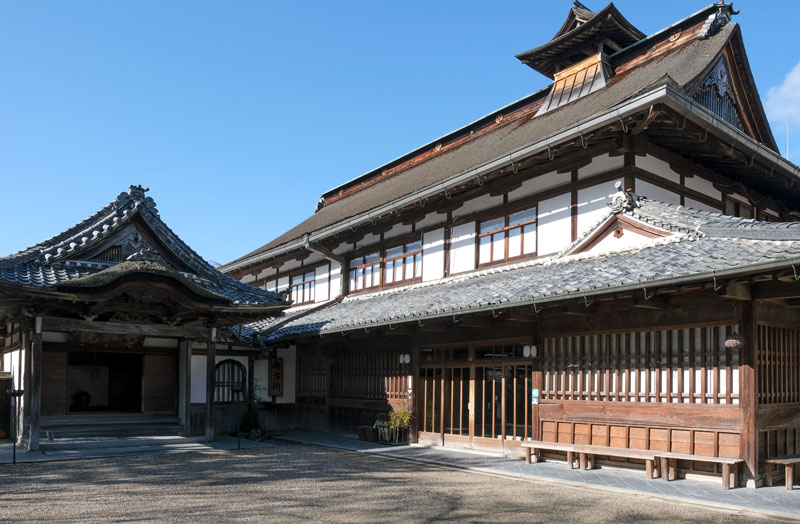
竹林院 群芳園
Yoshino-yama's most prestigious shukubo-ryokan, founded by Prince Shotoku and centered on Gunpoen — a Sen no Rikyu garden listed among the Three Great Gardens of Yamato.
from $110/night
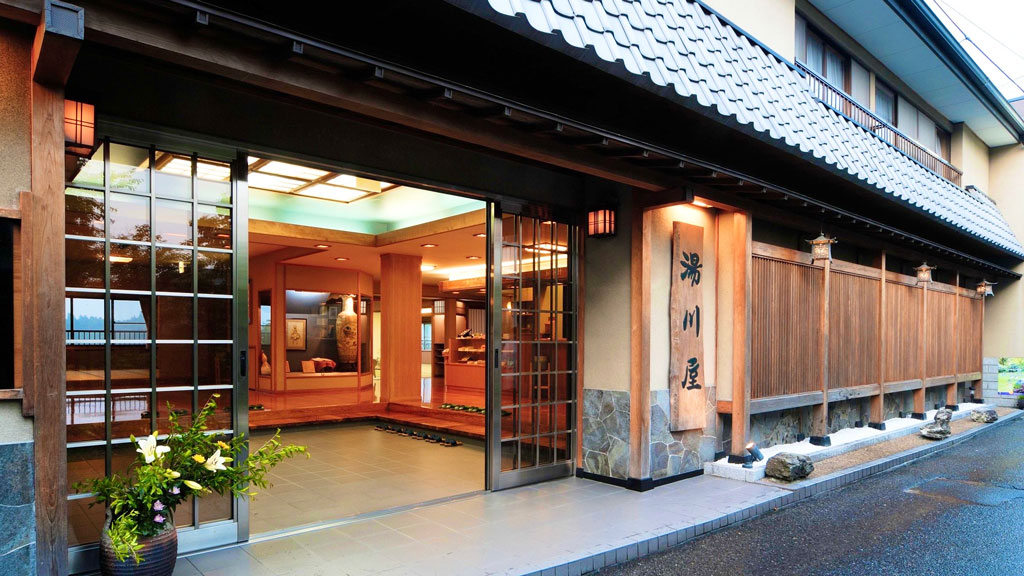
吉野荘 湯川屋
A 300-year-old gate-front ryokan to Kinpusen-ji Zao-do, the closest lodging to the National Treasure hall, with Nara's first infinity open-air bath.
from $130/night