
|
|
|
|
|
|

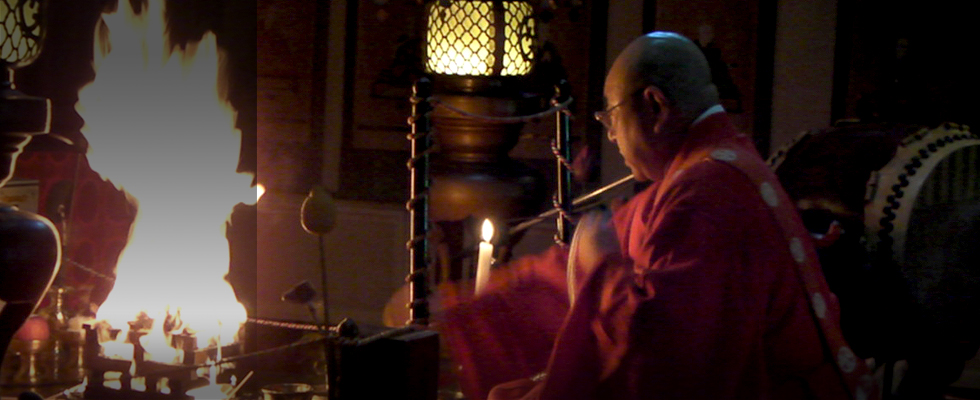
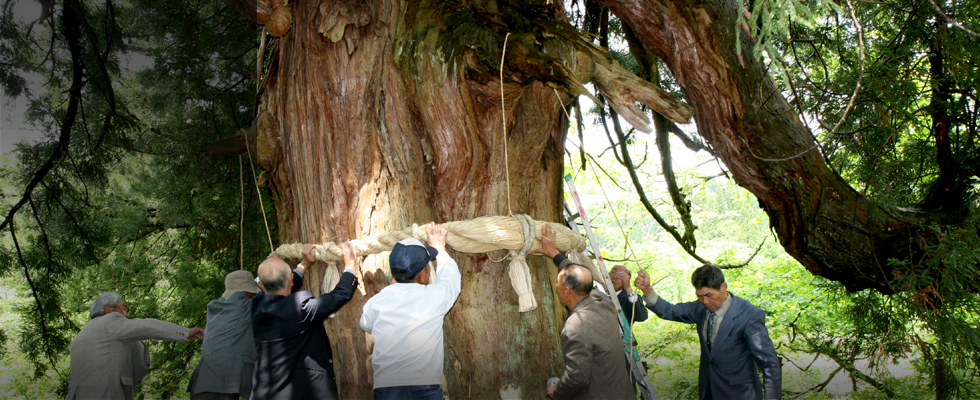
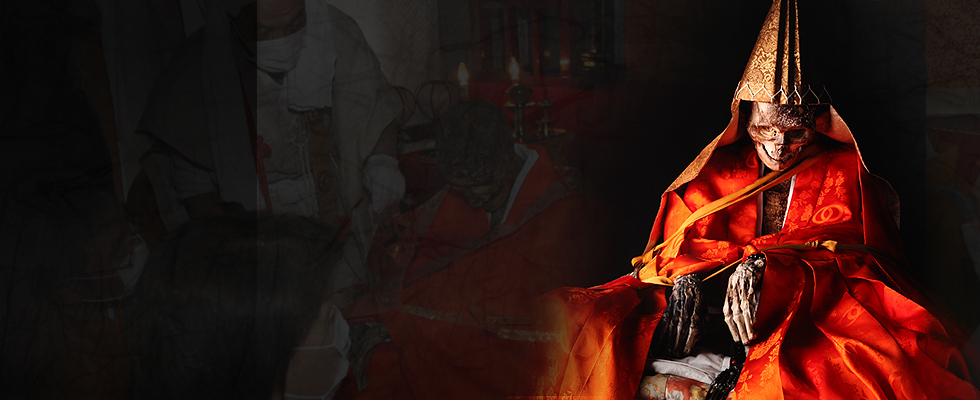
The Shingon head temple of Yudonosan, founded by Kukai in 807, enshrining the Shinnyokai Shonin sokushinbutsu (living Buddha) and a National ICP Shaka Nyorai.
Dainichi-bo, the Yudonosan Sohonji (head temple), was opened by Kobo Daishi in 807 as Kyoo Yuga-ji and renamed Ryusuiji Kongo-in. It is one of the four ancient Yudonosan Shingon temples that defended the mountain through the Edo period.
The temple enshrines the sokushinbutsu (self-mummified Buddha) of Shinnyokai Shonin, who entered nyujo (final meditation) in 1786 at age 96 after years of strict mokujiki (tree-bark) ascetic practice. Worshippers can pay respects directly.
Designated the official prayer temple of the Tokugawa shogunal family under Iemitsu, Dainichi-bo also holds the National Important Cultural Property "Shaka Nyorai (Kongo-butsu)" and Kobo Daishi's self-carved principal image.
Yudonosan Sohonji Dainichi-bo
Compare 2 platforms — save up to 20%
Booking links may earn a commission at no extra cost to you.
Nearest Station
Onami Bus Stop (Yamagata Kotsu, from JR Tsuruoka Station)
From Kansai Airport (KIX)
1. JR Haruka Express → Kyoto Station ~75 min
2. Local train/taxi → Onami Bus Stop (Yamagata Kotsu, from JR Tsuruoka Station) ~5 min
From Tokyo
1. Tokaido Shinkansen → Kyoto Station ~2h 15m
2. Local transit → Onami Bus Stop (Yamagata Kotsu, from JR Tsuruoka Station) ~5 min
From Osaka
1. JR Special Rapid → Kyoto Station ~30 min
or Hankyu Railway → Kawaramachi ~45 min
Tip: Purchase an IC card (ICOCA or Suica) at any station for easy tap-and-go on buses and trains.
💡 Save with a Japan Rail Pass
Covers unlimited Shinkansen + local JR trains
12 questions about Yudonosan Sohonji Dainichi-bo
Dainichi-bo, the Yudonosan Sohonji (head temple), was opened by Kobo Daishi in 807 as Kyoo Yuga-ji and renamed Ryusuiji Kongo-in. It is one of the four ancient Yudonosan Shingon temples that defended the mountain through the Edo period.
The temple enshrines the sokushinbutsu (self-mummified Buddha) of Shinnyokai Shonin, who entered nyujo (final meditation) in 1786 at age 96 after years of strict mokujiki (tree-bark) ascetic practice. Worshippers can pay respects directly.
Designated the official prayer temple of the Tokugawa shogunal family under Iemitsu, Dainichi-bo also holds the National Important Cultural Property "Shaka Nyorai (Kongo-butsu)" and Kobo Daishi's self-carved principal image.
12 questions about Yudonosan Sohonji Dainichi-bo
More in Dewa Sanzan

羽黒山参籠所 斎館
The only Edo-era shukubo still standing on the Haguro-san summit, run by Dewa Sanzan Jinja, with Michelin-listed mountain-herb shojin ryori.
from $75/night
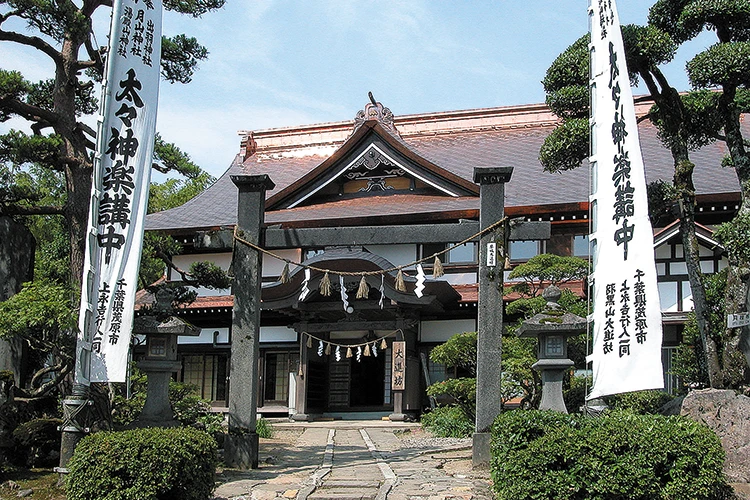
宿坊 大進坊
A yamabushi-run Toge shukubo with handmade shojin ryori, in-house goma fire prayers, and full English-friendly services.
from $95/night
出羽三山 多聞館
300-year-old Toge shukubo built from Haguro sacred cedar, famous for sesame-tofu ankake and mountain-herb shojin ryori.
from $90/night