
|
|
|
|
|
|

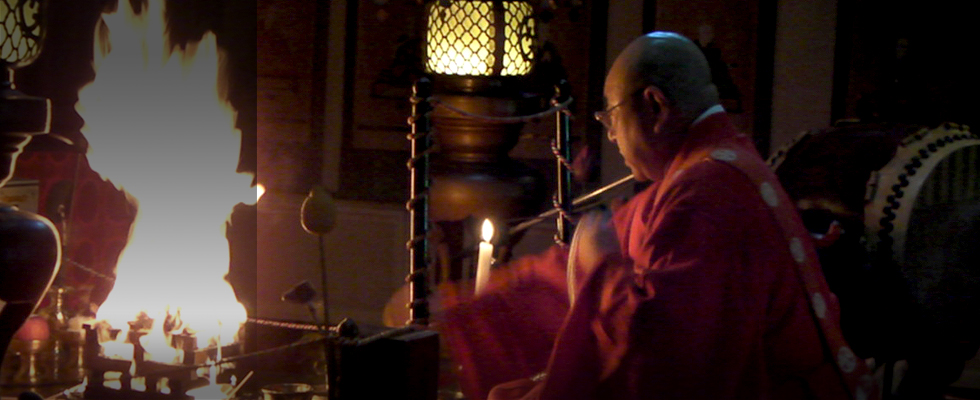
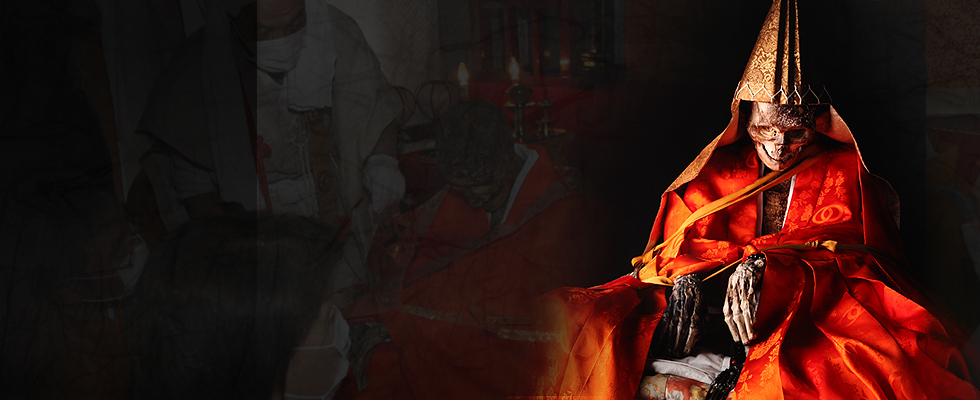
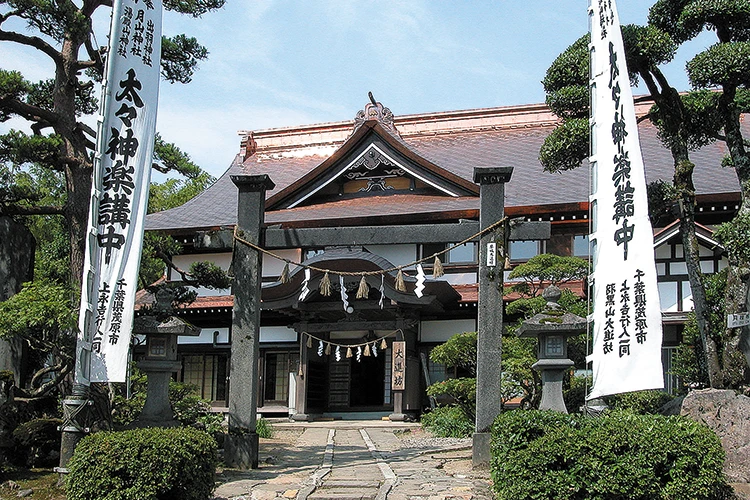
Temple principal Shingon du mont Yudono, fondé par Kukai en 807, abritant le sokushinbutsu de Shinnyokai Shonin (moine momifié vivant) et un Shaka Nyorai classé bien culturel important.
Dainichi-bo, the Yudonosan Sohonji (head temple), was opened by Kobo Daishi in 807 as Kyoo Yuga-ji and renamed Ryusuiji Kongo-in. It is one of the four ancient Yudonosan Shingon temples that defended the mountain through the Edo period.
The temple enshrines the sokushinbutsu (self-mummified Buddha) of Shinnyokai Shonin, who entered nyujo (final meditation) in 1786 at age 96 after years of strict mokujiki (tree-bark) ascetic practice. Worshippers can pay respects directly.
Designated the official prayer temple of the Tokugawa shogunal family under Iemitsu, Dainichi-bo also holds the National Important Cultural Property "Shaka Nyorai (Kongo-butsu)" and Kobo Daishi's self-carved principal image.
Yudonosan Sohonji Dainichi-bo
Comparer 2 plateformes — économisez jusqu'à 20%
Les liens de réservation peuvent générer une commission, sans frais supplémentaires pour vous.
Gare la plus proche
Onami Bus Stop (Yamagata Kotsu, from JR Tsuruoka Station)
Depuis l'aéroport du Kansai (KIX)
1. JR Haruka Express → Kyoto Station ~75 min
2. Local train/taxi → Onami Bus Stop (Yamagata Kotsu, from JR Tsuruoka Station) ~5 min
Depuis Tokyo
1. Tokaido Shinkansen → Kyoto Station ~2h 15m
2. Local transit → Onami Bus Stop (Yamagata Kotsu, from JR Tsuruoka Station) ~5 min
Depuis Osaka
1. JR Special Rapid → Kyoto Station ~30 min
or Hankyu Railway → Kawaramachi ~45 min
Conseil: Procurez-vous une carte IC (ICOCA ou Suica) dans n'importe quelle gare pour voyager facilement en bus et en train.
💡 Économisez avec un Japan Rail Pass
Trajets illimités en Shinkansen et trains JR locaux
12 questions sur Yudonosan Sohonji Dainichi-bo
Dainichi-bo, the Yudonosan Sohonji (head temple), was opened by Kobo Daishi in 807 as Kyoo Yuga-ji and renamed Ryusuiji Kongo-in. It is one of the four ancient Yudonosan Shingon temples that defended the mountain through the Edo period.
The temple enshrines the sokushinbutsu (self-mummified Buddha) of Shinnyokai Shonin, who entered nyujo (final meditation) in 1786 at age 96 after years of strict mokujiki (tree-bark) ascetic practice. Worshippers can pay respects directly.
Designated the official prayer temple of the Tokugawa shogunal family under Iemitsu, Dainichi-bo also holds the National Important Cultural Property "Shaka Nyorai (Kongo-butsu)" and Kobo Daishi's self-carved principal image.
12 questions sur Yudonosan Sohonji Dainichi-bo
Plus à Dewa Sanzan

羽黒山参籠所 斎館
L'unique shukubo (logement monastique) d'époque Edo encore debout au sommet du mont Haguro, géré par le sanctuaire Dewa Sanzan Jinja, avec une shojin ryori aux herbes de montagne distinguée par Michelin.
à partir de $75/nuit
宿坊 大進坊
Un shukubo (logement monastique) de Toge tenu par des yamabushi, avec shojin ryori faite maison, cérémonie du feu Goma privée et services pleinement adaptés aux voyageurs internationaux.
à partir de $95/nuit
出羽三山 多聞館
Shukubo (logement monastique) de Toge vieux de 300 ans, bâti en cèdre sacré de Haguro, célèbre pour son tofu de sésame en sauce ankake et sa shojin ryori aux herbes de montagne.
à partir de $90/nuit
Articles connexes