|
|
|
|
|
|
 Photo: Unsplash
Presque tous les guides en langue anglaise consacrés aux nuits dans un temple bouddhiste japonais vous envoient aux mêmes deux endroits : Koyasan (mont Koya) dans le Wakayama, ou Eiheiji dans le Fukui. Ces deux destinations sont extraordinaires, et toutes deux se situent également à une demi-journée de train depuis Tokyo. Si vous séjournez à Tokyo avec quelques jours devant vous, ce détour en vaut largement la peine. Mais de nombreux voyageurs n'ont pas plusieurs jours à consacrer — ils disposent d'un après-midi, ou d'une seule nuit libre, et se posent une question tout à fait légitime : peut-on vivre une véritable expérience de shukubo (logement monastique bouddhiste) sans quitter la région de Tokyo ?
La réponse honnête est oui, avec certaines réserves. Les grandes expériences monastiques de renommée mondiale nécessitent encore un séjour d'au moins une nuit. Mais dans un rayon d'environ 1 à 2h30 depuis le centre de Tokyo, il existe de vraies options : un temple de montagne Shingon qui propose une retraite résidentielle d'entraînement, un temple centenaire du centre-ville qui a transformé son enceinte en hébergement moderne, des sessions de méditation Zen accessibles au public le week-end à Kamakura, et un célèbre temple de rituel du feu à quelques minutes d'express de l'aéroport de Narita. Ce guide distingue ce qui est authentique et réservable de ce qui relève du marketing, et vous indique comment rejoindre chaque lieu en train.
Il y a trois bonnes raisons de chercher une expérience de temple près de Tokyo plutôt que de s'engager vers les destinations de pèlerinage classiques. La première est le temps. Koyasan (mont Koya) représente quatre à cinq heures de trajet depuis Tokyo dans chaque sens — le train jusqu'à Osaka, la correspondance sur la ligne Nankai, puis un téléphérique pour monter. Intégrer cela dans un voyage d'une semaine au Japon signifie sacrifier la majeure partie de deux jours aux transports. Si votre programme est déjà chargé entre Tokyo, Kyoto et Hakone, une option plus proche vous permet de vivre l'expérience du temple sans casser votre emploi du temps.
La deuxième raison tient au type d'expérience que vous recherchez vraiment. Tout le monde n'aspire pas à une nuit complète dans un monastère avec un office à 6h du matin et de la shojin ryori (cuisine bouddhique végétarienne) deux fois par jour. Certains voyageurs souhaitent simplement goûter à quelque chose d'intense — une heure de méditation assise, un déjeuner végétarien dans un temple, une cérémonie du feu, une promenade silencieuse dans un domaine de montagne. Près de Tokyo, ces expériences courtes et concentrées sont abondantes, même là où l'hébergement de nuit n'existe pas.
La troisième raison est tout simplement que la région de Tokyo possède sa propre histoire bouddhiste profonde, souvent éclipsée par Kyoto et Koyasan (mont Koya). Le mont Takao est un site d'entraînement Shingon en montagne depuis plus de 1 200 ans. Kamakura était la capitale politique et Zen du Japon médiéval, dense en grands temples Rinzai (Zen Rinzai). Narita-san est l'un des temples les plus fréquentés de tout le pays. Rester dans la région ne revient pas à se contenter d'une version moindre — c'est visiter une partie différente, tout aussi légitime, d'une même tradition.
Il est également utile de redéfinir ce que l'on entend par « séjour au temple » avant de commencer à réserver. En français comme en anglais, l'expression couvre un large spectre : d'un côté, l'expérience résidentielle complète dans un monastère en activité, où l'on est en quelque sorte l'invité des moines pour une nuit, partageant leurs repas et se levant pour leur office ; de l'autre, une seule session guidée — une heure de méditation, un rituel du feu, un déjeuner végétarien — que l'on insère dans une journée ordinaire. Les deux sont des façons valides d'entrer en contact avec la tradition, mais elles exigent des niveaux très différents de temps, d'argent et d'engagement. Autour de Tokyo, le spectre penche fortement vers le second type, et le savoir à l'avance vous évitera toute déception. L'erreur à éviter est d'arriver en espérant une nuit à la façon de Koyasan (mont Koya) et de trouver un programme à la journée, ou inversement.

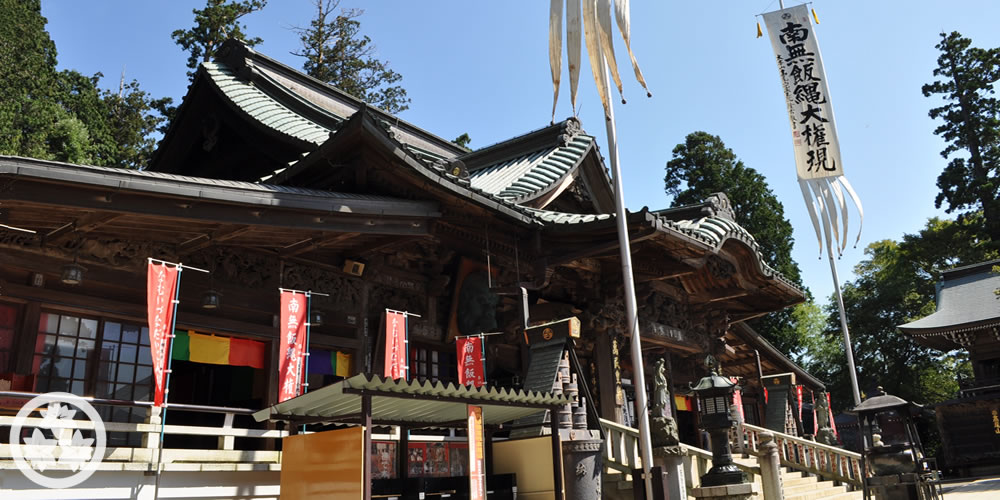
Si vous souhaitez vivre l'expérience de temple la plus accessible depuis Tokyo, commencez par le mont Takao. La montagne se trouve à l'ouest de la métropole tokyoïte, à environ 50 minutes en express Keio depuis Shinjuku jusqu'à la station Takaosanguchi. En son cœur se trouve Yakuoin (officiellement Takaosan Yakuoin Yukiji), un temple Shingon fondé en 744 et centre d'entraînement actif depuis plus de mille ans. Ce n'est pas un temple-musée — il organise des pratiques ascétiques auxquelles les laïcs peuvent participer.
Le programme phare de Yakuoin pour les nuitées est le Shinto Buchu Shugyokai, une retraite d'entraînement en montagne d'une nuit, organisée deux fois par an, en général en juin et en octobre. Les participants logent dans la salle d'hébergement Daihonbo du temple, mangent de la shojin ryori (cuisine bouddhique végétarienne) et participent à une version condensée des pratiques que les yamabushi (ascètes de montagne) accomplissent ici depuis des siècles : circumambulation du sommet, goma (rituel du feu ésotérique) — plus précisément le spectaculaire saito-goma en plein air où des bâtons de prière sont brûlés sur un grand feu — et pratique sous la cascade. Cette retraite n'ayant lieu que deux fois par an, c'est la seule option près de Tokyo qui exige vraiment une planification en fonction du calendrier.
La bonne nouvelle, c'est qu'il n'est pas nécessaire d'attendre la retraite pour vivre les pratiques de Yakuoin. Le temple propose des programmes d'excursion à la journée tout au long de l'année, qui capturent une grande partie de l'esprit des lieux sans engagement de nuit. L'activité phare est le takigyo — se tenir sous les chutes d'eau froides de Hebi-taki ou Biwa-taki en robes blanches de pratique tout en scandant des sutras, sous la conduite du personnel du temple. Des déjeuners de shojin ryori (cuisine bouddhique végétarienne) sont également disponibles sur réservation au temple, permettant de s'attabler pour un repas végétarien bouddhiste formel dans l'enceinte de montagne, puis de le digérer en redescendant à pied.
Tip
De la station Takaosanguchi à Yakuoin, il faut environ 50 minutes à pied en montée, ou bien emprunter le téléphérique / télécabine une partie du trajet avant de continuer à pied. Portez de vraies chaussures de marche — c'est une montagne, pas un temple de ville, et même la pratique de la cascade en excursion à la journée implique une randonnée. Réservez la session de *takigyo* et tout déjeuner de *shojin ryori* à l'avance auprès du temple ; les présentations sans réservation le jour même ne sont pas garanties.
Un mot sur l'importance historique de Takao, car cela change la façon dont on vit la visite. Yakuoin appartient à la branche Chizan du Shingon, l'école ésotérique fondée par Kukai, et la montagne est depuis des siècles un centre du Shugendo — l'ascétisme de montagne syncrétique du Japon, mêlant le bouddhisme ésotérique au culte indigène des montagnes. L'image principale vénérée ici est Izuna Daigongen, une divinité ailée et farouche, et les tengu (gobelins de montagne au long nez) qui lui sont associés apparaissent en statues dans toute l'enceinte. C'est une montagne bouddhiste populaire vivante, non un temple touristique poli, et les pratiques proposées — feu, eau, circumambulation du sommet — sont les disciplines authentiques de cette tradition, non des spectacles mis en scène pour les visiteurs. C'est précisément cette authenticité qui vaut le déplacement.
Pour un premier visiteur souhaitant vivre l'expérience de montagne bouddhiste la plus authentique accessible depuis Shinjuku en moins d'une heure, Takao s'impose comme la meilleure option. Un plan type : express du matin depuis Shinjuku, téléphérique pour monter, pratique sous la cascade pré-réservée ou déjeuner au temple, une heure d'exploration de la salle principale et de la forêt de cèdres, puis retour au centre de Tokyo en début de soirée — le tout sans bagage de nuit. Si vous pouvez caler votre séjour sur l'une des retraites d'entraînement de juin ou d'octobre, faites-le : passer une nuit dans l'hébergement Daihonbo, manger de la shojin ryori (cuisine bouddhique végétarienne) avec d'autres participants et se lever pour la pratique de montagne est ce qui se rapproche le plus d'une nuit authentique à la façon de Koyasan (mont Koya) dans la région de Tokyo — et vous y accédez depuis Shinjuku en moins d'une heure plutôt qu'en une demi-journée.
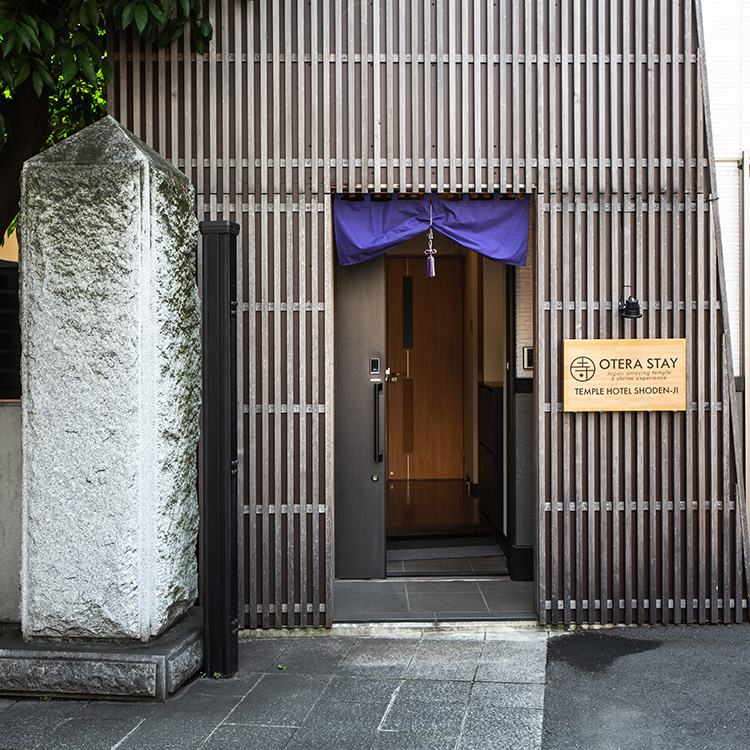
Si votre priorité est de dormir réellement dans l'enceinte d'un temple sans quitter la ville, Tokyo offre une réponse claire : le Temple Hotel Shoden-ji, dans le quartier de Minato, près des stations Hamamatsucho et Daimon. Shoden-ji est un temple de l'école Nichiren vieux d'environ 400 ans, fondé à l'époque Edo. Depuis juillet 2019, il exploite un shukubo (logement monastique) moderne dans une maison d'hôtes à deux étages construite à cet effet sur son terrain, gérée conjointement avec une société hôtelière sous la bannière « OTERA STAY ».
Il convient d'être lucide sur ce que c'est et ce que ce n'est pas. Ce n'est pas un monastère isolé avec des chants avant l'aube et des moines qui vous réveillent à 5h du matin — c'est une maison d'hôtes confortable avec enregistrement automatique, située dans l'enceinte d'un temple du centre-ville en activité, avec la possibilité d'ajouter des touches contemplatives tranquilles comme la copie de sutras (shakyo). Il est même possible de louer la maison entière en privatisation, ce qui en fait une option prisée des familles et des petits groupes souhaitant l'atmosphère d'un séjour au temple alliée à la commodité et à l'intimité d'une base moderne à Tokyo. Pour les voyageurs qui souhaitent dire qu'ils ont dormi dans un temple à Tokyo même, et qui apprécient la praticité et le confort davantage que l'austérité, c'est le choix le plus sensé dans la ville.
Il y a aussi une toile de fond discrètement intéressante qui explique pourquoi les hébergements dans les temples en cœur de ville sont si rares. Le centre de Tokyo compte des milliers de temples bouddhistes, mais presque aucun n'accepte de visiteurs pour la nuit — le réseau historique de shukubo (logements monastiques) était concentré sur les montagnes de pèlerinage et autour des grands temples centraux, et non dans ce qui était alors la capitale administrative du shogun. Quelques opérateurs contemporains ont commencé à convertir des terrains de temple sous-utilisés en hébergements, afin de financer l'entretien des temples à une époque de congrégations qui s'amenuisent, et Shoden-ji est l'un des exemples les mieux exécutés de cette tendance. Lorsque vous y séjournez, une partie de ce que représente votre paiement contribue à maintenir financièrement viable une institution vieille de 400 ans — un échange bien plus significatif qu'une nuit dans un hôtel d'affaires équivalent.
Si vous hésitez entre les deux options de Tokyo : choisissez Takao pour la pratique et l'environnement de montagne, et Shoden-ji pour la commodité d'une vraie nuit à quelques stations de métro de la tour de Tokyo. Elles répondent à des besoins différents, et rien n'empêche un séjour plus long d'inclure les deux — par exemple, une journée de pratique sous la cascade et de randonnée forestière à Takao, suivie d'une nuit tranquille dans l'enceinte du temple Shoden-ji avant de s'envoler depuis Haneda le lendemain matin.
Kamakura, à environ une heure au sud de Tokyo par la JR, fut le siège du premier gouvernement samouraï du Japon et le lieu où le Zen Rinzai s'est enraciné profondément dans la culture japonaise au XIIIe siècle. Ses deux principaux temples Zen — Engaku-ji et Kencho-ji, tous deux parmi les « Cinq Grands Temples Zen de Kamakura » (Kamakura Gozan) — sont encore aujourd'hui des monastères d'entraînement en activité. Aucun des deux ne propose de shukubo (logement monastique) réservable comme on le ferait sur un site d'hébergement, c'est pourquoi ils ne figurent pas dans notre répertoire de temples. Mais cela ne signifie pas que les visiteurs sont exclus de la pratique.
Les deux temples ouvrent leurs portes au public pour la méditation zazen (méditation Zen assise). Kencho-ji, fondé en 1253 et temple principal de sa branche Rinzai (Zen Rinzai), propose depuis longtemps des sessions de méditation zazen tôt le matin et le week-end, ouvertes à tous, sans réservation requise et moyennant un don libre ou suggéré. Engaku-ji, fondé en 1282, propose également des sessions régulières de méditation zazen publique — notamment des séances matinales le week-end bien connues dans ses salles et une session d'introduction destinée aux débutants. Les horaires varient selon les saisons et sont parfois suspendus pour les retraites monastiques ; il vaut mieux vérifier les horaires actuels sur le site de chaque temple plutôt que de se fier à un blog tiers.
Il est utile de comprendre pourquoi Kamakura, en particulier, est le lieu pour pratiquer cela. Lorsque le shogunat Minamoto a établi sa capitale ici en 1192, la nouvelle classe guerrière a trouvé dans le Zen une discipline qui lui convenait mieux que le bouddhisme aristocratique de Kyoto : directe, austère, et centrée sur la confrontation avec la mort et l'impermanence sans flincher. Les shoguns et les régents ont fait venir des maîtres Chan chinois et ont bâti un ensemble de grands temples pour les accueillir ; le système des « Cinq Montagnes » (Gozan) qui en résulta a fait de Kamakura le berceau du Zen organisé au Japon. Engaku-ji a été fondé par le régent Hojo Tokimune en 1282 pour honorer les soldats tombés lors de la résistance aux invasions mongoles ; Kencho-ji, fondé en 1253, était le premier monastère d'entraînement Zen spécialement construit au Japon. S'asseoir en méditation zazen dans l'un ou l'autre, c'est s'asseoir dans le berceau même des institutions Zen japonaises.
L'expérience est l'attrait principal. On arrive à l'un des grands monastères Zen du Japon tôt le matin, avant les touristes de la journée, on laisse ses chaussures dans l'entrée, on s'assoit sur un coussin face au mur à la manière Rinzai (Zen Rinzai), et l'on respire dans un espace d'entraînement vieux de 700 ans pendant que des moines résidents s'assoient à côté de vous. Les sessions sont généralement courtes selon les standards des monastères d'entraînement — quelques tours assis de 20 à 30 minutes environ, avec une courte période de marche entre les deux — ce qui est largement suffisant pour un débutant et vous laisse le reste de la matinée pour explorer. C'est s'approcher au plus près de « pratiquer la méditation zazen là où le Zen japonais est né », plus que presque tout ce qu'un visiteur occasionnel peut vivre. Associez-y le grand Bouddha en bronze (Daibutsu) à Kotoku-in et la bambouseraie à Hokoku-ji, et vous aurez une journée complète et profondément bouddhiste hors de Tokyo.
Tip
La méditation zazen publique dans un temple est une pratique religieuse authentique, non un spectacle touristique. Portez des vêtements discrets et amples dans lesquels vous pouvez vous asseoir en tailleur, arrivez tôt, éteignez complètement votre téléphone, et suivez les indications des moines pour savoir quand s'incliner et quand garder le silence. Si vous n'avez jamais pratiqué, cherchez un temple qui propose une introduction pour débutants afin que quelqu'un vous montre la posture en premier.
Pour en savoir plus sur ce que ressent concrètement une session et comment s'y préparer, notre guide sur l'expérience de la méditation zazen au Japon détaille la posture, la respiration et l'étiquette pour que vous arriviez prêt : voir /fr/blog/zazen-experience-japan.
Narita-san Shinshoji est un grand temple Shingon au Chiba, à quelques minutes de train de l'aéroport de Narita et à environ une heure du centre de Tokyo sur la ligne Keisei. Fondé en 940, c'est l'un des temples les plus fréquentés de tout le Japon, attirant des millions de fidèles pendant la période du Nouvel An. Son principal attrait pour les visiteurs est la cérémonie du feu Goma, célébrée plusieurs fois par jour dans la Grande Salle principale : des moines chantent pendant qu'un feu est allumé devant la divinité Fudo Myo-o, et les fidèles peuvent faire passer leurs affaires personnelles dans la fumée purificatrice. Narita-san ne gère pas de shukubo (logement monastique) conventionnel ouvert aux voyageurs, mais c'est une excellente destination pour une demi-journée ou une escale — notamment si vous avez une longue correspondance à l'aéroport de Narita et souhaitez échanger le terminal contre un vrai temple.

L'attrait principal de Narita-san réside dans le rituel du Goma lui-même, qui constitue l'une des fenêtres les plus accessibles sur le bouddhisme ésotérique qu'un visiteur puisse trouver. La divinité au centre, Fudo Myo-o, est représentée comme une figure courroucée entourée de flammes, tenant une épée et une corde — farouche non par colère, mais comme force de compassion qui tranche à travers l'illusion et enchaîne les obstacles à l'Éveil. Le feu sur l'autel consume des bâtons de prière en bois inscrits avec les vœux des fidèles, symbolisant la combustion des désirs terrestres. Nul besoin de suivre la doctrine pour ressentir la puissance de se trouver dans une salle comble tandis que les tambours s'amplifient et que les flammes s'élèvent ; c'est viscéral d'une façon que la méditation silencieuse ne l'est pas, et pour beaucoup de primo-visiteurs, c'est l'expérience bouddhiste la plus mémorable de tout leur voyage.
Le mont Mitake (Mitakesan), dans les montagnes de l'ouest de Tokyo à environ 1h30 à 2h de trajet, est l'option la plus susceptible de dérouter les voyageurs francophones — il vaut donc la peine d'être précis. Le village au sommet dispose d'une vingtaine de « shukubo » en activité, et de nombreux guides touristiques les répertorient comme des hébergements de temple. En réalité, depuis la séparation méiji du bouddhisme et du shinto (shinbutsu-bunri) en 1868, ces hébergements sont gérés par les familles sacerdotales oshi attachées au sanctuaire shinto de Musashi Mitake, une institution shintoïste. Avant cette ordonnance, la montagne était un site mêlant bouddhisme et shinto, comme de nombreux sommets sacrés du Japon, mais la réalité moderne est que ces auberges sont gérées comme des établissements shinto. Ce sont de merveilleuses auberges de montagne pleines d'atmosphère, avec des repas à tendance végétarienne et une atmosphère de pèlerinage — mais au sens strict, ce sont des hébergements shinto, non des séjours dans des temples bouddhistes.
Nous mentionnons le mont Mitake ici précisément parce que vous le verrez recommandé comme « séjour au temple près de Tokyo », et nous souhaitons que vous réserviez avec des attentes claires. Si votre objectif est une belle nuit en montagne-sanctuaire dans une atmosphère de village sacré, Mitake est vraiment charmant. Si votre objectif est spécifiquement un shukubo (logement monastique) bouddhiste avec un office du matin bouddhiste, ce n'est pas la bonne option, et vous devriez plutôt vous tourner vers Takao ou une nuit à Koyasan (mont Koya).
Une note pratique d'étiquette qui s'applique à tous ces lieux : le rituel du Goma est un office religieux en direct, non un spectacle, et les fidèles y viennent avec de véritables intentions. Vous êtes bienvenu à y assister et même à faire purifier vos effets personnels dans la fumée, mais restez silencieux, suivez l'exemple des personnes autour de vous, et soyez discret avec la photographie — de nombreuses salles l'interdisent pendant le rituel lui-même. Le même respect qui fait de vous un bon hôte dans une salle de méditation zazen à Kamakura s'applique ici.
La décision de planification la plus utile est de savoir si vous souhaitez une excursion à la journée ou une nuit sur place, car cela réduit considérablement vos options. Près de Tokyo, les expériences à la journée sont bien plus riches que les nuitées. Vous pouvez pratiquer sous la cascade et déjeuner végétarien à Takao, vous asseoir en méditation zazen publique dans un grand monastère Zen de Kamakura, ou assister à la cérémonie du feu Goma à Narita-san — et rentrer à votre hôtel tokyoïte avant le dîner. Ce sont de vraies expériences bouddhistes substantielles, et pour beaucoup de voyageurs, elles suffisent amplement.
Le tableau des nuitées est plus limité. Dans la région immédiate de Tokyo, vos véritables options d'hébergement bouddhiste pour une nuit sont le Temple Hotel Shoden-ji (moderne, en ville, confortable) et la retraite d'entraînement bisannuelle au mont Takao (authentique, austère, mais calée en juin et en octobre). Le mont Mitake offre des nuits en montagne pleines d'atmosphère, mais il est shinto et non bouddhiste. Donc si une vraie nuit traditionnelle en shukubo (logement monastique) — dîner et petit-déjeuner de shojin ryori (cuisine bouddhique végétarienne), un office avant l'aube, un hébergement au cœur d'un complexe de temple rempli d'autres pèlerins invités — est non négociable pour vous, l'endroit le plus proche pour la vivre n'est pas techniquement « près » de Tokyo.
Pensez aussi à la saison. Les options près de Tokyo varient fortement selon le calendrier. Le mont Takao est magnifique en novembre quand les érables prennent des couleurs, mais une pratique sous la cascade est glaciale en plein hiver ; ses retraites de nuit n'ont lieu qu'en juin et en octobre, de sorte que l'expérience la plus immersive de Takao est limitée à deux fenêtres étroites. Narita-san est notoirement bondé pendant la période du Nouvel An, ce qui est exaltant si vous souhaitez voir la fréquentation des temples japonais à son intensité maximale, mais pénible si vous recherchez la tranquillité. Les temples de Kamakura sont les plus beaux et les moins fréquentés pour la méditation zazen matinale lors d'un jour de semaine ordinaire, tandis que les week-ends d'automne attirent les foules. Si vos dates sont fixes, laissez la saison guider votre choix ; si vos dates sont flexibles, les inter-saisons du printemps tardif et de l'automne vous offrent le meilleur de tout.
Tip
Une façon claire de structurer un voyage : faites votre *shukubo* (logement monastique) immersif à Koyasan (mont Koya) sous forme d'escapade de deux jours depuis Kyoto (où vous allez probablement de toute façon), et utilisez les temples en excursion autour de Tokyo — Takao, Kamakura, Narita-san — pour encadrer la partie tokyoïte de votre itinéraire. Vous obtenez ainsi à la fois la profondeur et la commodité, sans forcer l'un ou l'autre.
Pour mettre les compromis côte à côte : le mont Takao vous offre une pratique de montagne authentique en moins d'une heure depuis Shinjuku, soit en excursion à la journée toute l'année, soit en retraite de nuit en juin et en octobre. Kamakura vous offre la méditation zazen publique dans un monastère Zen fondateur, en excursion à la journée uniquement, pour guère plus qu'un don. Narita-san vous propose un rituel du feu quotidien et une célèbre ville-temple, en excursion à la journée uniquement, idéal pour une escale à l'aéroport. Shoden-ji vous offre une nuit confortable et accessible aux anglophones dans l'enceinte d'un temple en pleine ville, mais sans le rythme monastique immersif. Le mont Mitake vous propose une belle nuit en montagne qui est shintoïste plutôt que bouddhiste. Et Koyasan (mont Koya) vous donne la nuit traditionnelle complète en shukubo (logement monastique), mais uniquement avec un engagement de deux jours depuis la région du Kansai. Aucune option ne fait tout, ce qui explique précisément pourquoi il importe davantage d'adapter l'option à votre objectif spécifique que de courir après la « meilleure ».
Si vous n'avez jamais séjourné dans un temple auparavant, il vaut la peine de se renseigner sur ce que l'expérience implique — les repas, l'étiquette, l'office du matin, ce qu'il faut emporter — avant de vous engager. Notre guide pour les primo-visiteurs couvre l'essentiel : voir /fr/blog/shukubo-first-time-guide.
Toutes ces destinations sont accessibles en trains de banlieue et express limités, et la plupart sont couvertes par une carte IC (Suica/PASMO) ou le Japan Rail Pass le cas échéant. Une note générale avant les détails : une carte IC rechargeable est le moyen le plus simple de gérer chaque trajet ci-dessous, car elle fonctionne sur les lignes JR, Keio, Keisei et les métros de Tokyo sans avoir à acheter de billets individuels en papier. Les itinéraires uniquement JR (Kamakura, mont Mitake) sont couverts par le Japan Rail Pass ; les itinéraires en lignes privées (Keio vers Takao, Keisei vers Narita) ne le sont pas, mais les tarifs sont suffisamment bas pour que cela importe rarement. Voici les informations d'accès pratiques pour chacun.
Mont Takao (Yakuoin) : Prenez la ligne Keio depuis Shinjuku jusqu'à la station Takaosanguchi — environ 50 minutes en semi-express ou express spécial, et remarquablement bon marché. Depuis la station, soit montez à pied (environ 50 minutes jusqu'à la salle principale), soit empruntez le téléphérique ou la télécabine sur une partie du trajet. C'est l'évasion vers un temple la plus rapide depuis le centre de Tokyo.
Temple Hotel Shoden-ji : Il se trouve dans la ville, près de la station Hamamatsucho (JR Yamanote/Keihin-Tohoku) et de la station Daimon (lignes de métro Toei Asakusa/Oedo), à quelques minutes à pied. Depuis la station de Tokyo, c'est deux arrêts ; depuis l'aéroport de Haneda, c'est une ligne directe de monorail jusqu'à Hamamatsucho — pratique pour une première ou dernière nuit.
Kamakura (Engaku-ji / Kencho-ji) : Prenez la ligne JR Yokosuka depuis la station de Tokyo ou Shinagawa jusqu'à la station de Kita-Kamakura (environ une heure). Engaku-ji est directement devant la station de Kita-Kamakura ; Kencho-ji se trouve à environ 15 minutes à pied plus loin sur la route vers Kamakura. Les deux peuvent facilement se combiner à pied en une seule matinée.
Narita-san Shinshoji : Depuis le centre de Tokyo, prenez la ligne Keisei vers Narita ; depuis l'aéroport de Narita, ce n'est que quelques minutes jusqu'à la station Keisei-Narita ou la station JR Narita, puis environ 10 à 15 minutes de marche le long de l'Omotesando, l'allée d'approche atmosphérique menant au temple. C'est le temple le plus facile du Japon à intégrer lors d'une escale aéroportuaire.
Mont Mitake : Prenez la ligne JR Chuo jusqu'à Ome, changez pour la ligne Ome jusqu'à la station Mitake, puis un bus et un téléphérique jusqu'au village au sommet — environ 1h30 à 2h au total depuis Shinjuku. Planifiez soigneusement les horaires du téléphérique, car le service s'arrête en soirée.
Un dernier conseil logistique qui s'applique à toutes les options de montagne : vérifiez la veille les horaires du dernier téléphérique et du dernier train, et prévoyez une marge. Les transports de montagne au Japon sont ponctuels mais s'arrêtent plus tôt que vous ne l'attendriez, et rater la dernière descente de Takao ou Mitake transforme une agréable excursion à la journée en une situation stressante. Pour le Shoden-ji en ville et les villes-temples plates de Kamakura et Narita, c'est bien moins un souci, ce qui est une raison supplémentaire pour laquelle ces destinations constituent les introductions les plus décontractées au Japon des temples pour les primo-visiteurs qui se familiarisent encore avec le réseau ferroviaire.
Quel est le séjour au temple le plus proche de Tokyo ? Pour une vraie nuit dans l'enceinte d'un temple, le plus proche est le Temple Hotel Shoden-ji, qui se trouve à Tokyo même dans le quartier de Minato, près de Hamamatsucho. Pour la pratique en temple de montagne la plus accessible (excursion à la journée, ou la retraite de nuit bisannuelle), c'est le Yakuoin du mont Takao, à environ 50 minutes de Shinjuku.
Peut-on vivre une expérience de temple en excursion à la journée depuis Tokyo ? Oui, et c'est véritablement l'option la plus solide près de Tokyo. Vous pouvez pratiquer sous la cascade ou déjeuner de shojin ryori (cuisine bouddhique végétarienne) au mont Takao, participer à la méditation zazen publique dans les grands monastères Zen de Kamakura, ou assister à la cérémonie du feu Goma quotidienne à Narita-san — chacun en demi-journée ou journée entière, sans nuit sur place requise.
Y a-t-il un soutien en langue française ou anglaise ? Cela varie. Le Temple Hotel Shoden-ji est configuré pour les visiteurs internationaux avec une réservation en anglais et un enregistrement automatique. Les programmes structurés du mont Takao et les sessions de méditation zazen de Kamakura se déroulent principalement en japonais, bien que les pratiques soient en grande partie non verbales (on suit les moines) et accueillantes pour les étrangers ; une application de traduction et quelques lectures préalables font beaucoup. Si des instructions guidées en anglais sont indispensables pour vous, un programme Zen en anglais à Kyoto ou un shukubo (logement monastique) à Koyasan (mont Koya) pourrait mieux vous convenir.
Quelle est l'option la moins chère ? Les excursions à la journée remportent la compétition sur le coût. Un aller-retour Keio vers le mont Takao compte parmi les excursions les moins chères depuis Shinjuku, et rejoindre la méditation zazen publique à Kamakura ne coûte généralement qu'un petit don ou un montant suggéré, plus le billet de train. Les nuits sur place — que ce soit le Shoden-ji en ville ou un shukubo (logement monastique) complet à Koyasan (mont Koya) — coûtent naturellement davantage, puisque vous payez pour l'hébergement et les repas.
Faut-il une voiture ? Non. Chaque option de ce guide est accessible en train et, si nécessaire, par un court bus ou téléphérique. Le réseau ferroviaire de la région de Tokyo est l'un des plus denses du monde, et louer une voiture rendrait en réalité la plupart de ces trajets plus difficiles, pas plus faciles, compte tenu du stationnement et des routes de montagne. C'est l'un des vrais avantages des options près de Tokyo par rapport aux shukubo (logements monastiques) plus éloignés : on n'a jamais besoin de conduire, de naviguer sur des routes de montagne inconnues, ni de se soucier du stationnement devant un temple — et on peut lire ou se reposer dans le train au lieu de se concentrer sur la route.
Ces options conviennent-elles aux familles ou aux voyageurs plus âgés ? Plusieurs, oui. Shoden-ji, étant une maison d'hôtes moderne en ville avec la possibilité de louer toute la maison, convient bien aux familles qui souhaitent de l'intimité. Narita-san et les temples de Kamakura impliquent principalement des marches à plat et sont accessibles à la plupart des âges. Le mont Takao, en revanche, est une vraie montagne — le téléphérique et la télécabine suppriment une bonne partie de la montée, mais la pratique sous la cascade et l'enceinte supérieure impliquent une vraie randonnée et de l'eau froide, ce qui convient aux personnes raisonnablement en forme. Adaptez la destination à la mobilité de votre groupe, et en cas de doute, optez pour les excursions à la journée moins exigeantes.
Si vous êtes basé à Tokyo et souhaitez toucher à l'univers du bouddhisme japonais sans sacrifier des jours de transit, vous avez de véritables choix. Prenez la ligne Keio vers le mont Takao pour la pratique sous la cascade et un déjeuner en temple de montagne. Asseyez-vous en méditation zazen tôt le matin dans un monastère Zen vieux de 700 ans à Kamakura. Dormez dans l'enceinte d'un temple au cœur de la ville à Shoden-ji. Assistez au rituel du feu à Narita-san en route vers ou depuis l'aéroport. Aucune de ces options ne nécessite un bagage de nuit ni un budget Shinkansen, et toutes sont authentiques.
Mais soyez honnête avec vous-même sur ce que vous recherchez. Si le rêve est la nuit complète et immersive — l'office avant l'aube, le dîner de shojin ryori (cuisine bouddhique végétarienne) à la lueur des bougies, la sensation d'avoir quitté entièrement le Japon moderne — les options près de Tokyo ne vous satisferont que partiellement, et le bon choix est de voir grand. Programmez une escapade de deux jours à Koyasan (mont Koya) lors de votre étape à Kyoto et faites les choses bien. Notre analyse approfondie des meilleurs séjours au temple à Koyasan (mont Koya) indique lequel des quelque cinquante shukubo (logements monastiques) de la montagne convient à quel type de voyageur : voir /fr/blog/best-koyasan-temple-stays. Et une fois que vous avez décidé où aller, notre guide étape par étape sur la façon de réserver un shukubo (logement monastique) couvre les réservations, les dépôts et les demandes alimentaires : voir /fr/blog/how-to-book-shukubo. Quelle que soit votre orientation — rester proche ou voir grand — l'expérience vous attend à une courte distance en train.
Shukubo associés : Eko-in · Takaosan Yakuo-in Daihonbo
Ready to book?
Browse our curated collection of authentic Buddhist temple stays across Japan. Filter by region, sect, and experience.
Commencer l'explorationExplore Destinations