
|
|
|
|
|
|
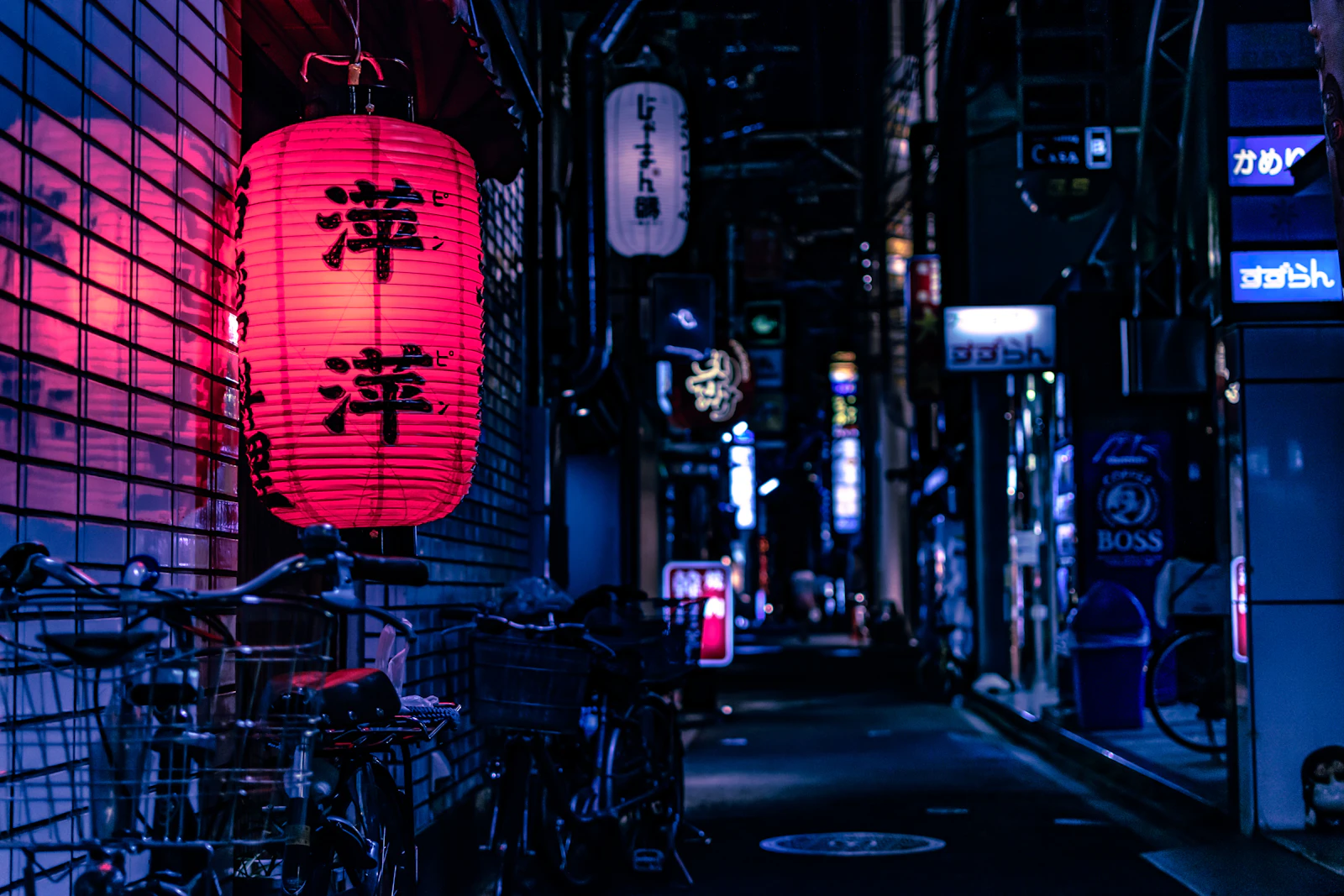 Photo: Unsplash
Lorsque les voyageurs internationaux se renseignent sérieusement sur un séjour au temple au Japon, deux noms dominent les résultats : Koyasan (mont Koya) et Eiheiji. Ces deux monastères de montagne perpétuent une vie monastique ininterrompue depuis plus de sept siècles. Tous deux servent une cuisine végétarienne shojin ryori préparée par les moines. Tous deux réveillent leurs hôtes avant l'aube. Sous ces ressemblances, pourtant, tout les sépare — écoles bouddhiques différentes, rituels différents, rythmes différents, rapports différents au monde extérieur. Ce guide propose la comparaison côte à côte que la plupart des articles de voyage esquivent, ainsi qu'un avis franc sur le profil de voyageur auquel chaque option convient.
Choisissez Koyasan si vous recherchez l'introduction la plus photogénique, la plus accessible en anglais et la plus riche en rituels au bouddhisme ésotérique japonais, avec un cimetière vieux de 1 200 ans, des cérémonies du feu quotidiennes et plus de 50 shukubo (logements monastiques) au choix. Choisissez Eiheiji si vous souhaitez l'expérience Zen la plus profonde, la plus exigeante et la plus authentique offerte aux voyageurs laïcs au Japon — et si vous acceptez d'être réveillé à 3 h 30, de manger en silence formel et de suivre un emploi du temps monastique pendant une nuit et une matinée. Koyasan, c'est le tourisme spirituel exécuté à la perfection. Eiheiji, c'est un monastère Zen en activité qui entrouvre ses portes.

Fondation — Koyasan : 819, par Kukai (Kobo Daishi). Eiheiji : 1244, par Dogen Zenji.
École — Koyasan : Shingon (bouddhisme ésotérique et mantrique, avec mandalas, rituels du feu et incantations en sanskrit). Eiheiji : Soto (Zen Soto), avec méditation assise silencieuse, discipline monastique stricte et le Shobogenzo de Dogen comme texte central.
Nombre de shukubo — Koyasan : environ 117 sous-temples sur la montagne, dont près de 52 accueillent les hôtes pour la nuit. Eiheiji : seulement cinq hébergements environ autour du temple principal, les plus importants étant le Sanro à l'intérieur même du temple et le Hakujukan, près de la porte d'accueil.
Réputation — Koyasan : la cérémonie du feu Goma au matin, la promenade nocturne dans le cimetière d'Okunoin et les jardins de Mirei Shigemori dans des temples comme le Fukuchi-in et le Saizen-in. Eiheiji : la méditation zazen rigoureuse, la discipline monastique formelle et les repas pris en silence dans l'ordre précis prescrit par Dogen il y a sept cent quatre-vingts ans.
Heure du lever — Koyasan : généralement entre 5 h 30 et 6 h, selon le temple. Eiheiji Sanro : 3 h 30, réveil au shinrei, la clochette à main — le même signal qu'entendent chaque jour les moines unsui en formation. Oui, vraiment.
Cuisine — Koyasan : shojin ryori (cuisine bouddhique végétarienne), souvent raffinée et en plusieurs services, servie dans votre chambre ou dans une salle à manger privée. Eiheiji Sanro : shojin ryori également, mais plus stricte, prise en silence formel selon le code monastique Eihei Shingi de Dogen, avec des bols réglementaires (oryoki) et une séquence de dégustation prescrite.
Accès — Koyasan : téléphérique depuis Osaka Namba via la ligne Nankai (environ 1 h 30 aller). Eiheiji : train et bus depuis la gare de Fukui — le plus simple est de partir de Kyoto avec l'express limité Thunderbird puis le bus Eiheiji Liner, pour un total d'environ 2 h 30.
Accueil en anglais — Koyasan : excellent. Plusieurs temples (Eko-in, Rengejo-in, Henjoson-in, Sekisho-in, Saizen-in, Fukuchi-in, Ichijo-in) disposent d'un personnel anglophone, de visites guidées en anglais ou de séances de méditation en anglais. Eiheiji : limité à l'intérieur du temple lui-même ; le Hakujukan fait notable exception avec son service de conciergerie bilingue.
Ambiance — Koyasan : bourg spirituel de montagne avec ses boutiques, ses restaurants et ses cars de tourisme, où le rituel est emballé dans l'hospitalité. Eiheiji : monastère en activité où les hôtes laïcs sont bienvenus mais visiblement subordonnés au véritable emploi du temps de formation des moines. Une différence de nature, pas de degré.

Un séjour type à Koyasan commence par la montée en téléphérique depuis Gokurakubashi à flanc de montagne. Vers 15 h, vous êtes déjà installé dans votre shukubo, sur les tatamis, avec une théière de hojicha et un wagashi sur la table basse. Vers 17 h, le bain ouvre. À 18 h, le dîner arrive dans votre chambre — un repas shojin ryori en plusieurs services : légumes de saison, tofu au sésame, koyadofu (tofu lyophilisé inventé sur cette montagne même), tsukemono, soupe miso, riz et tempura d'herbes de montagne. Après le dîner, si vous avez réservé la visite nocturne à Eko-in ou dans un autre temple, vous traversez les allées de cèdres d'Okunoin dans l'obscurité, à la lueur des lanternes qui éclairent les 200 000 monuments de pierre.
Vous dormez sur un futon. Le lendemain matin à 5 h 30 ou 6 h, un claquoir en bois résonne dans les couloirs. Vous gagnez la salle principale, vous asseyez en seiza ou sur un coussin, et observez le déroulement de la prière matinale (asagongyo) — des chants dans un registre que vous n'avez probablement jamais entendu, un autel goma dont les flammes montent vers un plafond gravé d'inscriptions en sanskrit, des bâtonnets de prière brûlés en offrande. Un petit-déjeuner shojin ryori en buffet ou en chambre suit vers 7 h 30. Vers 10 h, vous pouvez déjà être dans le bus qui redescend la montagne.
Koyasan est calibré pour les voyageurs. Les rituels sont authentiques — ce sont de vrais moines en activité qui exécutent une liturgie vieille de 1 200 ans — mais la mise en scène est accueillante. Vous pouvez en demander davantage (cours de méditation Ajikan, copie de sutras shakyo, traçage de bouddhas shabutsu, visites guidées par un moine) ou vous limiter au dîner et au petit-déjeuner. Pour la plupart des visiteurs internationaux, c'est exactement le bon équilibre : profondeur spirituelle sans examen d'entrée.
Eiheiji a été fondé en 1244 par Dogen Zenji, le moine-philosophe qui rapporta le Zen Soto au Japon après s'être formé en Chine. Le temple est niché au cœur des forêts de cèdres de la préfecture de Fukui et fonctionne comme une université monastique depuis près de huit cents ans. Plusieurs centaines d'unsui (novices, littéralement « nuage et eau ») y vivent et y pratiquent à tout moment, en suivant un emploi du temps quotidien à peine modifié depuis que Dogen l'a couché par écrit.
Les hôtes laïcs peuvent y participer grâce au programme Sanro — littéralement « retraite recluse » — qui les loge au Kissho-kaku, le bâtiment d'entraînement du temple achevé en 1971. Le programme d'une nuit et deux jours suit une version simplifiée de l'emploi du temps monastique. L'arrivée se fait à 13 h 30. L'après-midi comprend une initiation au zazen, un yakuseki (« repas médicinal ») du soir pris dans les règles, une conférence sur le dharma et un film sur la vie monastique. L'extinction des feux est à 21 h.
Vous êtes réveillé avant 4 h par la clochette à main shinrei — exactement le même appel que celui qu'entendent chaque jour les moines résidents. Le matin comprend 40 minutes de zazen, la prière matinale choka dans le Hatto (salle du Dharma), une visite guidée des sept salles principales et le petit-déjeuner (shojiki). Le programme coûte actuellement 8 000 yens pour un adulte, repas du soir et du matin compris — un tarif étonnamment modique, mais le prix reflète une réalité : vous n'êtes pas vraiment un client au sens hôtelier. Vous êtes un pratiquant temporaire. Le temple attend de vous une sincérité élémentaire, un silence élémentaire et une disposition à suivre des instructions que vous ne comprendrez pas toujours pleinement.
Tip
Les réservations Sanro se prennent au moins un mois à l'avance, avec des informations en anglais disponibles sur le site officiel d'Eiheiji. Le programme plus court Sanzen est parfois suspendu pour les candidats internationaux selon la saison — vérifiez avant de présumer de sa disponibilité.
Ce que vous obtenez en retour est rare. Eiheiji n'est pas classé au patrimoine mondial de l'UNESCO (malgré quelques affirmations contraires que l'on trouve en ligne) et ce n'est pas un musée. C'est un monastère en activité dont la discipline est ininterrompue depuis près de 800 ans. Y passer une seule nuit constitue, de l'avis général, l'expérience Zen la plus authentique accessible aux voyageurs laïcs où que ce soit au Japon.

Pour les voyageurs qui souhaitent l'atmosphère d'Eiheiji sans en assumer toute la discipline monastique, il existe une voie intermédiaire remarquable : le Hakujukan (柏樹関 / « Eiheiji Shinzen-no-Yado »). Ouvert en juillet 2019 à l'entrée de l'allée d'accès à Eiheiji, cet établissement de 18 chambres a vu le jour grâce à un partenariat public-privé entre Fujita Kanko, la ville d'Eiheiji, la préfecture de Fukui et le temple lui-même. Il s'élève sur le site d'un ancien logement pour nonnes et a été explicitement conçu comme une « porte d'entrée vers le Zen » pour la clientèle générale et internationale.
Les chambres font plus de 40 m², habillées de cèdre d'Eiheiji issu de la forêt même du temple. Les bains séparés pour hommes et femmes utilisent le même bois. Le restaurant Suisen propose un dîner en plusieurs services supervisé par le tenzo (maître de la cuisine) du temple, qui s'appuie sur les principes du shojin ryori tout en intégrant les produits de saison d'Echizen. La signature de la maison est le programme Zen Concierge : un personnel certifié par le Daihonzan Eiheiji guide les hôtes lors de séances de méditation zazen de 30 minutes à 15 h 30 dans la salle de méditation de l'établissement, puis accompagne les volontaires à la prière matinale choka avant l'aube, au cœur même d'Eiheiji, le lendemain. L'édition spéciale du Guide Michelin Hokuriku 2021 a décerné au Hakujukan une note de 2 pavillons.
Concrètement, le Hakujukan vous permet de dormir confortablement, de bien manger et de tout de même pouvoir entrer dans Eiheiji à 4 h 30 pour la vraie chose. Les tarifs vont d'environ 195 à 320 USD (180–300 € environ) — plus cher que le Sanro mais infiniment plus confortable, et l'accueil en anglais est sincère.
Choisissez Koyasan si : c'est votre premier séjour au temple au Japon ; vous voyagez avec une personne curieuse mais pas nécessairement disciplinée ; vous voulez combiner l'expérience avec une visite de Kyoto, d'Osaka ou de Wakayama ; vous attachez de l'importance aux jardins, à Mirei Shigemori ou aux onsen ; vous ne souhaitez pas batailler avec des sites uniquement en japonais ; ou vous voulez parcourir le cimetière d'Okunoin de nuit.
Choisissez Eiheiji (Sanro) si : vous avez déjà une pratique de la méditation, même modeste ; vous vous intéressez sérieusement au Zen Soto en particulier ; vous tenez le coup avec un lever à 3 h 30 et un repas en silence ; vous voyagez seul ou avec quelqu'un d'aussi engagé ; et vous acceptez de planifier au moins un mois à l'avance. La récompense est une profondeur d'expérience que Koyasan, par la nature même de son tourisme, n'offre plus tout à fait.
Choisissez le Hakujukan si : vous voulez la prière matinale d'Eiheiji et l'atmosphère Zen sans la rigueur du Sanro ; vous voyagez en couple ou en famille et souhaitez une chambre commune confortable ; ou l'accueil en anglais et les équipements modernes comptent pour vous. Le Hakujukan est cet hébergement rare qui coupe la poire en deux sans diluer ni l'un ni l'autre côté.
Précisons-le aussi : ces options ne s'excluent pas. Un voyage de deux semaines peut confortablement inclure les deux — Koyasan depuis Osaka la première semaine, Eiheiji depuis Kyoto la seconde. Le contraste entre l'ésotérisme Shingon et l'austérité du Zen Soto, vécu d'un trait, est l'une des choses les plus instructives qu'un voyageur puisse faire dans le Japon bouddhique.
Ready to book?
Browse our curated collection of authentic Buddhist temple stays across Japan. Filter by region, sect, and experience.
Commencer l'explorationTemples recommandés pour ce guide
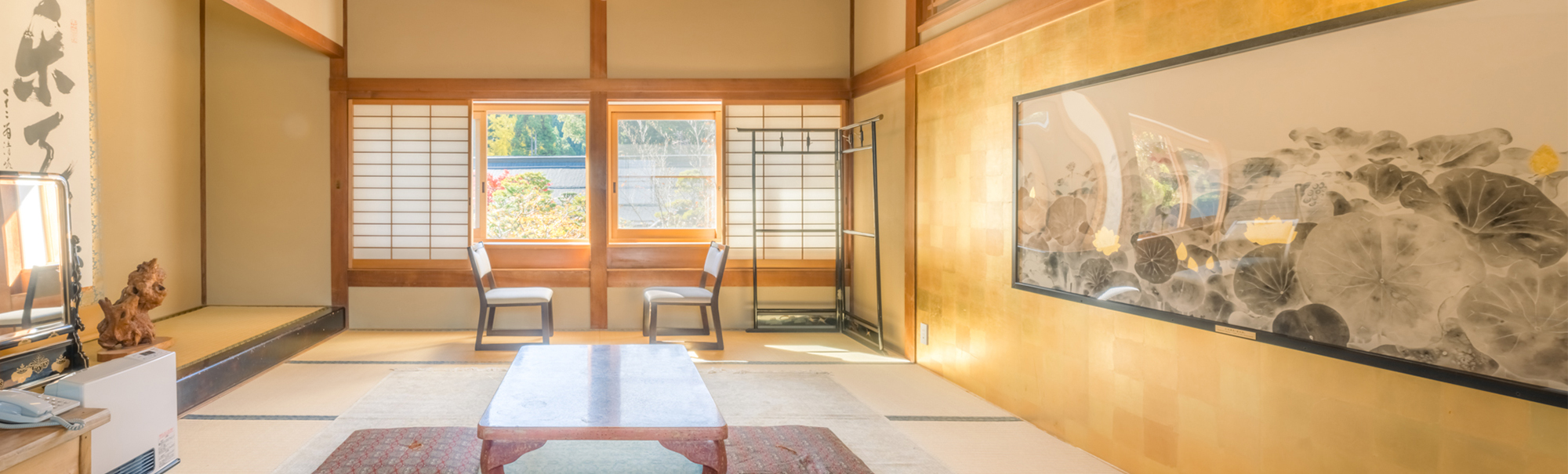
恵光院
Shukubo emblématique de Koyasan, Eko-in propose une cérémonie du feu Goma guidée en anglais, la méditation Ajikan et des visites nocturnes d'Okunoin.
à partir de $130 /par nuit

福智院
Seul shukubo de Koyasan doté d'une source thermale naturelle, avec trois jardins signés Mirei Shigemori et un shojin ryori raffiné.
à partir de $175 /par nuit
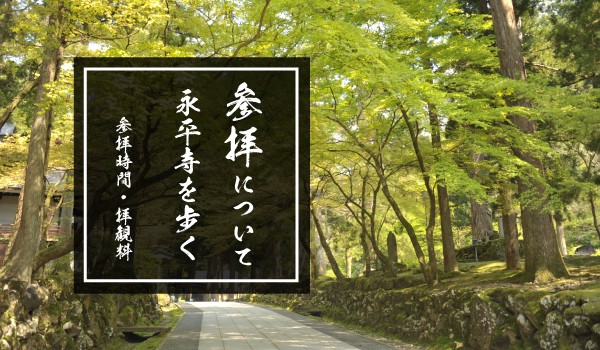
大本山永平寺 参籠(吉祥閣)
Retraite Zen d'une nuit au sein du temple chef du Soto Zen : zazen avant l'aube, office choka et shojin ryori (cuisine bouddhique végétarienne).
à partir de $55 /par nuit
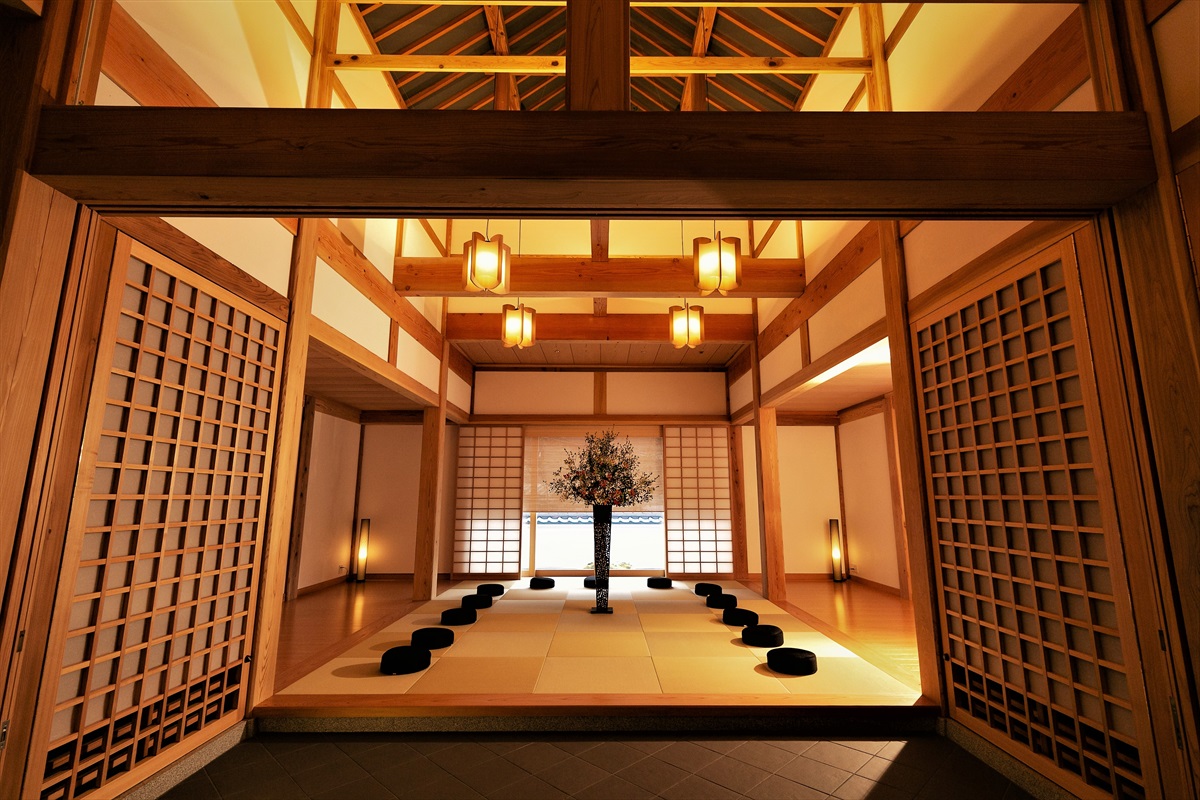
永平寺 親禅の宿 柏樹関
Auberge Zen contemporaine à la porte d'Eiheiji : 18 chambres en cèdre, zazen du soir et accès à l'office choka avant l'aube du temple.
à partir de $195 /par nuit
Explore Destinations

