
|
|
|
|
|
|
 Photo: Unsplash
Un shukubo (宿坊) est une nuitée passée à l'intérieur d'un temple bouddhiste en activité au Japon. Vous dormez sur un futon déroulé sur des tatamis, vous mangez la cuisine végétarienne bouddhique préparée par les moines, vous vous baignez dans des bains communs et — si vous le souhaitez — vous rejoignez les moines pour l'office matinal avant l'aube. Pour les voyageurs qui veulent quelque chose de plus profond qu'un hôtel, le shukubo offre l'une des fenêtres les plus directes sur la vie spirituelle japonaise encore ouvertement accessibles aux visiteurs étrangers.
Mais l'expérience est aussi véritablement différente de tout ce que vous avez probablement déjà connu. On se couche tôt. Les cloisons sont en papier. La salle de bain est partagée. Il n'y a pas de réception au sens occidental du terme — la personne qui vous accueille peut aussi être le prêtre qui dirigera l'office du matin. Ce guide vous accompagne, heure par heure, à travers ce à quoi ressemble réellement un premier séjour en shukubo, et ce à quoi vous attendre à chaque étape, afin d'arriver détendu plutôt qu'anxieux.
Le mot shukubo signifie littéralement « lieu de couchage » (shuku) dans un « logement de moine » (bo). L'institution remonte à plus de mille ans. Les shukubo furent à l'origine construits pour héberger les pèlerins qui parcouraient de longues distances pour vénérer les grands centres bouddhiques de montagne — le Koyasan dans la préfecture de Wakayama, le mont Hiei aux portes de Kyoto, le grand monastère zen d'Eiheiji à Fukui. Les pèlerinages à pied pouvaient durer plusieurs semaines, et les pèlerins avaient besoin d'un endroit où dormir, manger et prier.
Aujourd'hui, beaucoup de ces mêmes temples accueillent toujours des hôtes, mais le public s'est élargi. Les shukubo modernes reçoivent les voyageurs japonais ordinaires, les touristes étrangers et, de plus en plus, des néophytes sans aucun bagage bouddhique. Certains sont de minuscules sous-temples familiaux avec huit chambres et un vieux prêtre. D'autres, comme les grands shukubo du Koyasan, fonctionnent davantage comme de petits hôtels patrimoniaux, avec personnel anglophone, programmes culturels structurés et réservation en ligne. Ils ont tous un point commun : vous dormez à l'intérieur d'une institution religieuse en activité, et non d'un hôtel qui se trouve à proximité.

Les voyageurs amalgament souvent ces trois catégories sous l'étiquette « hébergement japonais traditionnel », mais l'expérience est en réalité bien distincte. Un hôtel est purement commercial : chambres, lits, restaurant, salle de sport. Un ryokan (auberge traditionnelle japonaise) est lui aussi commercial, mais avec des chambres en tatami, des futons, des bains communs et un dîner kaiseki. Le rôle de l'hôte est l'hospitalité.
Un shukubo emprunte le style des chambres et les bains communs à la tradition du ryokan, mais l'hôte est un moine bouddhiste, les repas sont du shojin ryori (cuisine bouddhique végétarienne) et le rythme de la journée est dicté par la pratique religieuse plutôt que par le confort des hôtes. Vous êtes, au sens propre, un invité du temple. Cela change le ton, par de petits détails (jamais de chaussures au-delà de l'entrée) comme par de grands (l'office du matin est le cœur de la visite, pas un supplément optionnel).
Les horaires varient légèrement d'un temple à l'autre, mais la plupart des shukubo au Japon suivent un rythme remarquablement constant. Voici à quoi ressemble une journée standard dans un shukubo du Koyasan, et cette même structure s'applique presque partout.
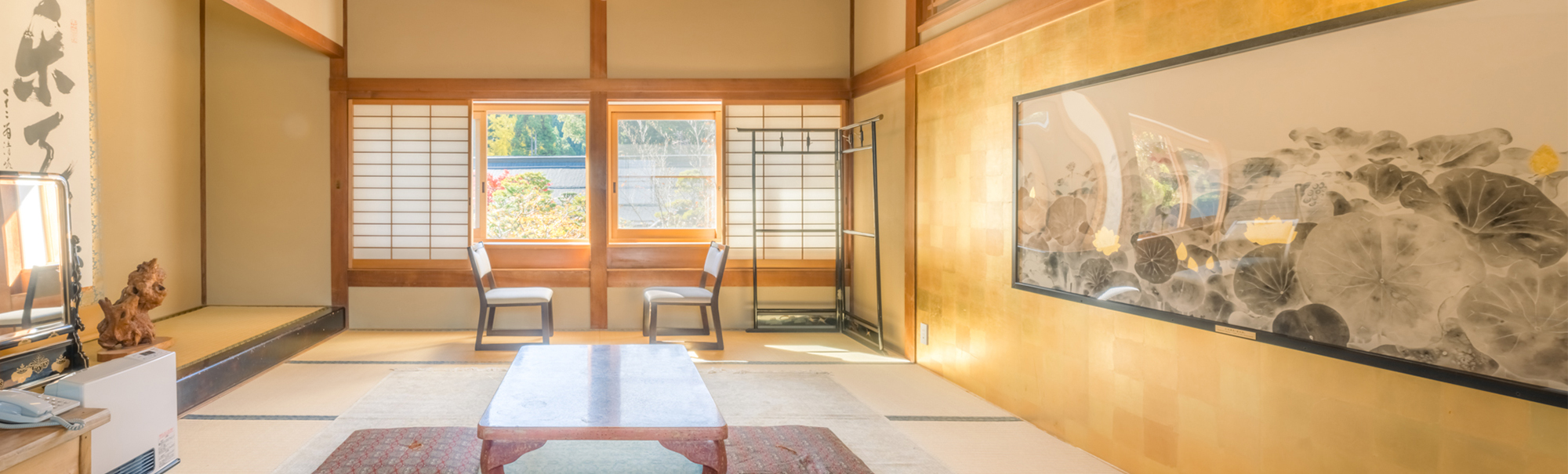
Arrivez l'après-midi, idéalement entre 15 h 00 et 16 h 30. Un jeune moine ou un membre du personnel du temple vous accueille à l'entrée, vous demande de retirer vos chaussures et les place dans un casier en bois. On vous guide ensuite vers votre chambre — généralement un espace au sol de tatamis, avec une table basse, une alcôve tokonoma ornée d'un rouleau peint, et un yukata (peignoir en coton) plié sur la table. Du thé et une petite pâtisserie sont habituellement apportés en guise de bienvenue.
Tip
Essayez d'arriver avant 16 h 00 si possible. De nombreux petits shukubo n'ont pas de réception 24 h/24 et les prêtres ont leurs propres tâches du soir. Arriver tard, surtout après la nuit tombée, peut réellement gêner le temple.
Une fois installé, vous avez une heure ou deux pour explorer le domaine, visiter le hall principal ou prendre un bain. La plupart des shukubo disposent de bains communs séparés par sexe, qui fonctionnent selon un horaire (par exemple hommes 16 h 00–18 h 00, femmes 18 h 00–20 h 00). Le bain est un ofuro japonais : vous vous lavez et vous rincez entièrement, assis à un poste de douche, avant de plonger dans la cuve commune. Nous avons un guide complet sur l'étiquette ici sur ce site si vous souhaitez vous documenter à l'avance.
Le dîner est servi dans votre chambre ou dans une salle à manger commune, selon le temple. Le shojin ryori est la cuisine végétarienne bouddhique traditionnelle : pas de viande, pas de poisson, pas d'ail ni d'oignon (jugés trop stimulants). Attendez-vous à six ou douze petits plats — tofu de sésame, légumes de saison mijotés, soupe miso, pickles, riz, et souvent un service de tempura. Les mets sont délicats, surprenants, et bien plus savoureux que ce que le mot « végétarien » suggère habituellement.

La plupart des shukubo appliquent un couvre-feu souple entre 21 h 00 et 22 h 00. La porte principale est fermée, l'eau chaude des bains est coupée, et l'on attend des hôtes qu'ils gardent une voix basse dans les couloirs. Les cloisons sont souvent des panneaux shoji en papier extrêmement fins, si bien qu'une conversation à volume normal passe à la chambre voisine. Pendant que vous dormez, votre futon sera déjà déroulé sur le tatami — soit par vous-même, soit, dans les shukubo plus haut de gamme, par le personnel qui se glisse dans la chambre pendant que vous dînez.
C'est la pièce maîtresse de l'expérience. Vers 5 h 30, une cloche ou un claquoir en bois résonne dans tout le temple. Les hôtes sont invités (et non obligés) à assister à l'office matinal, appelé o-tsutome ou asa no o-tsutome, dans le hall principal. Vous êtes assis au sol ou sur un petit banc tandis que les prêtres récitent les sutras pendant 30 à 45 minutes. Dans les temples Shingon du Koyasan, cela inclut souvent la spectaculaire cérémonie du feu Goma, durant laquelle le prêtre brûle des bâtonnets de prière en bois en récitant des mantras en sanskrit. Eko-in est particulièrement réputé pour proposer une cérémonie Goma expliquée en anglais.
Le petit-déjeuner est un autre repas shojin ryori — plus léger que le dîner, généralement composé de riz, de soupe miso, de tofu grillé, de pickles et de quelques accompagnements. À ce stade, vous aurez déjà fait avant 8 h plus de choses qu'une journée de voyage normale n'en exige, et le repas vous semblera réellement mérité.
La plupart des shukubo attendent un départ relativement matinal selon les standards hôteliers occidentaux — 9 h 00 ou 10 h 00. Réglez le solde éventuel à l'entrée (le paiement en liquide est encore courant dans les petits temples), remerciez le prêtre, et vous êtes libre de passer le reste de la journée à explorer la ville-temple.
Les chambres de shukubo sont presque toujours de style japonais traditionnel : sol en tatamis, table basse, coussins de sol (zabuton), alcôve tokonoma et portes coulissantes shoji en papier. Vous dormez sur un futon posé directement sur le tatami — pas sur un lit. Les cloisons entre les chambres sont fines. La plupart des chambres n'ont pas de salle de bain privée ; attendez-vous à partager celle du couloir.
Des shukubo plus haut de gamme tels que Fukuchi-in au Koyasan ont commencé à proposer des chambres avec salle de bain privée et même bains de source chaude, mais dans la plupart des temples la salle de bain commune reste la norme, et dans les temples les plus traditionnels c'est la seule option. Cela fait partie de l'expérience, ce n'est pas un déclassement.

Le shojin ryori (精進料理) est la cuisine végétarienne développée dans les monastères zen pour respecter les préceptes bouddhiques interdisant de tuer. Les règles fondatrices : pas de viande, pas de poisson, pas de bouillon animal, et traditionnellement pas d'ail, d'oignon, de poireau ni de ciboule (les fameux « cinq légumes piquants », réputés enflammer les sens). Dans ces limites, les moines ont développé au cours des 800 dernières années une cuisine d'une extraordinaire raffinement.
Attendez-vous à des plats tels que le goma-dofu (tofu de sésame, crémeux et riche), des légumes de saison mijotés dans un bouillon kombu-shiitake, des tempuras d'herbes de montagne, du koya-dofu (tofu lyophilisé propre au Koyasan) et des fruits de saison. C'est largement suffisant comme repas, magnifiquement présenté sur de la vaisselle laquée. Si vous avez des restrictions alimentaires plus strictes — végan, sans gluten, allergies — signalez-les par écrit au moment de la réservation. De nombreux shukubo s'adapteront, surtout ceux qui sont anglophones, mais il leur faut un préavis.
Tip
Le shojin ryori est naturellement végétarien et presque toujours quasi-végan, mais du dashi à base de bonite s'invite parfois dans les shukubo moins traditionnels. Si le strict respect du véganisme vous importe, mentionnez-le explicitement lors de la réservation — ne le présumez pas.
Pour la plupart des hôtes pour la première fois, l'office du matin est le moment le plus marquant du séjour. Vous entrez dans le hall principal en chaussettes, vous prenez place sur un coussin ou un petit banc au fond, et vous regardez les prêtres accomplir la liturgie quotidienne. La lumière est habituellement tamisée, le hall est empli de l'odeur de l'encens et du son des cloches et des sutras psalmodiés, et l'ensemble dure 30 à 45 minutes.
Vous êtes un observateur respectueux, pas un fidèle, et c'est tout à fait acceptable. Vous n'avez pas besoin de vous incliner, de vous agenouiller ni de psalmodier si cela ne vous met pas à l'aise. Dans certains temples — Eko-in étant un exemple notable — le moine en chef donne une courte explication en anglais avant ou après la cérémonie, pour que les hôtes étrangers comprennent ce dont ils viennent d'être témoins. Dans les petits temples sans soutien en anglais, on s'assoit simplement et on absorbe.
Si vous arrivez avec des attentes d'hôtelier, vous serez frustré. Quelques points à recalibrer mentalement avant l'arrivée :
On se couche tôt. La plupart des shukubo attendent le silence dès 21 h 00 et la porte principale peut être verrouillée. Il n'y a pas de room service nocturne, pas de minibar, et souvent pas de distributeur automatique. La communication peut être limitée. Les petits temples ont parfois un seul membre du personnel à temps partiel qui parle anglais ; le prêtre lui-même peut ne maîtriser que quelques mots. L'intimité est partielle. Les cloisons sont en papier, les futons sont au sol et les salles de bain sont partagées. La journée commence tôt. Même si vous sautez l'office de 6 h 00, vous entendrez la cloche.
Aucun de ces points n'est un problème si vous y êtes mentalement préparé. En réalité, la plupart des hôtes trouvent que cette simplicité est précisément le but. Vous obtenez une coupure forcée du rythme toujours actif du voyage moderne, et c'est en grande partie pour cela que les gens reviennent.
Les shukubo conviennent particulièrement aux voyageurs qui recherchent la profondeur plutôt que le vernis. Si vous vous intéressez au bouddhisme, à l'histoire japonaise ou à la méditation — même à un niveau amateur — vous tirerez plus d'une nuit en shukubo que de trois nuits dans un hôtel de chaîne. Les voyageurs solo rapportent que le shukubo est l'une des formes d'hébergement japonais les plus accueillantes, parce que la journée structurée gomme le malaise de manger seul.
Les shukubo conviennent aussi remarquablement bien aux voyageurs végétariens et végans — le repas standard est réellement sans viande, préparé avec soin, et non un triste plat de remplacement. Ils conviennent aux enfants plus âgés, mais probablement pas aux tout-petits ; le coucher tôt et l'exigence de silence sont bien réels. Ils sont un excellent choix pour les couples en quête d'une escapade calme, et pour les écrivains, photographes et contemplatifs en solo.

Tip
Glissez une petite lampe de poche ou utilisez la torche de votre téléphone. Les couloirs sont peu éclairés et trouver les toilettes à 3 h du matin sans déranger les autres hôtes est bien plus facile avec une source de lumière douce.
Tip
Apportez du liquide. De nombreux petits shukubo préfèrent encore le paiement en espèces au départ. Même ceux qui acceptent la carte apprécient souvent le liquide pour les imprévus et les offrandes (saisen) lors de l'office matinal.
Tip
Portez des chaussettes en intérieur, en permanence. Les pieds nus sur le tatami sont techniquement acceptés pour les hôtes, mais les chaussettes sont plus chaudes en hiver et considérées comme plus polies à l'entrée du hall principal.
Tip
Évitez les parfums forts. Les parfums et produits corporels très parfumés persistent dans le petit hall pendant l'office du matin et peuvent gêner les moines et les autres hôtes.
S'il s'agit de votre tout premier shukubo, le Koyasan (mont Koya), dans la préfecture de Wakayama, est le point d'entrée le plus facile. Il regroupe la plus grande concentration de shukubo du Japon, l'expérience la plus solide dans l'accueil des hôtes étrangers, et un cœur classé au patrimoine mondial de l'UNESCO. Depuis Osaka, le trajet se résume à un seul train Nankai Limited Express suivi d'un funiculaire — environ deux heures de porte à porte.
Parmi la cinquantaine de temples qui accueillent des hôtes, trois se distinguent pour les visiteurs internationaux qui débutent. Eko-in est l'introduction la plus rodée : cérémonie du feu Goma matinale guidée en anglais, cours de méditation Ajikan et visites nocturnes du cimetière d'Okunoin. Fukuchi-in est le choix des voyageurs qui veulent un bain de source chaude privé et un peu plus de confort. Rengejo-in est l'option classique et traditionnelle : fondé en 1190, avec un personnel multilingue et une atmosphère plus calme, moins touristique.
Depuis le Koyasan, vous pourrez ensuite vous aventurer vers le monastère zen plus austère d'Eiheiji à Fukui, vers les temples Tendai inscrits à l'UNESCO sur le mont Hiei aux portes de Kyoto, ou vers l'un des nombreux shukubo en plein centre-ville de Kyoto. Mais pour un premier séjour, le Koyasan reste la courbe d'apprentissage la plus douce.
Tip
Réservez votre premier shukubo au moins 6 à 8 semaines à l'avance, et 3 à 6 mois à l'avance si vous voyagez pendant la saison des cerisiers en fleur (fin mars à début avril), la Golden Week (début mai), Obon (mi-août) ou la saison des feuillages d'automne (mi-octobre à mi-novembre).
Un premier shukubo peut donner l'impression d'un grand saut. La vérité, c'est que les temples pratiquent cet accueil depuis plus de mille ans et ont reçu tous les types d'hôtes que vous pouvez imaginer. Présentez-vous, retirez vos chaussures, mangez ce que l'on vous sert, asseyez-vous en silence quand la cloche sonne, et le rythme vous portera. La plupart des voyageurs redescendent de la montagne en regrettant de ne pas avoir réservé deux nuits au lieu d'une.
Shukubo associés : Shunkoin · Eko-in · Fukuchi-in
Ready to book?
Browse our curated collection of authentic Buddhist temple stays across Japan. Filter by region, sect, and experience.
Commencer l'explorationTemples recommandés pour ce guide
恵光院
Shukubo emblématique de Koyasan, Eko-in propose une cérémonie du feu Goma guidée en anglais, la méditation Ajikan et des visites nocturnes d'Okunoin.
à partir de $130 /par nuit

福智院
Seul shukubo de Koyasan doté d'une source thermale naturelle, avec trois jardins signés Mirei Shigemori et un shojin ryori raffiné.
à partir de $175 /par nuit
大本山永平寺 参籠(吉祥閣)
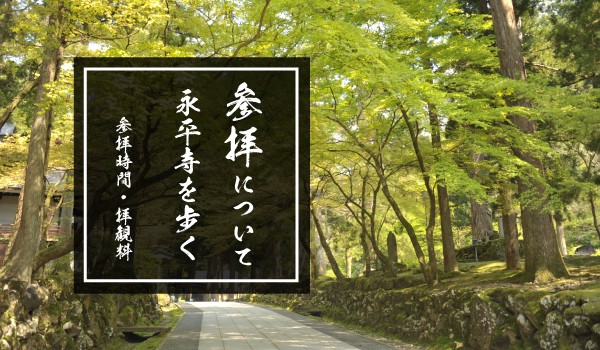
Retraite Zen d'une nuit au sein du temple chef du Soto Zen : zazen avant l'aube, office choka et shojin ryori (cuisine bouddhique végétarienne).
à partir de $55 /par nuit
Explore Destinations

