
|
|
|
|
|
|
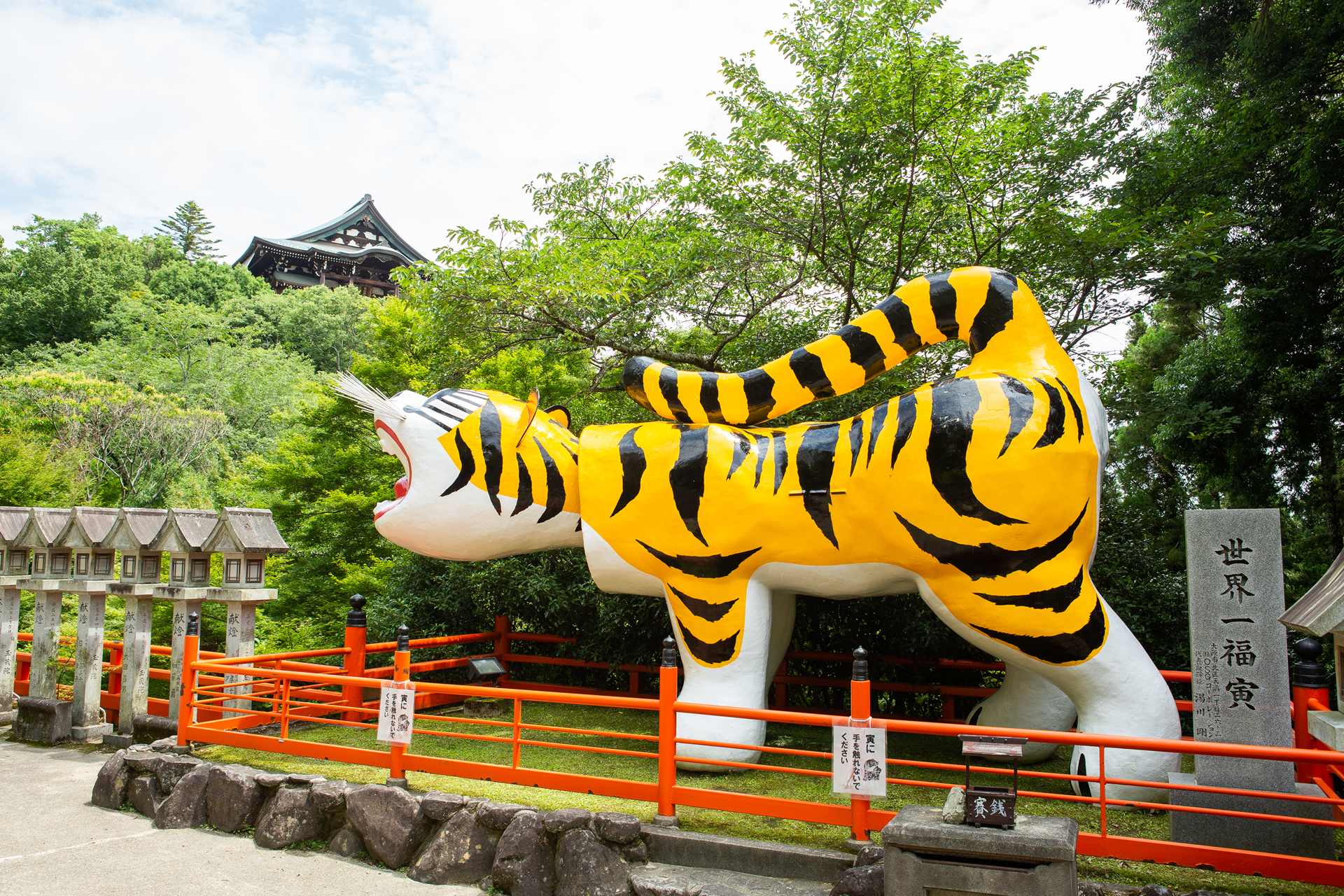
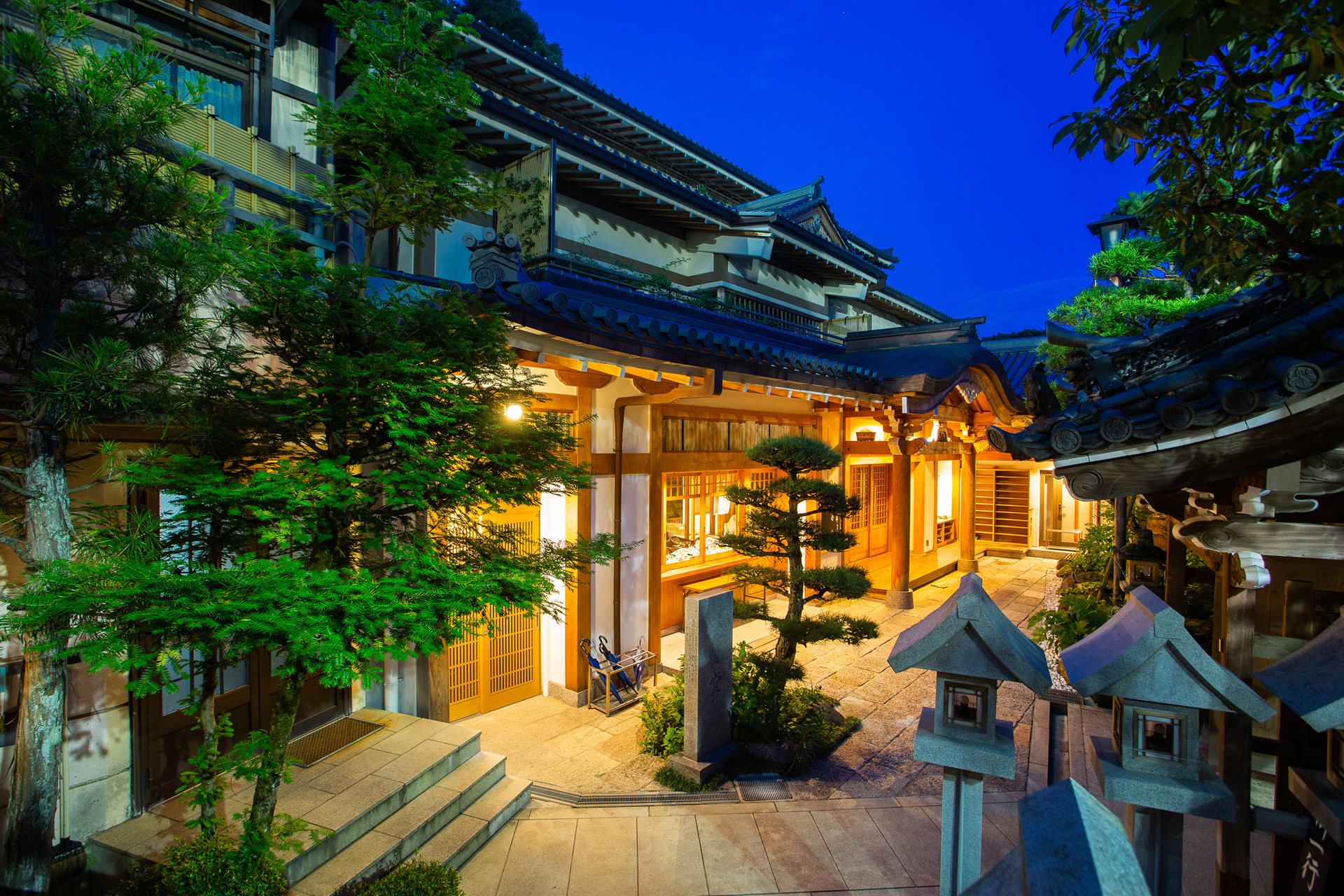
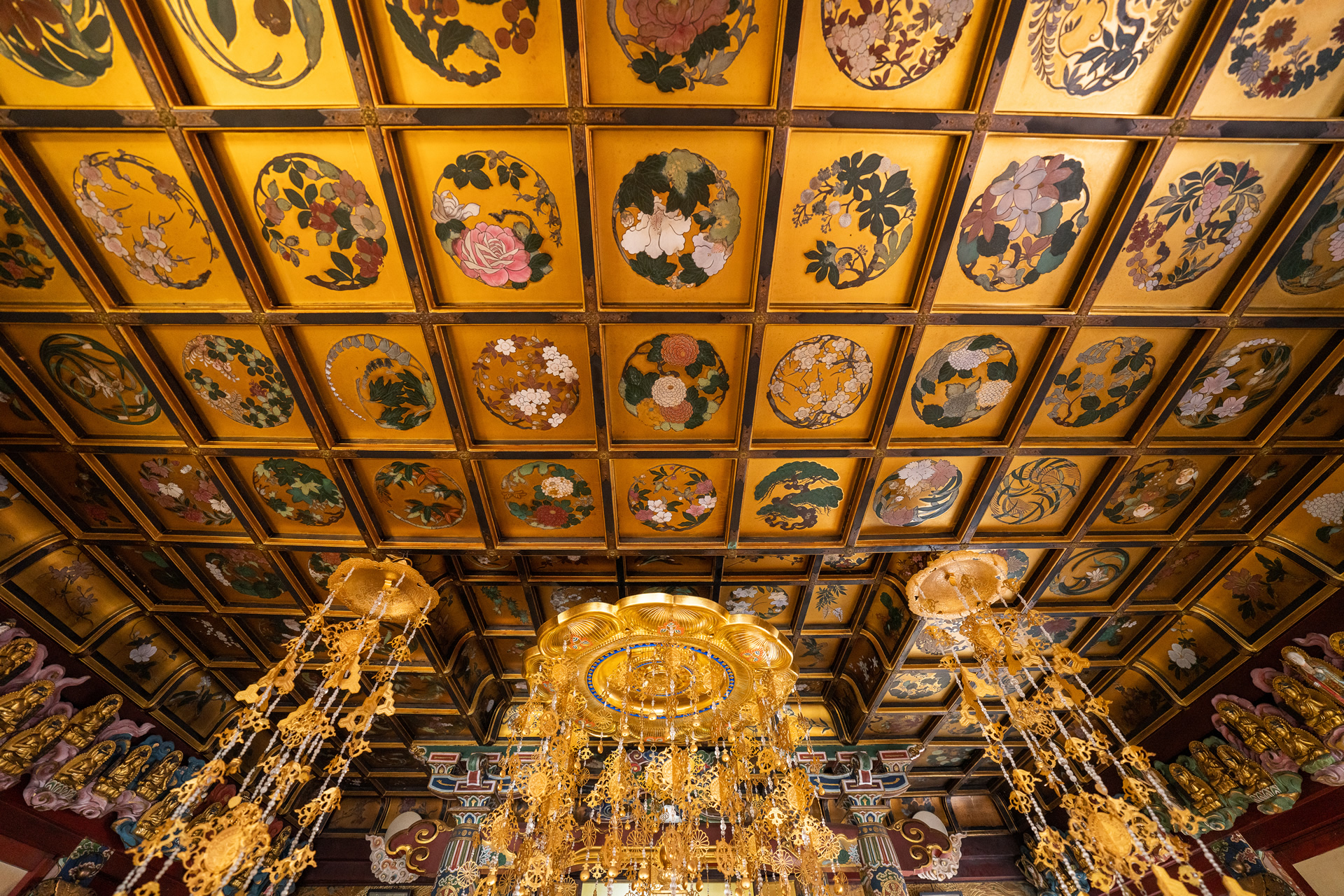
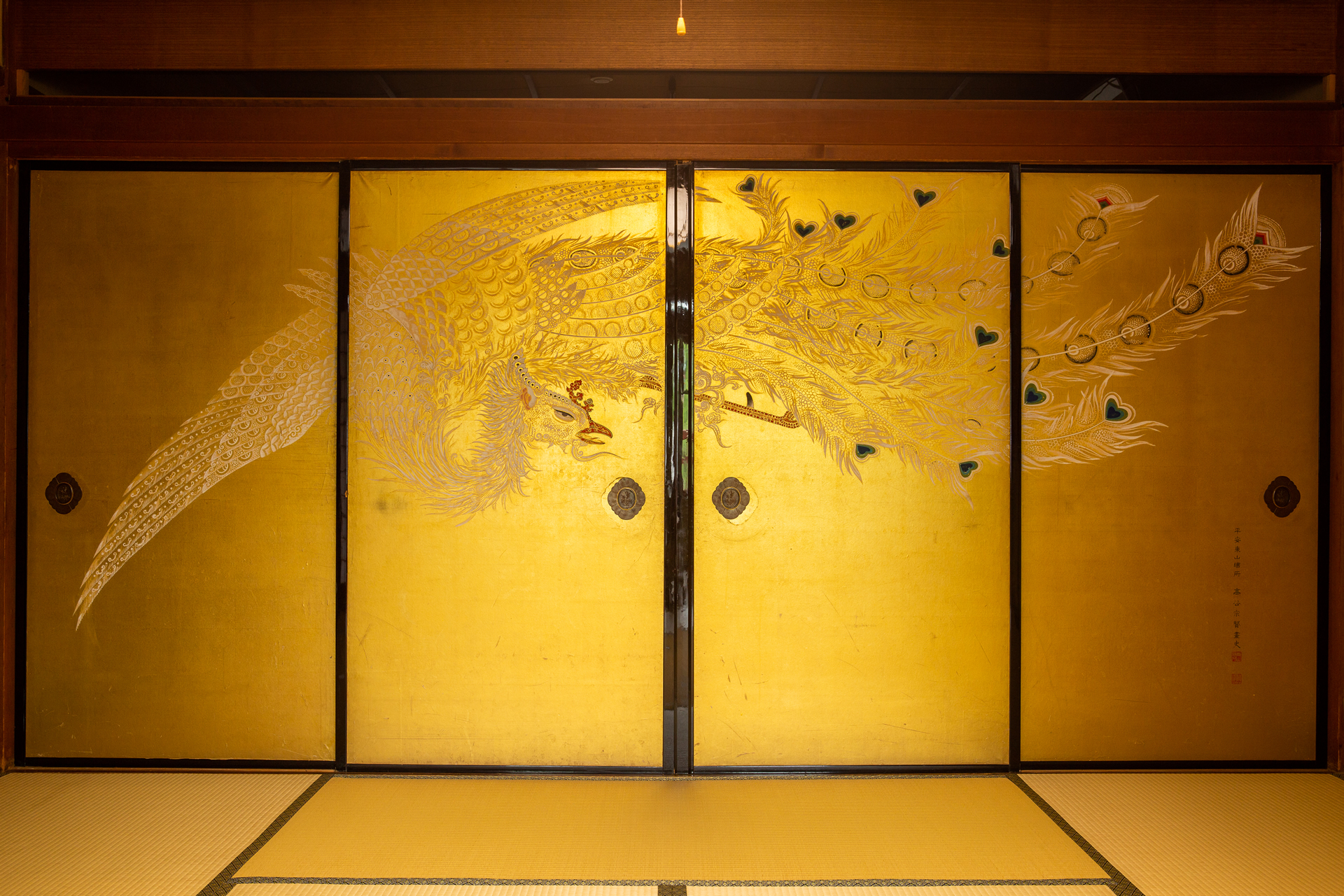
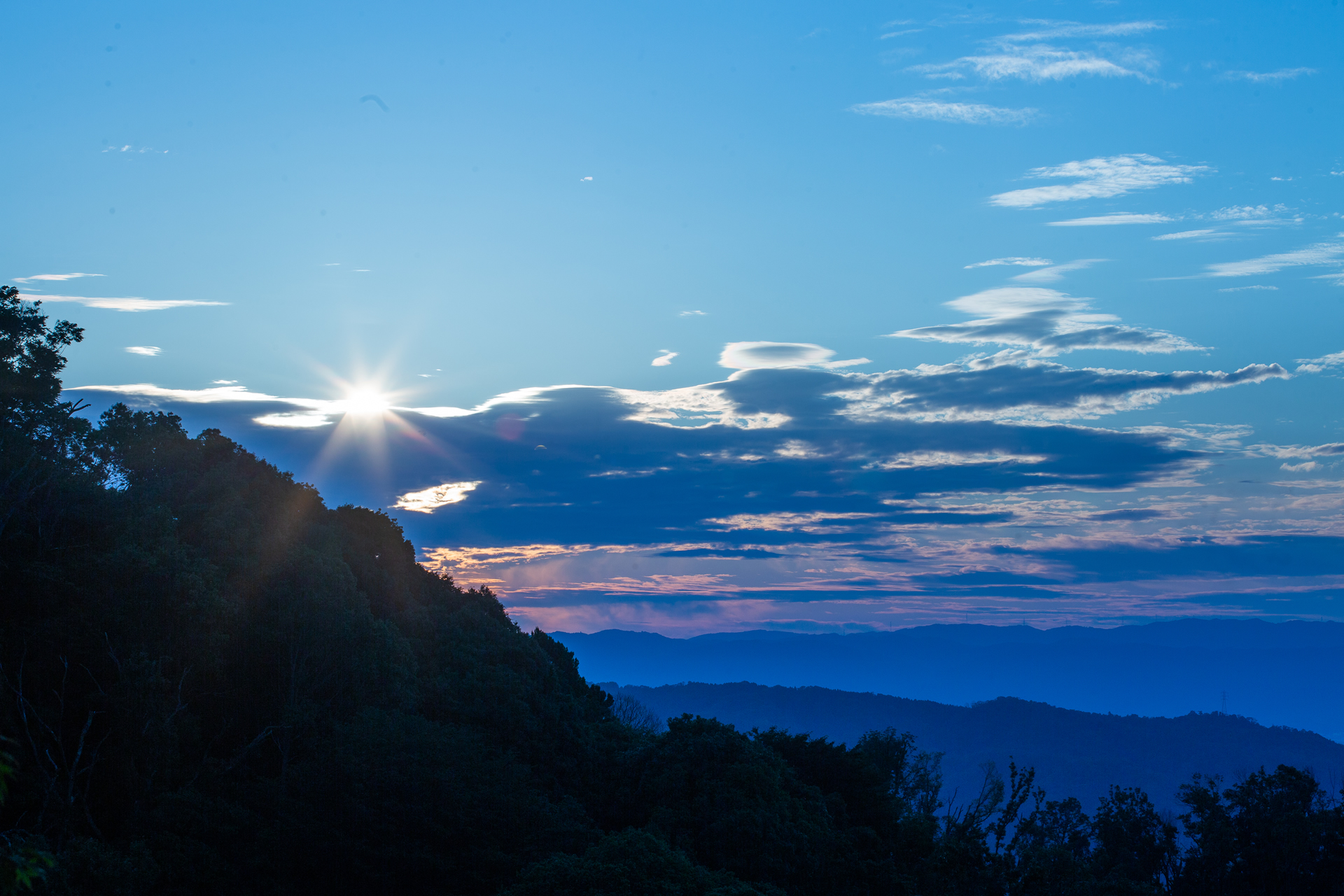
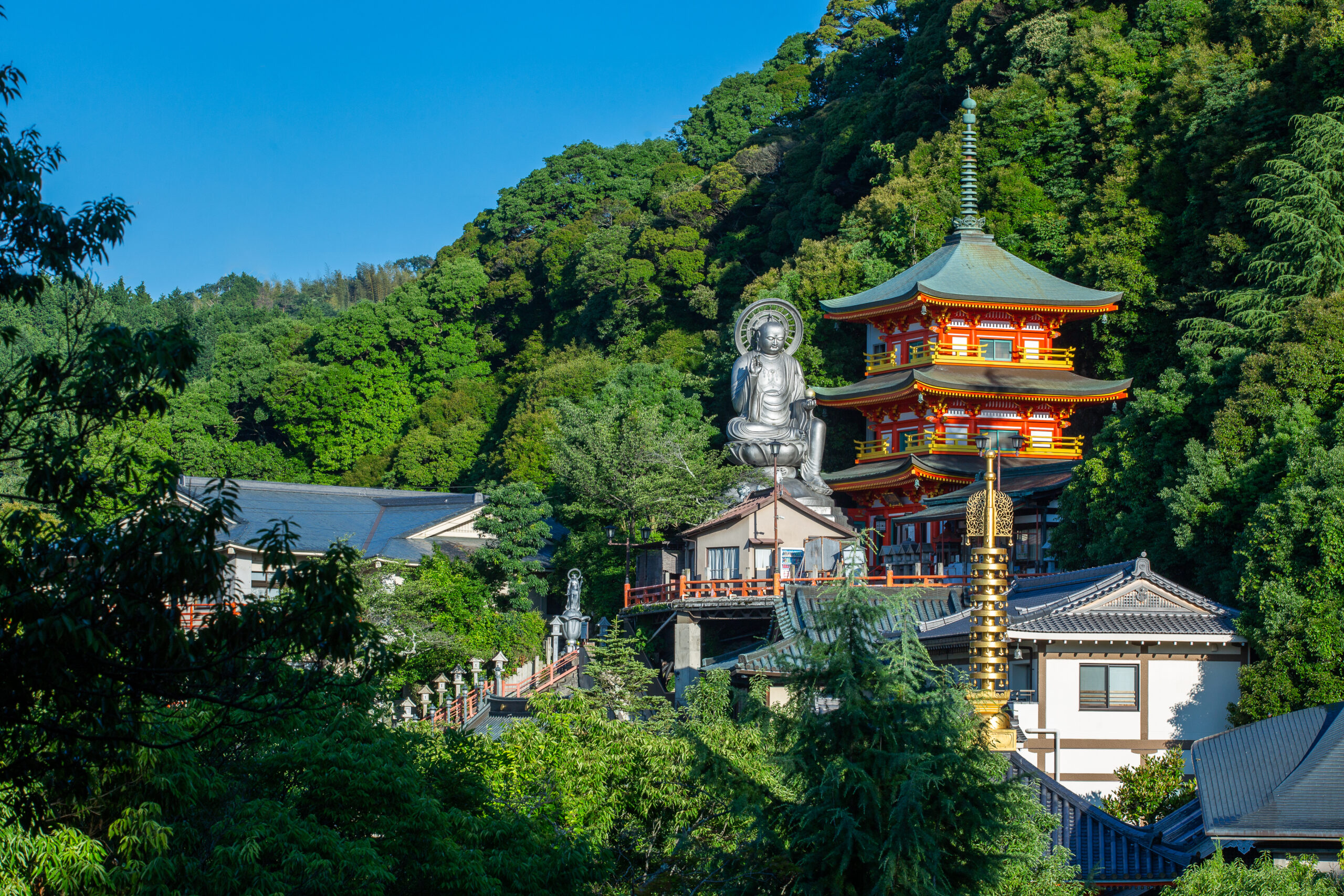
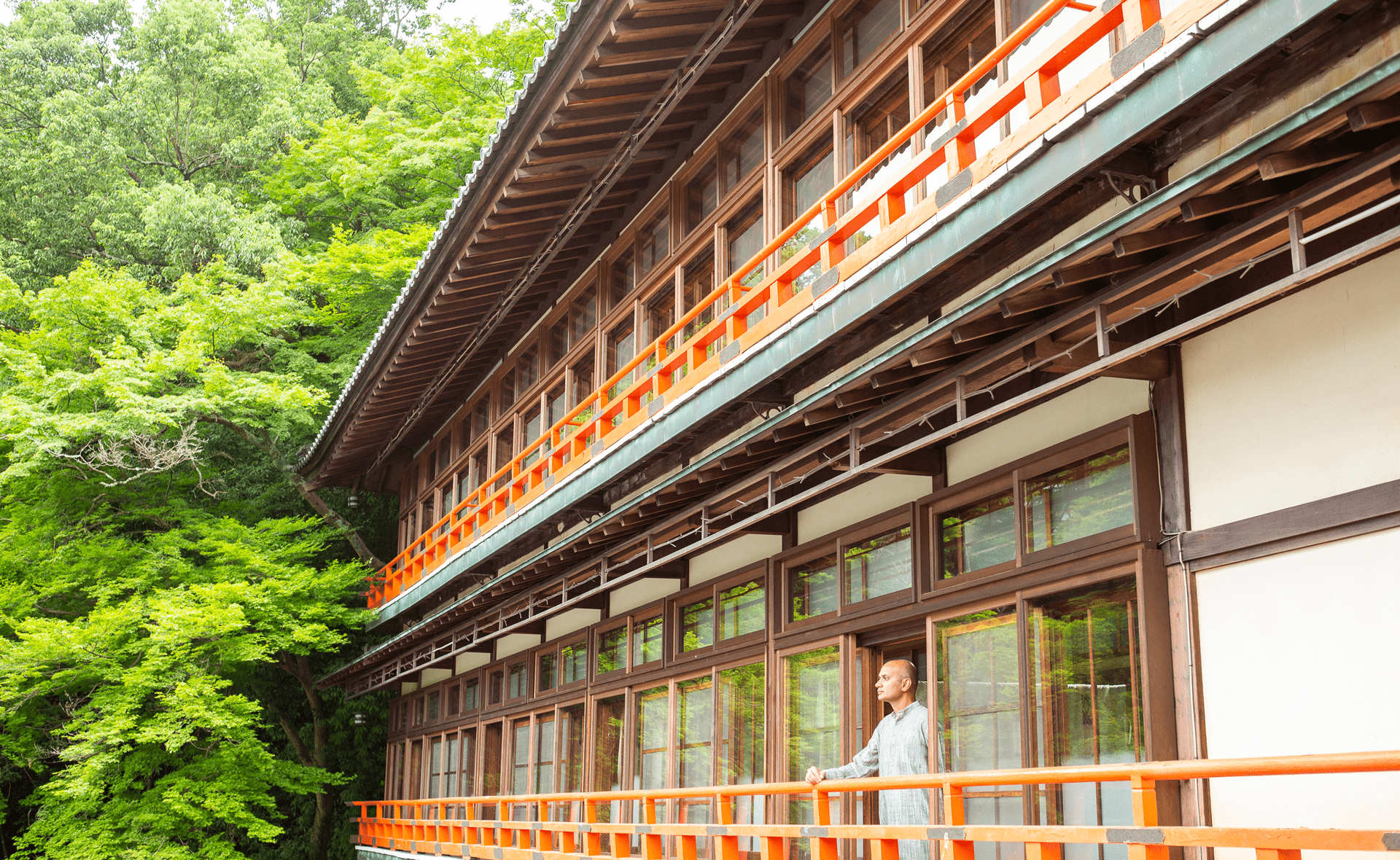
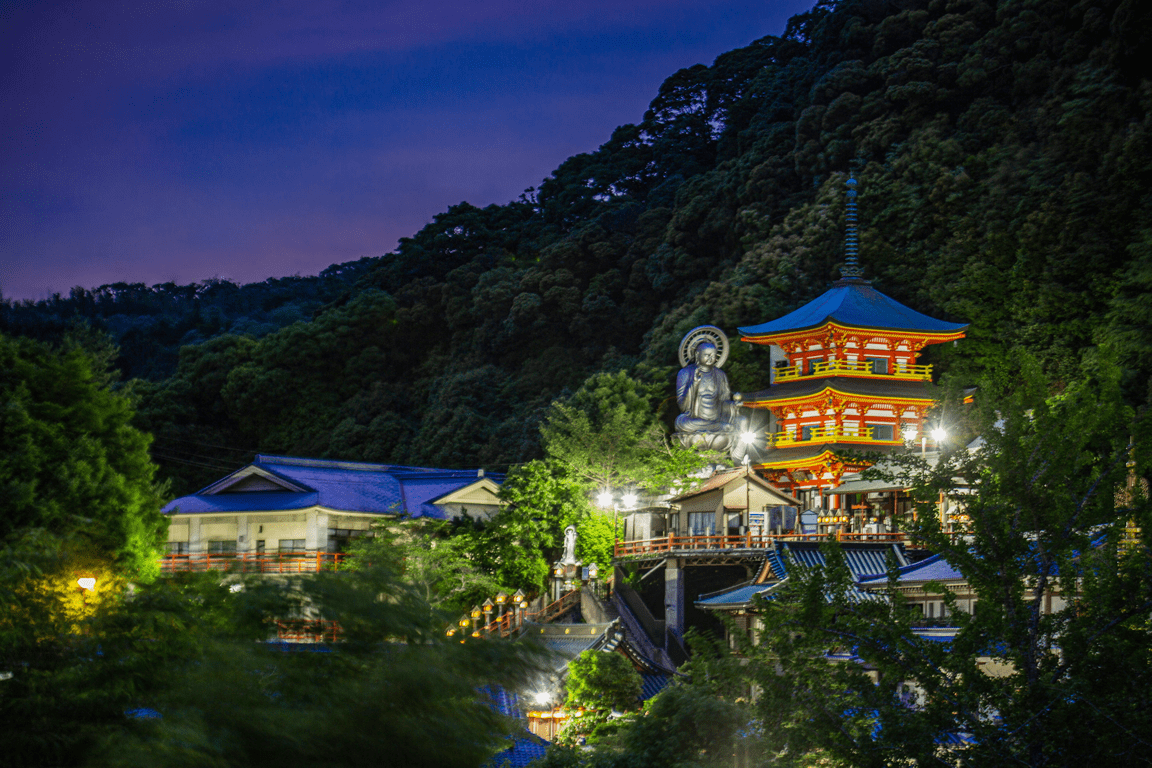
Temple de priere Shingon en activite et shukubo (logement monastique) sur le mont Shigi, avec ceremonie du feu Goma quotidienne avant l'aube, shojin ryori (cuisine bouddhique vegetarienne) et accueil en anglais.
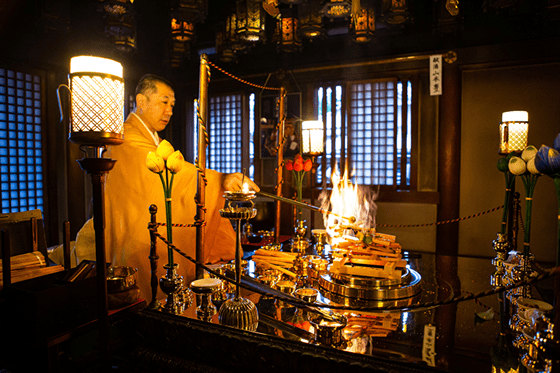
Each morning the resident priests perform an esoteric goma fire ceremony in the Yokuyu-do, followed by the Great Prajnaparamita prayers in the main hall. Overnight guests are welcomed to attend — 05:00 in summer, 05:30 in winter.
Founded in the late Heian period as a tatchu (塔頭, sub-temple) of Shigisan Chogosonshi-ji, the temple Prince Shotoku opened in 587 after a vision of Bishamonten on the eve of his battle with Mononobe no Moriya. The principal image in the Yokuyu-do is the rare Two-Bodied Bishamonten.
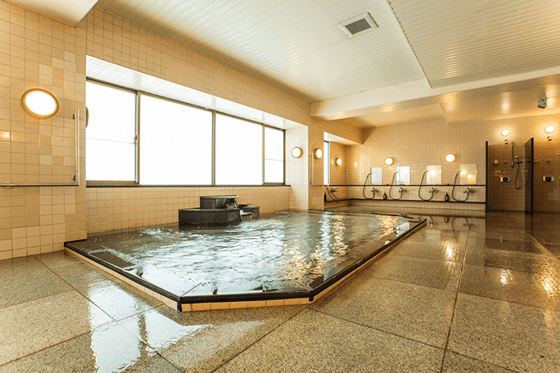
40 Japanese-style rooms (1 to 200 guests, single travellers welcome), shojin ryori or kaiseki, large communal cypress baths, and a full menu of optional practices: shakyo (sutra copying), shabutsu (Buddha tracing), Hyaku-hachi-rai (108 prostrations), and Asokukan breath meditation.
Shigisan Gyokuzo-in
Comparer 2 plateformes — économisez jusqu'à 20%
Les liens de réservation peuvent générer une commission, sans frais supplémentaires pour vous.
Gare la plus proche
Shigisanshita Station (Kintetsu Ikoma Line) / JR Oji Station
Depuis l'aéroport du Kansai (KIX)
1. JR Haruka Express → Kyoto Station ~75 min
2. Local train/taxi → Shigisanshita Station (Kintetsu Ikoma Line) / JR Oji Station ~12 min
Depuis Tokyo
1. Tokaido Shinkansen → Kyoto Station ~2h 15m
2. Local transit → Shigisanshita Station (Kintetsu Ikoma Line) / JR Oji Station ~12 min
Depuis Osaka
1. JR Special Rapid → Kyoto Station ~30 min
or Hankyu Railway → Kawaramachi ~45 min
Conseil: Procurez-vous une carte IC (ICOCA ou Suica) dans n'importe quelle gare pour voyager facilement en bus et en train.
💡 Économisez avec un Japan Rail Pass
Trajets illimités en Shinkansen et trains JR locaux
12 questions sur Shigisan Gyokuzo-in
Each morning the resident priests perform an esoteric goma fire ceremony in the Yokuyu-do, followed by the Great Prajnaparamita prayers in the main hall. Overnight guests are welcomed to attend — 05:00 in summer, 05:30 in winter.
Founded in the late Heian period as a tatchu (塔頭, sub-temple) of Shigisan Chogosonshi-ji, the temple Prince Shotoku opened in 587 after a vision of Bishamonten on the eve of his battle with Mononobe no Moriya. The principal image in the Yokuyu-do is the rare Two-Bodied Bishamonten.
40 Japanese-style rooms (1 to 200 guests, single travellers welcome), shojin ryori or kaiseki, large communal cypress baths, and a full menu of optional practices: shakyo (sutra copying), shabutsu (Buddha tracing), Hyaku-hachi-rai (108 prostrations), and Asokukan breath meditation.
12 questions sur Shigisan Gyokuzo-in
Plus à Nara

信貴山大本山 千手院
Le plus ancien sous-temple du mont Shigi, fonde en 902, ou brule sans interruption depuis 1 100 ans le feu Goma de Bishamonten, avec 13 chambres traditionnelles.
à partir de $90/nuit
信貴山大本山 成福院
Shukubo moderne du mont Shigi signe Murano Togo, avec chambres a bain prive, vues sur la montagne et tarif sudomari a 53 USD.
à partir de $50/nuit