
|
|
|
|
|
|
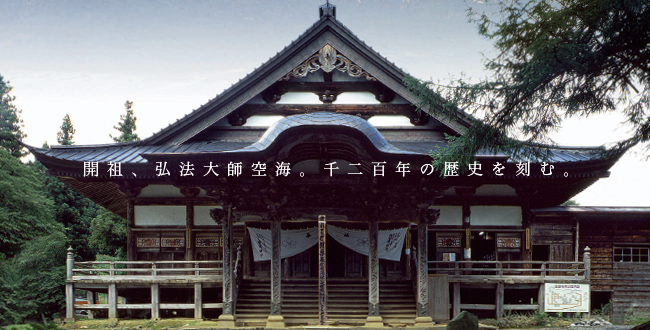
Temple Shingon du mont Yudono fondé au IXe siècle par Kukai comme pavillon de culte pour les femmes, abritant le sokushinbutsu de Tetsumonkai Shonin et noté deux étoiles par le Michelin.
Churen-ji was founded by Kobo Daishi in 825 as a yohaisho (distant-worship hall) for women, who were forbidden to enter the male-only sacred precincts of Yudonosan in those centuries.
The temple enshrines the sokushinbutsu of Tetsumonkai Shonin (1759–1829), who completed 2,000 days of mokujiki tree-bark ascetic practice in Senninsawa before final nyujo. The mummified figure can be venerated in the hall.
The 2009 French Michelin Green Guide Japon awarded Churen-ji an overall two-star rating, with the sokushinbutsu itself rated two stars and the painted ceiling one star — making this remote Shingon temple one of the most internationally recognised Yudonosan sites.
Yudonosan Churen-ji
Comparer 2 plateformes — économisez jusqu'à 20%
Les liens de réservation peuvent générer une commission, sans frais supplémentaires pour vous.
Gare la plus proche
Onami Bus Stop (Yamagata Kotsu, from JR Tsuruoka Station)
Depuis l'aéroport du Kansai (KIX)
1. JR Haruka Express → Kyoto Station ~75 min
2. Local train/taxi → Onami Bus Stop (Yamagata Kotsu, from JR Tsuruoka Station) ~10 min
Depuis Tokyo
1. Tokaido Shinkansen → Kyoto Station ~2h 15m
2. Local transit → Onami Bus Stop (Yamagata Kotsu, from JR Tsuruoka Station) ~10 min
Depuis Osaka
1. JR Special Rapid → Kyoto Station ~30 min
or Hankyu Railway → Kawaramachi ~45 min
Conseil: Procurez-vous une carte IC (ICOCA ou Suica) dans n'importe quelle gare pour voyager facilement en bus et en train.
💡 Économisez avec un Japan Rail Pass
Trajets illimités en Shinkansen et trains JR locaux
12 questions sur Yudonosan Churen-ji
Churen-ji was founded by Kobo Daishi in 825 as a yohaisho (distant-worship hall) for women, who were forbidden to enter the male-only sacred precincts of Yudonosan in those centuries.
The temple enshrines the sokushinbutsu of Tetsumonkai Shonin (1759–1829), who completed 2,000 days of mokujiki tree-bark ascetic practice in Senninsawa before final nyujo. The mummified figure can be venerated in the hall.
The 2009 French Michelin Green Guide Japon awarded Churen-ji an overall two-star rating, with the sokushinbutsu itself rated two stars and the painted ceiling one star — making this remote Shingon temple one of the most internationally recognised Yudonosan sites.
12 questions sur Yudonosan Churen-ji
Plus à Dewa Sanzan

羽黒山参籠所 斎館
L'unique shukubo (logement monastique) d'époque Edo encore debout au sommet du mont Haguro, géré par le sanctuaire Dewa Sanzan Jinja, avec une shojin ryori aux herbes de montagne distinguée par Michelin.
à partir de $75/nuit
宿坊 大進坊
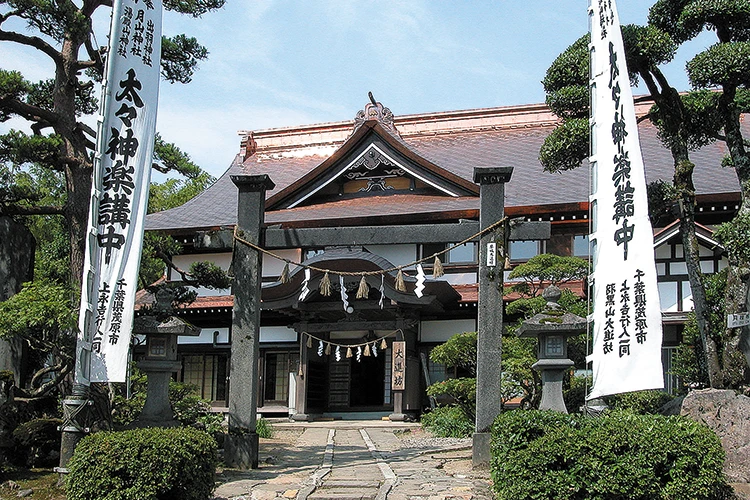
Un shukubo (logement monastique) de Toge tenu par des yamabushi, avec shojin ryori faite maison, cérémonie du feu Goma privée et services pleinement adaptés aux voyageurs internationaux.
à partir de $95/nuit
出羽三山 多聞館
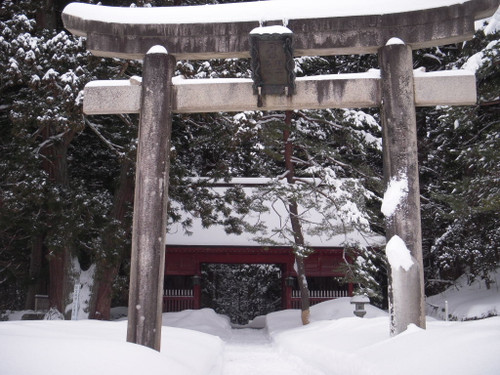
Shukubo (logement monastique) de Toge vieux de 300 ans, bâti en cèdre sacré de Haguro, célèbre pour son tofu de sésame en sauce ankake et sa shojin ryori aux herbes de montagne.
à partir de $90/nuit
Articles connexes