
|
|
|
|
|
|
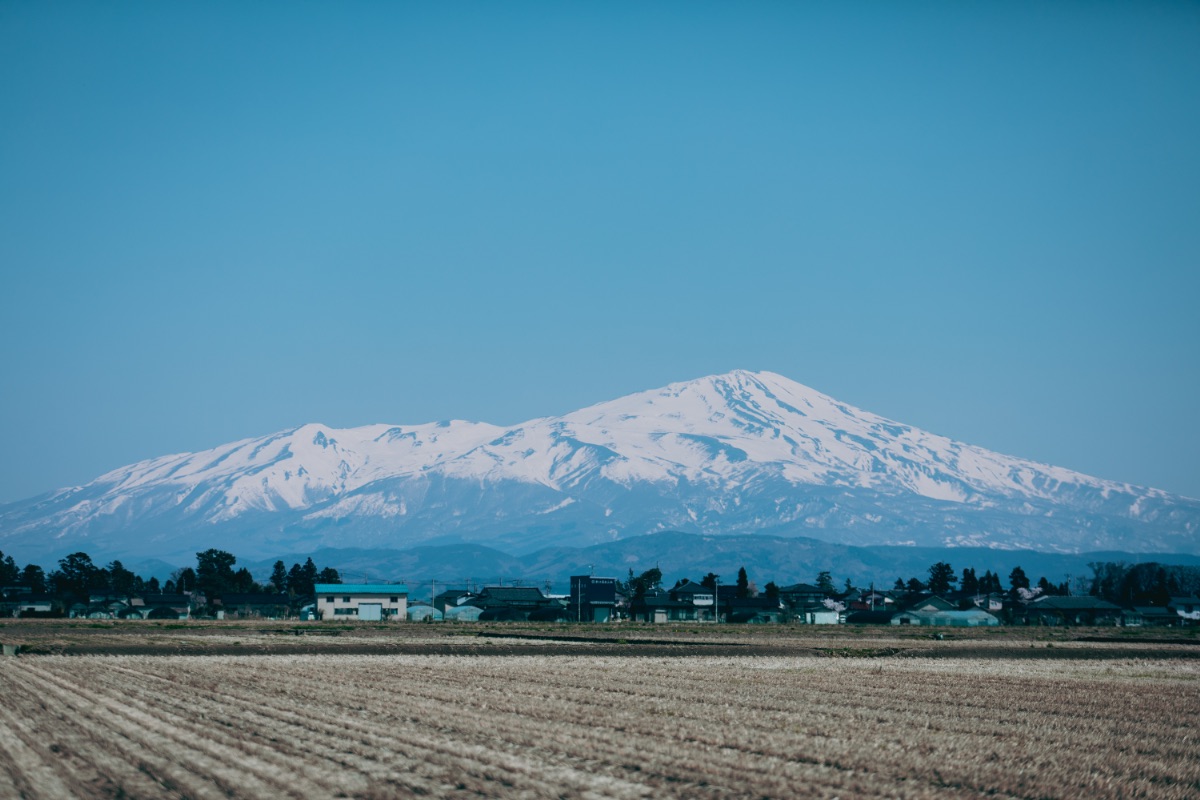
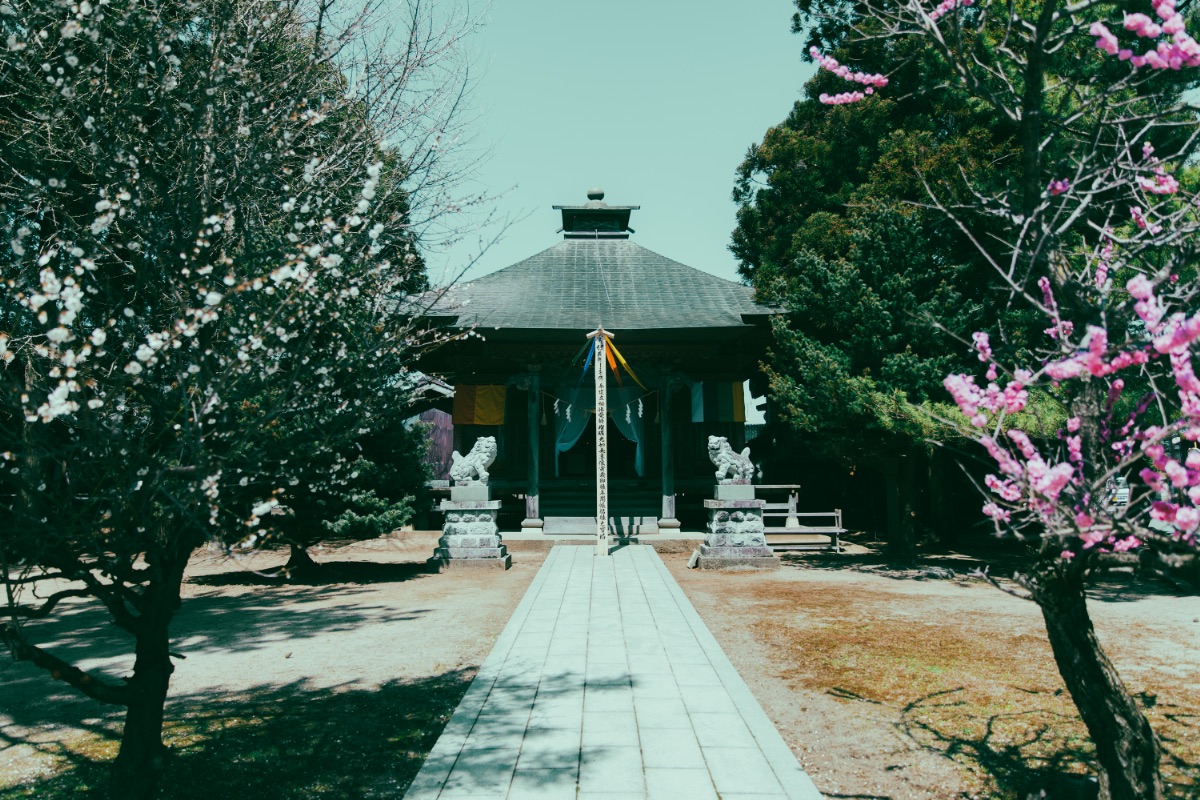
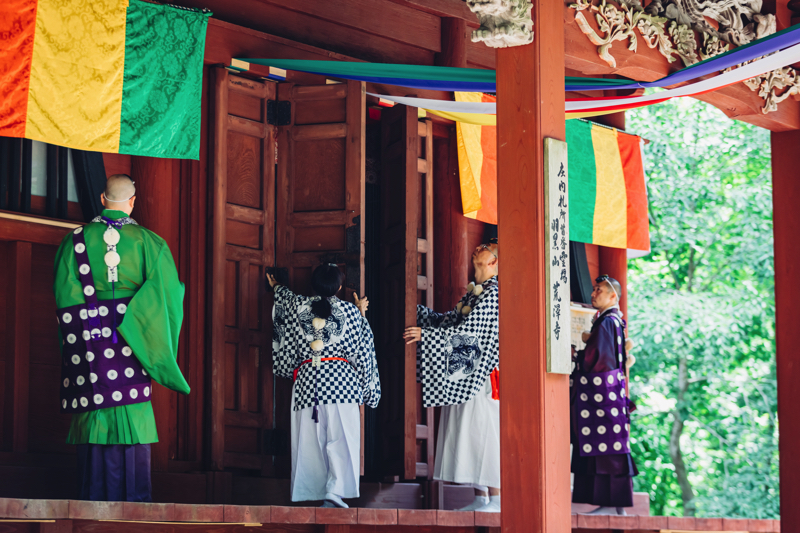
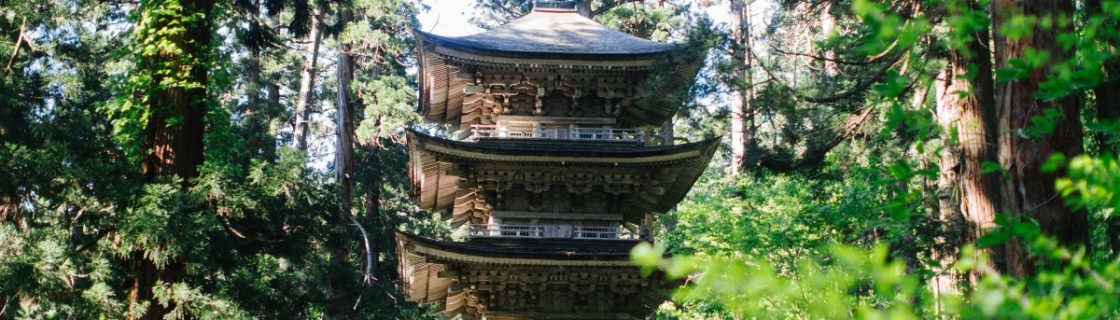
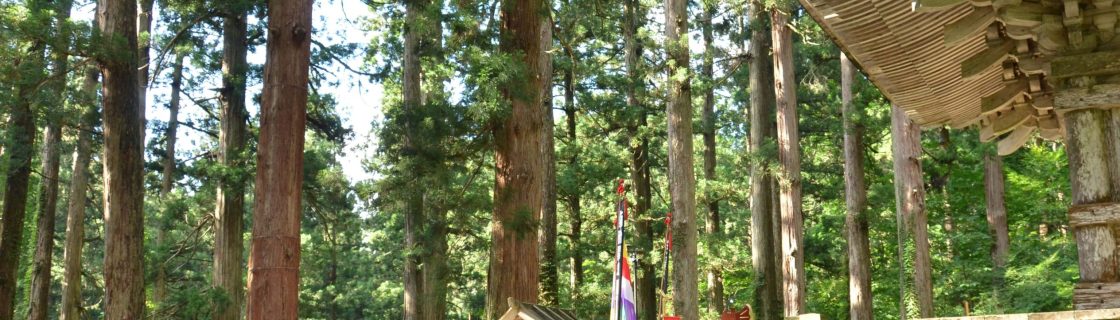
The head temple of Haguro Shugen Hon-shu — a 1,400-year working Shugendo monastery preserving the Buddhist lineage of Haguro-san, with the National Important Cultural Property Koganedo.
Shozen-in is the head temple of Haguro Shugen Hon-shu and one of the very few Buddhist institutions to have survived the Meiji separation of Buddhism and Shinto on Haguro-san — preserving 1,400 years of Shugendo lineage in unbroken form.
The Koganedo hall, said to have been donated by Minamoto no Yoritomo, enshrines 33 life-sized Kannon statues that gleam gold along the wall. A 3D mandala of the three mountains was installed in 2016 — circumambulating the hall enacts a complete pilgrimage.
As a working Shugen monastery, Shozen-in conducts saito-daigoma fire rituals, autumn-peak (akinomine) and spring-peak training, and offers structured shukubo programmes for visitors who wish to experience formal Shugendo, not just lodging.
Hagurosan Shozen-in (Arasawa-ji)
Compare 2 platforms — save up to 20%
Booking links may earn a commission at no extra cost to you.
Nearest Station
Toge Bus Stop (from JR Tsuruoka Station)
From Kansai Airport (KIX)
1. JR Haruka Express → Kyoto Station ~75 min
2. Local train/taxi → Toge Bus Stop (from JR Tsuruoka Station) ~5 min
From Tokyo
1. Tokaido Shinkansen → Kyoto Station ~2h 15m
2. Local transit → Toge Bus Stop (from JR Tsuruoka Station) ~5 min
From Osaka
1. JR Special Rapid → Kyoto Station ~30 min
or Hankyu Railway → Kawaramachi ~45 min
Tip: Purchase an IC card (ICOCA or Suica) at any station for easy tap-and-go on buses and trains.
💡 Save with a Japan Rail Pass
Covers unlimited Shinkansen + local JR trains
13 questions about Hagurosan Shozen-in (Arasawa-ji)
Shozen-in is the head temple of Haguro Shugen Hon-shu and one of the very few Buddhist institutions to have survived the Meiji separation of Buddhism and Shinto on Haguro-san — preserving 1,400 years of Shugendo lineage in unbroken form.
The Koganedo hall, said to have been donated by Minamoto no Yoritomo, enshrines 33 life-sized Kannon statues that gleam gold along the wall. A 3D mandala of the three mountains was installed in 2016 — circumambulating the hall enacts a complete pilgrimage.
As a working Shugen monastery, Shozen-in conducts saito-daigoma fire rituals, autumn-peak (akinomine) and spring-peak training, and offers structured shukubo programmes for visitors who wish to experience formal Shugendo, not just lodging.
13 questions about Hagurosan Shozen-in (Arasawa-ji)
More in Dewa Sanzan

羽黒山参籠所 斎館
The only Edo-era shukubo still standing on the Haguro-san summit, run by Dewa Sanzan Jinja, with Michelin-listed mountain-herb shojin ryori.
from $75/night
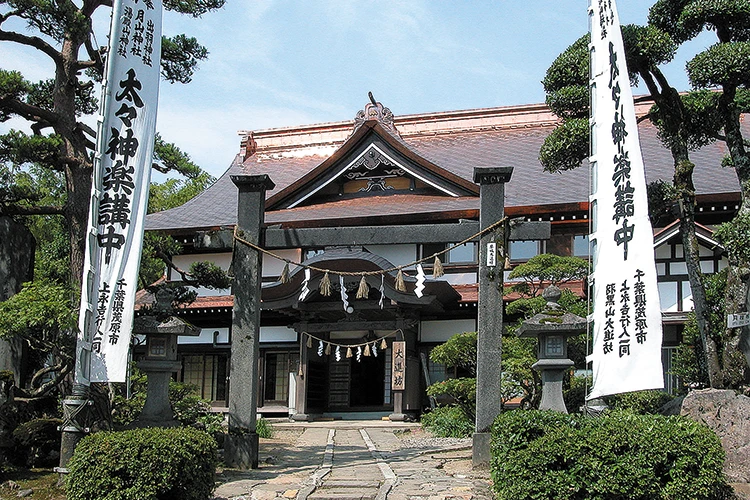
宿坊 大進坊
A yamabushi-run Toge shukubo with handmade shojin ryori, in-house goma fire prayers, and full English-friendly services.
from $95/night
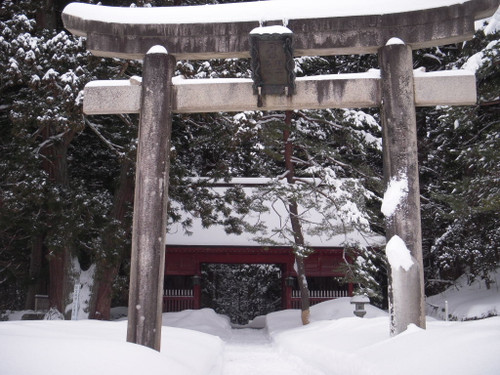
出羽三山 多聞館
300-year-old Toge shukubo built from Haguro sacred cedar, famous for sesame-tofu ankake and mountain-herb shojin ryori.
from $90/night