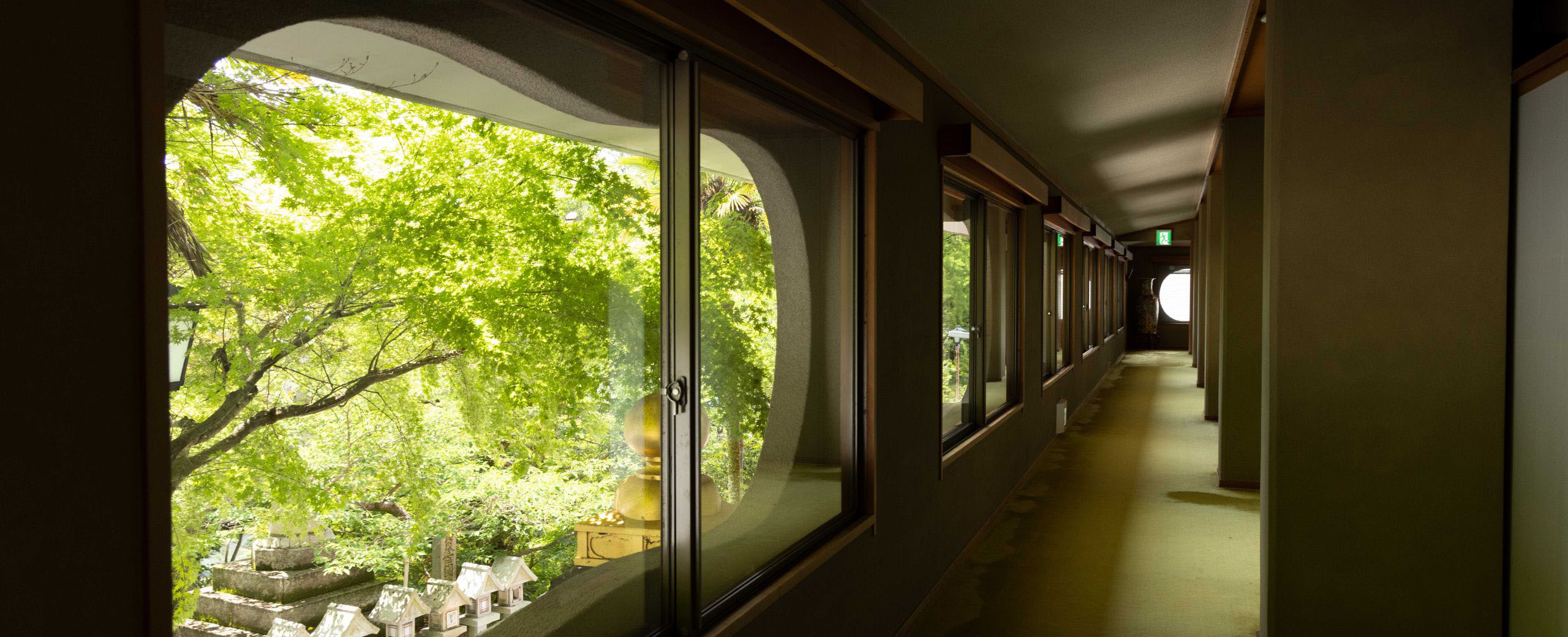
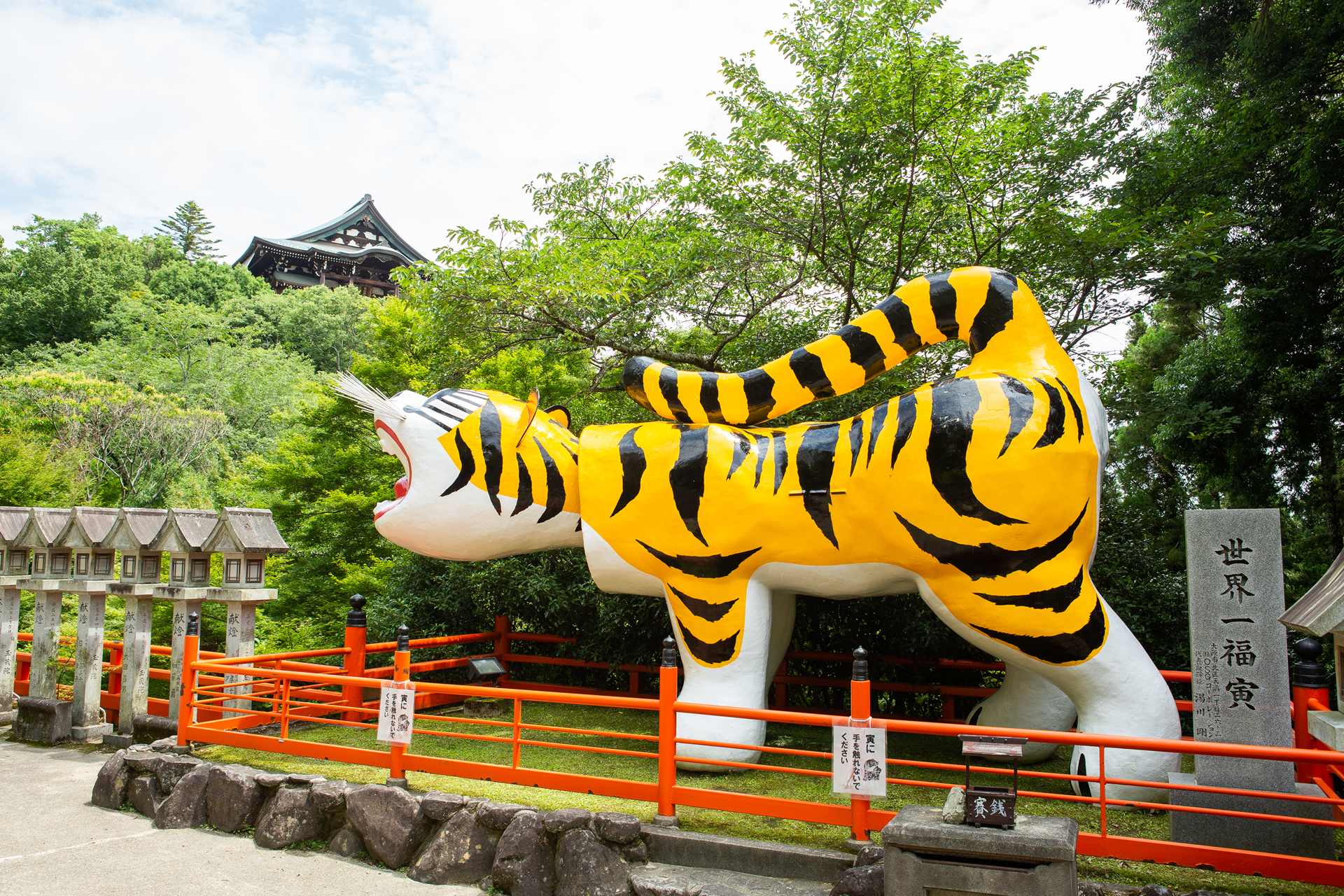
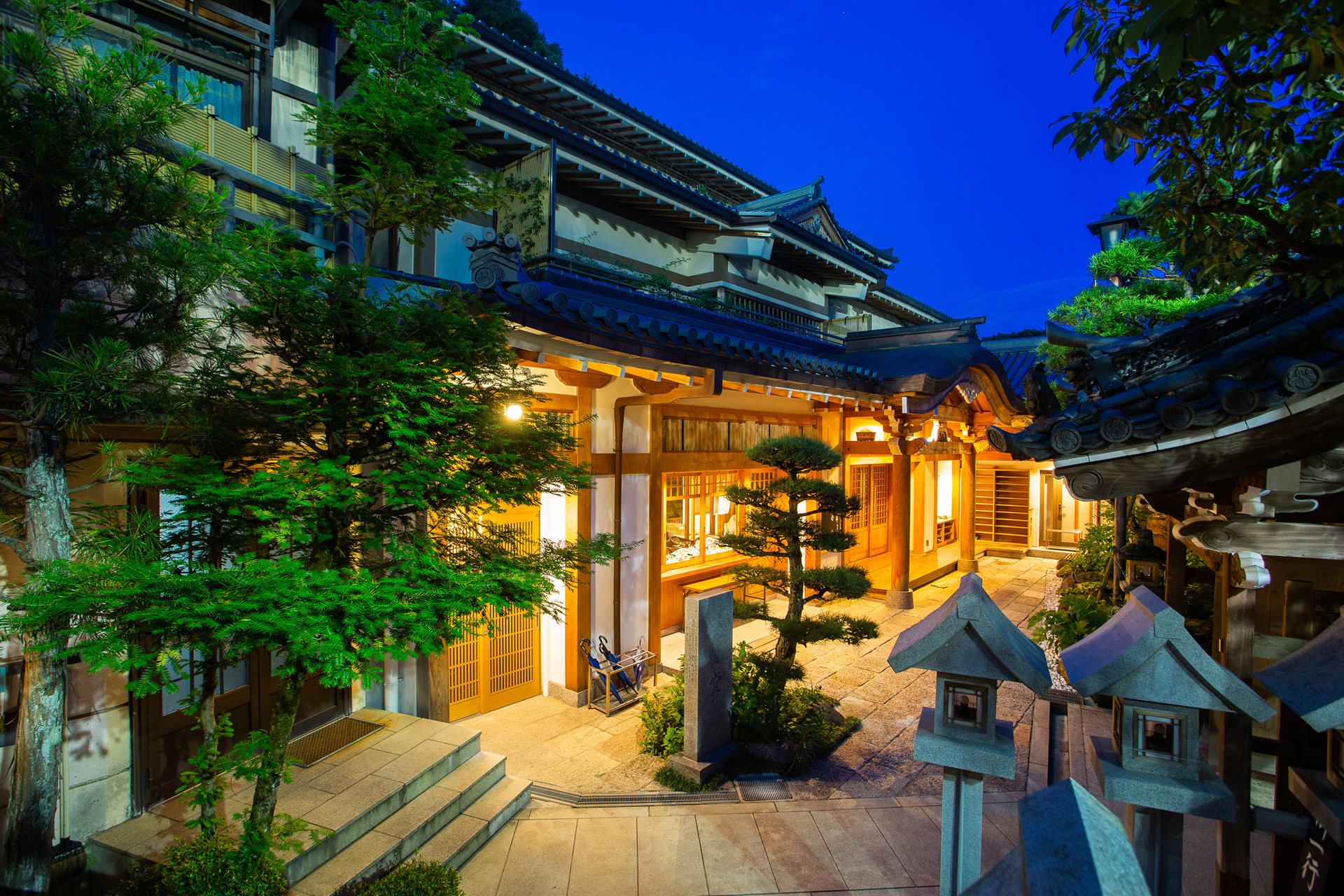
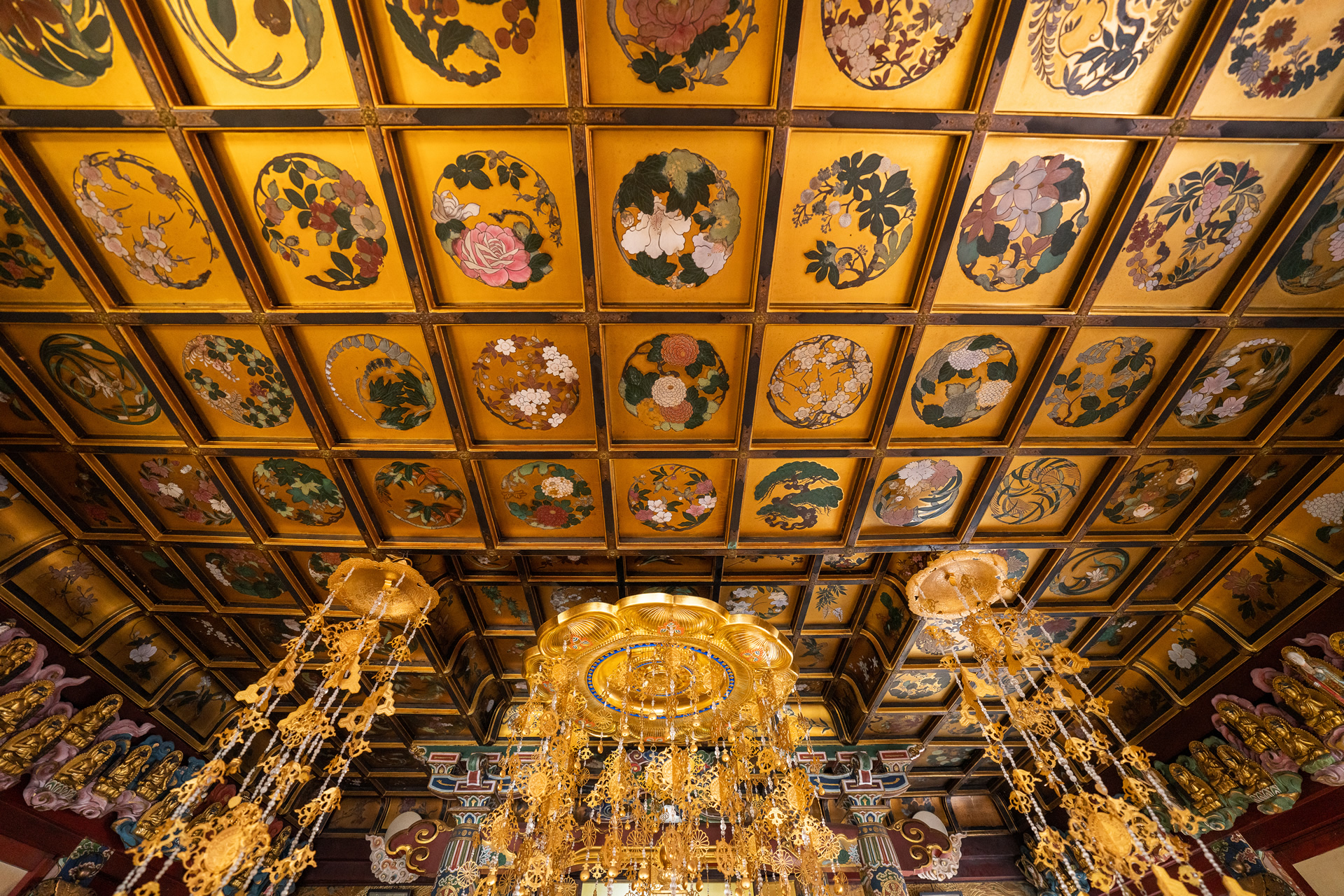
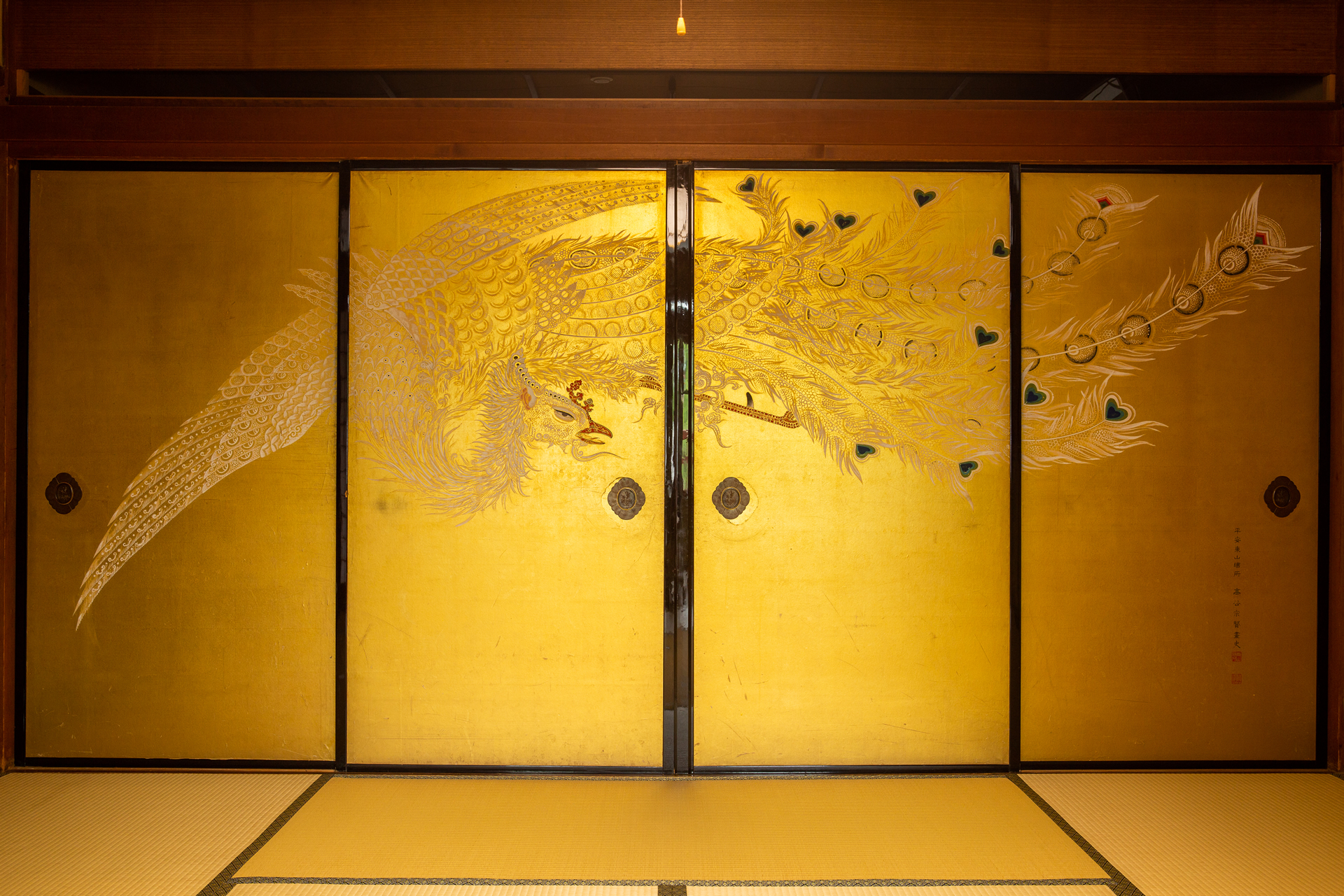

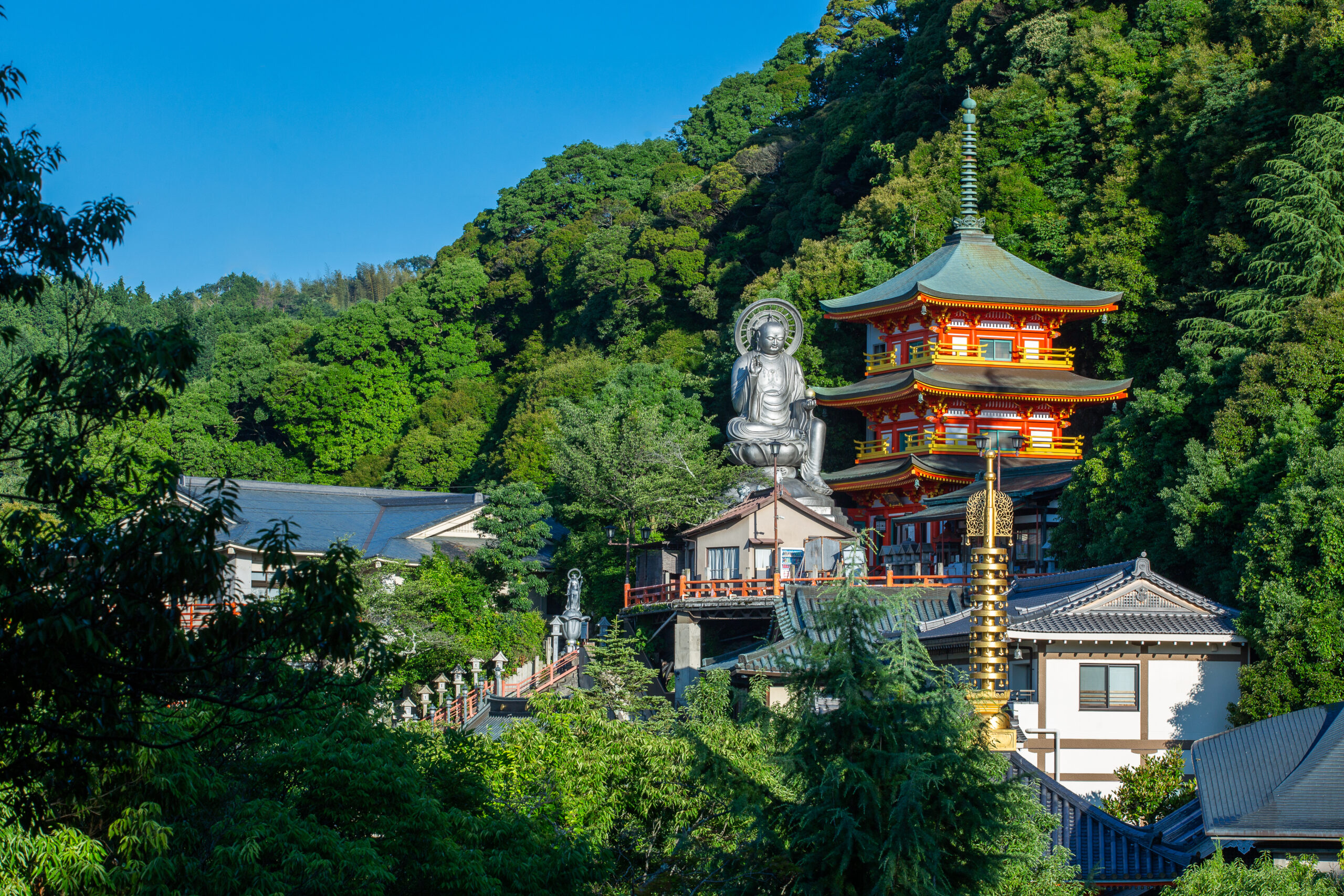
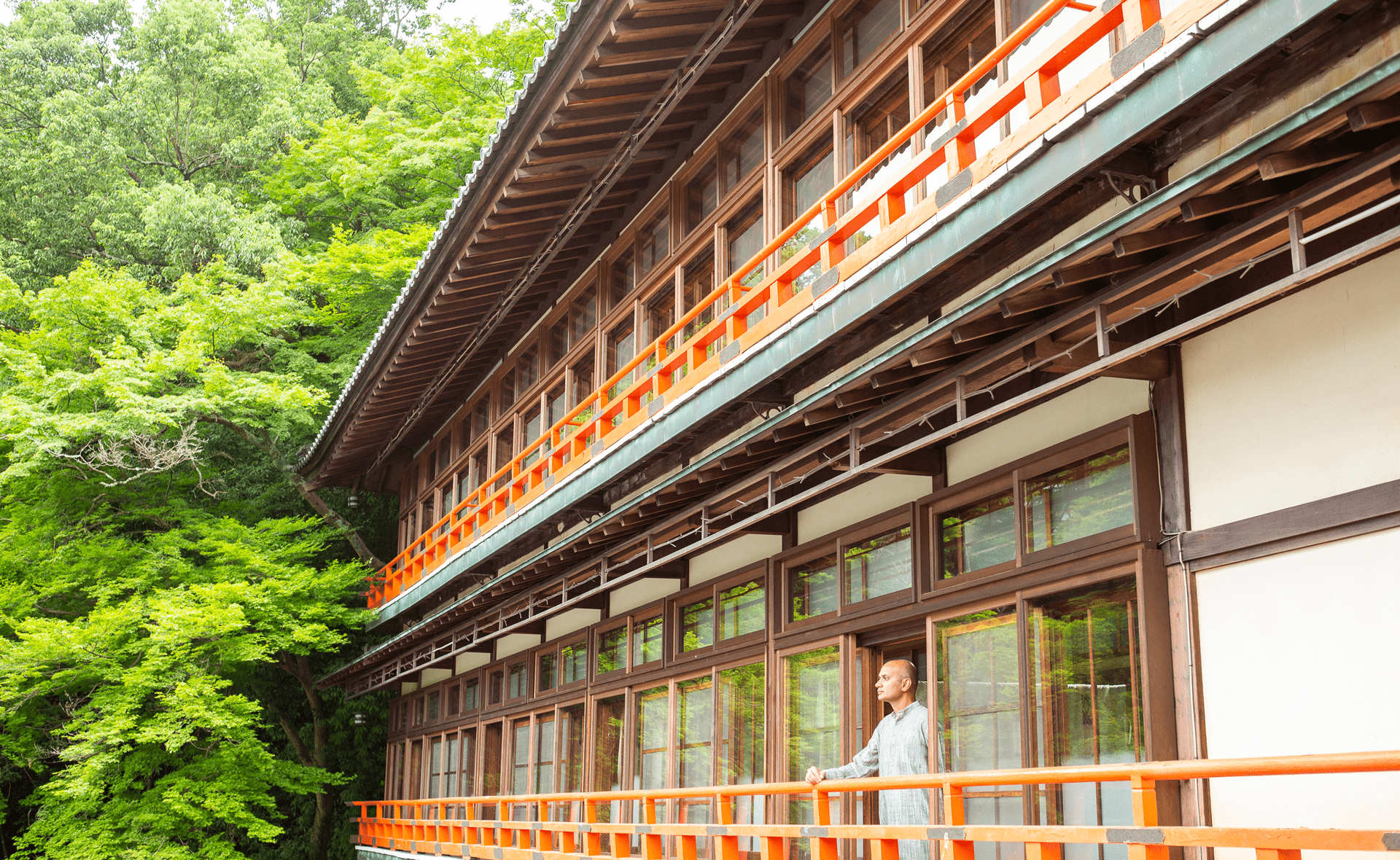
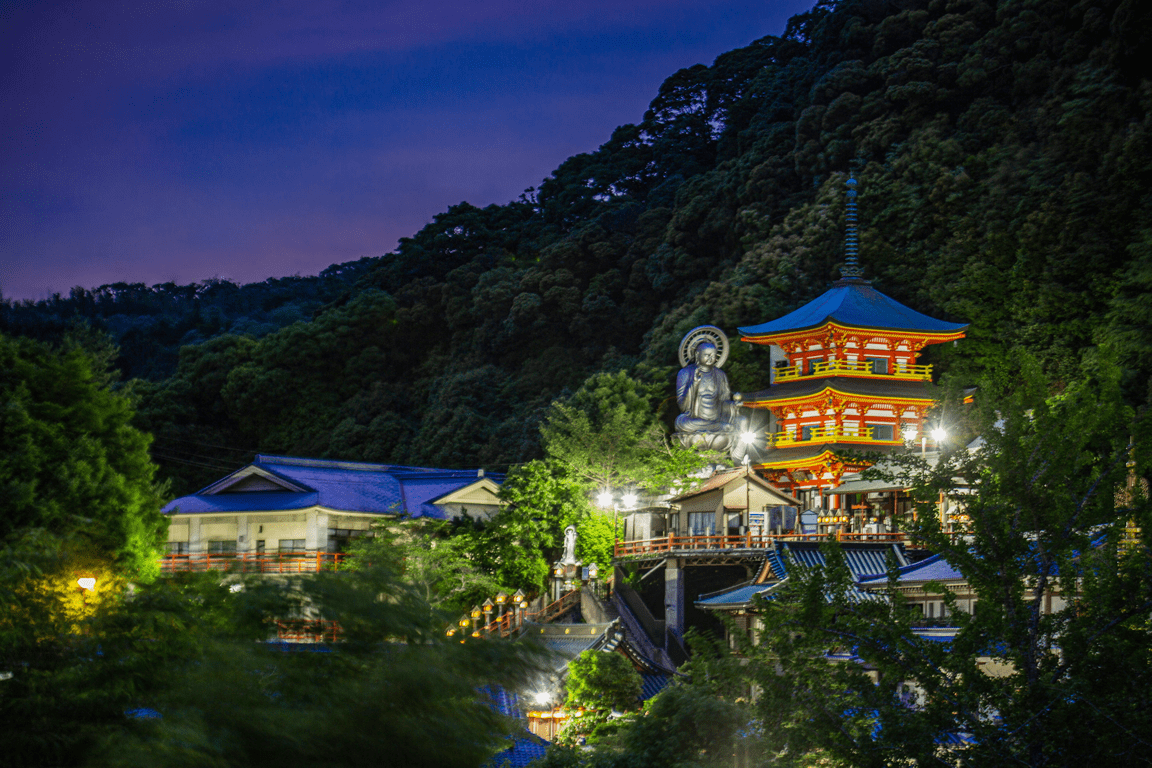
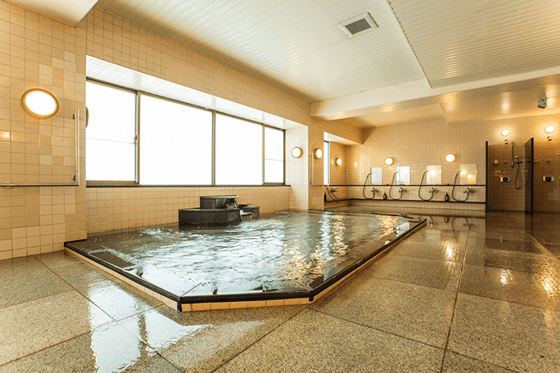
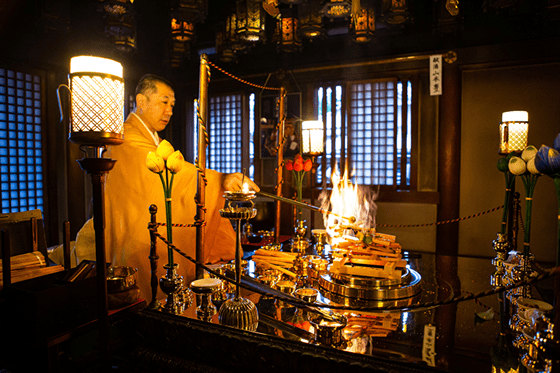
Gyokuzo-in main hall and Shigisan precinctsGoma ceremony in the Yokuyu-do at Gyokuzo-inMount Shigi seasonal view from Gyokuzo-inShigisan precincts and Bishamonten worship hallsPagoda and stone lanterns on the Gyokuzo-in approachGyokuzo-in seasonal precinctsShukubo guest building exterior at Gyokuzo-inTatami guest room at Gyokuzo-in shukuboShojin ryori temple cuisine at Gyokuzo-inShukubo bath at Gyokuzo-in
1 / 10
Mid-Range| Nara

Shigisan Gyokuzo-in

信貴山大本山 玉蔵院

A working Shingon prayer temple and shukubo on Mt. Shigi with daily pre-dawn goma fire ceremonies, shojin ryori, and English support.

Staff speaksEnglish · 日本語
SectShingon (真言宗)
Goma fire ceremony
Cultural property
from$75 /per night
Check Availability

Features

English FriendlyVegetarian MealsFree WiFiCredit Cards

Highlights

Daily Pre-Dawn Goma Fire Ceremony

Each morning the resident priests perform an esoteric goma fire ceremony in the Yokuyu-do, followed by the Great Prajnaparamita prayers in the main hall. Overnight guests are welcomed to attend — 05:00 in summer, 05:30 in winter.

Sub-Temple of Japan's Oldest Bishamonten Sanctuary

Founded in the late Heian period as a tatchu (塔頭, sub-temple) of Shigisan Chogosonshi-ji, the temple Prince Shotoku opened in 587 after a vision of Bishamonten on the eve of his battle with Mononobe no Moriya. The principal image in the Yokuyu-do is the rare Two-Bodied Bishamonten.

Full Practice Menu and Mountain-Top Views

40 Japanese-style rooms (1 to 200 guests, single travellers welcome), shojin ryori or kaiseki, large communal cypress baths, and a full menu of optional practices: shakyo (sutra copying), shabutsu (Buddha tracing), Hyaku-hachi-rai (108 prostrations), and Asokukan breath meditation.

About

Shigisan Gyokuzo-in is a tatchu (sub-temple) of Chogosonshi-ji, the head temple of Shigisan Shingon-shu and Japan's oldest place of worship to the deity Bishamonten — founded in 587 by Prince Shotoku after he had a vision of Bishamonten on the eve of his battle with Mononobe no Moriya. Gyokuzo-in itself was established in the late Heian period and has functioned as both a prayer temple and a shukubo for centuries. The principal image in the temple's Yokuyu-do (oil-anointing hall) is an unusual Two-Bodied Bishamonten that is enshrined back-to-back. Guests stay in 40 Japanese-style rooms across the mountain compound (capacity ~150 overnight, with rooms ranging from intimate 12-tatami private rooms to a 64-tatami banquet hall used for retreats and weddings), and bathe in cypress communal baths (a 20-person large bath plus a 10-person mid-sized bath). The kitchen serves both shojin ryori (from 3,000 yen per person) and seasonal kaiseki (from 4,000 yen per person). Each morning the resident priests perform the goma fire ceremony in the Yokuyu-do at 05:00 in summer or 05:30 in winter, followed by the Great Prajnaparamita prayers in the main hall — guests are warmly invited to attend in the crisp mountain air. Optional practices include shakyo (sutra copying), shabutsu (Buddha tracing), Hyaku-hachi-rai (108 prostrations) and Asokukan breath meditation, all bookable by email after reservation. The temple maintains an English information page and is rated as one of the more accessible Nara shukubo for international visitors. Access is via Nara Kotsu bus from JR/Kintetsu Oji or Kintetsu Shigisanshita Station to "Shigisan-mon" stop; taxis from Oji are also welcome (ask for "Shigisan Gyokuzo-in Fukikaku").

Details

40 rooms
Shigisanshita Station (Kintetsu Ikoma Line) / JR Oji Station (12 min walk)
From $75 - $120/night

Frequently Asked Questions

9 questions about Shigisan Gyokuzo-in

A ryokan is a traditional Japanese inn featuring tatami-mat rooms, futon bedding, communal or private baths, and multi-course kaiseki meals. Guests typically wear yukata (cotton robes) provided by the inn. A ryokan stay is one of the most authentic cultural experiences Japan has to offer.

Upon arrival, you'll be provided with a yukata (light cotton robe) and a pair of slippers. You can wear the yukata throughout the ryokan — to dinner, to the onsen, and even for a stroll in the neighborhood. Indoor slippers should be removed before stepping on tatami mats.

Yes, Shigisan Gyokuzo-in has English-speaking staff who can assist with check-in, dining reservations, and local recommendations. Communication should not be an issue for international guests.

Yes, Shigisan Gyokuzo-in can prepare vegetarian meals. Japanese Buddhist cuisine (shojin ryori) is naturally plant-based and beautifully presented. Please inform the ryokan of your dietary requirements at least 2 days before arrival so the chef can prepare accordingly.

Yes, most ryokans including Shigisan Gyokuzo-in offer luggage storage for guests arriving before check-in time. You can also use coin lockers at the nearest station or luggage delivery services (takkyubin) to send bags directly from the airport or previous hotel.

Yes, Shigisan Gyokuzo-in provides complimentary WiFi throughout the property. Connection is available in guest rooms and common areas.

Yes, Shigisan Gyokuzo-in accepts major credit cards including Visa, Mastercard, and JCB. Some ryokans may also accept American Express. It's always good to have some cash as a backup for small purchases.

The nearest station is Shigisanshita Station (Kintetsu Ikoma Line) / JR Oji Station, approximately 12 minutes on foot. You can reach it by local train, subway, or taxi. The ryokan can provide detailed walking directions upon request.

You can book Shigisan Gyokuzo-in through trusted platforms like Booking.com or Expedia. Click the "Check Prices" button on this page to check availability and rates. We recommend booking at least 2-4 weeks in advance, especially during peak seasons (cherry blossom in March-April and autumn leaves in November).

temples.from$75 /temples.perNight