|
|
|
|
|
|

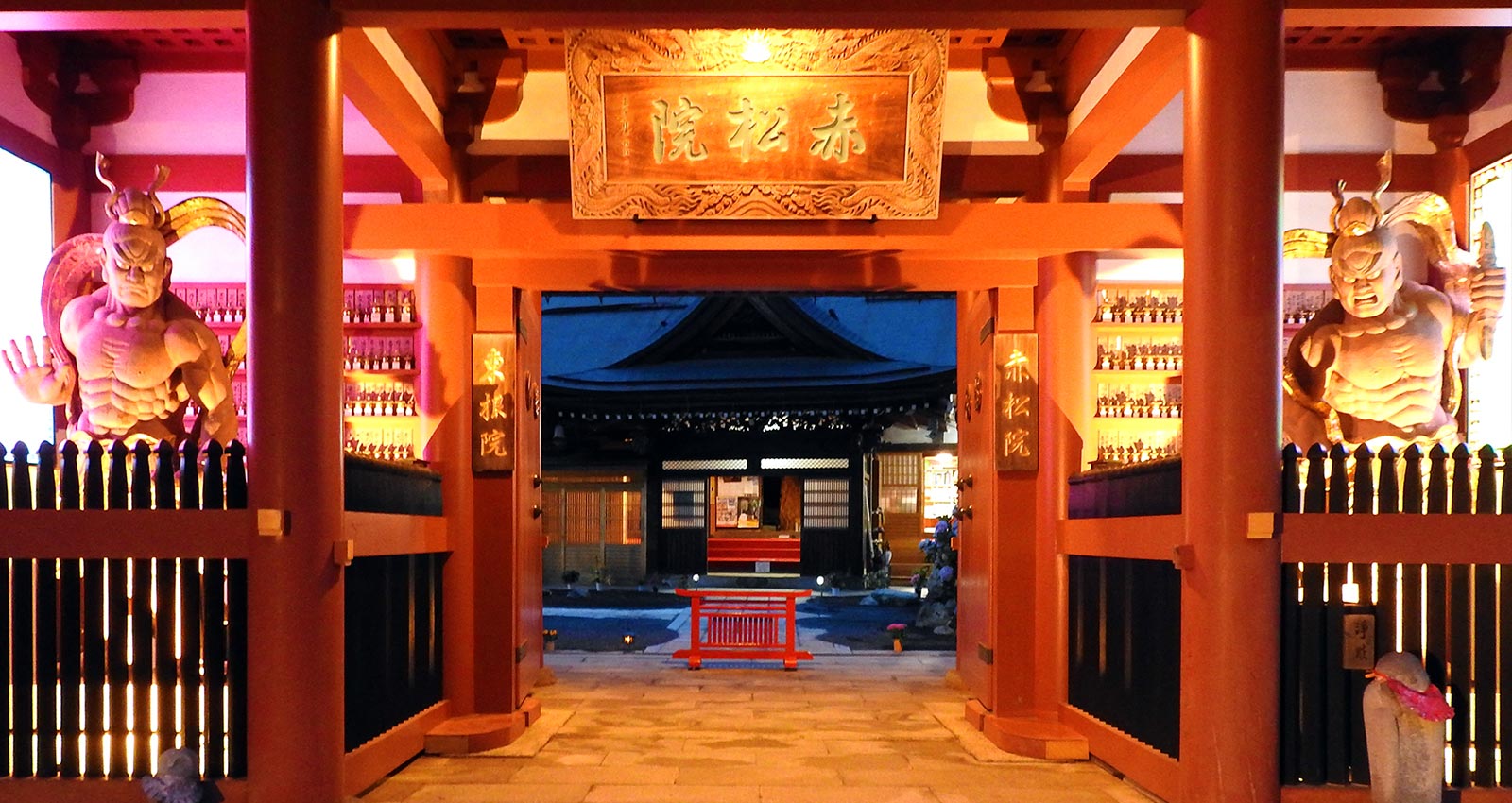
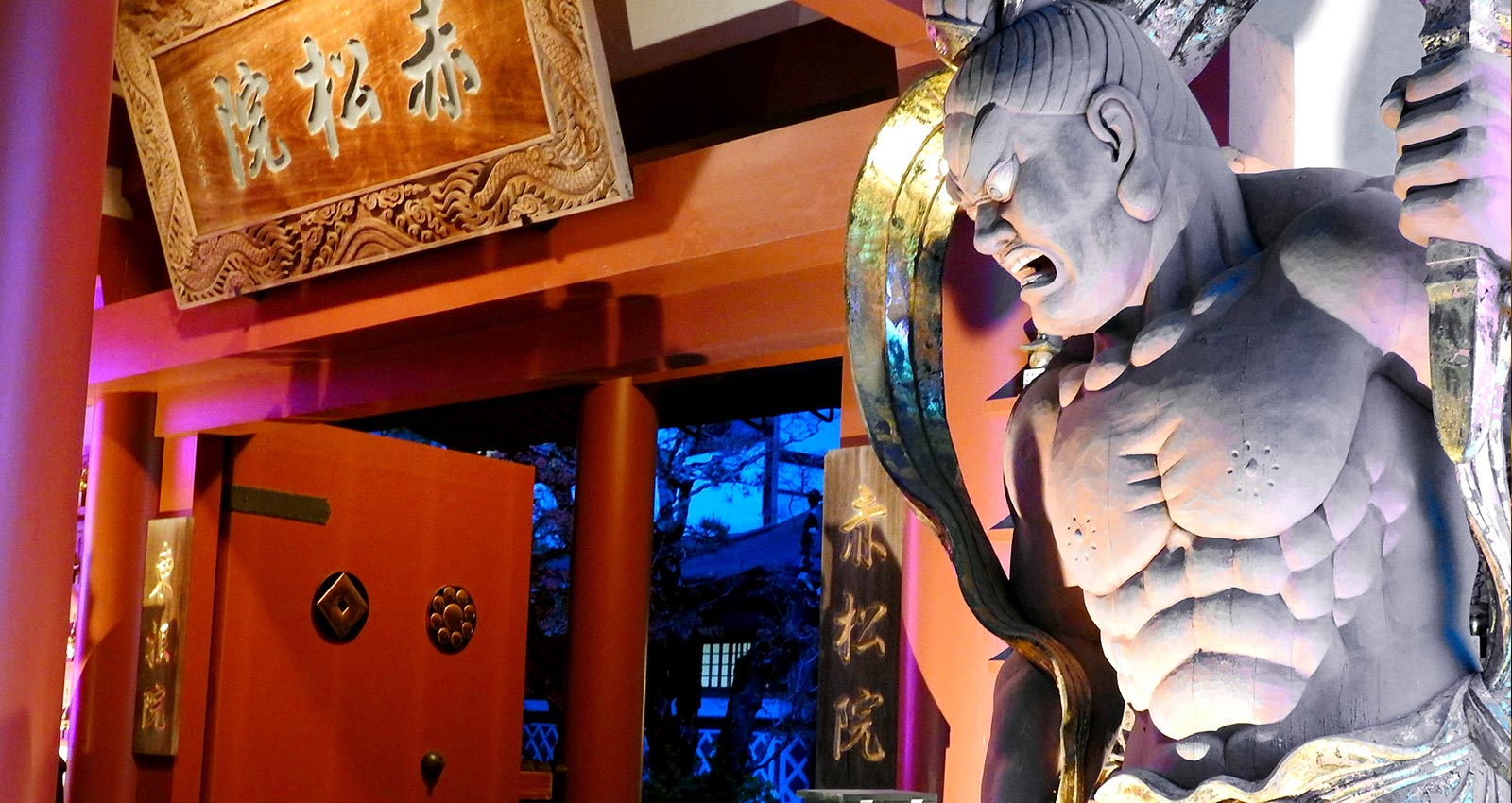
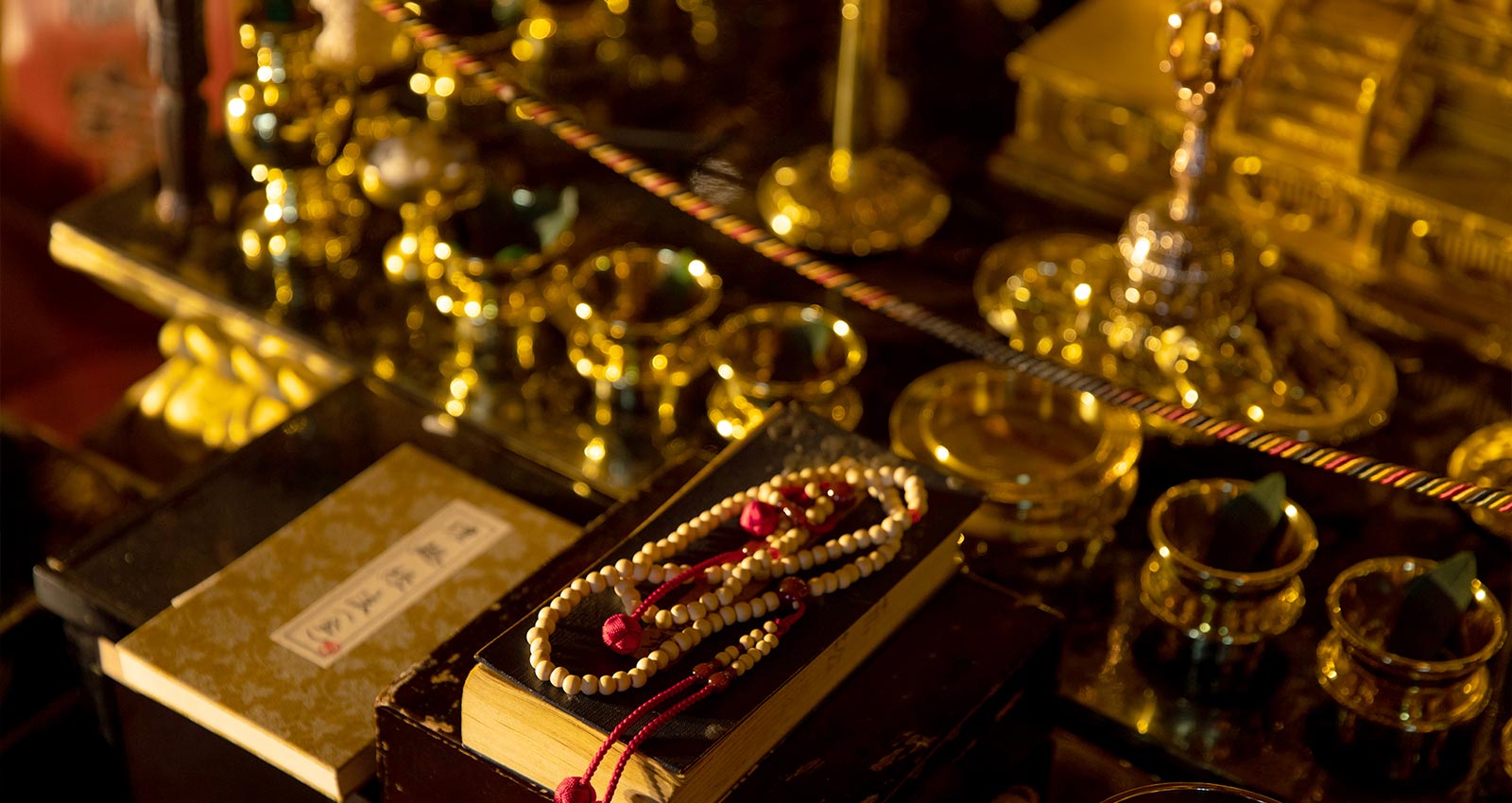
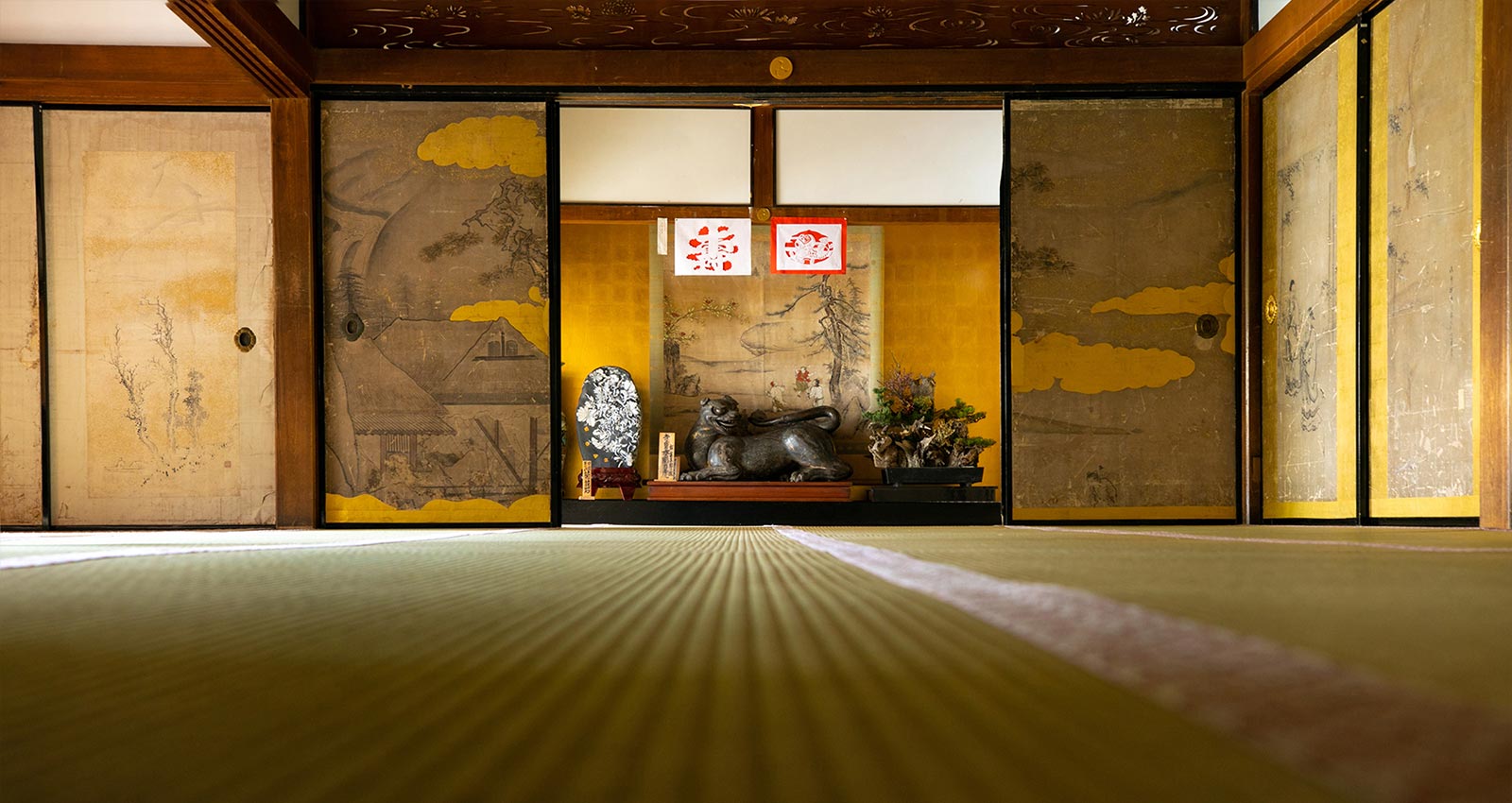
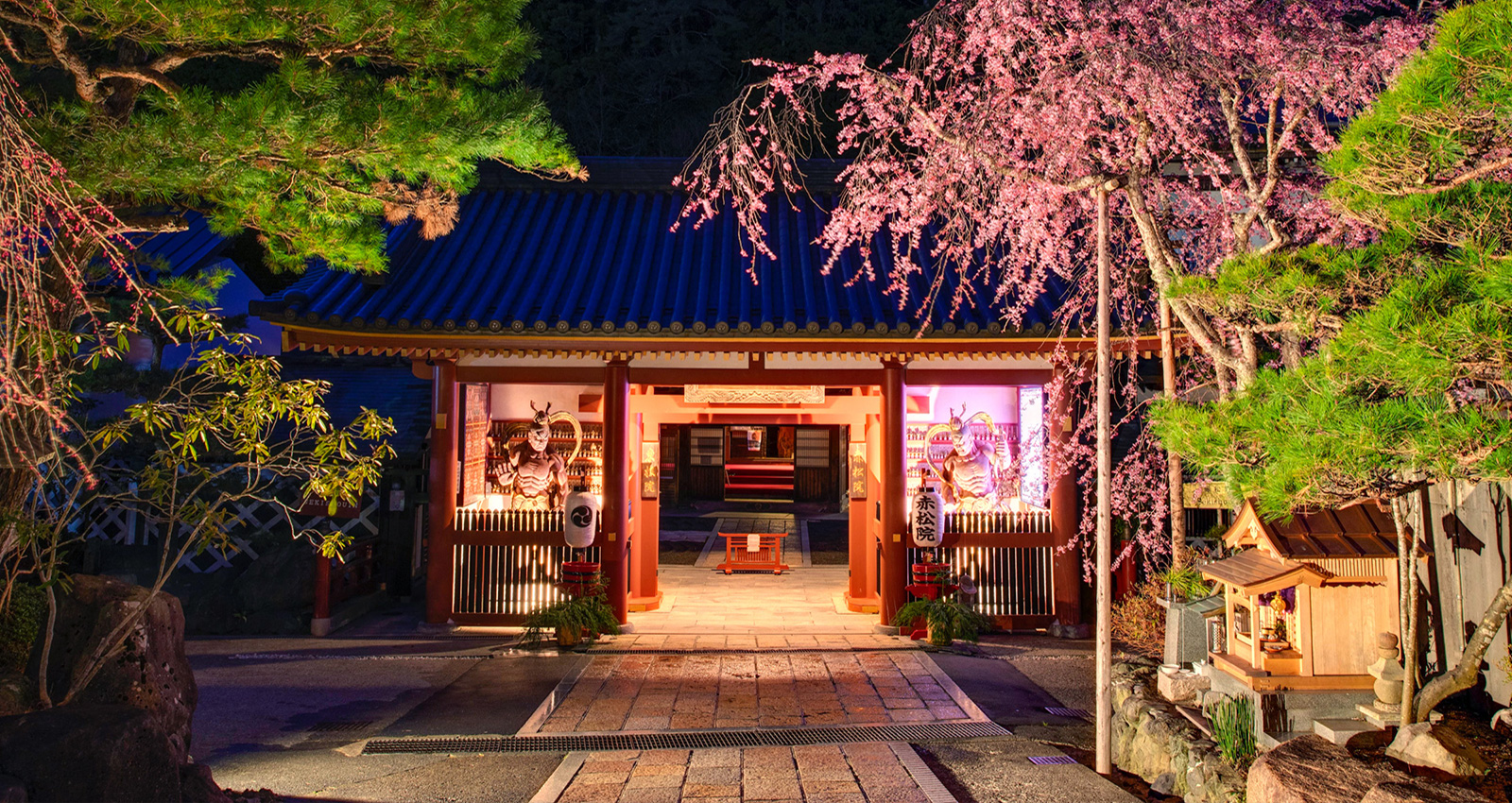
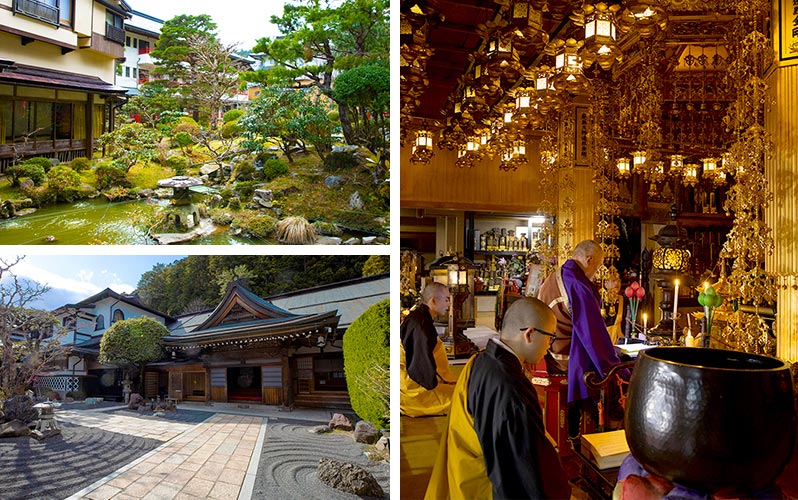
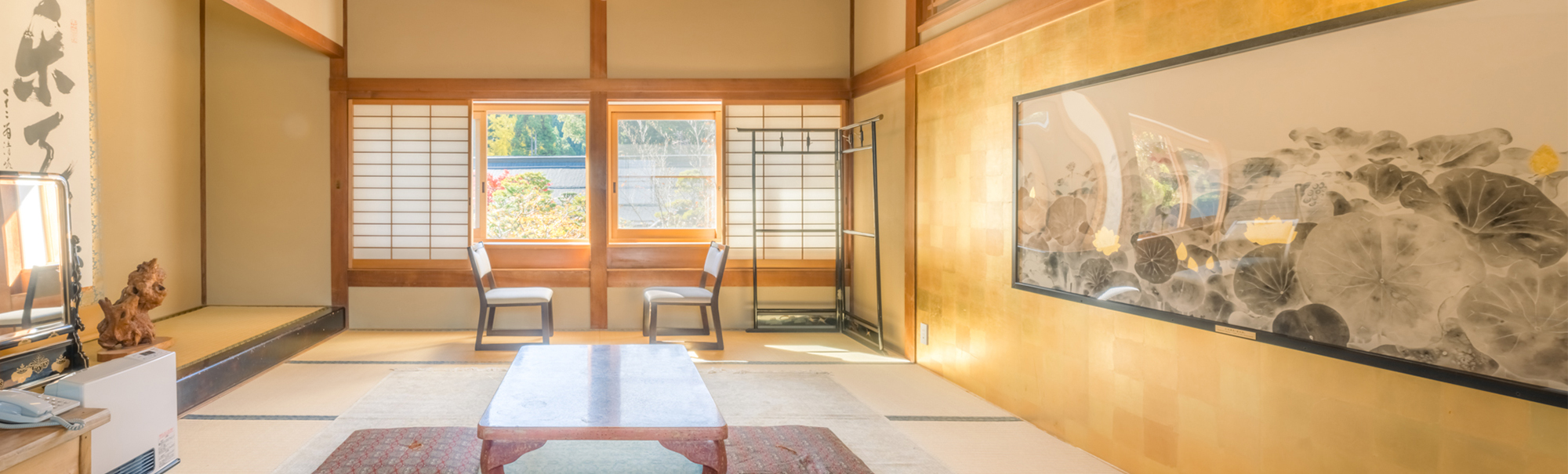
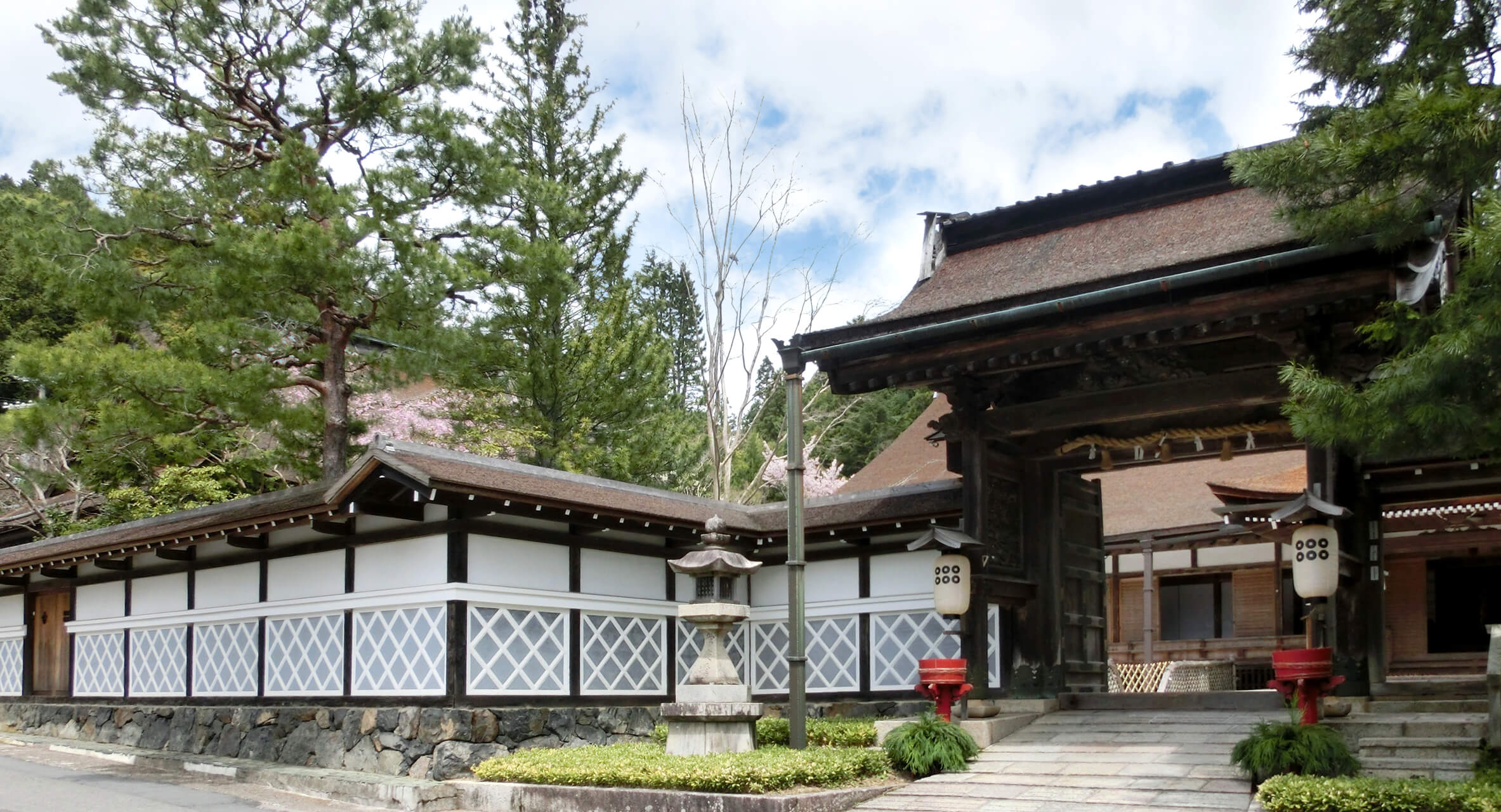
擁有 1,100 年歷史的高野山書房與 1,500 坪的庭園,是最靠近奧之院墳場的寺院住宿設施。
Sekisho-in stands at the eastern edge of Koyasan, the closest shukubo to the Ichinohashi entrance of Okunoin cemetery. Guests can walk straight into the cedar avenues leading to Kobo Daishi's mausoleum.
The temple grounds contain a vast 1,500-tsubo (about 5,000 m²) traditional strolling garden, considered one of the largest among Koyasan shukubo and praised for its forested, contemplative atmosphere.
Originally founded in 923 as Yamamoto-bo, the temple was renamed Sekisho-in (Akamatsu-in) when Akamatsu Norimura took the tonsure here in the Muromachi period. It later served as the family temple of the Akamatsu, Hosokawa, and Arima clans.
赤松院
3個平台比價 — 最多省20%
預訂連結可能含有聯盟行銷佣金,不會增加您的任何費用。
最近車站
Koyasan Station (cable car)
從關西機場(KIX)
1. JR Haruka Express → Kyoto Station ~75 min
2. Local train/taxi → Koyasan Station (cable car) ~18 min
從東京
1. Tokaido Shinkansen → Kyoto Station ~2h 15m
2. Local transit → Koyasan Station (cable car) ~18 min
從大阪
1. JR Special Rapid → Kyoto Station ~30 min
or Hankyu Railway → Kawaramachi ~45 min
小提示: 在任何車站購買IC卡(ICOCA或Suica),即可輕鬆感應搭乘公車和電車。
💡 使用日本鐵路通票節省交通費
無限次搭乘新幹線和JR在地路線
關於赤松院的13個問題
Sekisho-in stands at the eastern edge of Koyasan, the closest shukubo to the Ichinohashi entrance of Okunoin cemetery. Guests can walk straight into the cedar avenues leading to Kobo Daishi's mausoleum.
The temple grounds contain a vast 1,500-tsubo (about 5,000 m²) traditional strolling garden, considered one of the largest among Koyasan shukubo and praised for its forested, contemplative atmosphere.
Originally founded in 923 as Yamamoto-bo, the temple was renamed Sekisho-in (Akamatsu-in) when Akamatsu Norimura took the tonsure here in the Muromachi period. It later served as the family temple of the Akamatsu, Hosokawa, and Arima clans.
關於赤松院的13個問題