
|
|
|
|
|
|
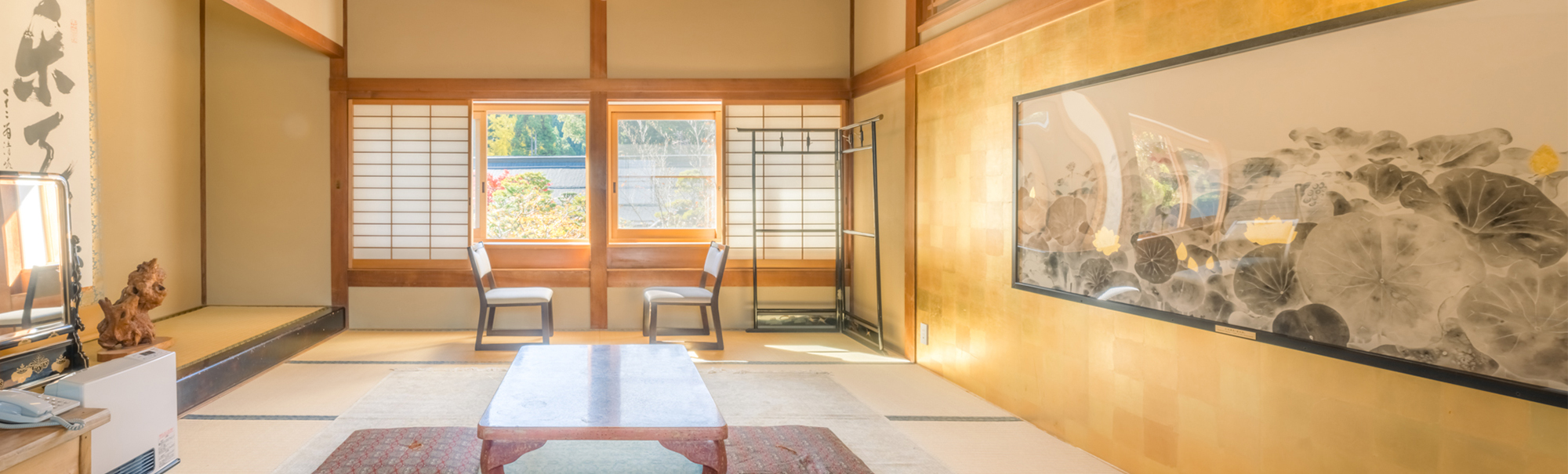 Photo: Eko-in (ekoin.jp)
Ask a hundred foreign travellers why they never booked a shukubo (a stay inside a working Buddhist temple) and almost all of them give the same answer: they were worried no one would speak English. Not the room. Not the food. Not the early bedtime. The language barrier is the silent dealbreaker that quietly removes the most memorable form of Japanese lodging from most travel itineraries.
The good news is that the worry is largely outdated. Across Japan’s roughly 500 active shukubo, a small but growing tier of temples now run real English support — English-speaking monks, English-explained ceremonies, English booking, English dietary intake. This guide names twelve of them, explains exactly what kind of English support each one offers, and helps you choose the right one for your travel style and Japanese ability (or lack of it).
The shift has been quiet but real. Twenty years ago, only a handful of Koyasan temples accepted foreign guests at all, and the experience was largely sit-and-observe — beautiful, but isolating. Today, several head priests are sons or grandsons of priests who saw the international interest coming, and they sent their successors abroad in their twenties to study at U.S., U.K., and Australian universities. Those monks have now returned, taken over the family temple, and built English programs from the inside. The list below is in large part a list of where those returning monks now serve.
Before the list, a definition. The phrase “English-friendly” gets used loosely on travel blogs, and it can mean wildly different things in practice. At one extreme, a shukubo may have nothing more than an English booking form on its website — once you arrive, every interaction is in Japanese. At the other extreme, a shukubo may have a fully bilingual resident monk who delivers an English dharma talk after morning service.
It helps to think of English support as a spectrum with four levels. Level 1 is English-only booking: the website and confirmation emails are in English, but staff on the ground speak limited English. Level 2 adds English check-in: a staff member at the front desk can walk you through your room, the bath schedule, and the morning service in clear English. Level 3 means an English-speaking monk is part of the regular team — useful for questions about Buddhist practice or local history. Level 4 is a structured English program: an English-explained Goma fire ceremony, English zazen guidance, or an English dharma talk built into the schedule.
All twelve temples on this list reach at least Level 2, and several reach Level 4. None of them require you to speak any Japanese at all.

The list below is ordered roughly by how deep the English support runs. The first few temples have full English programs and resident English-speaking monks. The lower entries have lighter support — solid English booking and a calm, internationally experienced front desk — but still work very well for travellers with zero Japanese.
Eko-in is the flagship English-friendly shukubo in Japan, and it has earned the reputation. The Shingon-sect temple on Mt. Koya offers an English-explained Goma fire ritual every morning, an English-guided Ajikan meditation session in the evening, and a night tour of the 1,200-year-old Okunoin cemetery led in English by a resident monk. Staff at check-in switch into English without hesitation, the room walkthrough is delivered in clear English, and the in-room information sheet covers everything from bath times to wifi in English.
If you have one night and want the highest probability of an English-rich shukubo experience, Eko-in is the safest single recommendation in this guide. The trade-off: it is also the most popular international shukubo on Koyasan, so book six to eight weeks ahead, and three months ahead in cherry blossom and autumn foliage seasons.
A typical Eko-in day for an international guest runs like this. Check in by 16:30. Join the English Ajikan meditation in the temple’s sub-hall at 16:30 or 17:00 — about 45 minutes of guided breath and visualisation practice with an English explanation of the underlying Shingon symbolism. Shojin ryori dinner in your room from around 17:30. The optional 19:00 Okunoin night tour, led in English by a resident monk, walks for about 90 minutes through Japan’s largest cemetery — over 200,000 tombs spread under towering cedars, including the mausoleum of Kukai. Lights out by 21:30. The morning Goma fire ritual starts at 06:30, with a clear English explanation delivered immediately afterward in the same hall.
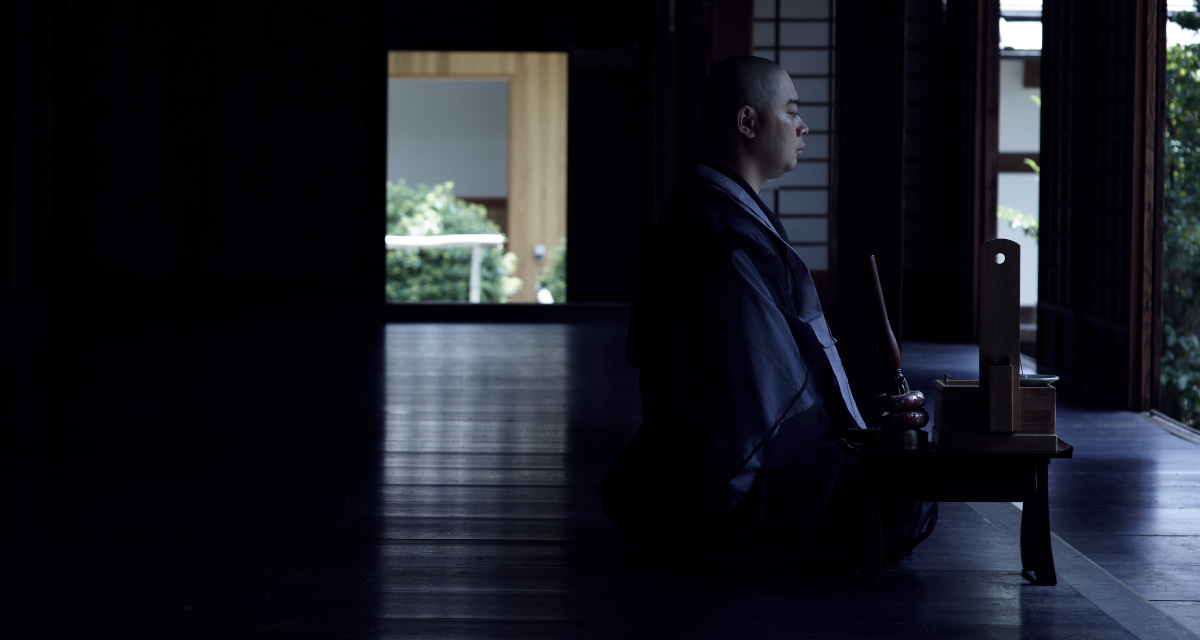
Shunkoin is a sub-temple of Myoshin-ji, the head temple of the Rinzai Zen school in northwest Kyoto. Its vice-abbot, Rev. Takafumi Kawakami, was educated at Arizona State University and runs the temple’s zen meditation programs almost entirely in English. The standard offering is a 90-minute English zazen session that combines a sitting meditation, a walking meditation (kinhin), and a short English dharma talk on Zen practice in modern life.
Overnight guests stay in a traditional Japanese-style room within the temple grounds and join the English zazen the following morning. Rev. Kawakami has hosted English-language programs for over a decade and the temple website, booking form, dietary intake, and dharma talk are all in fluent English. For travellers who specifically want Zen rather than the esoteric Shingon of Koyasan, Shunkoin is the clearest first stop.
Shunkoin also has the advantage of central location. Myoshin-ji’s precinct is a 25-minute train ride from Kyoto Station and walkable from Ryoan-ji and Kinkaku-ji, which means you can fold a shukubo night into a city sightseeing itinerary without losing a day to travel. The temple grounds themselves are quietly historic — Shunkoin was founded in 1590 and houses several important Edo-period painted screens — but the building is small and intimate enough that the experience never feels touristic.
Fukuchi-in is the most “international-hotel-like” of the major Koyasan shukubo, and that is meant as a compliment for travellers who want a softer landing. The temple maintains an English website, English email reservation handling, and a multilingual front desk that handles thousands of foreign guests per year. Rooms come with private en-suite bathrooms — rare among traditional shukubo — and the temple operates its own onsen-style hot-spring bath fed by Koyasan’s mineral water.
The English support at Fukuchi-in is concentrated at booking and check-in rather than during the morning service itself, which remains a traditional Shingon liturgy in Japanese and Sanskrit. But for travellers who want a comfortable, well-managed first shukubo with a hot bath and reliable English communication, Fukuchi-in is the obvious choice on Mt. Koya. The temple’s shojin ryori dinner is also unusually elaborate by shukubo standards — typically ten or twelve small courses — and the kitchen handles vegan, gluten-free, and common allergy requests reliably when noted at booking.
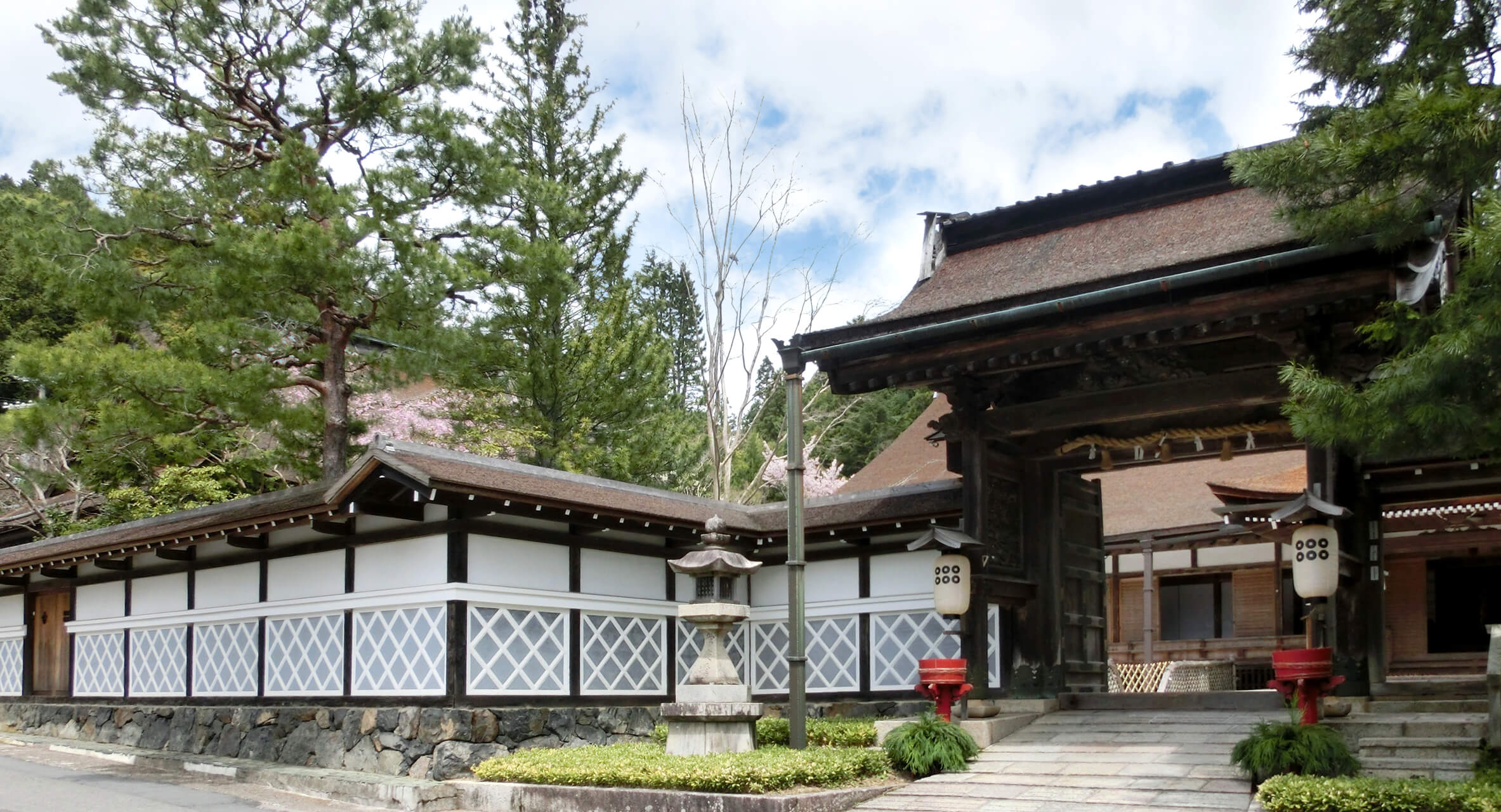
Founded in 1190, Rengejo-in has one of the longest track records of any Koyasan shukubo in welcoming foreign guests. The temple has been quietly accepting international visitors for decades, which means the staff are unflappable about every kind of dietary request, late train, and cultural question. Multiple staff members speak conversational English, the booking form and confirmation are bilingual, and the head priest is known for taking time to chat with foreign guests over tea in the evening.
Rengejo-in is less polished than Eko-in and less hotel-like than Fukuchi-in, but it offers something neither of them does: a calmer, less touristed atmosphere with a stronger sense of an old working temple. If you want the traditional Koyasan shukubo experience without the language stress, this is the pick. The temple’s main hall, repeatedly rebuilt over its eight centuries of operation, retains a quietness that the larger commercial shukubo on Koyasan have started to lose; the morning service in particular feels closer to what a Heian-era pilgrim would have witnessed than to a modern cultural performance.

Enryakuji Kaikan is the visitor lodge attached to Enryaku-ji, the UNESCO World Heritage head temple of the Tendai school on Mt. Hiei outside Kyoto. The lodge is larger and more hotel-shaped than a typical shukubo — think 70 rooms, an elevator, and a proper front desk — but it sits inside one of the most historically significant Buddhist complexes in Japan. English brochures cover the temple’s 1,200-year history, and the front desk arranges English-language temple tours led by trained guides for groups booking in advance.
The morning service at Enryaku-ji is itself open to overnight guests and conducted in Japanese, but the lodge provides an English explanation sheet so foreign guests understand the structure of the Tendai liturgy. As a base for exploring Mt. Hiei’s scattered temple precincts, Enryakuji Kaikan is by far the most English-comfortable option. Mt. Hiei is also unusual in that its temple complex is genuinely scattered across an entire mountain — the three main precincts (Toto, Saito, and Yokawa) sit kilometres apart, connected by buses and walking paths. The lodge sits centrally in the Toto precinct, with a same-day return shuttle to the other two for guests staying multiple nights.
Chion-in is the head temple of the Jodo (Pure Land) school and one of central Kyoto’s most photographed temple complexes. Wajun Kaikan is its in-precinct lodging facility, a short walk from the famous Sanmon gate. The front desk handles English check-in fluently, English brochures explain the Pure Land tradition and the temple’s role in Japanese Buddhist history, and the location — central Kyoto, walkable to Gion — makes it unusually convenient for travellers who want a temple stay without leaving the city.
The English support here is concentrated at the front desk and in the printed materials rather than during the morning service. But for first-time shukubo guests who want to be within ten minutes of Kyoto’s main sightseeing core, Chion-in’s lodging is the city’s most accessible Pure Land option.
Hakujukan sits directly adjacent to Eihei-ji, the great Soto Zen monastery founded by Dogen in 1244. Technically a boutique hotel rather than a temple-run shukubo, Hakujukan is included on this list because it operates as a shukubo-style cultural lodging: guests can join Eihei-ji’s morning service, attend zazen led by Hakujukan staff in collaboration with the monastery, and eat shojin ryori meals prepared in the Eihei-ji tradition.
The hotel has English-speaking concierge staff, an English website, and English explanation materials for both the temple visit and the zazen sessions. For travellers who want serious Soto Zen exposure without the austere overnight conditions of a true monastery stay, Hakujukan is the most English-comfortable gateway to Eihei-ji available today. The trade-off is that Hakujukan is more expensive than a typical Koyasan shukubo — rooms typically run ¥35,000 to ¥55,000 per person per night including meals — and the experience leans more toward a refined cultural hotel than a working temple. For travellers who want a deeper monastic experience, Eihei-ji Sanro (below) is the more authentic option.
Takaosan Yakuo-in is a Shingon temple on Mt. Takao, an hour from central Tokyo by train. Daihonbo is its main lodging building, used for both pilgrim accommodation and shojin ryori dining. The temple produces English brochures for international visitors and has staff who can handle English check-in for overnight guests, with the major draw being location: Takaosan is the most accessible mountain shukubo for anyone based in Tokyo.
Many Tokyo-based foreigners use Takaosan for a one-night taste of shukubo life without committing to the Koyasan or Eiheiji journey. The English support is lighter than what you find on Mt. Koya, but the front desk is used to international hikers and pilgrims, and a calm smile plus a translation app handles anything the English brochures do not cover. Takaosan also offers a rare urban-Buddhist contrast: the Yakuo-in main hall has been an active site of Shugendo mountain-ascetic practice since the 8th century, and the temple still performs an annual fire-walking ritual (Hiwatari-sai) every March that draws international observers.
Henjoson-in is a mid-sized Koyasan shukubo that operates an English-language online booking system and accepts written English questions by email. On the ground, the temple has one or two staff members with conversational English, and the priest typically uses a mix of simple English and gesture to handle the room walkthrough and morning service introduction.
Henjoson-in is the right pick for travellers who are happy with light English support but want a smaller, more intimate temple than the larger Koyasan shukubo. The morning service is conducted in Japanese without English explanation, so you sit and observe — for some travellers that is exactly the point. Returning guests sometimes describe the experience as the calmest of all the Koyasan options on this list, precisely because the staff are not constantly switching into performance mode for international visitors.

Eihei-ji Sanro is the official pilgrim lodging operated by Eihei-ji itself, and it is the most authentic Soto Zen monastic stay open to outside guests in Japan. Sanro is the traditional Buddhist term for a structured monastic retreat, and that is exactly what the program offers: a one or two night stay following the monks’ own schedule, including 03:50 wake-up, full participation in morning service, and silent shojin ryori meals taken in the formal monastic style.
English support at Sanro is more limited than at Koyasan shukubo, but the temple has produced English orientation materials specifically because of growing demand from foreign guests, and a small number of monks have studied abroad and can explain the schedule in simple English. The experience is not gentle — this is real monastic training, not a cultural taster — but it works for committed travellers with zero Japanese. The Sanro program intentionally avoids the comfort-tourism feel of more polished shukubo: there is no wifi, no soft music, no flexible meal timing. You eat in silence, sit in seiza on a hard floor for chanted sutras, and clean your own dishes afterward. For travellers who specifically want the unadorned Soto Zen rhythm Dogen designed, Sanro is unmatched.
We have listed Chion-in above for its English check-in, but it earns a second mention as the most accessible Pure Land shukubo for English speakers. The Pure Land tradition (Jodo) is the largest Buddhist school in Japan by adherents, yet most English shukubo coverage focuses on the Shingon of Koyasan or the Zen of Kyoto. If you want exposure specifically to Pure Land practice — chanting the nembutsu, the focus on Amida Buddha — Chion-in’s English brochures and English-speaking front desk make it the obvious starting point. The temple’s Sanmon gate, completed in 1621, is also the largest wooden temple gate in Japan; the daily walk under it on the way back to your room is one of the experience’s quieter pleasures.
Beyond the named eleven above, a twelfth category deserves attention: temples where one or two resident monks studied abroad and quietly handle English communication when international guests arrive. These temples often do not market themselves as English-friendly on the English-language web, but the experience on the ground is excellent. Rengejo-in, Henjoson-in, and several of the Koyasan and Kyoto temples on this list fall into this hidden tier — and a polite email in English before booking is usually enough to confirm that an English speaker will be on duty during your stay.
The hidden tier is also where the most interesting conversations happen. A returning monk who has spent five years at a U.S. university and then come back to a small Koyasan sub-temple has a perspective on both Buddhist practice and Western life that no purely domestic priest can offer. If you are willing to email three or four temples a month before your stay, you can often find one of these monks, and the resulting conversations over evening tea are frequently the part of a shukubo stay that travellers remember years later.
To make the levels concrete, here is a quick map of how each of the twelve temples lands on the four-level spectrum introduced earlier. Use it to match your own travel style and Japanese ability to the right shukubo.
Level 4 (structured English program): Eko-in, Shunkoin. Level 3 (English-speaking monk on staff): Fukuchi-in, Rengejo-in, Enryakuji Kaikan, Hakujukan. Level 2 (English check-in and English materials): Chion-in Wajun Kaikan, Takaosan Yakuoin Daihonbo, Henjoson-in, Eihei-ji Sanro. Hidden tier (returning English-speaking monks not marketed online): present at multiple Koyasan temples; confirm by email before booking.
A useful rule of thumb: if it is your first shukubo and you have zero Japanese, start at Level 3 or 4. If you have already done one shukubo and want a quieter, more traditional second stay, Level 2 is fine and often more memorable. The structured English programs at Eko-in and Shunkoin are genuinely excellent, but they also draw the largest international crowds — there is a real trade-off between English support and crowd density.
Another useful framing: think about what you specifically want explained in English. If you want the Goma fire ritual broken down line by line, only Eko-in delivers that. If you want a proper Zen dharma talk in English, only Shunkoin delivers that. If you want a comfortable bilingual check-in and a great shojin ryori dinner without active programming, Fukuchi-in or Rengejo-in are the picks. If you want central Kyoto convenience, Chion-in Wajun Kaikan. If you want a Tokyo day trip, Takaosan. Matching what you want explained to which temple actually explains it is the single biggest decision in this guide.
All twelve temples on this list can be booked in one of three ways: direct via the temple website, via a Japan-focused booking aggregator such as Japanican or Rakuten Travel (some of which now have English interfaces), or via international meta-search platforms like Stay22, Trip.com, Booking.com, and Expedia. Direct booking is almost always cheaper and gives the temple full visibility into your dietary requests; meta-search is more convenient if you are stringing together multiple nights of accommodation in one platform.
For first-time shukubo bookers, the safest single approach is to use the temple’s own English website if it has one, and to write any dietary requirements in plain English directly into the booking notes. “No fish (allergy)” or “vegan, no dashi please” works better than long sentences. The temples on this list are used to international guests and will respect clearly written requests; they are less reliable at decoding subtle implications.
Confirmation emails from Japanese shukubo can also look surprisingly terse to travellers used to multi-page hotel confirmations. A typical Koyasan shukubo confirmation is two or three short paragraphs: dates, room type, total amount, check-in time, a request to arrive by a specific hour, and a contact phone number. There is no detailed cancellation table, no upsell, no QR-code mobile pass. If you have not received what feels like a “real” confirmation within 48 hours of booking, send a polite follow-up email — most temples handle reservations manually and replies can lag during busy weeks.
Tip
Book at least six to eight weeks ahead for Eko-in and Shunkoin in any season, and three to four months ahead for cherry blossom (late March to early April), Golden Week (early May), Obon (mid August), and autumn foliage (mid October to mid November).
At an English-friendly shukubo, the check-in feels closer to a small ryokan than to a hotel. A young monk or staff member meets you at the entrance, palms pressed together in the gassho greeting, and asks you to remove your shoes. At Level 3 and 4 temples, the next sentences will be in clear English: a brief room walkthrough, the bath schedule, the morning service time, and where to find tea, water, and the toilet.
Useful phrases the monk or staff may use: “please remove your shoes here,” “the bath is open from four to nine,” “the morning service starts at six,” “breakfast is served in your room at seven thirty.” You are not expected to respond in Japanese — a calm smile, a “thank you,” and a small bow at the end of the explanation get you 90 percent of the way through any shukubo check-in. The temples on this list are used to international guests and the staff have heard every accent.
One subtle thing that surprises some first-time guests: the staff member who walks you to your room may also be the priest leading the morning service the next day. Shukubo are not staffed in the layered way a hotel is; the head priest, his family, and one or two apprentice monks often handle every role from check-in to cooking to chanting. This is part of the charm and one reason the language barrier feels smaller than expected: the people you are dealing with are the same three or four people throughout the stay, and by the second meal they remember your name.
If you want to attend a shukubo not on this list — perhaps a small temple recommended by a Japanese friend, or a temple with a particular sectarian tradition you are studying — and you do not speak Japanese, hiring a translator for the first afternoon and evening is a viable option. Koyasan and Kyoto both have paid English-speaking guide services that will accompany guests for the check-in, the temple tour, and dinner; rates run roughly ¥20,000 to ¥40,000 for a half-day depending on the guide’s qualifications.
A lower-cost option is the SGG (Systematized Goodwill Guides) volunteer network, which operates in most major Japanese cities. SGG guides are unpaid amateurs who volunteer their time to practice English with foreign visitors; they will not translate complex Buddhist concepts but will handle the practical communication of a shukubo arrival comfortably. Book a guide at least two to three weeks in advance via the local SGG chapter website.
A third path worth knowing about is the network of independent English-speaking Buddhist guides who specialise in pilgrimage routes — the Kumano Kodo, the 88-temple Shikoku circuit, the Saigoku Kannon route. Several of these guides offer half-day or full-day arrangements that include a shukubo stay along the route, and they handle every language interaction themselves. Rates run roughly ¥30,000 to ¥60,000 per day for a private guide; the experience is correspondingly deeper than what a translator-only service provides, because the guide is themselves a long-time student of the tradition you are visiting.

No. Koyasan has 52 shukubo in total, but only about 15 of them actively market to and accommodate English-speaking guests. The remaining 37 cater primarily to domestic Japanese pilgrims and group bookings, and while they will not turn an international guest away, the on-the-ground experience can be communication-heavy and stressful for travellers with zero Japanese. The list above is your safest filter.
No, and you should not expect it to be. The morning service at every shukubo on this list is conducted in Japanese, Classical Chinese, and Sanskrit, exactly as it has been for centuries. What the English-friendly temples add is a short English explanation either before or after the ceremony, so foreign guests understand the structure, the meaning of the main chants, and the role of any ritual implements they see used. The ceremony itself remains a traditional Buddhist liturgy, not a multilingual performance.
Yes, but bring tools. Many Zen temples across Japan offer drop-in zazen sessions for the public, and most welcome foreign participants even without prior arrangement. If the temple is not on an English-friendly list, install a translation app such as DeepL or Google Translate before you go, learn the words for “sit,” “stand,” and “bow,” and arrive 15 minutes early so a staff member can mime the seated posture for you. The actual zazen is silent — language matters only at the bookends.
All twelve temples on this list work for travellers with zero Japanese. The Level 3 and Level 4 temples (Eko-in, Shunkoin, Fukuchi-in, Rengejo-in, Enryakuji Kaikan, Hakujukan) are the most comfortable starting points; the Level 2 temples will require slightly more reliance on translation apps and on the temple’s English written materials, but no temple on this list will leave you stranded. The harder question is what happens at temples NOT on this list, where the answer is honestly: it depends, and a translator or app is essential.
Marginally. The English-friendly tier of shukubo typically charges ¥2,000 to ¥4,000 per person per night more than purely domestic-focused shukubo, reflecting the cost of bilingual staff, English booking platforms, and English materials. The base rate at a Level 3 or 4 Koyasan shukubo runs roughly ¥18,000 to ¥28,000 per person per night including dinner and breakfast; the equivalent domestic-only temple runs ¥14,000 to ¥22,000. The English support is, in our view, well worth the premium for first-time guests.
It varies by temple. At Shunkoin, Rev. Takafumi Kawakami is resident and runs programs himself. At Eko-in, multiple bilingual monks are on the regular rota, so an English speaker is essentially always available. At smaller temples on this list, the English-speaking monk may be a returning practitioner who studied abroad and is on duty only certain days of the week. If guaranteed English-speaking monk presence matters for your specific stay date, email the temple a week ahead to confirm rota coverage.
Older children (roughly age 8 and up) are welcome at all twelve temples on this list, although the early bedtime, paper walls, and structured rhythm of the day mean younger toddlers are usually a poor fit. Eko-in, Fukuchi-in, and Hakujukan are the most child-comfortable options, with larger rooms and slightly more flexible meal timing. Mention children’s ages and any dietary needs at the time of booking.
Photography rules vary by temple but lean conservative across the English-friendly tier. The general default is no photography inside the main hall during the morning service, with most temples allowing photos of the hall before or after the ceremony. Eko-in and a few others permit photography of the Goma flames at specific moments, announced in English by the staff member at the door. Always ask before raising a phone or camera; the answer at most temples is a quiet but firm no during chanting, and a relaxed yes at almost every other moment of the stay.
Tip
Book at least six to eight weeks ahead in any season, and three to four months ahead for cherry blossom, Golden Week, Obon, and autumn foliage. The English-friendly tier is the smallest and most internationally competed-for slice of shukubo inventory in Japan.
Tip
Write dietary needs in plain English at the time of booking. Use short, direct sentences: "vegan, no dashi" or "no fish, allergy." Long sentences and subtle implications do not survive translation; clear single-clause requests do.
Tip
Install DeepL or Google Translate before you arrive, and download the Japanese offline pack. Even at Level 4 temples, the bathhouse signage, posted bath schedule, and emergency exit notices are often Japanese-only — a quick camera-translate handles them in seconds.
Tip
Bring a small gift (omiyage) if you are visiting a smaller temple on the lighter end of the English-friendly tier. A boxed sweet from your home country, presented at check-in with a short thank-you, is a quiet way to acknowledge that the temple is going out of its way to host an international guest.
Tip
Cash is still expected at most shukubo for the final payment, even at the more international temples. ATMs on Koyasan and at smaller temple villages are limited; withdraw enough cash in Osaka or Kyoto before you depart.
The language barrier at Japanese temples is real, but it is solvable, and the twelve temples on this list have spent years proving it. Eko-in’s English Goma, Shunkoin’s English zazen, Fukuchi-in’s English front desk, Hakujukan’s English concierge — none of these existed in any structured form thirty years ago, and they are still expanding today. A first-time shukubo guest with zero Japanese can walk into any of the twelve temples here and have a calm, well-explained, deeply memorable night.
If you have been holding off on a shukubo because you were worried about the language, pick one temple from the Level 3 or Level 4 tier above, book it tonight for six weeks out, and write your dietary needs in plain English in the notes field. Everything else — the futon, the bath, the dawn bell, the slow shojin ryori breakfast — the temple will handle. The barrier you were worried about turns out to be a door, and a small number of monks have spent careers making sure it opens.
And once you have done one shukubo, the next becomes easier. The rhythm carries over, the vocabulary settles in, and by your second or third stay you may find yourself preferring the smaller, more austere temples where the English support thins out and the silence deepens. That is the quiet pattern this list ultimately points toward: a first stay at a Level 3 or Level 4 temple to learn the form, then a second at a smaller Level 2 temple to live in it. Both are within reach. Both have been waiting for over a thousand years.
Ready to book?
Browse our curated collection of authentic Buddhist temple stays across Japan. Filter by region, sect, and experience.
Start ExploringRecommended Temples for This Guide
恵光院
A flagship Koyasan shukubo with English-guided Goma fire ceremony, Ajikan meditation, and nightly Okunoin tours.
from $130 /per night
春光院
Kyoto's most internationally renowned Zen shukubo, offering English-led meditation classes and modern en-suite rooms inside a 1590 Myoshin-ji sub-temple.
from $60 /per night

福智院
The only Koyasan shukubo with a natural hot spring, three Mirei Shigemori gardens, and refined shojin ryori.
from $175 /per night
蓮華定院
A Sanada-family bodaiji shukubo on Mt. Koya with English-speaking monks, just 13 rooms, and a strong samurai-era heritage.
from $230 /per night

延暦寺会館
The only shukubo on Mt. Hiei, located inside UNESCO-listed Enryaku-ji with a 6:30 morning service in the National Treasure Konponchudo and panoramic Lake Biwa views.
from $130 /per night
Explore Destinations

