
|
|
|
|
|
|
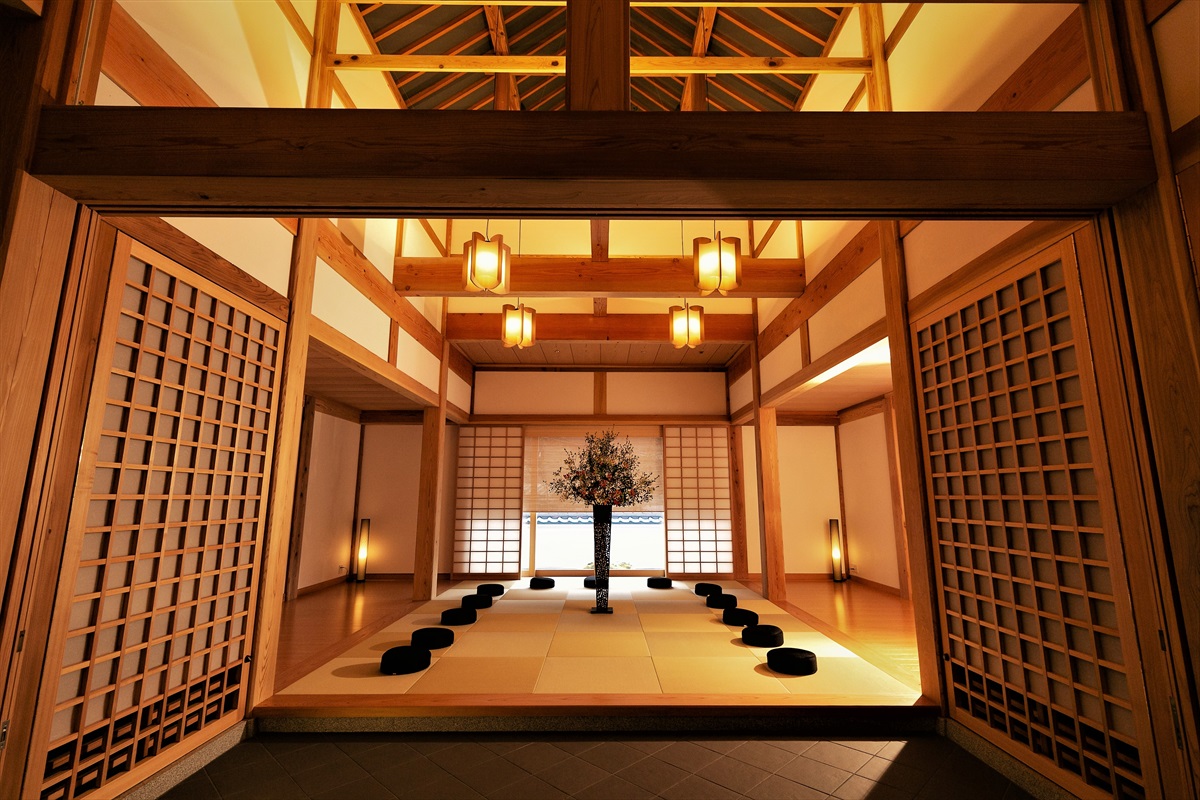 Photo: Hakujukan Eiheiji (hakujukan-eiheiji.jp)
Most online guidance about temple stays in Japan either skips children entirely or warns you off them. Both responses overshoot the truth. The honest answer is that a shukubo can work very well with the right kid at the right temple — and is genuinely a poor fit for toddlers and the kind of seven-year-old who treats every hallway as a running track. The difference between a memorable family night at a temple and a stressful one is mostly choosing well, briefing your child before arrival, and adjusting your expectations of what an overnight with monks actually involves.
We have hosted family-related questions on this site for two years and the same patterns come up over and over. Parents ask whether their five-year-old can come along. Whether a baby can sleep on a futon. Whether the monks will be cross when a child fidgets through the morning chanting. The short answers below are: usually no for the five-year-old at most temples, technically yes but not recommended for the baby, and almost never for the monks. The longer answers — which temples to pick, what to pack, how to frame the visit for your child — are what this guide is for. Read it as parent-to-parent advice rather than as travel marketing; we will be willing to say several times that something will not work, because the alternative (a long, expensive, badly chosen night) is the worse outcome.
Every age conversation about shukubo eventually collapses into one of three brackets. Pretending all children are equal here is unhelpful. The structure of a temple day — early bedtime, quiet halls, formal seated meals, paper walls — is much friendlier to certain ages than to others.
Under 5 — genuinely hard. If your child is under five, a shukubo is probably the wrong choice. The 21:00 lights-out lands during the typical toddler meltdown window. The walls are paper-thin shoji panels, so the next room hears every cry. Meals are served formally on lacquerware that a two-year-old will try to redistribute across the tatami. There is rarely a high chair, almost never a baby bath, and the bathroom is often down a long unlit corridor. Unless your toddler is unusually placid and you genuinely do not mind a hard night, skip this stage and revisit when they are older. Postponing the experience by two years will not diminish it; the temples are not going anywhere, and a calm five-year-old will get more out of the morning service than an anxious three-year-old who spent the previous evening crying into a futon. We hear from a small number of parents who insisted on bringing a toddler and reported a wonderful night, but they are the exception, and most write back later to say they would not repeat it.
Ages 5 to 8 — possible at the right temple. This is the bracket where temple choice matters most. A five- to eight-year-old can have a wonderful shukubo night if the temple offers some combination of larger family rooms, a private dining option, English-speaking staff, a yard or grounds where a child can burn off energy between check-in and dinner, and flexible bath scheduling. Without those features, the same age group can produce a fairly miserable evening for everyone, including the next-door guests. The big Koyasan temples and Hakujukan in Eiheiji are the safest bets in this age band. Within Koyasan, Eko-in and Fukuchi-in handle this age band with consistent good humour; Rengejo-in is more classical and slightly less forgiving of fidget. Children at the younger end of this bracket also benefit hugely from an afternoon arrival rather than an evening one — give them three hours to acclimatise to the temple before dinner and the meal itself will go far better.
Ages 9 to 14 — the sweet spot. Children in this band tend to love a shukubo, and they will talk about it years later. The novelty of sleeping on a futon on the floor, eating what is half-jokingly called monk food, waking up to a wooden bell instead of an alarm, and hearing real chanting in a 1,000-year-old hall lands directly in the part of a 10-year-old's brain that loves the slightly surreal. Older children also begin to register the cultural texture — the difference between Shingon Buddhism and Zen, the meaning of the Goma fire ritual at Eko-in, the strange beauty of a Japanese cemetery walk at dusk. If you have one age band to optimise for, this is it; the temple stays in this bracket consistently come back as the most-mentioned part of a family Japan trip a year later.
Teenagers 15 and up — depends on buy-in. Teenagers split sharply. A teenager with any interest in Buddhism, Japanese martial arts, anime backstory, or history will treat a shukubo as one of the most distinctive nights of the trip. A teenager dragged along against their will may be visibly bored, and the quiet evenings without wifi will not help. Have the conversation honestly before booking. If your teenager opts in, you will get a memorable family experience; if they have already vetoed it, do not force it. A useful middle path with reluctant teenagers is to pair the shukubo night with something the teen has chosen — a day in Osaka before, a Studio Ghibli museum visit after, an afternoon at a Kyoto arcade. The temple becomes one notable evening in a wider trip, not a punishment imposed on them by parents.

Once you understand the age fit, the next step is filtering temples by their actual ability to host a family. Not every shukubo is set up for it. A small countryside temple with eight 6-tatami rooms and a communal dining hall can be wonderful for a solo traveller and uncomfortable for a parent with two children. The features that actually matter are practical, not romantic.
Larger room types are the first filter. Some shukubo offer 8-tatami or 10-tatami family rooms; many smaller temples only have 6-tatami rooms, which means a family of four sleeping shoulder to shoulder with no space to move. Private dining is the second. A noisy seven-year-old in a shared dining hall surrounded by silent older Japanese guests is a setup for parental tension. Temples like Fukuchi-in and Hakujukan offer private meal rooms by request, which removes the social pressure entirely. English-speaking staff matter more for families than for solo travellers — when your child is in a bath line, in tears, or refusing to eat the sesame tofu, you need to be able to communicate quickly and precisely with the temple. A shorter or optional morning service is also a real plus, at most family-friendly shukubo parents can opt one out of the 06:00 ceremony to stay in the room with a sleeping child and nobody comments. Finally, grounds: a yard, garden, or temple precinct large enough to walk for 20 minutes before dinner can be the difference between a calm evening meal and a fidget contest. The classic combination — large room, private dining, English staff, walkable grounds — is held in full by perhaps six or seven temples nationwide. For families with kids under nine, the full set matters and is worth paying extra for.
Tip
When booking, explicitly ask: is there a family room (8-tatami or larger)? Can we eat in our own room? Is the morning service optional? Will one parent be allowed to skip it to stay with a younger child? Get the answers in writing.
These six temples are the ones we point parents towards first. They are not the only family-friendly options in Japan, but they are the ones we have the most direct evidence for, and they cover three of the country's most kid-compatible regions: Koyasan, Eiheiji, and the wider Kyoto–Nikko corridor.
Eko-in (Koyasan) is the most internationally experienced temple in Koyasan and the safest entry-level choice for English-speaking families. The morning Goma fire ceremony is explained in English by the head priest, which actually holds the attention of older children — the live fire, drumming, and chanting are dramatic enough to feel less like a religious service and more like a piece of theatre with substance behind it. The temple grounds are larger than most, which gives families room to move between meals, and the evening Okunoin cemetery night tour is well-suited to children aged eight and up. Family-experienced staff means dietary questions are handled smoothly, room arrangements for families of four or five are common, and any awkward moment with a tired child is met with patience rather than visible discomfort. If you are travelling with kids and want one shukubo recommendation in Japan, Eko-in is the default answer. The English booking form lists family-room options directly, the kitchen will accommodate child-friendly portion sizes on request, and the staff are used to handling guests who have never previously slept on a futon or sat through a Buddhist service in their lives.
Fukuchi-in (Koyasan) has a secret weapon for families: its in-house onsen, a natural hot spring bath inside the temple itself. For children who need a long, warm wind-down before bed, this is a huge advantage over temples that only offer a basic shared bath on a tight schedule. The building is also one of the larger shukubo on Mt. Koya, with multiple guest wings, which means more separation from other guests and a lower chance that your child's bedtime noise is somebody else's problem. Private dining is available on request, several rooms have en-suite bathrooms (rare in shukubo and very welcome for families), and the temple has a quiet inner garden that is genuinely nice to walk through with a child before dinner. The trade-off is that Fukuchi-in books out faster than Eko-in; reserve three months ahead in spring and autumn, and four months ahead for an en-suite family room during cherry blossom or autumn foliage season.
Hakujukan (Eiheiji) is the closest thing in Japan to a boutique hotel that happens to be next to a temple. Located at the gate of Eiheiji, the great Zen monastery in Fukui, it offers all the temple-stay program elements — morning zazen, Zen instruction, shojin ryori — with a comfort level closer to a small modern ryokan. The rooms are larger, the beds are real Western-style beds in many room categories, and the kitchen will accommodate non-vegetarian options for children on request. For families with picky eaters who would struggle with a full shojin ryori menu, this is the easiest soft landing in Japan. The Zen program at the next-door monastery is genuinely substantial — you get the spiritual content without forcing your seven-year-old to eat fermented vegetables in silence. Hakujukan also offers shorter introductory meditation sessions that work for children as young as eight, with a guide who actually speaks English, which is unusual at temples of this stature.
Enryakuji Kaikan (Hieizan) is the visitor lodge of the headquarters temple of Tendai Buddhism, on Mt. Hiei outside Kyoto. It is a large facility — more like a small hotel attached to the temple complex than a tiny family-run shukubo — which is exactly why it works for families. More bedrooms means more noise tolerance, and a dedicated daily program for guests means you have a structured plan rather than an open evening to manage with a bored child. The temple complex itself is a UNESCO site and spreads across an entire mountainside, with three main precincts to explore by shuttle. The food is more like buffet-style cafeteria shojin ryori than the formal kaiseki-style meals at Koyasan, which children often handle more easily — kids can pick what they actually want rather than confronting a fixed lacquered tray. Access from Kyoto is half the appeal: a city bus to the foot of the mountain, then a cable car up and a ropeway across, plus the option of a forest shuttle within the precincts. Each leg is a small event in itself.
Rinno-ji (Nikko) is the Tendai head temple in Nikko, and its shukubo accommodation sits inside one of Japan's most family-tolerant tourist regions. Nikko is set up for families in a way that Koyasan is not: Edo Wonderland (a samurai-era theme park) is 30 minutes away, Lake Chuzenji has boat rides and easy walks, the Toshogu shrine complex is visually spectacular without requiring much patience, and the Kegon Falls are a quick cable-car descent. A Nikko shukubo lets you anchor a family trip with one cultural night without committing the entire itinerary to monastic quiet. Practically, this also means children at Rinno-ji are simply more common than in some of the more remote shukubo, and the staff are used to families in motion. The Nikko shukubo experience is also slightly less austere than Koyasan or Eiheiji — fewer rules about meal silence, more relaxed bath schedules, easier to combine with a regular tourist itinerary.
Chion-in Wajun Kaikan (Kyoto) is the guest lodge attached to Chion-in, the head temple of Jodo-shu Buddhism, in central Kyoto. The location is what makes it work for families: walking distance from Yasaka Shrine, Maruyama Park, the Higashiyama old town, and the night-lit Yasaka pagoda — meaning you can combine a temple-stay evening with completely normal Kyoto family sightseeing during the day. Other Kyoto shukubo can require a half-hour bus ride to get to anything kid-friendly; here you walk out the gate into the city. Rooms are simple Japanese style, meals are honest shojin ryori, and the morning service in Chion-in's vast main hall — one of the largest wooden temple buildings in Japan — is impressive on a scale that an eight-year-old will register immediately. The temple's giant Sanmon gate (the largest in Japan, 24 metres tall) sits between the lodge and Yasaka Shrine, and walking through it at dawn is a moment most children remember vividly.


The single biggest predictor of a calm shukubo evening with children is the briefing you give them in the days before arrival. Most kids respond well to this framing: this is a place where the people who live here pray for hours every day, so we will be quiet and slow, like in a library, but it is also somebody's home. That single sentence does most of the work. It explains the quiet without making it feel like a punishment, and it gives a child a model — library + home — that they already know how to behave in. Then add the specifics. You will sleep on a futon on the floor, which is fun. The bedtime is earlier than normal. There is a wake-up bell. There is a morning chanting ceremony that you can come to or skip — but it is one of the most interesting parts. The food will be vegetarian and arrive in many small bowls; you can try everything, and we have brought snacks for anything you do not like. Most children, given this framing, arrive curious rather than anxious. The mystery is removed without flattening the novelty. Some parents also find it helpful to read one or two short illustrated stories about Japanese Buddhism in the week before the trip — a children's book about Kukai (the founder of Koyasan) or a picture book about a Zen monk's day works well, and gives the child a face to attach the chanting to once they actually hear it.
Two nights is the right length for a first family shukubo. One night feels rushed; three starts to drag for younger children. Here is a workable schedule we have refined with several families over the past two years.
Day 1: Travel from Osaka or Kyoto in the morning. Arrive at Koyasan around 14:00, check in at 15:00. Take the first family bath together at 16:00 (most family-friendly Koyasan temples offer a private bath slot for families on request). Walk the temple grounds for 30 to 45 minutes before dinner so the kids are physically tired. Dinner at 18:00 in your room. Quiet reading, cards, or a downloaded show on a tablet until lights out at 21:00. If you arrive earlier — say, 12:30 — drop bags at the temple, get lunch in town, and visit one of the smaller sub-temples or the Garan precinct before check-in proper. The mountain itself is the main draw and worth giving time to.
Day 2: Morning service at 06:00 — bring the older kids, leave the youngest sleeping with one parent if needed. Breakfast at 07:30. Walk Okunoin cemetery from 09:00 to 11:00; this is the centrepiece of Koyasan and works for any age above five who can walk for two hours. Lunch in town at one of the small cafes. Afternoon visit to Kongobu-ji temple (the Shingon headquarters) and the Garan precinct with its giant pagoda. Free time before dinner. Second dinner at 18:00, lights out at 21:00. Most families find day two settles into a much calmer rhythm than day one.
Day 3: Morning service is optional and most families with kids skip it on the second morning. Breakfast at 07:30, check out by 10:00, descend by cable car and train back to Osaka. By lunch you can be back in a city hotel for an afternoon nap. The downhill leg of the trip — cable car, then express train — has built-in passive entertainment value that even tired children appreciate, and it lets the parents decompress for two hours before the next stage of the itinerary.
Shojin ryori is Buddhist vegetarian cuisine: no meat, no fish, no garlic or onion, lots of seasonal vegetables, tofu in many forms, rice, miso soup, pickles, and often a tempura course. The flavours are mostly neutral, the portions are small, and the presentation is beautiful. As a rough rule, most kids over six will eat about 60 percent of what is served. They reliably like the rice, the tempura, the miso soup, and the seasonal fruit; they often skip the sesame tofu, the simmered roots, and anything fermented.
If your child will absolutely not eat any of those last categories, tell the temple at booking time. Many family-friendly shukubo can adjust — a plainer simmered dish, an extra rice ball, a piece of fruit instead of the umeboshi pickle. Bring familiar snacks as backup. Plain rice crackers, onigiri picked up at a convenience store before the cable car, and a packet of pretzels in the room are entirely acceptable and nobody will judge you for it. Hakujukan can prepare non-vegetarian options for children on request, which is a real advantage for picky eaters. Allergies need to be flagged in even firmer language; the kitchen can almost always work around sesame, soy, gluten, or nut allergies, but only if they know in advance. A vague mention at check-in is not enough — write it on the booking form, then send a confirmation email.
Tip
Send dietary needs in writing in English at booking time, then send a second confirmation email three days before arrival. Two written confirmations means it actually gets to the kitchen.
Ask any 10-year-old after a shukubo night what they remember and you get a fairly consistent list. The futons on the floor are described as fun, almost like camping indoors. The temple architecture — giant wooden beams, huge sliding doors, gold-leaf altars — is visually impressive in a way modern buildings are not. The bells and drums of the morning service are memorable, and the chanting itself, even when incomprehensible, has the kind of low rumble that children find satisfying. Hand-painted sliding doors are exciting to point at. Food served in many tiny bowls is treated as a game: open this one, taste that one, swap with your sister. The novelty itself is the appeal. Children spend most of their lives in buildings designed to look like every other building they have been in. A shukubo is not one of those buildings, and they register the difference instantly.
Set expectations honestly on the friction points as well. The gap between check-in and dinner can feel long for a six-year-old. The 21:00 bedtime is early by most modern family standards. The expectation of indoor calm — no running, no shouting, voices low in the hallway — is a real adjustment for energetic kids. Winter halls are cold; many older temples are heated only by small electric kotatsu or panel heaters, and the corridors are unheated. Wifi is variable and sometimes absent at smaller temples, and there are no televisions in most rooms. None of this is a deal-breaker if you have warned your child in advance. All of it is a problem if you spring it on them at 17:30. The single biggest lever is the briefing days before; the second biggest is bringing a small bag of analog entertainment (cards, a colouring book, a paperback) so screen-free time does not feel like deprivation.
Book the largest room type the temple offers. The marginal cost of an 8- or 10-tatami room over a 6-tatami room is usually small, and the extra floor space is the single biggest quality-of-life upgrade you can buy. Confirm in writing, before arrival, every detail that matters: dietary restrictions, allergies, family room preference, private dining if offered, English support level, bath schedule, and whether one parent can opt out of the morning service. Pack with the temple environment in mind. Bring extra socks — the halls are cold, and most shukubo prefer guests in socks rather than barefoot indoors. Bring a small night-light or use a phone torch on its dimmest setting; corridors at 3 a.m. are very dark and finding the shared bathroom without disturbing other guests is much easier with a soft light. Bring familiar snacks for your child, a small toy or two for room-time, and a deck of cards. Pre-load downloaded shows and games on a tablet; do not assume wifi will be reliable.
One parent on morning-service duty and the other parent staying in the room with a sleeping younger child is completely acceptable, and the temple expects this. Nobody will be offended. Swap roles on the second morning if you stay two nights — both parents get a turn at the chanting and both get a turn at the lie-in. Single parents travelling with kids work fine too; in our experience the temple staff are notably attentive to single-parent families and often quietly help with bath logistics or bag-carrying without being asked.
Tip
Pack one set of warm pyjamas per child even in summer. The temperature inside an old wooden temple at 5 a.m. is a full layer colder than the same hour in a modern hotel room.
Strollers are an awkward fit for most shukubo. There are entrance steps, tatami floors where wheels are not welcome, and narrow corridors that were not designed for prams. A baby carrier on your front or back is far easier than a stroller for getting around a temple precinct. If you must bring a stroller, plan to leave it folded at the entrance. Diapers are handled quietly by temple staff, but the situation is mildly awkward in a way that does not happen at a hotel. There is rarely a dedicated nappy bin, the bathroom is shared, and the room does not have its own toilet. Most shukubo will provide a sealed plastic bag on request.
Baby cribs are rare. You will co-sleep with an infant on the futon, which is workable but not ideal. Our honest recommendation: if your youngest child is under three, postpone the shukubo experience until they are older. The trip will be more enjoyable for everyone, and a temple night with a five-year-old will be a far better memory than a temple night with a fitful 18-month-old. Families with mixed ages — a baby plus older children — sometimes split, with one parent and the older kids doing the shukubo while the other parent and the baby stay at a nearby hotel. This works particularly well in Koyasan, where the small town has several non-temple guesthouses with cribs and laundry, and in Kyoto, where the family hotel options are abundant.
Will my child have to sit through the morning service? No. Attendance is optional at every family-friendly shukubo we know. One parent can attend and the other can stay in the room with a sleeping younger child. Can we have a private dining room? Sometimes. Fukuchi-in and Hakujukan offer private meal rooms by request; Eko-in serves meals in your guest room by default. Smaller temples often have only a shared dining hall, so always ask at booking. Will the monks be strict with my child? Very rarely. Most monks are warm and patient with children — they have hosted families for generations and they understand that a seven-year-old is a seven-year-old.
What if my child has a meltdown? Step outside or return to your room. Staff at family-experienced temples have seen every variety of child distress and are unfazed, and other guests are far more sympathetic than parents fear. Can we bring our toddler? Possible but not recommended — the 21:00 curfew, the formal meals, the paper walls, and the expectation of calm are all mismatched with toddler behaviour. Consider waiting until age five or six. Is there wifi? Variable. Larger Koyasan temples and most Tendai facilities have functional wifi in guest areas; smaller countryside temples may have nothing. Do not count on wifi for children's entertainment — download everything in advance.
Are there other families? Sometimes, especially during spring and summer school holidays in Japan, and increasingly during international school breaks in July, August, and the Christmas–New Year period. Your child may well meet other shukubo-staying children, which often makes the evening easier. Can grandparents join? Yes, and they often do — multi-generational shukubo trips work well because grandparents tend to genuinely enjoy the slow rhythm and quiet evenings, features that can frustrate energetic parents travelling alone with kids.
Tip
Pre-arrange dietary needs in writing in English at booking, then re-confirm three days before arrival. Two written confirmations is the threshold at which the kitchen actually adjusts.
Tip
Bring familiar snacks as backup — onigiri, plain rice crackers, fruit. Shojin ryori is delicious but unfamiliar, and a hungry child at 19:30 is a recipe for tears.
Tip
Dress in layers, even in summer. Temple halls and corridors run cold, particularly during the 06:00 morning service. Bring warm socks and a light cardigan for each child.
Tip
Prepare your child with the library-plus-someone-s-home framing several days before arrival. Walk them through what the day will look like, the wake-up bell, the futon, the early bedtime. Removing surprise removes most resistance.
Tip
Take a 30-minute daytime walk between check-in and dinner. Physically tired children sit through formal meals much more peacefully than fresh ones.
A shukubo with children is not a relaxing parental trip. The bedtime is earlier than yours, the meals are more formal, the wifi is less reliable, and the bath schedule will rearrange your evening. What it is, instead, is a memory-making one. The right age, the right temple, and honest expectations turn a single overnight at a Buddhist temple into one of the anchor experiences of your family's Japan trip — the night your children will describe to their cousins and remember without prompting.
Plan it for the right age, pick a temple that genuinely accommodates families, brief your child well, and lower your own expectations of comfort. Do those four things and the shukubo will do the rest. Most families who try it come down from the mountain saying the same thing first-time solo travellers say: they wish they had booked two nights instead of one. If this is your first shukubo as a family and you are within the easy age band (roughly 8 to 13), Eko-in or Fukuchi-in on Koyasan is the safest starting point. If your kids are younger or you want maximum comfort, Hakujukan in Eiheiji. If you are based in Kyoto and want to keep the rest of the itinerary normal, Chion-in Wajun Kaikan. Pick one, book the largest room they offer, and write to them in plain English with every question you have. The temple will do its part.
Ready to book?
Browse our curated collection of authentic Buddhist temple stays across Japan. Filter by region, sect, and experience.
Start ExploringRecommended Temples for This Guide
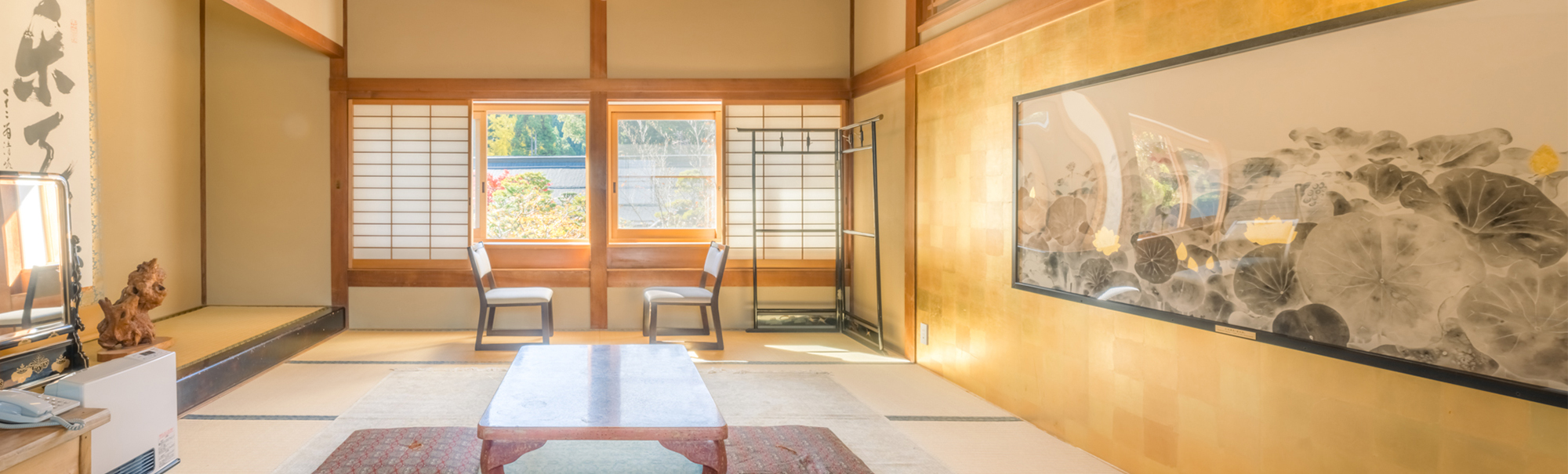
恵光院
A flagship Koyasan shukubo with English-guided Goma fire ceremony, Ajikan meditation, and nightly Okunoin tours.
from $130 /per night

福智院
The only Koyasan shukubo with a natural hot spring, three Mirei Shigemori gardens, and refined shojin ryori.
from $175 /per night
永平寺 親禅の宿 柏樹関
A modern Zen inn at the gate of Eiheiji, with 18 cedar-built rooms, evening zazen and access to the temple's pre-dawn morning service.
from $195 /per night

延暦寺会館
The only shukubo on Mt. Hiei, located inside UNESCO-listed Enryaku-ji with a 6:30 morning service in the National Treasure Konponchudo and panoramic Lake Biwa views.
from $130 /per night
Explore Destinations

