
|
|
|
|
|
|
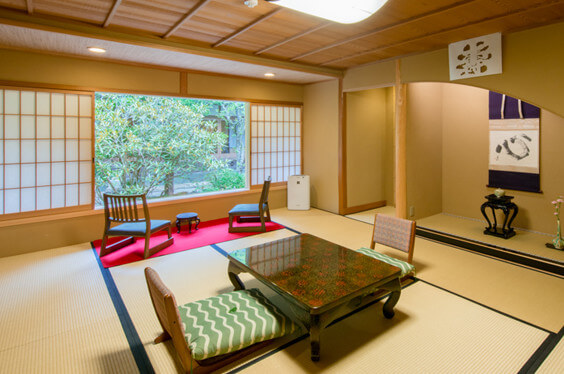 Photo: Ichijo-in Koyasan (itijyoin.or.jp)
When first-time shukubo guests email us before their trip, three questions come up over and over: how does the bath work, what is shojin ryori actually like, and — most often — what should I wear? The clothing question sits in a particular kind of anxiety. People who have read up on Japanese temple etiquette know that something matters here, but they cannot quite tell what, because the temples themselves rarely publish a dress code. The booking confirmation says nothing. The English-language page says nothing. You arrive carrying the worry of getting it wrong in a setting where getting it wrong feels disproportionately bad.
Here is the honest answer. There is no formal dress code at any shukubo we know of in Japan. You will not be turned away for wearing the wrong thing, no one will scold you, and the monks have hosted enough foreign guests over the past twenty years that they have seen every kind of outfit. But there are several quiet conventions that experienced guests follow, that the temples will never volunteer because volunteering them would feel impolite, and that make the stay feel noticeably smoother once you know about them. This guide makes the conventions explicit, in plain language, so you can pack with confidence.
If you only read one paragraph, read this one. Show up in casual modest clothing — covered shoulders, legs covered to mid-thigh or longer. There will be a cotton yukata robe waiting in your room for in-temple wear. Wear socks at all times indoors, especially for the morning service. No bare feet on the temple floors, and no flip-flops or pool sandals inside. For the morning service specifically, avoid bright neon colours and aggressive prints; choose darker, muted clothes if you have the option. That is the entire system. Everything below is the longer explanation of why each of those rules exists, and the small edge cases that come up.
Standard modest travel clothes are completely fine for check-in. Dark jeans and a plain t-shirt with a light jacket is a perfectly normal outfit to walk through the temple gate in. A long skirt or linen pants with a buttoned shirt is equally fine. You are not expected to dress up; you are expected to look like an adult traveller who is aware of where they are.
What to avoid on arrival: athletic running shorts, mini-skirts that ride above mid-thigh, gym tank tops with bare shoulders, and crop tops that show the midriff. This is not a religious offense, and no one will physically stop you at the door if you wear them. It is an optics question. You are walking into a working religious institution where people have been getting up at 5 a.m. to chant sutras for several centuries, and the standard of dress that monks, other guests, and pilgrims around you are quietly holding is closer to what you would wear visiting an older relative than what you would wear to a casual brunch. Match that, and you fade pleasantly into the background. Miss it, and you spend the afternoon as the visible odd one out — not punished, just noticed.
Reliable arrival outfits: dark jeans plus a plain top plus a light jacket. A modest mid-length skirt with leggings underneath. Linen trousers with a loose linen shirt. A long sundress with sleeves or a cardigan over it. None of these are temple-specific clothes. They are just travel clothes that happen to also work in a quiet religious space, and that is exactly the standard you want to aim for.
One detail about the act of arrival itself. The moment you walk through the gate of a shukubo, you slow down. Voices drop, walking pace softens, and the building draws guests into its own rhythm within about thirty seconds. Whatever you are wearing reads in the context of that rhythm. A bright outfit that looked completely normal on the train will feel louder than you expected the moment you step inside. This is not a problem you have to solve in advance, but it is the reason experienced guests over-correct slightly toward modesty: not because anyone made them, but because they noticed on a previous trip how much quieter the building feels in dark clothes.
Almost every shukubo in Japan provides a cotton yukata robe in each guest room, folded on the low table or laid out on the futon. There is usually a thin obi belt to tie at the waist, and sometimes a haori jacket layer for cool evenings. The yukata is your in-temple uniform — it is what you wear after the bath, around your room, in the hallway, and to dinner.
There is one detail about putting it on that matters: wrap the LEFT side over the RIGHT side. Always. The reverse — right over left — is reserved for dressing the deceased for burial, and to a Japanese person, the wrong wrap is immediately and uncomfortably visible. It is the kind of detail no one will correct you on, because correcting a guest about their funeral-coded clothing would be awkward for everyone, so they will simply quietly notice. Left over right, every time. The obi belt then ties around the waist with a simple bow or knot at the front or side. Nothing fancy. You are not aiming for a kimono-school finish; you are just keeping the robe closed.
Where can you wear the yukata? Inside the temple, almost anywhere. The hallway between your room and the bath, fine. The hallway to dinner, fine. The dining hall itself, common and welcomed. The main hall for the morning service, fine at most shukubo (we will discuss exceptions below). What you do NOT do is wear the yukata outside the temple grounds — not to walk into town, not down the cable car, not to a nearby restaurant. The yukata is an indoor garment in the shukubo context, and stepping outside in it reads as either an Onsen-town tourist (different vibe) or someone who has misunderstood the setting.

This is the single moment of the stay where dress most matters. The morning service, called o-tsutome or asa no o-tsutome, takes place in the main hall at 5:30 or 6:00 a.m. You sit on the floor or on a low bench while the priests chant sutras for thirty to forty-five minutes. The hall is small, the lights are low, the air is full of incense, and you are physically close to the monks performing the ritual. Whatever you wear in there is on quiet display.
Quiet colours are the goal. Dark or muted tones — navy, charcoal, brown, deep green, soft grey, black. Avoid fluorescent or neon shades, aggressive logos, large slogans across the chest, and busy tropical prints. None of these are forbidden, but all of them feel out of register in a 6 a.m. Buddhist hall. A plain dark hoodie and dark trousers is genuinely better than a brightly patterned sundress, even though the sundress is technically more dressed up. The principle is not formality; it is calmness.
Socks are required, in the practical sense that you should not enter the main hall barefoot. Street shoes are removed at the entrance to the temple anyway, and indoor slippers are removed again at the hall threshold, so you walk in on socks. Cold tatami in winter on bare feet is also genuinely unpleasant. Bring an extra pair specifically for the morning service if your travel socks are the very thin ankle kind — thicker socks are warmer and look tidier.
Shoulders covered, no question. Leggings plus a long top, jeans plus a sweater, the provided yukata, a modest dress with a cardigan, slacks plus a buttoned shirt — all completely fine. Sleeveless tops or strappy camisoles, even under a yukata, feel underdressed when the yukata slips. Bring a layer.
One last point that comes up surprisingly often: leave the perfume off. The hall is small and unventilated, the smell of incense is part of the ritual, and a strong perfume or cologne lingers on the wood and the cushions long after you leave. The monks have to work in that space. Same goes for heavily scented body wash, hair products, and aftershave. A neutral morning is the right one.
A few specific outfit combinations that work well for the morning service, drawn from what experienced shukubo guests actually wear. For colder weather: dark thermal leggings under loose dark trousers, a long-sleeved black or charcoal t-shirt, a thick cardigan or fleece, wool socks. For warmer weather: lightweight dark trousers or a long modest skirt, a long-sleeved cotton shirt in a muted colour, mid-weight socks. For guests who prefer to wear the provided yukata to the service (allowed at most Koyasan shukubo): the yukata as outer layer, a thin long-sleeved base layer underneath in cool months, and warm socks. Any of these reads correctly. None require special purchases. You probably already own most of it.

Shoes in a shukubo are their own small system, and it is worth understanding before you arrive because the choreography happens several times a day. At the main entrance to the temple, you remove your street shoes and place them in a wooden cubby. You will not put them on again until you check out. From that point on, you are either in indoor slippers (provided by the temple) for the wooden hallways, or in socks only on the tatami matting.
The rule on tatami is firm and inviolable: slippers OFF. Never walk onto tatami in slippers, ever. Tatami is woven straw, slippers carry dust from the wooden corridors, and the cultural code against mixing the two is one of the strongest in Japanese domestic etiquette. When you enter your own room, kick the slippers off at the threshold and step onto the mat in socks. When you go from your tatami room back into the wooden hallway, step into the slippers again at the threshold.
The toilet has its own footwear. At the door of the toilet there is usually a separate pair of plastic or rubber slippers reserved for that room only. You switch out of your hallway slippers, step into the toilet slippers, do your business, and switch back at the door. The reason is hygienic — the toilet floor is considered contaminating, and you do not want to walk that contamination back into the hallway, much less onto a tatami mat. The classic foreigner mistake, and one that gets joked about, is forgetting to switch back and walking down the hall in toilet slippers. The slippers are usually labelled in obvious Japanese (often the word トイレ) or are visibly different — a different colour, a different material. Pay attention at the door. After a few visits the switch becomes automatic.
Tip
Toilet slippers off, hallway slippers on, every single time you leave the toilet. If you only remember one piece of footwear etiquette in Japan, make it this one. It is the single most-noticed slip-up.
Inside the bath itself, you wear nothing. Japanese communal baths are fully nude, in a gender-separated room, and the rule applies just as much in a shukubo as in a public onsen. There is no swimsuit option. The temple will provide a small modesty towel in your room or in the changing area — the thin white one, roughly the size of a hand towel — and you carry it folded into the bath area. You can hold it strategically in front of you when standing and walking, but it does not go into the soaking tub itself. Most bathers fold it and rest it on their head.
Walking from your room to the bath: the yukata over bare skin is fine. Underwear is not required underneath, and most Japanese guests do not wear any. After the bath, towel off in the changing room, slip the yukata back on, and walk back to your room. Some shukubo provide simple slip-on indoor sandals for this short trip; others just expect socks or bare feet on the wooden corridor. Whatever the temple sets out by the bathroom door is what you use.
One quick note about tattoos. Many Japanese onsen and public baths still ban visible tattoos, but shukubo are generally more relaxed about this, because the bathing facility is private to overnight guests rather than open to the public. Small tattoos are essentially never an issue. Large or full-arm pieces are usually fine too, but if you are concerned, a discreet skin-tone tattoo cover patch from a Japanese drugstore solves the question for the few hours you are in the bath. The temples that do enforce a no-tattoo rule will mention it in the booking confirmation; if yours did not, you are fine to bathe normally.
Japan's seasons are sharply defined, and at high-altitude temple sites like Koyasan (900 m) and Eiheiji (Fukui's mountain foothills) the temperature is meaningfully colder than in nearby cities. The temple buildings themselves, especially the main halls, are usually unheated or only lightly heated. What you pack should match the actual indoor reality, not the city weather forecast.
Winter (December through February) at Koyasan or Eiheiji: night-time lows run from about -5C to +3C, and the main hall during the 6 a.m. service can be brutally cold for an unprepared visitor. Pack a thermal base layer (heat-tech style undershirt and leggings), thick wool or thermal socks specifically for the morning service, and a warm scarf you can wrap around your neck without rustling. Indoors, the yukata layered over your thermals is a surprisingly effective combination — the cotton traps a layer of warm air against the base layer. A thin down jacket or fleece is welcome in your room and folded next to you during the service.
Spring (March to May) and Autumn (October to early December): standard travel layers do the job. A long-sleeved shirt, a light sweater, a packable jacket, and one pair of warmer socks for early mornings. The transitional seasons are objectively the most comfortable time to do a shukubo stay.
Summer (July and August) is hotter and more humid than visitors often expect, even on the mountain. During the day, breathable cotton or linen is your friend. But — and this matters — still pack a long pair of trousers and a long-sleeved overshirt for the morning service. The main hall is cool at 6 a.m. even in August, and you want covered legs and shoulders out of respect. If you are visiting a forested temple, mosquito-resistant clothing in the evenings (long sleeves, light long pants) saves a lot of misery; the wooded sites at Koyasan and the temples around Mt. Hiei have very active mosquito populations from June through September.

A few categories of clothing and accessories that genuinely do not earn their place in a shukubo suitcase, even though none are technically banned.
Religious symbols from other traditions. Wearing a small crucifix necklace, a Star of David, a hamsa charm, or beads from another Buddhist tradition is technically fine and no one will object. But during the morning service, a visible religious symbol from another faith does pull confused glances from other guests and occasionally from the priest. If it is jewellery you wear every day and removing it feels false, leave it on. If it is occasional, consider tucking it under the collar for the service.
Loud sports brands and aggressively branded athleisure. A small logo on a hoodie is nothing. A giant chest logo, neon piping, or matching head-to-toe brand suite reads as dissonant in a Buddhist hall and a tatami dinner. Not banned. Just out of register.
High-heeled shoes. The gravel paths between buildings at most temple complexes — and absolutely all of Koyasan — are simply not navigable in heels, and the moment you step onto tatami the heels come off anyway. Flats, low boots, or clean street sneakers serve every actual purpose.
Strong perfume, cologne, scented body wash, and heavily fragranced hair products. See the morning service section above. The smell lingers in the wooden hall and on the cushions, and it is the single most-mentioned complaint from monks who host foreign guests. Use unscented or near-unscented products for the duration of the stay.
Excessive luggage. Temple corridors are narrow, rooms are small, and there is rarely an elevator. A medium suitcase or a backpack is fine; a giant hardshell with a second wheelie carry-on is genuinely awkward to move through the building. If you are mid-trip with a lot of luggage, almost every shukubo on Koyasan will store the bulk at the entrance and let you carry a small overnight bag to your room.
Different temples have noticeably different tolerances, and it is worth calibrating based on where you are going.
Eko-in on Koyasan is the most internationally tuned shukubo on the mountain, with English-speaking staff, English-explained morning Goma ceremony, and a guest base that is roughly half foreign visitors on any given night. They have seen everything, including the entire spectrum of Western casual dress, and they are gracious about it. You can show up in pretty much any modest travel outfit and be welcomed without comment.
Eiheiji is a different setting. It is the head training monastery of the Soto Zen school, and the resident monks are in active rigorous training. The expected register for guests is meaningfully more conservative — collared shirts and long trousers for men, modest sleeved tops and longer skirts or trousers for women, and no visible logos in the main hall. The official lay-training shukubo experience, called sanro, is a structured program with explicit clothing guidance in the booking confirmation; follow it to the letter. Even at the more comfortable nearby Hakujukan property, which is essentially a small boutique hotel adjacent to the monastery and operates more like hotel-casual, dressing slightly more conservatively than you would at Koyasan is the safer call.
Smaller family-run shukubo — the kind with eight rooms, an elderly priest, and no English-language website — generally appreciate a slightly more conservative outfit on arrival. Not because the rules are stricter, but because the audience is mostly Japanese pilgrims and you are more visibly the guest. Aim for the more modest end of your packing list, and the stay will feel smoother.
Kyoto city shukubo, such as the ones inside Shunkoin and a handful of Rinzai sub-temples around Myoshin-ji and Daitoku-ji, sit somewhere in the middle. They host a mix of foreign cultural travellers and Japanese meditation students, and the register is more casual than Eiheiji but more traditional than the larger Koyasan operations. Standard modest travel clothes are fine; aim for the same range you would wear to dinner at a quieter Kyoto restaurant. Mid-range Koyasan shukubo such as Fukuchi-in and Rengejo-in sit closer to the Eko-in end of the spectrum — internationally tuned, gracious about a wide range of guest dress, and primarily concerned that you participate in the morning service respectfully rather than that you arrived in any particular outfit.
Most first-time shukubo guests book one night, but two or three is the sweet spot if you can afford the time. The good news for packing: you do not need to pack a fresh outfit for every day. The standard formula is two or three modest day outfits that you rotate, plus the temple-provided yukata as your evening rotation. The yukata is what you wear from after the bath through dinner through the evening, so your day clothes only have to cover roughly 8 a.m. to 5 p.m.
Shukubo do not generally do laundry for guests. There is no in-room washer-dryer, and the temple staff will not run a load for you. Larger Koyasan shukubo like Fukuchi-in occasionally have a coin laundry on the property for longer stayers, but assume nothing. Pack with the understanding that whatever you brought is what you have.
Dark colours forgive multi-wear. A dark pair of trousers and a dark sweater that you can wear on day one and day three, with a different shirt underneath, is a lighter packing list than four separate full outfits. The rhythm of the temple day is also low-sweat and slow-moving, so clothes stay fresher for longer than they would on a Tokyo-walking day.
A sample three-night packing list, in case the abstract rules are easier to apply with a concrete example. Two pairs of dark trousers (one slightly heavier, one lighter). Three modest tops in muted colours — one long-sleeved, two that can be layered. One sweater or cardigan. A light packable jacket. Four pairs of socks (one of them deliberately thicker). Underwear for the trip. Sleepwear is unnecessary — the yukata covers it. One scarf, useful for the morning service and for evenings. A small toiletry bag with unscented essentials. That entire list fits in a 35L backpack with room to spare, and it covers every realistic situation a shukubo stay will throw at you, including unexpected cold and the morning service.
Can I wear jeans? Yes. Dark jeans are completely fine for arrival, dinner, and the morning service. Heavily distressed or ripped jeans look more out of place; if the rips are above the knee, swap them out for a different pair.
Can I wear shorts? Knee-length walking shorts in summer are fine for arriving and walking around the grounds. Short athletic shorts, basketball shorts, and very short summer shorts (above mid-thigh) are not the right register. For the morning service specifically, long pants are the safer call regardless of summer heat.
Tank top in summer? Wear what you like during the daytime in your room or on the grounds, but add a light cover-up — a button shirt, a thin cardigan, a long-sleeve linen overshirt — for any time you enter the main hall, eat in a shared dining room, or attend the morning service.
Are sneakers OK? Yes. Clean street sneakers are completely fine. You will take them off at the entrance and not put them back on until check-out, so the actual time you spend in them inside the temple is zero. White-soled trainers, low boots, or simple slip-ons all work equally well.
What about my Buddhist beads or bracelet from another tradition (Thai, Tibetan, Theravada)? Fine to wear, no one will say anything, and the priest will probably notice without comment. The schools are different but the underlying tradition is broadly understood. If wearing them feels meaningful to you, keep them on.
What about hats? Hats off indoors, always. Hats off in the main hall, no exception. Baseball caps, beanies, sunhats — all off the moment you step inside the temple entrance. If you arrive in winter wearing a wool hat, take it off at the same moment you step out of your shoes.
Can my partner and I dress differently from each other? Yes. The conventions are gender-neutral. Long pants and a sweater is appropriate for any guest; a modest dress with a cardigan is equally appropriate. Same-sex couples, opposite-sex couples, and solo travellers of any gender all dress to the same standard. The temple does not assign different rules by gender.
Tip
Pack one specific outfit you will wear only once: the morning service outfit. Dark, modest, layered, with the warmer socks. Set it aside the night before so you can dress in the dark at 5:30 without thinking.
Tip
Bring extra socks. Two pairs is the minimum, three is better. Temple halls are cold even in summer, and you will want a fresh thicker pair specifically for the morning service.
Tip
A few small screw-on travel hangers are surprisingly useful. Shukubo closets are tiny and the hangers provided are often just a single wooden peg; your own hanger lets you hang up the outfit for tomorrow without crumpling.
Tip
Leave the perfume at home. Pack unscented deodorant and a neutral-smelling lip balm. The main hall does not forgive fragrance.
Tip
Dark colours forgive multi-wear, hide a small spill from dinner, and read as quietly respectful in the main hall. A dark cardigan over almost any modest layer is a reliable shukubo outfit.
The shukubo dress code is less rigid than first-timers fear. The underlying principle is quiet respect, not formal correctness. The monks are not running a fashion check at the entrance; they are running a working religious institution that needs the atmosphere to stay calm, and they appreciate guests who arrive understanding that. When in doubt, dress the way you would dress if you were visiting a stranger's grandparent's house for the first time: modest, clean, soft-coloured, nothing loud, nothing tight, nothing that announces itself.
Do this, and the monks will not notice your clothes at all. That is the goal. They will only notice your clothes if you arrive in a way that breaks the calm — a neon hoodie at the morning service, perfume in the small hall, toilet slippers on the tatami. Aim for invisibility in the best sense, and the rest of the stay will feel exactly like the quiet experience you came for.
Ready to book?
Browse our curated collection of authentic Buddhist temple stays across Japan. Filter by region, sect, and experience.
Start ExploringRecommended Temples for This Guide
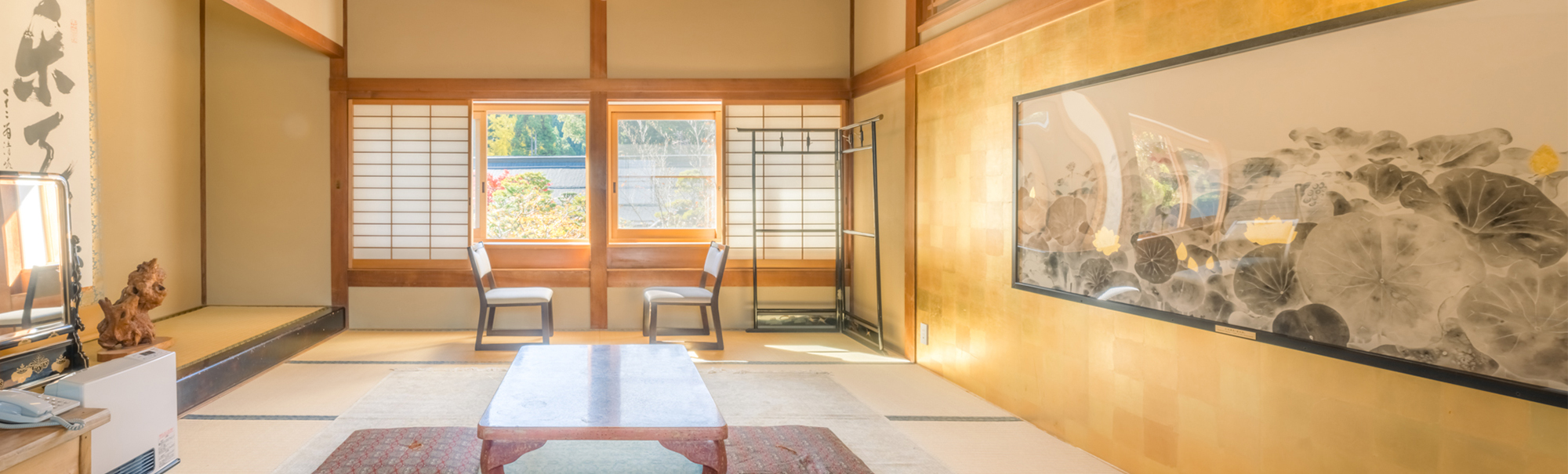
恵光院
A flagship Koyasan shukubo with English-guided Goma fire ceremony, Ajikan meditation, and nightly Okunoin tours.
from $130 /per night

福智院
The only Koyasan shukubo with a natural hot spring, three Mirei Shigemori gardens, and refined shojin ryori.
from $175 /per night
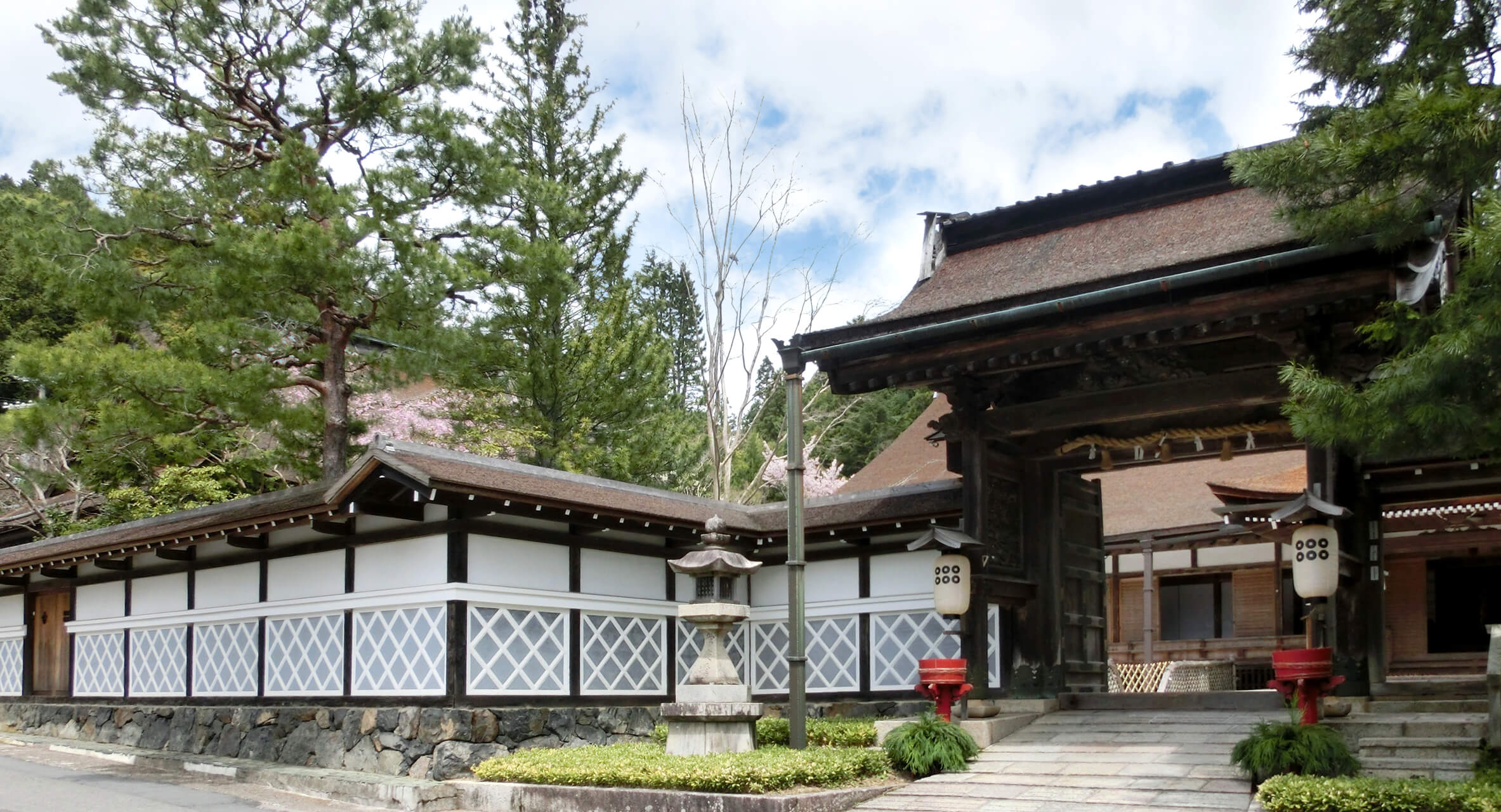
蓮華定院
A Sanada-family bodaiji shukubo on Mt. Koya with English-speaking monks, just 13 rooms, and a strong samurai-era heritage.
from $230 /per night
大本山永平寺 参籠(吉祥閣)
A one-night Zen retreat inside the head temple of Soto Zen Buddhism, with pre-dawn zazen, choka service, and shojin ryori.
from $55 /per night
Explore Destinations

