
|
|
|
|
|
|

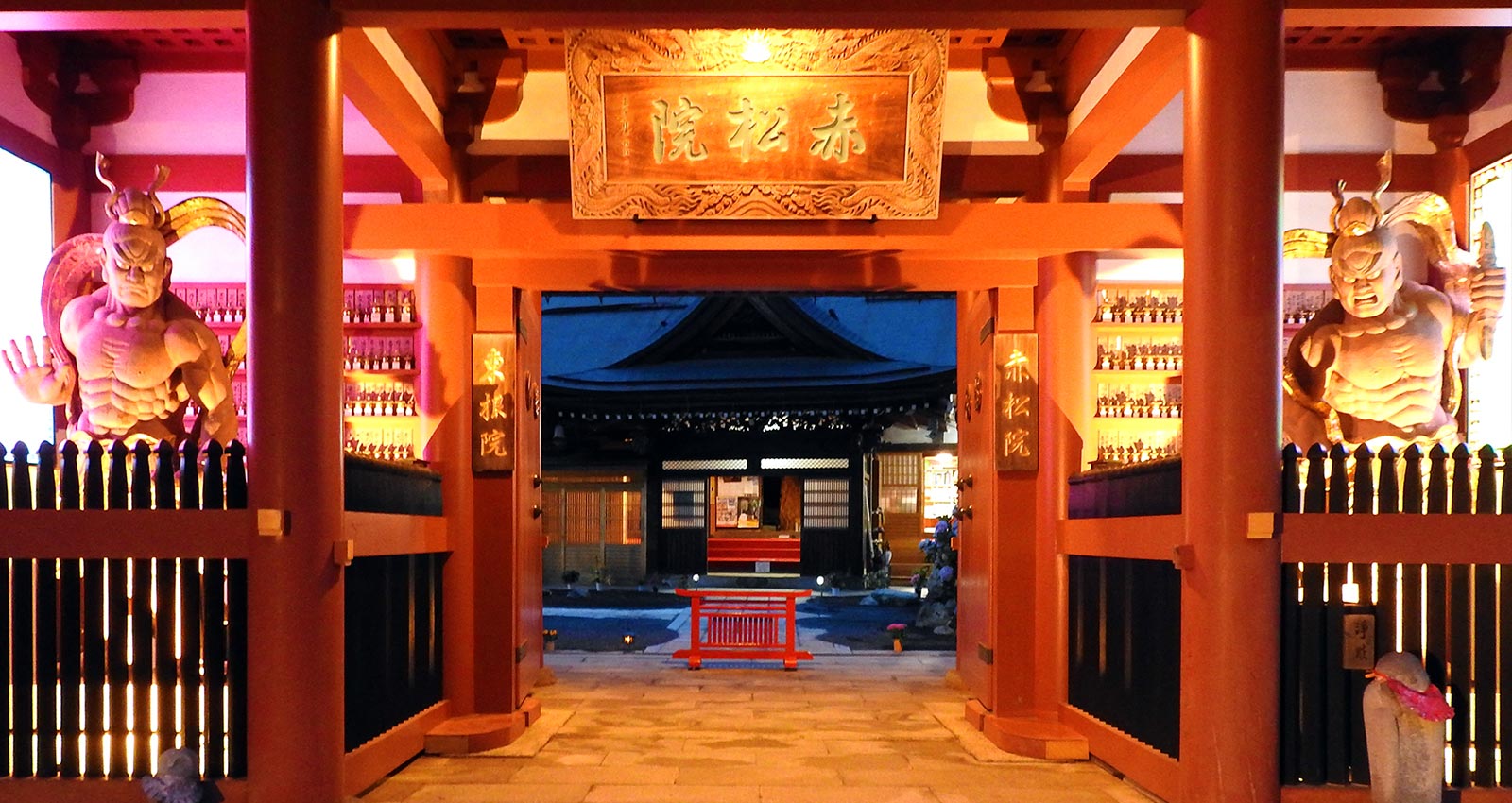
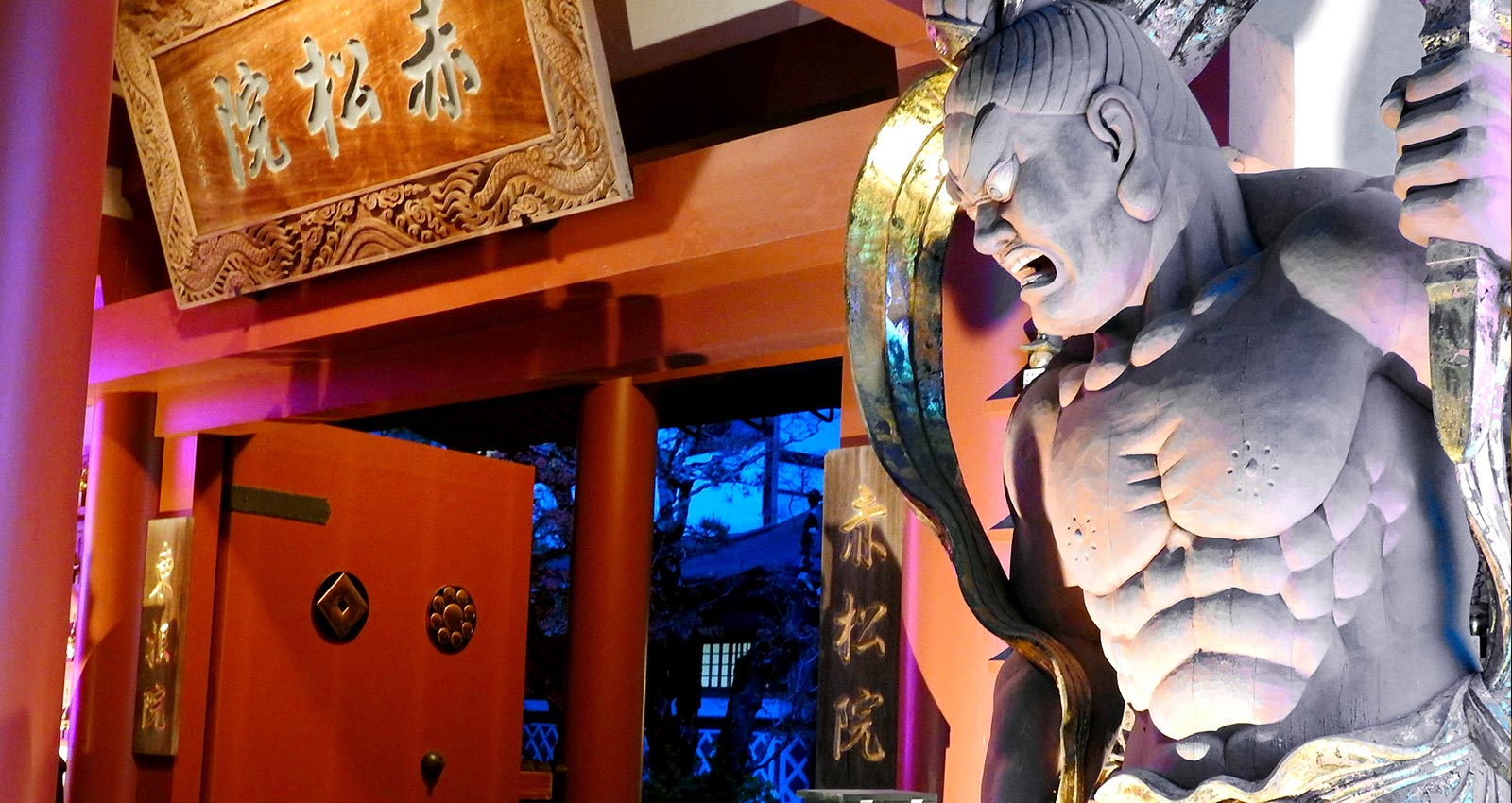
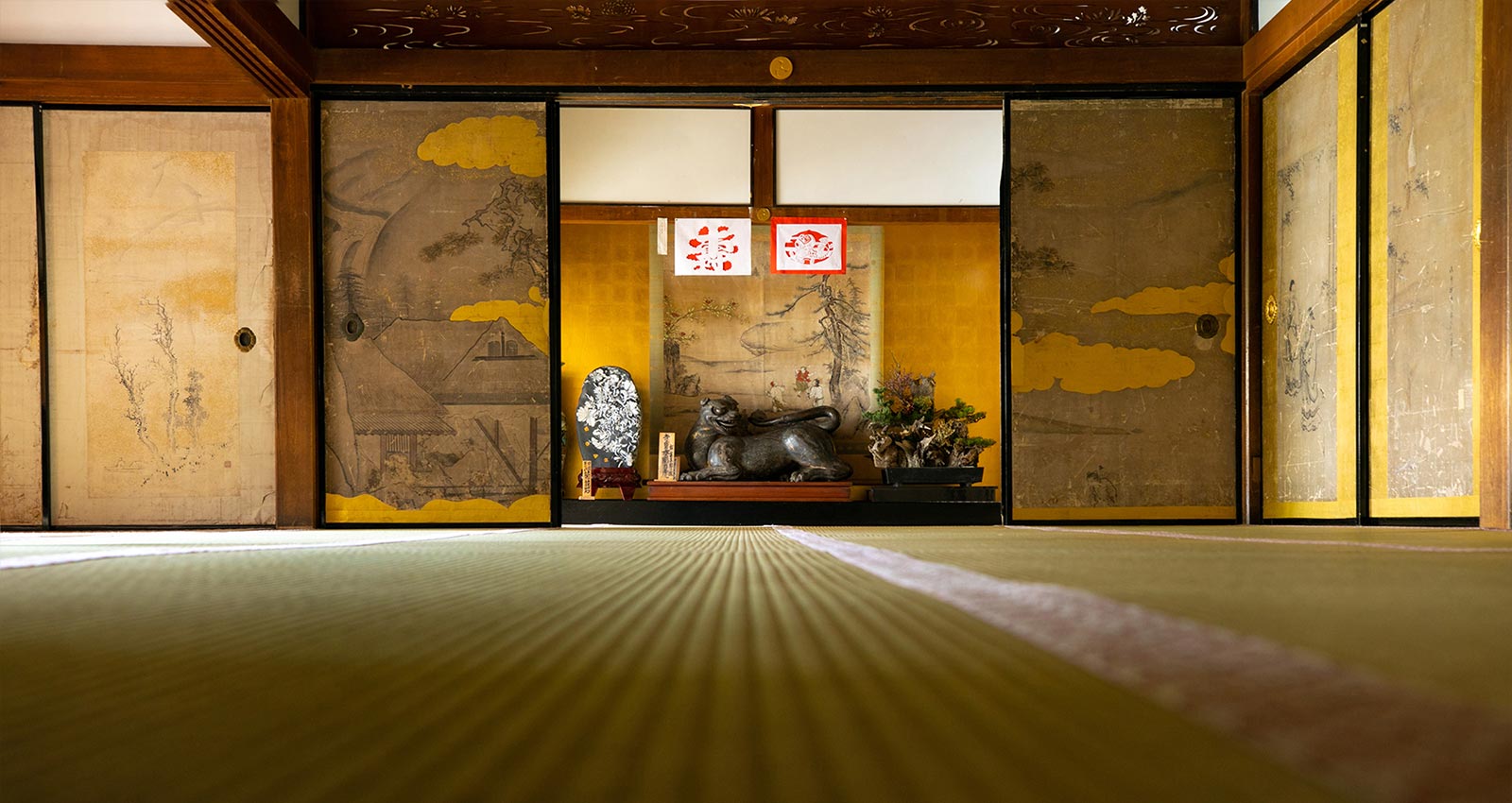
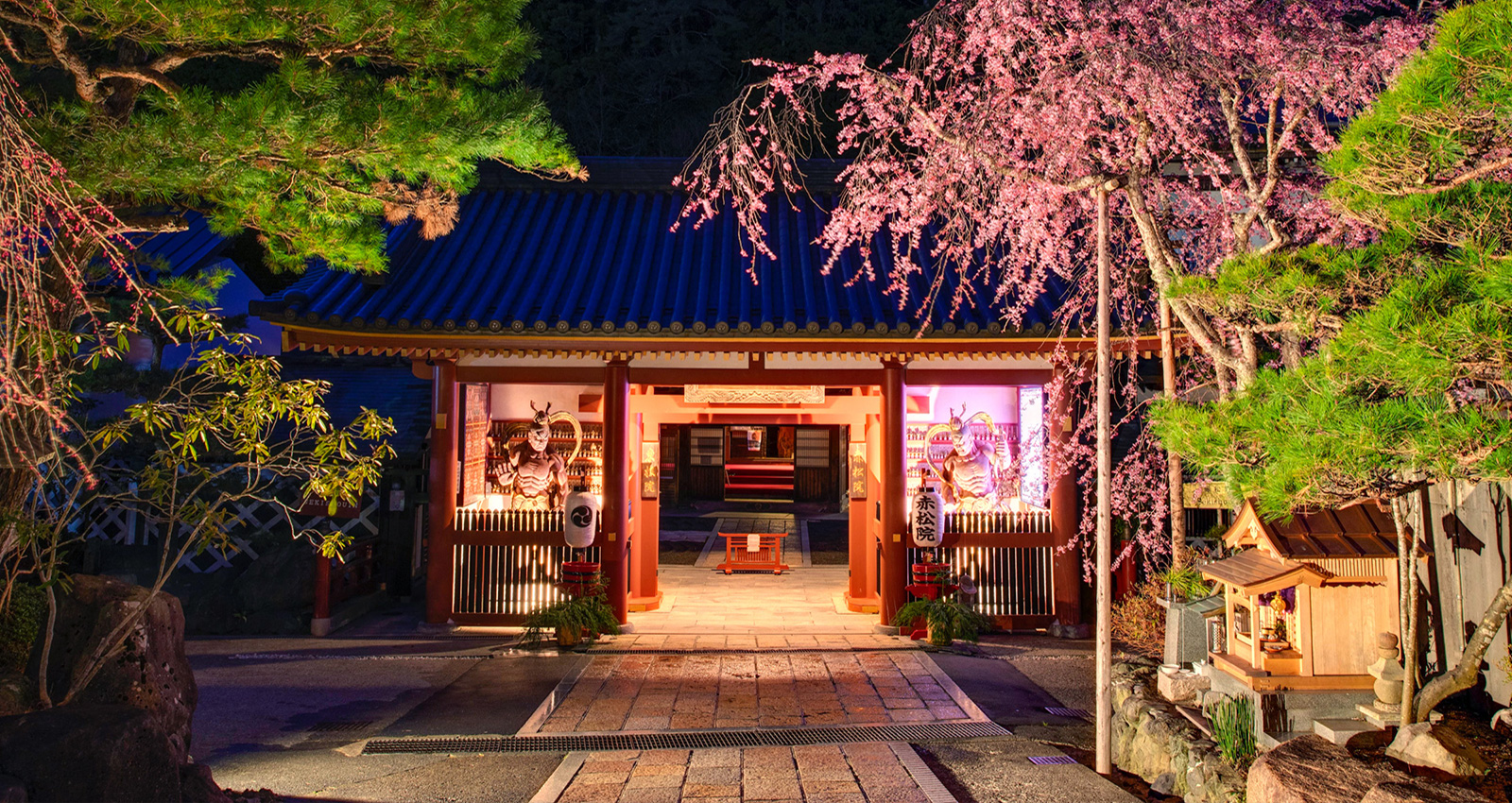
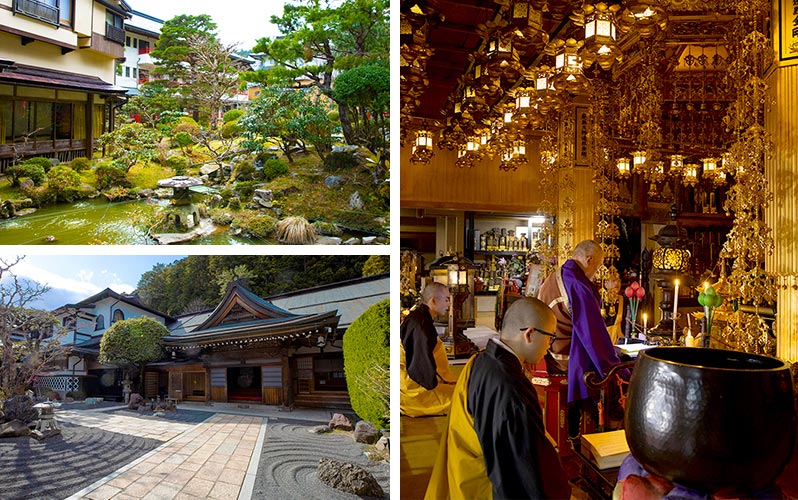
A 1,100-year-old Koyasan shukubo with a 1,500-tsubo garden, the closest temple lodging to Okunoin cemetery.
Sekisho-in stands at the eastern edge of Koyasan, the closest shukubo to the Ichinohashi entrance of Okunoin cemetery. Guests can walk straight into the cedar avenues leading to Kobo Daishi's mausoleum.
The temple grounds contain a vast 1,500-tsubo (about 5,000 m²) traditional strolling garden, considered one of the largest among Koyasan shukubo and praised for its forested, contemplative atmosphere.
Originally founded in 923 as Yamamoto-bo, the temple was renamed Sekisho-in (Akamatsu-in) when Akamatsu Norimura took the tonsure here in the Muromachi period. It later served as the family temple of the Akamatsu, Hosokawa, and Arima clans.
Sekisho-in
Compare 3 platforms — save up to 20%
Booking links may earn a commission at no extra cost to you.
Nearest Station
Koyasan Station (cable car)
From Kansai Airport (KIX)
1. JR Haruka Express → Kyoto Station ~75 min
2. Local train/taxi → Koyasan Station (cable car) ~18 min
From Tokyo
1. Tokaido Shinkansen → Kyoto Station ~2h 15m
2. Local transit → Koyasan Station (cable car) ~18 min
From Osaka
1. JR Special Rapid → Kyoto Station ~30 min
or Hankyu Railway → Kawaramachi ~45 min
Tip: Purchase an IC card (ICOCA or Suica) at any station for easy tap-and-go on buses and trains.
💡 Save with a Japan Rail Pass
Covers unlimited Shinkansen + local JR trains
13 questions about Sekisho-in
Sekisho-in stands at the eastern edge of Koyasan, the closest shukubo to the Ichinohashi entrance of Okunoin cemetery. Guests can walk straight into the cedar avenues leading to Kobo Daishi's mausoleum.
The temple grounds contain a vast 1,500-tsubo (about 5,000 m²) traditional strolling garden, considered one of the largest among Koyasan shukubo and praised for its forested, contemplative atmosphere.
Originally founded in 923 as Yamamoto-bo, the temple was renamed Sekisho-in (Akamatsu-in) when Akamatsu Norimura took the tonsure here in the Muromachi period. It later served as the family temple of the Akamatsu, Hosokawa, and Arima clans.
13 questions about Sekisho-in
More in Koyasan
恵光院
A flagship Koyasan shukubo with English-guided Goma fire ceremony, Ajikan meditation, and nightly Okunoin tours.
from $130/night

福智院
The only Koyasan shukubo with a natural hot spring, three Mirei Shigemori gardens, and refined shojin ryori.
from $175/night
蓮華定院
A Sanada-family bodaiji shukubo on Mt. Koya with English-speaking monks, just 13 rooms, and a strong samurai-era heritage.
from $230/night