
|
|
|
|
|
|

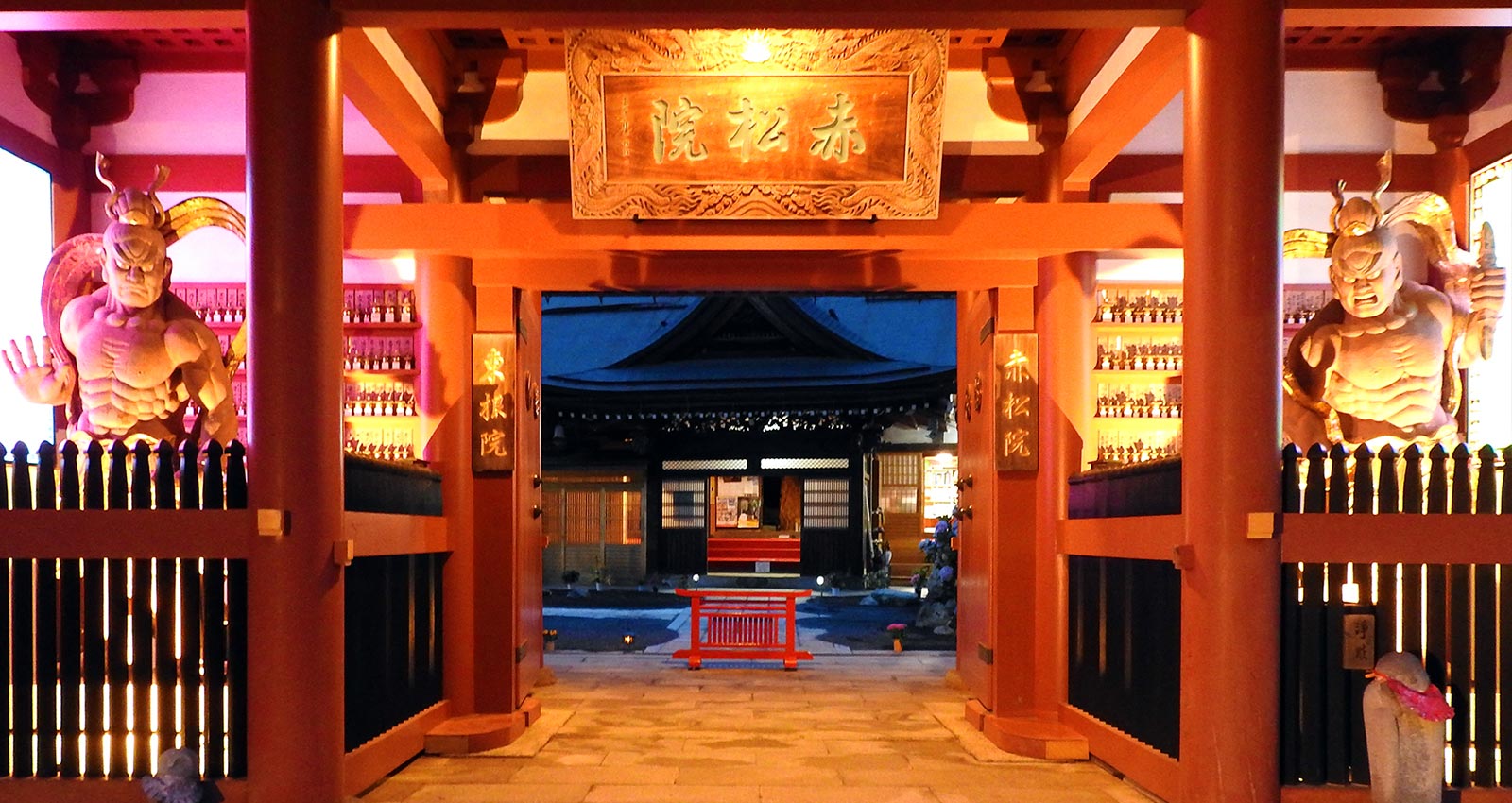
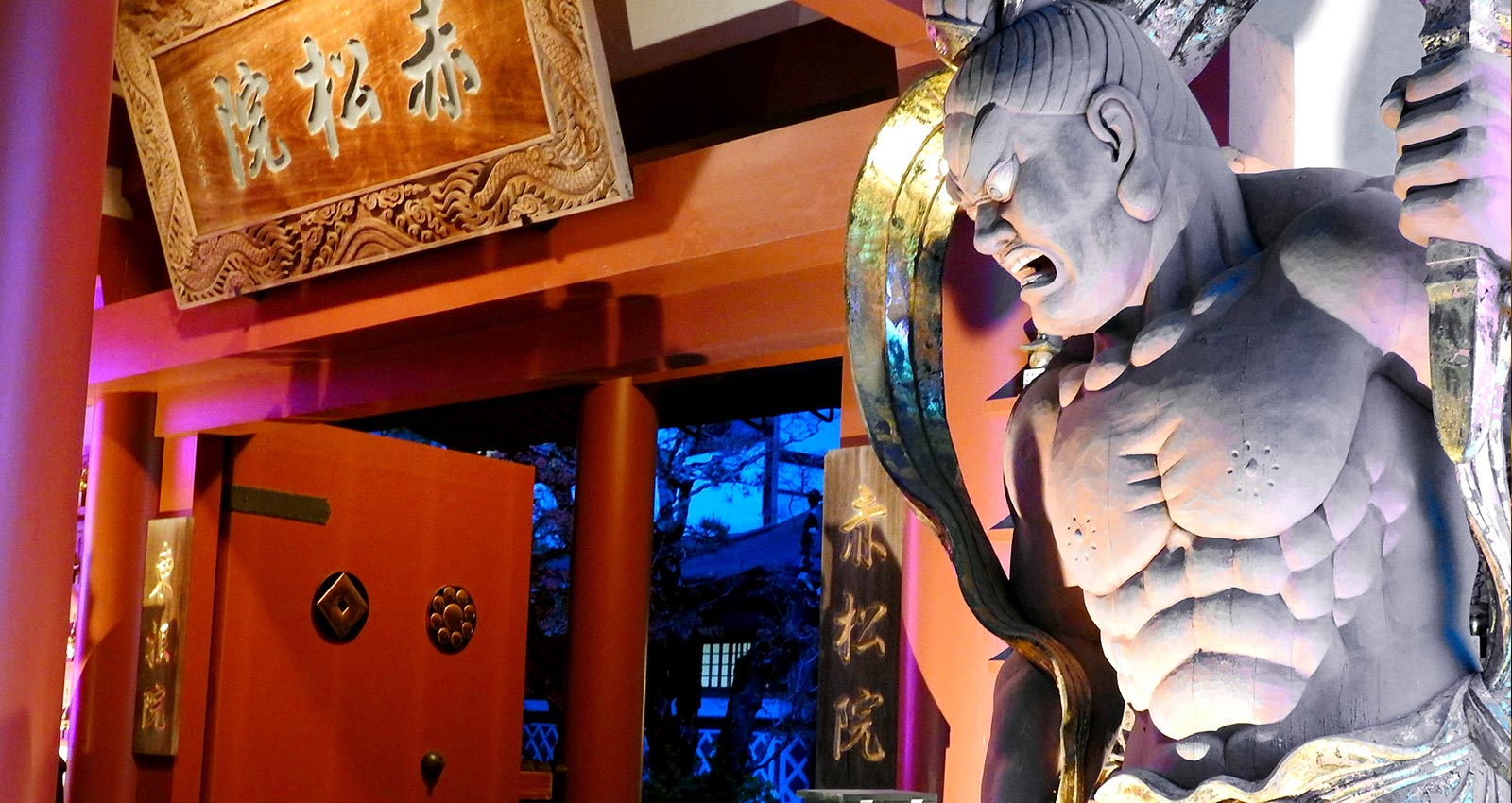
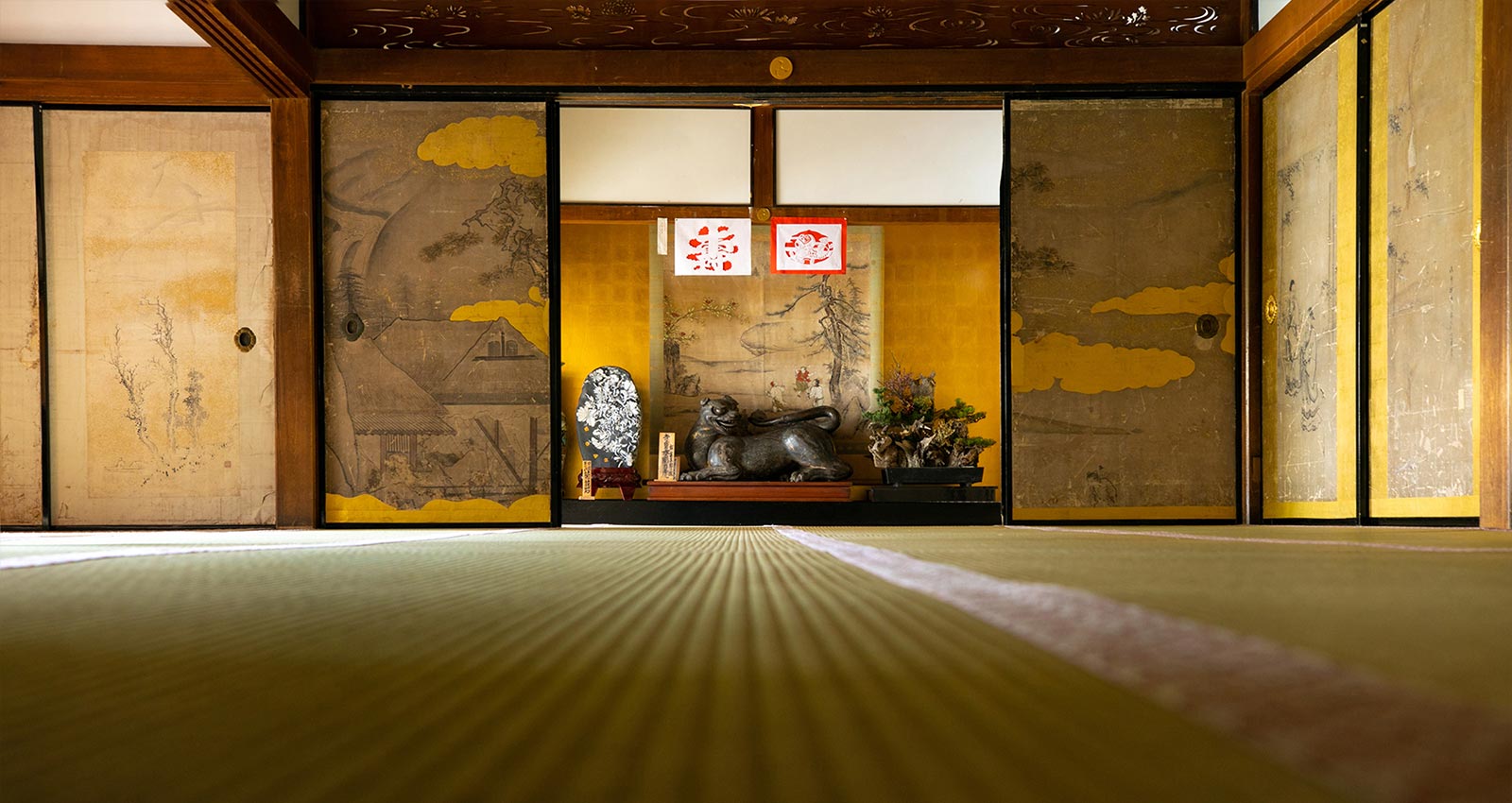
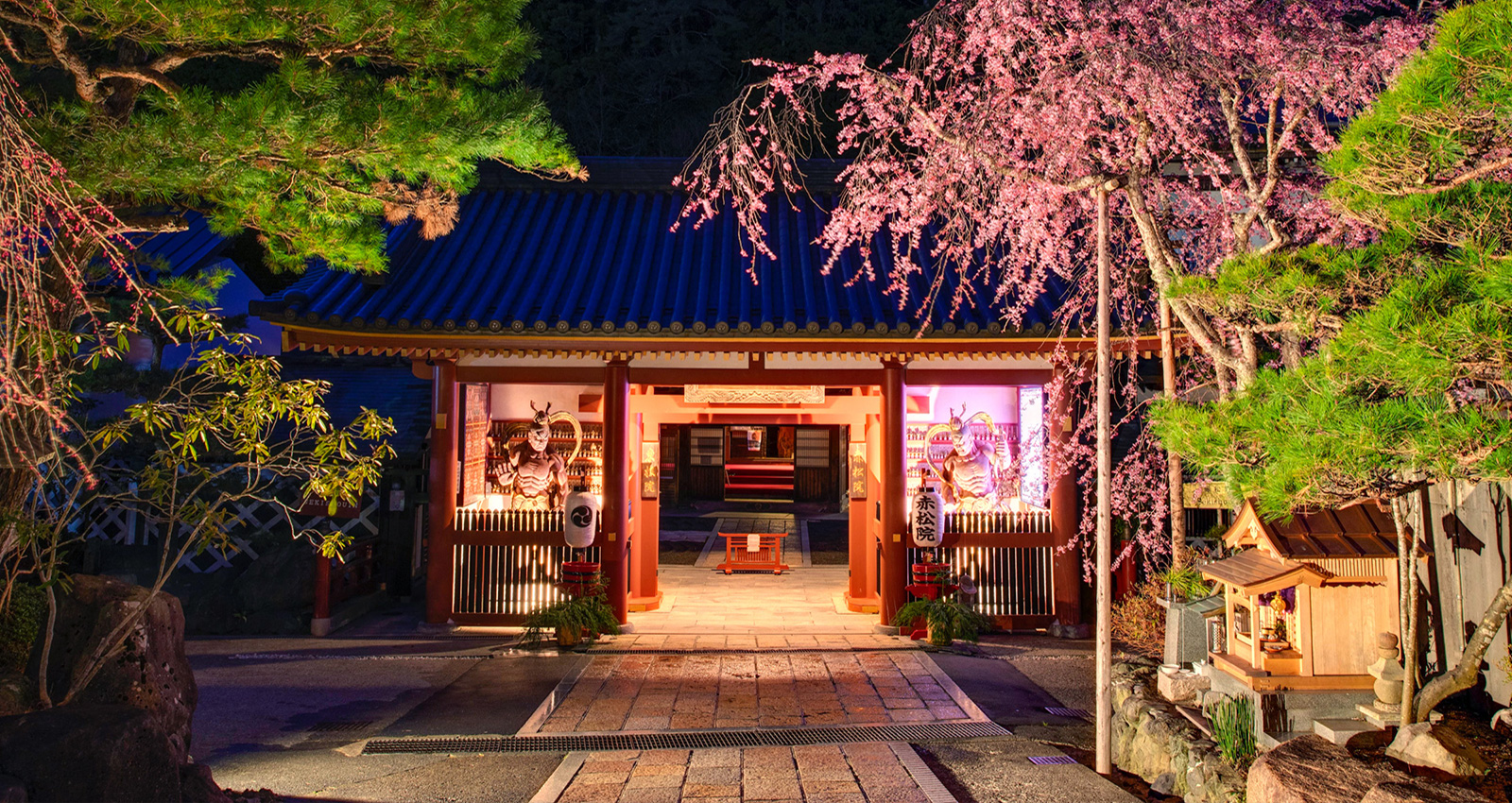
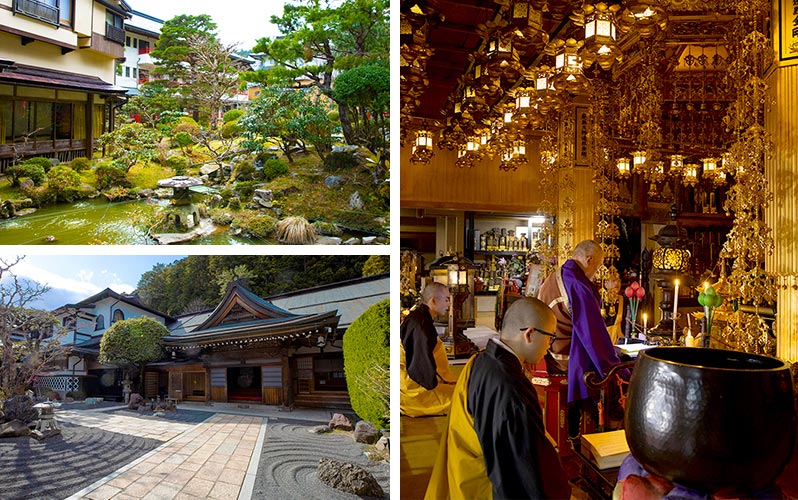
Shukubo millénaire de Koyasan (923) avec un jardin de 1 500 tsubo, le logement monastique le plus proche du cimetière d'Okunoin.
Sekisho-in stands at the eastern edge of Koyasan, the closest shukubo to the Ichinohashi entrance of Okunoin cemetery. Guests can walk straight into the cedar avenues leading to Kobo Daishi's mausoleum.
The temple grounds contain a vast 1,500-tsubo (about 5,000 m²) traditional strolling garden, considered one of the largest among Koyasan shukubo and praised for its forested, contemplative atmosphere.
Originally founded in 923 as Yamamoto-bo, the temple was renamed Sekisho-in (Akamatsu-in) when Akamatsu Norimura took the tonsure here in the Muromachi period. It later served as the family temple of the Akamatsu, Hosokawa, and Arima clans.
Sekisho-in
Comparer 3 plateformes — économisez jusqu'à 20%
Les liens de réservation peuvent générer une commission, sans frais supplémentaires pour vous.
Gare la plus proche
Koyasan Station (cable car)
Depuis l'aéroport du Kansai (KIX)
1. JR Haruka Express → Kyoto Station ~75 min
2. Local train/taxi → Koyasan Station (cable car) ~18 min
Depuis Tokyo
1. Tokaido Shinkansen → Kyoto Station ~2h 15m
2. Local transit → Koyasan Station (cable car) ~18 min
Depuis Osaka
1. JR Special Rapid → Kyoto Station ~30 min
or Hankyu Railway → Kawaramachi ~45 min
Conseil: Procurez-vous une carte IC (ICOCA ou Suica) dans n'importe quelle gare pour voyager facilement en bus et en train.
💡 Économisez avec un Japan Rail Pass
Trajets illimités en Shinkansen et trains JR locaux
13 questions sur Sekisho-in
Sekisho-in stands at the eastern edge of Koyasan, the closest shukubo to the Ichinohashi entrance of Okunoin cemetery. Guests can walk straight into the cedar avenues leading to Kobo Daishi's mausoleum.
The temple grounds contain a vast 1,500-tsubo (about 5,000 m²) traditional strolling garden, considered one of the largest among Koyasan shukubo and praised for its forested, contemplative atmosphere.
Originally founded in 923 as Yamamoto-bo, the temple was renamed Sekisho-in (Akamatsu-in) when Akamatsu Norimura took the tonsure here in the Muromachi period. It later served as the family temple of the Akamatsu, Hosokawa, and Arima clans.
13 questions sur Sekisho-in
Plus à Koyasan
恵光院
Shukubo emblématique de Koyasan, Eko-in propose une cérémonie du feu Goma guidée en anglais, la méditation Ajikan et des visites nocturnes d'Okunoin.
à partir de $130/nuit

福智院
Seul shukubo de Koyasan doté d'une source thermale naturelle, avec trois jardins signés Mirei Shigemori et un shojin ryori raffiné.
à partir de $175/nuit
蓮華定院
Shukubo bodaiji de la famille Sanada sur le mont Koya : moines anglophones, seulement 13 chambres et un fort héritage de l'époque des samouraïs.
à partir de $230/nuit
Articles connexes