
|
|
|
|
|
|
 Photo by Jakub Kapusnak on Unsplash
La première fois qu'un plateau en bois glisse sur votre tatami dans un temple de montagne japonais, cela ne ressemble pas à un dîner. Cela ressemble à une nature morte. Cinq petits bols laqués. Une feuille verte blanchie pliée avec la précision d'un origami. Un carré pâle et tremblant qui s'avère être un tofu fabriqué à partir de graines de sésame, et non de soja. Pas de viande, pas de poisson, pas même une gousse d'ail — et pourtant, on ne sait comment, douze plats arrivent au cours des quatre-vingt-dix minutes qui suivent, chacun plus réfléchi que le précédent. C'est le shojin ryori (精進料理, cuisine bouddhique végétarienne), et il est servi, peu ou prou sous cette forme exacte, depuis plus de 1 200 ans.
Le shojin ryori est né d'un seul précepte bouddhique : l'ahimsa, le principe de non-nuisance. Lorsque le bouddhisme est arrivé au Japon depuis la Chine au VIᵉ siècle, il a apporté avec lui la règle monastique interdisant de prendre la vie — et donc de manger les animaux. Le moine Dogen (1200-1253), fondateur du Zen Sōtō, a formalisé cette cuisine dans deux textes fondateurs : le Tenzo Kyokun (« Instructions pour le cuisinier ») et le Fushukuhanpo (« Manuel pour manger »). Pour Dogen, cuisiner n'était pas une corvée séparée de la pratique spirituelle — c'était la pratique elle-même. Le moine cuisinier, ou tenzo, était considéré comme aussi important que n'importe quel maître de méditation.
Le mot shojin (精進) signifie littéralement « se consacrer » ou « progresser avec diligence » — un terme bouddhique désignant l'effort spirituel. Ryori (料理) signifie simplement cuisine. Ensemble, ils décrivent une cuisine dans laquelle chaque étape, du lavage du riz à l'essuyage du bol, est traitée comme une méditation.
L'une des premières choses que remarquent les visiteurs, c'est que le shojin ryori traditionnel ne contient ni ail, ni oignon, ni poireau, ni oignon vert, ni ciboulette. Ce sont les gokun (五葷), les Cinq Racines piquantes, considérées comme trop stimulantes pour une vie contemplative — on croyait qu'elles attisaient la colère lorsqu'on les faisait cuire et excitaient les passions lorsqu'on les mangeait crues. (La liste exacte varie selon les traditions bouddhiques, mais le principe est universel.) En les retirant, les cuisiniers japonais ont été contraints de porter l'umami des algues kombu, des shiitake séchés, du miso fermenté et du sésame grillé à un niveau de raffinement inégalé dans le monde entier.

Un repas shojin complet est construit autour du principe du go-mi go-shoku go-ho — cinq saveurs, cinq couleurs, cinq méthodes de cuisson. Les cinq saveurs sont le sucré, l'acide, le salé, l'amer et l'umami. Les cinq couleurs sont le blanc, le noir, le rouge, le vert et le jaune. Les cinq méthodes sont cru, mijoté, grillé, à la vapeur et frit. Un tenzo expérimenté agence le repas de telle sorte que deux bols voisins ne partagent jamais ni méthode ni couleur, et que chaque saveur apparaisse au moins une fois sur le plateau. Le résultat est un repas qui semble équilibré avant même la première bouchée.
Traversez la cuisine d'un shukubo à l'aube et vous verrez les mêmes matériaux que ceux avec lesquels travaillaient les moines médiévaux. Du tofu sous des dizaines de formes — soyeux, ferme, frit (atsuage), tranché finement et frit (aburaage), et lyophilisé en haute altitude (koya-dofu, baptisé d'après le mont Koya lui-même). Du yuba, la délicate peau qui se forme à la surface du lait de soja chauffé, particulièrement prisée à Kyoto. Du konnyaku, une gelée presque sans calories fabriquée à partir d'un tubercule de montagne. De la pâte de sésame grillé utilisée pour préparer le gomadofu, un bloc tremblotant qui est le plat emblématique de Koyasan. Des sansai (légumes de montagne) — crosses de fougère, pétioles de pétasite, champignons sauvages — récoltés au printemps dans les forêts environnantes. Et, par-dessus tout, le légume au sommet absolu de sa courte saison japonaise.
Un dîner de shukubo arrive généralement en une seule fois sur un plateau, mais il est censé être dégusté dans un ordre souple. Une progression représentative dans un temple de Koyasan ou de Kyoto pourrait être : un petit bol de bouillon clair de kombu ; un morceau de gomadofu nappé de miso doux ; un plat mijoté (nimono) de légumes-racines ; un plat vinaigré (sunomono) de concombre et de wakame ; une tempura de jeunes pousses de saison et de racine de lotus ; un plat grillé tel qu'une aubergine glacée au miso ; une petite salade fraîche de yuba et de shiso ; des légumes marinés (tsukemono) ; un bol de riz blanc ; une soupe de miso rouge ; et enfin, un minuscule dessert de saison — peut-être une seule truffe au matcha, ou un quartier de kaki. Douze à quinze éléments, c'est la norme. Vingt-cinq euros de nourriture, servis comme si cela en coûtait dix fois plus.
Koyasan (高野山, Wakayama). Siège du bouddhisme Shingon depuis 816, et sans doute la capitale mondiale du shojin ryori. Deux ingrédients sont quasiment synonymes de la montagne : le koya-dofu, tofu lyophilisé inventé par accident lorsque des moines ont laissé du tofu dehors en hiver, et le gomadofu, ce « tofu » de sésame soyeux qui ne contient pas la moindre graine de soja. La plupart des 52 shukubo (logements monastiques) de la montagne — dont Eko-in (恵光院), Fukuchi-in (福智院), Ekoin et Soji-in (総持院) — servent un dîner shojin à plusieurs plats dans le cadre du séjour standard.
Eiheiji (永平寺, Fukui). Siège du Zen Sōtō et la tradition shojin la plus ascétique du Japon. Les repas à Eiheiji se prennent dans un silence complet, avec des positions de mains prescrites pour les bols et un verset de gratitude (le Gokan no Ge — « Cinq Réflexions ») récité avant la première bouchée. Les moines en formation ne mangent que ce que contient leur bol à aumônes, et terminent en essuyant chaque bol à l'eau chaude avec un morceau de radis mariné, puis en buvant le rinçage. Pour les hôtes d'un soir dans les hébergements affiliés tels que Hakujukan ou Hokyo-ji, l'expérience est assouplie — mais le silence et la discipline demeurent.
Les sous-temples Zen de Kyoto. L'école Rinzai du Zen, dont le siège est à Kyoto, a donné au shojin ryori son expression la plus raffinée et la plus saisonnière. La cuisine de style Daitokuji, servie dans de petits sous-temples et quelques restaurants spécialisés, traite chaque plat comme s'il s'agissait d'une confiserie de cérémonie du thé. Le yuba (peau de tofu) est omniprésent. Du daikon braisé pendant des heures dans un dashi à base de kombu seul. Des kakis utilisés comme coupes de service. La cuisine des sous-temples de Myoshin-ji (tels que Daishin-in 大心院 et Tohrin-in 東林院) et du Chion-in Wajun Kaikan suit les saisons avec une précision extraordinaire.
Le plus souvent — mais pas toujours. Le shojin ryori strict n'utilise aucun produit animal d'aucune sorte : ni poisson, ni dashi aux flocons de poisson, ni œufs, ni laitages, ni miel. Le dashi est préparé à partir d'algue kombu, parfois additionnée de shiitake séchés. Cependant, les shukubo modernes qui s'adressent au marché touristique japonais plus large brouillent parfois la frontière. Un petit morceau de bonite (katsuobushi) peut se glisser dans le dashi. Un wagashi peut contenir du miel. De la crème peut apparaître dans un dessert à l'occidentale. Si vous êtes végan pour des raisons éthiques, ne partez pas du principe que le repas est automatiquement sûr — mentionnez-le au moment de la réservation, et redemandez à l'arrivée. Les temples que nous indiquons comme « option végane disponible » dans notre base de données ont explicitement confirmé qu'ils peuvent répondre à des demandes véganes strictes moyennant un préavis.
Tip
Au moment de réserver un shukubo, écrivez 完全菜食 (kanzen-saishoku, « entièrement végétarien/végan ») et précisez « pas de dashi de poisson, pas de miel, pas d'œufs, pas de laitages ». La plupart des temples peuvent préparer une version entièrement végétale de leur menu standard avec un préavis de 24 à 48 heures.
Vous n'avez pas besoin de réserver un séjour au temple pour goûter au shojin ryori. Sur le mont Koya, le petit restaurant Hanabishi (花菱) sur Koyasan-machi sert un menu déjeuner dans une salle tatami à quelques minutes de Kongobu-ji, et le Chuo Shokudo Sanbo propose un bento plus abordable. À Kyoto, Shoraian (松籟庵) à Arashiyama est célèbre pour son menu au yuba dans une maison de thé en bord de rivière ; Shigetsu (篩月), au sein du complexe du temple Tenryu-ji, sert un déjeuner classique de style Daitokuji dans l'enceinte du temple ; et Ajiro (阿じろ), près de Myoshin-ji, est depuis des décennies un spécialiste de la tradition Zen. Aucun de ces établissements n'exige le réveil matinal qui accompagne un séjour en shukubo, et les menus déjeuner s'échelonnent généralement entre 3 500 et 7 000 yens (environ 22 à 45 €).
Quelques petites choses rendront le repas moins déroutant. Asseyez-vous sur les genoux si vous le pouvez (en tailleur, c'est très bien si vous n'y parvenez pas — les temples ont tout vu). Attendez que le personnel ait quitté la pièce avant de soulever le couvercle de votre bol de riz. Soulevez chaque petit bol vers vous lorsque vous y mangez ; ne vous penchez pas vers le plateau. Ne frottez pas vos baguettes en bois l'une contre l'autre pour en retirer les échardes — c'est considéré comme une insulte envers l'hôte qui vous les a offertes. Ne plantez pas les baguettes droites dans le riz. Lorsque vous avez terminé, reposez les baguettes en travers du repose-baguettes, et remettez les couvercles sur les bols dans l'ordre où vous les avez retirés. Enfin, efforcez-vous de tout manger : dans la tradition shojin, laisser de la nourriture dans l'assiette est un petit défaut d'attention.
Le gomadofu est le plat que les gens retiennent le plus d'un séjour à Koyasan. Il ne contient pas de soja — c'est de la pâte de sésame prise dans de l'amidon de kuzu pour former un bloc soyeux et élastique. Pour quatre petites portions à la maison : fouettez ensemble 60 g de pâte de sésame blanc non sucrée (neri goma), 40 g d'amidon de kuzu (kudzu — à défaut, remplacez par de la fécule de pomme de terre) et 400 ml d'eau dans une petite casserole jusqu'à ce que le mélange soit parfaitement lisse. Placez sur feu moyen-doux et remuez sans cesse avec une cuillère en bois pendant environ 12 à 15 minutes. Le mélange passera par une phase grumeleuse, puis par une crème épaisse, puis deviendra soudain brillant et élastique. Versez dans un petit récipient humide (un moule carré ou un bol rincé à l'eau froide) et laissez refroidir au moins deux heures. Coupez en cubes de 4 cm. Servez froid avec une cuillerée de miso blanc sucré détendu avec un peu de mirin, et une pointe de wasabi frais sur le dessus. La texture doit rebondir. La saveur est crémeuse, légèrement amère, et indéniablement monastique — ce qu'il y a de plus proche pour ramener Koyasan dans votre cuisine.
Goûtez au shojin ryori une seule fois et vous comprendrez pourquoi les moines médiévaux ne se sont jamais sentis privés. Goûtez-y assis sur le sol d'un temple au terme d'une journée froide, avec une bougie sur le plateau et l'odeur du cèdre dans le couloir au dehors, et vous comprendrez pourquoi ils y ont consacré leur vie.
Ready to book?
Browse our curated collection of authentic Buddhist temple stays across Japan. Filter by region, sect, and experience.
Commencer l'explorationTemples recommandés pour ce guide
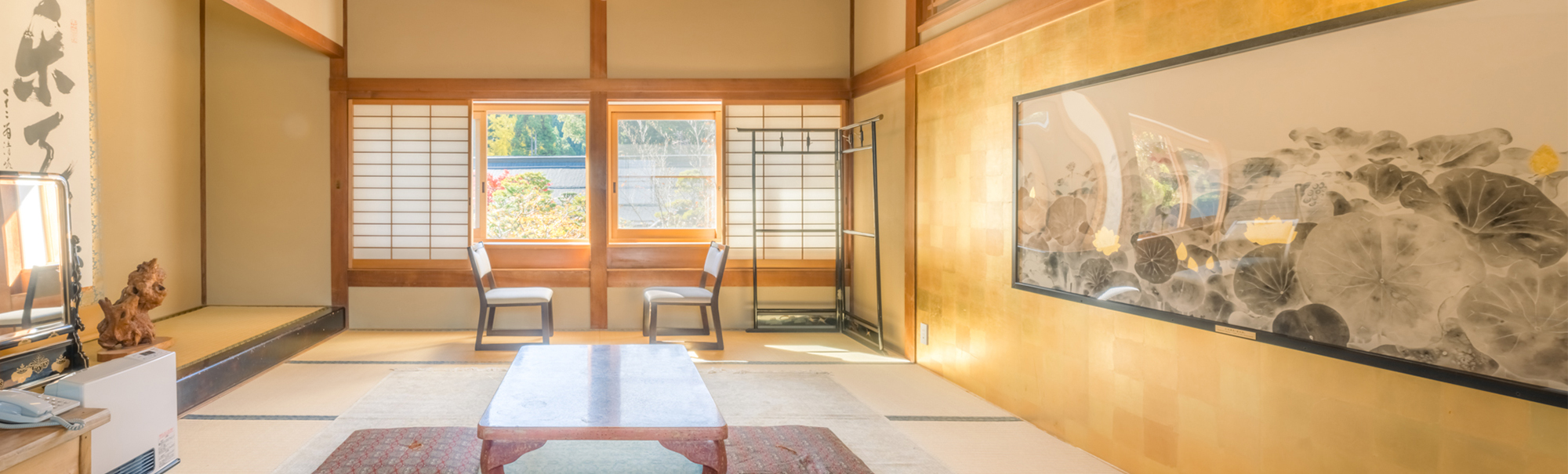
恵光院
Shukubo emblématique de Koyasan, Eko-in propose une cérémonie du feu Goma guidée en anglais, la méditation Ajikan et des visites nocturnes d'Okunoin.
à partir de $130 /par nuit

福智院
Seul shukubo de Koyasan doté d'une source thermale naturelle, avec trois jardins signés Mirei Shigemori et un shojin ryori raffiné.
à partir de $175 /par nuit
大本山永平寺 参籠(吉祥閣)
Retraite Zen d'une nuit au sein du temple chef du Soto Zen : zazen avant l'aube, office choka et shojin ryori (cuisine bouddhique végétarienne).
à partir de $55 /par nuit
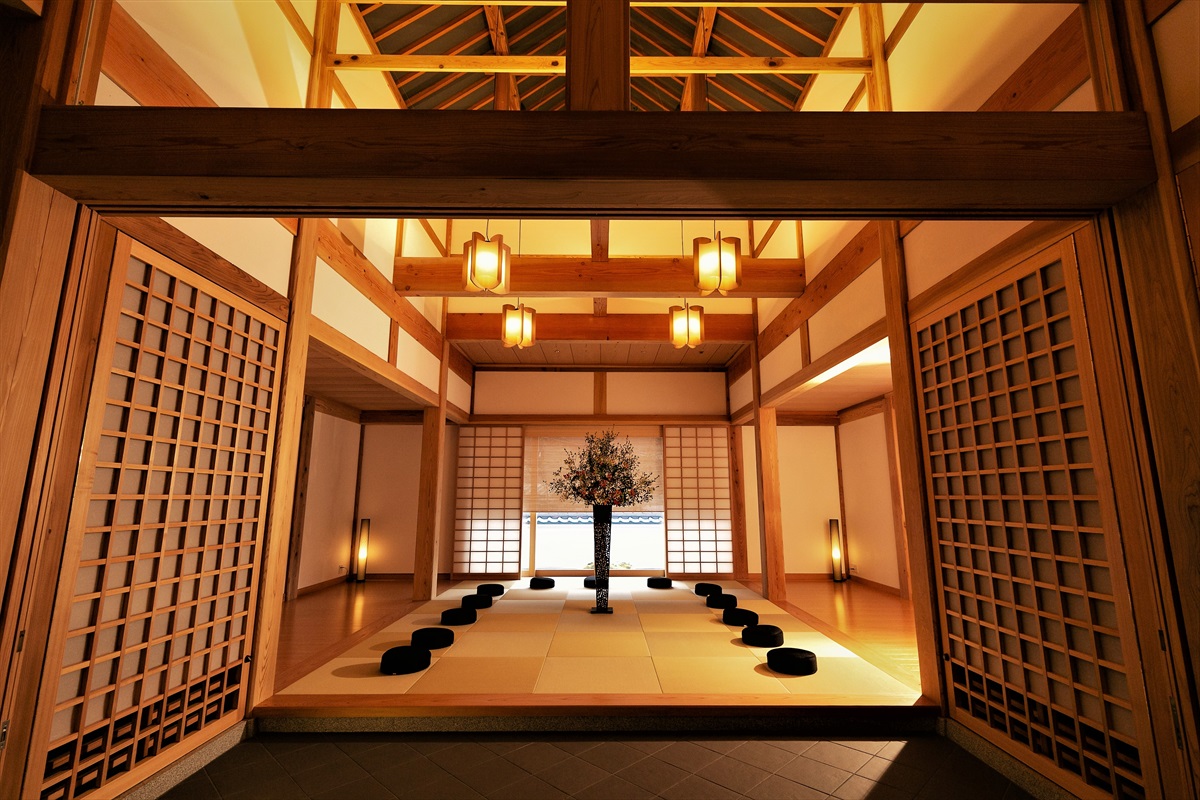
永平寺 親禅の宿 柏樹関
Auberge Zen contemporaine à la porte d'Eiheiji : 18 chambres en cèdre, zazen du soir et accès à l'office choka avant l'aube du temple.
à partir de $195 /par nuit
Explore Destinations

