
|
|
|
|
|
|
 Photo: Unsplash
Un shukubo (logement monastique) n'est pas un hôtel, et ce n'est pas tout à fait un ryokan (auberge traditionnelle japonaise) non plus. C'est un temple bouddhiste en activité où il se trouve que vous passez la nuit. Les moines, les novices et le personnel laïc qui le font tourner sont heureux de vous accueillir, mais le rythme et les règles tacites du lieu précèdent l'industrie touristique d'environ mille ans. Connaître quelques-unes de ces règles à l'avance fait toute la différence entre se sentir perdu et se sentir comme un hôte attentionné.
Ce guide n'est pas une liste d'interdictions. La plupart des shukubo sont indulgents avec les visiteurs étrangers et personne n'attend de vous des manières japonaises parfaites dès le premier essai. Voyez-le plutôt comme une façon de lire l'ambiance. Presque toutes les règles ci-dessous reviennent à deux principes : ne pas abîmer le lieu et ne pas perturber la pratique.
Un shukubo est avant tout, et avant toute autre chose, un lieu où la pratique bouddhiste a cours — chaque jour, qu'il y ait des hôtes ou non. Les moines célèbrent la prière matinale et les moines supérieurs prient pour les ancêtres des paroissiens, que vous réserviez ou non une chambre. Votre rôle en tant qu'hôte est de vous insérer en douceur dans une routine qui existe déjà. C'est une posture différente de celle qu'on adopte en arrivant dans un hôtel, où le personnel est là pour vous servir. Une fois que vous comprenez cette différence, presque toutes les règles d'étiquette deviennent évidentes.
La règle la plus importante, et la plus facile à enfreindre, concerne les chaussures. Dès que vous mettez le pied sur le plancher en bois surélevé de l'entrée (le genkan), vous vous déchaussez à l'entrée. Toujours. Disposez vos chaussures avec les pointes orientées vers la porte — c'est ce que font les locaux automatiquement et cela facilite le départ. Des chaussons vous seront généralement fournis. Portez-les sur les planchers en bois et dans les couloirs, mais pas sur les tatamis : retirez les chaussons avant de marcher sur le tatami.
Lorsque le moine ou un membre du personnel vous salue, une petite inclinaison de la tête est la réponse standard. Vous n'avez pas besoin de vous incliner profondément ni longuement — un hochement de tête léger et sincère est apprécié et n'est presque jamais déplacé. Un simple konnichiwa ou « bonjour » convient parfaitement. Si vous connaissez la formule yoroshiku onegaishimasu (en gros, « prenez soin de moi »), c'est une parole gracieuse à dire au check-in (arrivée), mais elle n'est en aucun cas obligatoire.
Tip
Chaussons retirés avant le tatami, chaussons retirés avant les toilettes (des chaussons spéciaux pour les toilettes sont généralement fournis), chaussons retirés avant le bain. La règle du *genkan* est la règle maîtresse : si vous montez sur un autre niveau de sol, vos chaussures sont probablement à enlever.

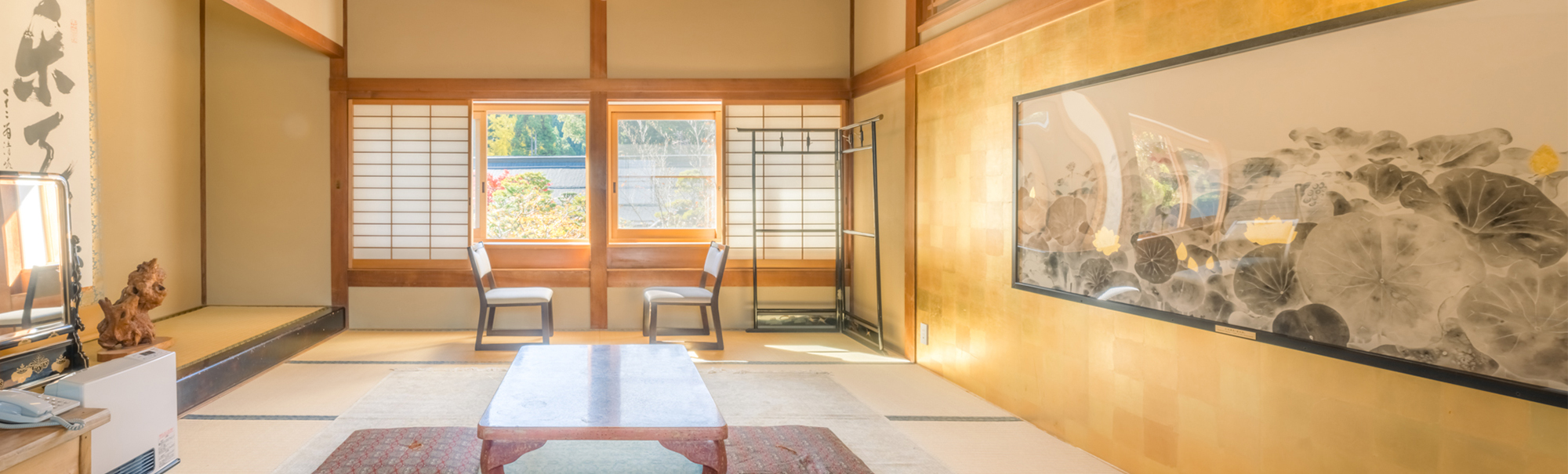
Les tatamis sont faits de jonc tressé sur un cœur de paille compressée. Ils se rayent et se tachent facilement et coûtent extrêmement cher à remplacer. Ne traînez pas vos valises dessus — soulevez et posez. Évitez de placer des objets mouillés, de la nourriture grasse ou des plats chauds directement sur le tatami. Essayez de ne pas marcher sur les bordures en tissu qui encadrent chaque tatami ; c'est une petite habitude japonaise discrète mais visible, et les locaux remarqueront si vous la respectez.
La plupart des chambres sont équipées d'un yukata, un peignoir léger en coton. Vous pouvez le porter dans l'enceinte du temple et pour aller au bain, mais croisez toujours le côté gauche par-dessus le côté droit (droite sur gauche est réservé à l'habillement des défunts). Nouez la ceinture obi assez fermement pour que le peignoir ne s'ouvre pas en marchant. Le yukata est censé être un vêtement d'intérieur décontracté, pas une tenue formelle ; vous n'avez pas besoin d'être parfait.
Les voix portent. Les cloisons entre les chambres sont généralement en ossature bois et papier (shoji), si bien qu'une conversation normale s'entend facilement dans la pièce voisine. Après 21 h 00 environ, parlez à voix basse dans les couloirs. Après 22 h 00, traitez le temple comme la salle de lecture d'une bibliothèque : les pas, les conversations et même les rires bruyants dans votre propre chambre peuvent porter loin.
La plupart des shukubo disposent d'un bain commun (sento) (ofuro), séparé par genre, parfois organisé en créneaux horaires. La règle cardinale est simple mais facile à manquer : on se lave avant de tremper. La baignoire sert à se détendre, pas à se nettoyer. Le nettoyage se fait aux postes de douche assise le long du mur, où vous vous savonnez soigneusement, puis vous rincez tout le savon avant d'entrer dans le bassin commun.
L'ordre standard : entrez dans le vestiaire, déshabillez-vous entièrement, laissez vos vêtements et l'enveloppe extérieure de la petite serviette dans un panier. N'emportez que la petite serviette de pudeur dans la zone du bain. Asseyez-vous à un poste de douche et lavez votre corps entier — cheveux, visage, tout. Rincez-vous deux fois pour être sûr. Entrez ensuite lentement dans le bassin. Ne plongez pas la petite serviette dans l'eau ; posez-la sur votre tête ou sur le rebord du bassin. Trempez aussi longtemps que vous le souhaitez, puis sortez, séchez-vous doucement avec la petite serviette avant de revenir dans le vestiaire. Les tatouages posent problème dans certains onsen mais rarement dans les shukubo ; néanmoins, si vous avez de grands tatouages visibles, signalez-le au moment de la réservation.
Tip
Les cheveux longs doivent être attachés avant d'entrer dans le bassin. Le bain est partagé avec tous les hôtes de la nuit ; des cheveux dans l'eau sont le moyen le plus rapide de faire mauvaise impression.

Les repas de shojin ryori (cuisine bouddhique végétarienne) sont un acte de pratique, pas simplement de la nourriture. Le geste traditionnel avant de manger consiste à joindre les mains à hauteur de poitrine et à dire itadakimasu — littéralement « je reçois humblement », un remerciement non seulement au cuisinier, mais aussi aux vies devenues ce repas. Après avoir mangé, la formule de clôture est gochisousama deshita, ou simplement gochisousama, « merci pour ce festin ».
Mangez dans un calme relatif. Dans les temples Zen (Eiheiji étant l'extrême rigoureux de ce spectre), les repas se prennent souvent dans un silence complet, en tant que pratique méditative. Dans les temples Shingon comme ceux du Koyasan (mont Koya), une conversation à voix basse est généralement acceptable. Dans tous les cas, ce n'est pas le moment des bavardages bruyants à table ni des appels en haut-parleur. Prenez les bols de riz ou de soupe à la main pour les rapprocher de votre bouche — manger en laissant le bol sur la table est considéré comme légèrement maladroit.
Quelques règles de baguettes utiles à connaître : ne plantez jamais les baguettes verticalement dans le riz (cela imite l'encens pour les défunts), ne passez jamais de nourriture de baguettes à baguettes (un geste funéraire) et reposez les baguettes sur le porte-baguettes quand vous ne mangez pas. S'il n'y a pas de porte-baguettes, posez-les horizontalement en travers du bol, sans jamais pointer vers quelqu'un. Aucune de ces choses n'est impolie au sens hostile — les locaux les associent simplement aux funérailles.
La prière matinale (asagongyo) (o-tsutome) commence généralement à 6 h 00 ou 6 h 30. Arrivez quelques minutes en avance. Retirez vos chaussures à l'entrée de la salle, trouvez un coussin ou un petit banc au fond, et asseyez-vous en silence. Les moines ne vous feront pas signe pour commencer ; ils débutent simplement. Vous pouvez vous asseoir en tailleur, en seiza (à genoux, traditionnel mais inconfortable pour la plupart des étrangers), ou sur un petit tabouret en bois si disponible. Étendre les jambes vers l'autel est la seule position à éviter — les pieds pointés vers la statue du Bouddha est considéré comme irrespectueux dans toute tradition bouddhiste asiatique.
S'incliner en même temps que les autres hôtes est bienvenu mais pas attendu. Vous n'avez pas besoin de psalmodier, de tenir un chapelet de prière ni de connaître un sutra. Beaucoup d'hôtes ferment simplement les yeux et écoutent. Si l'on offre de l'encens aux hôtes (vous verrez une petite boîte d'encens granulé passée de main en main avec un bol de braises rougeoyantes), la pratique standard est : prenez une pincée avec votre main droite, portez-la brièvement à votre front, saupoudrez-la sur les braises, puis inclinez-vous légèrement. Si vous préférez vous abstenir, passez simplement la boîte à votre voisin avec une petite révérence.
Tip
Téléphones éteints, complètement éteints, avant d'entrer dans la salle principale. Pas en silencieux, pas en vibreur — éteints. Une poche qui bourdonne pendant les chants est l'agacement le plus souvent cité par les moines.
Les règles de photographie varient, mais une règle par défaut sûre s'applique presque partout. L'enceinte du temple, l'extérieur, les jardins et votre propre chambre se photographient sans souci. La salle principale pendant la prière matinale est presque toujours interdite, surtout au flash ; même les obturateurs silencieux peuvent perturber la cérémonie. Les statues et autels des salles de prière privées peuvent porter des panneaux d'interdiction de photo explicites en japonais — dans le doute, demandez d'abord ou ne photographiez pas.
Ne photographiez jamais le visage d'un moine sans permission explicite. Même les moines amicaux préfèrent ne pas devenir du contenu Instagram. Si le temple propose une photo posée (certains shukubo du Koyasan le font après la prière matinale pour les hôtes internationaux), c'est votre feu vert. Sinon, concentrez-vous sur l'architecture, les vues du jardin et les détails paisibles de votre chambre.
De nombreux shukubo proposent des séances de méditation facultatives en soirée — zazen dans les temples Zen, ajikan dans les temples Shingon du Koyasan. Le format diffère, mais l'étiquette se chevauche. Asseyez-vous sur un coussin rond (zafu) en posture jambes croisées ou à genoux, les mains pliées sur les cuisses, les yeux mi-clos, le regard posé doucement vers le bas. Ne touchez pas votre téléphone, ne reniflez pas bruyamment et ne chuchotez pas à votre compagnon.
Si vos jambes s'engourdissent pendant une longue séance, vous pouvez les étirer discrètement. Dans les temples Zen, les séances sont encadrées par des cloches — généralement trois pour commencer et deux ou trois pour terminer. Attendez les cloches de clôture avant de vous lever. Si l'on vous propose le kyosaku (le long bâton de bois plat utilisé en zazen), ce n'est pas une punition ; dans la tradition Rinzai (Zen Rinzai), c'est un contact d'éveil sur l'épaule. Vous pouvez décliner en ne vous inclinant tout simplement pas en avant lorsque le moine s'approche.

Le pourboire n'est pas d'usage au Japon, et il est même franchement mal vu dans les temples. Ne laissez pas de pièces sur le futon et ne tendez pas un billet plié au moine au moment du départ. Le tarif de la chambre couvre déjà tout.
Il existe toutefois deux moments appropriés pour donner. Le premier est le saisen-bako, le tronc en bois placé à l'entrée de toute salle principale. Un petit don — de quelques pièces à 500 ¥ — est normal lorsque vous visitez la salle, glissé silencieusement dans la boîte. Le second se situe à la fin d'un enseignement, d'une séance de méditation ou d'une expérience guidée facultative : certains temples ont une boîte à dons signalée à la porte, et une contribution de 500 à 2 000 ¥ est appréciée même si elle n'est jamais obligatoire. En espèces, toujours.
Une règle simple : le silence est la valeur par défaut dans les salles, les couloirs et pendant les repas ; la conversation est acceptable dans votre chambre et dans l'enceinte extérieure du temple. La demi-heure qui suit la prière matinale est souvent le moment où les moines ont quelques minutes pour bavarder avec les hôtes autour d'un thé — dans les shukubo accueillants pour les anglophones comme Eko-in ou Rengejo-in, c'est aussi le moment où le moine peut expliquer la cérémonie à laquelle vous venez d'assister. Profitez-en pour poser des questions ; la plupart des moines sont ravis d'une curiosité sincère.
À éviter : les longs appels téléphoniques bruyants, où que ce soit dans l'enceinte ; traiter le moine comme un guide touristique à la demande ; et poser des questions très personnelles sur les raisons pour lesquelles un jeune moine a choisi la vie monastique. La conversation sur l'histoire du temple, la cérémonie du jour, la nourriture ou les itinéraires de pèlerinage locaux est toujours la bienvenue.
Le départ (check-out) est généralement à 9 h 00 ou 10 h 00. Rangez vous-même votre futon si le temple est petit (pliez le futon et la couette kakebuton et empilez-les dans le coin de la chambre ou dans le placard — le personnel vous l'indiquera). Laissez la chambre aussi soignée que vous l'avez trouvée. Réglez la note à l'entrée, souvent en espèces. Une petite révérence, un arigato gozaimashita, et vous voilà parti.
Si le moine sort pour vous accompagner — un geste courant dans les shukubo plus petits et plus traditionnels — arrêtez-vous, retournez-vous, inclinez-vous une fois de plus, puis partez. Cette dernière révérence est une petite clôture rituelle du séjour, et c'est le geste japonais que presque tout le monde réussit intuitivement.
Tip
Un court mot de remerciement manuscrit laissé dans la chambre est inhabituel mais très apprécié. L'anglais convient. Les moines des shukubo accueillants pour l'international les épinglent souvent sur un tableau au bureau ; vous pourrez voir des mots laissés par des hôtes précédents pendant votre séjour.
Il ne s'agit pas du tout d'être parfait. Les hôtes japonais, et les moines bouddhistes en particulier, sont habitués aux visiteurs étrangers novices et sont plus indulgents que les règles ne le laissent croire. Ce qu'ils remarquent — et retiennent — c'est l'effort visible : des chaussures alignées avec soin, des voix maintenues basses, une main posée sur la poitrine avant de dire itadakimasu, une petite révérence au portail au moment de partir. Le soin est lu comme du respect, et le respect est lu comme de la gratitude. Voilà à quoi se résume vraiment l'étiquette.
Shukubo associés : Hakujukan · Shunkoin · Enryakuji Kaikan · Eko-in
Ready to book?
Browse our curated collection of authentic Buddhist temple stays across Japan. Filter by region, sect, and experience.
Commencer l'explorationTemples recommandés pour ce guide
恵光院
Shukubo emblématique de Koyasan, Eko-in propose une cérémonie du feu Goma guidée en anglais, la méditation Ajikan et des visites nocturnes d'Okunoin.
à partir de $130 /par nuit
大本山永平寺 参籠(吉祥閣)
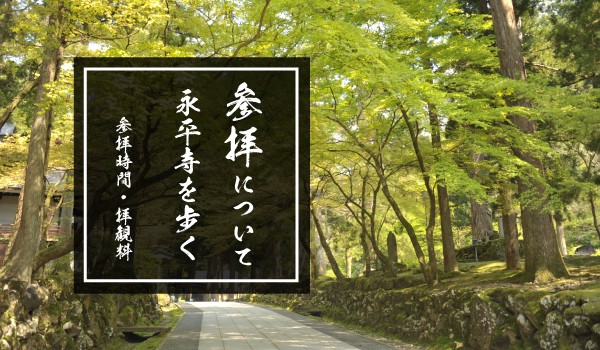
Retraite Zen d'une nuit au sein du temple chef du Soto Zen : zazen avant l'aube, office choka et shojin ryori (cuisine bouddhique végétarienne).
à partir de $55 /par nuit

延暦寺会館
L'unique shukubo (logement monastique) du Hieizan, niché au cœur d'Enryakuji classé à l'UNESCO, avec office matinal à 6h30 dans le Konponchudo (Trésor national) et vues panoramiques sur le lac Biwa.
à partir de $130 /par nuit
Explore Destinations

