
|
|
|
|
|
|
 Photo by Paolo Nicolello on Unsplash
Il est 6 h 25 du matin sur le mont Koya. Vous êtes assis sur un coussin plat zabuton, au fond d'une salle en bois, votre souffle est visible. Un jeune moine en robe noire saisit une longue allumette et l'approche d'une tour de bâtonnets de cèdre empilés sur l'autel central. Le feu prend aussitôt — il y a déjà quelque chose à l'intérieur du bois, une forme d'huile — et en quelques secondes la pièce se remplit d'une lumière orangée et de l'odeur sucrée de résine brûlée. Derrière les flammes, le moine senior s'incline, lève les doigts dans un mudra complexe et entame d'une voix grave et régulière un chant qui ne s'arrêtera pas pendant les quarante minutes suivantes. C'est le Goma (護摩) — l'un des plus anciens rituels religieux exécutés sans interruption sur cette terre.
Le Goma est le nom japonais d'un rituel du feu sacré qui se trouve au cœur du bouddhisme Shingon et Tendai. Le principe est simple : le feu est traité comme un agent de transformation. Des bâtonnets de bois appelés gomagi (護摩木), chacun gravé d'un vœu ou d'une prière personnelle, sont offerts à la flamme. À mesure qu'ils brûlent, on dit que les vœux sont portés — à travers la flamme de sagesse de la divinité Fudo Myo-O — vers l'éveil. Sur un plan plus philosophique, le feu est aussi censé consumer les illusions, la colère et les attachements du fidèle lui-même. Vous regardez votre prière brûler, et vous regardez vos obstacles brûler avec elle.
Le Goma n'est pas une invention japonaise. Le mot est la lecture sino-japonaise du sanskrit homa, un rituel védique du feu vieux d'au moins 3 500 à 4 000 ans. Dans l'Inde ancienne, les prêtres brahmanes offraient ghee, céréales et bois à Agni, le dieu du feu, considéré comme le messager entre les humains et les dieux. Lorsque le bouddhisme indien a absorbé les pratiques tantriques et vajrayana autour du VIIe siècle, le homa fut réinterprété : les offrandes sont devenues symboliques, et la divinité invoquée au centre du feu n'était plus Agni mais un bouddha — le plus souvent Mahavairocana (Dainichi Nyorai, 大日如来), le Bouddha cosmique au cœur de l'enseignement ésotérique. Le rituel a ensuite voyagé jusqu'à la Chine des Tang, puis, en 806 de notre ère, il fut rapporté au Japon par le moine Kukai (Kobo Daishi), fondateur du bouddhisme Shingon sur le mont Koya. Les chants que l'on entend lors d'un goma à Koyasan sont encore en partie en sanskrit, translittéré via le chinois jusqu'à la prononciation japonaise — ce qui signifie que les syllabes elles-mêmes ont été, en un sens très concret, préservées sans changement pendant quarante siècles.
Le Shingon (« Parole véritable ») est l'école ésotérique fondée par Kukai. Elle enseigne que l'éveil n'est pas quelque chose qui s'accumule au fil d'innombrables existences, mais qui peut être atteint dans ce corps, dans cette vie — sokushin jobutsu (即身成仏). Pour y parvenir, le pratiquant unifie les trois « secrets » du corps, de la parole et de l'esprit : le corps forme des gestes rituels (mudra), la parole récite des mantras, et l'esprit visualise une divinité. Le rituel Goma est l'expression publique la plus spectaculaire de cette pratique. Le moine officiant exécute une série extraordinairement complexe de gestes, de mantras et de visualisations — beaucoup ne sont jamais montrés aux laïcs — tandis que le feu extériorise ce travail intérieur pour que tous les présents puissent en être témoins.

Préparation avant l'aube. La salle ouvre vers 6 h 00 et les laïcs sont invités à s'asseoir vers le fond. Bougies et lampes à huile sont allumées. Une petite montagne de bâtonnets gomagi en cèdre — déjà gravés des demandes de prières de la veille — est dressée sur l'autel central. Le moine senior entre, se prosterne trois fois et prend place directement devant le foyer.
L'allumage du feu central. À l'aide d'une longue mèche, le moine enflamme la pile. La flamme est nourrie à plusieurs reprises au cours du rituel par des offrandes mesurées : d'autres bâtonnets, des louches d'huile, des grains de riz, des graines de sésame. Chaque offrande correspond à une étape de la visualisation exécutée en silence dans l'esprit du moine.
Récitation du Sutra du Cœur et des mantras de Mahavairocana. Presque sans pause, le chant s'élève. Vous entendrez le Hannya Shingyo (le Sutra du Cœur) — le texte bouddhique le plus célèbre d'Asie de l'Est — ainsi qu'une série de mantras ésotériques associés à Fudo Myo-O, le protecteur courroucé qui veille sur le feu, et à Mahavairocana, le Bouddha cosmique. Le rythme d'un petit gong en bois (mokugyo) et la note plus grave d'un bol chantant marquent les transitions.
L'ajout des bâtonnets de prière gomagi. Vers le milieu de la cérémonie, un moine assistant apporte les fagots de gomagi gravés. Le moine senior soulève chaque poignée, la touche brièvement à son front, puis la dépose dans le feu. Si vous avez acheté un gomagi la veille au soir, c'est à ce moment précis que votre prière est offerte.
Combustion symbolique des illusions. Dans la doctrine Shingon, le feu ne détruit pas le bois — le bois représente l'ignorance, la colère et l'attachement du pratiquant, et la flamme de sagesse de Fudo Myo-O consume ces obstacles. Voir les flammes monter brusquement plus haut lorsqu'une nouvelle poignée est ajoutée est, par construction, censé donner l'impression de voir quelque chose en soi-même être libéré.
Chants de clôture. À mesure que le feu commence à s'apaiser, le chant change de registre, devenant plus doux, plus mélodique. Le moine exécute une dernière série de mudras, se prosterne à nouveau trois fois et fait tinter une petite cloche. Les visiteurs sont alors invités à s'approcher de l'autel un par un, à s'incliner et à passer leurs mains à travers la fumée résiduelle — censée porter la bénédiction de la divinité sur ce que vous en approchez : un portefeuille, un téléphone, la nuque.
Eko-in (恵光院). La cérémonie la plus accessible pour les visiteurs étrangers. Le Goma a lieu chaque matin à 6 h 30 (7 h 00 en hiver), et un moine donne une courte explication dans un anglais courant avant le début du rituel. Eko-in fournit également un programme imprimé en anglais permettant de suivre quel sutra est récité. Si vous découvrez Koyasan et souhaitez comprendre ce que vous voyez, Eko-in est le bon point de départ. Le temple lui-même accueille des visiteurs internationaux depuis les années 1970.
Fudo-in (不動院). Plus petit, plus tranquille et, comme son nom l'indique, dédié à Fudo Myo-O — la divinité même qui préside au feu du goma. Comme Fudo-in reçoit moins de visiteurs étrangers, l'atmosphère y est plus austère et la cérémonie semble moins mise en scène. Il n'y a généralement pas d'explication en anglais, mais le Sutra du Cœur imprimé est fourni. Recommandé si vous avez déjà assisté une fois à Eko-in et souhaitez une seconde expérience plus méditative.
Autres temples de Koyasan. Plusieurs autres shukubo de la montagne organisent des cérémonies de goma certains jours — Henjoson-in, Sekisho-in et Hoki-in, entre autres. Les horaires varient selon les saisons ; la plupart exigent une réservation par téléphone ou à la réception la veille au soir, et la plupart se déroulent uniquement en japonais. Renseignez-vous à la réception de votre temple lors de votre arrivée.
Il n'y a pas de code vestimentaire formel, mais quelques règles non écrites s'appliquent. La salle n'est pas chauffée, même par les matins d'été, alors superposez les couches — une polaire ou un cardigan par-dessus votre yukata convient parfaitement si vous arrivez directement de votre futon. Évitez les parfums forts, les eaux de Cologne ou les produits capillaires parfumés : dans une petite pièce en bois avec un feu actif, les fragrances deviennent envahissantes et sont considérées comme un manque de respect envers l'autel. Pas de short ni de débardeur, même en août. Si vous portez le yukata fourni par le temple, c'est tout à fait acceptable.
Une fois que le chant a commencé, ne vous levez pas. Ne chuchotez pas, même brièvement, à la personne à côté de vous. Ne regardez pas votre téléphone. Si un moine passe près de vous en portant un instrument rituel, baissez la tête et inclinez-vous légèrement par courtoisie. S'asseoir en tailleur est acceptable ; si vos genoux souffrent du seiza, repositionnez-vous discrètement. De nombreux temples placent de petites chaises au fond pour les visiteurs qui ne peuvent pas s'asseoir au sol — demandez à la porte avant le début de la cérémonie. Surtout, n'oubliez pas qu'il ne s'agit pas d'un spectacle mis en scène pour les touristes. C'est un rituel religieux en activité que les moines accompliraient que vous soyez dans la pièce ou non. Les cérémonies auxquelles vous assistez à Koyasan sont, dans certaines lignées, célébrées chaque matin depuis plus de mille ans.
Dans presque tous les temples de Koyasan, la photographie est interdite pendant le rituel lui-même. La plupart des temples autorisent les photos avant le début de la cérémonie (l'autel vide) et après sa fin (le feu résiduel et l'encens). À Eko-in, le moine principal invite souvent les visiteurs à prendre des photos tout à la fin, une fois le chant terminé. N'utilisez jamais le flash. Ne photographiez jamais le visage des moines pendant le rituel. En cas de doute, demandez au membre du personnel qui vous accompagne — il vous donnera un oui ou un non clair, et ne sera pas vexé que vous ayez posé la question.
Les gomagi (護摩木) sont des bâtonnets plats en bois, à peu près de la taille d'un abaisse-langue, vendus à la réception du temple pour quelques centaines de yens chacun. Vous écrivez un seul vœu au recto, et votre nom et votre âge au verso, dans n'importe quelle langue. (Oui, le français convient — la prière est symbolique, pas littérale.) Les demandes courantes incluent « la santé pour ma mère », « un voyage sûr », « la réussite dans mes études », « la guérison d'une maladie ». Déposez votre bâtonnet dans la boîte d'offrandes à l'avant de la salle la veille au soir, ou remettez-le au moine avant la cérémonie. Il sera ajouté au fagot et brûlé avec les autres. De nombreux visiteurs en écrivent plus d'un. Il n'y a pas de limite supérieure.
Tip
Si vous ne parlez pas japonais et que vous vous sentez gêné d'écrire un vœu devant les moines, rédigez-le la veille au soir dans votre chambre. La réception l'acceptera à tout moment avant 6 h 00 le lendemain matin.
Il existe des dizaines d'expériences religieuses proposées au Japon — méditation, copie de sutras, cérémonie du thé, et même purification shinto sous une cascade. La cérémonie du goma est invariablement celle que les voyageurs décrivent comme la plus marquante. Une partie de la raison est sensorielle : le feu, la fumée, les voix graves des moines récitant dans une langue que vous ne comprenez pas mais que vous ressentez d'une certaine manière, la cloche, le froid d'avant l'aube, la lumière des bougies sur la feuille d'or. Une autre tient à la continuité ininterrompue — la conscience, assis dans cette salle, que vous regardez quelque chose qui fut accompli pour la première fois dans la Chine du IXe siècle, transmis à travers l'Inde de l'époque Tang, et célébré avec très peu de modifications chaque matin depuis. Et il y a, enfin, ce geste petit, presque embarrassant, d'écrire son propre vœu sur un morceau de cèdre et de le regarder réellement brûler. Vous n'avez pas besoin d'adhérer à la moindre cosmologie pour sentir quelque chose se déplacer. À 7 h 30, vous regagnez le hall du temple où un plateau de shojin ryori (cuisine bouddhique végétarienne) vous attend, et le reste du monde ne s'est pas encore éveillé.
Shukubo associés : Fukuchi-in · Takaosan Yakuo-in Daihonbo · Shojoshin-in · Eko-in
Ready to book?
Browse our curated collection of authentic Buddhist temple stays across Japan. Filter by region, sect, and experience.
Commencer l'explorationTemples recommandés pour ce guide
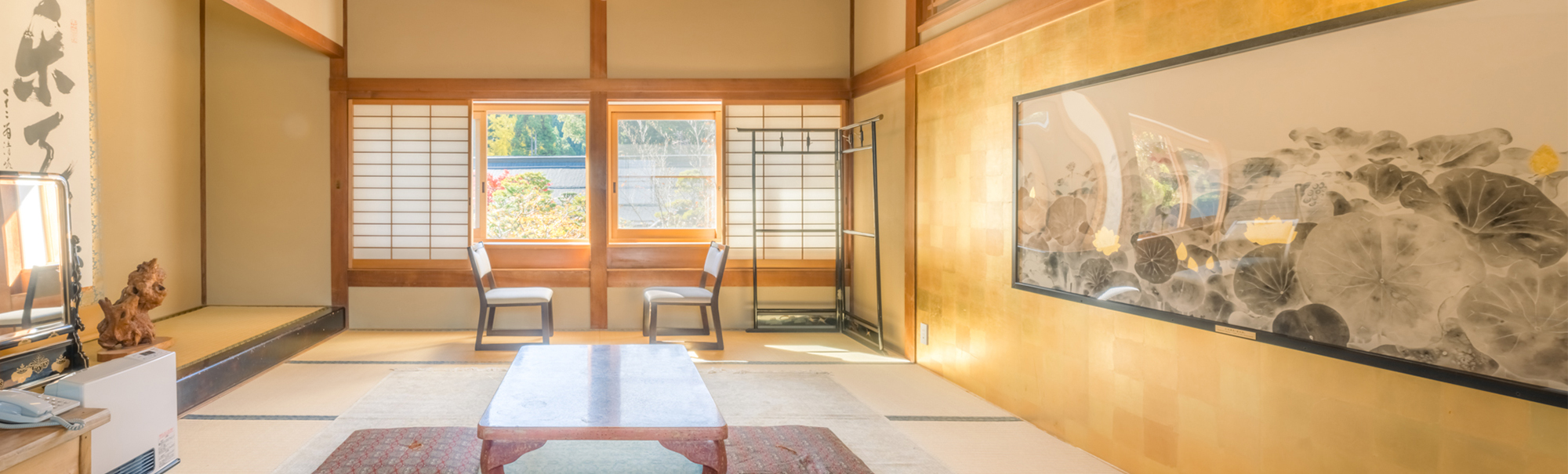
恵光院
Shukubo emblématique de Koyasan, Eko-in propose une cérémonie du feu Goma guidée en anglais, la méditation Ajikan et des visites nocturnes d'Okunoin.
à partir de $130 /par nuit
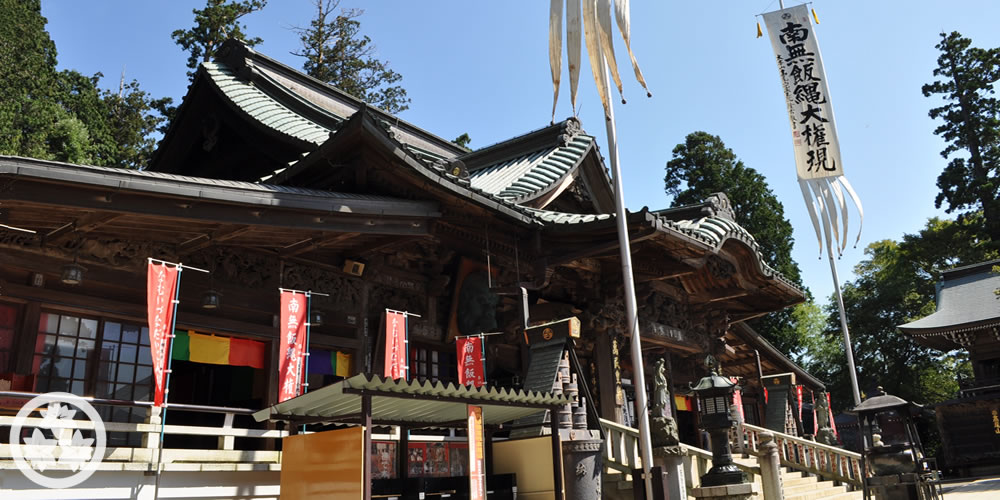
大本山高尾山薬王院有喜寺 大本坊
à partir de $165 /par nuit

無量光院
Shukubo (logement monastique) du Koyasan datant de l'époque de Heian, proposant chaque jour le chant Shomyo et une cérémonie du feu Goma matinale, dans 30 chambres japonaises traditionnelles.
Explore Destinations

