
|
|
|
|
|
|
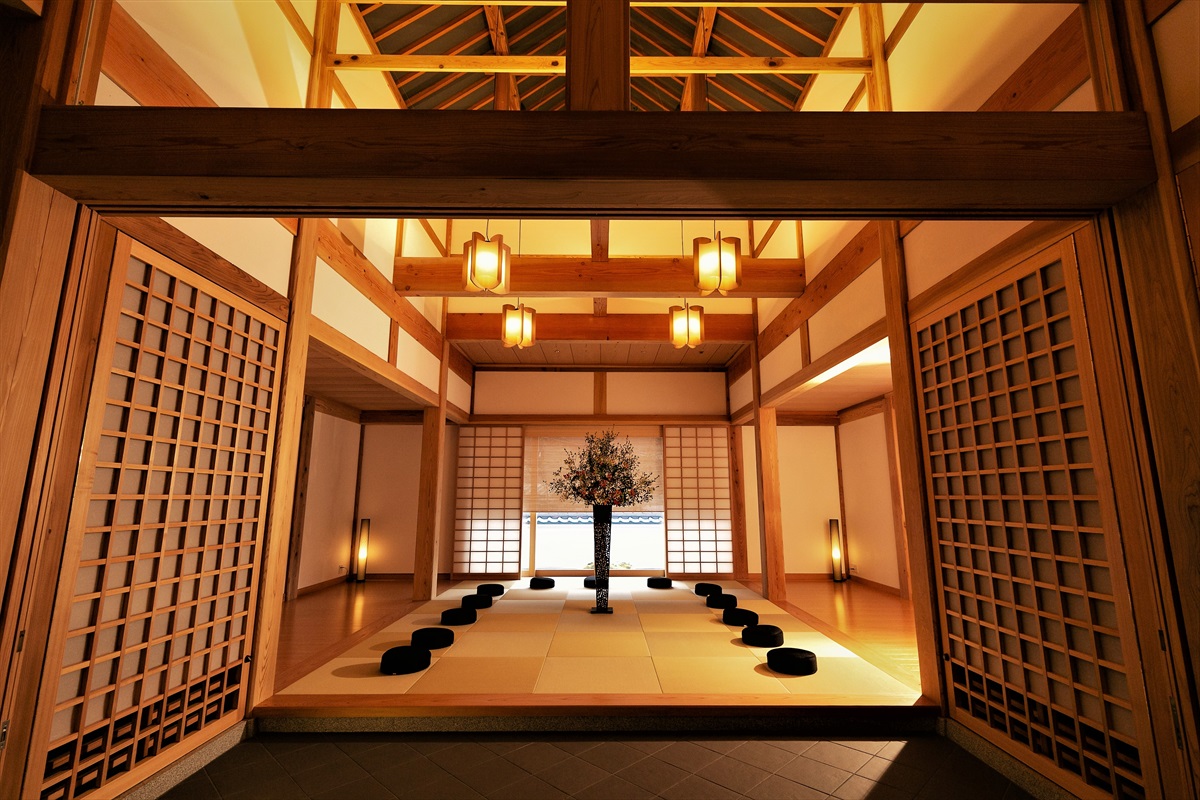 Photo: Hakujukan Eiheiji (hakujukan-eiheiji.jp)
A shukubo — a Japanese Buddhist temple that takes paying overnight guests — was not designed as a digital detox. It was designed in the ninth century as pilgrim accommodation. The building is wooden, the walls are paper, the curfew is 21:00, the morning service is at 05:30, and the Wi-Fi signal in the room is between zero and one bar on a phone held to the window. None of this is marketing. It is what happens when a working temple opens its older guest wing to travellers and continues, otherwise unchanged, to run its daily liturgy around them.
The result is the closest thing to a hard digital detox you can buy in 2026 without booking a silent meditation retreat or going hiking with no reception. It is cheaper than most of those alternatives, available year-round, and structured enough that guests who have failed at airplane-mode weekends can complete it. The catch — the part the wellness press leaves out — is that the experience is not designed to flatter you. The temple is not running this as a product. You are inside their working day.
This guide is for the reader who has already tried the hotel "digital detox" package (room with a lockbox, mocktail on arrival, $600 a night), tried the Bali yoga retreat (lovely, but the Wi-Fi works fine in the cabana), and concluded that the format is the problem. The format that works is one that was not built for the purpose. A shukubo is that format.
The wellness industry has spent fifteen years selling digital detox as a product. The product almost always fails for the same structural reason: the venue still wants to be liked. So the friction is removed — the Wi-Fi is good in case you need it, the room has a TV in case you want it, dinner is buffet so you can eat at your phone, and the evening is unstructured so you can fill it however you like. Fill it with the phone, of course, because that is what unstructured evenings have meant for a decade.
A shukubo does not care whether you enjoy it. This is not snark — it is a structural fact. The temple's primary purpose is to maintain the liturgical schedule of a Shingon, Tendai, Zen, or Pure Land lineage that has been running since the 9th or 13th century. Guests are accepted because that has been the tradition for almost as long, but the schedule does not bend for them. Dinner is at 17:30, the bath closes at 21:00, the morning service starts at 05:30, and the Wi-Fi router is in the lobby because that is where the office is.
This is the difference between a venue designed for you and a venue designed for something else that has politely made room for you. The first will always lose the digital detox argument because the moment you flinch, it will offer you the off-ramp. The second has no off-ramp to offer.
A shukubo removes screen time the way a dam removes a river — not by asking nicely, but by reshaping the terrain. Five specific mechanisms do almost all of the work, and none of them require any willpower from the guest. If you understand these going in, you will both pick the right temple and avoid the disappointment that comes from showing up expecting a spa.
Almost every traditional shukubo locks its outer gate between 20:30 and 21:00. Corridor lights dim. The communal bath closes around the same time. There is no bar, no lobby lounge, no late-opening cafe within walking distance, because most shukubo are on a temple mountain (Koyasan), in a UNESCO complex (Hieizan, Nikko), or inside a precinct gate (Kyoto). By 21:30 the building is dark and silent enough that you can hear the wooden beams settling.
The behavioural effect is larger than the schedule itself. Evening scrolling — the 90 to 180 minutes most adults spend on a phone between 21:00 and bed — does not survive a 21:00 curfew because there is nothing to scroll about. You have not been to any restaurants, the news from home is on a 14-hour offset, and the Wi-Fi in the room is too weak to load a video. The phone goes back in the bag because the marginal pleasure of looking at it is, for the first time in a while, lower than the marginal pleasure of looking at the ceiling.
On the other end of the day, the shukubo eliminates the second great phone-time block: the 30 to 60 minutes most adults spend on a phone in bed after waking. The morning service (otsutome) starts at 05:30, 06:00, or 06:30. You are expected to attend, woken by a wooden bell 15 minutes before, and the service runs 30 to 45 minutes. The Goma fire ceremony at Eko-in on Koyasan is the most famous example for English-speaking guests.
You are in the main hall before you have time to lift the phone. By 07:30, when most travellers would still be checking messages, you are eating breakfast. The phone has had no opportunity to compete because the schedule has already moved past the slot it usually occupies.
Shojin ryori, the Buddhist vegetarian cuisine served at almost every shukubo, makes phone use at the meal awkward to the point of impossibility. Twelve to eighteen small dishes on a lacquered tray, each with a particular eating order, served either in a shared dining room or in your room on a low chabudai table. The meal lasts 45 to 60 minutes. In the shared hall, the social pressure is to eat quietly without a screen. In your room, the tray takes up the entire table and a phone has nowhere to rest where it would not be in food.
This is the meal-time scrolling that most adults do not even register as screen time — the podcast at breakfast, the Slack scan at lunch, the news at dinner. Two shojin ryori meals a day at a shukubo eliminate this for the duration of the stay. For a deeper look at what is actually on the tray, the shojin ryori guide walks through a full Koyasan-style meal dish by dish.
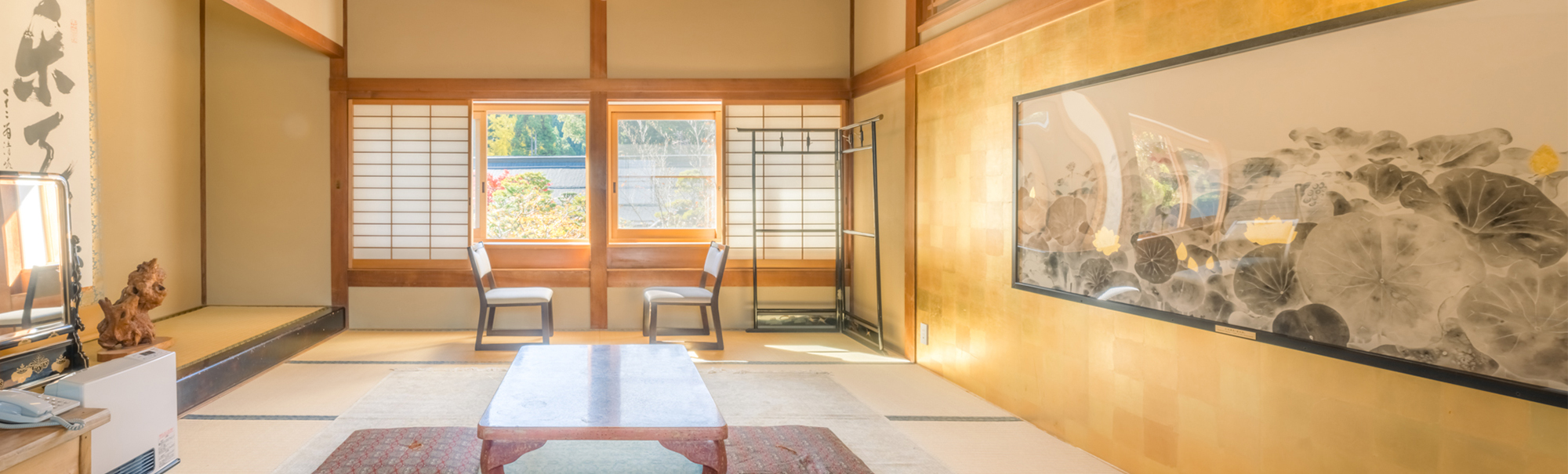
A traditional shukubo room contains a tatami floor, a low table, a zabuton cushion, a yukata, a small mirror, a tea set, and a futon laid out by staff while you are at dinner. That is the entire furniture inventory. No television, no minibar, no welcome card with a streaming password, no desk wired for a laptop. The modern wing at Hakujukan in Eiheiji is a partial exception (TV in some rooms); the traditional default is no screens at all.
The absence of screens matters more than the absence of any individual one. A hotel room with a TV creates a fallback — when you put the phone down, the TV picks up. A shukubo room gives you nothing to default to. After half an hour the silence stops feeling like deprivation and starts feeling like the actual condition of the room. You either bathe, read, or sit with the tea set. None of these scale up to four hours of unstructured evening time, which is the point — you go to bed earlier.
This one is subtler and is the mechanism most often missed. The walls of a traditional shukubo room are shoji (paper over wooden lattice) and fusuma (sliding paper panels). They block visual sightlines well enough but are essentially acoustically transparent. You can hear the guests in the adjacent room moving, the corridor footsteps, the kettle in the room across the hall. The corridor at a typical Koyasan shukubo at 22:00 measures around 38 decibels — quieter than a public library, but not silent. Every sound that does happen is therefore registered.
The effect on phone behaviour is specific. In a hotel room you can retreat into a screen because the walls make you anonymous. In a shukubo room you cannot, because the people next door can hear the audio from your video, the click of your keyboard, and the rustle of you repositioning the phone. So you do not put on audio. You do not take a video call. You do not scroll with sound. The phone, deprived of its audio output and its sense of privacy, becomes much less compelling. Most guests put it down within the first hour without making any conscious decision to.
Most shukubo have Wi-Fi. The Wi-Fi is in the lobby. The router was installed in 2018 or 2019 to satisfy booking platform amenity checkboxes. There is one router, it is in the office wing, the walls are thick wood and clay plaster, and the signal in a guest room 20 metres down a corridor and behind two sliding panels is between 0 and 1 bars on a phone held at the window, with a download speed somewhere between dial-up and "this WhatsApp message will eventually send."
The exceptions are the small number of modern-built or recently renovated lodgings (Hakujukan in Eiheiji, Enmanin Monzeki in Otsu, a few of the Kyoto guest halls) where the Wi-Fi was wired in during construction. Everywhere else, the router is in the lobby and only the lobby. Most guests find that within the first evening, the inconvenience of getting up, walking to the lobby, and standing there in slippers for three bars of signal is greater than the inconvenience of just not checking.
Cellular signal is the same story in a different costume. On the Koyasan plateau (elevation 800m) the LTE signal indoors is one to two bars on most carriers. In Eiheiji town it is one bar. At Enryakuji on Mt. Hiei, signal varies by which side of the ridge your wing is on. The phone works — you can call out in an emergency — but the experience of using it for anything pleasurable is bad enough that the device stops being entertaining.
This is the feature. If the Wi-Fi worked perfectly in the rooms the detox would fail, because at hour six (see below) most guests would cave. The router being 30 paces away in a brightly lit lobby is the structural friction that makes the detox actually take.
The reasonable objection to a digital detox is: what will I do? The reasonable answer at a shukubo is: the day is already structured. The temple has been running this schedule for centuries and you are inside it. A typical 24-hour stay looks like this, with most hours accounted for without any decision-making on your part.
15:00 — Check-in. Greeted by a monk, shown to your room, given a yukata and a thermos of hot water, briefed on the schedule. About 15 minutes.
16:00 to 17:30 — Free time. Most shukubo sit beside a main hall and garden you are welcome to walk. On Koyasan this is when to walk to Okunoin cemetery while it is still light; in Eiheiji, the river path; in Kyoto, the precinct.
17:30 — Bath. The communal bath is open from 16:30 to 21:00; the custom is to bathe before dinner. At onsen-equipped shukubo such as Fukuchi-in the bath is a destination in itself. The shukubo with onsen guide lists the temples with natural hot springs.
18:00 — Shojin ryori dinner. Served in your room or in a communal hall. 12 to 18 small dishes, each with a name and a place on the tray. The meal takes the full hour.
19:00 — Evening activity (optional). Sutra copying (shakyo) for 60 to 90 minutes, guided meditation, or the Eko-in English Okunoin night tour. If you do not take an activity, you read, write, or take a second bath.
20:30 to 21:00 — Curfew. Outer gate locked. Bath closes. Corridor lights dim. Most guests are in bed by 22:00 because there is nothing else to do and the futon is warm.
05:30 — Morning service. Woken 15 minutes before. Service 30 to 45 minutes. At Eko-in the Goma fire ceremony is the headline; at Eiheiji the morning sutra chanting fills the main hall with sound you feel in your sternum.
07:00 — Breakfast. A smaller shojin ryori tray, served the same way as dinner. About an hour.
08:00 — Free time before checkout. Walk the grounds, finish a sutra-copying session, take a final bath. Check-out is 10:00.
Roughly 16 of 19 waking hours are accounted for by something other than scrolling. The remaining 3 hours — late afternoon, post-bath evening, early morning before service — are the empty slots the phone usually fills. These are also the slots when the Wi-Fi is least convenient and the room is most likely to be observed by neighbours through paper walls.
Not all shukubo apply the same pressure. The mistake first-timers make is booking the most intense option because the brochure photos look serious, then arriving exhausted from international flights and discovering they cannot keep up with 03:50 bells. Pick by honest assessment of your sleep and meditation history, not by how the temple photographs.
The Pure Land sect (Jodo-shu) is the gentlest mainstream Buddhist lineage in Japan for guests; practice centres on the nembutsu chant rather than long meditation. Chion-in Wajun Kaikan, the guest hall of the head Pure Land temple in Kyoto, runs a 06:30 morning service of about 30 minutes, serves shojin ryori in a communal hall, and has Western-style rooms alongside tatami. Curfew 22:00. No required zazen. For a guest who wants the format without the deeper meditation demand, this is the easy entry. Pricing 9,000 to 14,000 JPY per night with two meals.
The Soft tier also includes Enmanin Monzeki in Otsu, and the Kyoto-area Rinzai sub-temples that run guest accommodation without a required practice element. See the Buddhist sect comparison for how the practice intensity differs between lineages.
The middle tier is where most foreign visitors should start. Eko-in on Koyasan runs an English-guided morning Goma fire ceremony, an Ajikan meditation session in the evening (25 minutes seated, conducted in English with a brief explanation), and an optional Okunoin night tour. Wi-Fi in the lobby only. Curfew 21:00. Shojin ryori dinner served in your room. Pricing 13,000 to 22,000 JPY per night for two meals.
Hakujukan in Eiheiji is the modern alternative — a contemporary Zen lodge built in 2019 by the Eiheiji administration, with English instructors, a cypress bath, and a "Soul of Zen" programme that includes a 05:00 zazen and a tour of the main Eiheiji complex. Wi-Fi is reliable in the rooms (the exception that proves the rule). Pricing 30,000 to 55,000 JPY per night for two meals — premium, but more polished for first-time foreign Zen practitioners than the older Eiheiji lodgings.
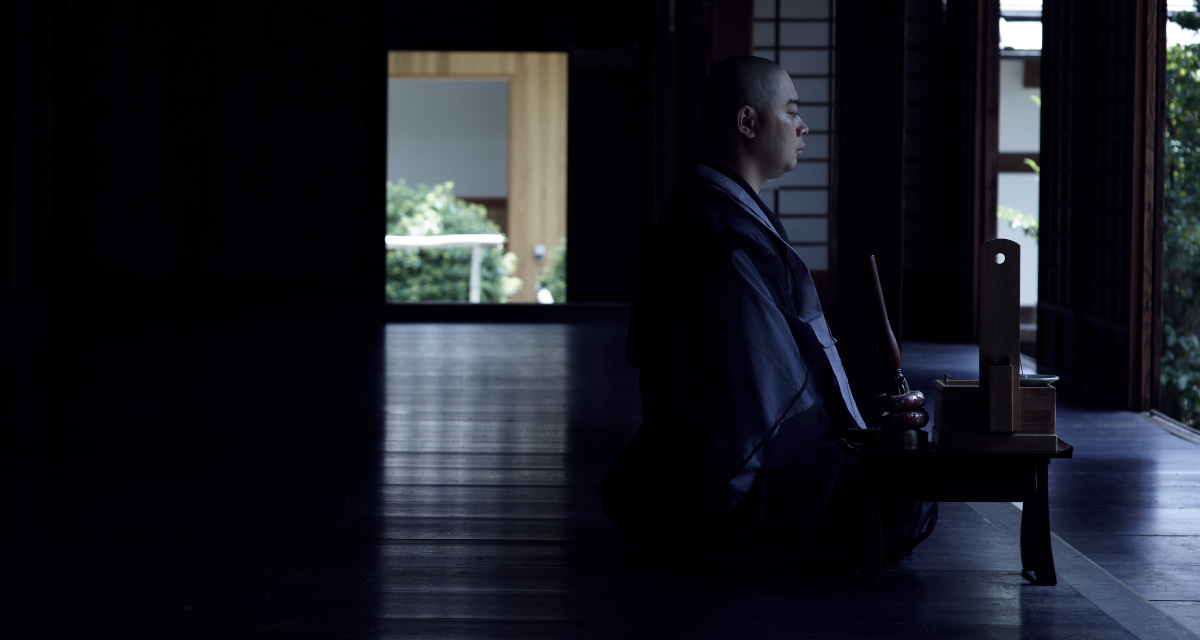
Shunkoin in Kyoto sits at the same level, run by the English-fluent Rev. Takafumi Kawakami. Morning zazen, an English calligraphy session, and accessible accommodation inside the Myoshin-ji complex. Pricing 12,000 to 18,000 JPY. See the English-friendly shukubo guide for the full list.
The deep end is the actual Soto Zen training monastery experience at Eiheiji Sanro — staying inside the working sodo for two or three nights, participating in the 03:50 wake-up, three daily services, formal oryoki meals taken in silence with the unsui (training monks), and 40-minute zazen sessions. No Wi-Fi inside the practice halls. No private rooms in the traditional sense — you sleep on a tatami platform with other lay practitioners. No menu choice. No morning skip.
Not for a first-timer and not for a casual digital detox — a serious commitment the temple still graciously accepts from lay people willing to follow the schedule. Pricing 12,000 to 16,000 JPY per night, which is misleading — the cost is not financial. The reward, for those who can sit it, is the closest thing to monastic life available to a non-ordained guest in Japan. The Koyasan vs Eiheiji comparison covers the cultural difference between the two main shukubo regions.

Shukubo pricing falls into three rough tiers, none of them wellness-industry money. The breakdown below is per person, per night, with dinner and breakfast included.
Budget — $45 to $90 (7,000 to 14,000 JPY). Smaller and older Koyasan shukubo (Henjoson-in, Saizen-in, parts of Sekisho-in), Tendai lodgings at lower-tier Hieizan temples, and the basic monk-hall stay at Eiheiji-sanro. Tatami room, shared bath, two meals. Often no English staff. Room small (4.5 to 6 mats), bath wooden and basic, food excellent. This is where most Japanese pilgrims stay — the most "inside the working day" experience available.
Mid — $90 to $180 (14,000 to 28,000 JPY). English-friendly Koyasan headliners (Eko-in, Fukuchi-in, Rengejo-in), Shunkoin in Kyoto, Enryakuji Kaikan on Hieizan, the better Pure Land guest halls. Larger room (8 to 10 mats), often private toilet, English morning service or printed translation, English staff, one or two evening programme add-ons included.
Premium — $180 to $400 (28,000 to 60,000 JPY). Hakujukan in Eiheiji, the top suites at Fukuchi-in, Enmanin Monzeki in Otsu, a handful of recently renovated Kyoto shukubo. Modern rooms with proper beds or thick tatami platforms, full English staff, structured programmes with named instructors, premium shojin ryori with seasonal kaiseki-influenced plating. The wellness-retreat price bracket, competing directly with luxury ryokan.
For digital detox specifically, the mid tier is where most travellers should focus. Budget is excellent but the language barrier can make the morning service feel like it is happening to you rather than for you. Premium loses some structural detox effect because the rooms have working Wi-Fi and Western beds — both small dilutions of the format. Mid preserves the format and adds enough English to make the practice legible.
A wellness brochure will not tell you the following, but the monks will if you ask. Four specific parts are genuinely hard, and pretending otherwise produces guests who arrive expecting a spa and write angry reviews when it is, in fact, a temple.
The 6-hour withdrawal. Most guests experience a specific, identifiable irritation roughly 6 hours after check-in — usually somewhere between the post-bath relaxation and the post-dinner emptiness. This is the brain registering that the dopamine source it was expecting is not arriving. The symptoms are mild restlessness, a feeling of "wasting" the evening, and occasional grumpiness with travel companions. It passes within an hour if you let it. The mistake is interpreting it as evidence that the trip is going wrong; it is, in fact, the trip working.
Evening boredom is real. From 19:30 to 21:00 is a 90-minute slot adults in 2026 are profoundly out of practice with. The shukubo will not entertain you. Some temples offer an evening sutra-copying session; if yours does not, bring a paperback or a notebook. Wajun Kaikan at Chion-in and several Kyoto shukubo have a small lobby reading area; the traditional Koyasan room has only the floor.
21:00 curfew is claustrophobic if you cannot sleep early. If your bedtime is 00:30, the 21:00 curfew gives you four to six hours of consciousness in a small quiet room. Fine if you can read, hard if you struggle with insomnia in unfamiliar beds. The futon is firmer than most Westerners expect and the room is colder than a hotel in winter (under-floor heating is rare). Bring an eye mask, accept that you will toss for an hour, use the time to read.
The morning service is at 06:00 whether or not you slept. The bell will ring, the monk will knock, the service will happen at the scheduled time. Skip it because you are tired and you have technically been allowed to, but you have missed the load-bearing element of the trip — the morning service is the best thing about the stay for most guests.
A serious digital detox needs a small amount of pre-trip communication so the absence of a response from you does not produce escalating panic messages on your return. The standard formulation works for both work and family.
"I will be off-grid from Friday afternoon to Saturday afternoon Japan time. I am staying at a temple lodging with very limited mobile signal and no in-room Wi-Fi. The temple landline for genuine emergencies is [number]. If it is not a genuine emergency, please leave a message and I will respond Saturday evening Japan time."
Every shukubo has a landline — it is how they take bookings from older Japanese pilgrims who do not use email. The number is on the website. The temple will take a message and the front desk monk will find you. They will not interrupt you for a Slack notification. This is the right level of escalation friction.
For work specifically, set an auto-responder that names the temple and the country. "I am at a Buddhist temple lodging in Japan and will respond on [date]" produces a much more patient reply than a generic out-of-office. Most professional contacts find this slightly aspirational rather than annoying.
For partners and close family, send a single message at check-in ("at the temple, all good, see you tomorrow afternoon") and then nothing until check-out. This gives them a known last-contact time, which is what the worry centre of the brain needs to settle.
One night at a shukubo is enough to experience the format. Two nights is when the detox actually takes. Three nights changes how you sleep for the rest of the trip. Night one is when the phone-withdrawal fights the silence and most guests spend the evening looking for something to do. Night two is when the silence stops being an absence and starts being a presence — you stop noticing the lack of input and start noticing the corridor sounds, the bath water, the way the futon smells of cedar.
For a Koyasan-based detox, book two consecutive nights at Eko-in or Fukuchi-in — about $200 to $360 total for two people, four meals included. The temples are happy to take a two-night booking; many guests do three nights but two is the threshold below which the format does not fully install. The best Koyasan temple stays guide compares the 10 most popular shukubo on the mountain.
For an Eiheiji-based detox, two nights at Hakujukan or three at Eiheiji-sanro is the equivalent. For a Kyoto-based detox with city access, two nights at Shunkoin or Chion-in Wajun Kaikan with a temple-walking day in between is the format that works without losing the detox effect.
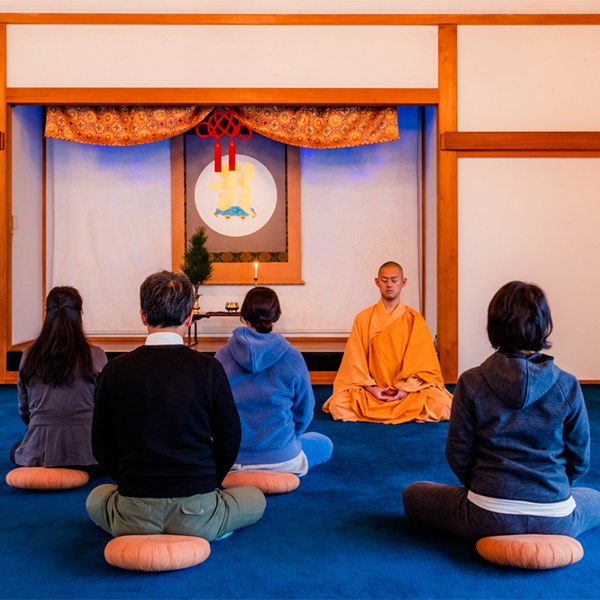
The reason a shukubo digital detox works and a hotel one does not is structural, not aesthetic. The temples are running their daily liturgy, which has been the same liturgy since the 9th, 12th, or 13th century depending on the lineage, and you are inside it. The morning service is not staged for you. The 21:00 curfew is not a "boundary" — it is when the night monk locks the gate. The shojin ryori is not "mindful eating" — it is what monks have eaten for 1,400 years because of Mahayana dietary precepts.
The affluent traveller has been trained to recognise staging instinctively — candles in the spa, singing bowl at check-in, personalised aromatherapy oil. These read as products because they are products. A shukubo offers none of this and is therefore not parsed as a wellness purchase. The format slips past the defences that the reader of NYT Travel or Conde Nast has built up against fifteen years of wellness marketing. You did not buy mindfulness. You booked a room at a temple. The temple is doing what it does.
The price reflects this. A premium shukubo at $300 a night costs less than half what a comparable Western silent retreat costs, and includes two restaurant-quality meals, a private tatami room, the morning ceremony, and the optional evening practice. Lodging revenue subsidises temple maintenance and the training of the next generation of monks. You are paying, in the older sense, for the keeping of a place that has kept itself for a very long time, and the digital detox is what happens to you while you are there.
If you book two or three nights and want the daytime to match the evening, three pairings work consistently — each a single low-input outdoor activity with no crowds and no phone reference.
Koyasan plus a Kumano Kodo half-day walk. Koyasan sits at the northern end of the Kumano Kodo pilgrimage network. From Koyasan station, a 90-minute bus drops you at the start of the Kohechi route — a 4-hour forested section to a small village. The path is well marked, there is no phone signal for most of it, and the silence is comparable to the shukubo.
Eiheiji plus the Tojinbo coast walk. Eiheiji is 50 minutes by bus from Tojinbo, the basalt cliff coastline on the Sea of Japan. The cliff-top walk takes 90 minutes, the only sound is wind and surf, and the fishing village of Mikuni at one end has a quiet ryokan-style lunch option.
Kyoto stay plus early-morning Arashiyama bamboo grove. From Shunkoin or Chion-in Wajun Kaikan, take the first train to Arashiyama and walk the bamboo grove at 06:30. By 08:30 it is full of tour groups and useless. From 06:30 to 07:30 it is the same grove every wellness brochure shows you, except actually empty — and you can hear the bamboo creaking in the wind (the thing every guidebook claims you cannot hear). You will be there at 06:30 because you woke up at 05:30 for the morning service.
Tip
What about medical apps and glucose monitors? Cellular signal is sufficient for medical app sync at every shukubo on this list — the issue is only consumer Wi-Fi for video and scrolling. Diabetes monitors, heart-rate apps, sleep trackers and similar all work fine on the cell network. If you depend on a specific app for medication reminders, set it to local notification mode (does not require network) before you arrive. Tell the front desk if you have a serious medical condition; the temple will accommodate a small accommodation such as keeping a charger out at reception.
Tip
Can I use the phone for music or a sleep app? Audio playback from a downloaded source (no streaming) is technically allowed but should be on headphones, because paper walls mean any audio leaks to the next room. A white-noise sleep app with headphones is fine. A meditation app played out loud is not. The honest recommendation is to not use the phone for audio at all — the temple corridor at 22:00 is at 38 decibels, which is itself the white noise you were trying to generate.
Tip
What if there is a real work emergency? Every shukubo has a landline; the number is on the temple website. Forward this number to your manager or your team lead with the message "for genuine emergencies only." The front desk monk will find you within 15 minutes if the call comes in. In practice, the threshold of "is this emergency enough to call a temple landline in Japan" filters out 99% of what gets a notification on a phone — which is the entire point.
Tip
What if my partner does not want to detox? This is the most common honest reason the experience fails for couples. The format only works if both people are doing it; one person scrolling in the room while the other tries to read makes the silence weird rather than restful. If your partner is not on board, book two separate single rooms (most shukubo will accommodate this for the same total cost as a double), agree that one of you will use the lobby Wi-Fi as needed and the other will not, and reconvene for meals and the morning service. Forcing a reluctant partner into a 21:00 curfew without buy-in is the worst possible version of the trip.
Tip
Can I take photos at all? Yes, photos of the gardens, the exterior, and the room are fine and expected. Photos of the main hall during the morning service are not — the service is not a performance and the camera shutter is loud against the chanting. Photos of monks should be asked for first; most will say yes for a portrait. The temple is not a photogenic backdrop and treating it as one is the fastest way to mark yourself as a tourist rather than a guest. The <a href="/blog/shukubo-etiquette">shukubo etiquette guide</a> covers the full code in detail.
The reason a shukubo digital detox works is that it was not invented as one. The format is a thousand-year-old residential schedule, retained because the temple cannot run any other way, that happens — by accident of the century we are living in — to be the single most effective intervention available to a contemporary traveller for the problem of being on the phone too much. The temples optimised for the morning service, the daily liturgy, and the food precepts. The digital detox is what falls out of those constraints when you are inside them.
This is why guests who have already tried the hotel detoxes and the Bali retreats tend to come away from a two-night shukubo with the specific calm of having actually put the phone down — rather than the simulated calm of having paid someone to ask them nicely. The temple does not ask nicely. The gate closes at 21:00. The bell rings at 05:30. The food is on the tray. You eat it, you bathe, you walk the corridor, you sleep on the floor, you wake to the bell, and you do this twice. By the second evening you have forgotten where the phone is.
For first-time guests, the practical recommendation is two nights at Eko-in on Koyasan in the mid-tier price bracket, with the English Goma ceremony, the Ajikan meditation, the Okunoin night tour, and a shakyo session in the second-evening slot. This is the configuration that produces the experience the brief above describes. For Eiheiji-curious guests with a slightly higher budget, two nights at Hakujukan is the equivalent. For Kyoto-based travellers, two nights at Shunkoin or Chion-in Wajun Kaikan with a morning Arashiyama walk in between is the format. For the full how-to on booking your first stay, see the shukubo first-time guide, the what to wear in a shukubo guide, and the English-friendly shukubo roundup.
Book the second night when you book the first. Tell your family. Set the auto-responder. Pack a paperback. Leave the laptop at the hotel. Arrive at 15:00, accept the yukata, attend the service, and let the building do the rest. The quietest 24 hours of the year is not, it turns out, an experience that has to be designed. It only has to be entered.
Ready to book?
Browse our curated collection of authentic Buddhist temple stays across Japan. Filter by region, sect, and experience.
Start ExploringRecommended Temples for This Guide
永平寺 親禅の宿 柏樹関
A modern Zen inn at the gate of Eiheiji, with 18 cedar-built rooms, evening zazen and access to the temple's pre-dawn morning service.
from $195 /per night
春光院
Kyoto's most internationally renowned Zen shukubo, offering English-led meditation classes and modern en-suite rooms inside a 1590 Myoshin-ji sub-temple.
from $60 /per night
恵光院
A flagship Koyasan shukubo with English-guided Goma fire ceremony, Ajikan meditation, and nightly Okunoin tours.
from $130 /per night
福智院
The only Koyasan shukubo with a natural hot spring, three Mirei Shigemori gardens, and refined shojin ryori.
from $175 /per night

知恩院 和順会館
The official lodging of Chion-in, head temple of Jodo-shu Pure Land Buddhism, with morning services in a National Treasure hall and 50 modern rooms beside the Sanmon gate.
from $80 /per night
Explore Destinations

