
|
|
|
|
|
|


Le plus ancien sous-temple du mont Shigi, fonde en 902, ou brule sans interruption depuis 1 100 ans le feu Goma de Bishamonten, avec 13 chambres traditionnelles.
Opened in 902 by the priest Myoren Shonin after he prayed for Emperor Daigo's recovery and was granted the imperial name "Chogosonshi-ji". Senjuin was the residence of successive Shigisan abbots and is described in old records as "the head household of Mt. Shigi".
Since Myoren Shonin lit the original goma fire over a thousand years ago, the Bishamonten goma at Senjuin has burned every single day without break. Overnight guests can attend the morning ceremony and have personal prayer plaques offered into the flames.
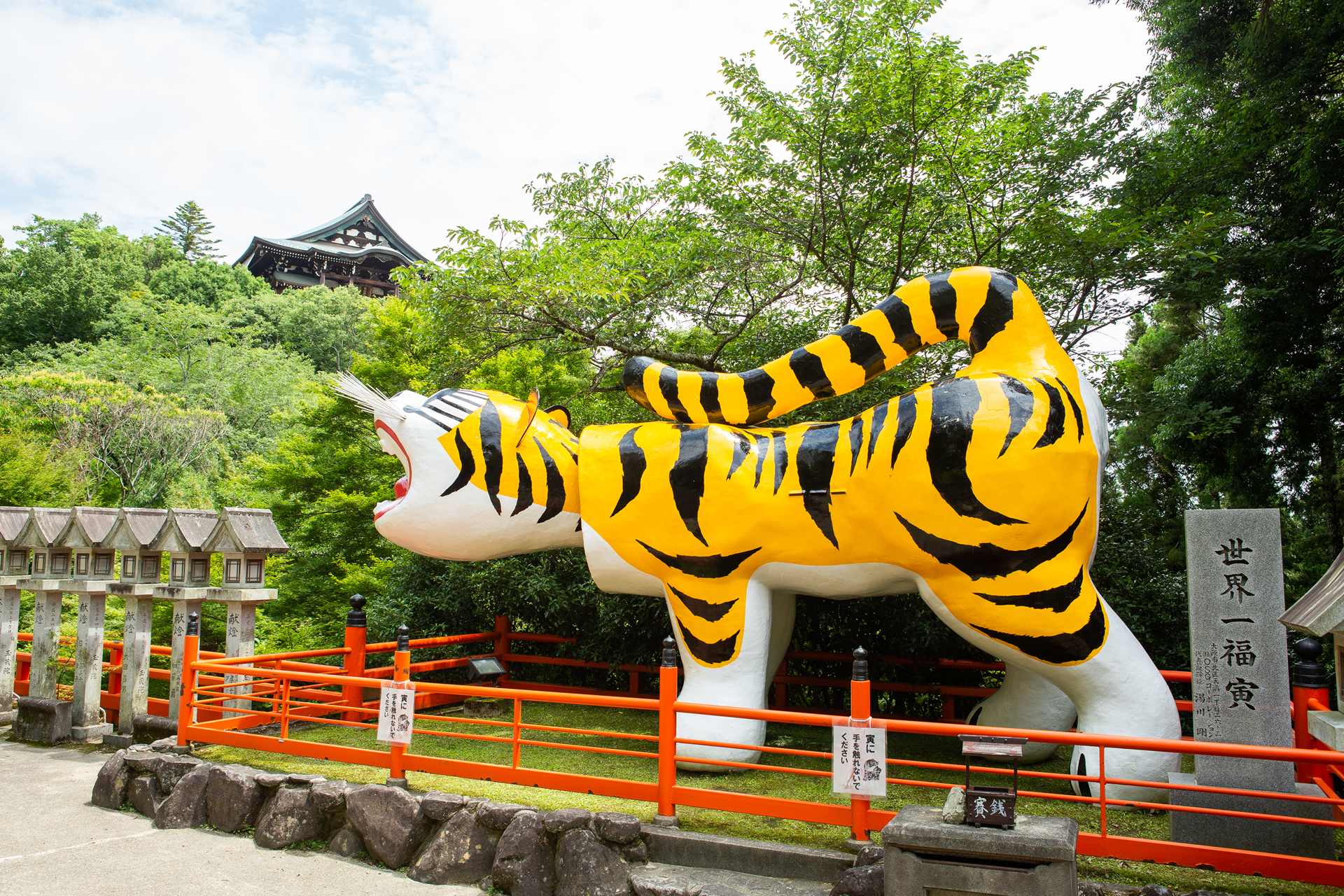
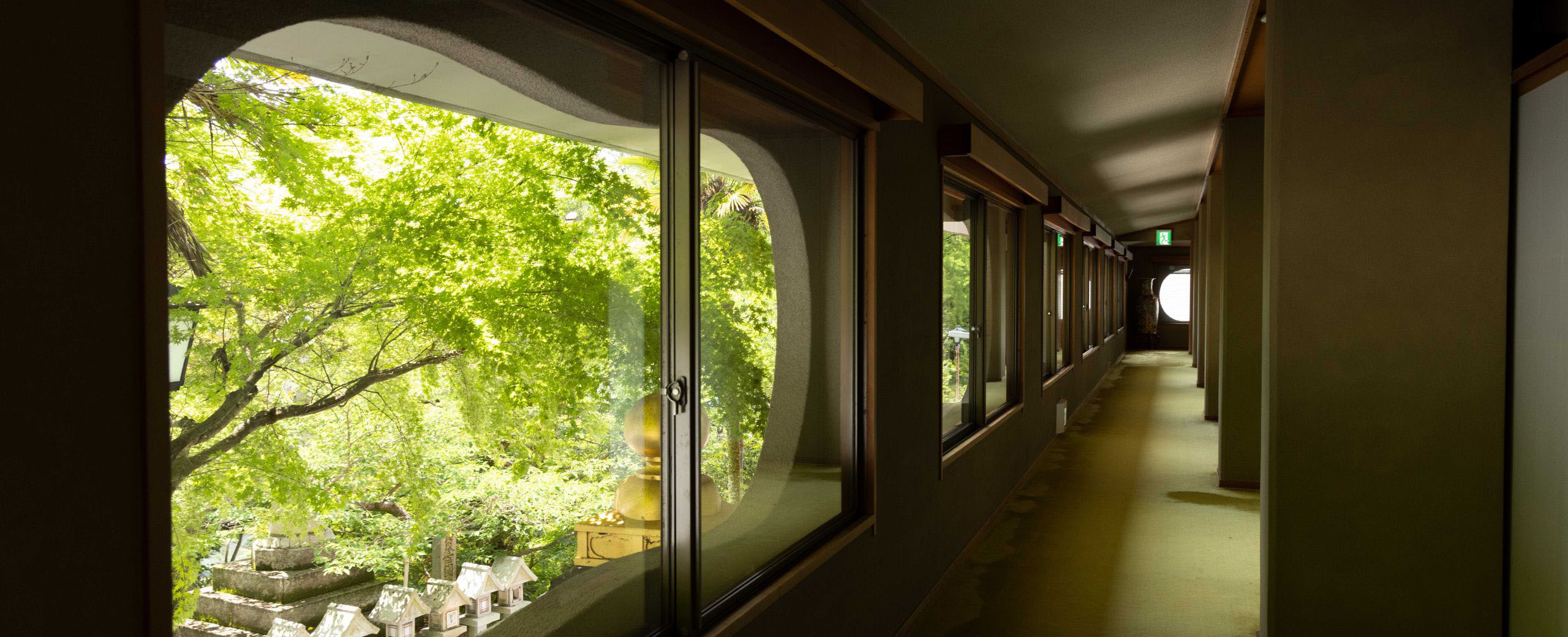
The 13 guest rooms (6–12 tatami) span the Edo-period Honkan — Shigisan's second-oldest building, with painted fusuma and undulating Taisho glass — and the modern Shinkan with a 150-person hall and the Daihikaku training room. Senjuin holds the only pond garden on Mt. Shigi, traditionally attributed to the daimyo and tea master Kobori Enshu.
Shigisan Senju-in
Comparer 2 plateformes — économisez jusqu'à 20%
Les liens de réservation peuvent générer une commission, sans frais supplémentaires pour vous.
Gare la plus proche
Shigisanshita Station (Kintetsu Ikoma Line) / JR Oji Station
Depuis l'aéroport du Kansai (KIX)
1. JR Haruka Express → Kyoto Station ~75 min
2. Local train/taxi → Shigisanshita Station (Kintetsu Ikoma Line) / JR Oji Station ~12 min
Depuis Tokyo
1. Tokaido Shinkansen → Kyoto Station ~2h 15m
2. Local transit → Shigisanshita Station (Kintetsu Ikoma Line) / JR Oji Station ~12 min
Depuis Osaka
1. JR Special Rapid → Kyoto Station ~30 min
or Hankyu Railway → Kawaramachi ~45 min
Conseil: Procurez-vous une carte IC (ICOCA ou Suica) dans n'importe quelle gare pour voyager facilement en bus et en train.
💡 Économisez avec un Japan Rail Pass
Trajets illimités en Shinkansen et trains JR locaux
11 questions sur Shigisan Senju-in
Opened in 902 by the priest Myoren Shonin after he prayed for Emperor Daigo's recovery and was granted the imperial name "Chogosonshi-ji". Senjuin was the residence of successive Shigisan abbots and is described in old records as "the head household of Mt. Shigi".
Since Myoren Shonin lit the original goma fire over a thousand years ago, the Bishamonten goma at Senjuin has burned every single day without break. Overnight guests can attend the morning ceremony and have personal prayer plaques offered into the flames.
The 13 guest rooms (6–12 tatami) span the Edo-period Honkan — Shigisan's second-oldest building, with painted fusuma and undulating Taisho glass — and the modern Shinkan with a 150-person hall and the Daihikaku training room. Senjuin holds the only pond garden on Mt. Shigi, traditionally attributed to the daimyo and tea master Kobori Enshu.
11 questions sur Shigisan Senju-in
Plus à Nara
信貴山大本山 玉蔵院
Temple de priere Shingon en activite et shukubo (logement monastique) sur le mont Shigi, avec ceremonie du feu Goma quotidienne avant l'aube, shojin ryori (cuisine bouddhique vegetarienne) et accueil en anglais.
à partir de $75/nuit
信貴山大本山 成福院
Shukubo moderne du mont Shigi signe Murano Togo, avec chambres a bain prive, vues sur la montagne et tarif sudomari a 53 USD.
à partir de $50/nuit