
|
|
|
|
|
|
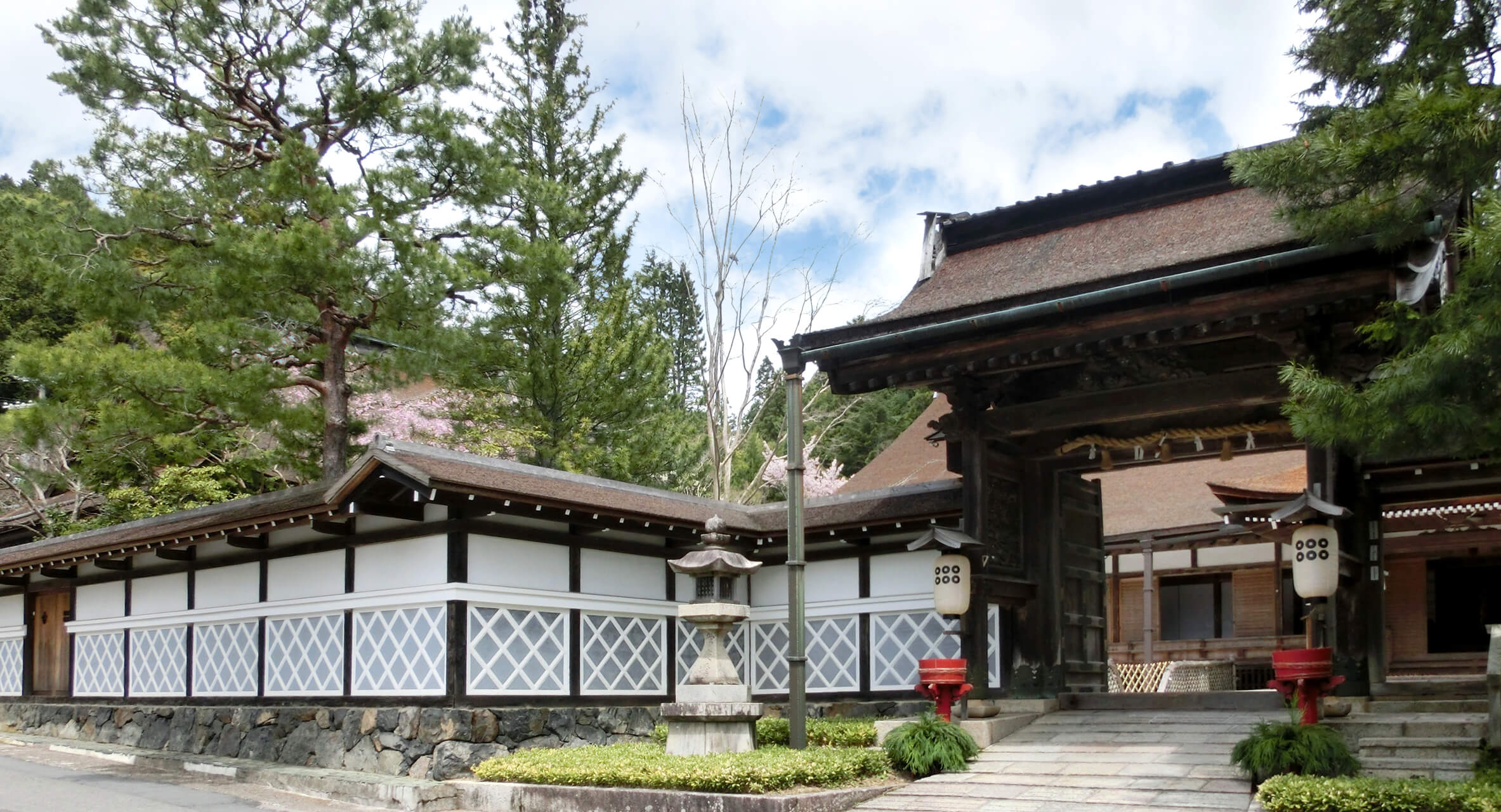
Shukubo (logement monastique) historique du Koyasan, fondé par Hojo Masako en 1211, abritant une pagode Tahoto classée Trésor national et plus d'une douzaine de Biens culturels importants.
Erected in 1223 by the noble lady Hojo Masako, this two-story Tahoto is Japan's second oldest after Ishiyama-dera. It was designated a National Treasure in 1900 and is part of the UNESCO World Heritage Sacred Sites of the Kii Mountain Range.
Commissioned in 1211 by Hojo Masako, the "Nun Shogun," to pray for the souls of her husband Minamoto no Yoritomo and her son Sanetomo. The temple preserves over a dozen Important Cultural Properties.
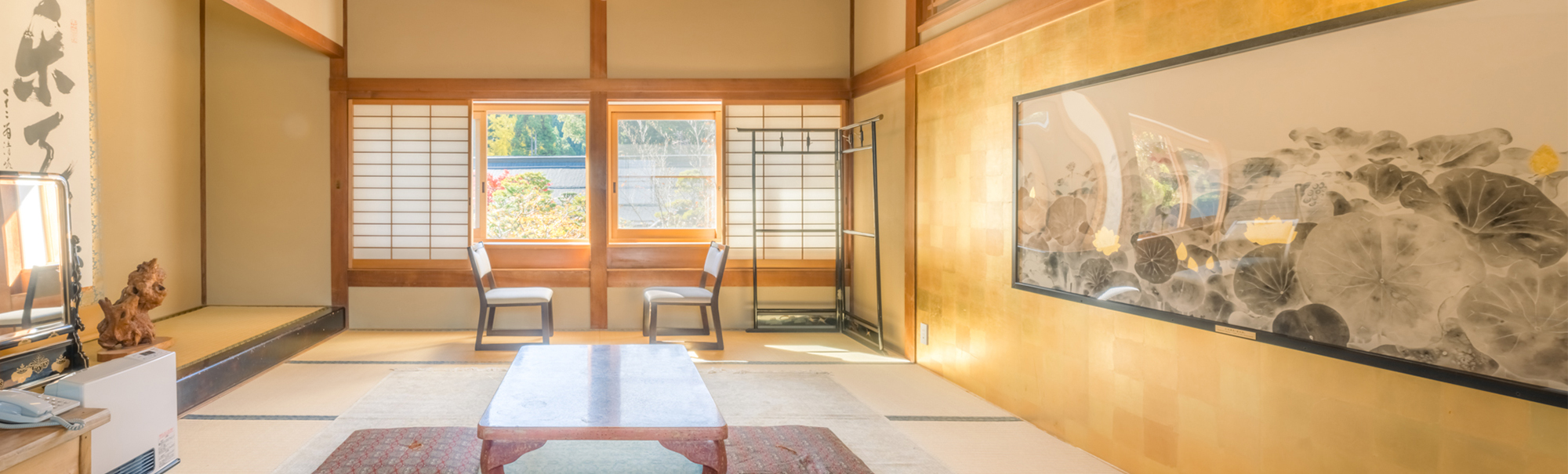
Set just off the main street of Koyasan in a quiet wooded compound, Kongo-Sanmai-in offers shojin ryori dinners, morning service in the historic main hall, and tatami-room lodging within a living National Treasure precinct.
Gare la plus proche
Koyasan Station (cable car)
Depuis l'aéroport du Kansai (KIX)
1. JR Haruka Express → Kyoto Station ~75 min
2. Local train/taxi → Koyasan Station (cable car) ~10 min
Depuis Tokyo
1. Tokaido Shinkansen → Kyoto Station ~2h 15m
2. Local transit → Koyasan Station (cable car) ~10 min
Depuis Osaka
1. JR Special Rapid → Kyoto Station ~30 min
or Hankyu Railway → Kawaramachi ~45 min
Conseil: Procurez-vous une carte IC (ICOCA ou Suica) dans n'importe quelle gare pour voyager facilement en bus et en train.
💡 Économisez avec un Japan Rail Pass
Trajets illimités en Shinkansen et trains JR locaux
12 questions sur Kongo-Sanmai-in
Erected in 1223 by the noble lady Hojo Masako, this two-story Tahoto is Japan's second oldest after Ishiyama-dera. It was designated a National Treasure in 1900 and is part of the UNESCO World Heritage Sacred Sites of the Kii Mountain Range.
Commissioned in 1211 by Hojo Masako, the "Nun Shogun," to pray for the souls of her husband Minamoto no Yoritomo and her son Sanetomo. The temple preserves over a dozen Important Cultural Properties.
Set just off the main street of Koyasan in a quiet wooded compound, Kongo-Sanmai-in offers shojin ryori dinners, morning service in the historic main hall, and tatami-room lodging within a living National Treasure precinct.
12 questions sur Kongo-Sanmai-in
Plus à Koyasan
恵光院
Shukubo emblématique de Koyasan, Eko-in propose une cérémonie du feu Goma guidée en anglais, la méditation Ajikan et des visites nocturnes d'Okunoin.
à partir de $130/nuit

福智院
Seul shukubo de Koyasan doté d'une source thermale naturelle, avec trois jardins signés Mirei Shigemori et un shojin ryori raffiné.
à partir de $175/nuit
蓮華定院
Shukubo bodaiji de la famille Sanada sur le mont Koya : moines anglophones, seulement 13 chambres et un fort héritage de l'époque des samouraïs.
à partir de $230/nuit
Articles connexes