
|
|
|
|
|
|
 Photo by Paolo Nicolello on Unsplash
The smell reaches you before the fire does. It is cedar resin and something older — a sweetness that is more plant than incense, a sharpness that catches at the back of the throat — and it has been moving through this wooden hall since before you arrived. At the centre of the altar, a young monk in white robes stacks the last of the cedar sticks into a precise pyramid around the iron fire pit. The sticks have been inscribed, in brushwork, with names and prayers from people who left them at the reception desk the previous afternoon. The senior monk, kneeling directly in front of the altar, raises both hands into a complex gesture — fingers interlaced at an angle no anatomical diagram seems to describe — and holds it. Then the match is touched to the base of the wood, and the hall goes orange.
You are front-row at a Goma fire ceremony (護摩供, goma-ku), and in the next forty minutes you will watch a monk perform a ritual that has been transmitted, without significant alteration, from seventh-century India through Tang-dynasty China and into this mountain hall for more than twelve centuries. The chanting has begun — low, even, cycling through Sanskrit syllables transliterated into medieval Japanese — and it will not stop until the fire has burned through all the prayer sticks and the smoke has risen through the narrow ceiling lattice into the early mountain air.
This guide covers the Goma fire ceremony across Japan: what it is and what it means, how Shingon, Tendai, and Shugendo each perform it differently, and where to witness it — from the Koyasan dawn ceremony to the mountain halls of Mt. Hiei, Takaosan, and the Yoshino mountains. If you are looking for a deep walkthrough of the Koyasan morning goma specifically, we have that in the dedicated Koyasan morning goma visitor's guide. If you want to pre-book online, our Klook goma booking guide compares the best verified experiences. This page is the starting point for understanding the ritual as a whole.
Goma (護摩) is the Japanese name for the Sanskrit homa — a sacred fire ritual that is at minimum 3,500 years old. In ancient Vedic India, brahmin priests offered ghee, grain, and fragrant wood to Agni, the fire deity, who served as messenger between the human world and the divine. When Tantric and Vajrayana Buddhism developed in India around the seventh century CE, the homa was absorbed and fundamentally reinterpreted: the offerings remained, but the central agent became not a fire-god but a Buddhist deity, most often the wrathful protector Fudo Myo-O (不動明王), guardian of the esoteric path. The fire was no longer simply a messenger. It became a wisdom flame — the transformative heat of awakened consciousness burning away delusion, anger, and attachment.
The ritual arrived in Japan in 806 CE when the monk Kukai (空海), posthumously known as Kobo Daishi, returned from Tang-dynasty China carrying the full transmission of esoteric Buddhism — what he would establish as Shingon (真言, "True Word") Buddhism on Mt. Koya. Within two decades, the goma was being performed daily at Toji in Kyoto and at the newly founded temples of Koyasan. Independently, the monk Saicho (最澄) had returned from China the previous year with the Tendai transmission and established his headquarters at Enryaku-ji on Mt. Hiei, and the Tendai school developed its own form of the goma, theologically adjacent but ritually distinct from Shingon. Over the following centuries, mountain ascetic practitioners called Yamabushi folded the goma into their own tradition — Shugendo — where it became the centrepiece of fire-walking and mountain retreat disciplines.
Three things are common to all forms. First, the fire itself is treated as the deity: the presiding monk does not invoke Fudo Myo-O symbolically but, through a complex sequence of mudra, mantra, and visualization, is said to become the deity for the duration of the rite. Second, the gomagi (護摩木) — wooden prayer sticks inscribed with petitions — are offered to the flame, and their burning is understood as carrying the prayer to fruition. Third, the ceremony is not a performance staged for observers: it is a working ritual, and the practitioners present — monks, lay worshippers, shukubo guests — are participants in a liturgical act, not an audience for one.

The theological engine of the goma is sokushin jobutsu (即身成仏) — "achieving buddhahood in this very body, in this very lifetime." Shingon rejects the idea, found in other Buddhist schools, that enlightenment requires lifetimes of gradual accumulation. Instead it teaches that the practitioner can unify the three "secrets" — body (mudra), speech (mantra), and mind (visualization) — and thereby directly access the buddha-nature that is already present but occluded. The Goma ritual is the most public and dramatic expression of this teaching. The fire is Dainichi Nyorai (大日如来, Mahavairocana) — the cosmic buddha of the Shingon cosmology whose wisdom pervades everything. The monk performing the rite becomes that wisdom. The prayer sticks fed to the flame are the practitioner's accumulated bonno (煩悩) — the Sanskrit klesha, roughly translated as "earthly desires" or "mental afflictions." They burn in the wisdom fire and are purified.
For the lay visitor sitting at the back of the hall, the philosophical architecture is not always legible in real time. What you experience is sensory: the smell, the heat, the chanting, the smoke moving upward through the lattice. But the design of the ceremony intends precisely this. The fire is a threshold, a visible point where the invisible work of transformation is made available to everyone in the room, regardless of whether they understand the Sanskrit mantras being chanted or the name of the deity visualized in the fire. The gomagi you wrote your wish on is burning. That fact is concrete and undeniable, and it functions differently in the body than an abstract intention.
The Goma fire ceremony exists within three distinct traditions in Japan, and the differences between them are not cosmetic. If you plan to attend more than one, the comparison is worth understanding before you arrive.
Shingon Goma is the form most travelers encounter, primarily because Koyasan — the mountain headquarters of Shingon — is both the most visited temple complex in Japan and the most systematically set up to receive overnight shukubo guests. The Shingon goma is performed daily at dawn at more than a dozen of Koyasan's 117 sub-temples, as well as at major urban Shingon temples across the country: Toji in Kyoto, Naritasan Shinshoji in Chiba, and many others. The ritual is called the Kaji Kitou Goma (加持祈祷護摩) in its most common lay form — a petition-focused ceremony in which the fire is the principal means of conveying individual prayers. The visual character of Shingon goma is dense and formal: mandala paintings hang behind the altar, the altar furniture is heavy gilded bronze, the mudra sequences are elaborate, and the chanting is syllabic Sanskrit mantra in Japanese phonetic rendering. The ceremony runs between thirty and sixty minutes and is typically preceded by the ringing of bells and the lighting of oil lamps in a choreographed sequence.
Tendai Goma is structurally similar but theologically and aesthetically different. Tendai is a syncretic school that holds the Lotus Sutra as its supreme text and does not privilege esoteric practice to the same degree as Shingon — though the tradition includes a full esoteric sub-stream called Mikkyo (密教) that is in many respects as elaborate as Shingon. At Enryaku-ji on Mt. Hiei, the goma is performed within the broader liturgical context of the temple's extraordinary continuous flame — a sacred fire said to have burned without interruption since Saicho lit it in the ninth century — and the ceremony carries a different atmospheric weight as a result. The hall is colder, the visual program is less ornate in gold (Mt. Hiei favors weathered cedar and dark lacquer over the brilliant gilding of Koyasan), and the chanting tends to be slower and more sustained in its drone. The Tendai goma emphasizes the protective and healing functions of the ritual alongside the petition function.
Shugendo Goma is the most physically dramatic form. Shugendo is not a Buddhist sect but an amalgam practice tradition — part Buddhist esoteric, part Shinto mountain worship, part Chinese Taoist influence — practiced by the Yamabushi (山伏, mountain ascetics) who use the goma as the central act of mountain retreat. In the Yoshino mountains of Nara, which are the historical heartland of Shugendo, the goma is performed both in temple halls and, during certain outdoor ceremonies, in the open air on mountaintops. The outdoor Shugendo goma is a different thing from the indoor Shingon hall ceremony: the fire is larger, the Yamabushi practitioners are in full costume (conch horn, white robes, small black cap, wooden staff), the chanting includes passages unique to the Shugendo canon, and the ritual may conclude with a fire-walking passage across the embers — the Hiwatari (火渡り) — in which participants cross the coals barefoot to receive the fire's purification. The Takaosan Yakuo-in temple west of Tokyo performs a spectacular public Hiwatari ceremony each March that draws tens of thousands of spectators.
Tip
If this is your first goma, start with a Shingon morning ceremony at a Koyasan shukubo — the ceremony is indoors, runs on a fixed daily schedule, and the shukubo staff will brief you on etiquette the evening before. The Shugendo outdoor Hiwatari at Takaosan is extraordinary but requires advance planning and a willingness to stand in a large crowd.
The Goma fire ceremony is performed at hundreds of temples across Japan, but the number of places where it is accessible to international visitors — reliably scheduled, open to lay attendance without prior religious affiliation, and with some mechanism for understanding what you are watching — is considerably smaller. The four regions below cover the strongest options across all three traditions.
If you attend one Goma fire ceremony in Japan, it should almost certainly be at Koyasan. The mountain is the founding site of Shingon Buddhism, was established by Kukai in 816 CE, and has performed the goma every morning since. Of the 117 sub-temples on the mountain, more than fifty operate as shukubo (temple lodging), and the morning goma is the liturgical centrepiece of every overnight stay. You sleep in a tatami room, eat shojin ryori (Buddhist vegetarian cuisine) the evening before, and are called to the main hall at 6:00 or 6:30 a.m. for the ceremony.
The ceremony at Eko-in is widely considered the most visitor-accessible on the mountain — the hall is large enough to accommodate a full room of guests, the senior monk allows foreign guests to sit close to the fire, and the brief English explanation provided the night before is thorough. Fukuchi-in offers a similarly well-organized morning goma alongside an unusual amenity: the building includes an indoor bath fed by natural spring water, which makes the predawn walk to the hall considerably easier. Shojoshin-in is one of the most atmospheric options — the hall is older and narrower than most, the smoke moves visibly through the cedar columns, and the ceremony is performed by a single senior monk without the supporting junior staff present at larger temples, giving it an intimacy the bigger ceremonies cannot replicate.
For a full step-by-step visitor's guide to the Koyasan morning goma — including what each stage of the ceremony means, how to write a gomagi prayer stick, and what the chants are — see our dedicated Koyasan morning goma guide. The present article covers the broader picture; that guide is the depth-dive.
Mt. Hiei, the headquarters of Tendai Buddhism, rises to the northeast of Kyoto and has been a seat of Buddhist practice since Saicho established Enryaku-ji there in 788 CE. The mountain's defining liturgical fact is the Fumetsu no Hoto — the "unextinguished sacred flame" — which has burned continuously in the Jodo-in sub-temple since Saicho lit it in the early ninth century. Every Goma ceremony at Enryaku-ji is performed in proximity to this flame, and the ceremony accordingly carries a different atmospheric freight than a ceremony where the fire is lit fresh each morning. There is no gap between today's fire and the original one — they are, by the mountain's theological claim, the same fire.
The Enryaku-ji Kaikan is the designated lodging for overnight visitors to Mt. Hiei. The shukubo stay includes access to the morning Tendai services, which typically include an early chanting session at the main hall before the goma itself. The ceremony is more austere visually than the Koyasan Shingon version — the hall's aesthetic runs to dark lacquer and plain cedar rather than gold-leaf mandala — but the chanting is sustained and hypnotic in a way that many practitioners find more transportive precisely because it is less spectacular. Mt. Hiei is also significantly less tourist-frequented than Koyasan, which means the hall is quieter, the monks more at ease, and the morning carries less of the managed-experience quality that inevitably attaches to the most visited sites.
Takaosan (高尾山, Mt. Takao) is a 599-meter mountain that rises an hour west of central Tokyo in Hachioji, and it punches considerably above its modest elevation. The mountain has been a Shugendo practice site since the eighth century and is home to Takaosan Yakuo-in Daihonbo, the mountain's head temple, which remains an active Yamabushi training center. It is also, according to the Michelin Green Guide, the most-visited mountain in the world — a fact that tells you something important about the logistics of attending its ceremonies.
The temple performs the goma daily in its inner hall, accessible to visitors who arrive early (6:30 a.m. is the usual start time for the first morning service). The daily ceremony is genuinely the real thing — not a tourist demonstration — and the hall is open to any visitor who removes their shoes and bows on entry. But the ceremony that draws the largest attention is the annual Hiwatari-sai (火渡り祭), the Fire-Walking Festival, held each second Sunday of March. Yamabushi in full mountain ascetic regalia — conch horn (horagai), white robes, black lacquer cap, wooden staff — perform an outdoor goma on a large bed of cedar-wood embers, chanting the Fudo Myo-O mantra continuously. After the ceremony's formal rites conclude, the embers are blessed, and members of the general public are invited to cross the fire-bed barefoot. Tens of thousands of people attend. The ritual is free to observe and free to participate in.
The overnight option at Takaosan is limited — Yakuo-in Daihonbo operates a small shukubo for religious pilgrims rather than general tourists, and bookings require some Japanese-language navigation — but the mountain is close enough to Tokyo that the morning goma can be visited as a day-trip on any weekend. Take the Keio Line from Shinjuku to Takaosanguchi Station (50 minutes), walk fifteen minutes uphill to the temple, and you are in the hall by 7:00 a.m.
The Yoshino mountains in southern Nara Prefecture are the deepest concentration of Shugendo practice in Japan. Yoshino town — famous in spring for 30,000 wild cherry trees — is also the northern gateway to the Omine Okugake-michi, the ancient pilgrimage route running south to Kumano, and the surrounding mountains contain dozens of Yamabushi temple-training centers. The Yoshino region offers shukubo stays at temples that are genuinely embedded in the Shugendo calendar rather than adapted to tourist schedules, and the goma ceremonies here take place in contexts ranging from small daily hall rituals to major seasonal outdoor ceremonies attended only by practicing Yamabushi and their invited guests.
For the general visitor, the most accessible Yoshino goma experiences are at temples on the main Yoshino mountain road that welcome overnight guests: Sakuramotobo and the nearby complexes in the Yoshino area operate shukubo programs that include participation in morning goma as a routine part of the stay. The atmosphere is markedly different from Koyasan — there is more forest, more altitude wind, and considerably fewer foreign guests — and the ceremony tends to be performed by a smaller number of monks in a narrower hall, which puts you closer to the fire. The combination of cherry blossom season (first two weeks of April, altitude-dependent) and morning goma makes an early-April Yoshino stay one of the more complete sensory experiences available in Japan.
Tip
Book a Yoshino shukubo at least two months in advance for any date in late March or early April. The cherry blossom season fills every bed in the mountains within hours of opening, and the Yamabushi spring ceremonies run alongside the blossoms on a schedule that changes slightly each year. Confirm the exact goma dates directly with the temple when you book.
Beyond the four main regions, several individual temples are worth flagging for travellers who will be near them. Naritasan Shinshoji in Chiba (40 minutes from Tokyo by train) performs the Fudo Myo-O goma three times daily — at 10:00, 14:00, and 15:30 — and the main hall is one of the largest Shingon goma halls in the country, with a ceremony that can accommodate several hundred lay observers simultaneously. This is the most convenient option for Tokyo-based travelers who cannot reach Koyasan or Takaosan. The ceremony is not an overnight-shukubo experience — Naritasan does not operate temple lodging in the usual sense — but the triple daily schedule means you can fit it into a morning and still make an afternoon train. Toji in Kyoto, founded by Kukai himself in 796 CE, performs a public goma on the 21st of each month (the Kobo-san market day) that draws thousands of visitors alongside the regular flea market. This is not the quietest environment for a ceremony, but the hall is genuine, the fire is real, and the monthly coincidence with the market makes it a natural addition to a Kyoto itinerary.
The structure of the Goma fire ceremony (in its Shingon morning form, which is the most commonly attended) follows a consistent liturgical sequence, though the timing and sequence of sutra recitation vary by temple and by the specific form of goma being performed. What follows is the general shape at a Koyasan shukubo, which applies with minor variations to Shingon goma elsewhere in the country.
Before the ceremony begins (6:00–6:20 a.m.): The hall opens roughly twenty to thirty minutes before the ceremony starts. Shoes are removed at the entrance and placed in the provided cubby or left on the stone step. You enter, bow toward the altar, and take a place — kneeling on a flat zabuton cushion, usually in the rear half of the hall, with the area immediately in front of the altar reserved for lay worshippers who have been attending longer. The altar has already been prepared: oil lamps are lit, a brass bell is in place, incense is burning, and the gomagi prayer sticks are stacked in a pyramid around the central iron fire pit. A junior monk may offer you a laminated sheet with a transliterated mantra.
Purification and opening (6:20–6:30 a.m.): The senior monk enters, prostrates three times before the altar, then takes his seat directly in front of the fire pit on a low platform. Attendant monks take flanking positions. A bell is rung. Sutra recitation begins — passages from the Hannya Shingyo (Heart Sutra) and from Shingon-specific texts, chanted in a low, sustained drone. The hall is cold and the chanting fills it. This opening sequence may last ten to fifteen minutes depending on the temple and the form of goma scheduled.
Lighting and feeding the fire (6:30–7:00 a.m.): The main fire is lit with a long taper match. The cedar pyramid ignites quickly — the sticks are dry and the small oil-soaked kindling at the centre catches immediately. The senior monk begins the more elaborate mudra sequences now, hands moving through positions that correspond to stages in the visualization. At measured intervals, an attendant monk offers ladles of sesame oil, rice grains, or additional gomagi to the fire. The chanting continues without interruption, cycling through mantra phrases — most commonly the Fudo Myo-O mantra Nōmaku Sanmanda Bazara Dan Kan — in a repetition that becomes meditational in its rhythm. The temperature in the front of the hall rises noticeably.
Closing (7:00–7:15 a.m.): As the fire burns down, the chanting slows and the mudra sequences simplify. The senior monk completes the final visualization, prostrates again three times, and rises. A bell is rung three times. The ceremony ends. In some temples, the attendant monks will sprinkle a small amount of water that has been blessed in the fire's presence — this is the okaji (お加持), a physical blessing — on the foreheads or shoulders of practitioners who bow forward to receive it. This takes about five minutes and is entirely optional. The hall then opens for individual incense offerings at the altar before breakfast.
Front-row at a Koyasan morning goma, the physical experience is more intense than most travel writing suggests. The fire is genuinely hot — large enough that your face is warm even seated four or five meters back. The smoke is not unpleasant at this distance but it is present; if you have respiratory sensitivity, sit toward the side and back of the hall. The chanting, once underway, is continuous enough that it functions as an ambient layer beneath conscious attention — you stop tracking it as discrete words and it becomes a sound-environment. The smell is cedar smoke mixed with sesame and something floral from the incense, and it will be in your hair and clothing for the rest of the morning.
The emotional register is harder to predict. Many first-time attendees report a quality of stillness that arrives not at the start but around the twenty-minute mark — after the novelty has faded and the ceremony has settled into its rhythm. The fire is hypnotic in a physiological sense: a variable, moving light source that the visual cortex cannot fully habituate to. The combination of warmth, continuous chanting, smoke, and the darkness of the pre-dawn hall induces a state that is not sleep but is not ordinary wakefulness either. Several practitioners describe it as the closest thing they have found to meditative absorption without formal meditation practice. Others find it opaque and beautiful and leave not quite sure what happened. Both are reasonable responses to a working ritual in a tradition that is not yours.
Remove your shoes at the hall entrance and carry them or place them in the provided slots. Enter quietly, bow once toward the altar, and find a place on the cushions without crossing in front of others who are already seated. Kneeling is the standard position; if kneeling is impossible, sitting cross-legged is accepted at virtually all shukubo halls. Do not sit with legs stretched out toward the altar — the direction of your feet matters in a Buddhist hall.
Fold your hands in gassho (palms pressed together at chest height) at the opening bell, during prostrations, and at the closing bell. If you purchased a gomagi prayer stick the previous evening (typically ¥300 to ¥500, available at the temple reception), it will already be in the pile to be burned — you do not carry it in yourself unless specifically directed. Hold your hands still during the ceremony. The mudra sequences performed by the monk are specific ritual gestures; mimicking them is considered inappropriate for lay observers.
Accept the okaji blessing if it is offered — bowing forward slightly when the monk's attendant approaches with the blessed water. There is no religious commitment implied by receiving it; it is a courtesy extended to everyone in the hall. After the formal ceremony, you may approach the altar to place incense in the burner — one or three sticks, held in both hands at chest height, bowed once before placing.
Photography rules vary by temple and are not always posted. The default at most shukubo goma ceremonies is: no photography during the ceremony itself. This means no phones, no cameras, no silent-shutter mirrorless. The rule is not strictly enforced at every temple — at some you will see other visitors photographing — but the etiquette expectation is clear, and following it is a courtesy to the monks and to other practitioners. The ceremony is not a performance for documentation.
Photography before and after the ceremony — of the altar, the hall architecture, the exterior — is typically permitted. Ask a shukubo staff member the evening before if you are uncertain. At large public ceremonies like the Takaosan Hiwatari-sai, photography of the fire-walking is permitted and expected from the public viewing area, though you should not photograph individual practitioners' faces without a clear indication of consent.
Tip
Rather than photograph the ceremony, spend those forty minutes actually watching the monk's hands. The mudra sequences performed by a senior Shingon or Tendai priest are among the most intricate manual gestures in any living religious tradition, and they move continuously for the full duration of the ceremony. You will not be able to identify them without training, but the watching itself is informative in a way that a photograph of smoke cannot be.
The most complete way to attend a Goma fire ceremony is to stay overnight at a shukubo at the temple that performs it. The overnight stay situates the ceremony in its proper context: the evening before includes a vegetarian dinner (shojin ryori) and sometimes an evening bell-ringing or prayer service; the ceremony itself arrives after a night in a tatami room in the temple precinct; breakfast follows immediately after. This is the rhythm in which the goma makes the most sense, because you are experiencing the whole liturgical day rather than arriving for a single event.
The practical challenge is that many shukubo have Japanese-only reservation systems. The most accessible options for international visitors are Eko-in, Fukuchi-in, and Shojoshin-in at Koyasan (all have English booking pages or English-language contact staff), and Enryaku-ji Kaikan on Mt. Hiei (has an English email contact). For a curated comparison of online booking options — including which Klook and Viator packages give you genuine access to the dawn ceremony versus a tourist demonstration — see our Klook goma booking guide.
Day-visit attendance is possible at several sites. Naritasan Shinshoji (Chiba) and Toji (Kyoto, on the 21st) are the easiest because no reservation is required — you simply arrive before the ceremony start time and enter the hall. At most Koyasan temples, day visitors are also admitted to the morning goma if they arrive before the gates close (typically 6:10 a.m.) and behave with appropriate respect. Day-visit attendance does not include the gomagi prayer stick or the shukubo breakfast, but the ceremony itself is fully open.

If you intend to attend more than one Goma ceremony — which, after the first one, is a common impulse — the comparison between sites is worth thinking through before you route your itinerary. The differences are not about quality but about character.
Koyasan is the canonical experience: the full Shingon liturgical form, the gold-leaf altar, the cedar gomagi, the pre-dawn mountain cold, and the guarantee of a working daily ceremony that has not changed substantially in a thousand years. The limitation is that Koyasan is now heavily visited, and even the quietest shukubo there has a managed-experience quality on busy weekends. Weekdays in November, January, and February are the best windows if you want a hall that feels genuinely monastic rather than heritage-tourism.
Mt. Hiei is less visited, less gilded, and in some respects more austere — which, for the practitioner who is not drawn to ceremonial spectacle, makes it more compelling. The continuous sacred flame adds a layer of contemplative weight that Koyasan, for all its grandeur, cannot replicate. The shukubo at Enryaku-ji Kaikan is comfortable and the morning Tendai ceremony is serious in tone.
Takaosan is the most physically dramatic option if you time the March Hiwatari-sai, but the crowd context is very different from a shukubo morning — you are watching from a public space with thousands of other people, and the fire is outdoors. The daily hall goma at Yakuo-in is a good complement: small, early, and requiring no reservation. If you are in Tokyo for a week, the Takaosan morning goma plus a same-day Hiwatari in March is a realistic two-for-one.
Yoshino rewards the traveller who does not want to share the experience with large groups. The shukubo stays here are among the least tourist-mediated of any in Japan, and the Shugendo goma tradition has a rawness — more forest, more wind, younger fire — that the polished temples of Koyasan cannot always provide. It is also the hardest of the four to navigate without Japanese, so factor that into the plan.
No. The goma at shukubo temples has been open to lay practitioners of any or no religious background for centuries, and the temples that specifically cater to overnight guests — Eko-in, Fukuchi-in, and others — receive visitors from many countries with no expectation of prior Buddhist affiliation. The courtesies you observe (removing shoes, folding hands in gassho at the opening and closing bells, not photographing during the ceremony) acknowledge that you are a guest in a working religious space, not a declaration of theological position. You do not need to recite any mantra, sign any statement, or hold any view about what the fire means. Show up respectfully and the ceremony is open to you.
A gomagi (護摩木) is a wooden stick — typically cedar, roughly the size of a ruler — that is inscribed with a personal petition or prayer and offered to the fire as part of the ceremony. The fire is understood to carry the prayer to the presiding deity. You are not required to purchase one, and the ceremony proceeds identically whether you have a gomagi in the fire or not. They are typically available for ¥300 to ¥500 at the temple reception the evening before or on the morning itself. If you choose to write one, you fill in your name, a petition (health, safety, a specific wish), and sometimes your birth year. The temple staff will place it in the altar pile; you do not carry it to the fire yourself. If you are uncertain what to write, "health and peace for myself and family" (health is the most common petition) is appropriate.
For a shukubo morning goma, arriving at the hall ten minutes before the ceremony start time is sufficient — the shukubo staff will have briefed you the previous evening and you will already know where the hall is. At day-visit temples like Naritasan Shinshoji, the hall opens ten to fifteen minutes before the ceremony and fills from the front; arriving twenty minutes early secures a good viewing position. At the Takaosan Hiwatari-sai outdoor ceremony in March, arrive at least ninety minutes before the advertised start time if you want a clear sight-line to the fire pit — the crowd is very large. The ceremony itself runs forty to sixty minutes regardless of attendance size.
They are entirely distinct practices from different Buddhist traditions. Zazen is the seated meditation practice of Zen Buddhism (Soto and Rinzai schools) and involves no ritual fire, no mantra, no deity visualization, and no ceremonial form beyond the posture itself. The Goma fire ceremony is the central ritual of esoteric Buddhism (Shingon and Tendai schools) and involves a substantial liturgical apparatus — fire, mudra, mantra, deity visualization, and offerings. The two practices coexist at some Koyasan shukubo that serve both Zen and Shingon-aligned travelers, but they are not interchangeable experiences. If you are interested in seated meditation, see our zazen experience guide. If you are interested in the fire ritual, this is the right page.
The public fire-walking at the Takaosan Hiwatari-sai (second Sunday of March each year) is open to any member of the public who wishes to cross the embers. There is no pre-registration and no fee. You remove your shoes, wait in the queue that forms at the edge of the fire-bed after the Yamabushi practitioners have completed their crossings, and cross the coals when the attendant priest indicates it is your turn. The coal bed is hot but not scalding by the time the public crossing begins — the Yamabushi crossings and the initial purification cool it somewhat. The crossing takes about four seconds. Burns are rare but not unknown; proceed at your own considered judgment. The spectator experience — watching the full ceremony without crossing — is equally free and requires no queue.
The Goma fire ceremony is not the kind of thing you discover mid-trip. It runs at dawn, at temples that are not always in city centers, and attending it properly means planning an overnight stay rather than a day-trip drop-in. That planning overhead is the main reason most visitors to Koyasan or Mt. Hiei skip it — they arrive by day-excursion bus and leave before 6:00 a.m. ever arrives. The travelers who do attend it, by contrast, almost universally report it as the axis of their Japan trip — the specific experience around which everything else is organized in retrospect.
The practical path is straightforward. Book one night at a Koyasan shukubo — Eko-in, Fukuchi-in, or Shojoshin-in are the strongest options for international visitors with English-language booking access. Arrive by mid-afternoon, walk the Okunoin cemetery, eat the evening shojin ryori dinner, sleep in the tatami room, and be in the hall at 6:15 a.m. The ceremony runs forty-five minutes. Breakfast follows at 7:30. You can be on the train to Osaka or Kyoto by 10:00 a.m., and you will spend the rest of the day with cedar smoke in your jacket and a morning that does not easily fit the usual categories.
For the next step — comparing shukubo options by price, amenities, and English-friendliness across Koyasan and beyond — see the temple pages for each of the recommended shukubo above. For online pre-booking, the Klook goma booking guide lays out exactly what each platform offers and which experiences represent genuine access to the dawn ceremony versus a compressed tourist version. The Goma is old and it is free of difficulty to attend. The only requirement is showing up before the fire is lit.
Ready to book?
Browse our curated collection of authentic Buddhist temple stays across Japan. Filter by region, sect, and experience.
Start ExploringRecommended Temples for This Guide
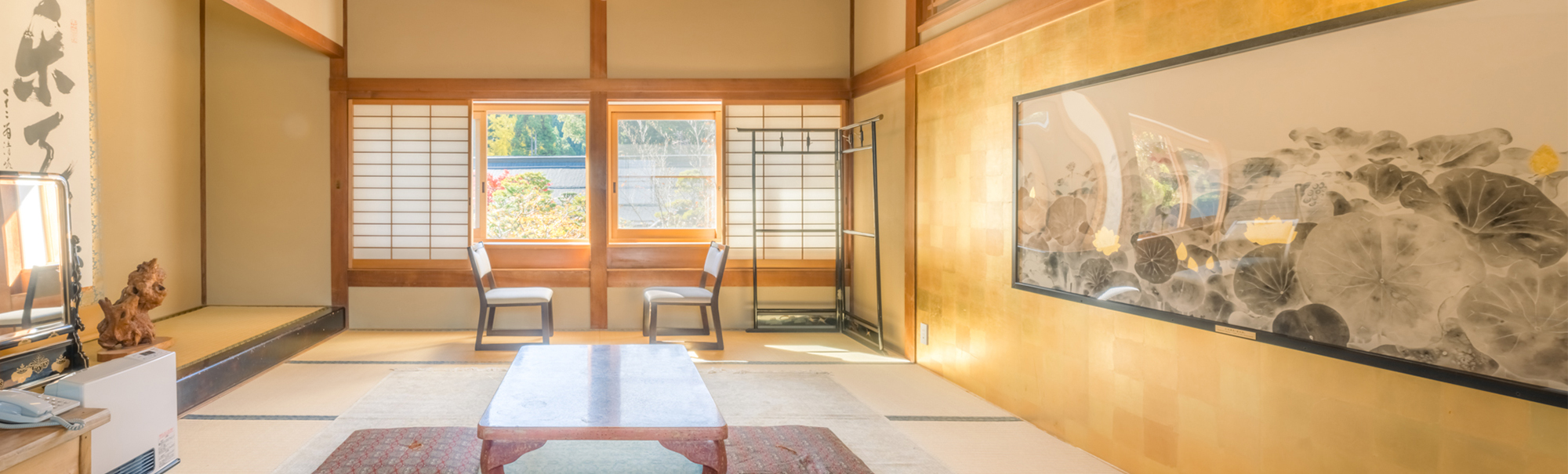
恵光院
A flagship Koyasan shukubo with English-guided Goma fire ceremony, Ajikan meditation, and nightly Okunoin tours.
from $130 /per night

福智院
The only Koyasan shukubo with a natural hot spring, three Mirei Shigemori gardens, and refined shojin ryori.
from $175 /per night
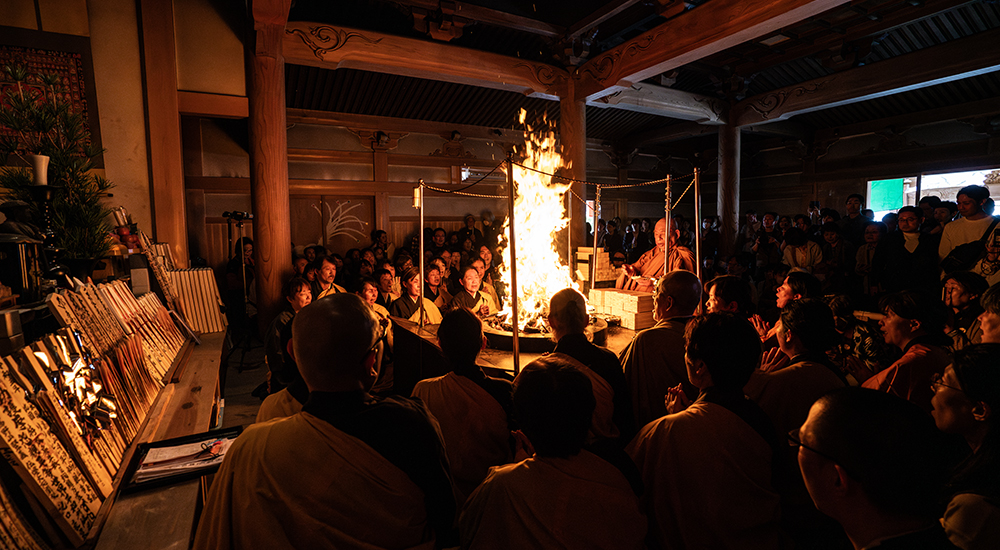
清浄心院
A Special Head Temple of Koyasan Shingon Buddhism, founded in the Tencho era (824-834) and standing at the very gate of Okunoin Cemetery.

延暦寺会館
The only shukubo on Mt. Hiei, located inside UNESCO-listed Enryaku-ji with a 6:30 morning service in the National Treasure Konponchudo and panoramic Lake Biwa views.
from $130 /per night
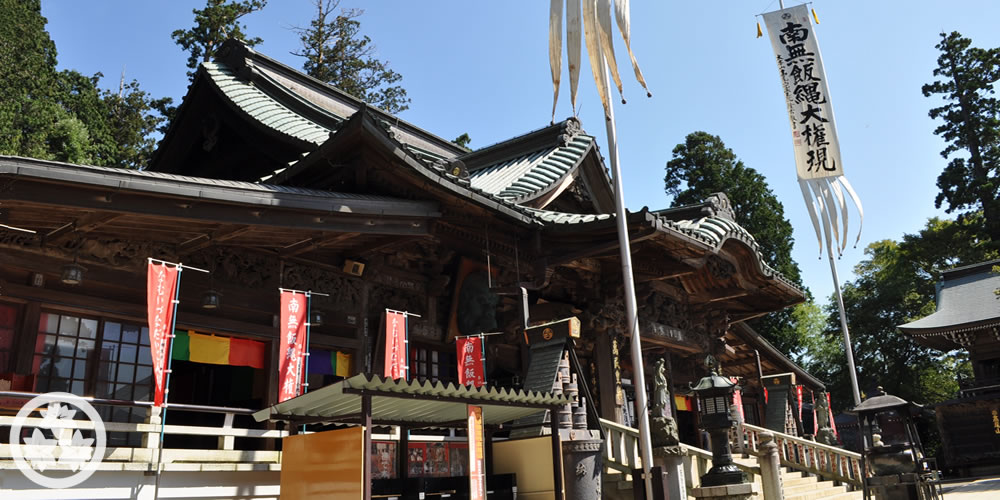
大本山高尾山薬王院有喜寺 大本坊
A 1,200-year-old Shingon yamabushi head temple just outside Tokyo, with a twice-yearly 1-night training retreat at Daihonbo featuring waterfall ablutions, pre-dawn mountain practice and sacred fire ritual.
from $165 /per night

