
|
|
|
|
|
|
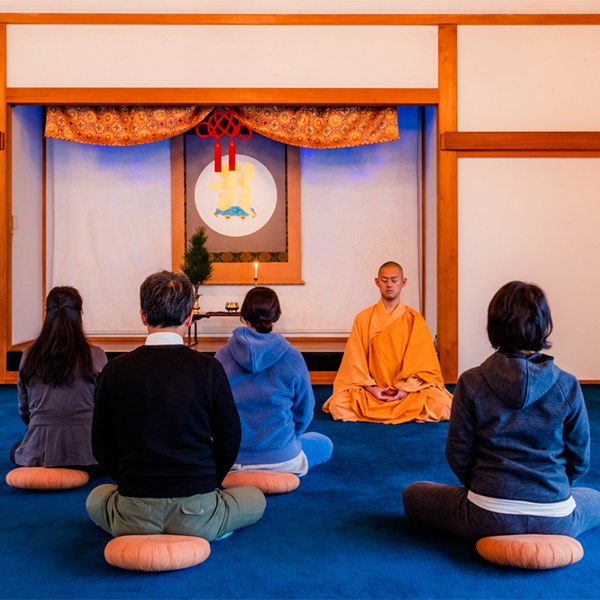 Photo: Eko-in Koyasan (ekoin.jp)
A reader plans a Japan trip and tells a friend, "I want to try meditation at a temple." The friend nods. They both picture the same thing: a stone-floored hall, crossed legs, a wooden stick across the shoulders, silence. That picture is one specific practice — zazen, from the Zen school — and it is only one of at least five distinct contemplative disciplines you can sign up for as an overnight guest at a Japanese temple lodging (shukubo, 宿坊). The five come from different Buddhist traditions, demand different things from the body, last anywhere from ten minutes to ninety, and produce experiences that have almost nothing in common except a shared root in seventh-century Buddhist practice. Choose the wrong one for your temperament and you will spend the session bored, restless, or in physical pain. Choose the right one and the time will pass in a way that is genuinely difficult to describe afterwards.
This guide is for the reader who has already decided to spend at least one night in a shukubo and now needs to decide what to actually do once the bell rings. It is intentionally technical: we cover tradition, posture, duration, physical demand, temples where each practice is taught, prep, and how to combine them within a two-day stay. We will not romanticise the practices or pretend that any of them is intrinsically more "authentic" than another. Each is a specific tool with a specific history, and the question is which tool fits which hand.
English-language coverage of meditation in Japan has a structural problem: it conflates "Japanese Buddhist meditation" with zazen. The conflation is understandable. Zen was the first Japanese school exported to the West in the twentieth century, the school whose teachers (Suzuki, Maezumi, Aitken) wrote the founding English books, and the school whose monasteries — Eiheiji, Daitokuji, Engakuji — became the default image of "Buddhist Japan." Travel articles repeat this default. The result is that a reader who wants to try meditation at a temple is funnelled toward zazen by default, even when zazen — a long, knee-intensive, silent practice with very little external scaffolding — may be the least appropriate option for their body, schedule, or interests.
In reality, Shingon temples on Mt. Koya teach a visualization practice called Ajikan that is taught from a chair, requires no flexibility, and lasts twenty-five minutes. Pure Land and multi-sect temples across Japan run sutra copying sessions (shakyo) where the meditation happens through the brush on the paper. Esoteric Shingon and Tendai temples open their morning fire rituals (goma) to overnight guests, where the contemplative work is purely observational. Zen monasteries themselves break up their sitting sessions with walking meditation (kinhin) precisely because nobody can sit for two hours without moving. Five practices, five different shapes. The point of this article is to put them on the same table so you can pick one — or sequence several — with full information rather than by accident.
Before going deep into each, here is the comparison in compressed form. Zazen (Zen) — seated, half-lotus or seiza, twenty-five to forty minutes per round, often in two-round sets with kinhin between, taught most authentically at Eiheiji-sanro in Fukui and most accessibly in English at Shunkoin in Kyoto. Ajikan (Shingon) — seated, chair permitted, twenty to thirty minutes, evening session, taught in English at Eko-in and in Japanese at Fukuchi-in and Henjoson-in on Koyasan. Kinhin (Zen) — standing and walking, ten to fifteen minutes, paired with zazen, available wherever zazen is offered. Shakyo (multi-sect) — seated at a low writing table, sixty to ninety minutes, copying the 278 characters of the Heart Sutra with brush and ink, offered at most major shukubo including Shojoshin-in, Eko-in, Chion-in Wajun Kaikan, and Hanazono Kaikan. Goma (Shingon and Tendai) — seated as an observer, thirty to forty-five minutes, watching a monk burn wishes on cedar tablets in a sacred fire while chanting mantras, offered each morning at Eko-in, Fukuchi-in, Henjoson-in on Koyasan, at the Shigisan temples in Nara, and at Tonan-in in Yoshino.
Tip
If you only read one section before booking: zazen and Ajikan are the two "active" meditations and they belong to incompatible schools (Zen vs Shingon). Kinhin only exists alongside zazen. Shakyo and goma are available at the widest range of temples and are the most beginner-friendly. The fastest way to sample three practices in one night is a Koyasan stay: shakyo in the afternoon, Ajikan in the evening, goma at sunrise.
Zazen is the central practice of both major Japanese Zen schools — Soto and Rinzai — and the practice that most foreigners arrive expecting to do. The word literally means "seated Zen." It was brought from China by Dogen in 1227 (Soto) and Eisai a generation earlier (Rinzai), and was refined into the form taught today across roughly six centuries of monastic life. The principle is austere: you sit, you watch your breath, and you do not move. Everything else is detail.
The posture matters more than is comfortable. Traditional zazen uses the full lotus (kekka fuza) or half-lotus (hanka fuza), with the dominant foot resting on the opposite thigh. Beginners are usually permitted seiza (kneeling on the heels with a low cushion between calves and buttocks) or a meditation bench. Western chair-sitting is not standard at most Japanese Zen temples; this is partly cultural and partly practical, because the half-lotus stabilises the spine in a way that a chair does not. The hands form the cosmic mudra: left palm on right palm, thumbs lightly touching to form an oval. The eyes are open but unfocused, lowered to a point on the floor about a meter ahead. The tongue rests on the upper palate. The breath moves through the nose only and is counted from one to ten and back to one — or, in advanced practice, simply observed.
A standard session is one round of twenty-five to forty minutes. Many temples run two rounds back-to-back with a ten-minute kinhin (walking meditation) in between. Soto Zen practice is generally shikantaza ("just sitting") — no object, no goal, sitting as its own end. Rinzai practice typically uses a koan, a paradoxical phrase given by a teacher and held in the mind throughout the session ("What is the sound of one hand clapping?" is the most famous example, although it is rarely the actual koan assigned). Both schools may use the kyosaku, the wooden stick struck on the shoulders to release tension or punish nodding off; at most lay-accessible temples the strike is requested by the practitioner with a small bow, not delivered without warning.
Where to do it. Eiheiji-sanro is the deepest option — the visitor lodge attached to Dogen's founding Soto monastery in the Fukui mountains, where you sit alongside training monks in the actual sōdō (monks' hall). The session is silent, the schedule is non-negotiable (3:50 a.m. wake-up), and the experience is closer to a short residency than a hotel stay. Shunkoin in Kyoto is the most accessible English-language option — the vice-abbot leads sessions in fluent English with a Western-trained interpretive frame, and the temple is designed around foreign guests. Hakujukan is the comfort option — a designer hotel run by Eiheiji that offers a softened, beginner-friendly version of the practice in a contemporary setting. Hokyo-ji (currently unpublished on our directory) is an option for guests who want a smaller, less-trafficked Soto Zen experience.
Physical demand. High. Knee and hip flexibility help enormously, and even with cushions the half-lotus or seiza will become painful for most Western bodies by the twenty-minute mark. The pain is part of the practice for some traditions and a distraction for others; either way, you should not arrive expecting comfort. If you have a known knee injury, hip replacement, or any condition that prevents floor-sitting, choose Ajikan or shakyo instead. We cover this in detail in our comparison of Zen, Shingon, and Tendai shukubo experiences, and in our Koyasan vs Eiheiji guide, which is the most common decision foreign visitors face.
Ajikan is the signature meditation of the Shingon school, the esoteric Buddhist tradition founded by Kukai (Kobo Daishi) in 806 CE and centred on Mt. Koya. It is almost unknown to Western practitioners and almost unmentioned in English travel writing, despite being the easiest of the five practices to begin and the one most likely to surprise a first-time guest. The name means "contemplation of the letter A" — and the letter in question is the Sanskrit syllable A (अ), the first letter of the Siddham alphabet and the seed-syllable of Mahavairocana, the cosmic Buddha at the heart of Shingon teaching.
The practice works as follows. The practitioner sits — and here is the first major contrast with zazen — either in seiza or in a Western chair, whichever the body prefers. Posture matters but flexibility does not. The instructor sets out, at the front of the room, a hanging scroll painted with three elements stacked vertically: a lotus flower at the base, a full moon disc resting on the lotus, and the Sanskrit letter A inscribed in white on the moon. The practitioner gazes at the scroll, breathes slowly and evenly, and gradually internalises the image — first holding it in memory with eyes closed, then expanding it in imagination until the moon disc fills the chest, then the room, then the entire universe. The breath is coordinated with the visualization: in-breath draws the cosmos toward the heart, out-breath releases the self into the cosmos. The whole arc takes about twenty-five minutes.
Ajikan is a visualization practice, which makes it fundamentally different from zazen. Zazen empties; Ajikan fills. Zen tradition tends to be suspicious of mental imagery, treating it as another form of attachment to be released. Shingon takes the opposite view — that the imagination, properly disciplined, is one of the three vehicles (with mantra and mudra) through which the practitioner can directly experience the buddha-nature already present. For visual or artistic minds, this can be a transformative match. For analytical minds that arrive expecting "just watch the breath," it can feel busy at first; give it ten minutes before judging.
Where to do it. Eko-in on Koyasan runs the most accessible Ajikan session for foreign guests — an evening session, typically around 7:00 p.m., led by an English-speaking monk with a clear step-by-step explanation. This is the only English-led Ajikan session we know of in Japan and it is by itself a reason to stay at Eko-in. Fukuchi-in offers an evening Ajikan session in Japanese, in one of the most spacious meditation halls on the mountain. Henjoson-in also offers Ajikan as part of its overnight programme. All three are on Mt. Koya within walking distance of each other, so it is possible to stay at one and observe at another if scheduling permits.
Physical demand. Minimal. Chair-seated is permitted at all three temples, which makes Ajikan the appropriate choice for anyone with knee, hip, or back issues, anyone over sixty, anyone recovering from injury, and anyone who has tried zazen elsewhere and found the posture unbearable. The mental demand is moderate — sustained visualization is harder than it sounds, and the first session usually involves more wandering attention than the second.

Kinhin is the walking meditation practised in both Soto and Rinzai Zen, almost always paired with zazen as a built-in rest from sitting. The character 経 means "sutra" or "passing through"; 行 means "practice" or "going." Together: practice in motion. The form is centuries old and was specifically designed to keep monks circulating in the meditation hall during long sessions so that legs do not seize and minds do not drift entirely into sleep. It is the practice most people accidentally end up doing in Japan — because anyone who signs up for zazen at a Japanese monastery will also be led through kinhin between sitting rounds, whether they expected it or not.
The form differs slightly between schools. Soto kinhin is extremely slow — one half-step per breath, the foot lifted no higher than the ankle, the hands held in shashu (left fist enclosed by right palm, both pressed lightly against the diaphragm). A round of kinhin in a Soto hall may cover only a few meters in ten minutes. Rinzai kinhin is brisker, almost a walking pace, with the same hand position but with the foot moving on every breath. In both schools, the eyes remain lowered, the breath remains the anchor, and the line of monks (or guests) moves clockwise around the hall in absolute silence.
Kinhin is not a separate practice to book — it appears automatically inside zazen sessions at any of the temples listed above (Eiheiji-sanro, Shunkoin, Hakujukan). It is worth understanding in advance because it solves the single biggest physical problem zazen presents: a stiff hip or aching knee that has been screaming for twenty minutes is given relief without the embarrassment of bailing out of the round. It also, for many practitioners, becomes the part of the session in which "meditation" actually happens — sitting can be a battle with the body, but the slow walk is sometimes the moment in which attention finally settles. For visitors who suspect zazen will be too physically demanding, the existence of kinhin within the schedule is reassuring: you are not asked to sit for an unbroken hour.
Physical demand. Low. The slow pace and upright posture remove almost all the stress that floor-sitting places on the knees. If you have lower-back pain or stiffness that makes zazen impossible, the kinhin rounds may still be accessible, and at some temples — Shunkoin in particular — the instructor will quietly allow a guest to extend the walking and shorten the sitting if asked respectfully in advance.
Shakyo is the practice of hand-copying Buddhist sutras with brush and ink. It dates to the seventh century in Japan, when Empress Suiko commissioned copies of the Lotus Sutra as a national merit-making act, and it has been continuously practised in Japanese monasteries ever since. The most common sutra used today is the Heart Sutra (Hannya Shingyo, 般若心経), the 278-character compression of the Prajnaparamita that fits on a single sheet of washi paper. Shakyo is multi-sectarian — it is offered at Shingon temples, Tendai temples, Pure Land temples, and Zen temples — but the form is essentially the same everywhere: you sit at a low table, you receive a printed template with the characters in light grey, you trace each character with a fine brush in black ink, and you complete the sheet over the course of sixty to ninety minutes.
For meditation purposes, shakyo functions differently from the other four practices. There is no posture to maintain, no breath to count, no image to visualize, no fire to watch. The meditation happens in the hand — in the specific, continuous attention required to draw a 12-stroke kanji character with a brush that does not forgive any wobble. The mind has nowhere to go because the next stroke is always about to demand it. Practitioners describe a state that emerges around the fifteenth or twentieth character: the conscious effort of "drawing" drops away, and the brush starts to move on its own. This is the same flow state athletes and musicians describe, dressed in seventh-century clothing. Anyone who has ever lost two hours to a craft they were absorbed in already knows what shakyo feels like.
Where to do it. Shojoshin-in is one of the oldest and most consistent shakyo programmes on Koyasan, with a dedicated copying hall and morning sessions for overnight guests. Eko-in offers shakyo as a complement to its Ajikan and goma programme, making it possible to stack all three practices in a single 24-hour stay. Chion-in Wajun Kaikan in Kyoto, attached to the head temple of Pure Land Buddhism, offers a particularly atmospheric shakyo session in a traditional copying hall. Hanazono Kaikan, attached to the Myoshin-ji Rinzai complex in Kyoto, offers shakyo alongside Rinzai zazen, allowing a contrast between the two practices within a single morning. Our full breakdown is in the shakyo and shabutsu guide, which covers ten temples in detail.
Physical demand. Low to moderate. Seated at a low table for ninety minutes is genuinely tiring for Western bodies — most foreign guests find their lower back complaining well before their hand does. Most temples now provide a small backrest or cushion on request, and some have switched to slightly higher Western-style tables for accessibility. The hand itself does become fatigued by the final third of the session, and a guest who has not held a fine brush before will notice that the wrist controls the stroke far more than the fingers. The take-home artifact is excellent: a finished sheet of the Heart Sutra in your own hand on quality washi, suitable for framing, with a small space at the end where you can write a personal dedication that the temple will offer at its main altar.

Goma is the esoteric fire ritual practised by Shingon and Tendai, both of which inherited it through the Tang-dynasty Chinese transmission of Indian Vajrayana around the 8th century. The character 護摩 is the Sino-Japanese reading of the Sanskrit homa, a Vedic fire ritual that is at least 3,500 to 4,000 years old. In the Buddhist version, a stack of cedar wood sticks (gomagi, 護摩木) — each inscribed by a layperson with a personal wish — is ignited on a central altar in front of an image of Fudo Myo-O or Mahavairocana. The presiding monk performs an extraordinarily complex sequence of mudras and mantras for thirty to forty-five minutes while the flame consumes the wishes. The fire externalises the inner work the monk is performing silently — and, in the Shingon understanding, the wisdom flame of the deity transforms the worshipper's delusions and attachments along with the wood.
Of the five practices in this article, goma is the only one in which the guest does not actively perform the meditation. You are an observer. You sit on a flat cushion at the back of the hall, you watch, and you listen to the chanting — which continues without pause for the duration of the ceremony, often in Sanskrit syllables transliterated through Chinese into Japanese pronunciation, syllables that have been carried unchanged across forty centuries. The mind work happens through reception: holding attention on the fire, on the rhythm of the chanting, on the rising heat in the room, on the smell of burning resin. For a particular kind of practitioner — the sensory observer, the person who finds it easier to watch carefully than to do anything — goma is the most powerful of the five.
Where to do it. Eko-in runs a goma ceremony each morning at 7:00 a.m., open to all overnight guests, with a short English explanation at the end. Fukuchi-in and Henjoson-in also conduct morning goma for guests. Outside Koyasan, Enryakuji Kaikan on Mt. Hiei offers the Tendai school’s version of the ceremony with its own distinctive ritual lineage, the two temples on Mt. Shigi in Nara — Shigisan Gyokuzo-in and Shigisan Senju-in — perform goma in a particularly atmospheric mountain setting, and Tonan-in in Yoshino offers goma in spring during the cherry blossom pilgrimage season. Our standalone guide to the morning goma at Koyasan covers the ritual structure, what the chants mean, photography rules, and how to write a gomagi prayer stick in advance.
Physical demand. Zero. Goma is the only practice on this list with no posture requirement beyond sitting upright on a cushion or low chair. There is no breath count, no visualization, no mantra to memorise, no characters to draw. This makes goma the single most beginner-friendly contemplative experience available in a Japanese shukubo — and the appropriate choice for any guest who has a physical limitation, or who simply wants to begin with observation before attempting an active practice. We pair it with overnight stays at Eko-in and Fukuchi-in on Koyasan, where the morning ceremony comes free with the room rate.
A common mistake is to choose a practice by the romance of its description rather than by its actual fit with your mind. The five practices map to recognisably different cognitive styles, and matching the practice to the style is the single most important factor in whether the experience lands.
Analytical mind: zazen. If you arrive at meditation with a question — "what is the self," "where does thought come from," "is there a 'me' watching this" — zazen is the practice built for that lineage. The Zen tradition has spent eight centuries refining a vocabulary for the analytic investigation of mind in stillness, and the koan tradition in particular treats meditation as a structured cognitive problem. Shunkoin in Kyoto is the most accessible Rinzai-style introduction in English.
Visual or artistic mind: Ajikan. If you think in pictures, dream vividly, sketch, paint, design, or photograph — Ajikan will probably grip you in a way the others will not. The Shingon tradition treats visualization as a primary vehicle for awakening, and the iconography (the white Sanskrit A on the moon disc on the lotus) is unusually rich. Eko-in's English session is the natural entry point.
Restless body: kinhin (and shakyo). If you cannot sit still — if the idea of forty minutes on a cushion makes your legs twitch before you even start — book a zazen session anyway, because kinhin will be inside it. The slow walking solves the restless-body problem in a way that no amount of resolve from the cushion can. Shakyo is the parallel solution: the hand stays busy throughout, which paradoxically makes the mind settle.
Tactile or writing person: shakyo. If you like the feel of a pen on paper, the smell of fresh ink, the small physical pleasure of a well-formed letter — shakyo will deliver more concentrated satisfaction in ninety minutes than the other four practices combined. The take-home sheet is a real artifact, not a souvenir.
Observer or sensory mind: goma. If you are the kind of traveller who learns most by sitting quietly at the edge of a thing and watching, who would rather observe a tea ceremony than participate, who finds external complexity more interesting than internal silence — goma is built for that disposition. The ritual is dense with sensory detail and asks nothing of you except attention.
Honest assessment of the body should weigh as heavily as temperament. The following matrix matches common physical constraints to the practices that accommodate them.
Knee problems or recent knee surgery. Avoid zazen — the half-lotus and seiza positions both load the knee joint significantly, and even with cushions a full forty-minute round will be painful. Choose Ajikan (chair permitted) or shakyo (low table, posture flexible). Both Eko-in and Fukuchi-in are explicit that chair-seated Ajikan is fine.
Lower-back pain. Avoid extended floor-sitting in any form. Goma is the safest choice — observer seating at the back of the hall is more forgiving and chair-style seating is sometimes available on request. Kinhin is acceptable but the zazen rounds before and after will be punishing. Communicate with the temple in advance if possible; the lay-accessible programmes are generally accommodating once they understand the constraint.
Arthritis or general joint stiffness. Goma is the default answer. Pure observation, no posture demand beyond upright sitting on a cushion, no held positions. Ajikan is a strong second choice with a chair.
Mobility impairment or wheelchair use. All five practices can in principle be accommodated, but logistics vary enormously by temple. Koyasan temples are mostly traditional wooden buildings with raised tatami floors and step-up entrances; modern shukubo such as Hakujukan and Chion-in Wajun Kaikan are significantly more accessible. Call or email the temple at least two weeks in advance. The English-speaking front desks at Eko-in and Shunkoin are particularly good at finding workable arrangements.
Tip
A blunt rule: if you cannot sit cross-legged on the floor for fifteen minutes without pain, do not book zazen at Eiheiji-sanro as your first temple experience. The schedule is built for monastic discipline and the floor is hard. Choose Ajikan or goma at Eko-in instead — both are real meditation, both are taught by ordained Shingon priests, and your body will let you actually pay attention to the practice.
A two-day Koyasan shukubo allows you to sample three or four of the five practices without rushing any of them. Here is a representative sequence that has worked for guests we have advised, anchored at Eko-in because it offers the widest range of English-led practices in one place.
Day 1, 14:30 — arrival, check-in, ten minutes to settle in the room. 15:00 — shakyo session, ninety minutes. This is deliberately first: the long focused activity settles the travel-day mind and gives you a take-home object early in the stay. 17:00 — bath (the temple bath opens to guests around five). 18:00 — dinner, served in your room. Shojin ryori, the temple cuisine, takes about an hour to eat properly. 19:00 — Ajikan session, twenty-five minutes, English-led. By this point in the day the mind is already half-settled from the shakyo and dinner; Ajikan deepens it. 20:00 — Okunoin night tour with the temple monk (separate booking, but Eko-in coordinates), ninety minutes through the cedar-forested cemetery to the mausoleum of Kobo Daishi. 22:00 — back at the temple, sleep on futon.
Day 2, 06:00 — wake-up bell. 06:30 — morning prayer service in the main hall, twenty minutes. 07:00 — goma fire ceremony, forty minutes. By the end of this you have observed three of the five practices (shakyo, Ajikan, goma) within twenty-one hours. Breakfast follows at 08:00. Checkout is by 10:00. The fourth practice — kinhin paired with zazen — would require a second night with a transfer to a Zen-school temple in Kyoto, Eiheiji, or Hakujukan.
Our Okunoin night tour guide covers the cemetery walk in detail, and the first-time shukubo guide walks through the full overnight rhythm if this is your first temple lodging anywhere. For the cross-mountain comparison of what you can stack, see Koyasan vs Eiheiji — the short version is that Koyasan stacks more practices in one stay while Eiheiji goes deeper into one.

It is tempting, given the menu above, to design a trip around hitting all five practices as a kind of meditation tasting flight. Resist this. The five practices are not five flavours of the same thing — they are five separate disciplines, each of which rewards depth over breadth. Forty minutes of focused zazen with a teacher who watches your posture is worth more than three rushed half-sessions at three different temples. The same is true for Ajikan: the first session is mostly orientation, and the actual visualization begins to deepen on the second or third sitting. Shakyo has a similar curve — the meditative quality of the practice comes from the second hour onward.
The recommendation we give to readers who only have time for one practice: pick the one matched to your temperament from the section above, book two consecutive nights at the temple that teaches it most seriously in English, and do the practice three times across the stay. This is enough to move past the "first session is mostly bewilderment" stage and into the territory where the practice actually starts to do its work. For analytical minds, that means two nights of zazen at Shunkoin. For visual minds, two nights of Ajikan at Eko-in. For tactile minds, two nights of shakyo at Shojoshin-in or Chion-in Wajun Kaikan. For observers, two consecutive mornings of goma at Eko-in or Fukuchi-in. For restless bodies, two nights of paired zazen-and-kinhin at Hakujukan.
The five-in-one sampler approach makes sense only if you genuinely do not know what your temperament is — in which case the Koyasan two-day stack outlined above is the most efficient way to find out, and a second trip can then go deep on whichever practice surprised you. We have had readers come back for a second visit purely to spend three days on shakyo after a single afternoon session in their first trip flagged it as the unexpected match.
Each practice has slightly different preparation. Zazen — wear loose, comfortable trousers with no tight waistband; eat lightly two hours before the session; arrive ten minutes early to be shown the posture. Ajikan — same clothing rules, but no flexibility prep needed; if you wear glasses, keep them on so you can see the scroll clearly. Kinhin — comfortable socks (you will be on a wooden or tatami floor and shoes are removed at the hall entrance). Shakyo — short fingernails on the brush-hand, no tight cuffs, glasses on if you use them for reading; the characters are small. Goma — warm clothing in winter, because halls are unheated and you will sit still for forty minutes; remove watches and metal jewellery as a courtesy to the ritual setting.
On clothing more broadly: most shukubo provide a yukata (cotton robe) for use inside the temple, which is appropriate dress for evening Ajikan, evening shakyo, and observing goma. Daytime sessions and any zazen at a working monastery require regular clothing — loose, dark, modest, with shoulders covered. See our what to wear at a shukubo guide for the full breakdown by season and temple type. The shukubo etiquette guide covers the cross-cutting behavioural norms — bowing, footwear, photography, silence — that apply across all five practices.
Three of the five practices can be done with no Japanese at all. Goma requires no verbal instruction — you sit, you watch, you bow when the monks bow. Shakyo requires only the brief introduction (how to hold the brush, what the characters mean), and most major temples now have a printed English handout. Ajikan at Eko-in is led entirely in English. Zazen is split: at Shunkoin the instruction is in fluent English, at Hakujukan there is English material, at Eiheiji-sanro almost everything is in Japanese and a beginner will benefit enormously from having read a primer in advance. The detailed sect-by-sect language situation is covered in our English-friendly shukubo guide.
Tip
Do I need to speak Japanese for any of these practices? No — three of the five (Ajikan at Eko-in, shakyo at most temples, goma at all temples) require essentially no Japanese. Zazen requires more depending on the temple: minimal at Shunkoin, moderate at Hakujukan, considerable at Eiheiji-sanro. If language is a concern, start with Koyasan rather than Eiheiji.
Tip
Can I take photographs during any of these practices? No during zazen, Ajikan, or shakyo (these are practices in session — cameras break the silence and the concentration). Yes for the take-home shakyo sheet after the session. For goma, photography is forbidden during the ceremony itself, but most temples allow photographs of the hall and the cooled altar before or after. Always ask the host monk if uncertain; the answer "no" is much more common than "yes" inside meditation halls.
Tip
What if I fall asleep during the practice? Common, expected, and quietly handled. In zazen, if you nod off the kyosaku (the wooden stick) may be offered — you can decline it with a small bow. In Ajikan and goma the lights are dim and brief dozing is treated with sympathy; the monk will not call you out. In shakyo, falling asleep is essentially impossible because the brush requires constant attention. The honest advice: sleep well the night before, and avoid large evening meals before an evening session.
Tip
What if I become emotional and start to cry? Also common and not embarrassing. Long sessions of any of the five practices can release stored emotion, sometimes unexpectedly. Quiet tears during goma or Ajikan are noticed by experienced monks and not commented on — the appropriate response on the temple's side is simply to let the moment pass. If you would rather slip out, bow once toward the altar and leave quietly through the rear of the hall; no one will follow up.
Tip
Can I observe a practice without participating? For goma, yes — observation is the practice. For Ajikan, yes at Eko-in if requested at booking; sit at the back and watch. For zazen, this is generally discouraged: the meditation hall is not a viewing gallery and sitting passively while others sit actively breaks the form. For shakyo, observation is fine for the first few minutes but you will quickly feel out of place — the activity is the social glue of the session.
You have read four thousand five hundred words and the decision is genuinely simple. If you have a flexible body and a stubborn mind, book two nights at Shunkoin or Eiheiji-sanro and do zazen with kinhin between rounds. If you have a stiff body and a visual mind, book two nights at Eko-in on Koyasan and do Ajikan in the evening and goma in the morning, with a shakyo session in the afternoon for variety. If you have any physical limitation that makes floor-sitting painful, book Eko-in or Fukuchi-in and centre your stay on goma and shakyo, with optional chair-seated Ajikan. If you do not know what you want, book one night at Eko-in and do all three of its accessible practices in sequence — the morning after, you will know which one to come back for. The point is not to sample. The point is to do one of the five practices well enough that you notice, at the end of the session, that something is different.
For the cultural and historical context of the schools behind these practices — what Soto Zen and Rinzai Zen and Shingon and Tendai actually teach, beyond their meditation forms — read our comparison of the three great Japanese Buddhist sects. For the specific deep-dives on the two most accessible practices, see the morning goma fire ceremony guide and the shakyo and shabutsu sutra copying guide. The temples in the relatedTemples section below are the ones where each practice is taught most seriously and most accessibly to foreign guests; their individual pages list the exact session times, pricing, and English support each one offers.
Ready to book?
Browse our curated collection of authentic Buddhist temple stays across Japan. Filter by region, sect, and experience.
Start ExploringRecommended Temples for This Guide
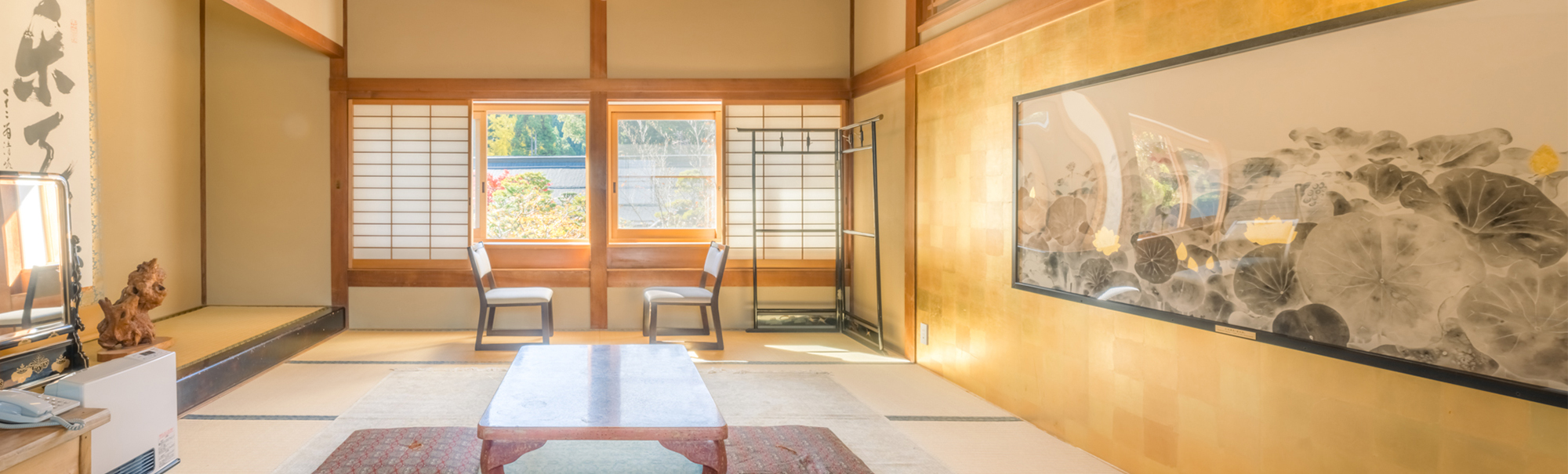
恵光院
A flagship Koyasan shukubo with English-guided Goma fire ceremony, Ajikan meditation, and nightly Okunoin tours.
from $130 /per night
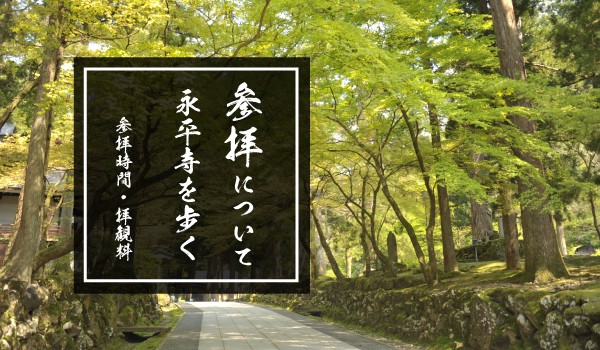
大本山永平寺 参籠(吉祥閣)
A one-night Zen retreat inside the head temple of Soto Zen Buddhism, with pre-dawn zazen, choka service, and shojin ryori.
from $55 /per night
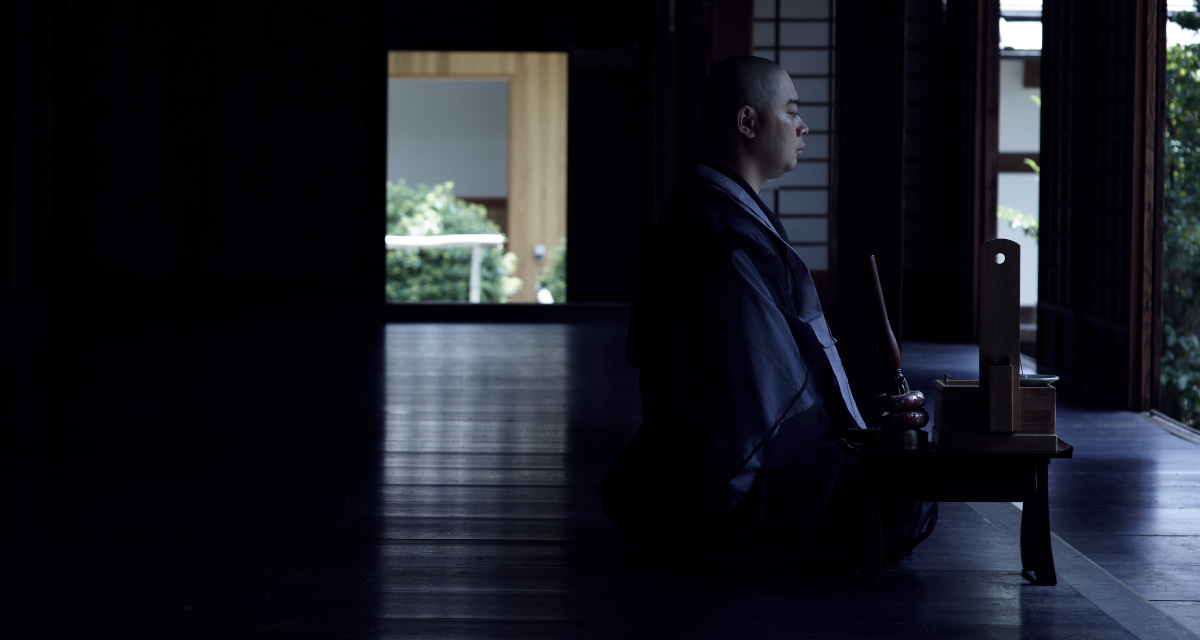
春光院
Kyoto's most internationally renowned Zen shukubo, offering English-led meditation classes and modern en-suite rooms inside a 1590 Myoshin-ji sub-temple.
from $60 /per night

福智院
The only Koyasan shukubo with a natural hot spring, three Mirei Shigemori gardens, and refined shojin ryori.
from $175 /per night

延暦寺会館
The only shukubo on Mt. Hiei, located inside UNESCO-listed Enryaku-ji with a 6:30 morning service in the National Treasure Konponchudo and panoramic Lake Biwa views.
from $130 /per night

